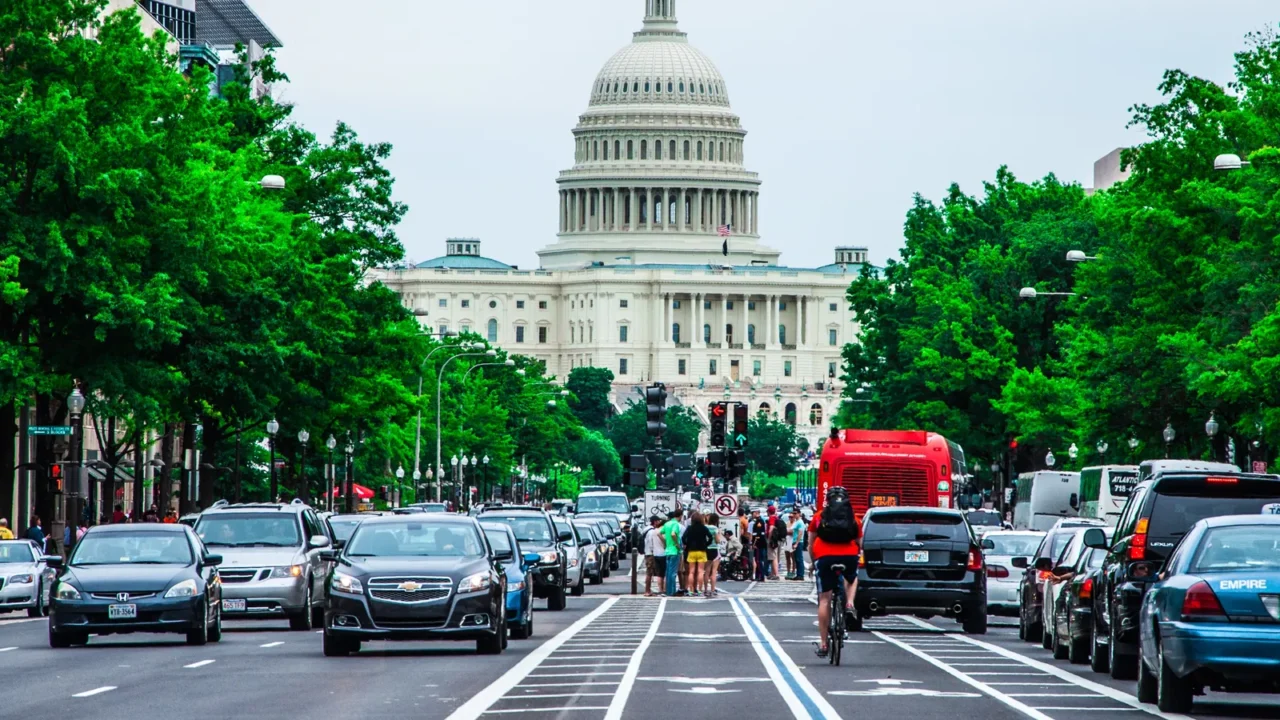
Washington travel patterns shifting
Washington, D.C., is seeing noticeable shifts in leisure travel patterns across the year. Visitor numbers increasingly concentrate in peak seasons tied to weather and major events. Tourism officials say demand now fluctuates more sharply than in past decades.
Leisure travel in Washington, D.C. is becoming more seasonal as visitors plan around comfort and experiences. Peak periods often bring higher prices and larger crowds at major landmarks. Understanding these patterns helps explain how the city is evolving.
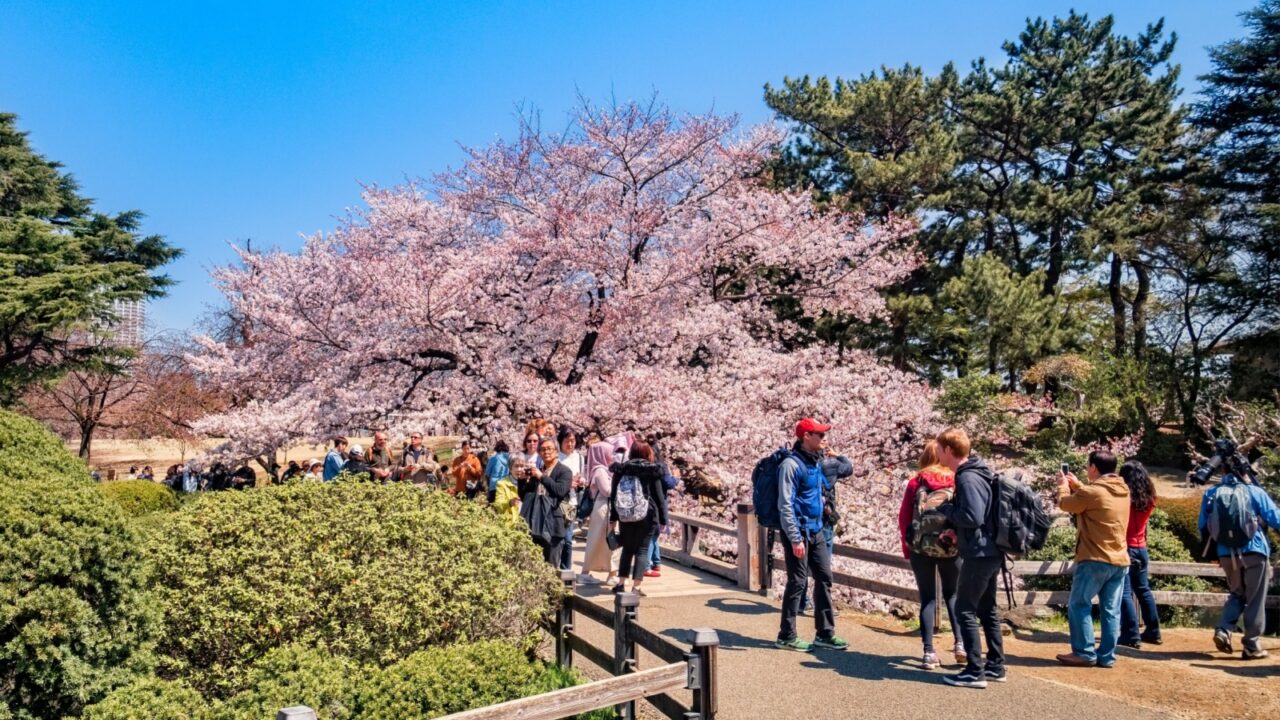
Spring cherry blossom surge
Washington, D.C. sees its biggest leisure travel surge during the spring months. The National Cherry Blossom Festival draws large crowds to the Tidal Basin and nearby monuments. Mild temperatures and blooming trees create one of the city’s most photogenic seasons.
Hotels often reach high occupancy levels during this period, especially near central attractions. Airlines also adjust pricing based on predictable spring demand. Washington, D.C. becomes a prime destination for both domestic and international travelers.
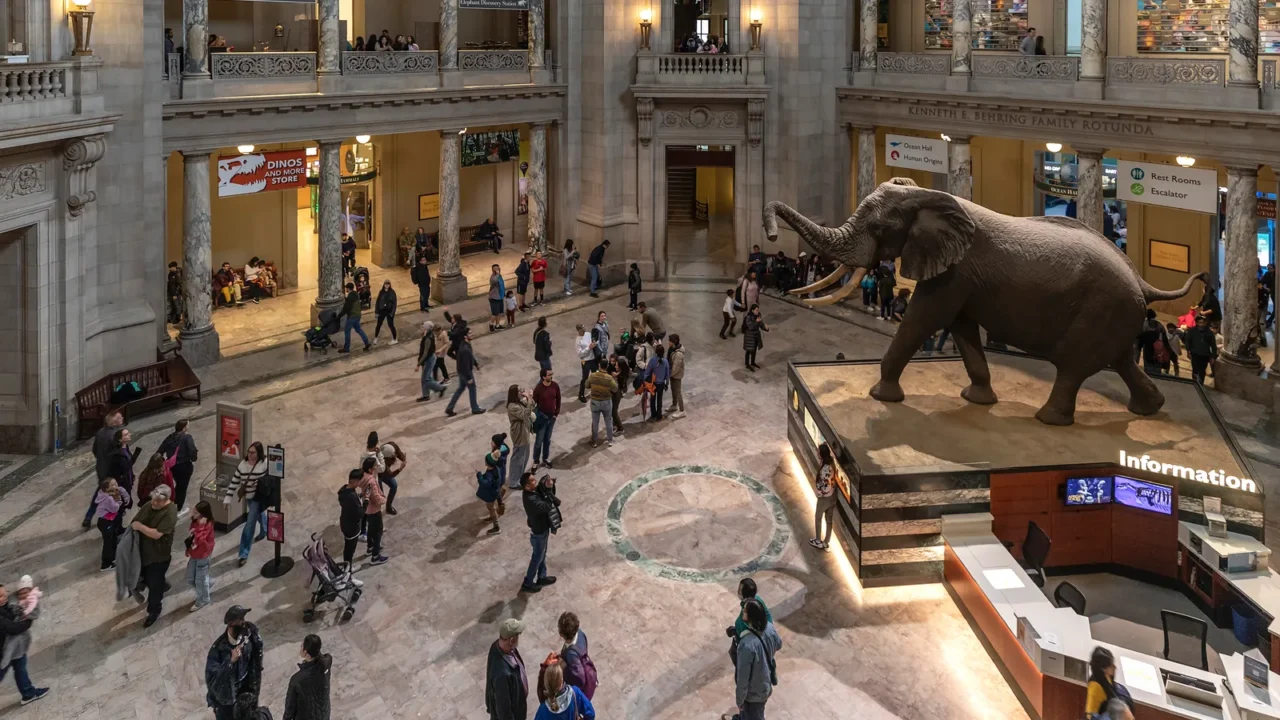
Summer tourism peak season
Summer remains another strong travel season for Washington, D.C. Families visit during school breaks, increasing demand for museums and outdoor attractions. Extended daylight hours allow visitors to explore more in a single day.
Popular sites like the National Mall and Smithsonian museums can become crowded during peak weeks. Heat and humidity, however, can affect overall comfort for some travelers. Washington, D.C. balances high visitor numbers with seasonal weather challenges.
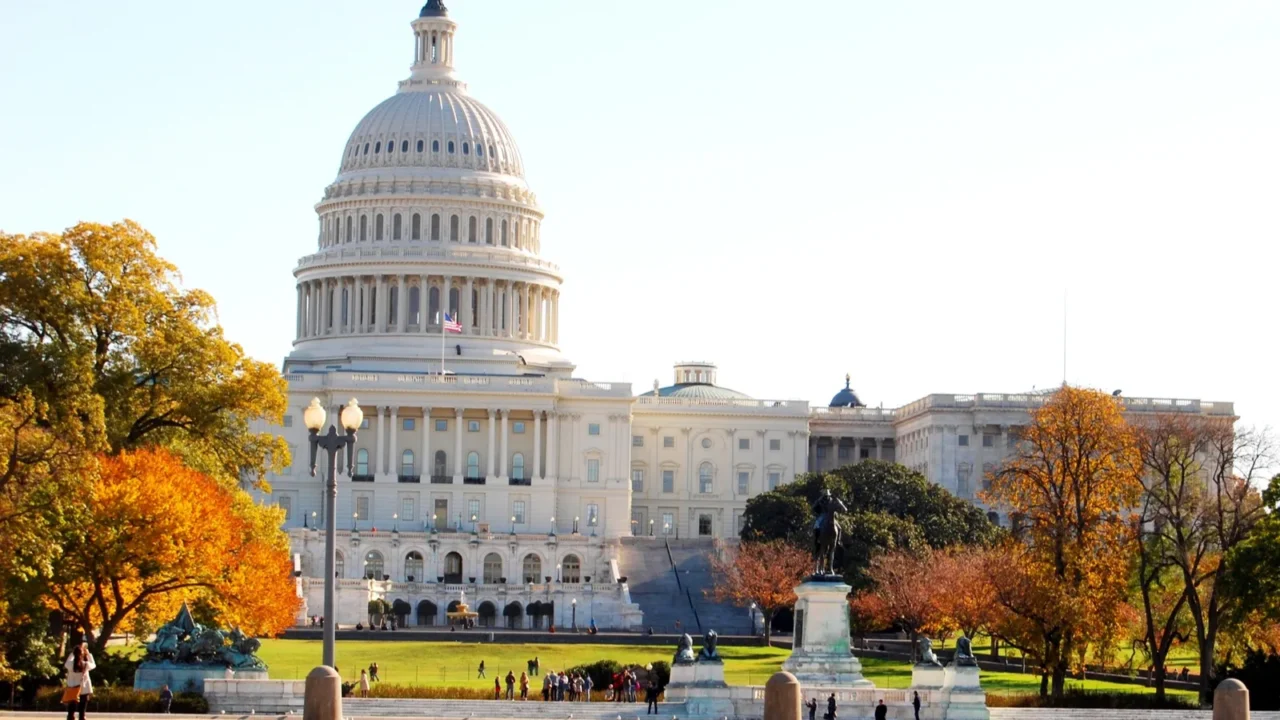
Fall offers calmer travel
Fall has become a preferred season for many leisure travelers visiting Washington, D.C. Cooler temperatures and fewer crowds create a more relaxed sightseeing experience. Tree-lined streets and historic neighborhoods add visual appeal during this time.
Hotel rates often stabilize after the summer rush, making fall more affordable. Events and cultural programs continue without peak season congestion. This balance makes fall an increasingly attractive option for visitors.
Winter brings quieter months
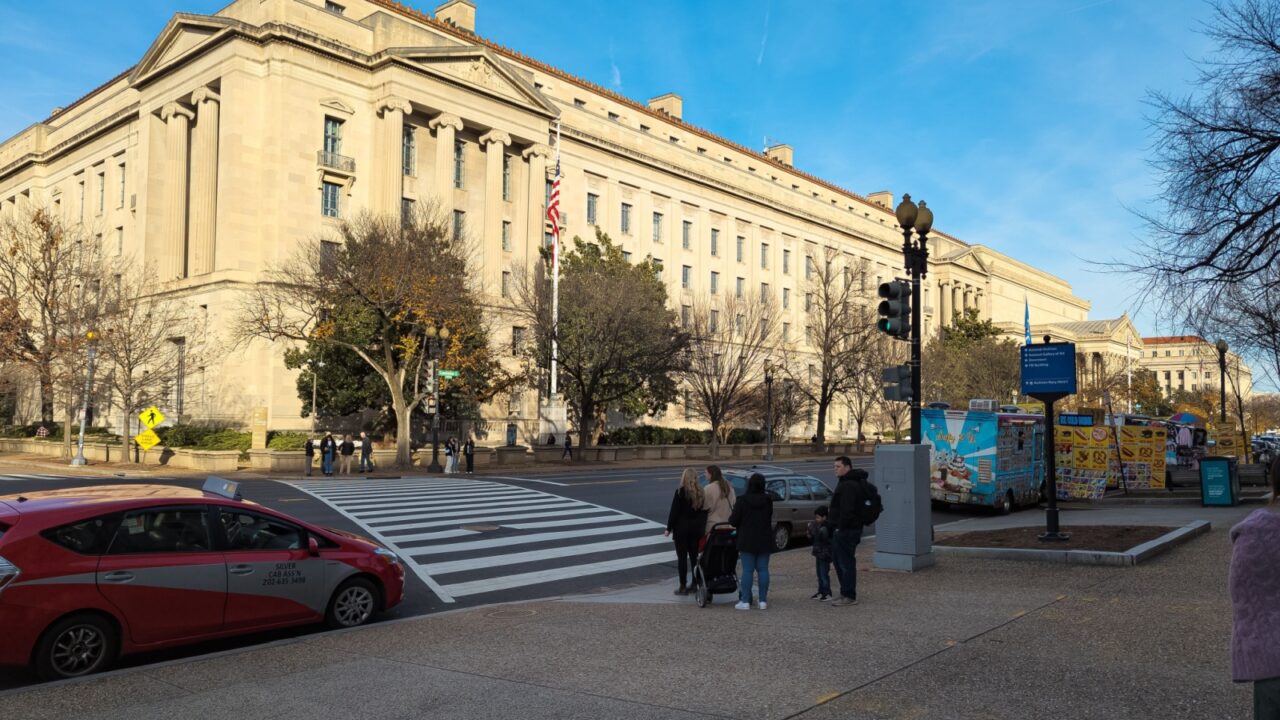
Winter represents the slowest tourism period for Washington, D.C. Cold temperatures and shorter days reduce visitor numbers across the city. Major outdoor attractions see fewer crowds during this season.
However, holiday decorations and seasonal events still draw steady interest. Indoor museums remain popular regardless of weather conditions. Washington, D.C., offers a quieter and more reflective travel experience in winter.
Smithsonian attendance facts
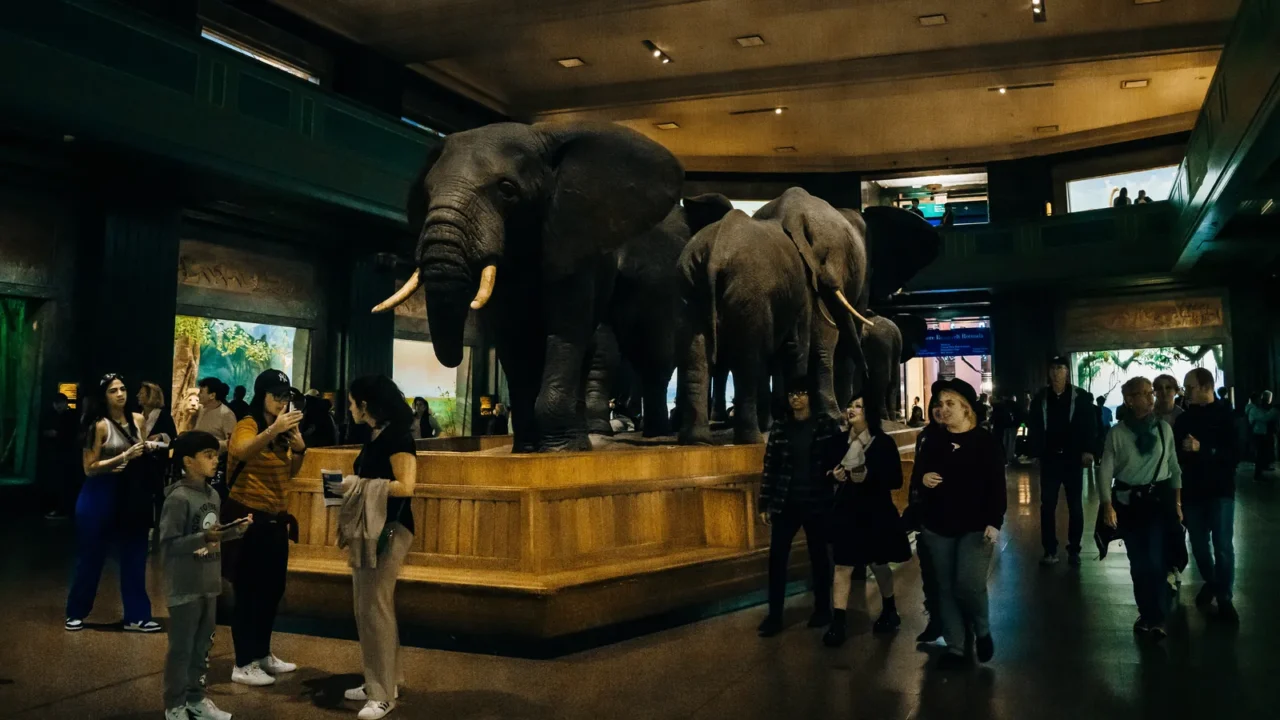
Seasonality also affects museum attendance across Washington, D.C. Visitor numbers rise sharply during the spring and summer months. Winter often sees shorter lines and easier access to exhibits.
Fun fact: The Smithsonian reported about 17.7 million visits in 2023 to its museums and the National Zoo (pre-pandemic totals were larger, near 30 million in 2019), which helps explain how demand spikes in spring and summer. These institutions remain central to the city’s tourism appeal. Seasonal shifts influence crowd levels at each location.
National mall visitor trends
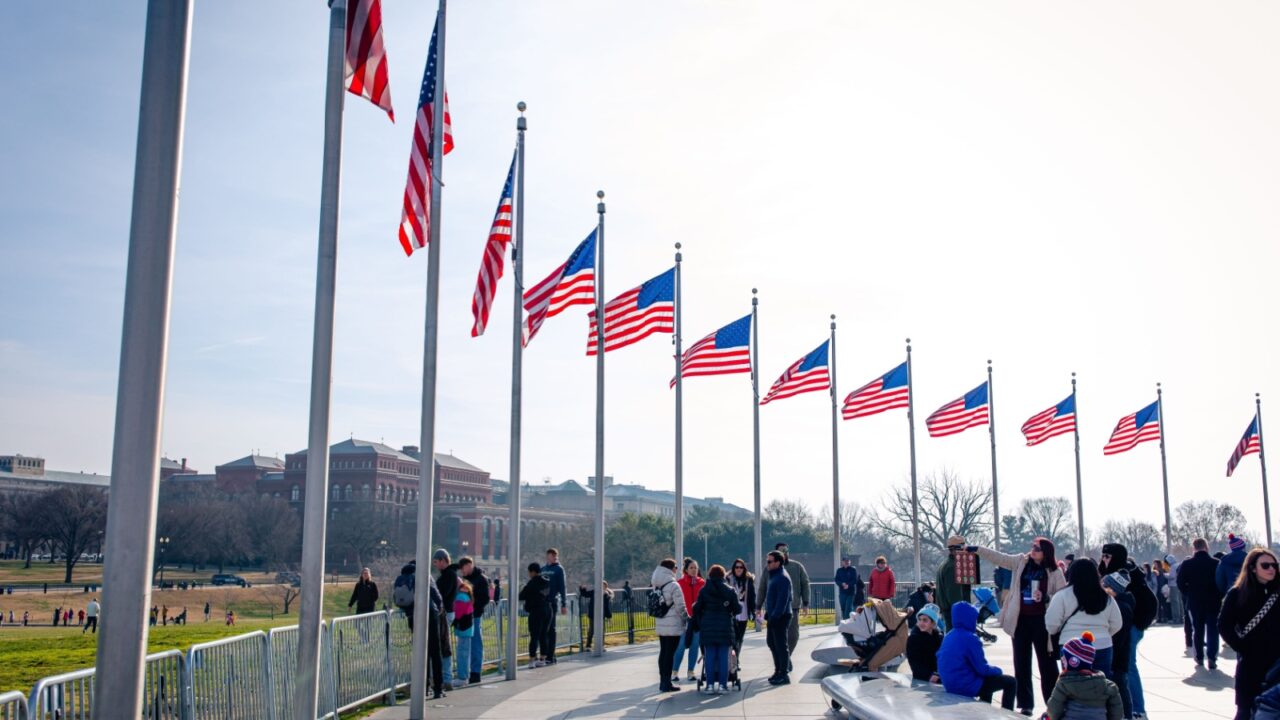
The National Mall is one of the most visited areas in Washington, D.C. Seasonal trends are highly visible across its monuments and memorials. Peak periods bring dense crowds around iconic landmarks.
Fun fact: The National Mall and Memorial Parks draw roughly 24–25 million visitors a year, with the highest activity concentrated in spring and summer months. Visitor patterns closely follow weather and event schedules. These trends shape how travelers plan visits.
Events shape travel demand
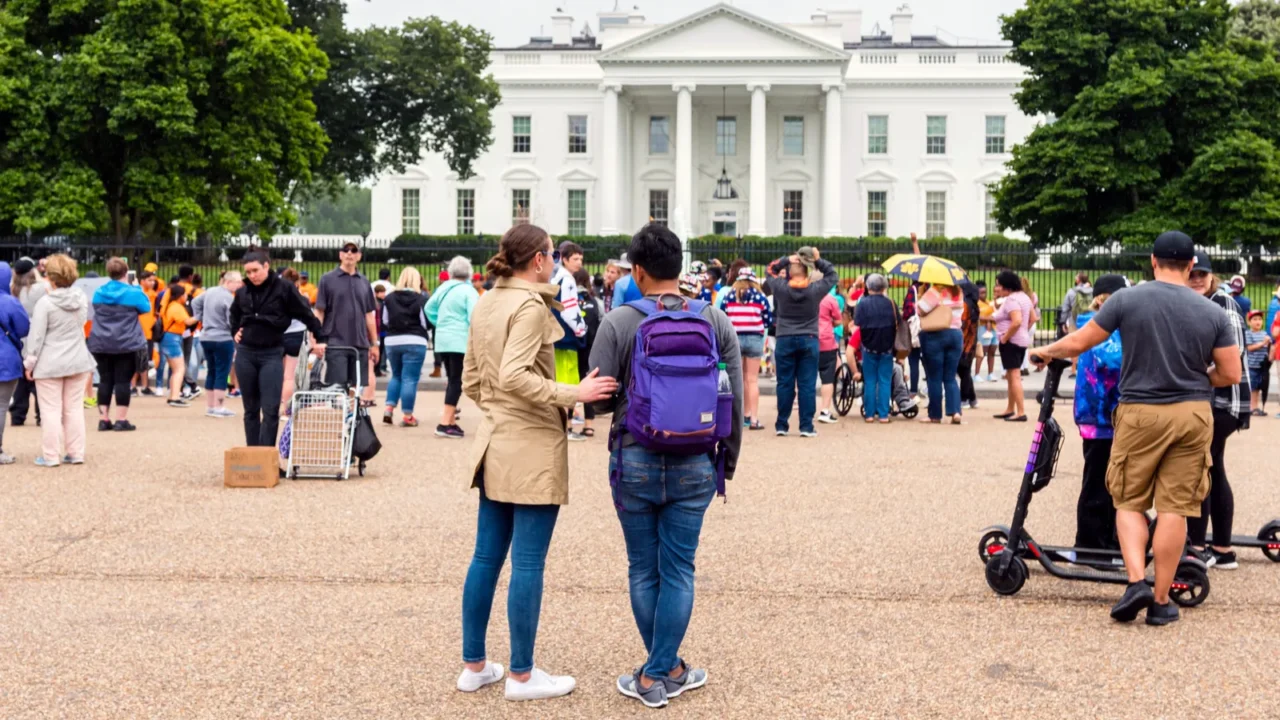
Major events play a key role in shaping tourism patterns in Washington, D.C. Festivals, political events, and cultural celebrations create spikes in demand. These events often align with already busy travel seasons.
Large gatherings can impact hotel availability and transportation across the city. Visitors often plan trips months around key dates. Event-driven travel contributes to the city’s seasonal rhythm.

Government calendar influence
Washington, D.C., has a unique travel pattern influenced by government activity. Congressional sessions and official events bring business travelers throughout the year. Leisure travel often shifts around these cycles.
Periods of lower government activity can create more availability for visitors. Hotels and airlines adjust pricing based on these fluctuations. The city’s dual role affects its tourism calendar.
Pricing follows seasonal demand
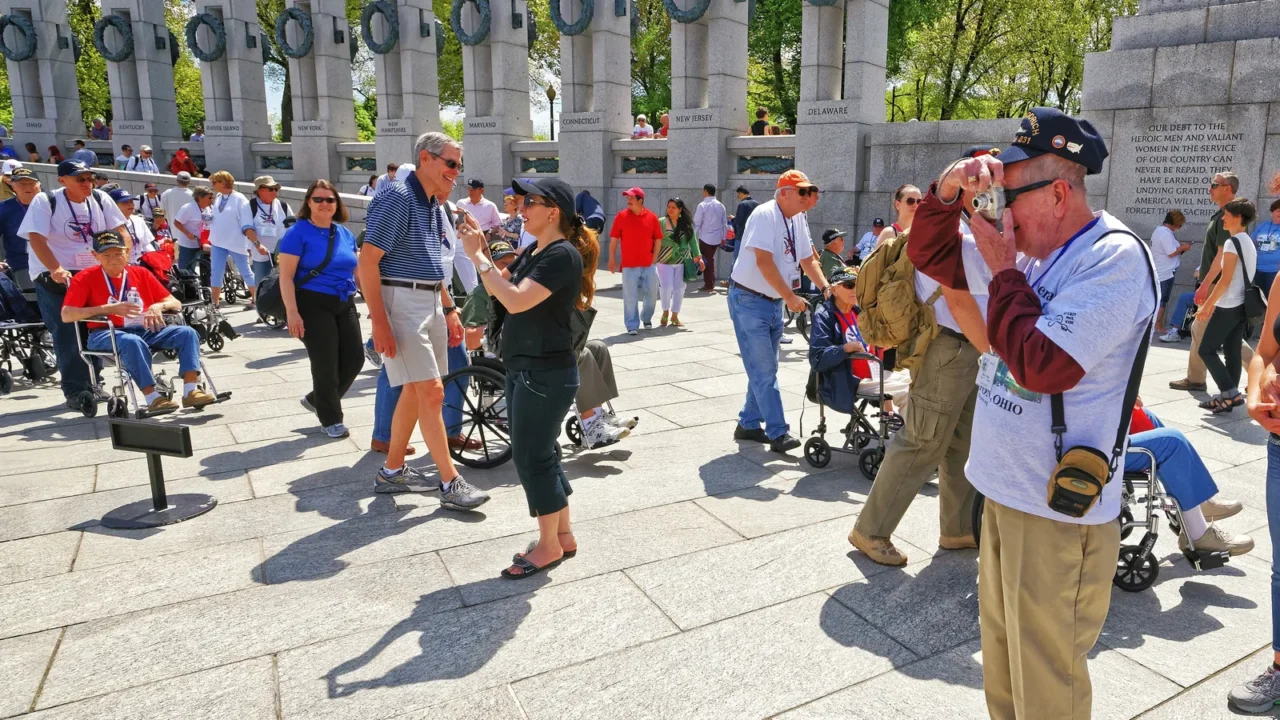
Travel costs in Washington, D.C. often reflect seasonal demand patterns. Peak spring and summer months usually bring higher hotel rates and airfare. Off season travel can offer more competitive pricing.
Visitors who plan around these trends can find better value. Flexible travel dates help avoid the busiest periods. Pricing patterns reinforce the city’s growing seasonality.
Infrastructure supports visitors
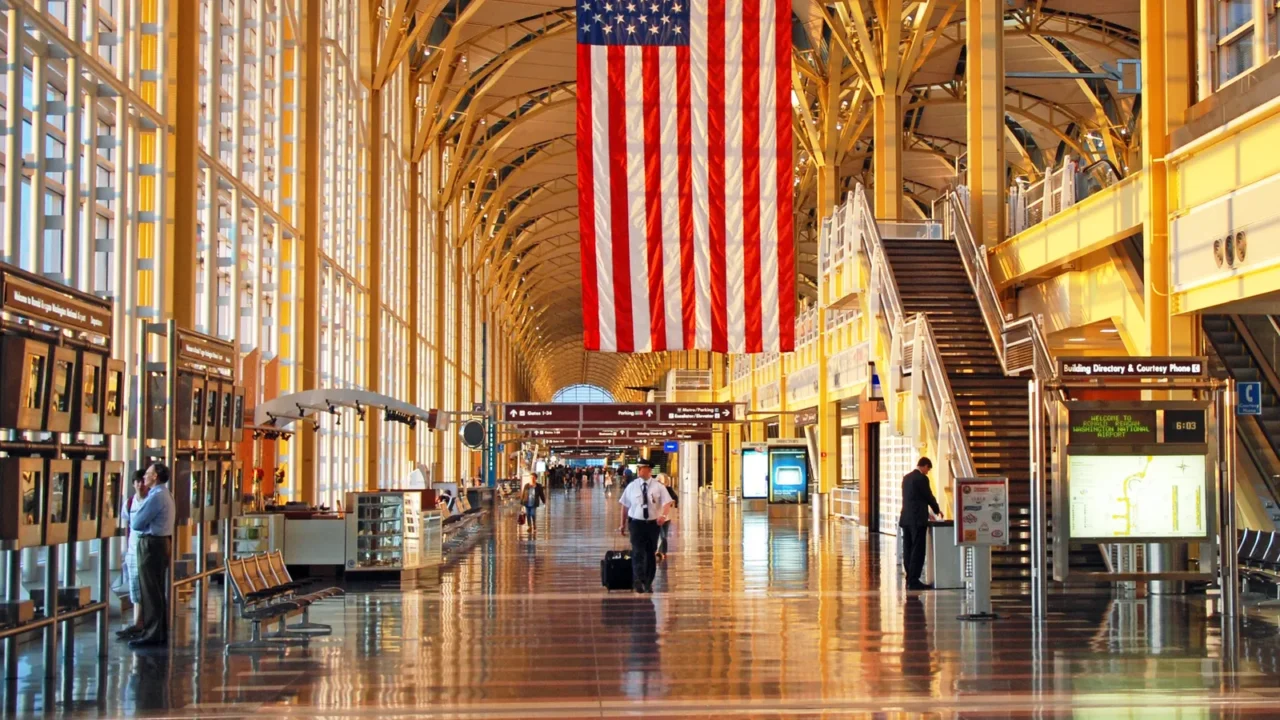
Washington, D.C. continues investing in infrastructure to manage tourism demand. Public transportation and pedestrian access support large visitor volumes. Improvements aim to handle peak season congestion more efficiently.
Airports and transit systems also adapt to fluctuating travel levels. Seasonal surges require careful planning and coordination. Infrastructure plays a key role in maintaining visitor experience.
Travelers adjust their plans
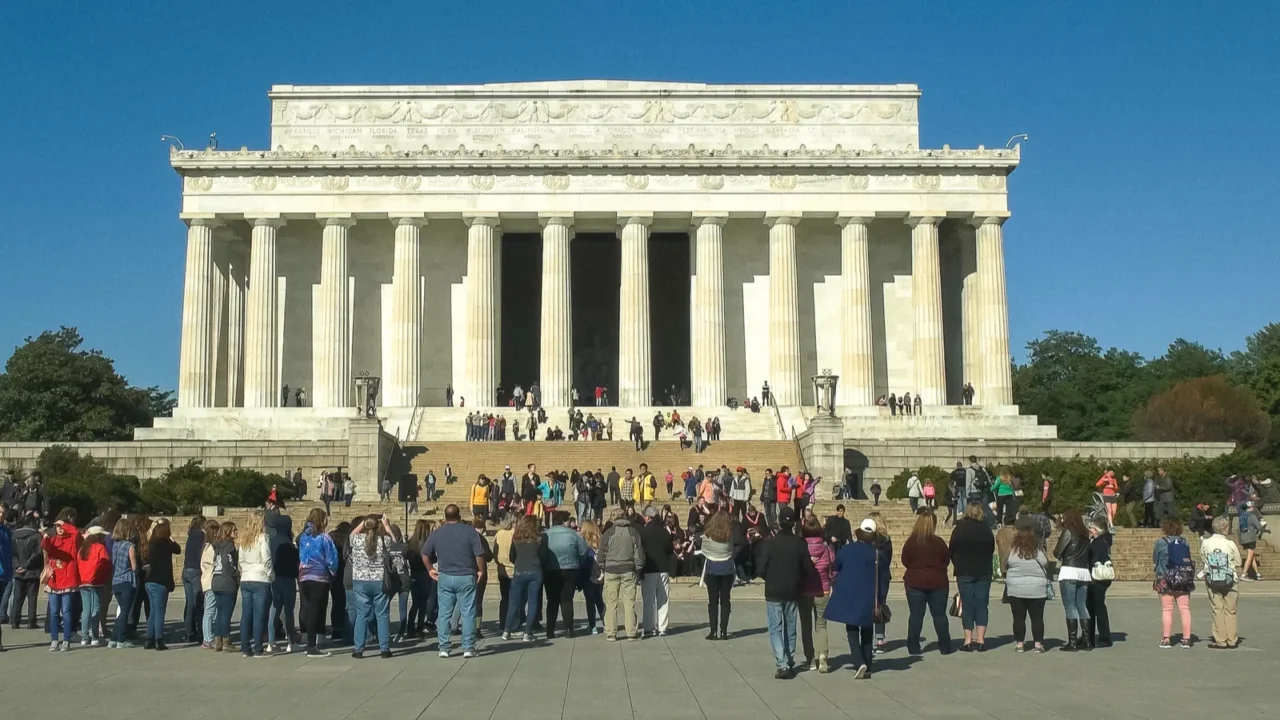
Travelers are becoming more strategic when visiting Washington, D.C. Many plan trips during the shoulder seasons to avoid crowds. Flexibility has become an important factor in travel decisions.
Shorter stays and targeted itineraries are also more common. Visitors focus on key attractions rather than extended trips, with the 2026 sports travel boom from the World Cup to IndyCar in Washington, D.C., expected to further shape demand. These habits reflect broader trends in urban tourism.
Seasonal travel outlook ahead
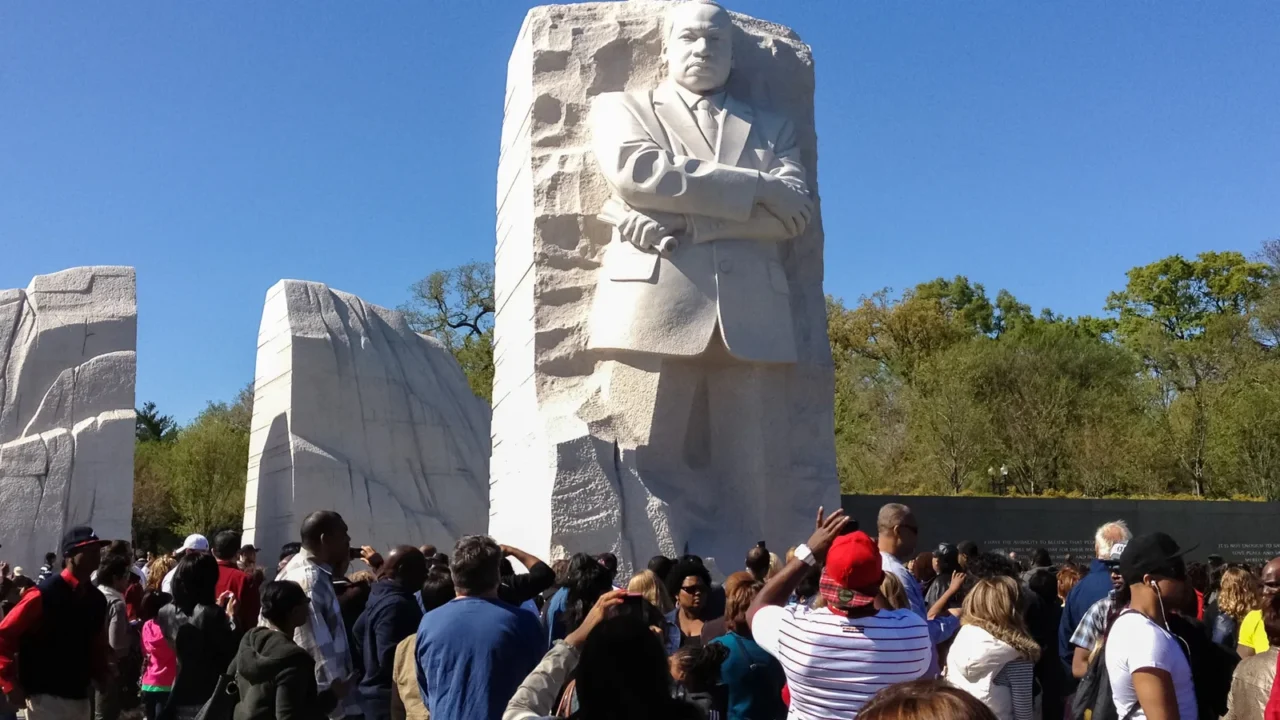
Washington, D.C. is likely to remain a highly seasonal destination for leisure travel. Weather, events, and pricing will continue shaping visitor patterns. The city offers different experiences throughout the year.
The best trips often depend on timing as much as destination choice. Seasonal planning can influence comfort, cost, and crowd levels.
Which season feels like the right time to explore Washington, D.C.? Share thoughts below.
This slideshow was made with AI assistance and human editing.
Don’t forget to follow us for more exclusive content right here on MSN.
Disclaimer: The images used are for illustrative purposes only and do not depict the actual locations mentioned.
Read More From This Brand:
