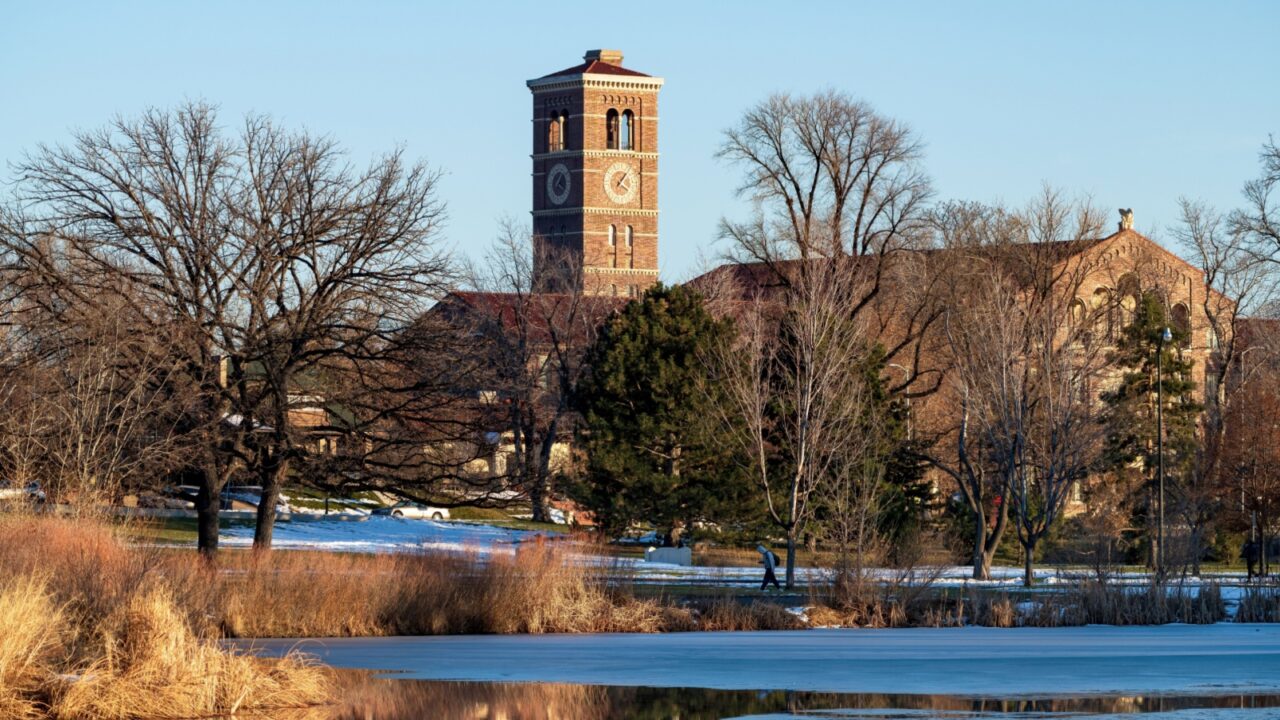
Nature meets city living
Washington state has quietly become a place where tall buildings feel deeply connected to nature rather than separated from it. In cities like Seattle, greenery rises alongside glass, drawing travelers who want urban energy without losing a sense of calm. That contrast sparks curiosity and keeps visitors wanting to see it up close, so let’s dive in.
These buildings don’t feel like isolated structures placed randomly into a city grid. They feel like living environments shaped by forests, rainfall, and local values. That balance is exactly what’s catching global attention.
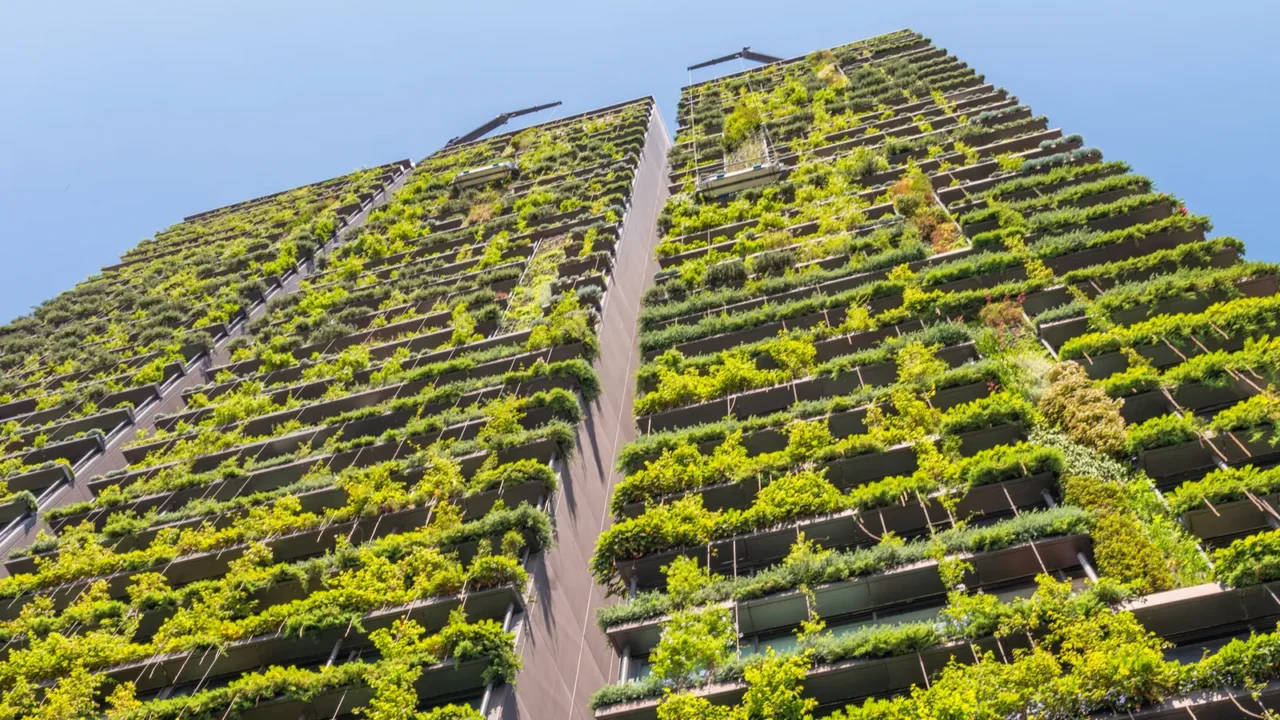
Seattle’s green building identity
Seattle has long embraced nature as part of daily life, and its architecture reflects that mindset clearly. Many high rises integrate trees, plants, and natural light as core design elements rather than decoration. This approach helps buildings feel softer, warmer, and more welcoming to visitors.
Travelers often respond emotionally to the softness these buildings add to the skyline. Terraces, indoor forests, and planted rooftops reshape how the city is experienced. It’s architecture that feels intentionally human.
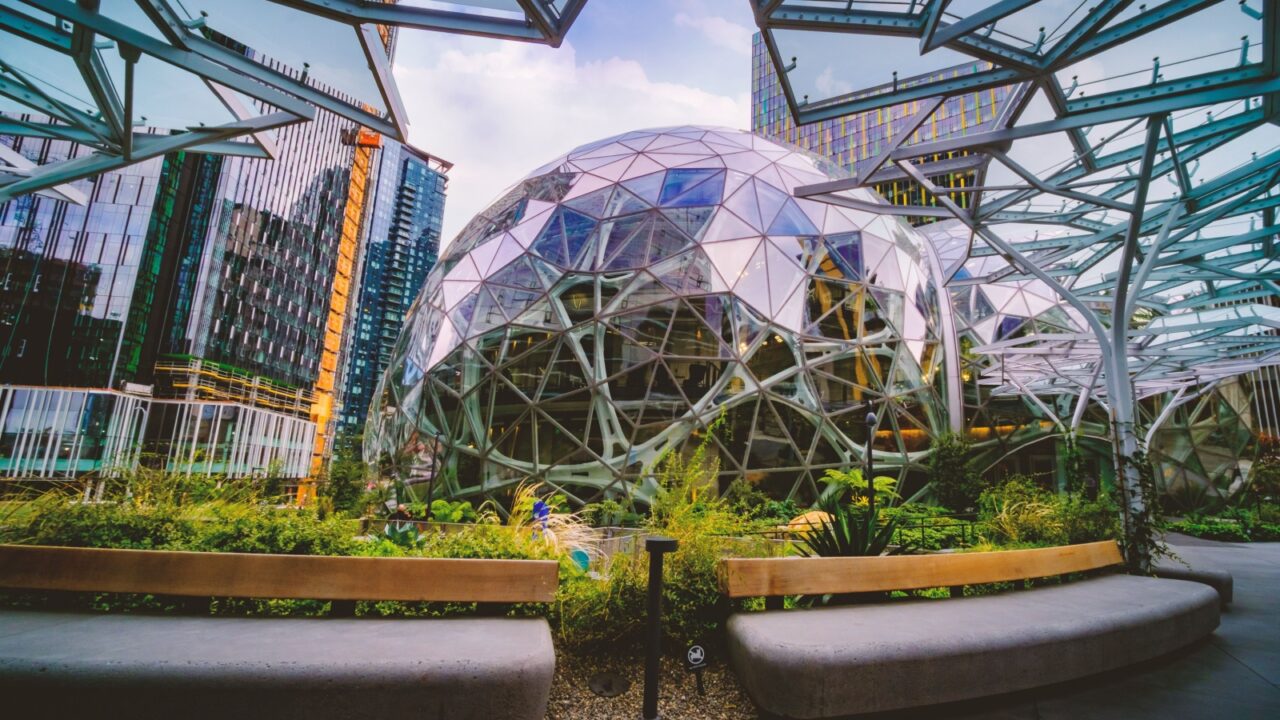
The Amazon Spheres effect
The Amazon Spheres in downtown Seattle have become one of the city’s most recognizable nature-driven landmarks. These glass domes house thousands of plants from cloud forests around the world, creating a lush environment inside a dense urban core. Visitors are drawn to the idea of stepping into a forest without leaving the city.
While the Spheres aren’t traditional residential towers, they influence how people imagine green urban spaces. They show how dense development and living ecosystems can coexist. That vision fuels interest in similar nature-focused buildings nearby.
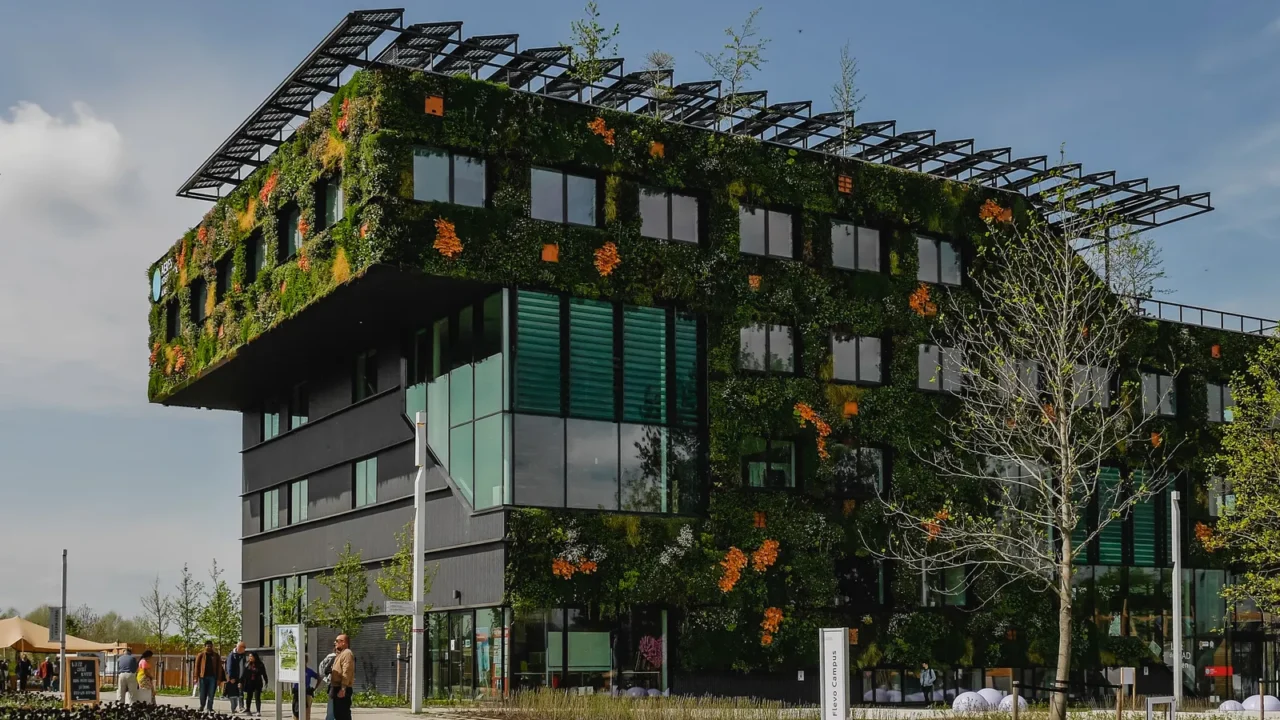
Buildings designed for wellness
Many of Washington’s green high rises are designed with human well-being in mind. Natural light, plants, and fresh air are treated as essential features rather than luxury extras. Visitors often describe these spaces as calming without feeling artificial.
This design philosophy aligns closely with wellness travel trends. Travelers increasingly seek places that help them slow down while staying connected to city life. Washington’s approach fits that desire naturally.
The Bullitt Center influence
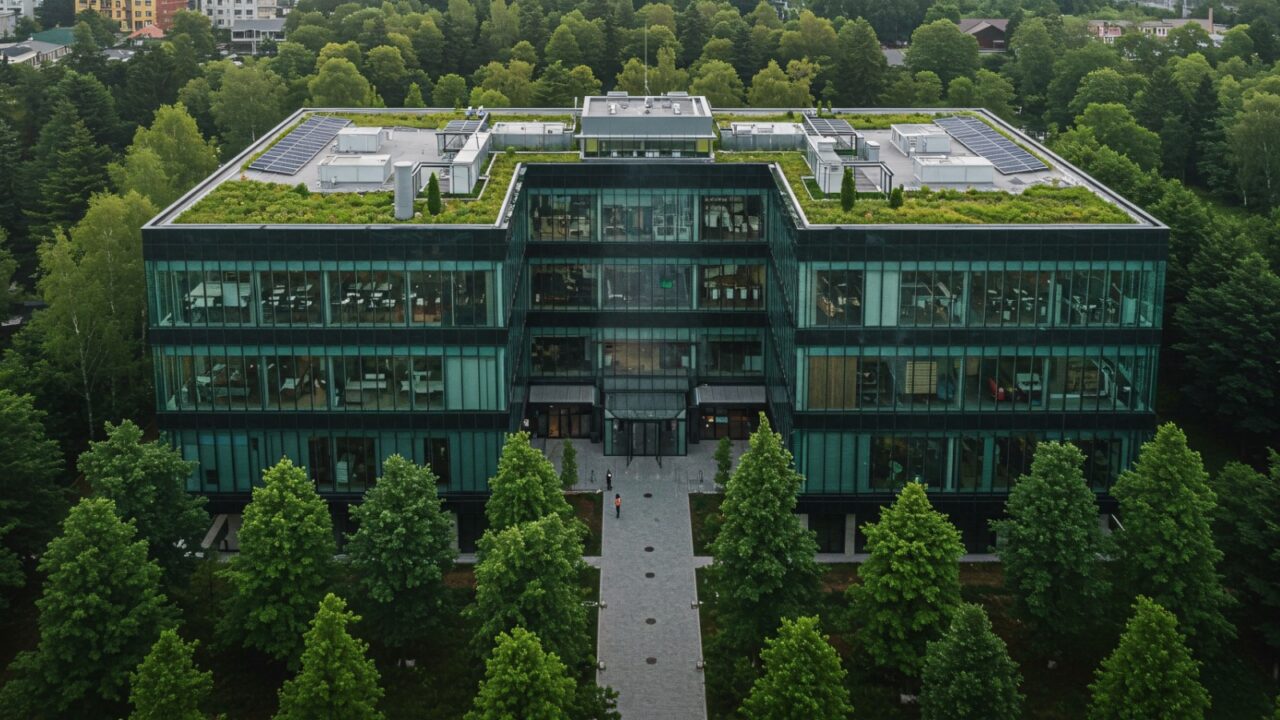
The Bullitt Center in Seattle is often called one of the greenest commercial buildings in the world. Its design includes rooftop greenery, heavy daylight use, and systems inspired by natural cycles. Visitors interested in sustainability frequently make a point to see it.
While it’s not a tourist attraction in the traditional sense, it represents a powerful idea. Buildings here are meant to work with nature, not against it. That message resonates far beyond Washington.

Trees as architectural language
In Washington’s urban design, trees aren’t just landscaping elements placed at street level. They’re used to shape how buildings breathe, shade, and interact with their surroundings. This creates towers that feel rooted rather than imposed.
Travelers often respond emotionally to this softness in the skyline. It feels familiar to those coming from forested regions around the world. That sense of recognition builds a strong connection.
Green roofs reshape skylines
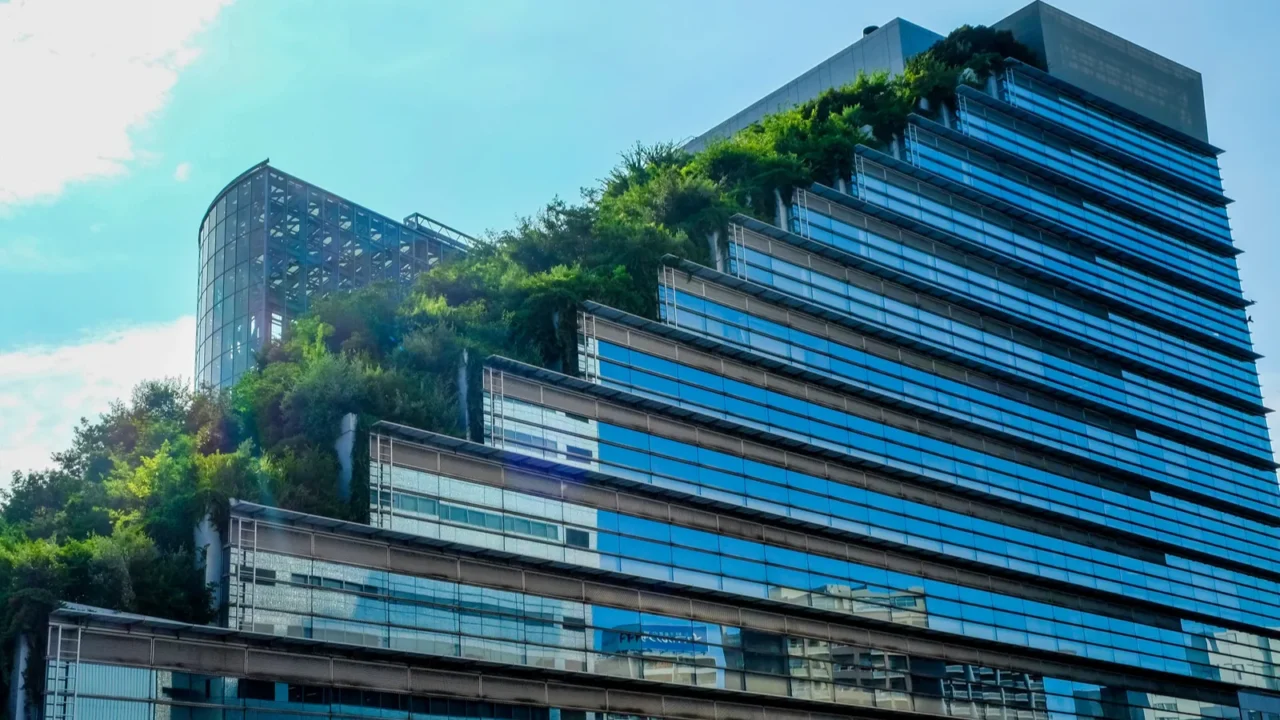
Seattle has invested heavily in green roof programs that encourage vegetation atop large buildings. These roofs reduce heat, manage rainwater, and visually reconnect the city to nature. From above, the city looks more like a landscape than a grid.
Visitors staying in nearby hotels often encounter these spaces unexpectedly. Rooftop gardens become quiet viewing points rather than private utilities. That accessibility adds to their appeal.
Rain shaped design choices
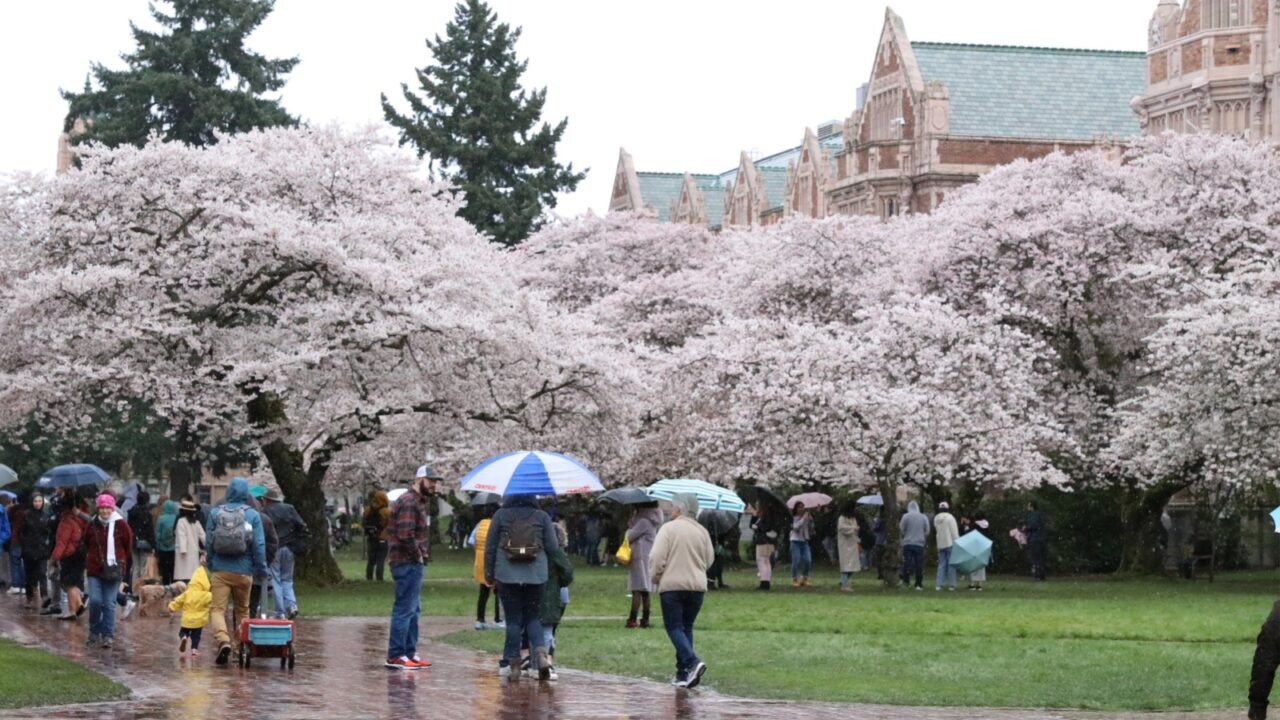
Washington’s climate plays a major role in how these buildings are designed. Frequent rainfall supports dense plant life and allows greenery to thrive at elevation. Architects use this natural advantage rather than fighting it.
For travelers, this creates an experience that feels authentic to the place. The buildings look like they belong exactly where they stand. That sense of harmony leaves a lasting impression.
Urban density without stress
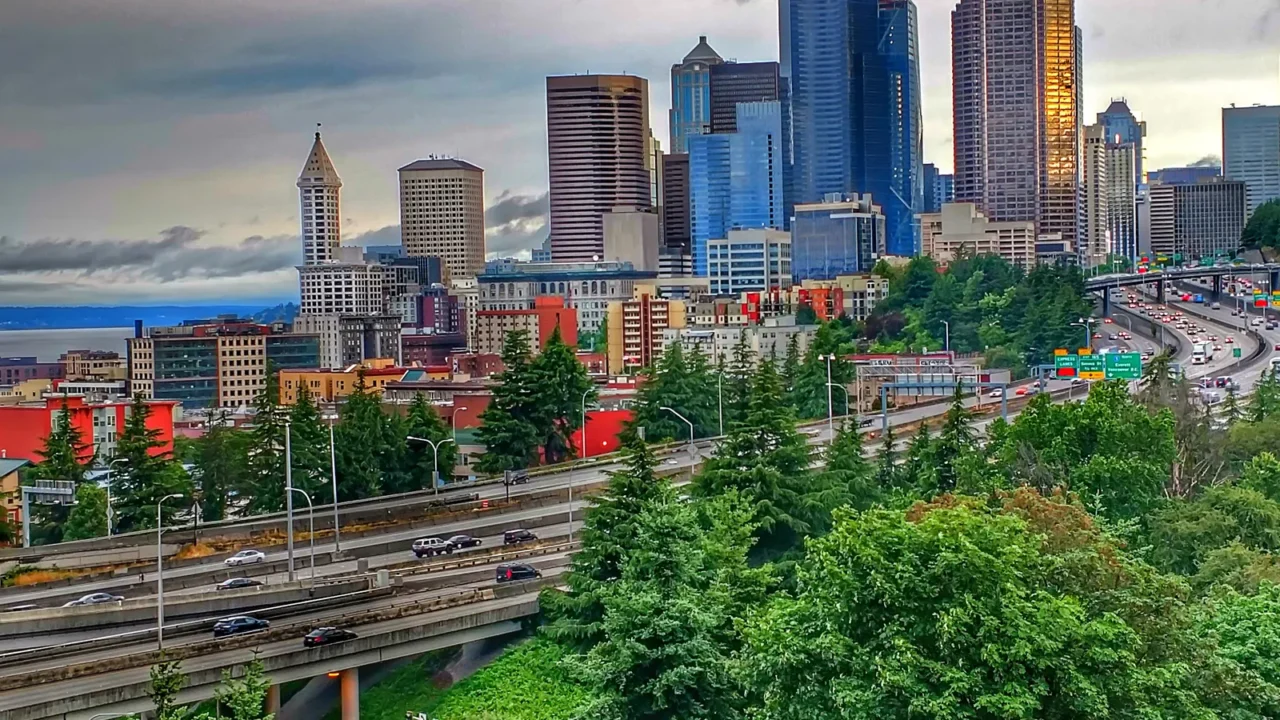
Tree-filled high rises help soften the feeling of density in growing cities like Seattle. Vertical greenery breaks visual monotony and reduces the harshness of tall structures. Visitors often describe the city as busy but never overwhelming.
This balance is rare in major urban centers. It allows travelers to enjoy culture, food, and movement while still feeling grounded. That combination is hard to forget.
A draw for nature travelers
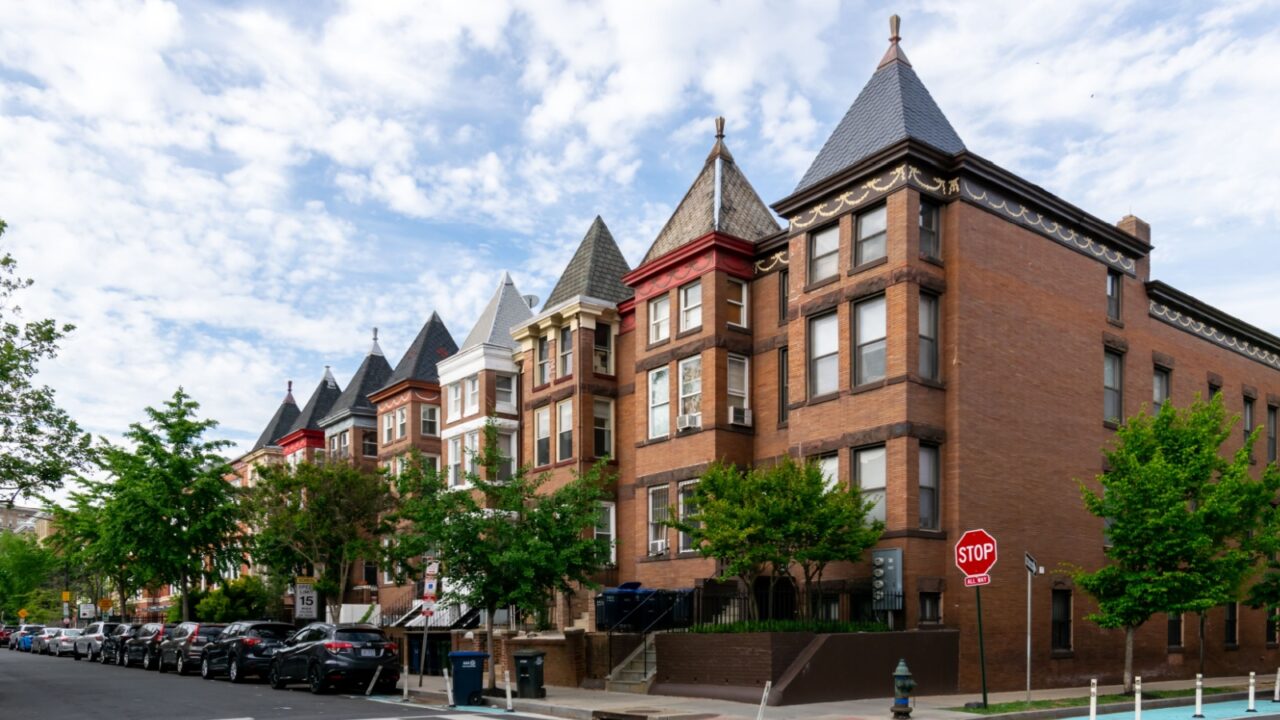
Nature travelers are increasingly drawn to places that blend ecosystems with modern life. Washington’s green towers offer forests, views, and architecture in a single experience. That efficiency appeals to travelers with limited time.
Instead of choosing between cities and nature, they get both. The experience feels layered rather than rushed. That’s a powerful reason these buildings attract global attention.
Sustainability as a value
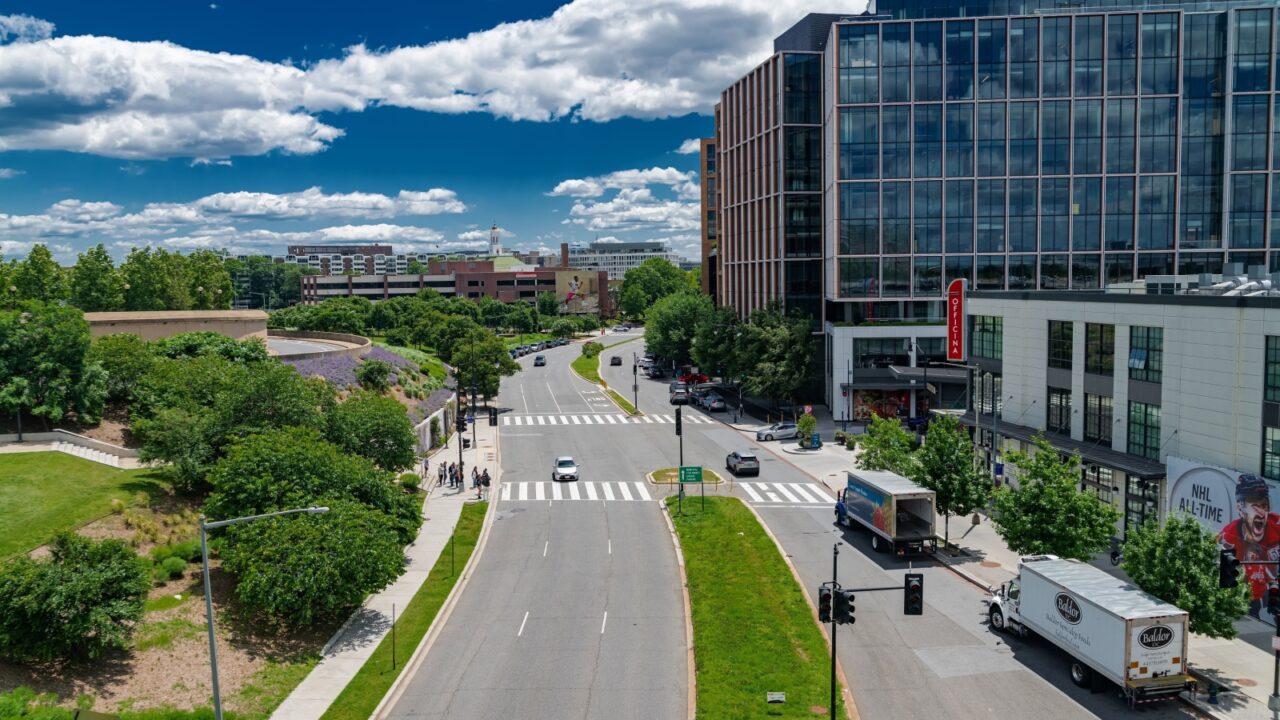
These high rises reflect Washington’s broader environmental values. Sustainability isn’t presented as marketing language but as a visible, functional reality. Visitors sense that commitment immediately.
That authenticity builds trust and admiration. Travelers feel they’re witnessing a future-facing model rather than a trend. It makes the experience feel meaningful.
Influence beyond Washington
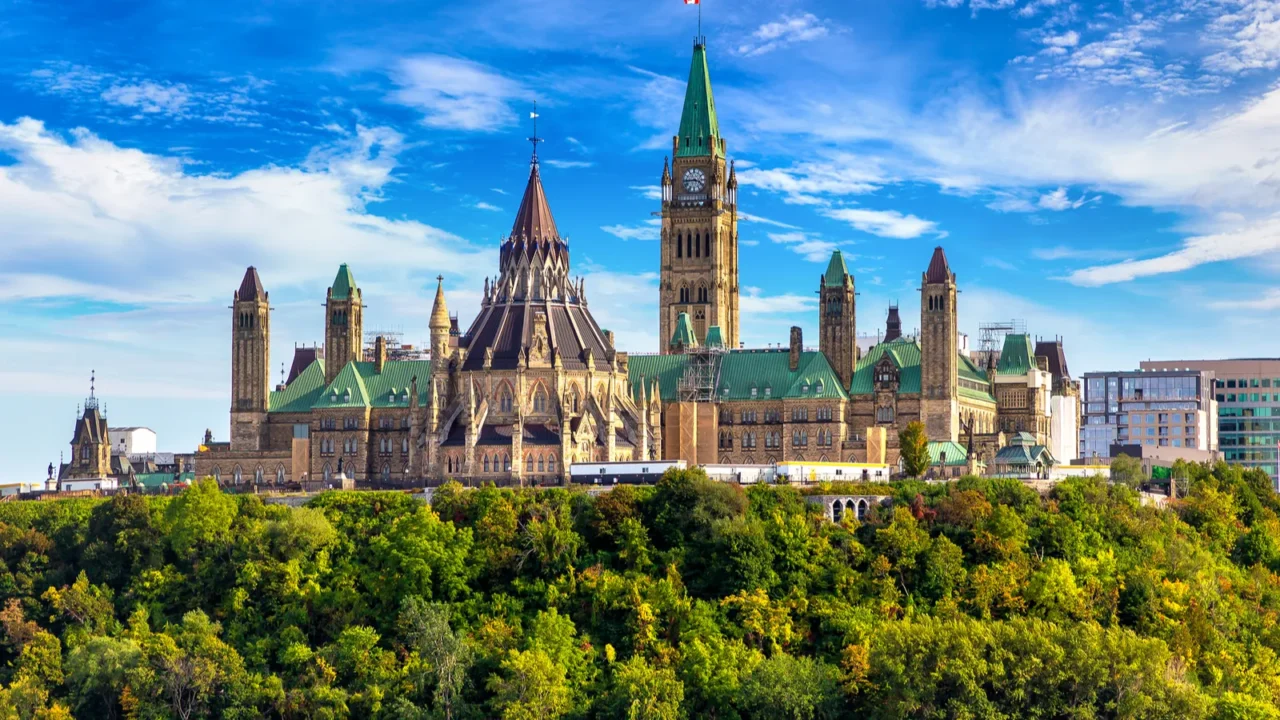
The success of Washington’s nature-integrated towers is influencing cities worldwide. Architects and planners visit to study how greenery can work at scale. These buildings quietly shape global design conversations. Rick Steves’ hometown has a walkable downtown full of charm, adding a human scale to the city’s innovative architecture.
For travelers, that makes visiting feel like seeing the future early. It adds depth to the experience beyond photos and views. The architecture tells a larger story.
A skyline worth exploring
Washington’s tree-filled high rises offer a rare mix of height, greenery, and human comfort. They show how cities can grow without losing their connection to the natural world. Visitors leave with a new perspective on what urban living can feel like.
What stands out most about these nature-driven towers, the design, the calm, or the vision behind them? Would exploring cities that blend forests and skylines change how travelers see urban life? Share your thoughts and keep the conversation going.
This slideshow was made with AI assistance and human editing.
Disclaimer: The images used are for illustrative purposes only and do not depict the actual locations mentioned.
Don’t forget to follow us for more exclusive content right here on MSN.
Read More From This Brand:
