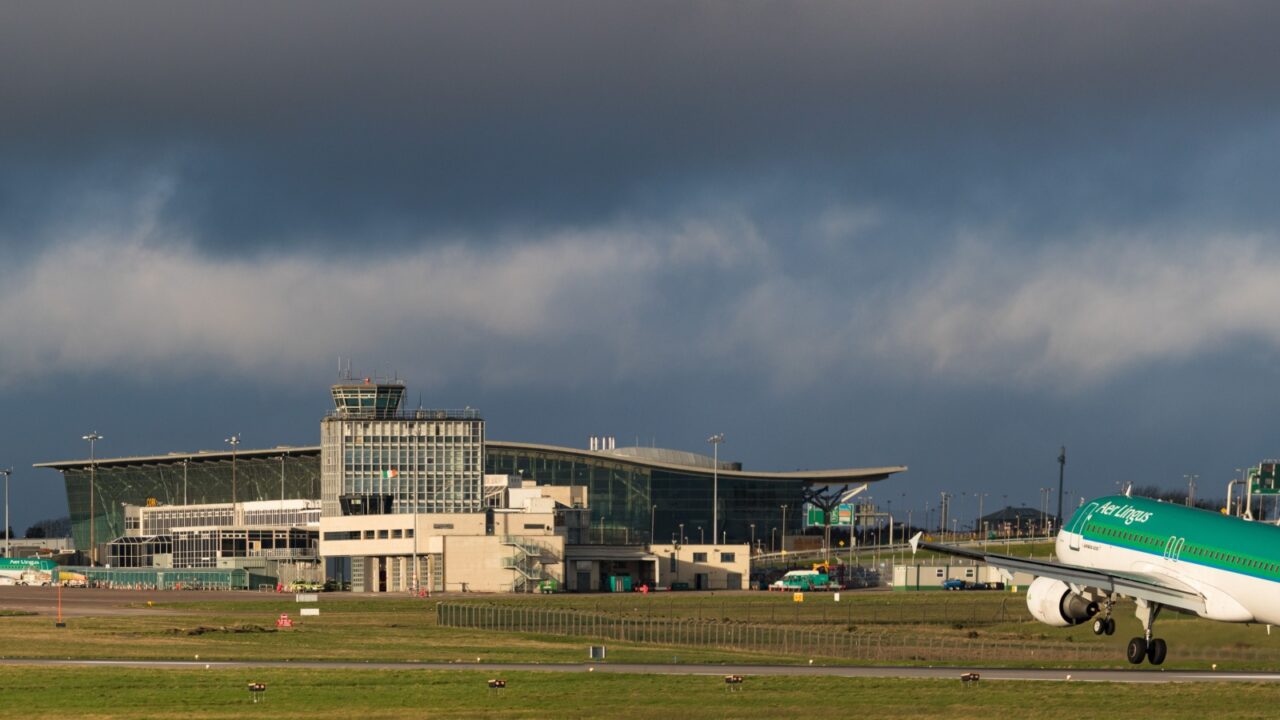
Long Island airport expansion update
Long Island MacArthur Airport (ISP) is set for major expansion and modernization as part of a broader regional travel plan in New York. Plans include a new terminal with a direct Long Island Rail Road connection at Ronkonkoma station and investment in upgraded passenger facilities. These changes aim to improve convenience for travelers across the New York metro area.
The expansion seeks to attract more airlines and routes while easing pressure on larger airports like JFK and LaGuardia. Investments could also reduce regional air travel congestion during peak seasons. Airport leaders hope these upgrades will make flying from Long Island more attractive.
Long Island MacArthur Airport growth
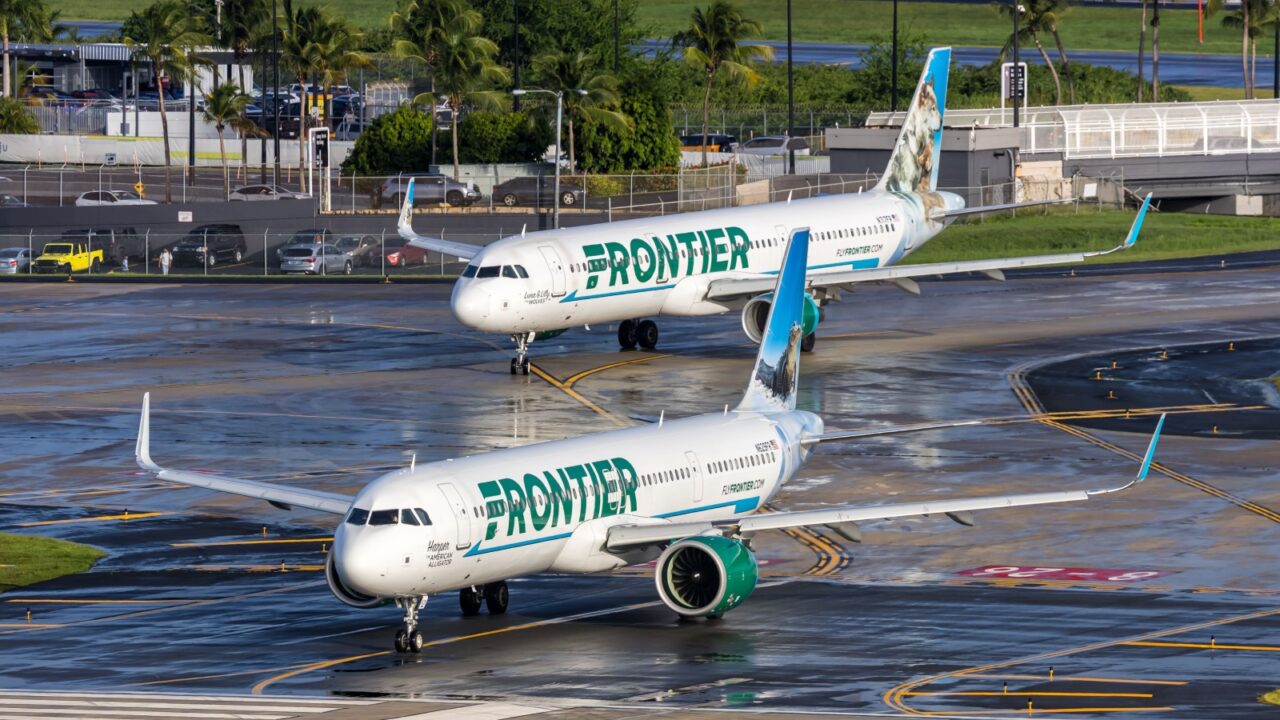
Long Island MacArthur Airport, identified by the code ISP, has added airline services in recent years. Major carriers like Southwest, Frontier, Breeze, and JetBlue now operate from the airport, expanding to destinations such as Florida and North Carolina. Avelo Airlines has also added flights to less crowded airports in the Southeast.
The number of nonstop destinations at ISP has increased in recent years; airport planning documents cite roughly 18 nonstop routes across five carriers in the most recent planning data. More airline competition at ISP boosts overall flight availability for regional travelers. The trend reflects broader efforts to decentralize air travel from congested airports in NYC proper.

Building rail connectivity benefits
New expansions include a planned direct connection to the Long Island Rail Road’s Ronkonkoma station. The walkable link between the LIRR and the terminal will improve transit access for travelers from across Suffolk and Nassau counties. This offers a seamless train‑to‑plane option rarely seen outside major hubs.
Rail connectivity could also shorten travel times and reduce reliance on car traffic. Easier train access may influence how flights are chosen within the New York region. This connection might attract travelers who otherwise drive to larger airports.

Airline service diversification trends
Recent airline additions, including JetBlue and Avelo, signal growing demand at ISP. JetBlue introduced flights to Florida destinations such as Orlando, Fort Lauderdale, and Palm Beach to widen options. These carriers often focus on low‑cost and leisure routes that appeal to Long Island and metro travelers.
Airline diversification can keep flight choices broader than at nearby mega airports. Increased route variety may uplift competition and service frequency. The trend helps travelers choose schedules without routing through JFK or LaGuardia.

Visitor convenience rises sharply
Expanded service at ISP means shorter lines and less crowded security compared with JFK and LaGuardia. Airport officials often describe MacArthur’s facilities as offering a smoother overall experience. For many travelers from Nassau and Suffolk counties, this means less ground travel before flights.
An improved traveler experience can make shorter hops to popular destinations more feasible. Convenience often matters as much as price when booking flights. The expansion project reflects a shift toward comfort and ease in regional air travel.
Airport growth
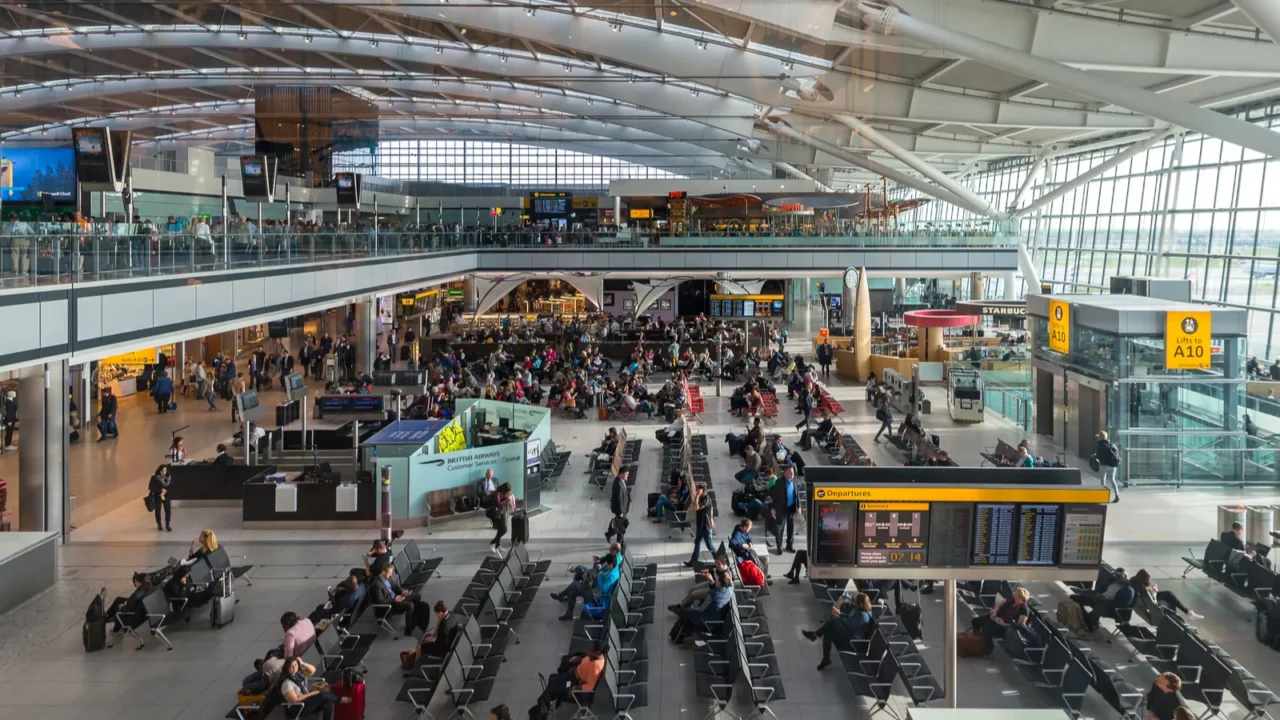
ISP handled roughly 1.36–1.375 million total passengers in 2024, a strong rebound from pandemic lows; the airport reported about 690,000 enplanements in 2024 as carriers added routes and frequencies. This figure shows how regional airport investments can change travel behavior over time.
Although still small compared with New York’s mega airports, ISP’s passenger growth reflects broader trends where travelers seek convenience at local hubs. Higher year‑over‑year seat growth highlights rising demand.

Rail connection focus
State and local leaders have committed planning funds for a rail-linked north terminal that would connect the airport to the LIRR Ronkonkoma line; Governor Kathy Hochul announced a $150 million investment to advance the connection. If built as envisioned, it could enable a single-seat LIRR trip into Manhattan, but final design and funding remain in progress.
Public‑private partnerships are being explored to finance and operate the rail‑linked terminal. If completed, this connection would reduce dependence on car travel.

Price competition and airfare trends
More flights and airlines operating from ISP create new competition, which can put downward pressure on airfares. Carriers at smaller airports often offer promotional pricing to attract customers away from crowded hubs. This can make certain regional routes cheaper for local travelers.
However, long‑haul international and cross‑country flights may still be cheaper from larger airports with more carriers. Price competition depends on route frequency and airline strategy. Travelers need to compare long-term trends to find consistent savings.
Capacity limits and flight reach
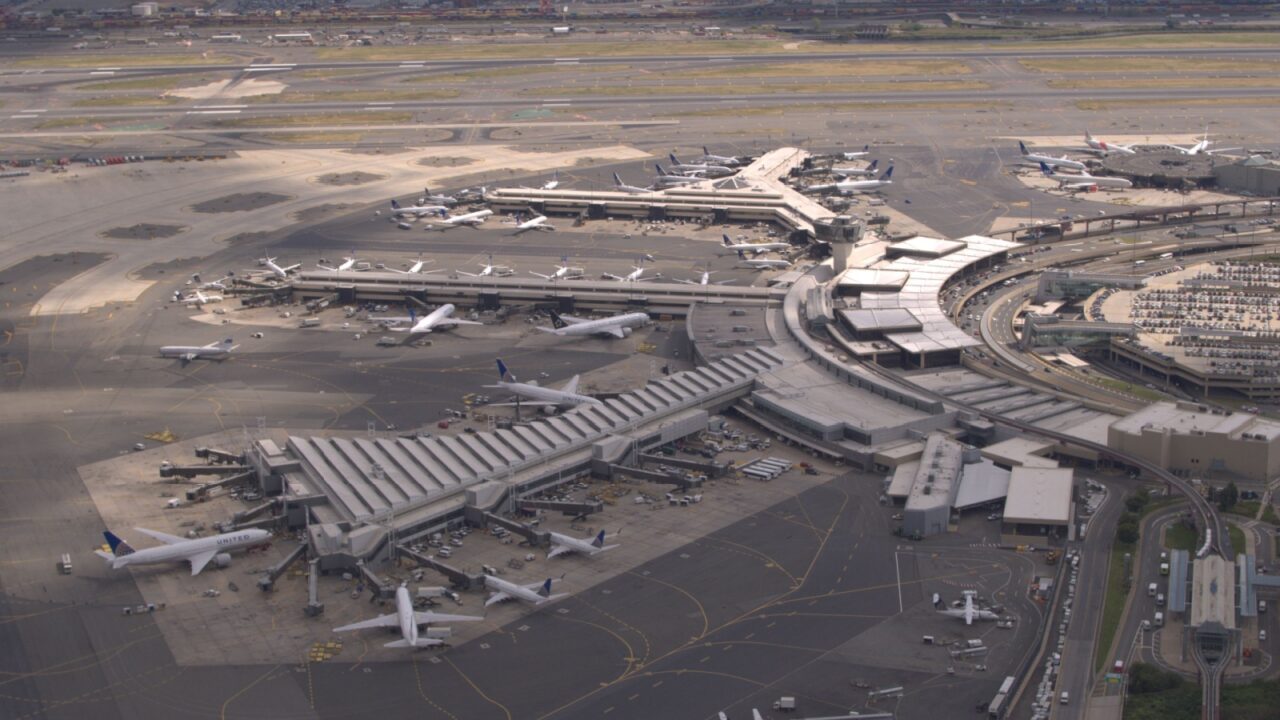
Smaller airports like ISP often have runway and gate limits compared with large hubs like JFK or Newark. This means fewer international or transcontinental flight options. Most ISP flights are domestic and to leisure markets.
While expansions add convenience, full global connectivity still largely depends on larger airports. For extended international travel, many airlines still route through major airports. Nonetheless, the ease of domestic flights improves regional options.
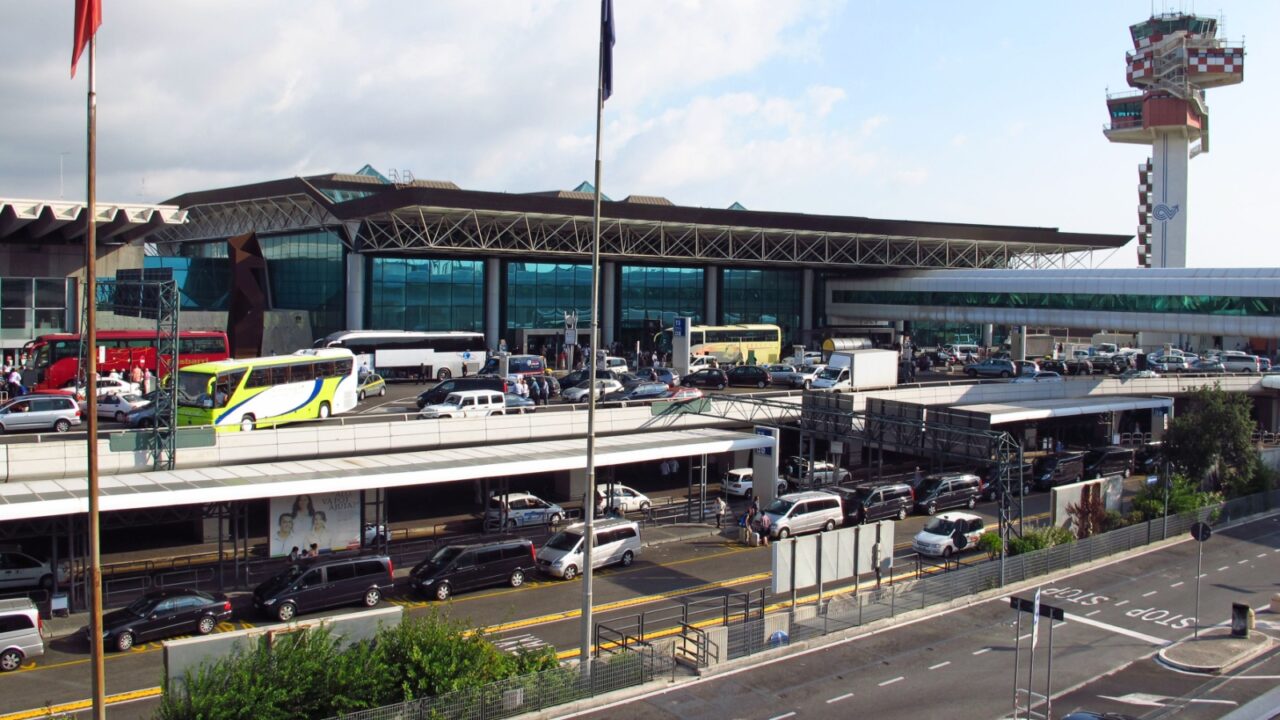
Infrastructure upgrades underway
The MacArthur expansion includes not just passengers but also access, parking, and terminal facilities. Investment in modern infrastructure supports future growth. This also positions ISP as a more convenient alternative for many New Yorkers.
Infrastructure improvements paired with rail access can make intermodal travel much smoother. This also adds long‑term value for local commuters and visitors. Planners believe this will attract consistent future demand.

Impact on New York metro airports
Larger New York airports continue massive redevelopment plans through 2028 at JFK and other facilities. These projects prioritize international traffic and global connectivity. They also aim to reduce congestion at major hubs.
The Long Island expansion works in parallel with these efforts, adding regional ease rather than replacing mega airport roles. This two‑tier airport strategy supports varied traveler needs.

Regional travel patterns change
Expanded service at MacArthur helps spread demand across the metro area. Travelers from eastern Long Island may opt for local flights rather than long airport commutes. This shift can reduce crowds at central airports during peak hours, while rising luxury taxes may drive Europe’s elite to commercial flights.
However, significant differences in flight pricing still depend on route popularity and airline pricing strategies. Travelers often balance convenience and fare costs. Patterns continue to evolve as carriers adapt.

What this means for travelers
Long Island airport expansion makes regional flying more convenient and competitive. Domestic flights from ISP may stay affordable while offering direct access without lengthy drives. That can benefit travelers seeking quick connections.
International and long‑haul travelers may still rely on JFK, LGA, and Newark for the lowest fares and widest choice. The best trips balance cost and convenience across gateway options.
Which airport feels like the ideal escape for travelers planning New York departures in 2026? Share your thoughts below.
This slideshow was made with AI assistance and human editing.
Don’t forget to follow us for more exclusive content right here on MSN.
Disclaimer: The images used are for illustrative purposes only and do not depict the actual locations mentioned.
Read More From This Brand:
