
International travel demand shifts
The U.S. Travel Association’s Travel Recovery Insights Dashboard from March 2026 shows that international inbound arrivals are still below pre-pandemic levels in many key markets, which has reduced overseas visitation to parts of the United States. Slower recovery from key regions has reshaped demand patterns across major cities and resort destinations. These changes are influencing pricing, availability, and travel strategies for domestic visitors.
Fewer overseas visitors can open inventory in hotels, flights, and attractions. This shift may create opportunities for domestic travelers seeking value in high-demand destinations.

Domestic travel fills gaps
U.S. Travel data shows domestic tourism continues to drive most spending across the country. Americans are traveling more frequently within the United States, especially for leisure and short getaways. Domestic demand has helped stabilize the industry as international recovery remains uneven.
Even with strong domestic travel, some destinations still see reduced global demand. This imbalance can lead to promotional pricing or added perks in certain markets. Travelers may notice more deals during off-peak periods.

Hotels adjust pricing strategies
Hotels in cities like New York City and San Francisco often rely heavily on international visitors. When overseas demand softens, hotels may adjust pricing to attract domestic guests. Discounts, packages, and flexible booking policies are becoming more common.
Revenue managers carefully balance occupancy and pricing throughout the year. Reduced foreign bookings can increase room availability during peak seasons. This can create more competitive rates in traditionally expensive markets.

Airfares show mixed trends
Airlines continue to monitor international demand closely as routes evolve. Some long-haul routes have not fully returned to previous capacity levels. This can influence pricing on both international and domestic connections.
Domestic routes may see stable or slightly lower fares when airlines shift capacity. Flights between major hubs like Los Angeles and Chicago remain competitive. Travelers may benefit from fare sales tied to changing demand patterns.

Popular destinations see relief
Iconic destinations such as Las Vegas and Orlando often attract large numbers of international visitors. When those numbers dip, crowd levels may ease slightly. This can improve the overall travel experience for domestic visitors.
Attractions, shows, and hotels may offer incentives to maintain visitor numbers. Lower occupancy can mean shorter lines and better availability. These conditions can make popular spots feel more accessible.

Tourism numbers context matters
Travel data helps explain how international trends impact domestic pricing. According to the U.S. National Travel and Tourism Office, inbound visitation has not fully matched 2019 levels in several regions. Recovery varies depending on economic conditions and travel restrictions abroad.
Fun fact: The United States welcomed about 79.4 million international visitors in 2019. That number dropped sharply during the pandemic and has gradually recovered, showing how global travel shifts affect pricing dynamics.

Exchange rates influence travel
Currency exchange rates play a major role in international travel decisions. A strong U.S. dollar can make trips more expensive for foreign visitors. This can reduce inbound tourism from certain countries.
Fun fact: Research by the International Monetary Fund shows that exchange-rate swings affect tourism: a 10% depreciation in an origin currency typically reduces trips to a destination by about 0.7–1.1%. When the dollar strengthens, destinations in the United States may see fewer international arrivals, which can shift pricing for domestic travelers.

Seasonal deals become visible
Seasonality remains a key factor in travel pricing across the United States. Shoulder seasons often bring the best mix of value and availability. With fewer international visitors, these windows can become even more attractive.
Cities like Boston and Seattle may offer better hotel rates outside peak summer periods. Airlines also release promotions to fill seats during slower months. These patterns can benefit flexible travelers.

Luxury segment shows changes
High end hotels and experiences often depend on international clientele. Reduced demand in this segment can lead to targeted promotions and packages. Luxury travel may become more accessible for domestic guests.
Destinations like Miami and Honolulu illustrate this trend. Premium properties sometimes offer added value instead of lower rates. This can include upgrades, credits, or exclusive experiences.
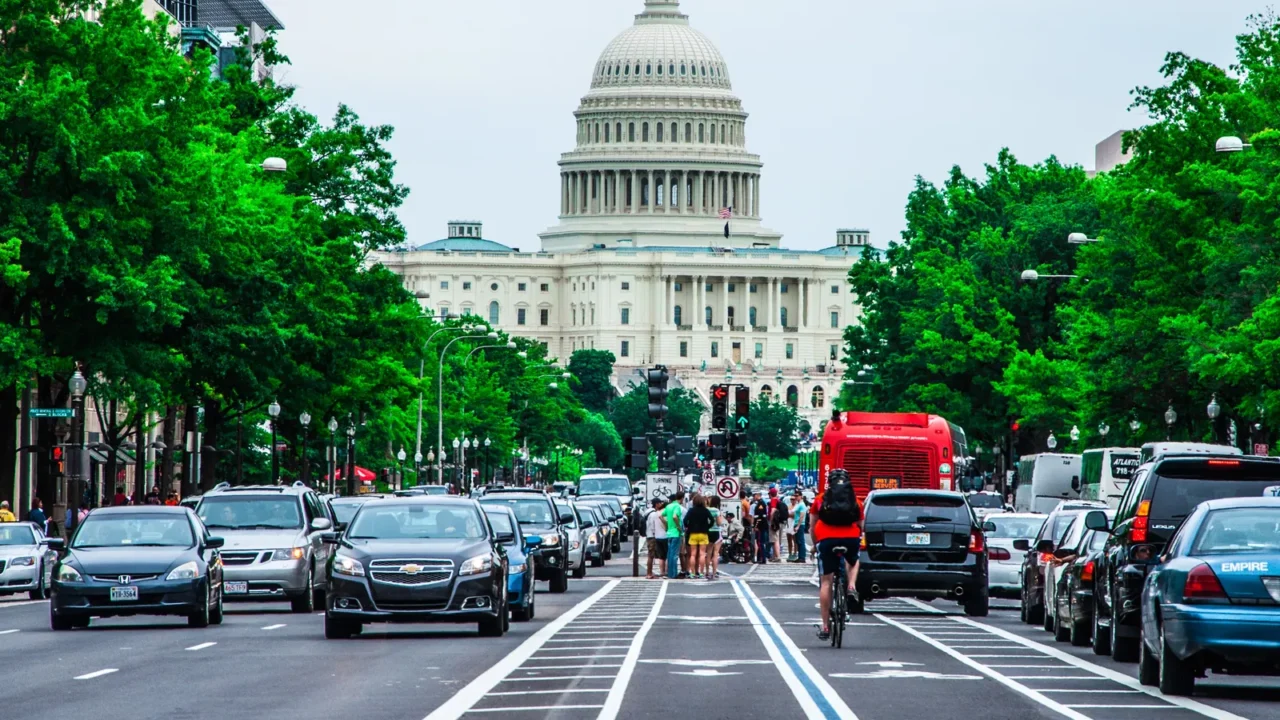
Attractions adjust strategies
Theme parks, museums, and tours rely on a mix of domestic and international visitors. When international numbers decline, operators adjust marketing strategies. Promotions often target local and regional audiences.
Major attractions in Washington DC and Anaheim adapt pricing and packages. Discounts for residents or bundled offers become more common. These efforts help maintain consistent visitor numbers.

Regional travel gains momentum
Regional destinations can benefit when travelers stay closer to home. National parks, coastal towns, and smaller cities often see increased interest. These areas may offer better value compared to major hubs.
Places like the Great Smoky Mountains National Park and Yellowstone National Park remain popular. Increased domestic travel can balance reduced international demand. This trend supports local tourism economies.

Travel planning becomes flexible
Flexibility has become a key strategy for finding better deals. Travelers often compare multiple destinations and travel dates before booking. This approach helps identify value opportunities across the market, including insights from the priciest neighborhoods in every US state you didn’t know about.
Airlines and hotels continue offering flexible booking policies. This allows travelers to adjust plans as prices change. The evolving landscape rewards those who monitor trends closely.

Opportunities for smarter trips
Fewer international visitors create subtle but meaningful shifts across the travel industry. Availability, pricing, and crowd levels can all improve in certain destinations. These changes offer new opportunities for domestic travel planning.
The best trips balance timing, destination, and budget considerations. Which U.S. destination feels like the best value right now for travelers looking to explore more while spending less? Share your thoughts below.
This slideshow was made with AI assistance and human editing.
Don’t forget to follow us for more exclusive content right here on MSN.
Disclaimer: The images used are for illustrative purposes only and do not depict the actual locations mentioned.
Read More From This Brand:
