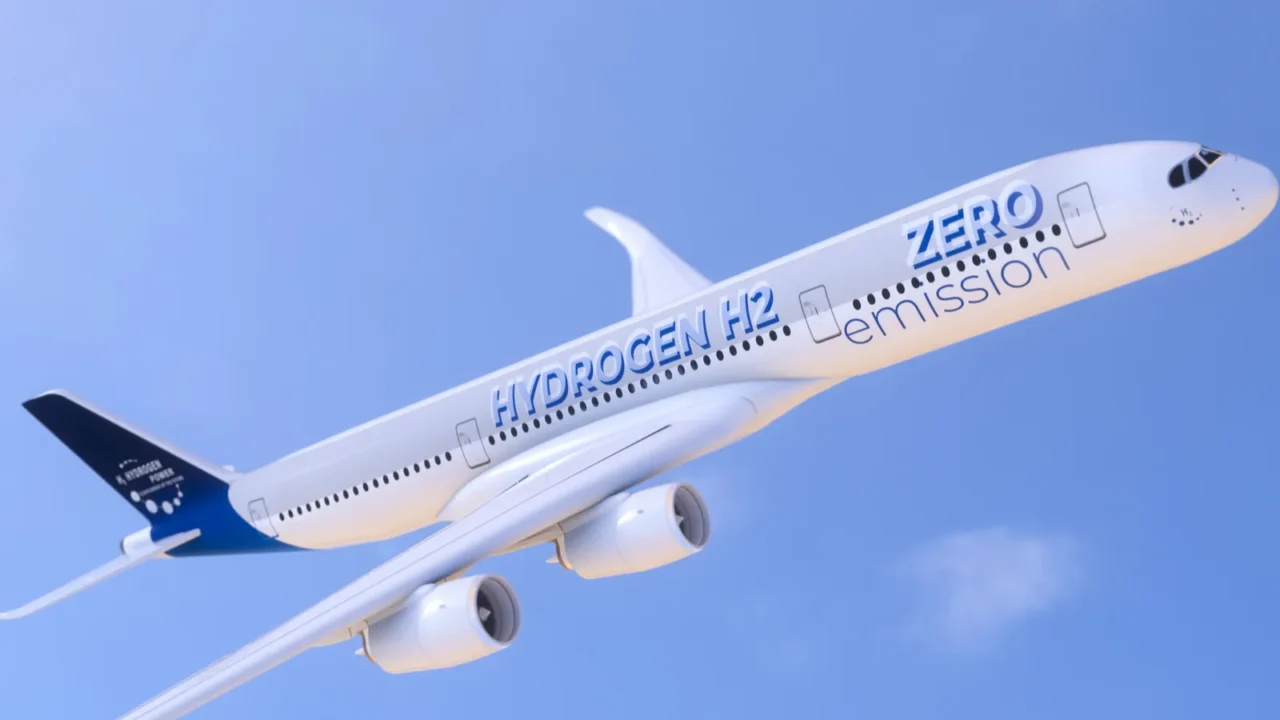
A new flight chapter
A major moment arrived when a hydrogen electric aircraft completed a breakthrough test flight that caught global attention. The event signaled a real shift in how future planes might operate with cleaner technology. Many travelers felt excited as the idea of zero-emission flying started to feel possible.
The flight created curiosity about how fast this technology might move toward real service. It sparked early hope that cleaner travel could be closer than expected. Let’s get to it!
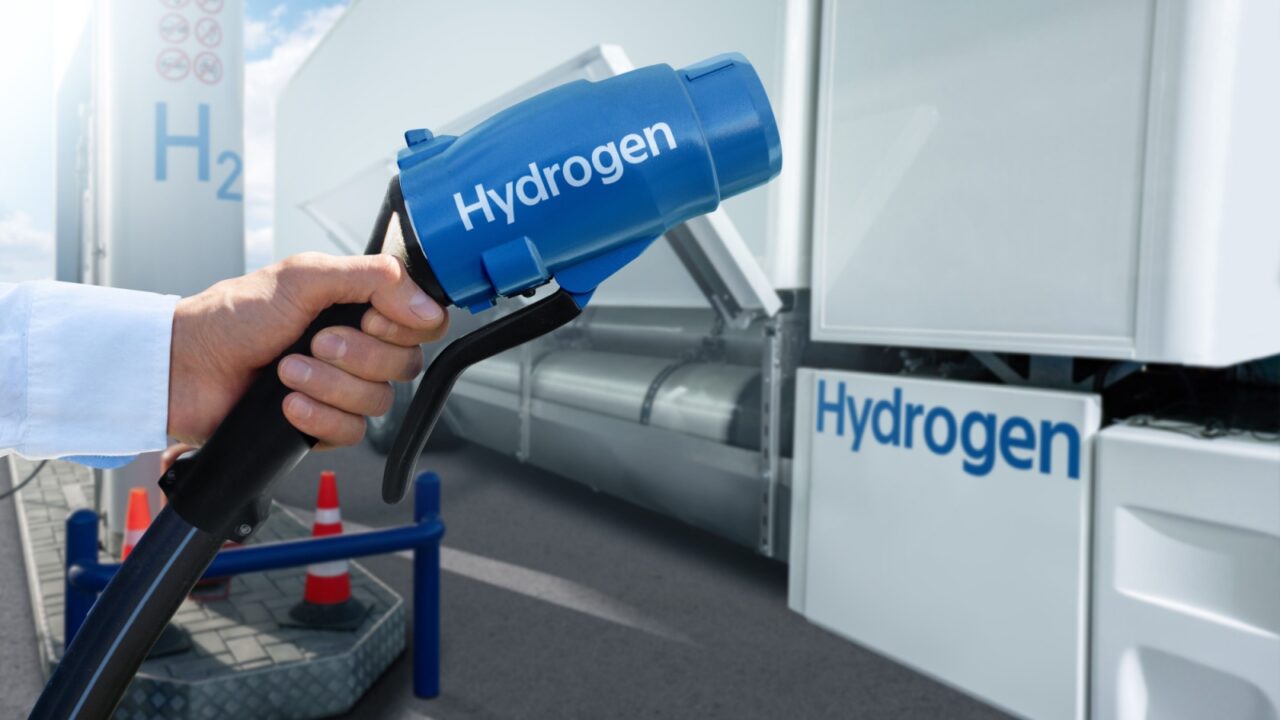
How the tech works
The aircraft used a hydrogen fuel cell system that produced electricity to power its electric motor. This setup allowed the plane to run with almost no direct emissions during flight. Engineers viewed the test as a strong validation of clean aviation technology.
The system combined stored hydrogen with oxygen to generate power in a controlled way. Batteries supported moments that needed extra energy without adding significant emissions. This teamwork between components made the entire system surprisingly efficient.

Details of the flight
The test flight took place at Cotswold Airport and lasted several minutes while the aircraft completed a full circuit. The plane operated smoothly while carrying the experimental system during takeoff and landing. Observers watched closely as the aircraft demonstrated steady performance throughout the run.
This flight marked the largest aircraft to fly using a hydrogen-electric setup at the time. The achievement showed that the technology had moved far past early laboratory stages. Developers considered it solid proof of concept for commercial potential.
Why hydrogen matters
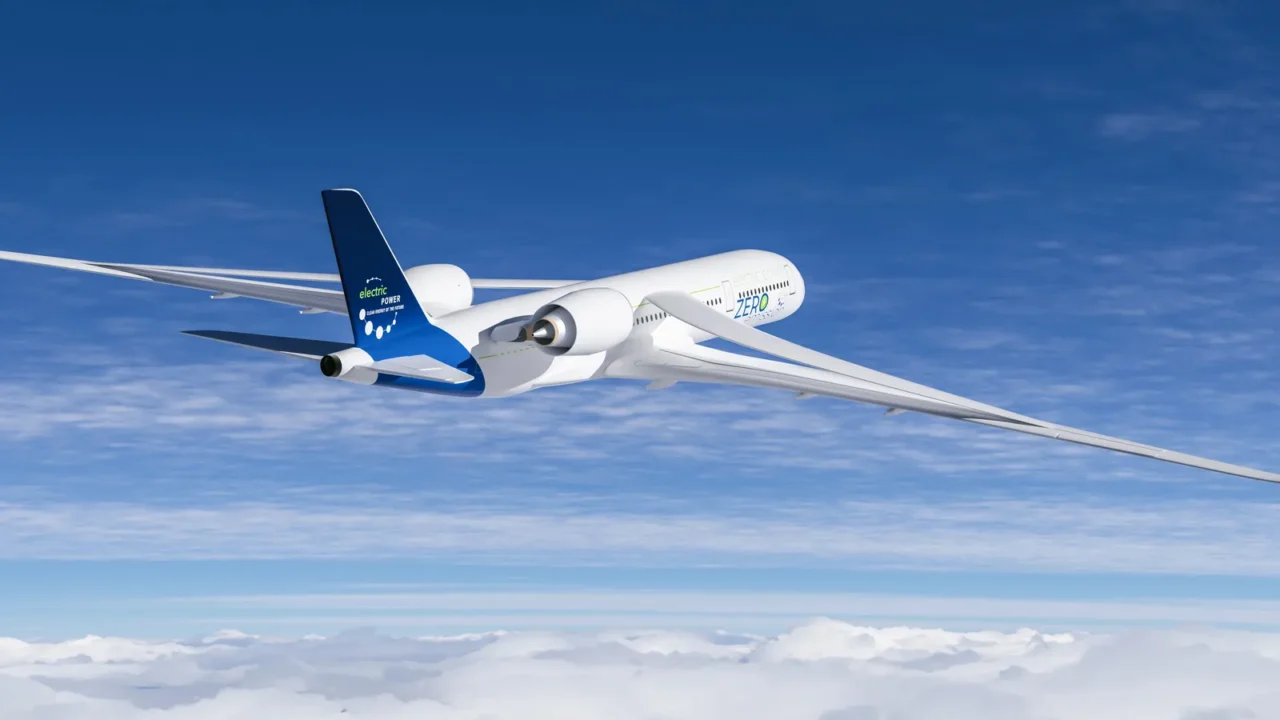
Hydrogen carries more energy per weight compared to traditional batteries, which helps with longer flight ranges. This advantage makes the fuel especially useful for regional routes that need dependable distance. Aviation experts believe this benefit could change short-haul travel.
Using hydrogen also reduces the heavy environmental impact created by common jet fuels. It avoids the direct release of carbon emissions during flight operations. This improvement could help aviation reach future climate goals.
Growing industry interest
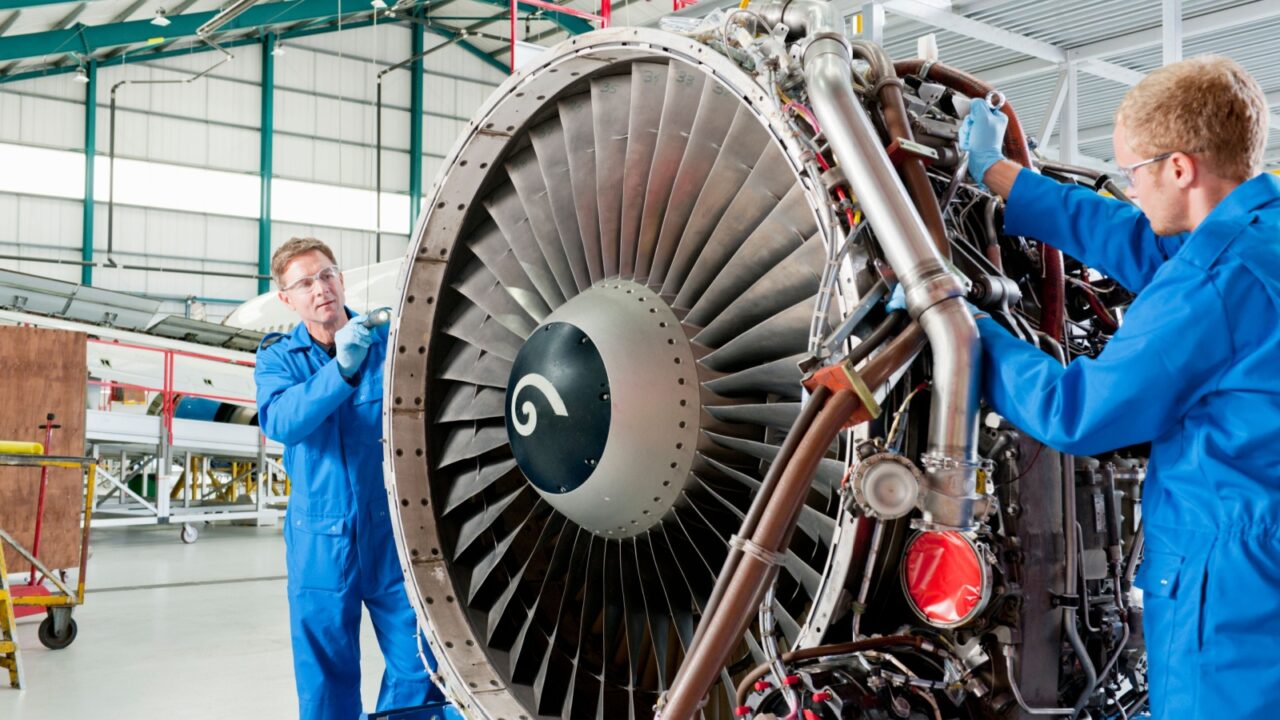
Major airlines and aircraft manufacturers have begun investing in research for hydrogen-powered solutions. They see rising pressure to reduce emissions across the global travel sector. Many companies want to take part in shaping cleaner travel systems.
Several partnerships have formed to advance testing and certify airworthy systems. These collaborations bring technical knowledge together from multiple fields. The combined efforts move the technology forward at a faster pace.

Regional routes first
Hydrogen-powered planes may be used first on short regional flights that serve smaller cities. These routes require shorter ranges that match the current abilities of the new engines. It is a practical starting point before expanding to larger aircraft.
Small regional airports could see early adoption because they handle frequent short-distance connections. This pattern gives companies a chance to test reliability with predictable schedules. Success in these areas could encourage wider travels later.

Infrastructure is key
New fueling stations will be necessary to support regular hydrogen aircraft operations. Airports will need safe storage systems and trained staff to manage the fuel. These changes will take planning and investment to build correctly.
Developing this infrastructure will require cooperation between governments, airports, and energy companies. Each group plays a part in making clean aviation possible. Progress will depend on how quickly these networks can expand.

Certification process ahead
Before commercial use begins, hydrogen electric systems must pass strict safety checks. Regulators will study how the equipment performs under many flight conditions. The approval journey can take several years to complete.
Engineers will run repeated tests to confirm durability and reliability standards. Each component must meet safety standards under current aviation regulations. This careful process ensures travelers can trust the technology.

Rising global pressure
Airlines are facing strong demands to cut emissions from both governments and travelers. New climate goals encourage industries to find cleaner solutions quickly. Aviation is under special focus due to its growing environmental impact.
Hydrogen-electric systems offer one promising way to reduce that footprint while keeping regional travel active. The technology fits into long-term plans for climate improvement. This alignment strengthens the case for continued development.

Possibility of earlier adoption
Some analysts think hydrogen flights might enter limited commercial service sooner than expected. Test results show faster progress than early predictions. The pace has surprised even industry insiders.
Companies are moving rapidly because the demand for clean travel keeps rising. Funding and research have increased each year as momentum grows. These conditions create room for quicker industry shifts.

Benefits for travelers
Cleaner regional flights could offer a fresher travel experience with quieter engines and reduced environmental impact. Holidaymakers may feel more comfortable choosing routes that support sustainability goals. This shift could bring positive change across many destinations.
Communities that rely on regional air service might also benefit from reduced local emissions. These improvements could help protect natural surroundings often visited by travelers. Many regions may welcome the cleaner approach.

Real progress underway
This milestone demonstrates that hydrogen aviation is no longer just an idea. The test flight demonstrates that real solutions are already being built with working hardware. It is a major step toward long-term change.
More tests will continue as the industry refines engines and expands operations. Hawaiian Airlines is dropping several low-demand routes as the wider industry continues to adjust to shifting travel patterns. Each successful flight pushes clean technology closer to everyday use, and confidence is growing as progress becomes more visible.

What comes next now
The future of regional flying could look very different if hydrogen technology keeps advancing. Many travelers might soon see cleaner options appearing on familiar routes. This change could shape a new chapter for modern aviation.
Momentum is building in the conversation as people imagine future flight choices. The idea of cleaner travel feels more realistic after such a milestone. What routes would travelers love to see powered by clean energy?
Read More From This Brand:
- Why celebrity weddings are moving to Tuscany’s misty fall vineyards
- Your Guide to Stargazing: Best Dark Sky Destinations
- Jaw-dropping rock formations that make Utah a geology wonderland
Don’t forget to follow us for more exclusive content right here on MSN.
This slideshow was made with AI assistance and human editing.
