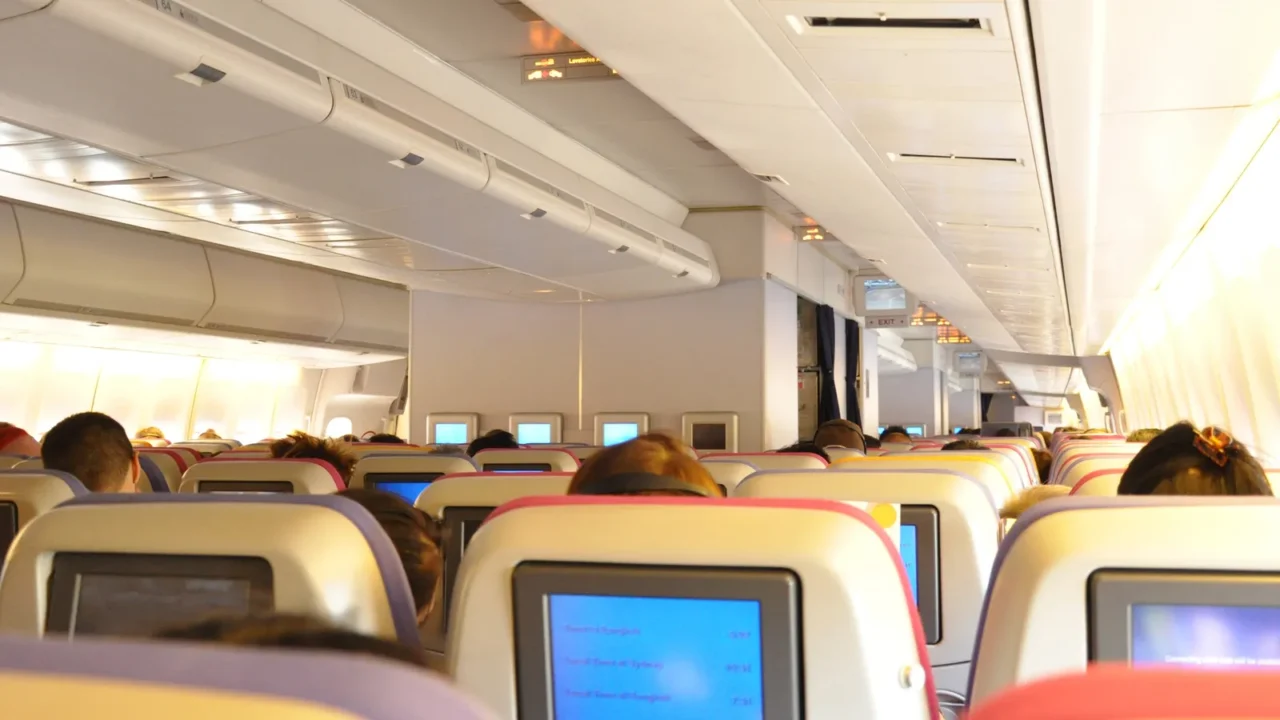
The passenger space question
Flying today isn’t just about getting from A to B anymore. Many U.S. airlines now let passengers pay for more personal space, including keeping the seat next to them empty. These add-ons reflect a broader pricing shift—basic fares remain low, but extras like seat selection, legroom, and premium boarding now come with additional fees.
Airlines call these “ancillary” options, growing in popularity as travelers increasingly value comfort on crowded flights. Paying extra for an empty seat sounds appealing, but costs and rules vary. Some fees are upfront, others depend on demand or timing. The key is deciding if this upgrade enhances your travel experience.
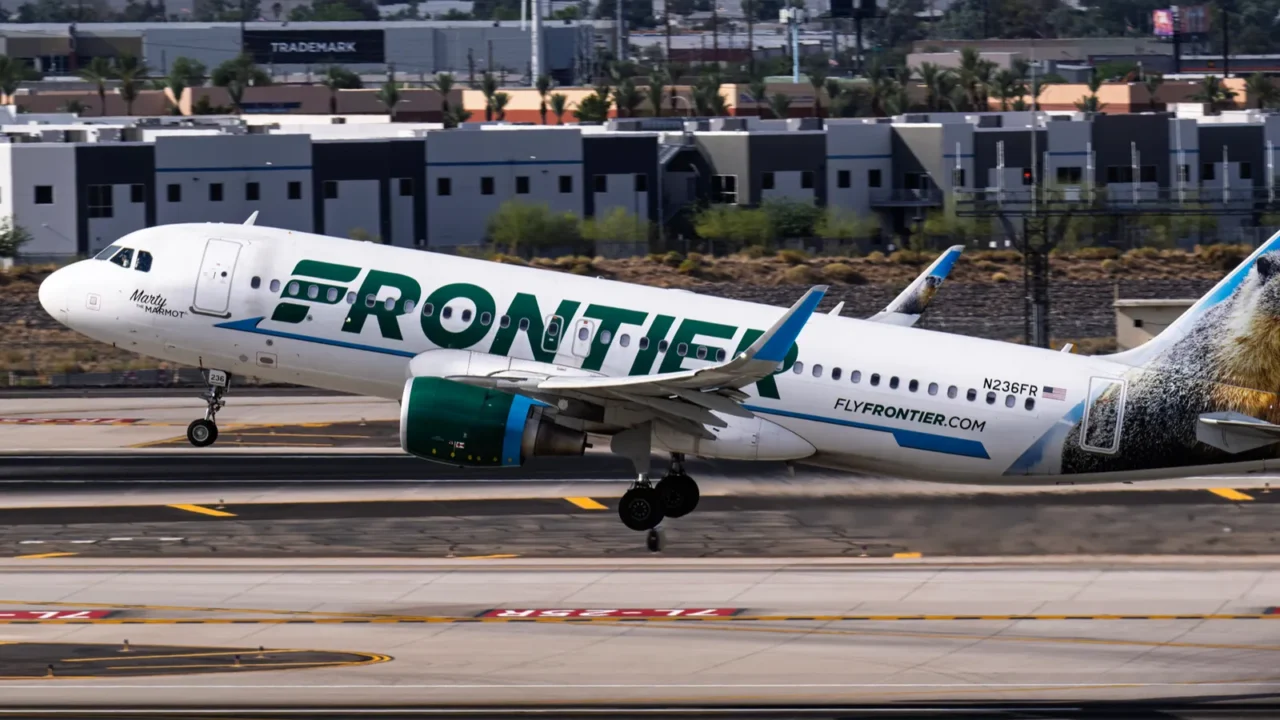
Frontier’s upfront plus detail
Frontier Airlines offers “UpFront Plus” seating in the front rows, featuring a window or aisle seat with extra legroom and a guaranteed empty middle seat. Available for purchase at booking or later, prices start around $49 per segment and vary by route and demand.
This option suits budget travelers seeking space without premium cabins, including perks like priority exit. It fits Frontier’s model of low fares with customizable add-ons for comfort on any flight length.
Why airlines sell empty seats
Airlines now sell more than just your seat, offering ways to reserve the seat next to you or choose roomier spots for a fee. This helps carriers earn revenue beyond the base fare, which is often low to attract bookings. Selling seat upgrades and extra space costs little for airlines because the plane is already flying.
Research shows many travelers are willing to pay for more room, especially on long flights. Airlines use this demand to tailor experiences, appealing to budget-conscious and comfort-seeking passengers alike.
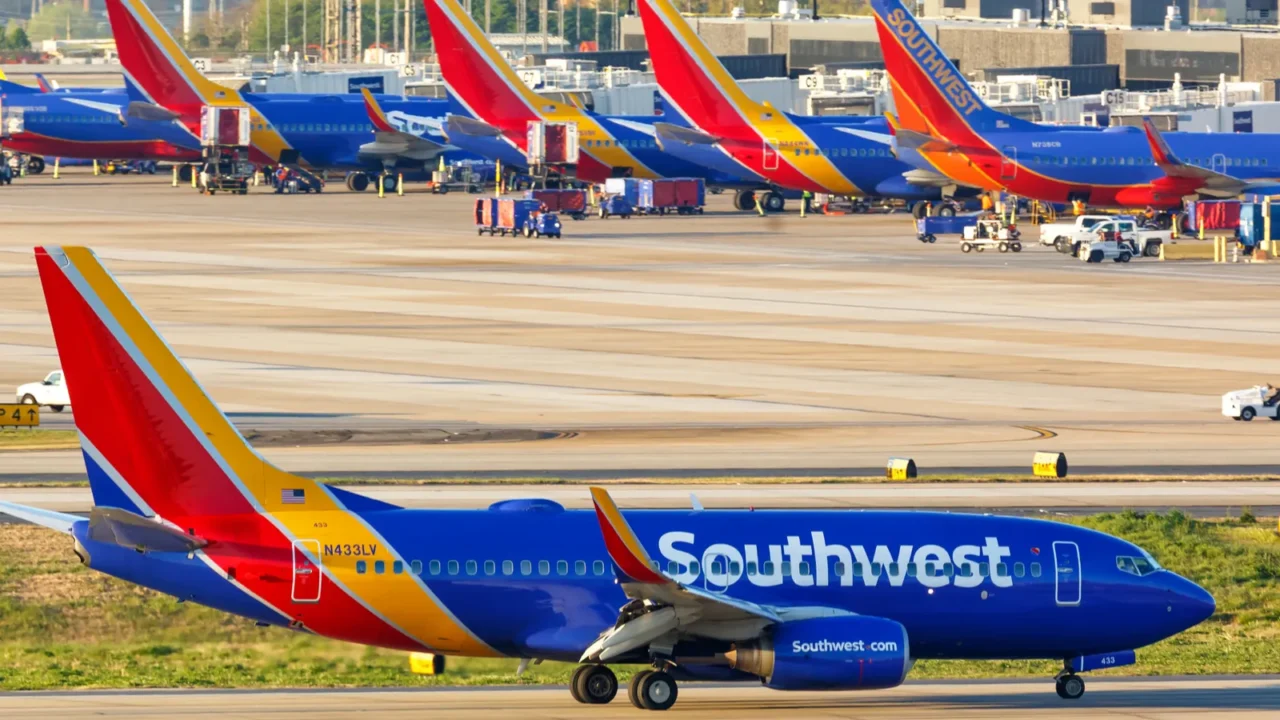
Southwest’s boarding perks
Southwest Airlines maintains open seating with boarding groups (A, B, C) based on check-in time or paid EarlyBird Check-In for earlier positions. Upgraded Boarding offers even better spots for extra legroom access, while elite status provides free perks.
No assigned seats exist, but fees for boarding priority signal industry trends toward paid comfort without changing core simplicity. This appeals to travelers valuing flexibility alongside optional enhancements for space and convenience.
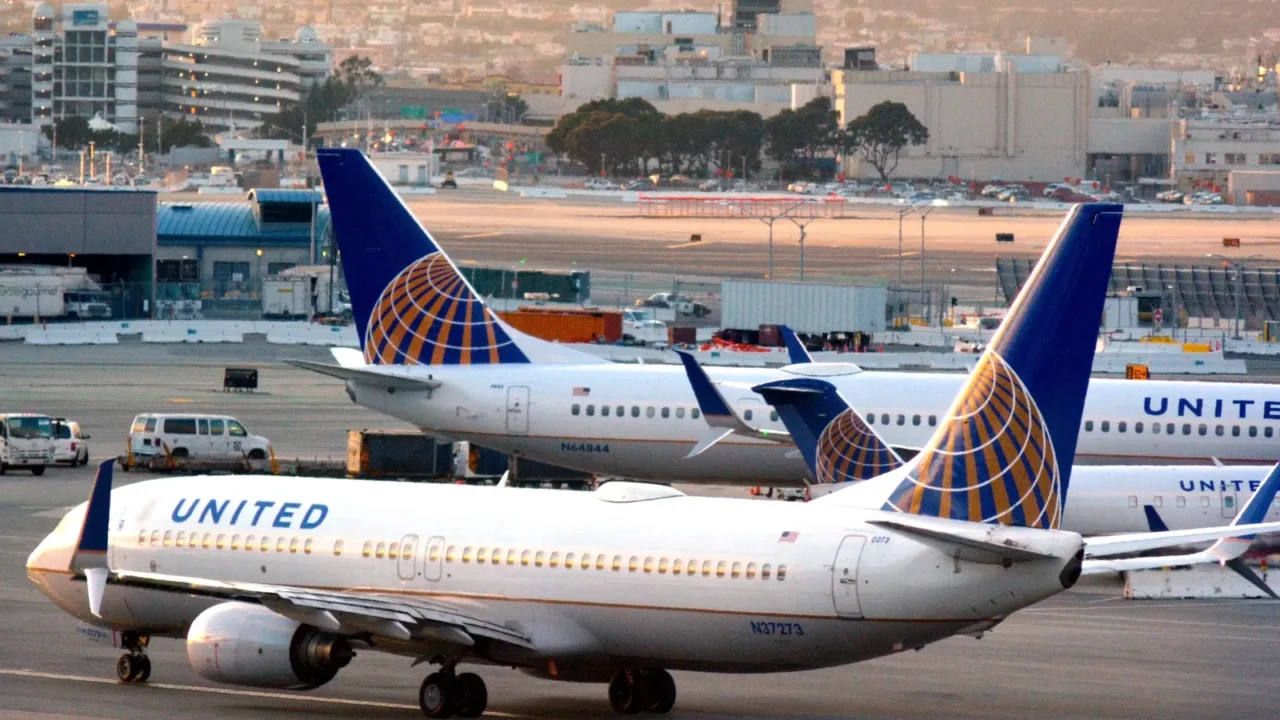
United and seat selection issues
Not all paid seating perks are straightforward. A lawsuit claimed United Airlines misled passengers who paid extra for “window seats” that lacked actual windows. United maintained it was a labeling issue, not a promise of a view.
This shows how seat fees and definitions can create frustration. Paying more for a premium experience comes with expectations. Clear communication is key to avoiding disappointment and maintaining passenger trust.
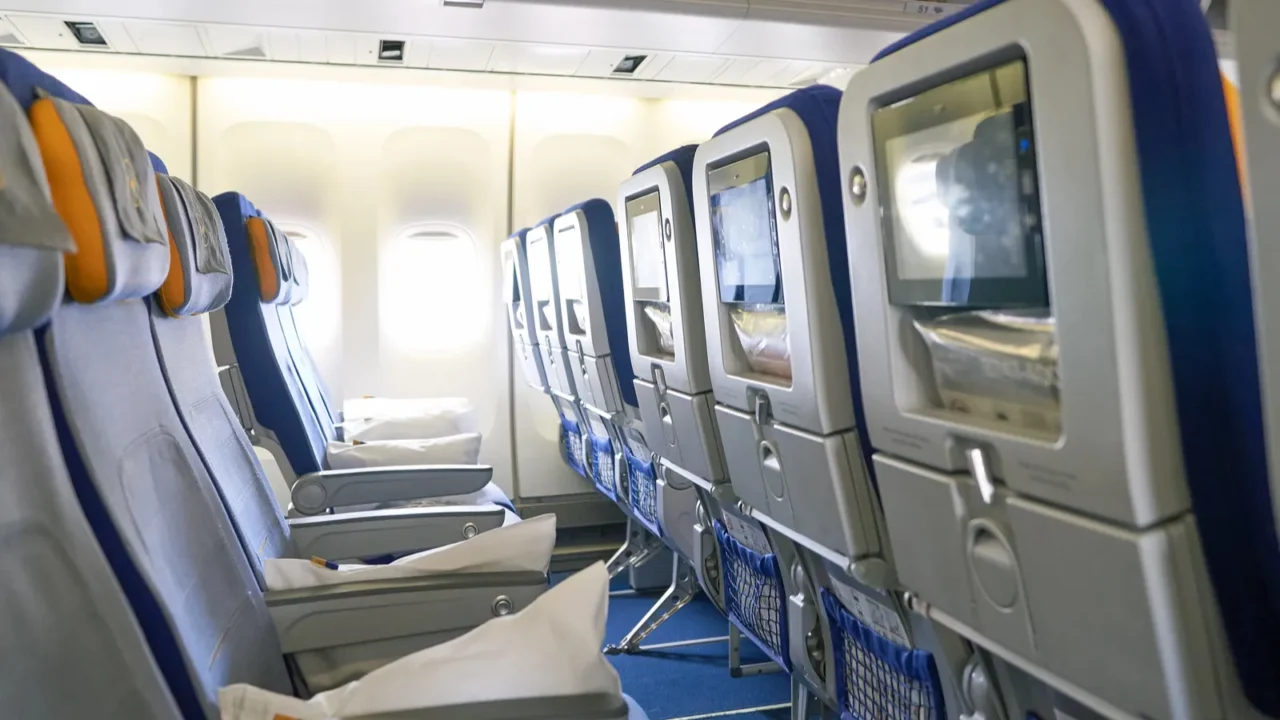
What empty seat options look like
Several U.S. airlines let travelers buy extra seats for space or privacy. Frontier guarantees an empty middle seat through UpFront Plus, while others allow adjacent seat reservations online or by phone.
These options are flexible, sometimes available after booking, and prices vary with availability. They let passengers customize journeys beyond standard tickets, making flights more comfortable without needing business or first-class upgrades.
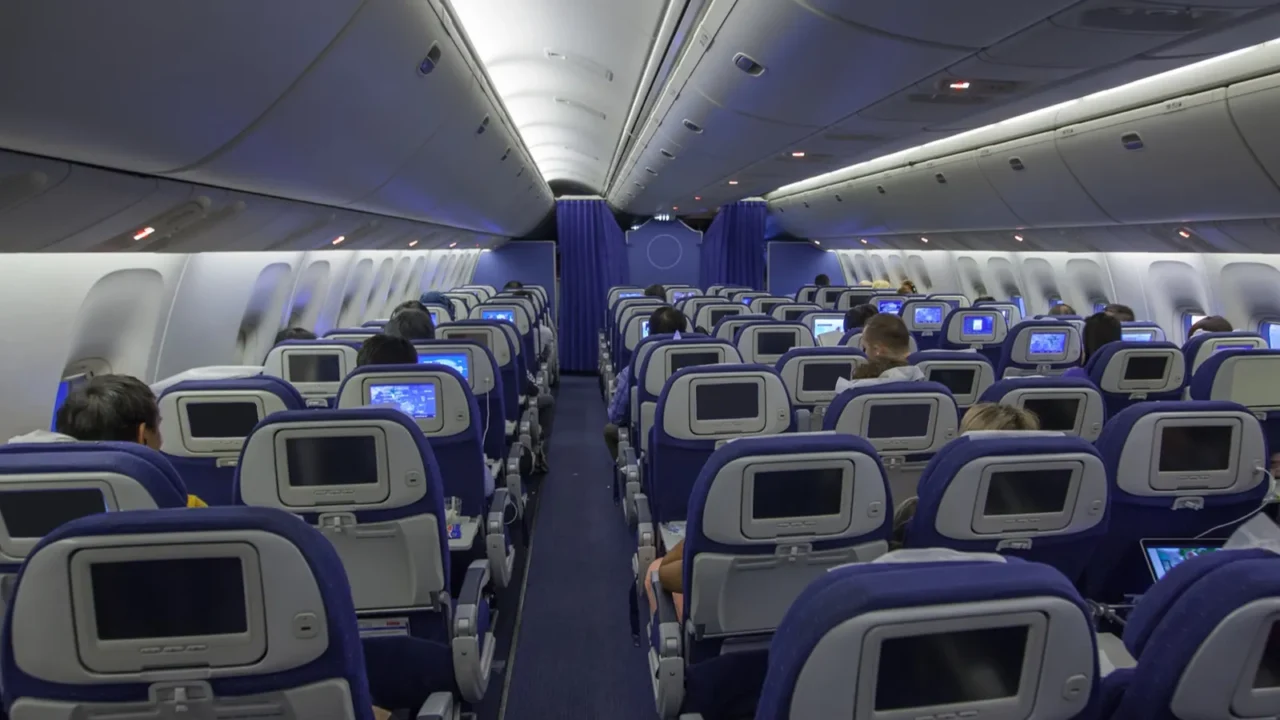
Comfort versus cost tradeoffs
Deciding to pay for a vacant seat comes down to comfort versus cost. On long flights, extra space can feel like a smart investment. On short trips, the fee may not justify the benefit. Many choose based on personal preference and budget.
Frequent fliers or credit card holders can sometimes avoid fees through loyalty perks. Understanding these options helps travelers enhance comfort without spending unnecessarily, especially on longer journeys where space matters most.
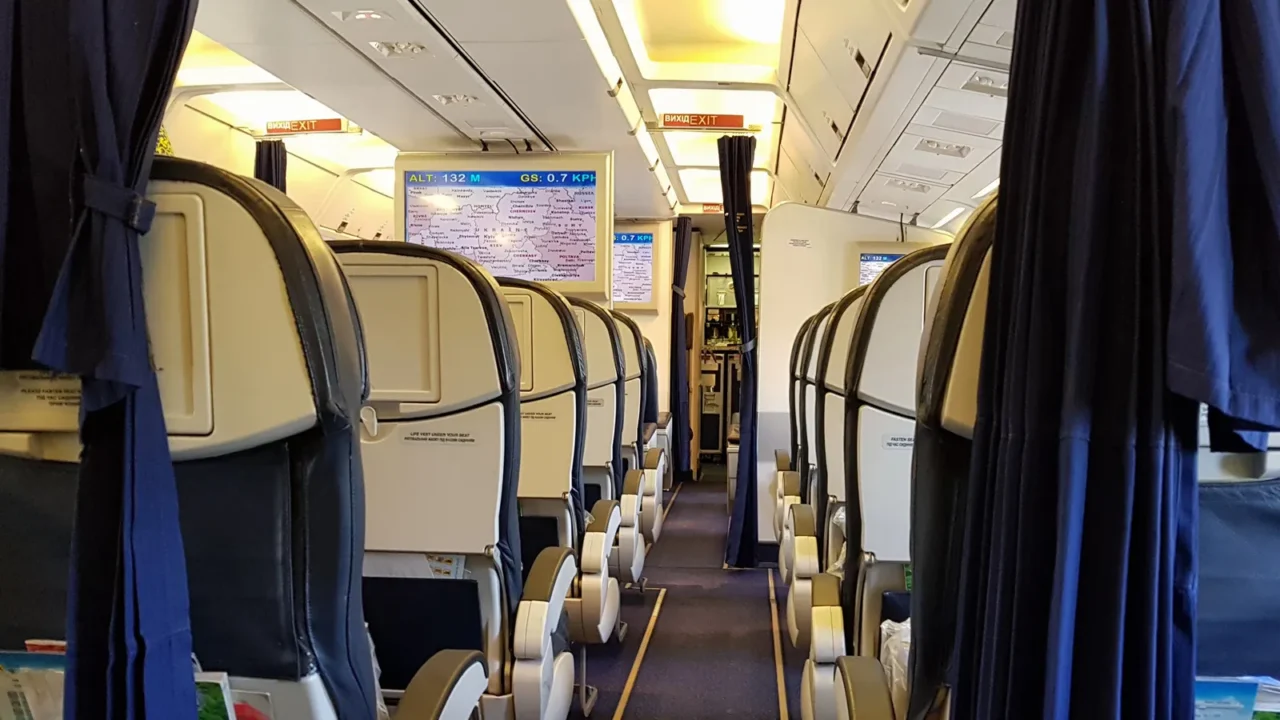
The passenger perspective
Passengers respond differently to paid seating options. Some see it as a way to guarantee comfort, while others view it as unnecessary. The debate often revolves around fairness, paying for basic comfort versus luxury.
Travel communities online share real experiences, from frustration when perks fail to stories of relief when a little extra space made a big difference. These perspectives highlight how personal expectations influence perceived value.

Airline revenue strategies
Selling extra space isn’t just about comfort but a business move. Airlines rely on ancillary revenue from seat selection, baggage fees, and priority boarding. Unbundling services keeps base fares competitive while letting passengers customize experiences.
This model reshapes how people perceive flying. Instead of one ticket price covering everything, modern travel feels like building a personalized package. Extras like empty seats or legroom upgrades define the contemporary flying experience.
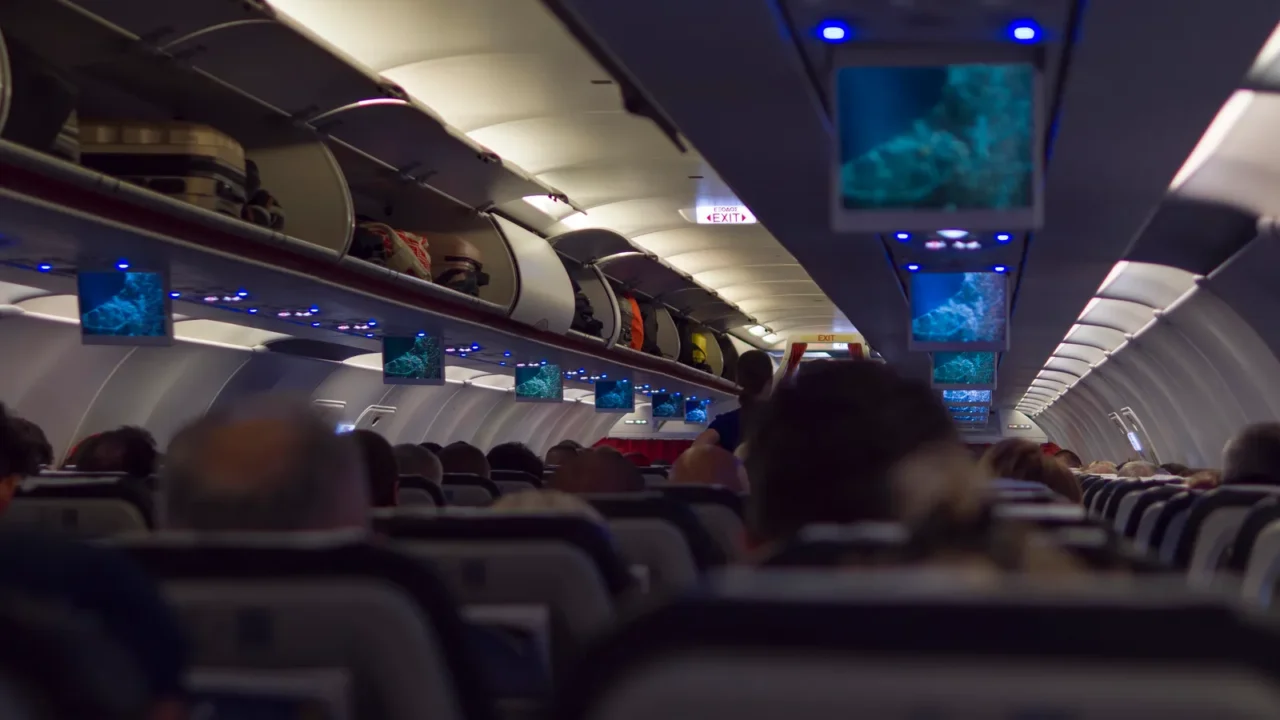
Who benefits most?
Certain travelers gain the most from paid empty seat options. Tall passengers, parents with young children, nervous flyers, and long-distance travelers see tangible value in less crowding. A small fee can make a significant difference in comfort.
Business travelers and frequent fliers may also find that extra space boosts productivity and reduces stress. Ultimately, the value of paying for extra space is personal, varying from one traveler to another.
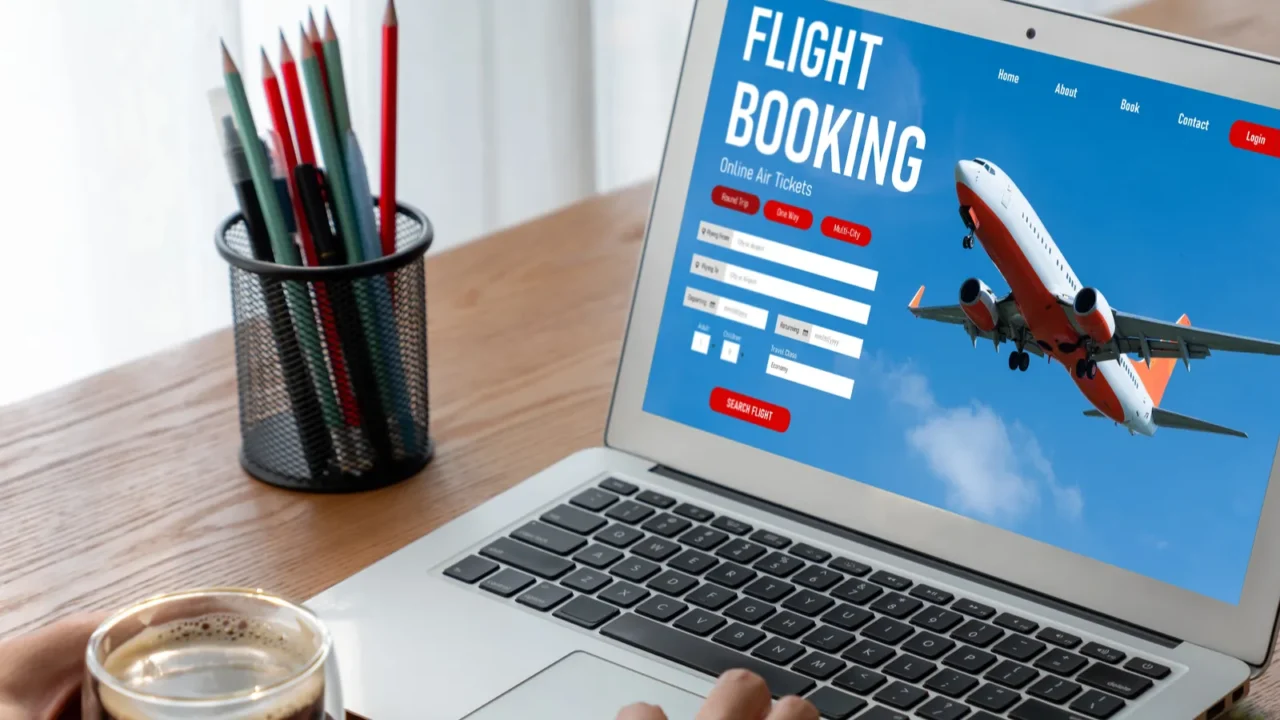
Tips to save while flying
Extra space doesn’t always require paying full price. Airline loyalty programs, co-branded credit cards, and check-in upgrades can provide access to better seats, often including less crowded areas.
Traveling at off-peak times increases the chance of an empty neighboring seat without a fee.
Flexibility and planning can enhance comfort while minimizing costs, making smart choices a key part of modern air travel.
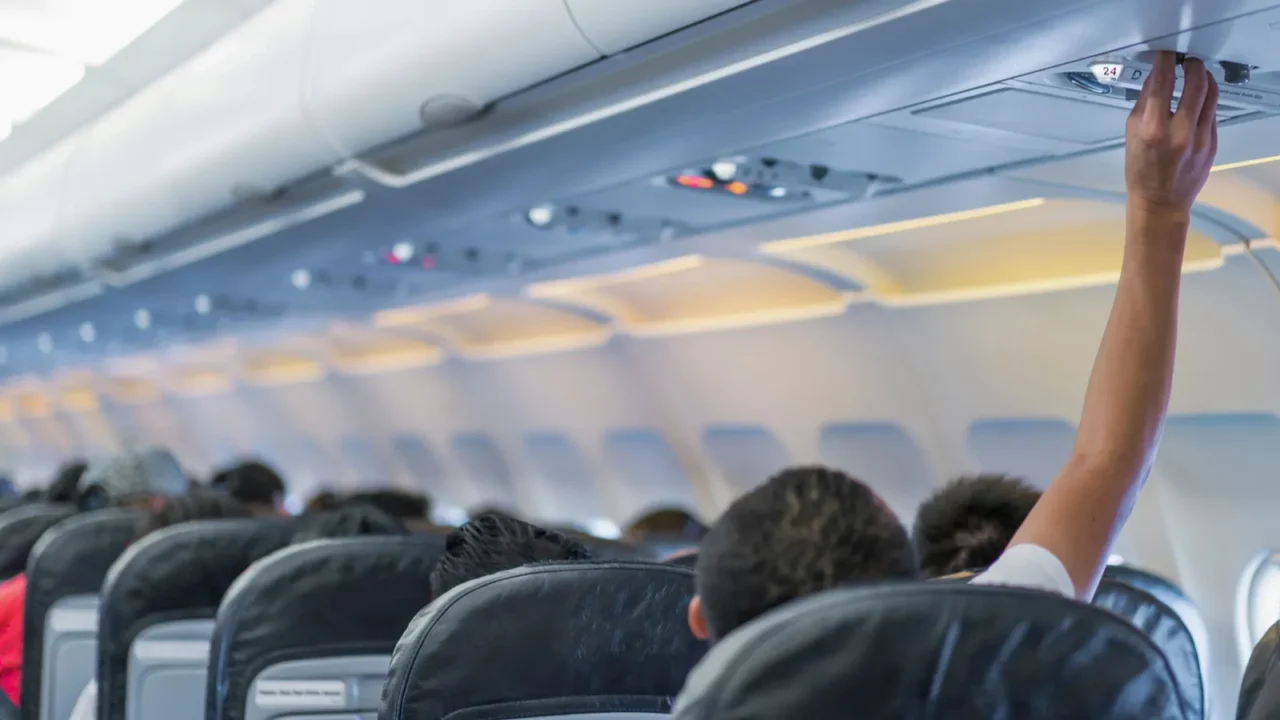
The future of seat perks
Airline pricing and seat perks continue to evolve. Options may expand depending on route, aircraft type, and customer demand. Dynamic pricing could make upgrades more tailored and fluid.
Carriers are experimenting with ways to sell comfort, from bidding systems to bundled packages that mix seat perks with other travel benefits. The trend reflects a broader push toward personalized travel experiences and how airlines charging for overhead bins could soon become the norm.
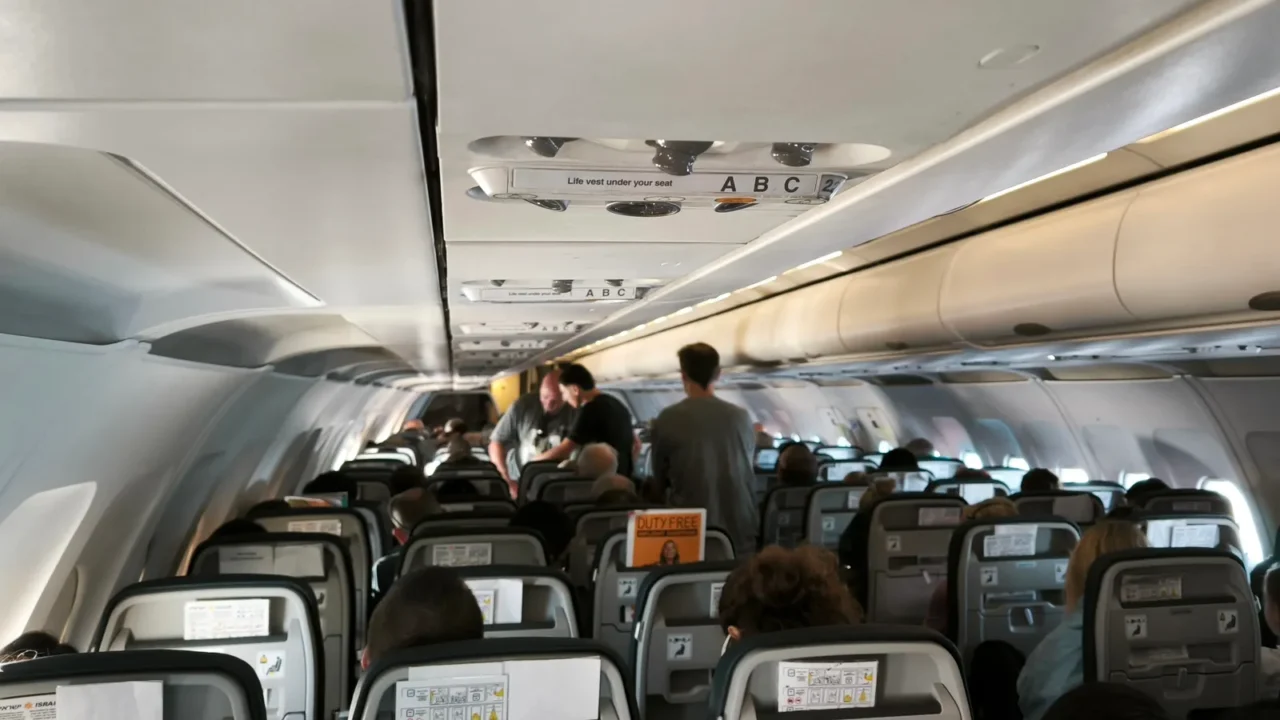
Your space, your choice
Paying extra for an empty seat is ultimately about choice. Travelers can decide how to fly, what matters most, and what they are willing to invest in comfort. With options from Frontier’s UpFront Plus to seat selection fees across carriers, flying is now more customizable than ever.
Whether you pay for space, earn perks through loyalty, or travel budget-focused, understanding these options helps ensure your flight fits your needs, making the journey as enjoyable as the destination. As airlines test new ways to sell comfort, even in-flight services like meals may become part of future paid bundles.
Curious about how far you’d go for extra comfort on a flight? Let us know your thoughts and choices.
This slideshow was made with AI assistance and human editing.
Don’t forget to follow us for more exclusive content right here on MSN.
Read More From This Brand:
