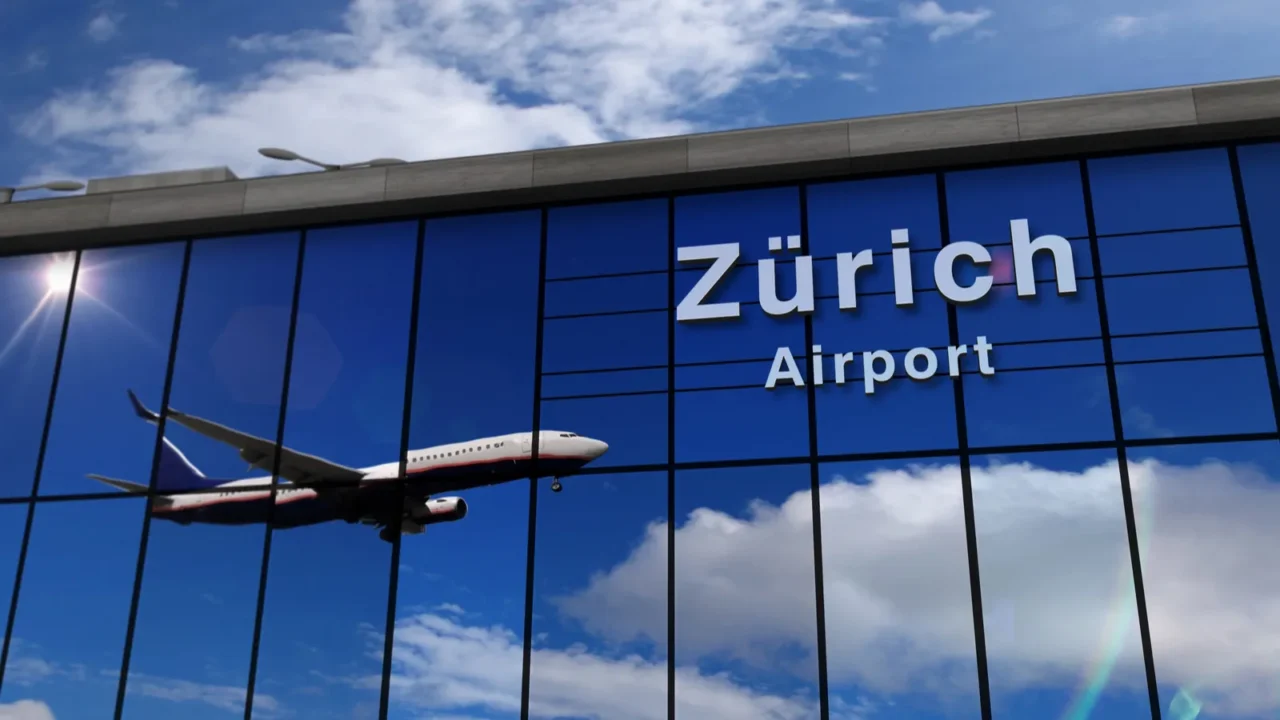
A bold change at Zurich
Something big is happening at Zurich Airport; the familiar passport stamp might soon be history. Starting November 17, 2025, the airport is launching the EU’s Entry/Exit System (EES) to handle border control with biometric scans.
This shift is sparking both excitement over faster processing and concern about what it means for personal data. Let’s dive in and see what this means for travelers.
What the new system is
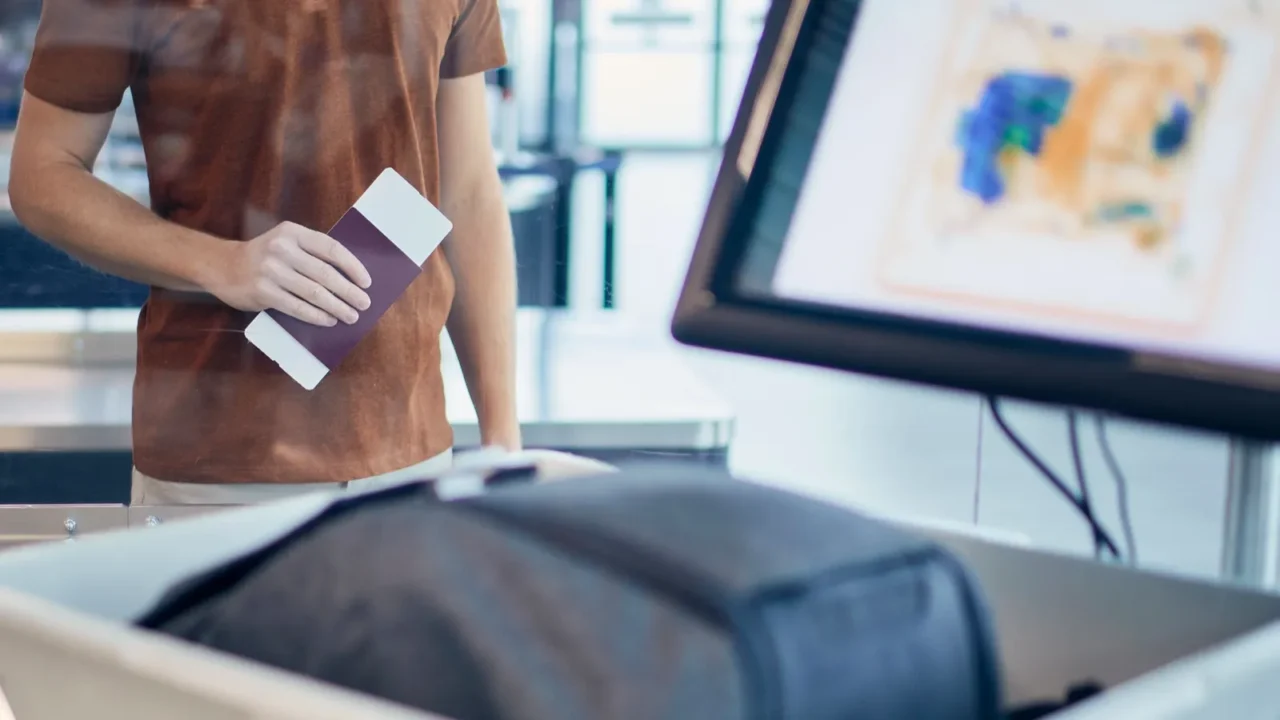
The Entry/Exit System (EES) requires third-country nationals to submit a facial image and four fingerprints when they enter or leave. At Zurich Airport, the rollout is being done in partnership with Sequent and the Cantonal Police to ensure high-security standards. According to Secunet, the new system is designed to replace manual passport stamping entirely.
Officials say the biometric data is stored in a central EU database under strict protocols, with entries and exits tracked electronically for up to three years. This digital system aims to improve border control while also reducing human error and fraud.
How it speeds up checks
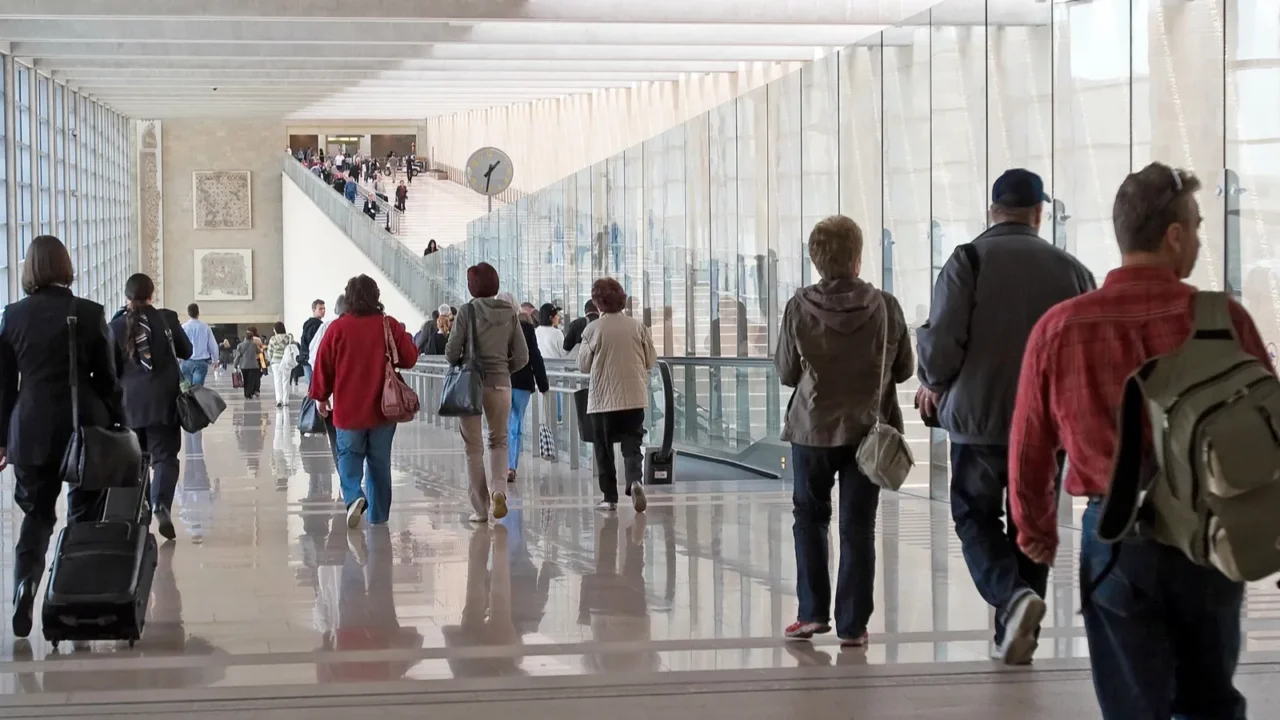
With automated kiosks and e-gates, identity verification becomes much faster than traditional passport control. Travelers only need to register once; subsequent visits can rely on facial recognition alone. Airport officials believe this will cut down passenger wait times significantly.
During peak travel, the automated system may ease bottlenecks that often slow down entry points, especially for busy international terminals. Secunet’s technology integrates with border authority systems to streamline operations without sacrificing security.
Behind the biometric tech
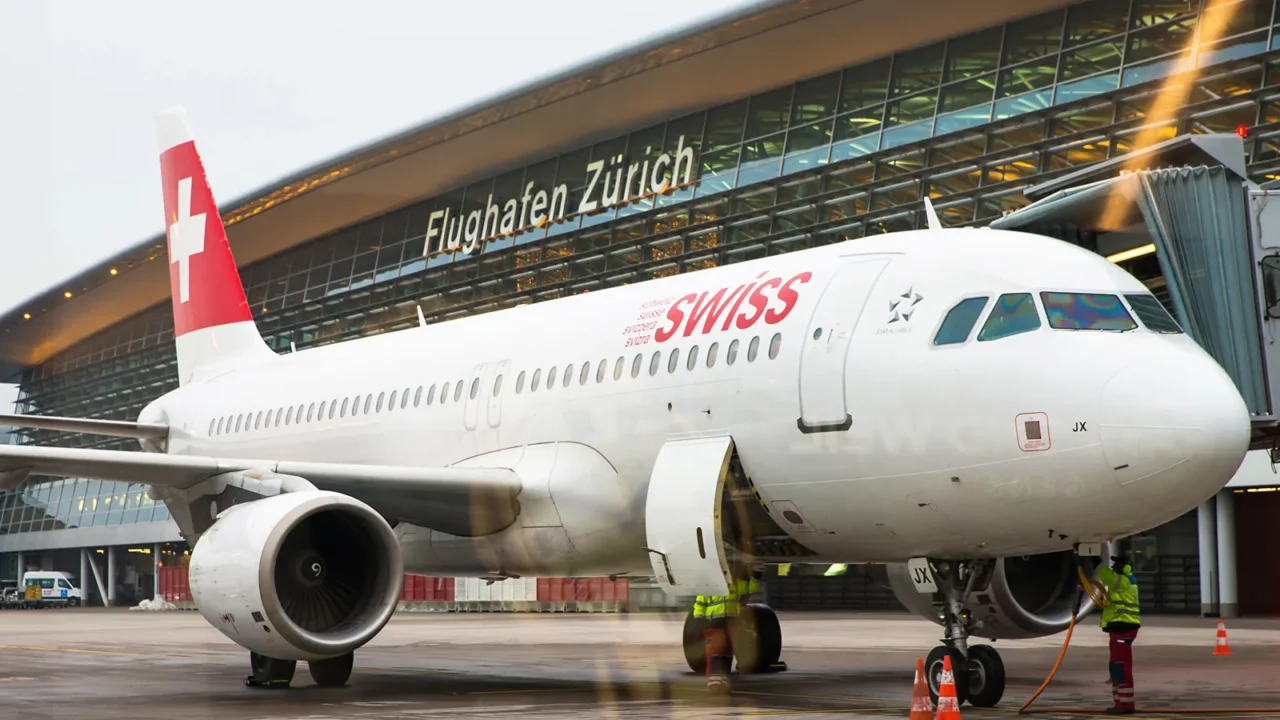
Zurich Airport’s infrastructure uses Secunet’s “easygate” automated border control, “easy kiosk” stations, and “easy tower” facial capture systems. These components link to Secunet’s backend “easy server,” which connects to the EU’s central EES system. The tech is modular, so future upgrades or changes can be added without overhauling the whole system.
The system was developed over the years in cooperation with the Zurich Cantonal Police, aiming to balance security demands and passenger throughput. Secunet describes it as a “smart borders” solution built to scale across Schengen countries. It’s being framed as a long-term investment in efficient and secure border management.

Who must register
Only travelers who are non-Schengen nationals need to enroll in the biometric system at Zurich. Swiss, EU, and EFTA citizens with biometric passports can mostly stick with existing automated gates. For frequent non-EU visitors, the initial registration takes some time, but later crossings become smoother.
That said, first-time users are advised to arrive a bit earlier than usual, since the registration process might take up to 10-15 minutes. Airport staff and signage have been updated to guide travelers through the new procedure.

Privacy concerns emerge
A major concern is where this biometric data ends up and how it’s used. Critics worry that facial images and fingerprints stored in a central system could be vulnerable to misuse or data breaches. The fact that the data is kept for up to three years raises real questions.
Some privacy advocates argue that once this system is in place, it sets a precedent for more invasive surveillance in the name of security. Others worry about the lack of transparency over who can access the data. For travelers sensitive to data protection, these concerns are not just theoretical; they’re deeply personal.
Losing the human touch
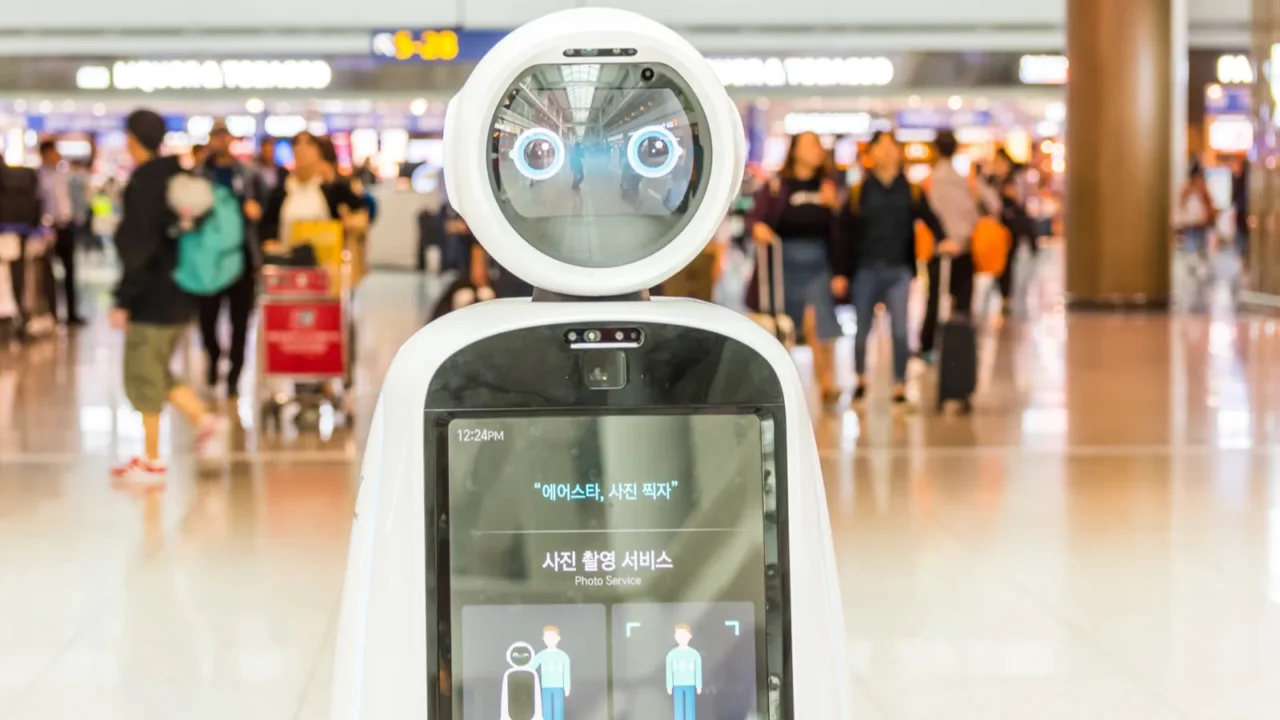
Supporters of the biometric system point out that automation frees border officers to focus on more complex tasks. Once the system is in place, routine passport checking becomes a background process handled by machines. This could lead to more streamlined operations and fewer manual checks.
On the flip side, some argue that removing human interaction makes the process colder and less personal. Travelers may miss the reassurance of speaking to a real person. There’s also a risk that machines won’t catch every issue, reducing oversight in some cases.

What happens to passport stamps
As EES rolls out fully, traditional passport stamps will be phased out at Zurich Airport. That change marks an end to a decades-old travel ritual; many travelers value the stamp as a souvenir of where they’ve been. Without stamps, entries and exits become strictly digital records.
For travelers who cherish the physical reminder of each trip, this might feel like a loss. But from an administrative perspective, digital records are far more efficient and harder to tamper with. The trade-off between nostalgia and modern efficiency is real here.
Rollout hiccups at first
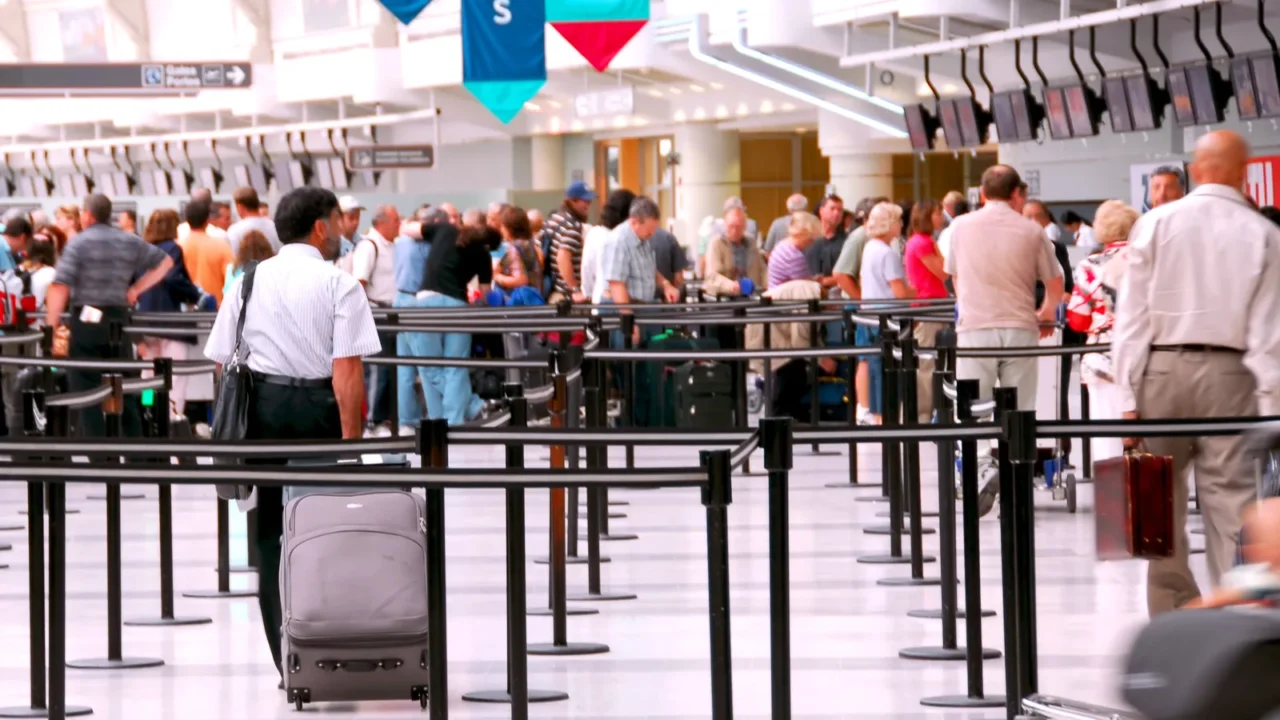
During the first few days after launch, some non-EU travelers reported queues and delays in completing their biometric registration. Airport officials have encouraged visitors to build in extra time during their arrivals. Meanwhile, staff members are being trained to handle the transition smoothly and assist travelers in adapting.
Because it’s a phased implementation, not every gate or kiosk may be ready at once. Zurich Airport is continually adjusting staffing and processes as the system scales. The goal is to make this new system routine before peak travel returns.
Potential security gains
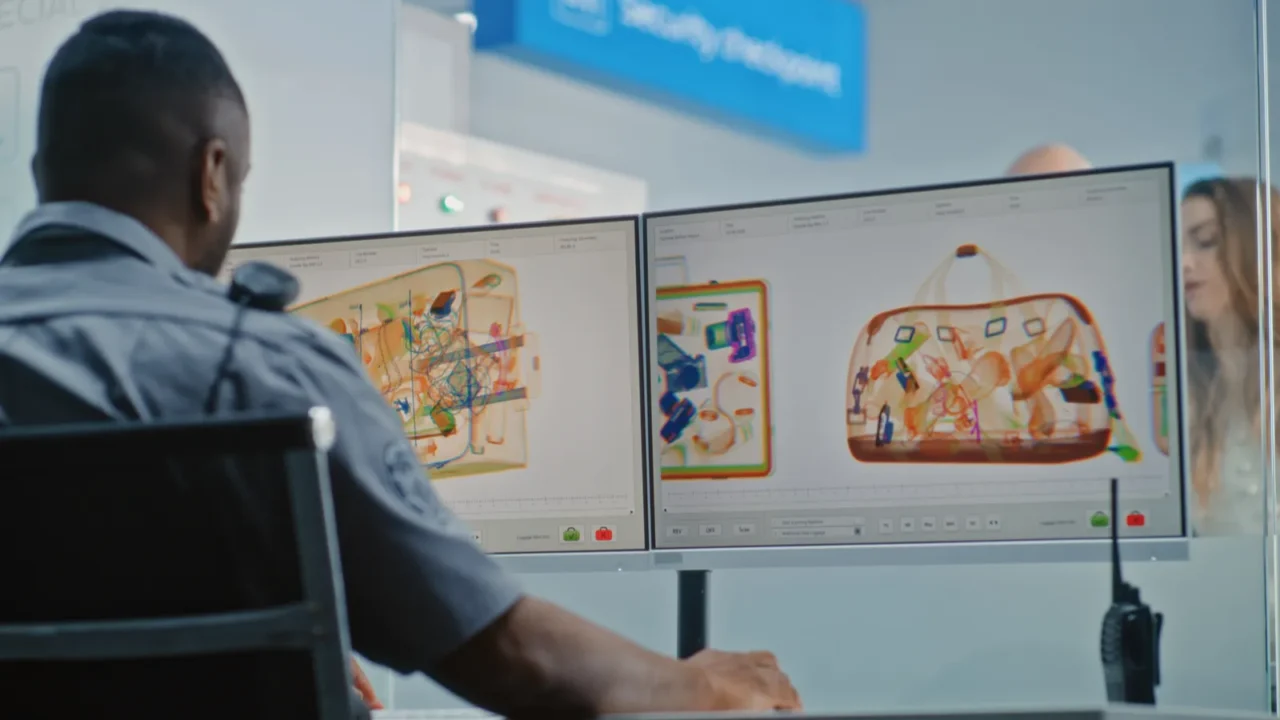
Authorities argue that EES will help reduce identity fraud by making it harder to fake travel documents or overstay visas. With biometric scans tied directly into Schengen’s centralized system, tracking of entries, exits, and visa compliance becomes more reliable.
This could also strengthen the ability of law enforcement to spot suspicious patterns or overstays. For the EU and Switzerland, improved border control may mean better management of migration and security risks going forward. The system is pitched as a long-term tool, not just a quick fix.
Impact on frequent travelers
For frequent non-Schengen flyers, once biometric data is in the system, re-entry could become very fast via facial recognition alone. This might make Zurich Airport much more attractive for business travelers or people with regular travel needs. Travel managers for multinational companies are already advising staff about the changes.
That said, some travelers from outside Europe may feel uneasy about their data being permanently stored by an external digital system. Even loyal visitors may rethink repeat trips if they worry about digital tracking. It’s a clear trade-off between travel nostalgia and the efficiency of modern border control.
Where this leads next
Zurich’s decision could set a pattern for other international airports in Schengen states as EES expands. As more hubs adopt biometric controls, similar debates on privacy, efficiency, and security will likely follow. What happens now could shape the future of international travel at large.
For many travelers, this rollout is a test case: will biometric systems deliver on the promise of smoother, safer travel, or will they redirect travel into a world of constant data collection? Air Canada announces return to key U.S. airports, signaling growing confidence in international travel despite evolving security measures. The coming months will be telling.

A parting perspective
Biometric border control at Zurich Airport represents a turning point in how travel is managed in Europe. It blends efficiency, security, and modern technology in a way that could become the new norm. But for travelers who value privacy, it also raises important questions about data control and lasting impact.
Does this shift make you feel more secure—or more exposed—when you travel? Let us know in the comments.
Read More From This Brand:
- Prince William and Kate Middleton’s private island paradise on Mustique
- Step into the real Jurassic World through Thailand’s most epic filming sites
- Thailand takes center stage as the 2025 SEA Games kick off
Don’t forget to follow us for more exclusive content right here on MSN.
This slideshow was made with AI assistance and human editing.
