
Federal tax policy changes overview
The Internal Revenue Service announced adjustments tied to inflation and expiring provisions that may impact middle-income households in 2026. The changes reflect updates to tax brackets, deductions, and credits that shape annual filings. Analysts note that several provisions from earlier legislation are set to phase out soon.
The Internal Revenue Service continues to update thresholds each year based on economic conditions and federal policy. These adjustments can shift how much income is taxed at each level. Here’s what to watch.

IRS bracket adjustments explained
The Internal Revenue Service updates income tax brackets annually to reflect inflation trends. For 2026, these adjustments are expected to change how middle-income earners fall into tax categories. Even small shifts in thresholds can affect overall tax liability.
Bracket changes do not necessarily mean higher taxes for everyone. However, income growth combined with bracket limits can move households into higher rates. This process is often referred to as bracket creep in economic discussions.
IRS standard deduction updates
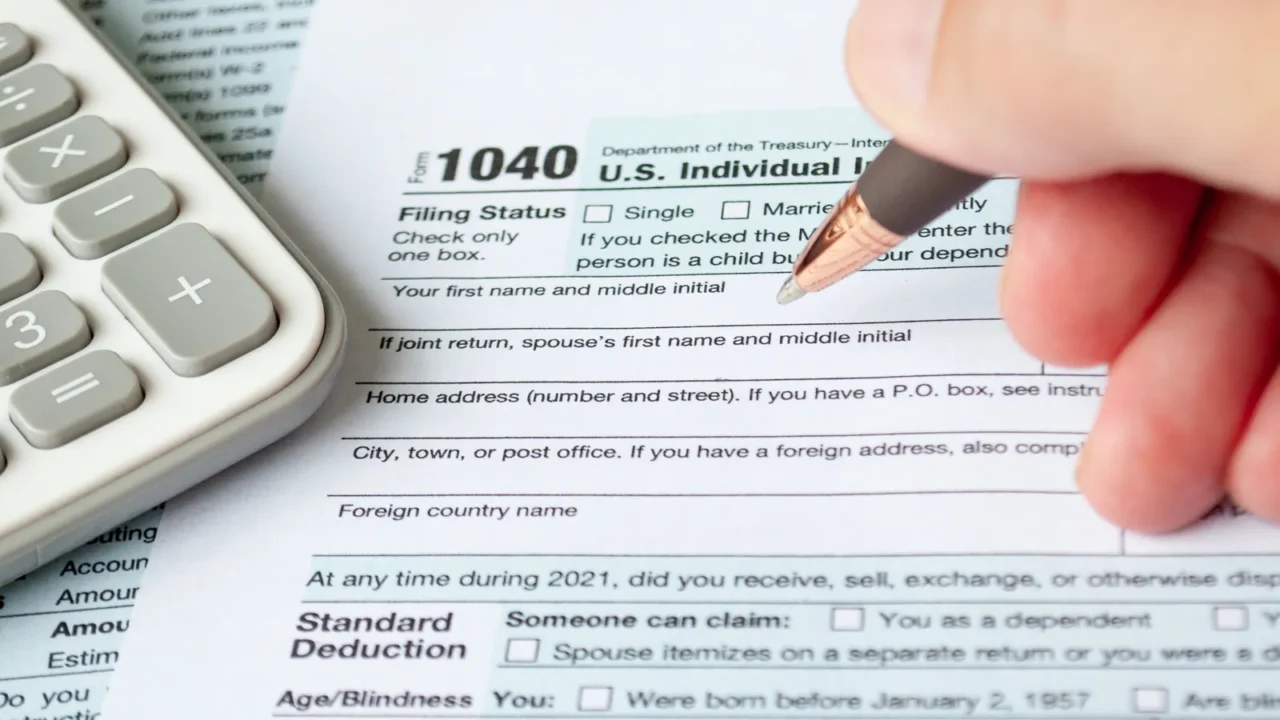
The Internal Revenue Service also adjusts the standard deduction each year to account for inflation. These increases help offset rising living costs for many households. Middle-income families often rely on the standard deduction instead of itemizing expenses.
If deduction growth does not keep pace with inflation, taxable income may rise in real terms. This can lead to higher tax bills even if income increases are modest. Understanding deduction changes is key to financial planning.
Expiring tax cuts impact
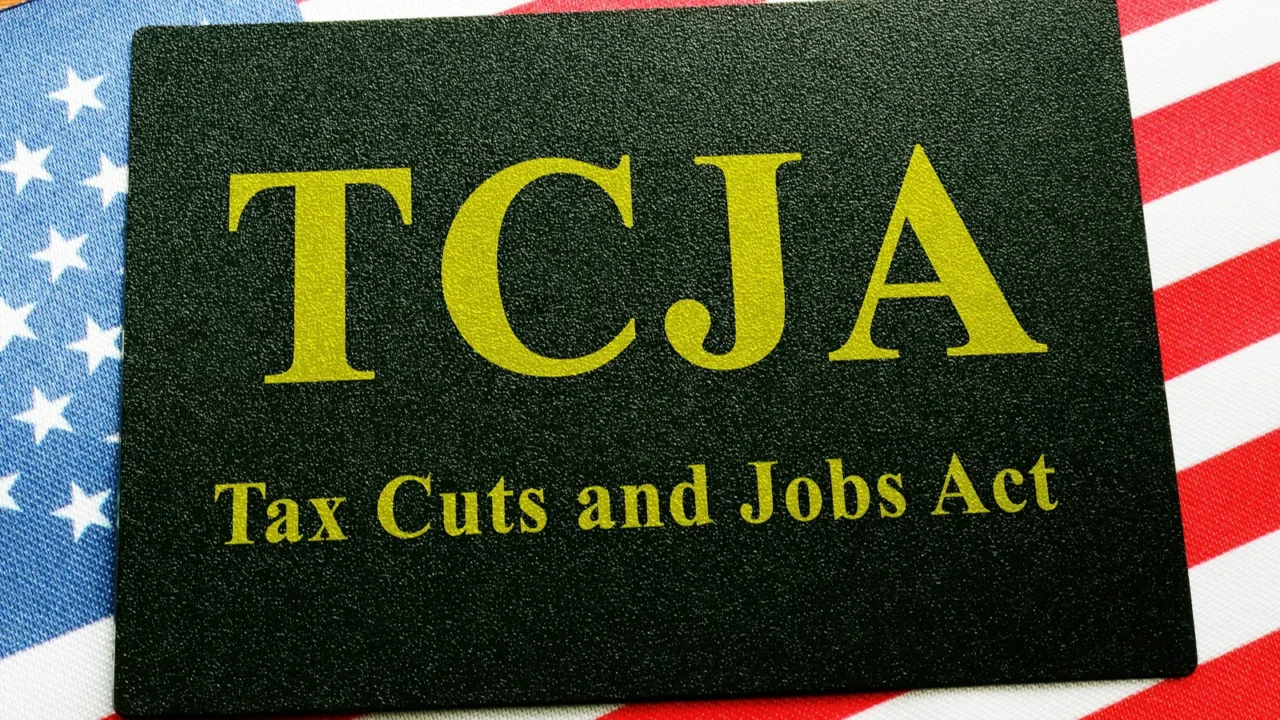
Many individual provisions of the 2017 Tax Cuts and Jobs Act were set to expire at the end of 2025; absent Congressional action those defaults would take effect in 2026 — but lawmakers acted on some items and other changes remain under active debate, so taxpayers should watch whether Congress extends, modifies, or leaves unchanged specific TCJA provisions.
Middle-income households could see noticeable changes in their tax obligations. The expiration could reduce deductions and increase marginal tax rates. Policymakers continue to debate whether to extend or modify these provisions.

Child tax credit changes
The child tax credit has undergone several temporary expansions in recent years. During the pandemic, higher credits and advance payments provided additional support to families. Many of those expanded benefits have already expired.
Future adjustments may further change eligibility and credit amounts. Middle-income households could see reduced benefits compared to earlier years. These changes can directly influence annual refunds and tax bills.

Earned income credit trends
The earned income tax credit remains a key benefit for lower and middle-income workers. Eligibility and credit amounts are adjusted regularly based on income thresholds. Changes in 2026 could affect who qualifies and how much is received.

State tax rules variation
State-level tax policies also play a role in overall tax burdens across the country. States like California and New York often have higher income tax rates compared to states such as Texas and Florida. These differences can affect how much households ultimately pay.
Fact: The Tax Foundation reports that nine states, including Texas and Florida, do not impose a state income tax at all. This variation influences migration patterns as households seek lower tax environments.

Inflation effects on taxes
Inflation affects tax systems by altering both income and expenses over time. While tax brackets adjust, they may not fully offset the rising costs of living. This can lead to higher effective tax burdens for some households.
Wage increases tied to inflation may push households into higher brackets. At the same time, real purchasing power may not improve significantly. This dynamic creates challenges for middle-income families managing budgets.

Capital gains tax outlook
Capital gains taxes apply to profits from selling investments such as stocks or property. Rates depend on income levels and holding periods for assets. Changes in income can influence how gains are taxed.
Middle-income households with investments may see changes in tax treatment as income shifts. Economic conditions and market performance also affect capital gains exposure. These factors add complexity to financial planning decisions.

Retirement contribution limits rising
For 2026 the IRS raised employee elective deferral limits: the 401(k)/403(b) contribution limit increased to $24,500 (from $23,500) and IRA contribution limits rose to $7,500 (with catch-up changes for older savers), giving workers slightly more room to shelter income for retirement. Higher limits can benefit middle-income earners looking to reduce taxable income.
Employers across the United States often encourage participation in retirement plans. Contributions can lower current tax bills while building long-term savings. This makes retirement accounts an important part of tax strategy.

Housing and property taxes
Housing costs and property taxes remain significant expenses for many households. Property tax rates vary widely depending on local governments and regions. States like New Jersey and Illinois often have higher property tax burdens.
Mortgage interest deductions and property tax limits can affect overall tax outcomes. Changes in federal policy may alter how these deductions are applied. This can influence affordability and long-term financial planning.

Economic uncertainty and policy
Economic conditions play a major role in shaping future tax policies and adjustments. Government decisions often respond to inflation, employment, and fiscal needs. These factors influence how tax systems evolve, and recently, Kevin Kiley has targeted California’s “wealth tax” push, saying it’s fueling billionaire flight from the state.
Uncertainty around future legislation makes planning more complex for households. Lawmakers continue to debate changes that could impact middle-income taxpayers. Monitoring policy developments remains important for financial awareness.

What changes mean ahead
Tax changes in 2026 are expected to reshape how middle-income families manage finances. Adjustments to brackets, credits, and deductions will influence overall tax burdens. These changes reflect broader economic and policy trends in the United States.
Understanding these shifts can help explain differences in tax outcomes across households. As policies evolve, awareness becomes an important part of financial decision-making.
Which tax changes seem most important for families to watch right now? Share thoughts below.
This slideshow was made with AI assistance and human editing.
Don’t forget to follow us for more exclusive content right here on MSN.
Read More From This Brand:
