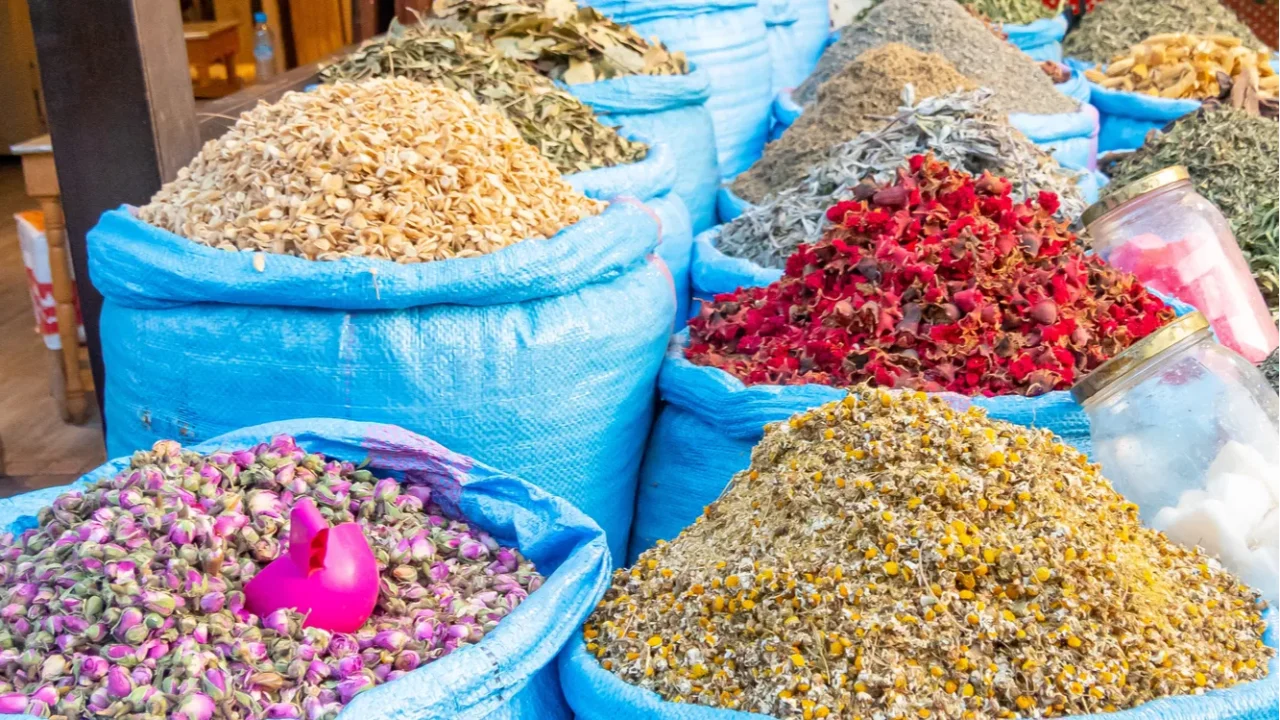
Culinary tours capturing attention
Culinary experiences are taking center stage in travel for 2025, drawing food lovers from around the world. These tours immerse travelers in local flavors, markets, and cooking traditions they cannot find at home. They create memories that go beyond sightseeing and allow visitors to experience culture firsthand.
The rise of these tours shows a shift in travel priorities where food becomes the gateway to understanding a destination. Travelers are seeking deeper connections with communities through their kitchens and local markets. Experiencing authentic meals brings history and culture to life in ways that sightseeing alone cannot achieve.
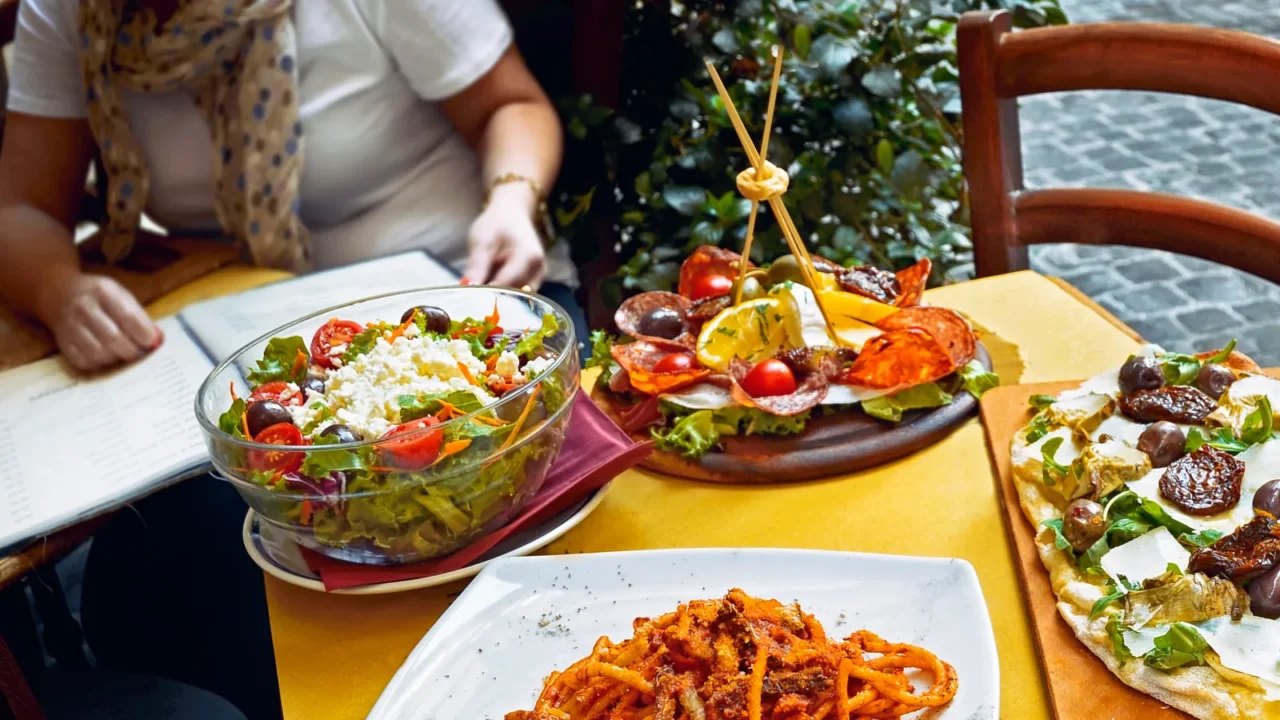
Local ingredients tell stories
Every dish tells a story, often reflecting centuries of tradition and local ingenuity. Culinary tours focus on ingredients grown, sourced, or prepared in the region. Visitors get insight into farming methods, seasonal produce, and traditional spice combinations.
Exploring markets and farms gives travelers an appreciation for the effort behind every meal. They witness how geography, climate, and culture shape local cuisine. This adds depth to a tour, making it both educational and flavorful.

Hands-on cooking experiences
Many tours include hands-on cooking classes led by local chefs or home cooks. Travelers learn recipes, techniques, and cultural rituals tied to food. These experiences offer more than tasting. They create skills that can be carried home.
Cooking together also fosters personal connections and storytelling between hosts and visitors. Guests often leave with an understanding of why certain flavors and methods are central to a region. This makes the culinary journey more intimate and memorable.
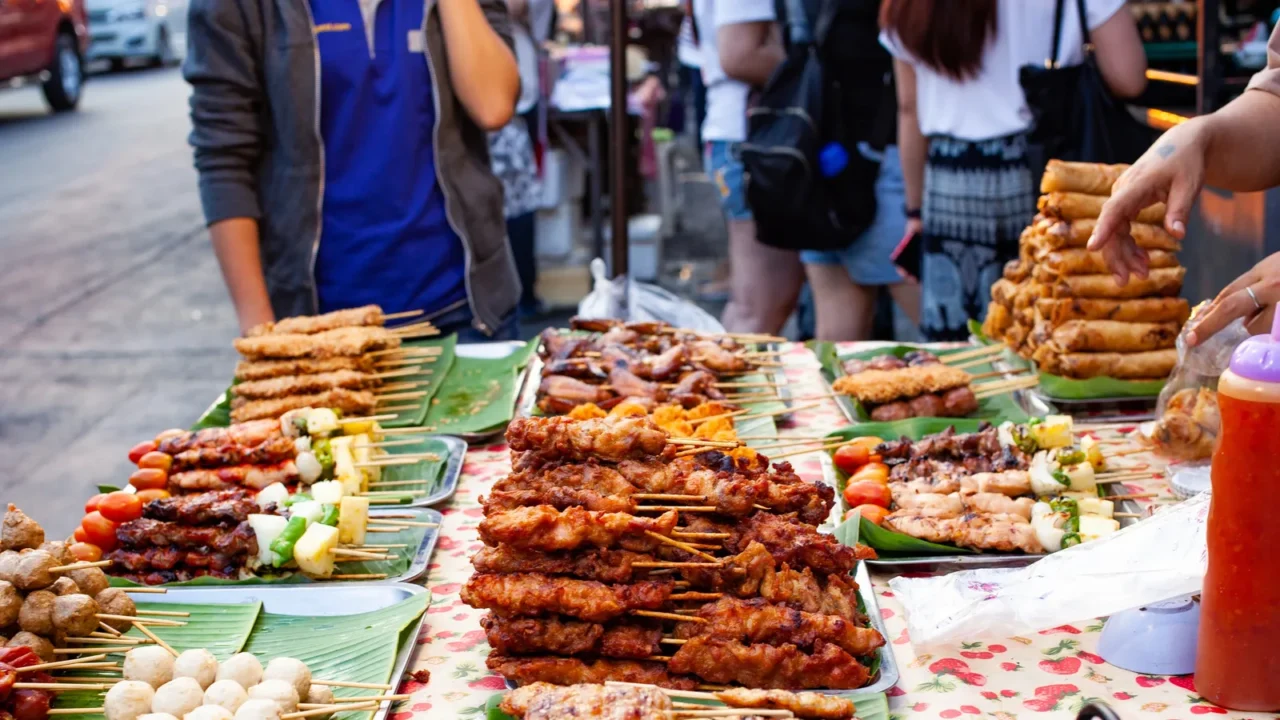
Street food adventures
Street food is a major highlight of culinary tours, providing authentic flavors at every corner. Travelers explore bustling markets, stalls, and night food hubs that locals frequent. Each bite tells a tale of history, migration, and creativity in the city.
Street food tours also show how food is woven into daily life, from casual snacks to elaborate recipes. Participants experience the vibrancy, smells, and colors that only come alive in public spaces. It creates a sensory immersion impossible in conventional restaurants.

Regional beverages included
Culinary tours increasingly highlight local drinks, from artisan coffees to traditional fermented beverages. Travelers discover flavors unique to each region, often paired with stories about origin and production. Learning about beverages expands understanding of culture beyond the plate.
Tasting drinks in their local context also introduces historical and social significance. Markets, distilleries, and cafes often host sessions that reveal local drinking customs. Visitors gain a fuller understanding of regional tastes and traditions.

Farm to table journeys
Some tours take travelers to farms where ingredients are grown organically and sustainably. Guests see the entire lifecycle of produce, from planting to harvest to preparation. This connection builds appreciation for the work behind authentic cuisine.
Eating at farm tables often combines fresh ingredients with traditional cooking styles. It highlights how rural communities maintain culinary heritage. Travelers enjoy both education and indulgence in a unique setting.

Seasonal and festival foods
Tours often coincide with local festivals or seasonal celebrations, showcasing unique dishes prepared for special occasions. Travelers experience the energy, rituals, and traditions surrounding the food. Each festival dish reflects culture, history, and local pride.
Sampling these foods gives insight into community identity and seasonal cycles. It also allows visitors to see how ancient traditions influence modern culinary practices. Festivals offer an unforgettable sensory experience of local life.

Sustainable culinary tourism
Culinary tours are increasingly focused on sustainability, promoting local sourcing and environmentally responsible practices. Visitors learn how communities reduce waste, support small farmers, and preserve heritage recipes. This aligns tourism with ethical and ecological values.
Sustainable tours often encourage participants to buy directly from producers or engage in community programs. Travelers can make choices that positively impact the environment and local economy. It transforms tourism into a mutually beneficial experience for both guests and hosts.
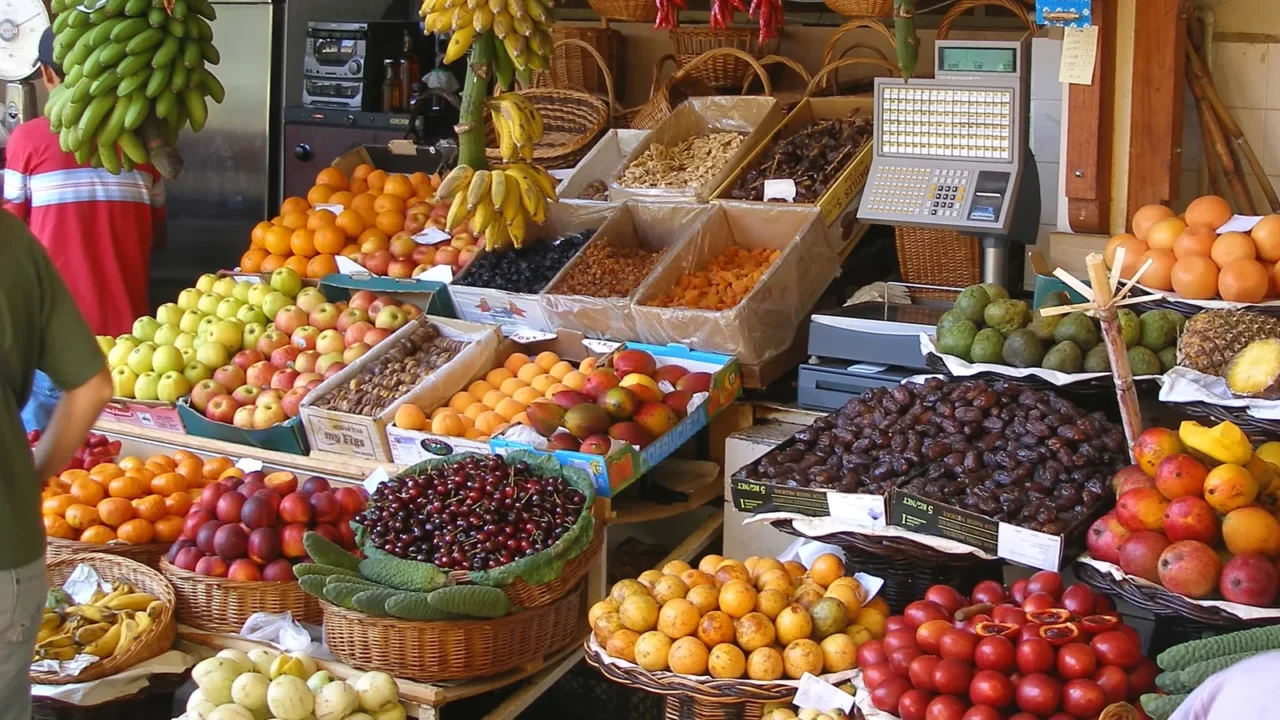
Food markets as cultural hubs
Markets are central to culinary tours, offering authentic sights, smells, and interactions with locals. Visitors observe how ingredients are chosen, sold, and celebrated daily. Markets function as living museums of flavor, trade, and cultural expression.
Navigating a vibrant food market provides opportunities to taste rare spices, artisanal products, and traditional snacks. Participants gain firsthand experience of how meals are built from scratch. Markets also serve as meeting points for stories, music, and culinary heritage.

Culinary storytelling
Each tour combines flavor with history, letting chefs or guides tell stories behind dishes. Recipes often reveal migration patterns, cultural fusions, and historical events. Travelers enjoy food while understanding the broader narrative it carries.
These narratives help guests appreciate why flavors are combined in certain ways. Storytelling makes each bite meaningful and memorable. It adds a rich dimension to culinary exploration beyond simple taste.
Global favorites and hidden gems
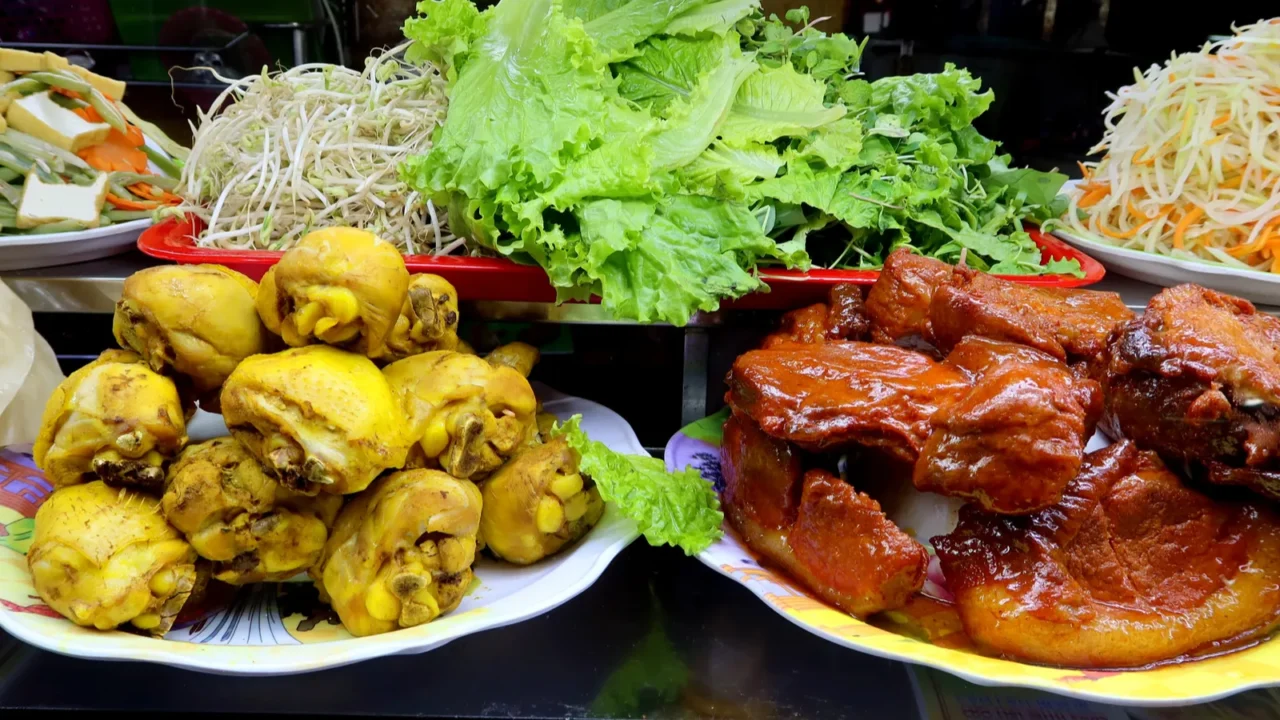
Tours balance well-known dishes with hidden culinary gems that locals cherish. Travelers discover neighborhoods and recipes overlooked by typical guides. This makes each tour unique and tailored to authentic experiences.
Exploring lesser-known foods encourages curiosity and adventure. Guests often leave inspired to continue their culinary journey independently. Hidden gems provide surprises that delight every sense and create unforgettable memories.

Culinary tourism shaping trends
The rise of food-focused travel shows how culture, sustainability, and experience drive tourism trends. Visitors now prioritize immersive experiences that connect them with the heart of a destination. Culinary tours lead this trend by offering education, entertainment, and indulgence simultaneously, especially as Chicago’s culinary fame sends The Bear global and fuels a boom in food tourism.
As more travelers seek flavor-rich adventures, destinations are adapting by offering innovative tours and experiences. Chefs, producers, and guides collaborate to provide authentic encounters. This makes culinary tourism one of the most impactful trends of 2025.

Which flavors will inspire your next journey
Culinary immersive tours let travelers experience history, culture, and community through every bite. Each destination tells its story through ingredients, recipes, and traditions. Food becomes a gateway to connection and discovery, unlike any other travel experience.
What do you think? Do any of these culinary destinations catch your eye as the perfect place to savor local flavors? Drop your thoughts in the comments.
This slideshow was made with AI assistance and human editing.
Don’t forget to follow us for more exclusive content right here on MSN.
Read More From This Brand:
