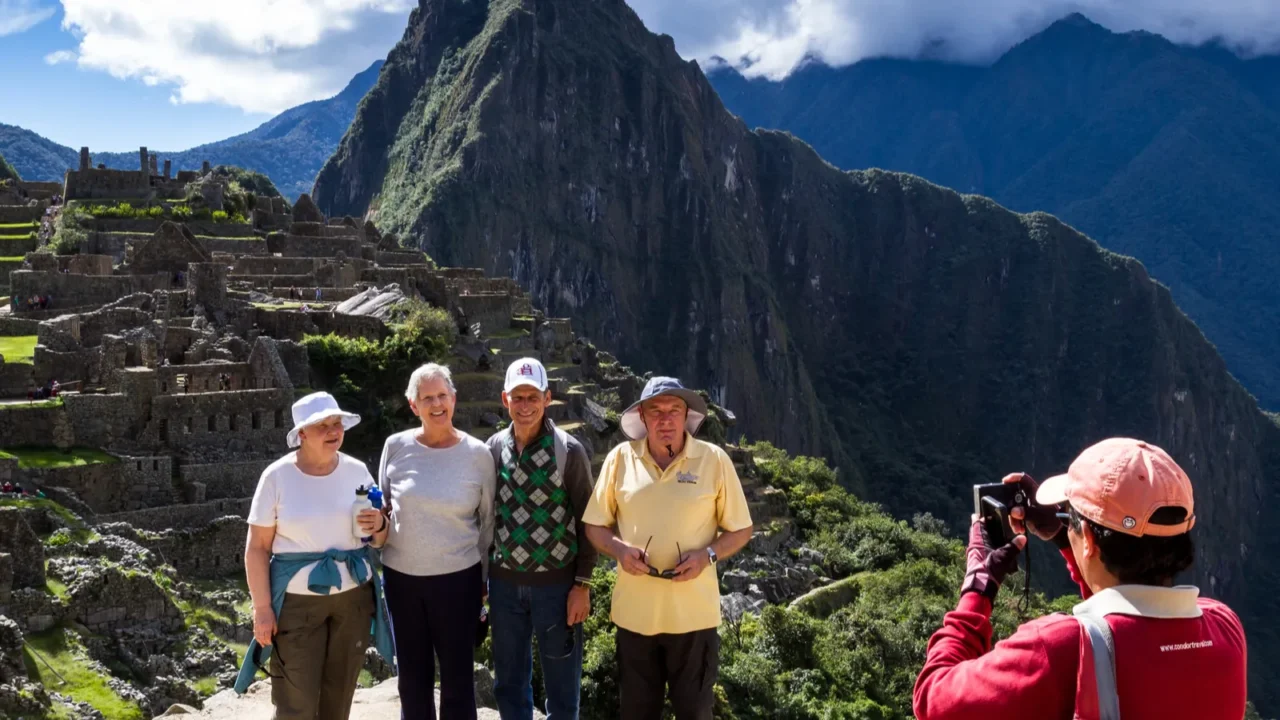
South America rewards first-timers fast
South America is one of the most diverse continents on Earth, covering 12 countries and nearly 7 million square miles. First-time visitors often assume it feels overwhelming, but the opposite is true. A single trip can combine ancient history, extreme landscapes, wildlife encounters, and modern cities without constant border hopping.
For U.S. travelers, flight times are manageable, costs are often lower than Europe, and infrastructure has improved rapidly in the past decade. This list focuses on landmark experiences that are visually iconic, logistically realistic, and culturally meaningful. If you are visiting South America for the first time, these places deliver the biggest return on time, money, and effort.
Machu Picchu still feels unreal in person
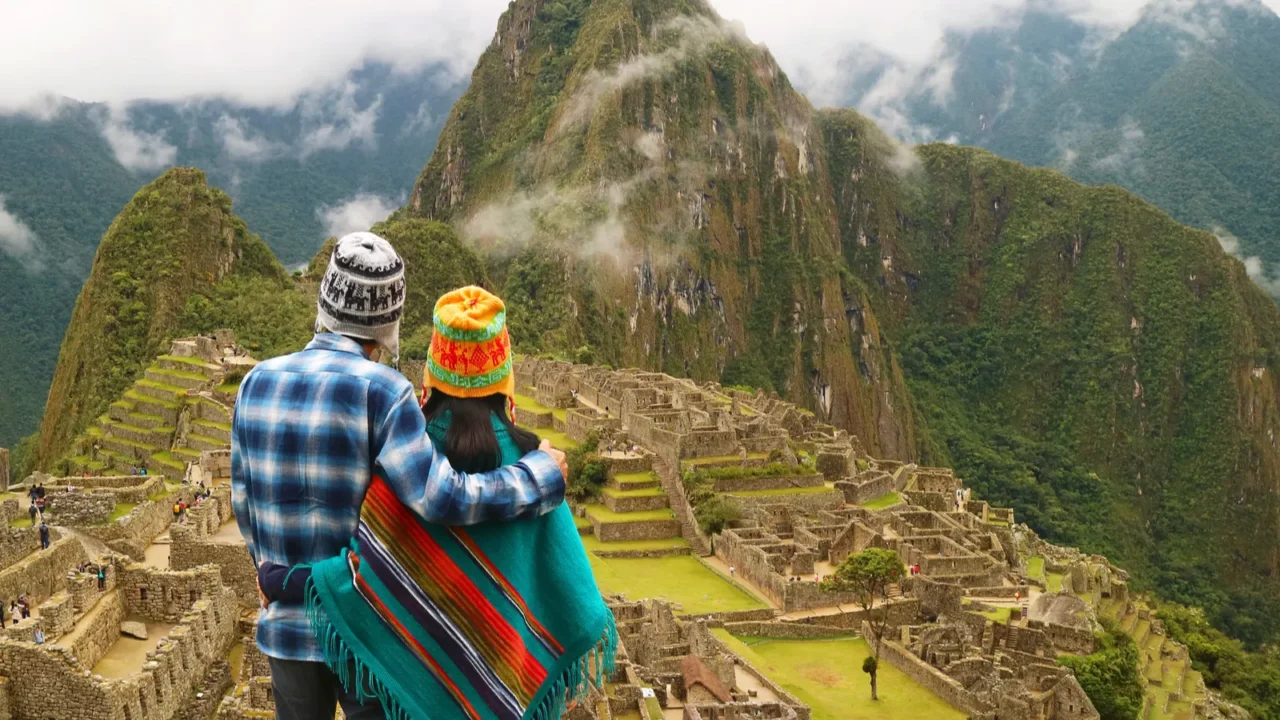
High in Peru’s Andes, Machu Picchu sits at about 7,970 feet above sea level, and the altitude hits many visitors fast. Built in the 15th century, the Inca city was hidden from the outside world for hundreds of years until 1911. Its stonework is so precise that mortar was never needed, even on steep mountain slopes.
Crowds are real, but timing matters. Early morning entry slots feel calmer and cooler. U.S. travelers often underestimate how regulated access is now. Tickets, routes, and entry times are tightly controlled, so planning ahead is essential.
Iguazú Falls is louder than you expect
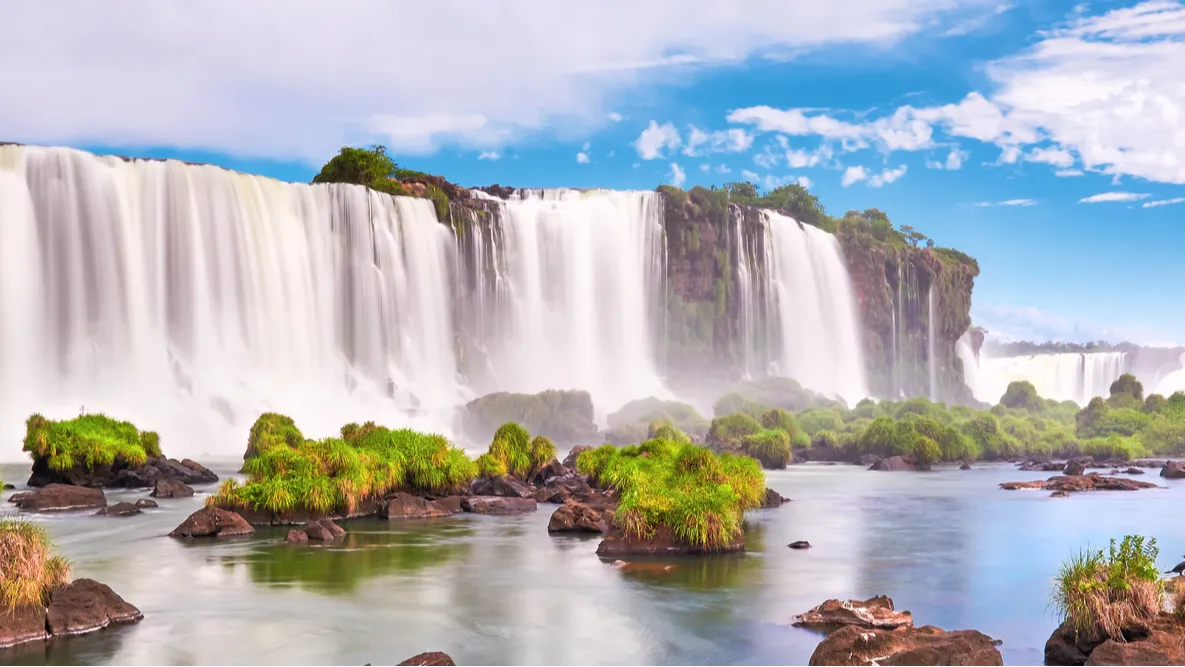
Straddling Argentina and Brazil, Iguazú Falls stretches nearly two miles wide with more than 270 individual cascades. The sound hits before the view, and it is powerful enough to vibrate walkways. Many Americans compare it to Niagara, but Iguazú is both wider and taller.
The Argentine side offers closer trails and immersive views, while Brazil delivers sweeping panoramas. Visiting both sides gives the full picture. Expect heat, humidity, and spray year-round. A poncho is not optional here.
Galápagos wildlife ignores humans completely
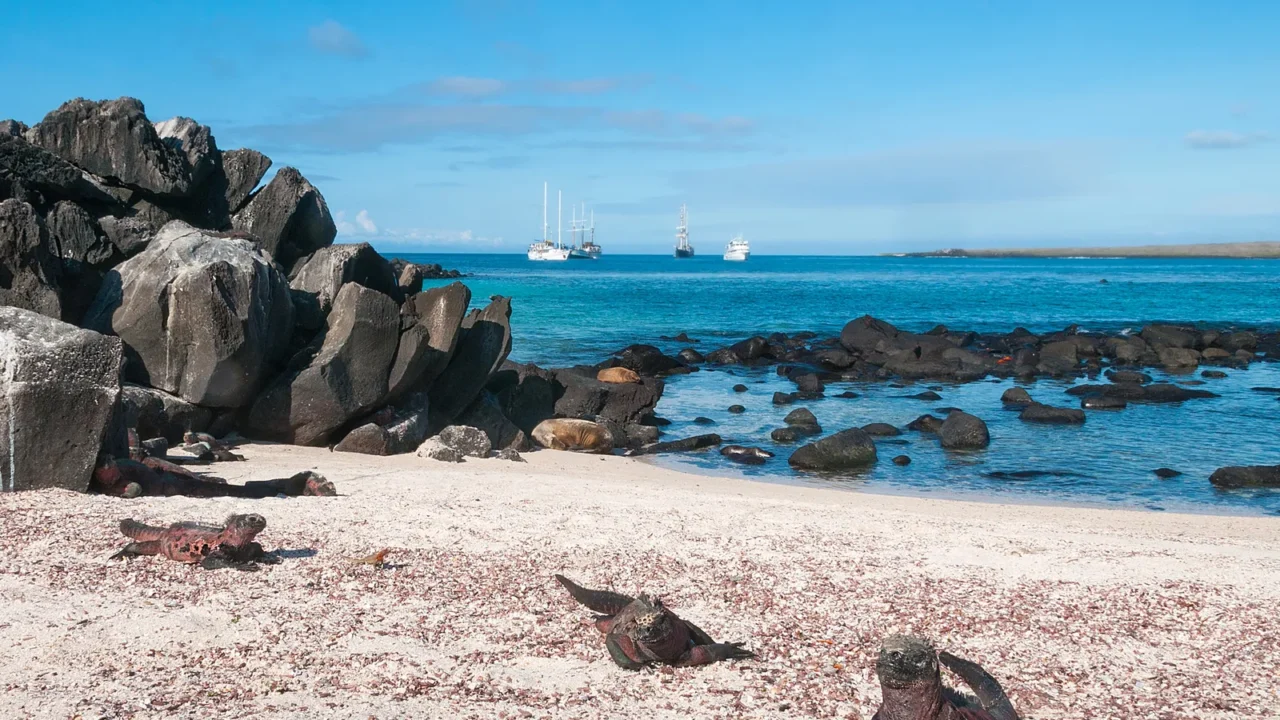
The Galápagos Islands feel like a living science lab, where animals never learned to fear people. Giant tortoises can weigh over 500 pounds, and sea lions nap on benches like locals. This isolation helped inspire Charles Darwin’s theory of evolution.
Travel here is controlled to protect fragile ecosystems. Visitor limits, licensed guides, and strict rules are enforced. Americans often assume it is a luxury-only destination, but land-based trips can be more affordable. Wildlife encounters remain unmatched anywhere else.
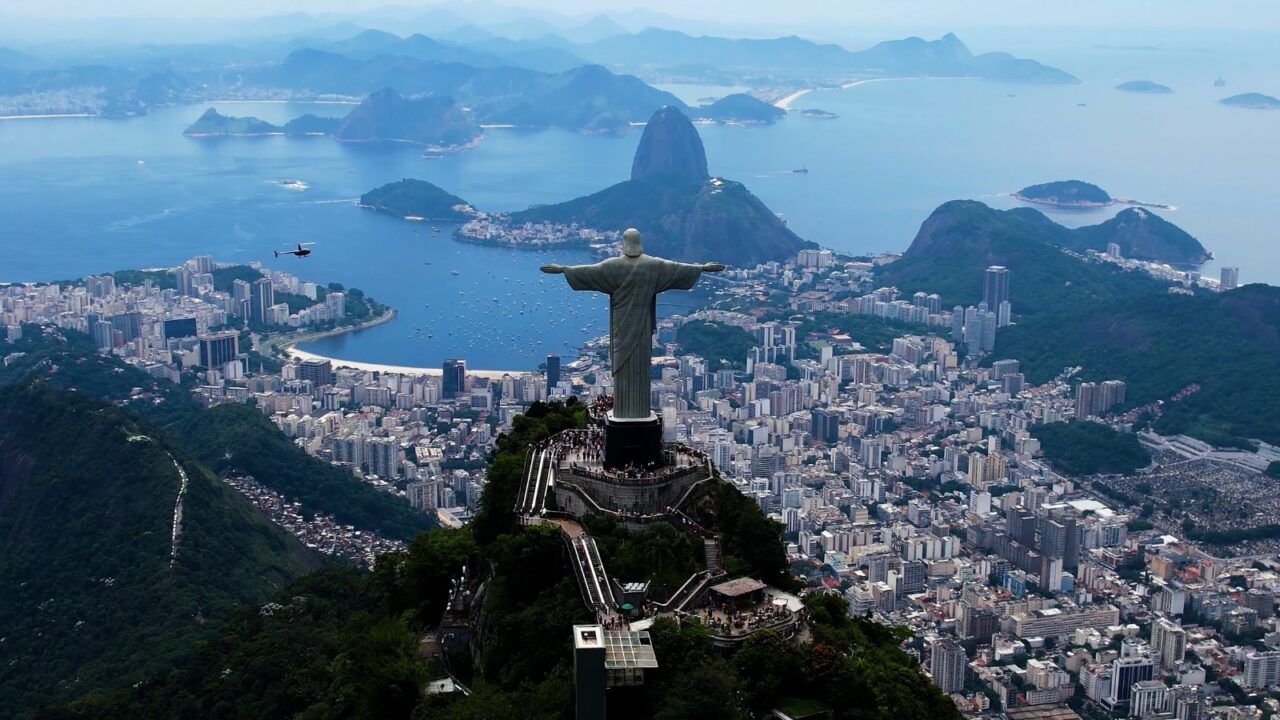
Rio’s skyline works best from above
Few city views compare to Christ the Redeemer paired with Sugarloaf Mountain. From above, Rio de Janeiro reveals beaches, jungle, and dense neighborhoods in one glance. The statue itself stands 98 feet tall and overlooks the city from Corcovado Mountain.
Sugarloaf’s cable car ride adds another layer of perspective. Go late afternoon for clearer skies and softer light. U.S. travelers are often surprised by how compact Rio feels from above. The geography explains everything once you see it.
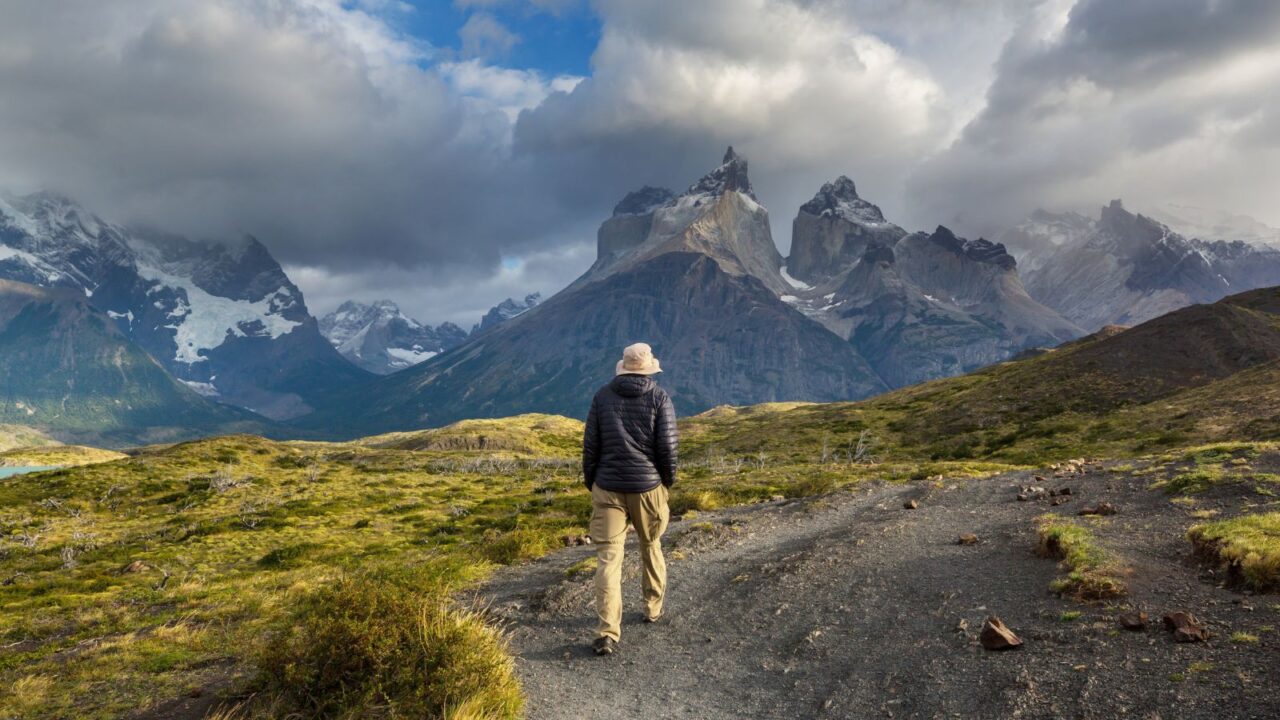
Patagonia looks wild because it is
Chile’s Torres del Paine National Park defines rugged beauty with granite peaks, glaciers, and fierce winds. Weather can shift hourly, even in summer. That unpredictability is part of the experience.
Hiking ranges from easy walks to multi-day treks like the W Circuit. Americans used to U.S. national parks often underestimate distances here. Services are limited once you enter the park. Preparation matters more than pace.
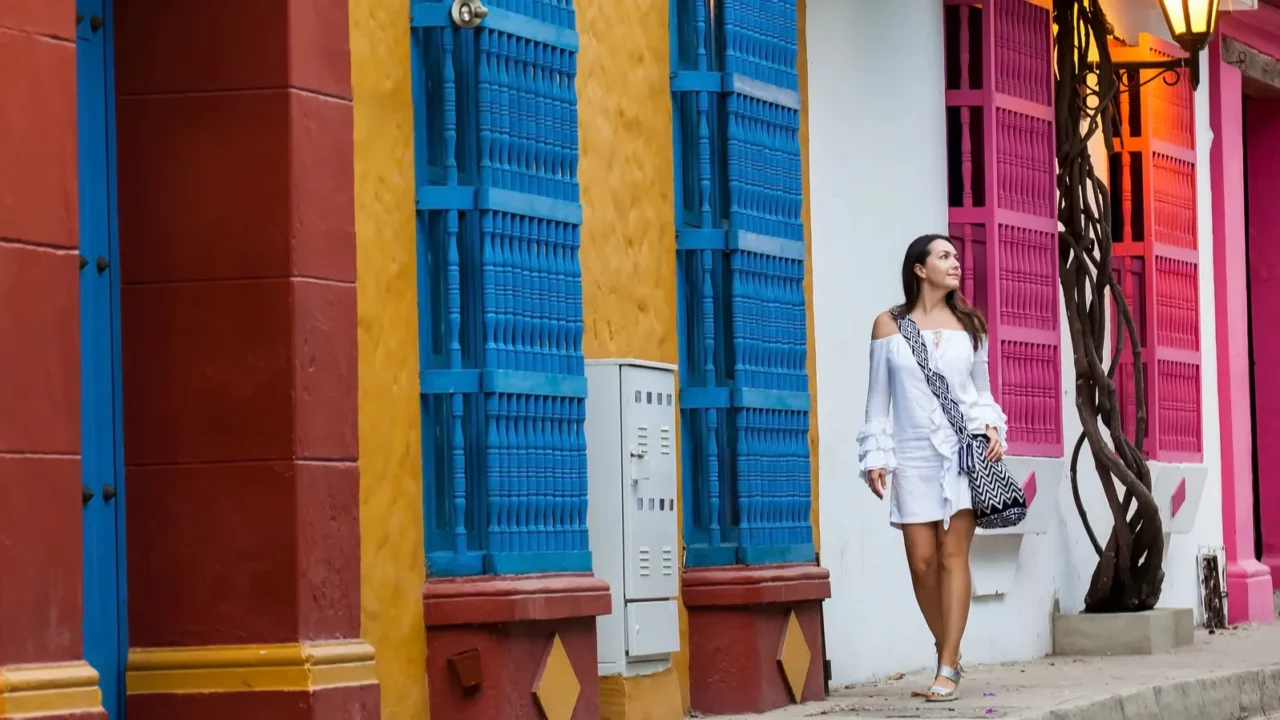
Cartagena blends history with color
Inside the walls of Cartagena, colonial architecture meets Afro-Caribbean culture. The old city’s fortifications date back to the 1500s and remain remarkably intact. Bright balconies, music, and street food keep it lively day and night.
The Castillo de San Felipe shows how seriously Spain defended this port. Walking the walls at sunset is a local ritual. U.S. visitors often find Cartagena safer and more relaxed than expected. Tourism has reshaped it, but history still leads.
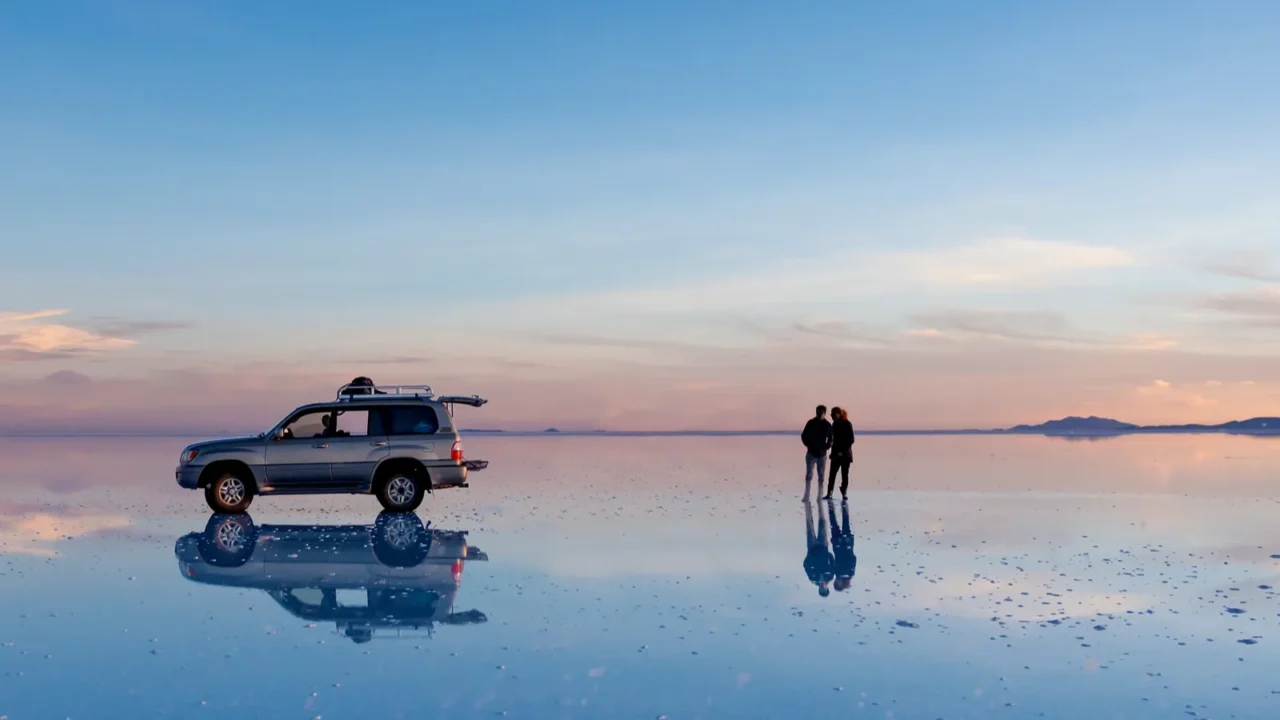
Salar de Uyuni breaks your sense of scale
At over 4,000 square miles, Salar de Uyuni is the world’s largest salt flat. During rainy months, it becomes a perfect natural mirror. The horizon disappears completely.
Dry season reveals geometric salt patterns and distant volcanoes. Tours typically depart from Uyuni town and last one to three days. Altitude sickness is common for Americans arriving quickly. Hydration and slow movement help more than people expect.
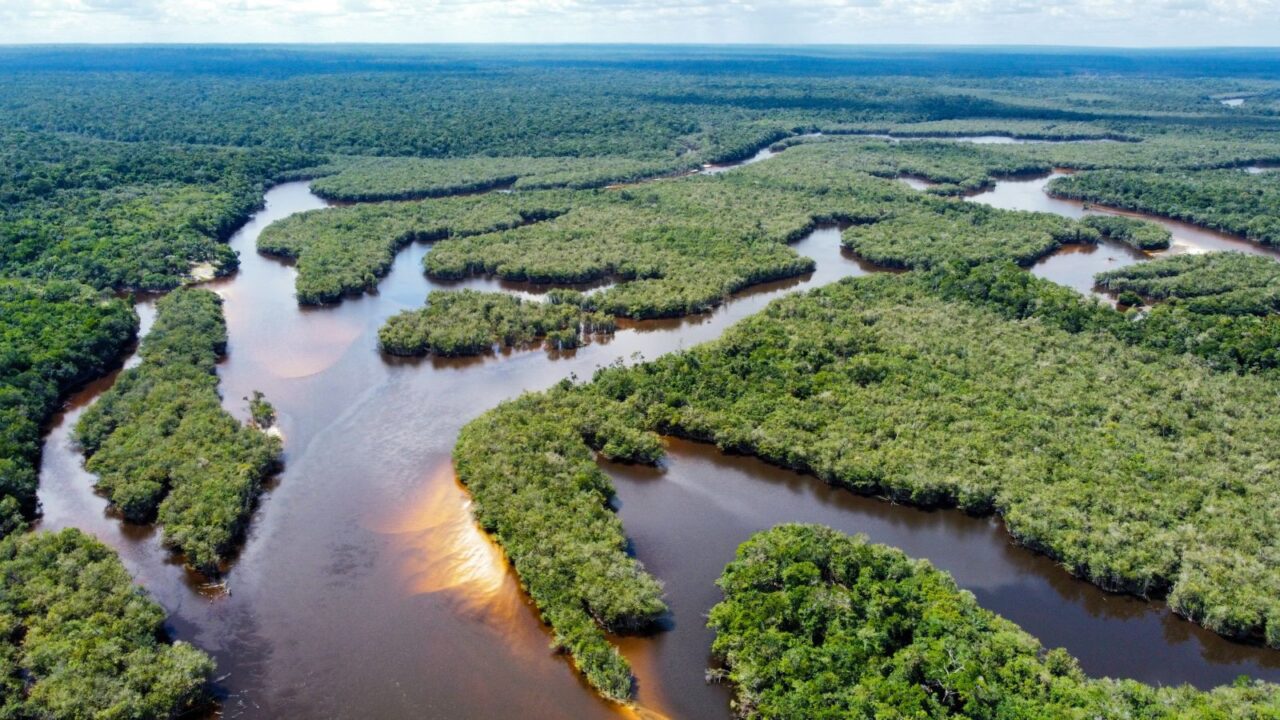
The Amazon feels endless from the river
The Amazon Rainforest spans nine countries and covers about 40 percent of South America. Starting from Manaus, travelers move deeper by boat, not roads. Wildlife sightings depend on patience, not guarantees.
River dolphins, monkeys, and birds appear without warning. Humidity is constant, and silence can feel overwhelming. U.S. travelers often expect thrill rides, but the Amazon rewards quiet observation. It reshapes how people think about nature.
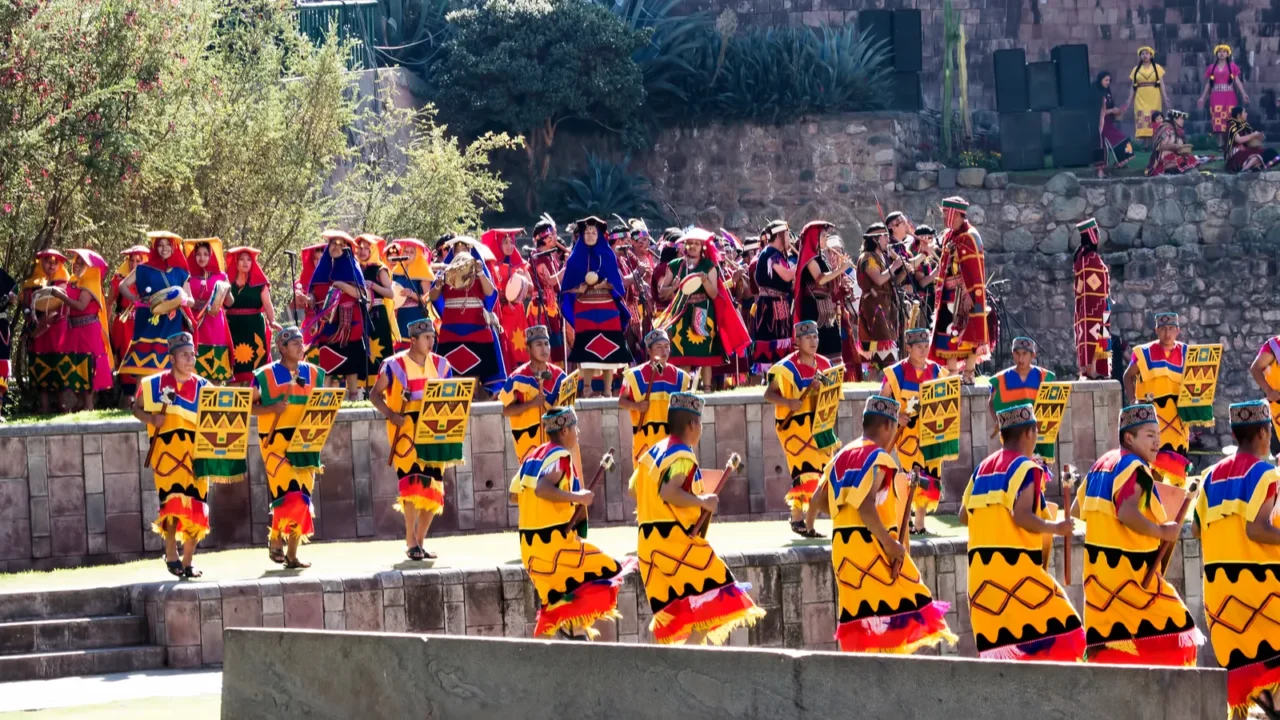
Cusco reveals layers of history fast
Once the Inca capital, Cusco sits at 11,200 feet above sea level. Inca stone foundations still support Spanish colonial buildings. You can see two civilizations stacked in one wall.
Cusco also helps travelers acclimate before heading to Machu Picchu. Museums, markets, and ruins surround the city. Americans often underestimate altitude effects here. Taking it slow the first day makes a real difference.
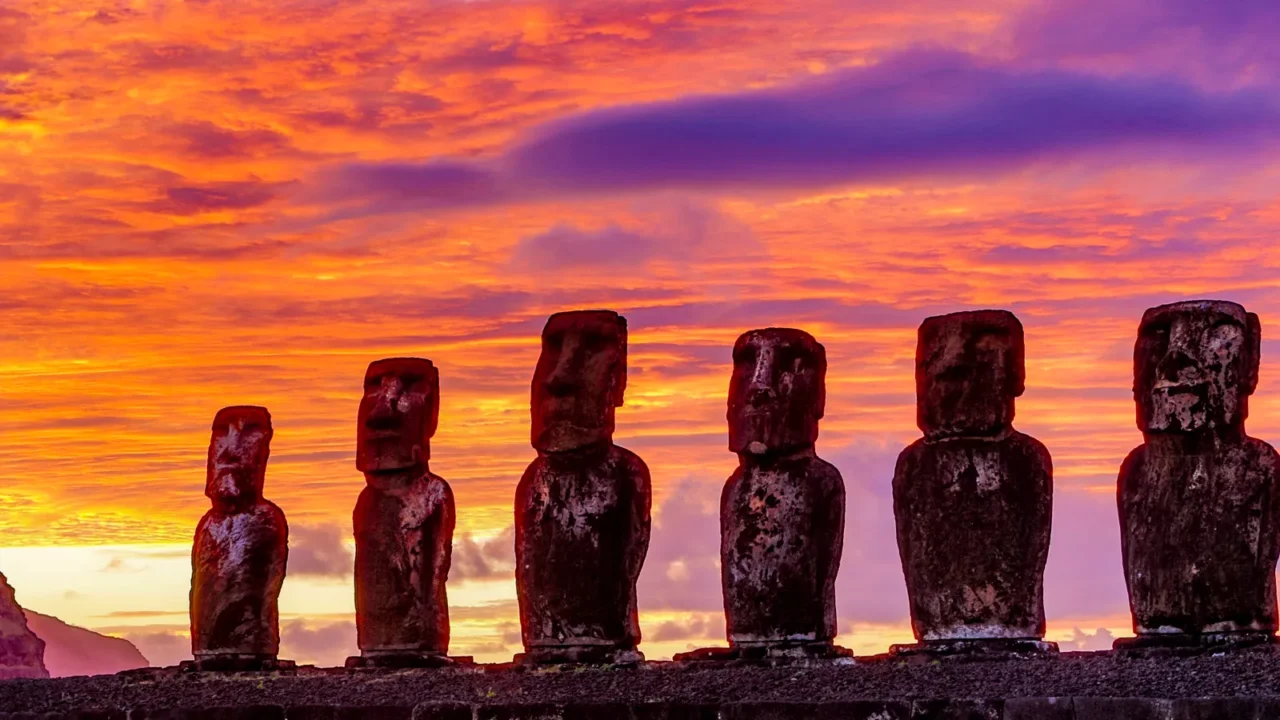
Easter Island feels truly remote
Located roughly 2,300 miles west of mainland Chile, Easter Island is one of the most isolated inhabited islands on Earth. The island covers just 63 square miles, yet it holds nearly 1,000 moai statues carved between 1250 and 1500. Most were created by the Rapa Nui people using volcanic tuff from the Rano Raraku crater.
Archaeologists believe the moai represented ancestral figures meant to protect villages. Today, preservation rules are strict. Visitors must stay on marked paths and cannot touch statues. Flights arrive mainly from Santiago, making logistics a real consideration for U.S. travelers planning tight itineraries.
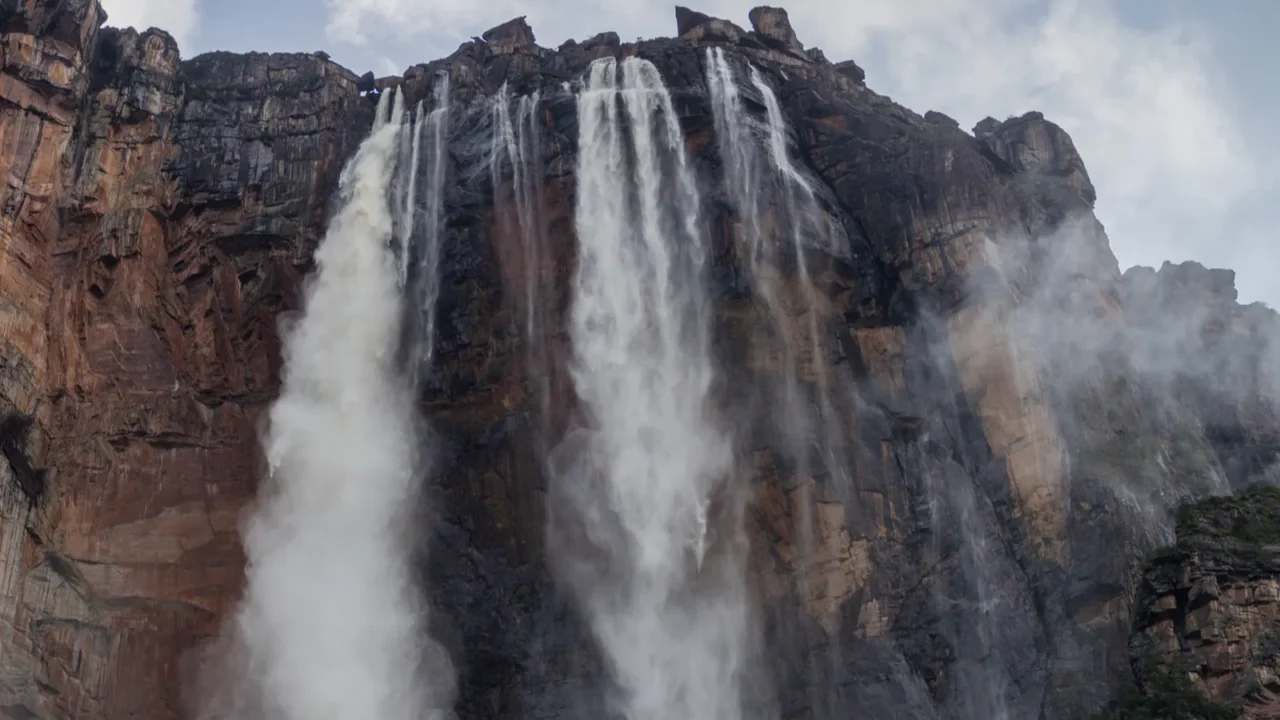
Angel Falls drops farther than you think
Plunging 3,212 feet, Angel Falls is the world’s tallest uninterrupted waterfall. It spills from a flat-topped tepui called Auyán-tepui. Reaching it usually involves flights and river travel.
Seasonal water levels matter. Dry months reduce flow, while rainy months make access easier. U.S. travelers often overlook logistics when planning Venezuela trips. Guided tours are essential for safety and access.
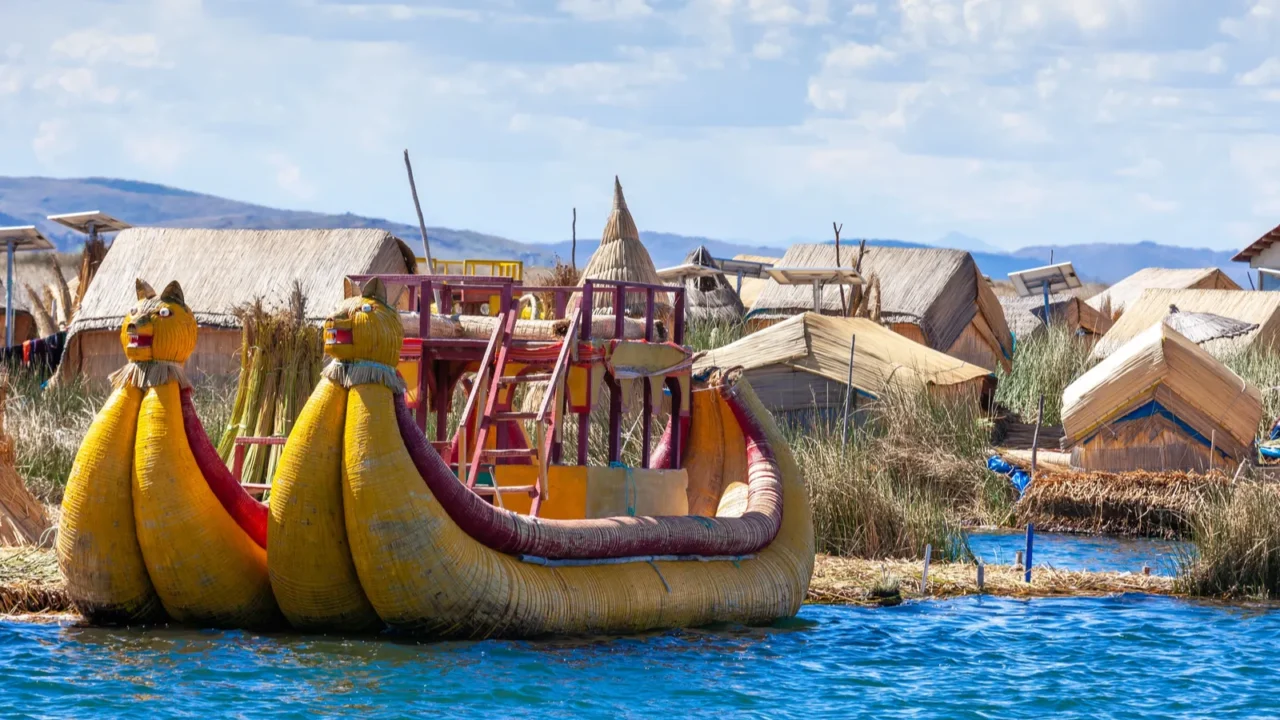
Lake Titicaca feels closer to the sky
At 12,500 feet, Lake Titicaca is the world’s highest navigable lake. Its deep blue water reflects intense skies and dramatic sunsets. The lake supports communities that predate the Incas.
The floating Uros Islands are made from reeds and rebuilt constantly. Visitors can reach them from Puno or Copacabana. Americans often underestimate how cold nights get here. Warm layers matter year-round.
Ready for something different? Explore newly uncovered archaeological sites while they are still quiet.
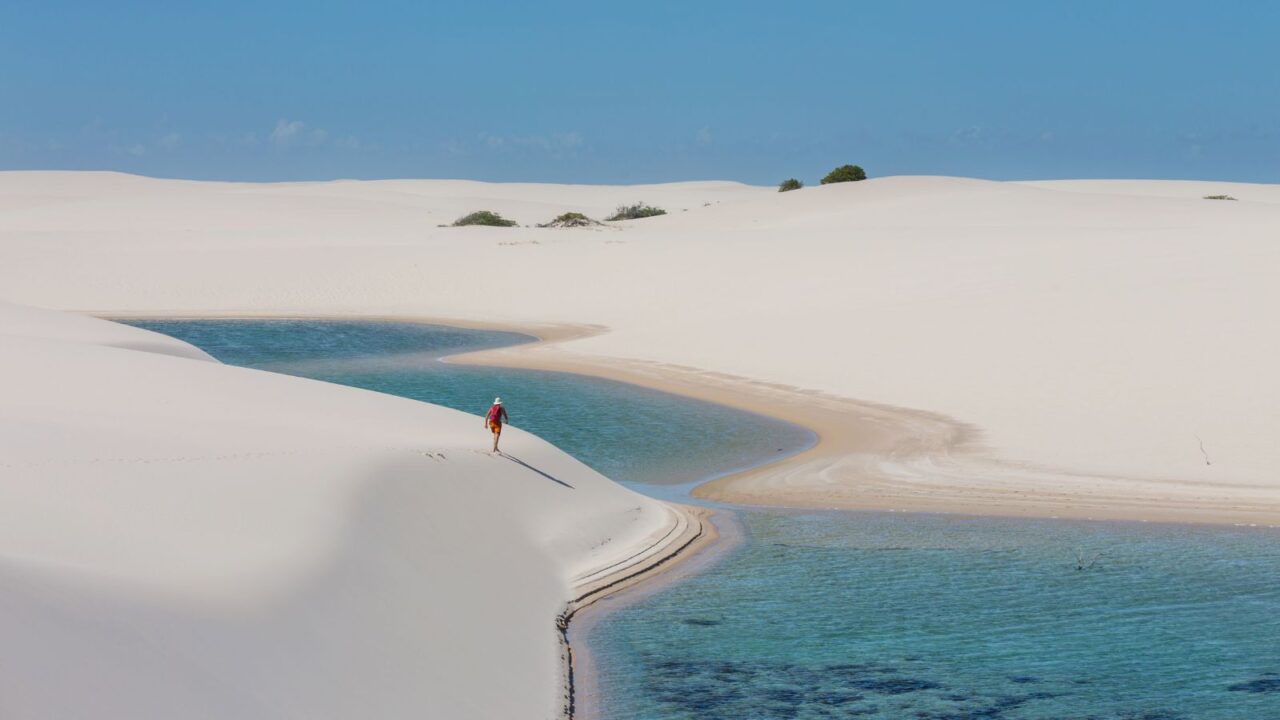
Lençóis Maranhenses fills with water yearly
Brazil’s Lençóis Maranhenses National Park looks like a desert but behaves differently. Seasonal rains fill valleys between dunes with freshwater lagoons. Swimming here feels surreal.
The best conditions appear between June and September. The park covers over 600 square miles. Americans often mistake it for coastal dunes. It is inland and requires guided transport to explore safely.
Explore more about this wonderful natural miracle, Brazil’s lagoon-filled desert, where visitors hike barefoot between rolling dunes.
Which of these places have you visited, and which do you plan to explore this year? Share in the comments.
This slideshow was made with AI assistance and human editing.
Don’t forget to follow us for more exclusive content right here on MSN.
Read More From This Brand:
