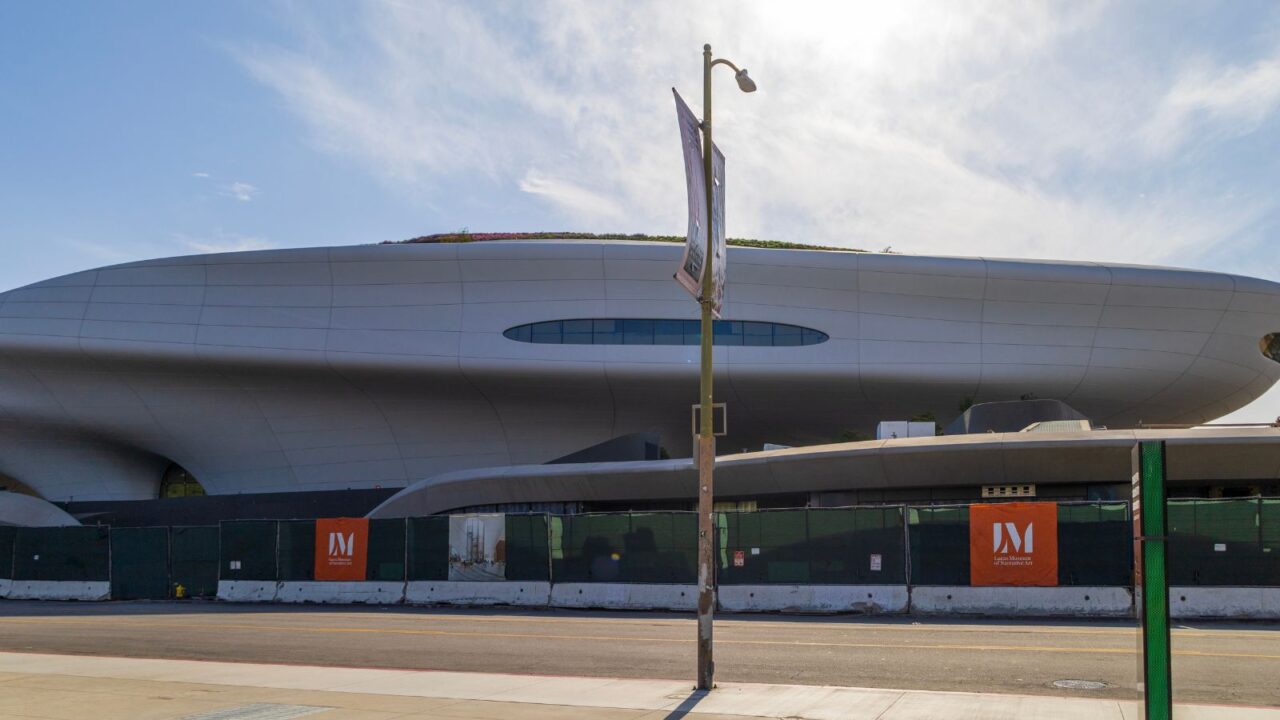
A museum opening that feels like a trip upgrade
Most museum openings barely register outside art circles. This one is different because it lands in Los Angeles at a time when travelers are planning fall 2026 trips months ahead. The Lucas Museum of Narrative Art officially opens September 22, 2026, and it is already being positioned as a full-day attraction, not a quick walkthrough.
For travelers, that matters more than the word “museum.” This is being marketed as something you plan around, the same way people plan around theme parks, major exhibits, or food destinations. It is meant to turn a regular LA visit into something new.
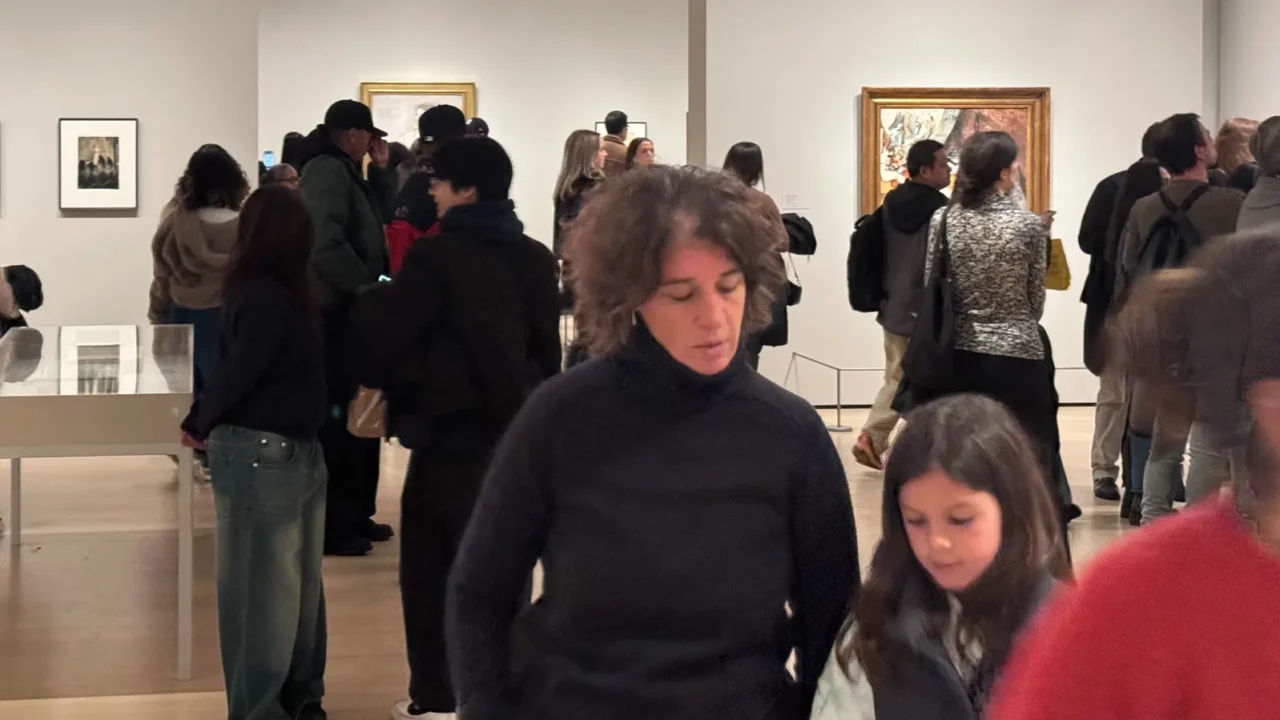
Why this museum isn’t just for art lovers
The Lucas Museum focuses on “narrative art,” which simply means art that tells stories people recognize. That includes illustration, comics, photography, film props, and visual culture tied to everyday life. This approach makes it easier for casual visitors to connect without needing an art history background.
Instead of quiet rooms filled with abstract work, the museum leans into familiar storytelling. That includes pop culture, visual journalism, and cinematic worlds that many Americans already grew up with. It is designed to feel accessible, not academic.

A $1 billion project with travel ambitions
Founded by George Lucas and Mellody Hobson, the museum represents a $1 billion investment in Los Angeles culture. The building spans 300,000 square feet across an 11-acre campus. Its scale aligns more with a destination complex than a neighborhood museum.
Projects of this size are rarely built without tourism in mind. City planners and travel officials typically view them as long-term anchors. The Lucas Museum is expected to play that role in Southern California.
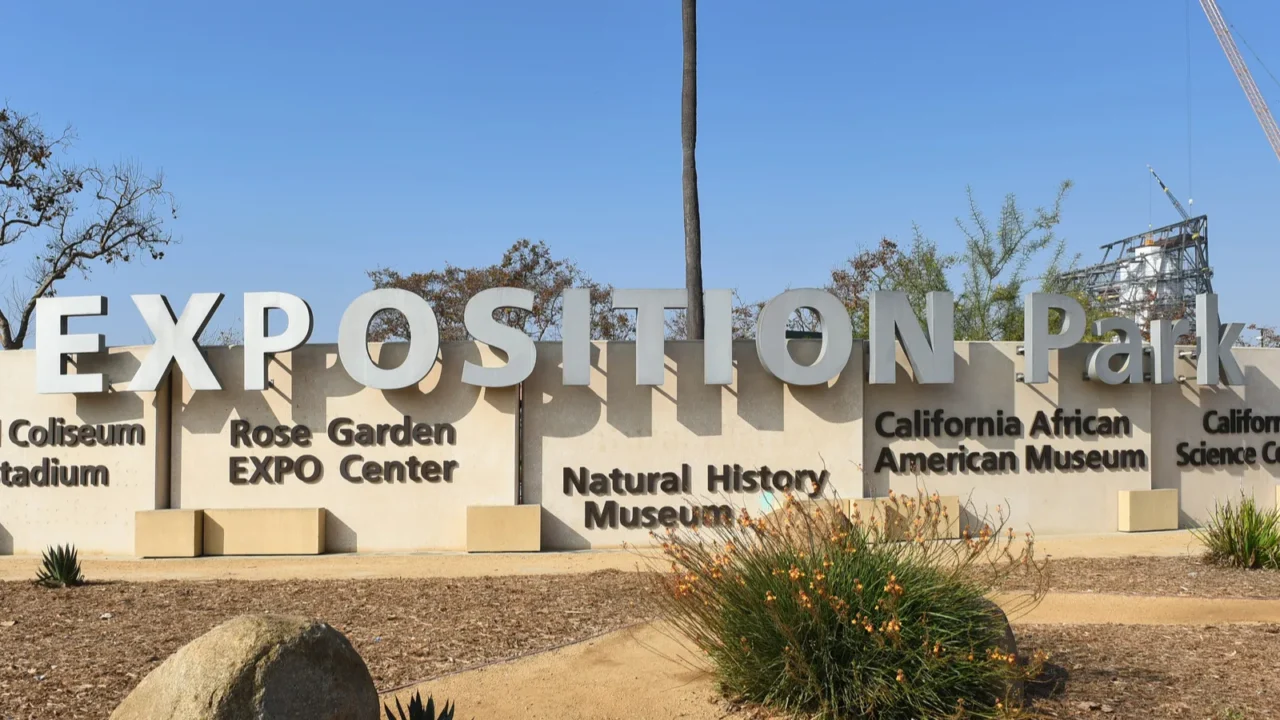
A location built into LA’s culture hub
The museum sits inside Exposition Park, next to the Coliseum and near University of Southern California. That places it among existing museums, sports venues, and event spaces already familiar to visitors. Travelers do not need to venture far from known routes.
This clustering matters for tourism. When attractions sit near each other, visitors stay longer in the area. That means more meals, hotel nights, and transportation spending tied to a single stop.
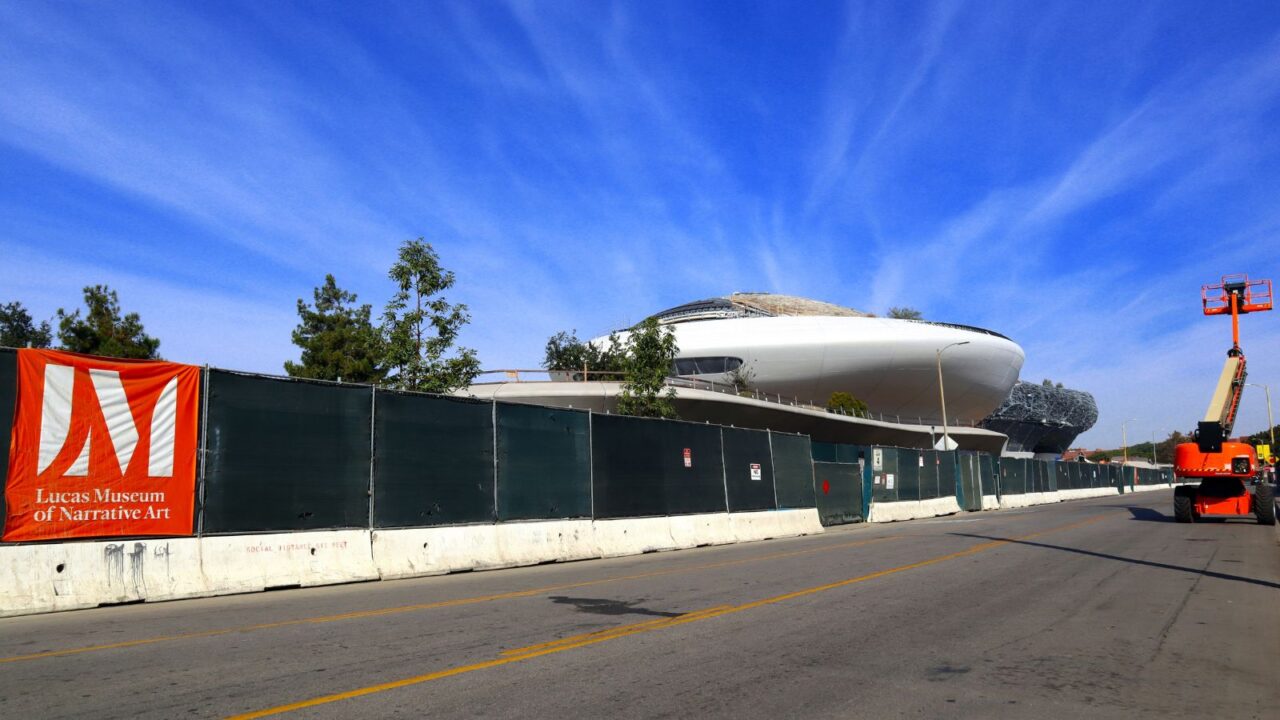
The architecture alone is a draw
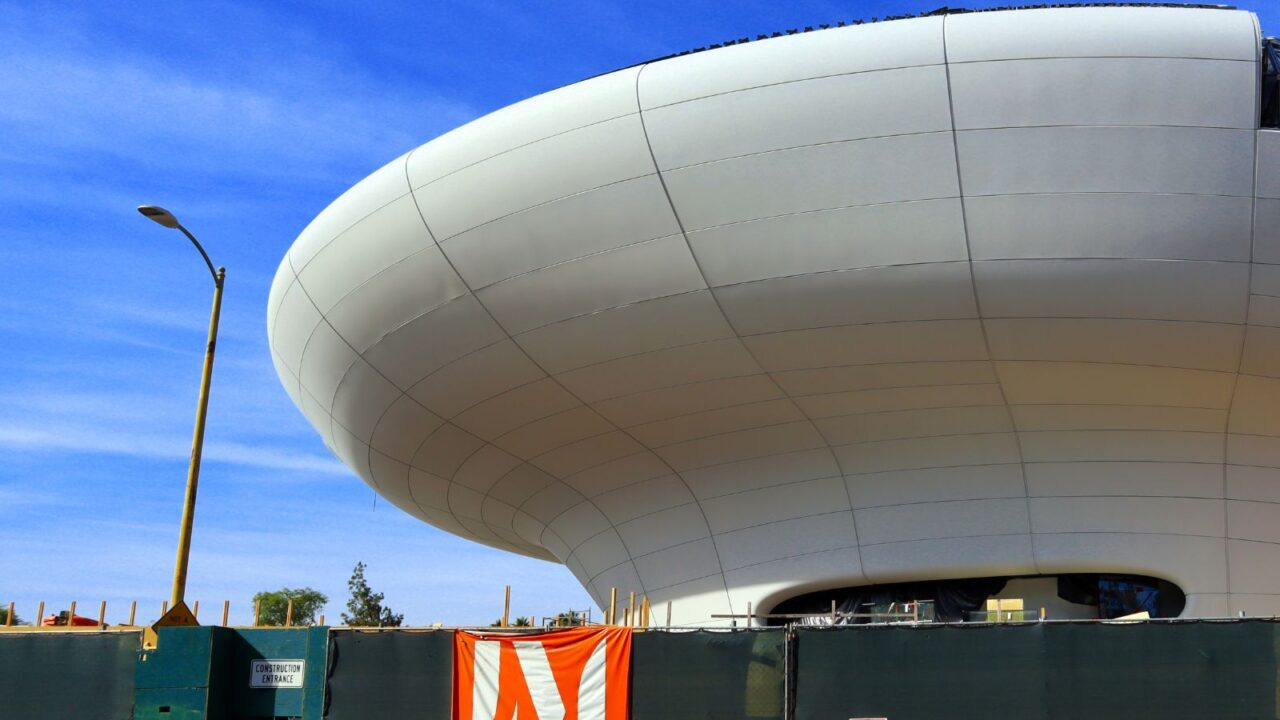
The museum was designed by Ma Yansong of MAD Architects. Its curved, spacecraft-like form stands out sharply against the surrounding buildings. Even people who never step inside are likely to photograph it.
Architectural landmarks often become destinations by themselves. Think of how travelers visit famous buildings even without entering. The Lucas Museum is designed to work the same way, pulling visitors in visually before they buy a ticket.
What visitors actually see inside
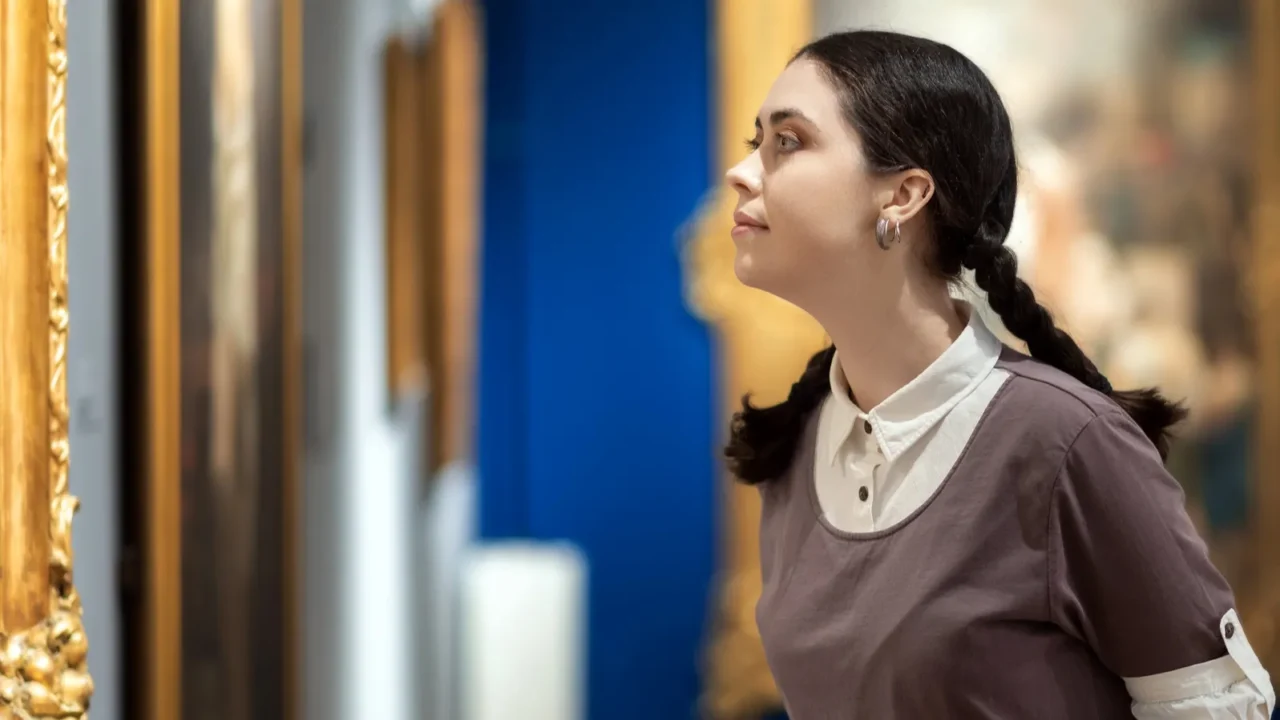
Inside, the museum includes 35 galleries with about 100,000 square feet of exhibition space. The permanent collection exceeds 40,000 works spanning fine art, illustration, photography, comics, and film artifacts. This mix keeps the experience varied instead of repetitive.
The galleries are themed around shared human experiences like adventure, family, and imagination. That structure helps visitors move naturally from room to room. It is meant to feel intuitive rather than overwhelming.

Big names mixed with pop culture
The collection includes traditional artists like Norman Rockwell and Frida Kahlo alongside comic art and illustration. That blend helps bridge generations visiting together. Parents and teens can recognize different things in the same space.
This mix is intentional. By pairing classic art with pop culture, the museum avoids feeling niche. It creates a shared experience across age groups, which matters for family travel.

The Lucas Archives bring film history in
One of the biggest draws is the Lucas Archives. These include original costumes, props, models, and concept art from Star Wars and Indiana Jones films. These items turn the museum into a film-history stop, not just an art venue.
For many visitors, seeing real objects from iconic movies is more memorable than reading wall text. That emotional pull is what makes museums like this travel-worthy. It gives people a reason to visit even if art is not their main interest.
Designed as an all-day attraction
The Lucas Museum is not built for a quick visit. It includes theaters, a library, a restaurant, a café, and community spaces. There is also a rooftop garden open to visitors. These features encourage people to stay for hours.
From a tourism perspective, that matters more than raw attendance numbers. Longer visits translate into higher spending and stronger word-of-mouth. Travelers remember places where they did more than just walk through.

Why cities invest in big museums again
Large museums are once again being treated as tourism infrastructure. Major institutions now draw millions of visitors annually and help stabilize local travel economies. They attract both first-time tourists and repeat visitors looking for something new.
Los Angeles already welcomes tens of millions of visitors each year. Adding a new cultural anchor gives travelers another reason to return. For the city, that means extending trips rather than just increasing headcounts.
A decade-long journey to opening day
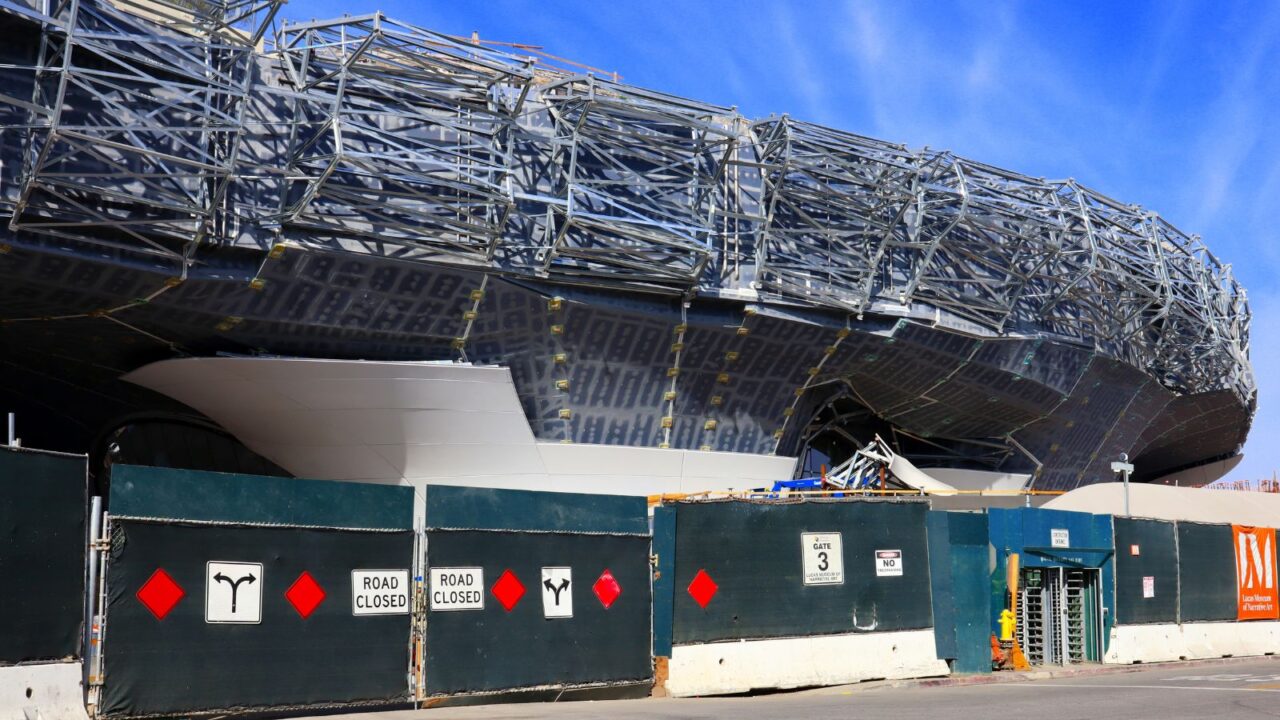
The journey to the museum’s opening spanned over a decade. Plans moved from San Francisco to Chicago before finally landing in Los Angeles. Construction delays followed due to COVID-19, supply chain issues, and building setbacks.
Now, the exterior is complete, and landscaping is in place. The confirmed September 22, 2026 opening gives travelers a firm date to plan around. That certainty matters in travel planning.

Why September timing matters for travelers
September openings often align with lighter crowds compared to peak summer. Airlines, hotels, and attractions typically settle into fall pricing patterns. That makes it an appealing time for cultural trips.
A fall debut also fits neatly into school schedules and off-peak vacation planning. Travelers who prefer fewer crowds may see this opening as a smart reason to visit LA later in the year. Check next how extreme weather is changing travel insurance requirements.
How it fits into a 2026 LA trip
The museum’s location allows travelers to pair it with sports events, concerts, nearby museums, or campus visits. It can be combined easily with other Southern California attractions. That flexibility makes it easier to slot into an itinerary.
Rather than replacing existing stops, the Lucas Museum adds another layer of complexity. It strengthens LA’s reputation as a city where culture, entertainment, and travel overlap naturally. Explore next the amazing secrets inside Mississippi’s legendary museum.
As more travelers look for experiences tied to storytelling and culture, projects like this gain relevance. Share your thoughts and your view in the comments.
This slideshow was made with AI assistance and human editing.
Don’t forget to follow us for more exclusive content right here on MSN.
Read More From This Brand:
