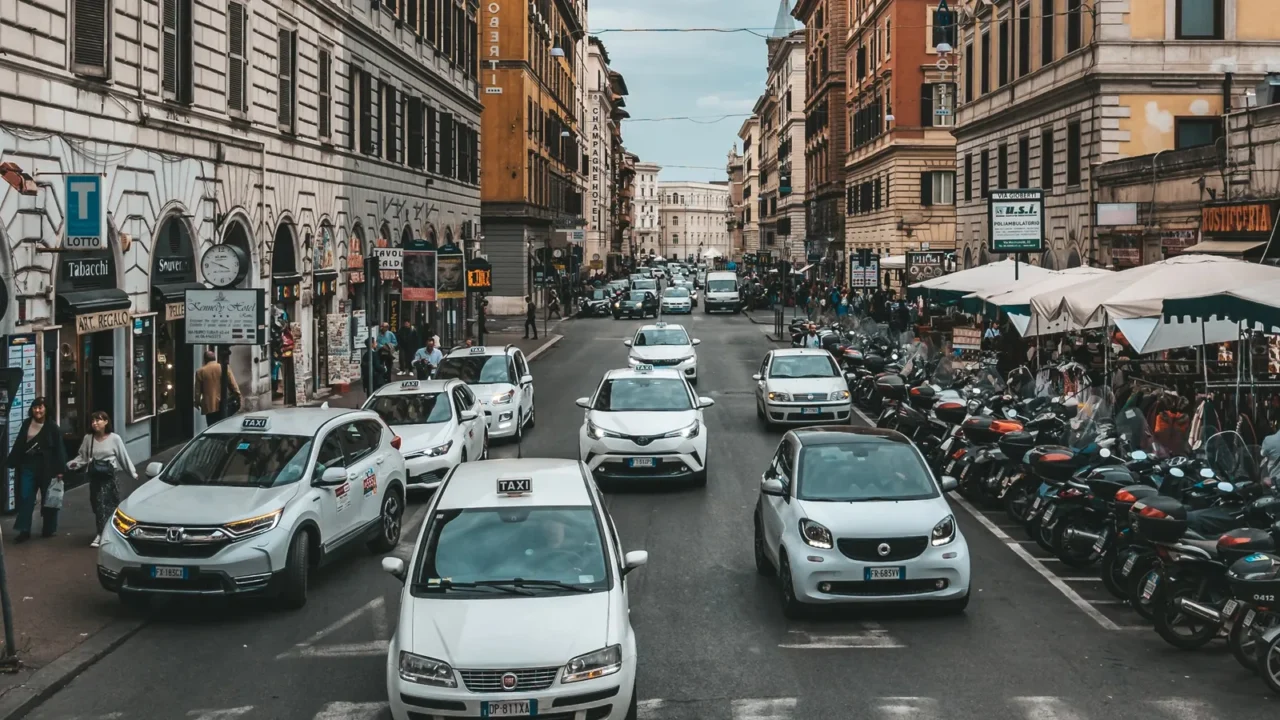
Rome slows things down
Rome has spent centuries adapting, but traffic finally pushed its limits near historic landmarks. Cars, buses, and crowds began overwhelming spaces built for footsteps, not engines. City leaders decided the ancient heart deserved breathing room again.
That decision sparked a quiet transformation across central Rome. Streets once jammed with vehicles now feel human-scaled and immersive. The story of these corridors reshapes how Rome is experienced, so let’s dive in!
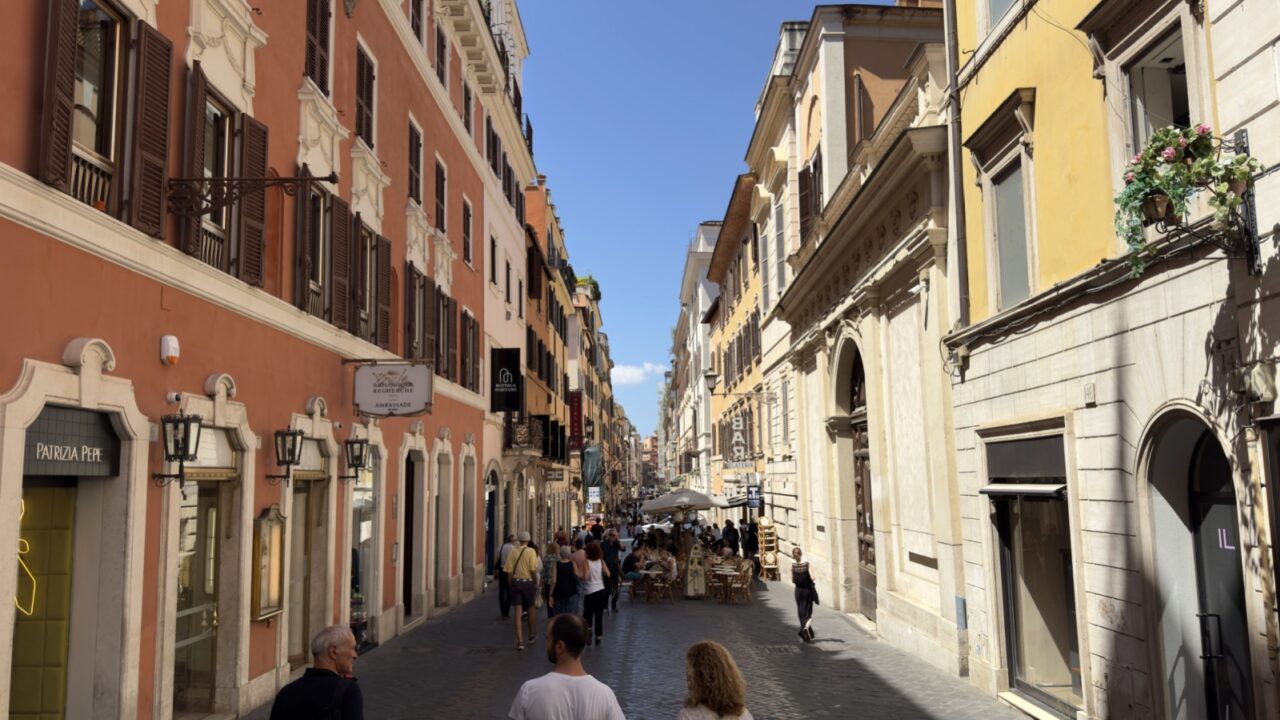
Why corridors were needed
Rome’s historic core faced constant congestion from traffic and tourism. Landmarks like the Colosseum and Roman Forum were surrounded by noise and pollution. Preservation experts warned long-term damage was unavoidable.
Pedestrian corridors offered a solution rooted in protection. Reducing vehicles reduces vibrations and emissions. Walking once again became the priority.
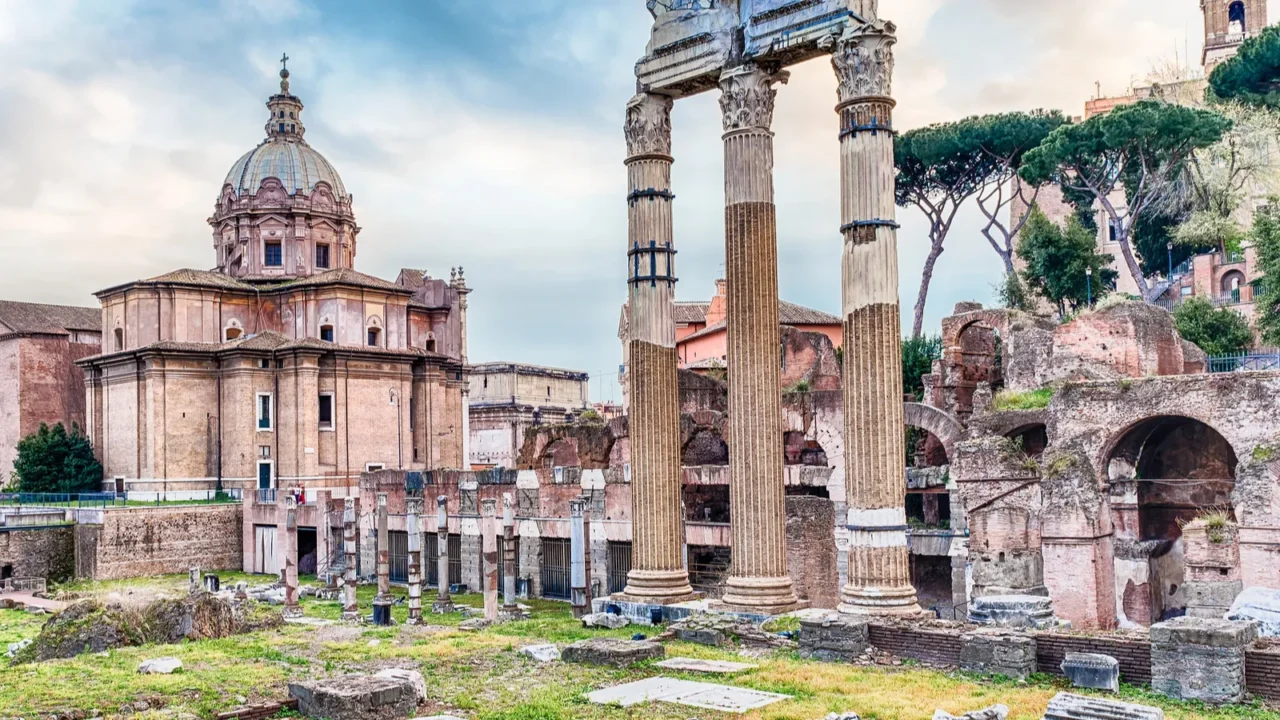
Colosseum area transformed
The area around the Colosseum now forms part of a broad pedestrian zone. Via dei Fori Imperiali limits vehicle access during most hours. This creates an uninterrupted walking experience between ancient landmarks.
Travelers move freely from the Colosseum to the Roman Forum. The experience feels open and cohesive. History unfolds without traffic interruptions.
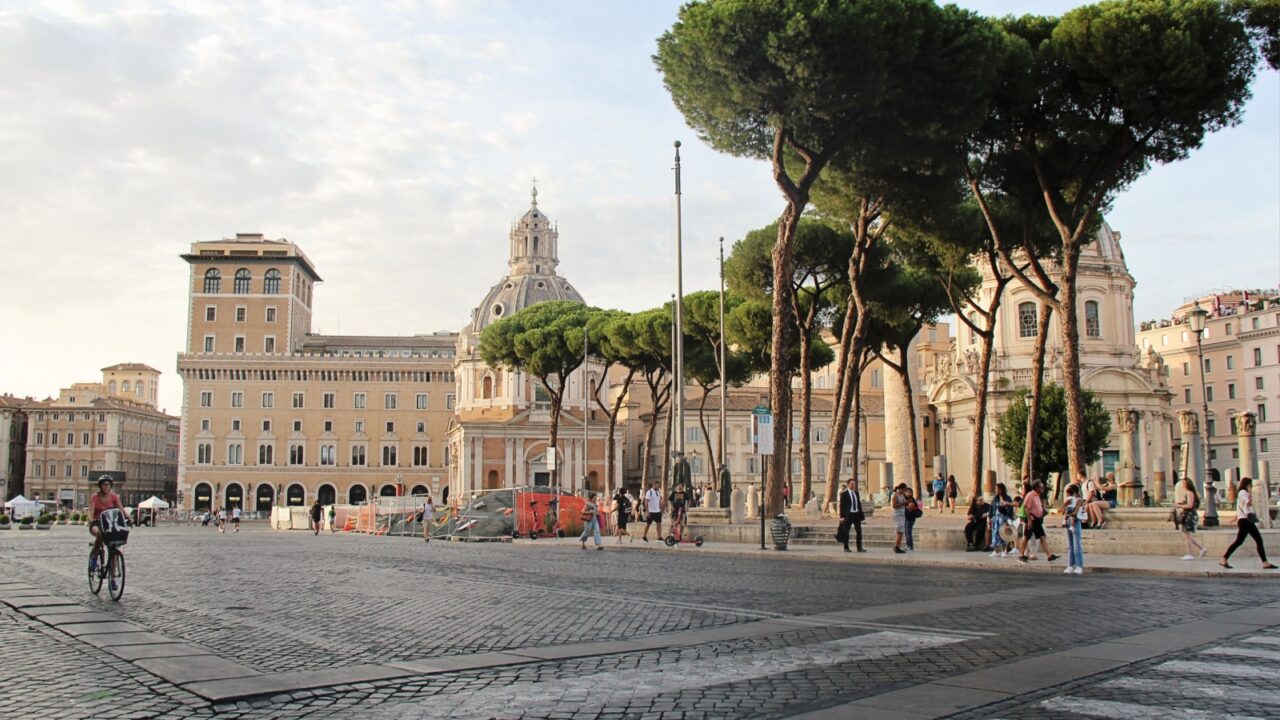
Via dei Fori Imperiali
Via dei Fori Imperiali once carried heavy traffic through Rome’s archaeological core. Today, it functions largely as a walking corridor connecting imperial ruins. Cars no longer dominate the view or soundscape.
This change highlights ruins previously rushed past. Visitors linger longer and notice details. The avenue feels ceremonial again.
Pantheon surroundings adjusted
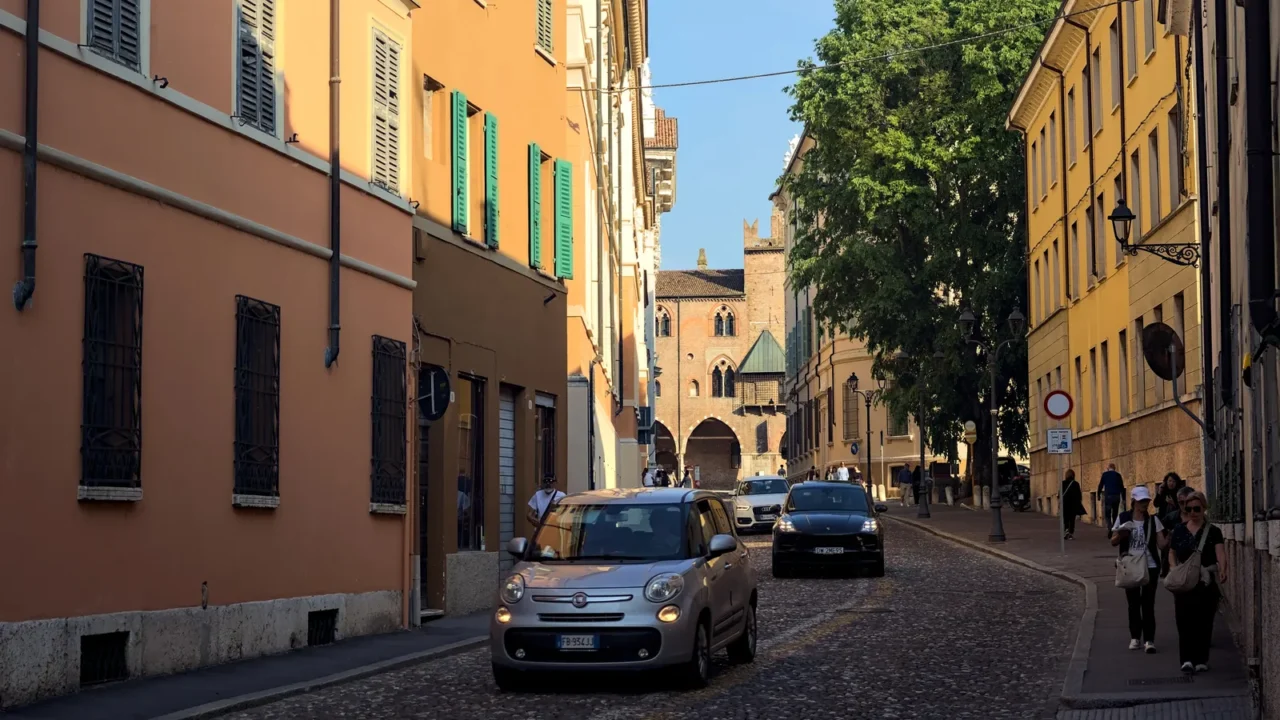
Streets near the Pantheon now restrict vehicle access throughout the day. Narrow roads once clogged with taxis feel calmer and safer. Foot traffic flows more naturally across the piazza.
Cafes and historic facades regained visual space. Sound levels dropped noticeably. The Pantheon finally feels anchored in its neighborhood.
Trevi Fountain flow improved
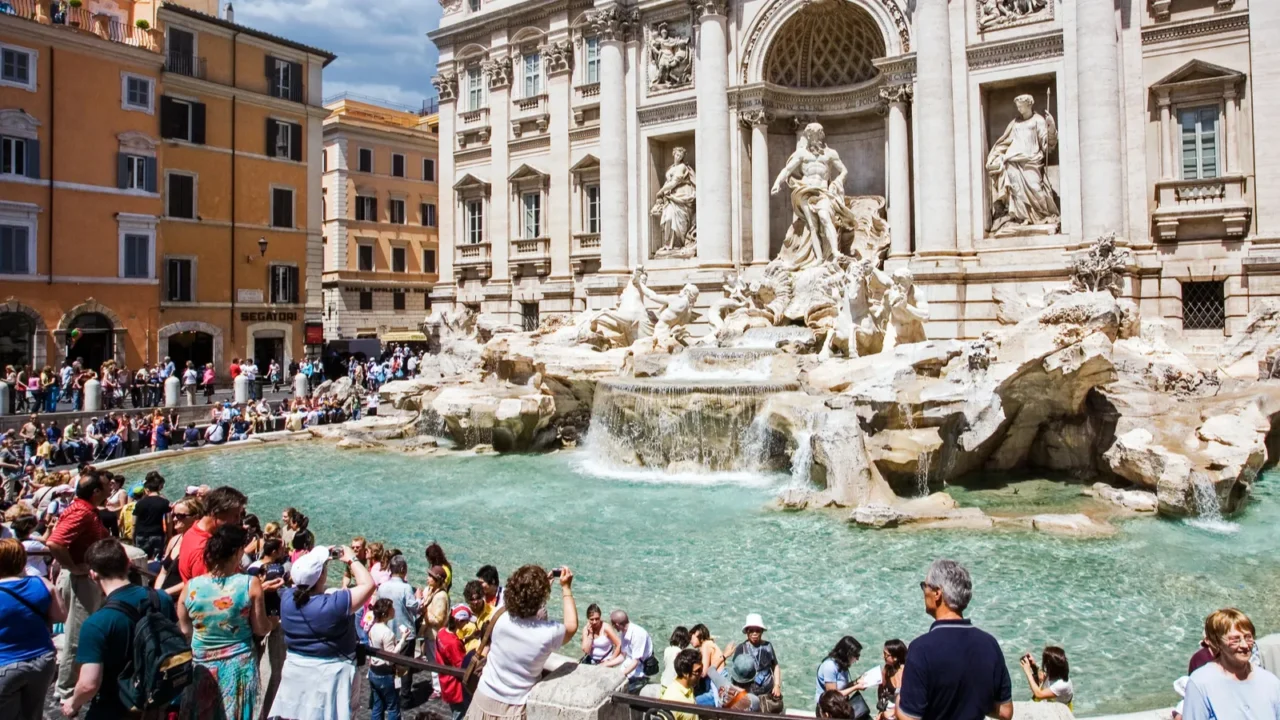
The Trevi Fountain sits within a tightly managed pedestrian network. Barriers and directional walking routes reduce bottlenecks during peak hours. Vehicles no longer cut through surrounding lanes.
Crowds circulate more smoothly. Photo moments feel less rushed. The fountain becomes an experience instead of a traffic obstacle.
Spanish Steps protected
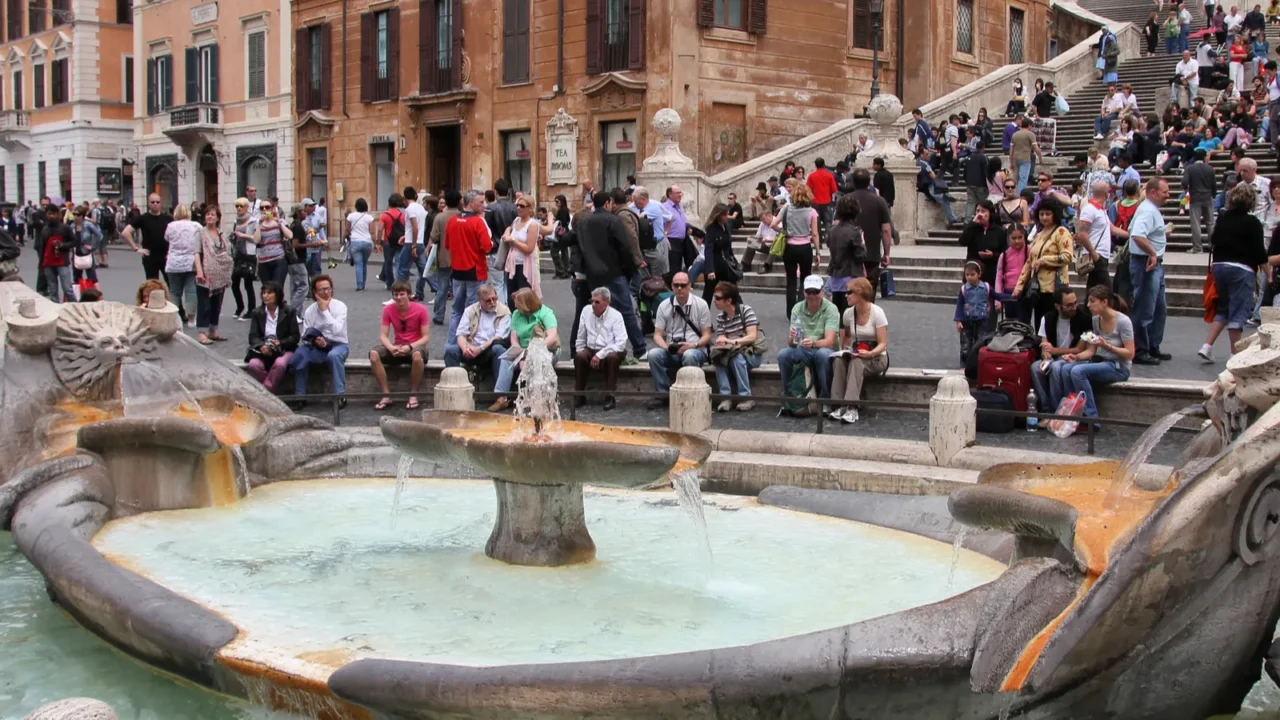
Traffic restrictions around the Spanish Steps expanded significantly. Nearby streets prioritize walking and limited local access. This protects the marble steps from pollution and damage.
The area feels more refined and relaxed. Visitors explore nearby boutiques and cafes more comfortably. Heritage preservation shapes movement here.
Trastevere zones expanded
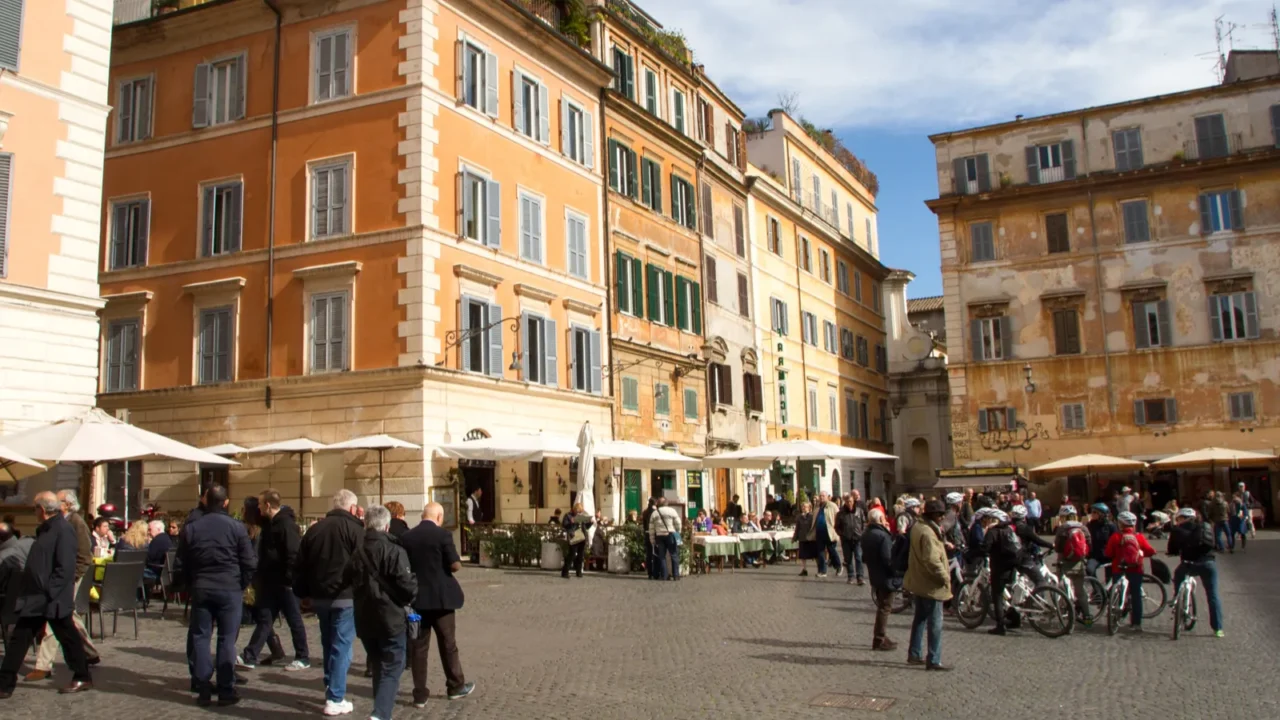
Parts of Trastevere now operate as pedestrian priority areas. Evening vehicle access is restricted to preserve neighborhood life. Cobblestone streets feel safer and quieter.
Local dining thrives under these conditions. Walking becomes the natural rhythm. Trastevere balances tourism with authenticity.
Air and noise benefits
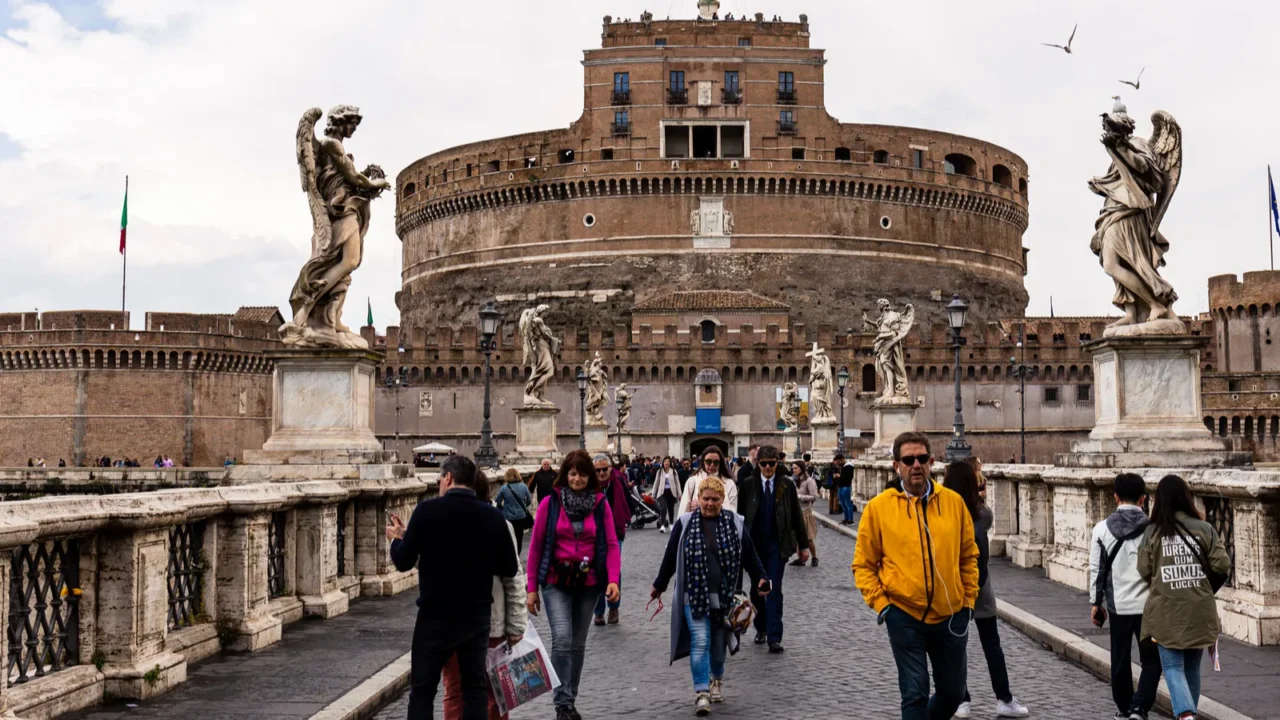
Reduced traffic immediately lowered noise levels near major landmarks. Air quality readings showed gradual improvement. Preservation experts welcomed these early signs.
Health benefits extend beyond monuments. Locals enjoy calmer daily routines. Rome’s core feels livable again.
Tour experience evolves
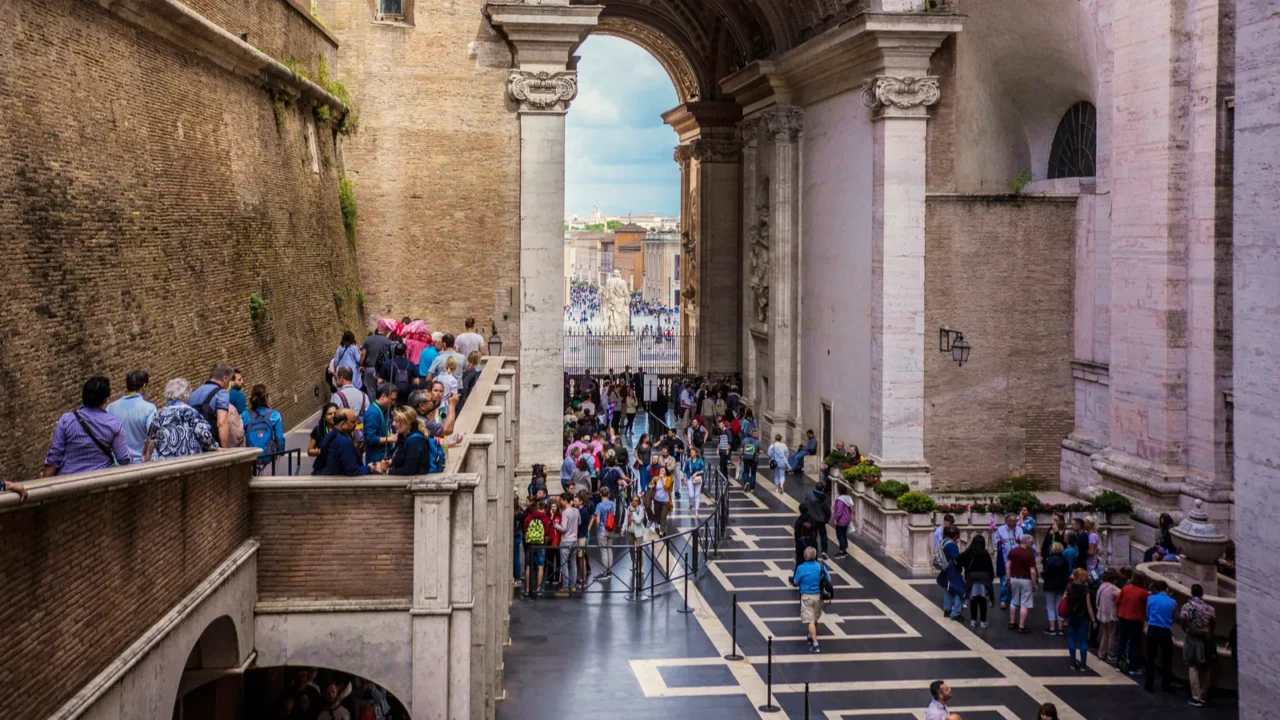
Walking corridors reshape how Rome is explored. Routes feel intentional rather than chaotic. Sites connect more naturally.
Guided tours benefit from uninterrupted storytelling. Visitors stay longer in each space. The city reveals itself at walking speed.
Local response remains positive
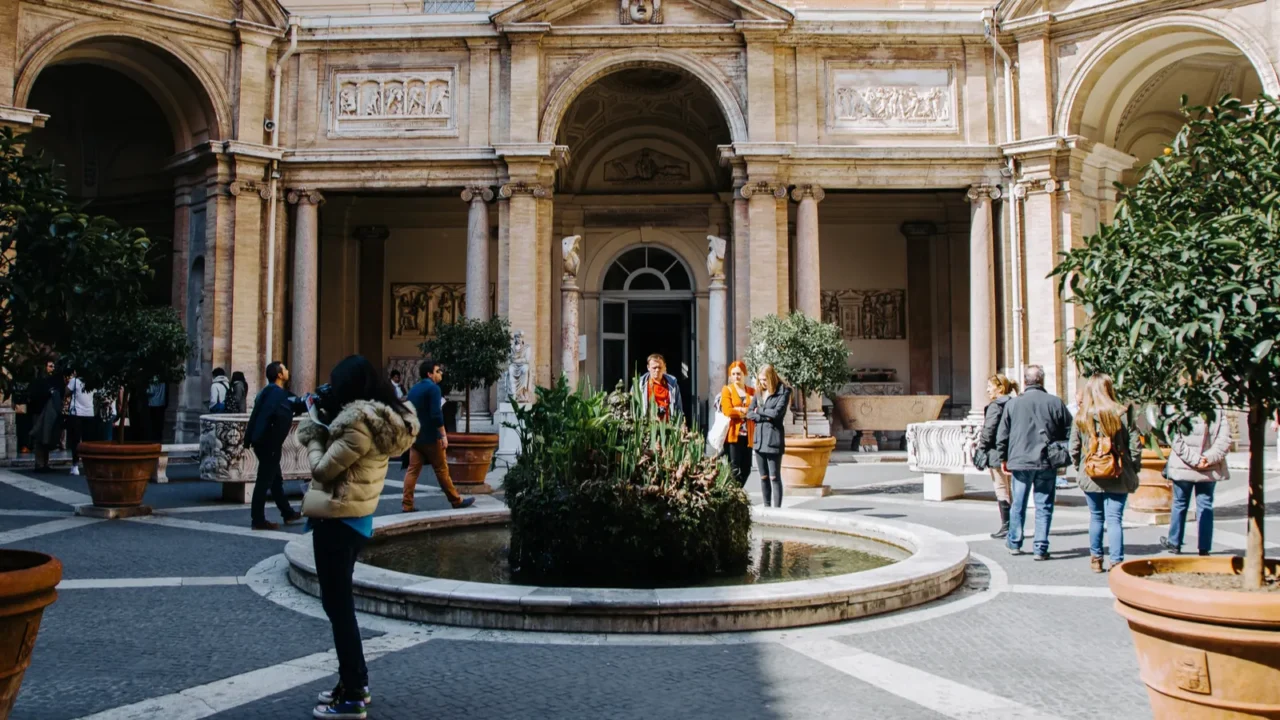
Residents largely support pedestrian expansion. Reduced congestion improves daily mobility. Community spaces feel reclaimed.
Shops and cafes adapted quickly to the new walking-focused layout. Economic activity remained steady despite early concerns. What travel experts say will be the biggest trends of 2026 now clearly includes people-first cities and slower urban travel.
Walking tells the story
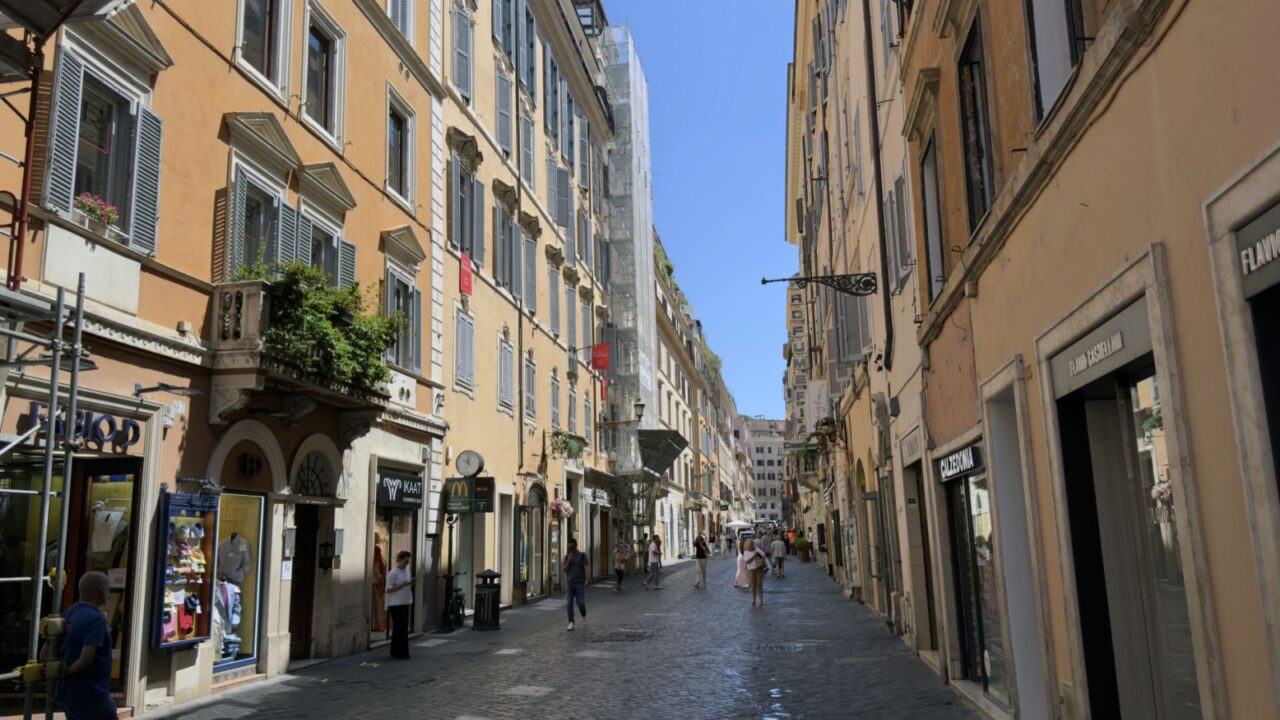
Rome’s pedestrian corridors return history to a human scale. Streets once dominated by engines now tell stories through footsteps. The past feels closer when movement slows.
Walking becomes the true luxury here. Heritage thrives when space is respected.
Which Roman corridor feels most magical to wander through? Share below.
This slideshow was made with AI assistance and human editing.
Don’t forget to follow us for more exclusive content right here on MSN.
Read More From This Brand:
