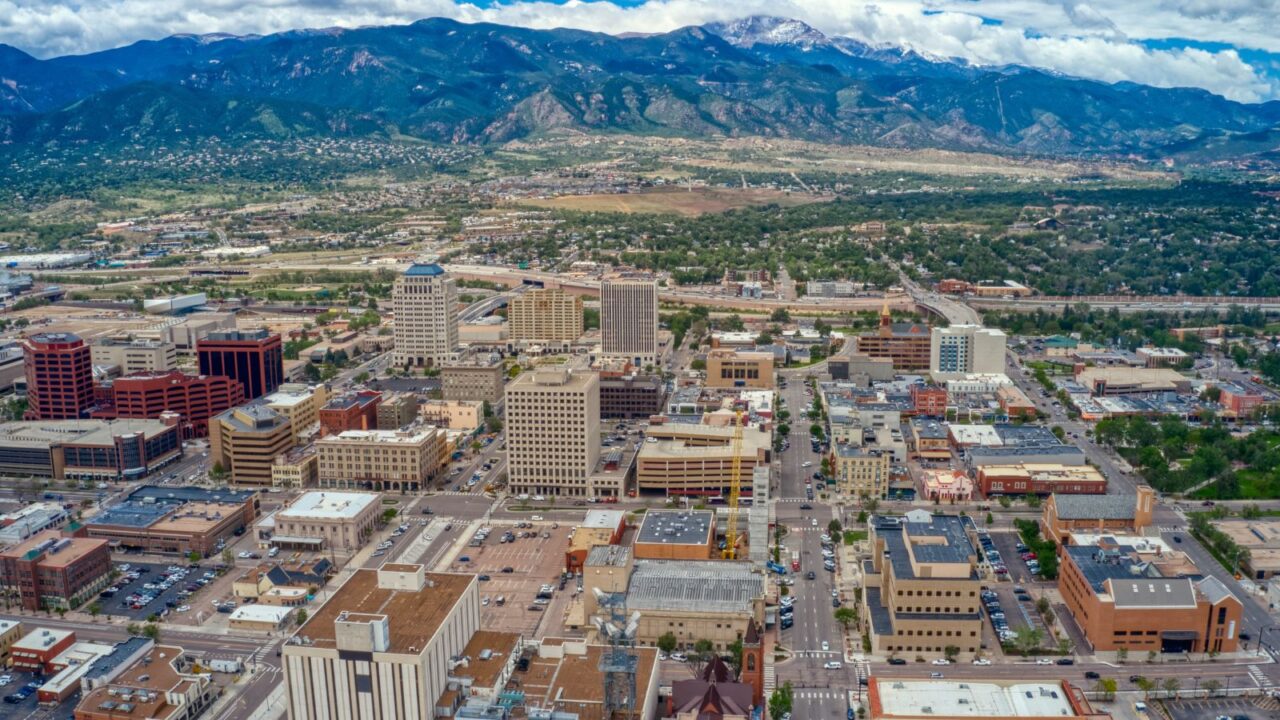
A crowded region, and a quieter detour nearby
The Pikes Peak region draws millions of visitors each year, and its most famous stops often feel busy even outside peak season. Traffic, parking pressure, and crowded trailheads have become part of the experience across much of the area.
Green Mountain Falls sits within that same region but operates on a different pace. The town is small, walkable, and built around trails that start on foot rather than at roadside pullouts. For travelers who want waterfalls without committing to packed destinations, it offers a quieter option without leaving the Pikes Peak corridor.
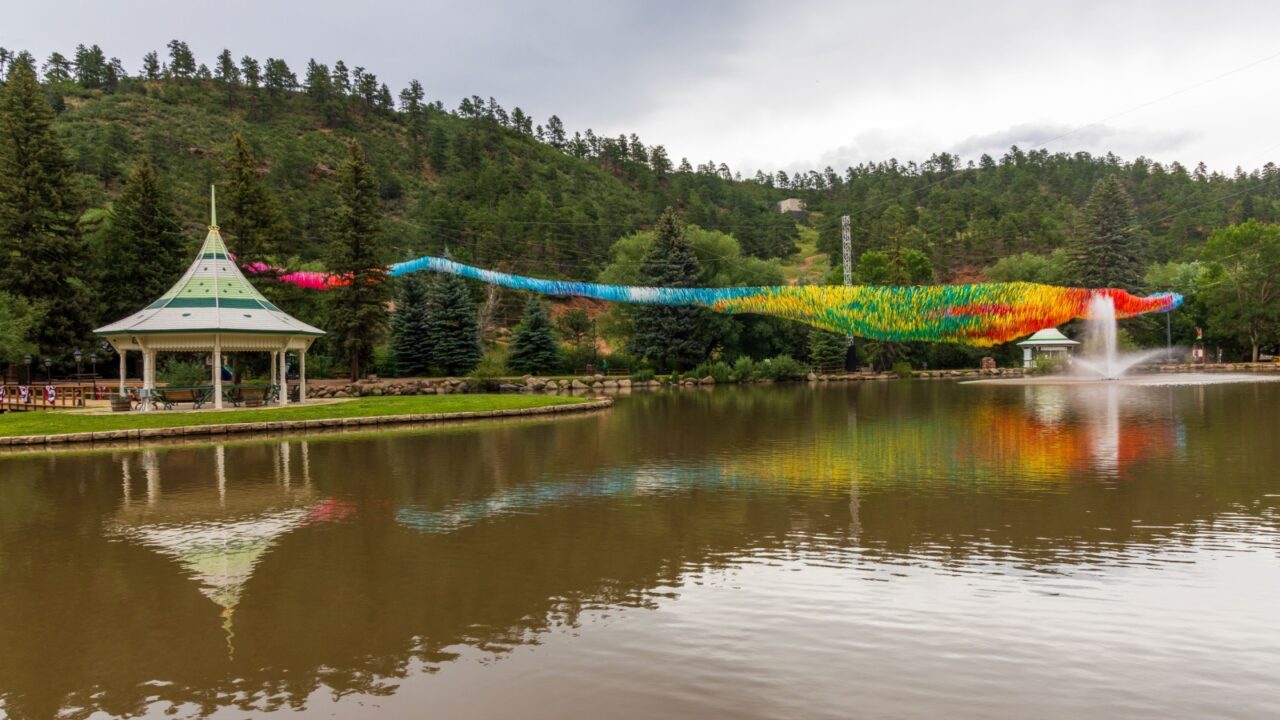
The walk-in rule that keeps it quiet
Green Mountain Falls effectively runs as a walk-in trail town for its waterfall hikes. With no parking allowed at trailheads, visitors typically park near the lake and begin their hike on foot. That design reduces congestion on narrow residential roads and keeps the immediate trail entrances low-key.
It also changes who shows up. Quick “drive up, hop out, leave” stops are harder, especially at peak hours. Visitors who make the short walk in tend to move more slowly, spend more time, and blend into the neighborhood rhythm.
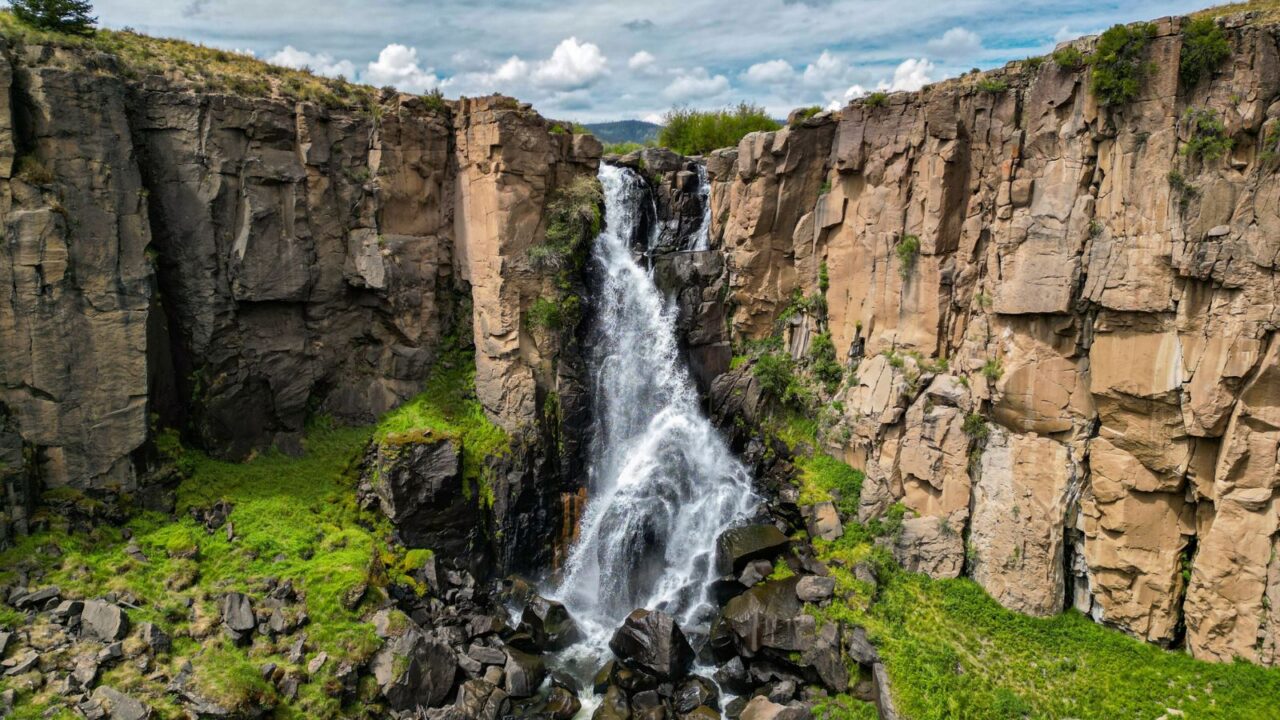
Crystal Falls is close, but not obvious
Crystal Falls is one of the most accessible waterfall payoffs here, but it can still be easy to miss if you expect a signed parking lot and a big entrance. Trail guides describe a short out-and-back hike, roughly a mile round trip, with moderate elevation gain for the distance. That’s the kind of route most casual hikers can manage with basic footwear and attention.
The key is starting from the town and following the route carefully. Review sites repeatedly mention parking by the lake and walking through town to reach the trail. If you arrive expecting the falls to be roadside, you may drive right past the access point.
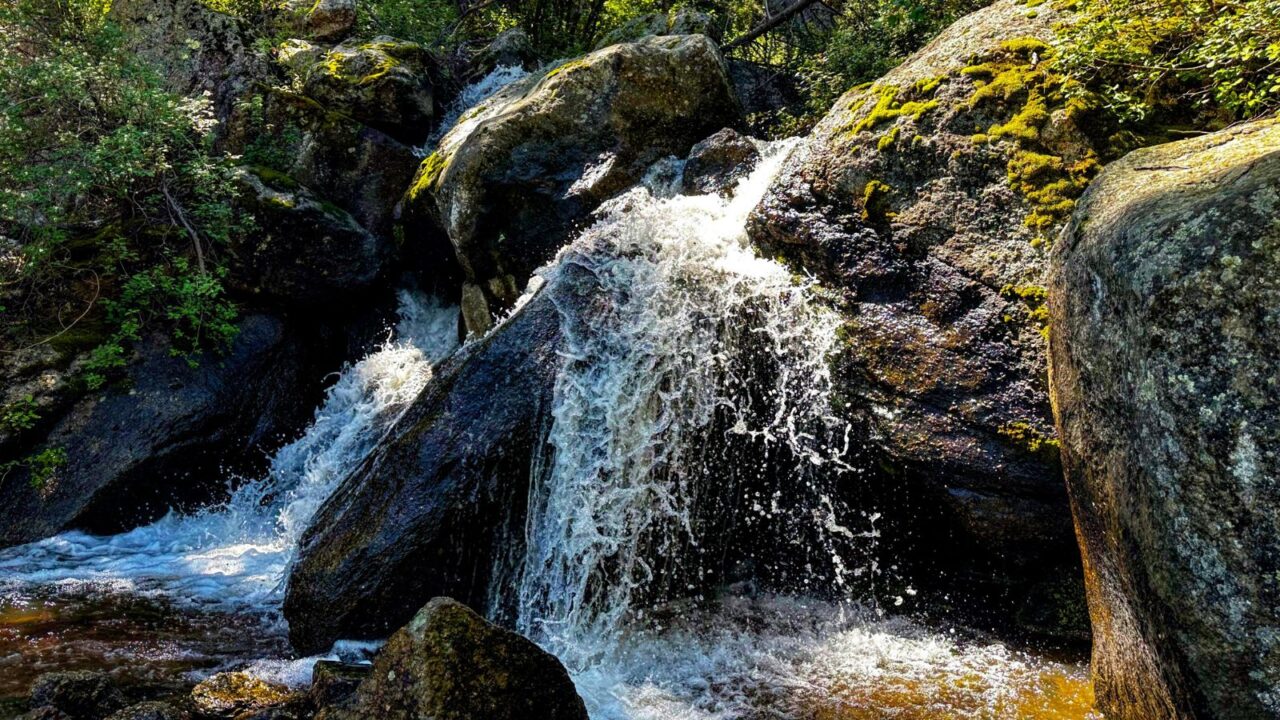
Catamount Falls is the bigger continuation
Catamount Falls is often treated as the next step after Crystal Falls, reached through connecting trails that climb above the town. Local trail documentation describes the Thomas Trail as a narrow forest connector that links the Crystal Falls and Catamount Falls areas, with a noticeable elevation gain over about a mile between the falls.
For hikers, the appeal is that it feels like a progression, not a separate drive. You can string the waterfalls together on foot and get wider views as you climb. The route is still close to town, but the wooded sections quickly make it feel removed.
Why most travelers never realize it’s here
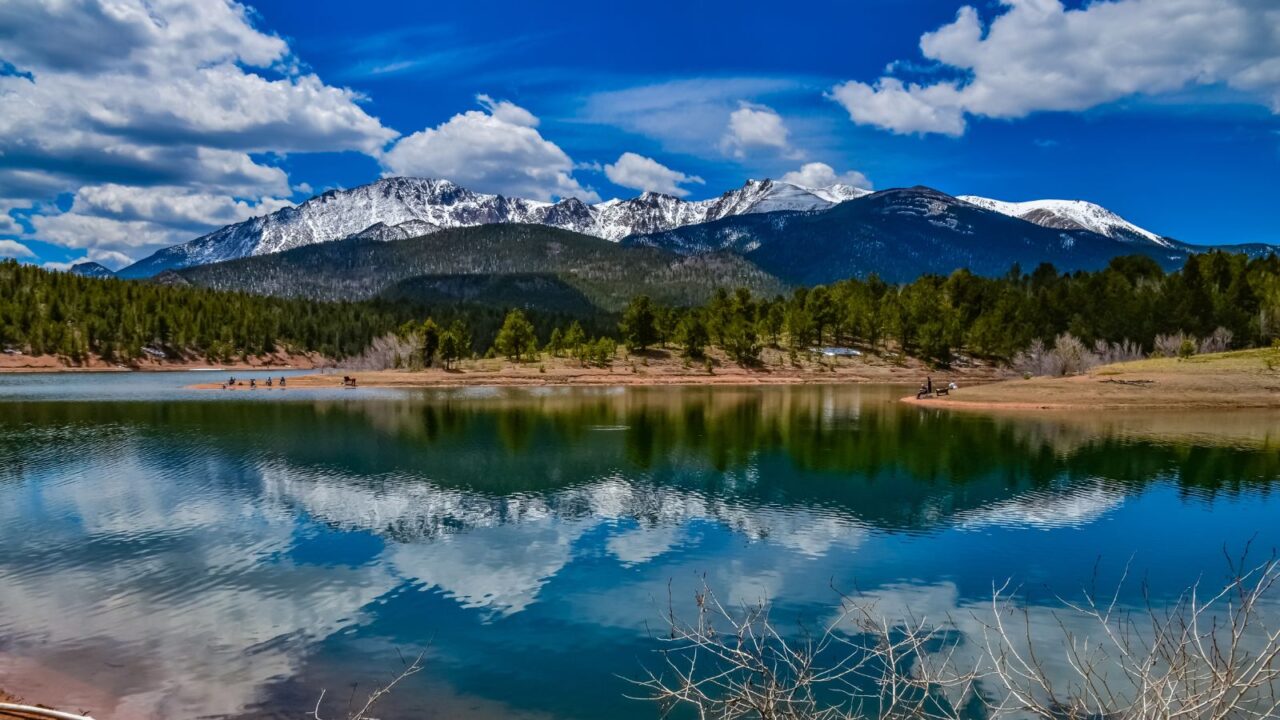
The biggest reason these waterfall pockets get skipped is practical: limited access by car. Multiple trail listings warn that you typically can’t park at the trailhead itself, so you need to start near town and walk in. That’s a small barrier, but it filters out a lot of pass-through traffic.
The second reason is location psychology. Green Mountain Falls sits along a corridor many people use to reach other Pikes Peak-area stops, so it can register as “just another small town” on the way. Without a plan, visitors don’t connect it with nearby waterfalls and simply keep driving.
How to visit without turning it into the next hotspot
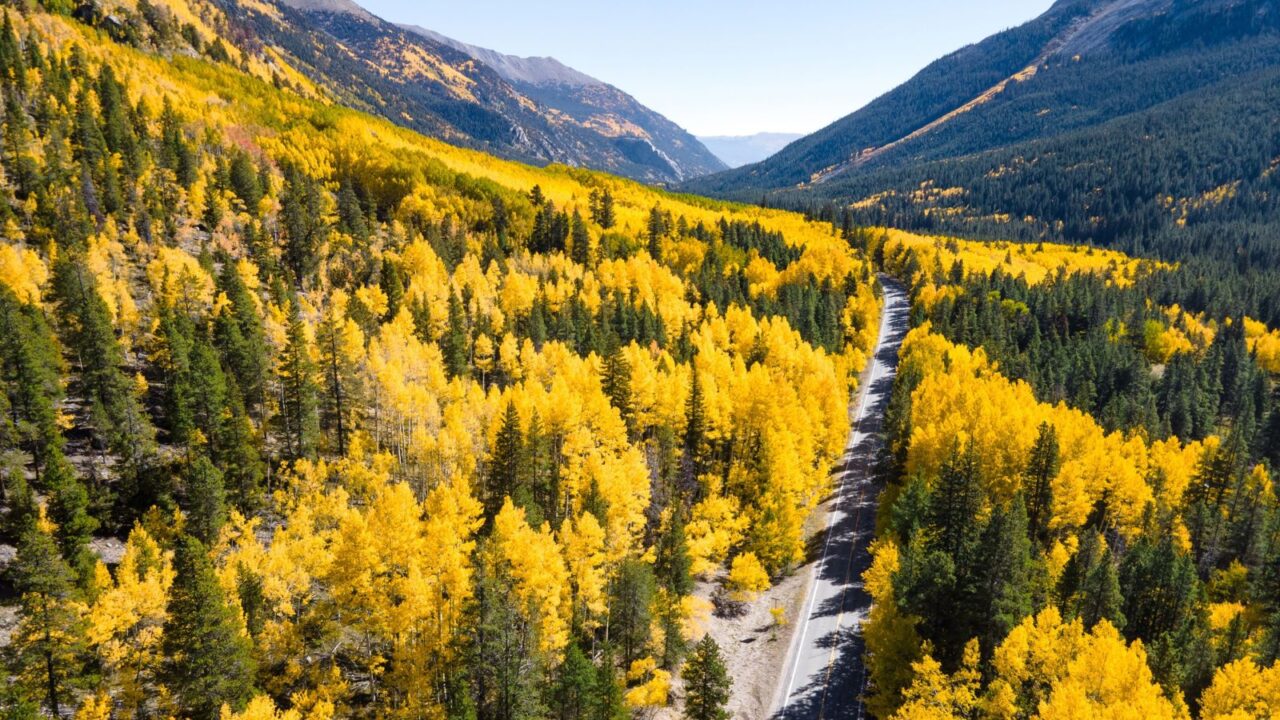
The town’s setup quietly asks visitors to behave differently than they might at a major attraction. Park where the community expects visitors to park, then walk in rather than circling residential streets for a closer spot. Several guides explicitly frame this as a respect issue, not just a convenience tip.
Once you’re on foot, keep your footprint small. Stay on the established trail surfaces and avoid cutting around obstacles, which widens paths over time. If you treat the neighborhood walk-in as part of the experience, the whole outing feels more like a local hike than a tourist stop.
The seasonality is real, even on short trails
These are not remote backcountry routes, but they still behave like mountain trails. Most popular window for the Crystal Falls route runs from spring into fall, when conditions are generally easier, and trail use is highest. In practice, that means you may still see plenty of people on weekends, especially midday.
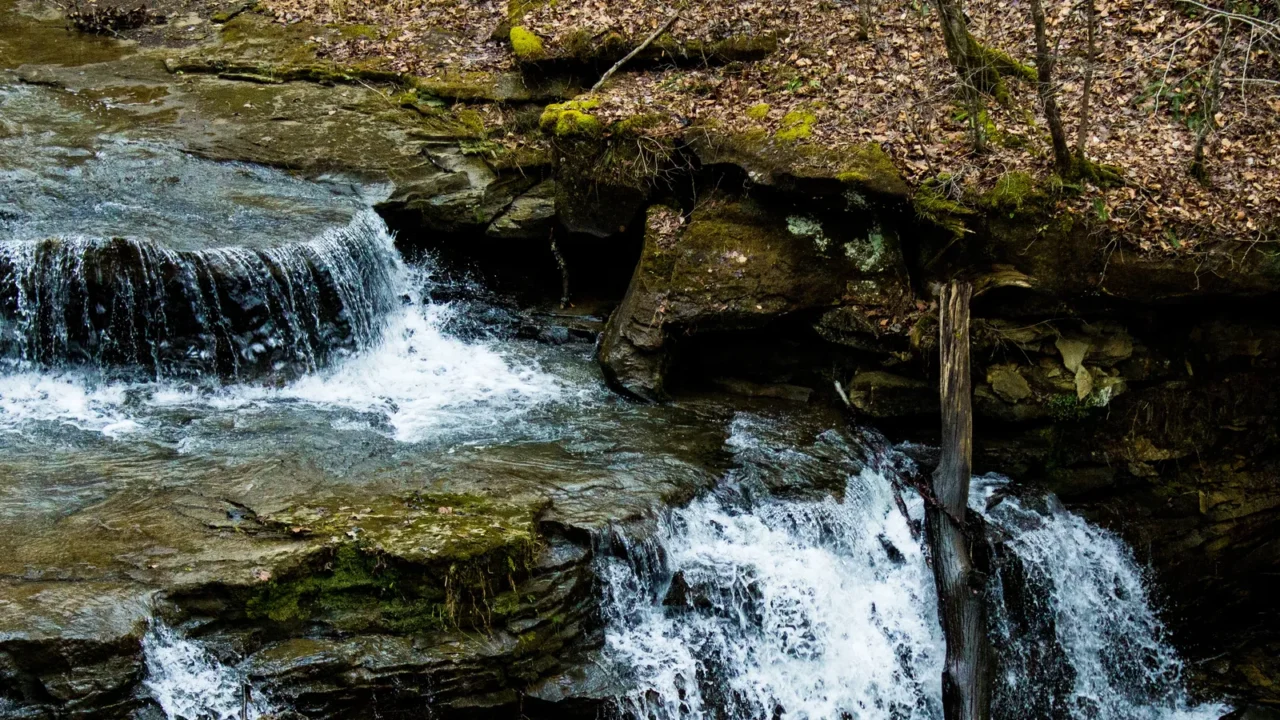
Outside that window, conditions can change fast. Shaded areas may remain icy, and runoff often makes rocks slippery near the falls. The smart move is to adjust your expectations to the day, not the distance on the map.
Garden of the Gods remains the region’s busiest stop
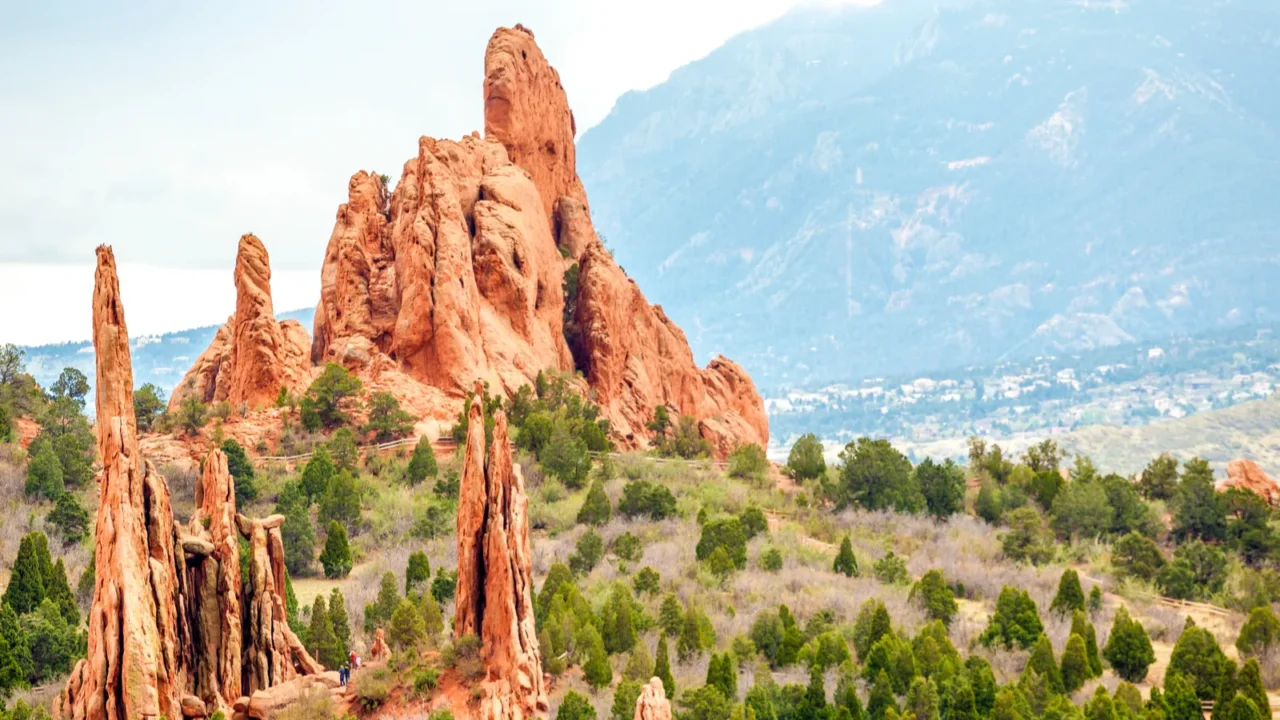
Garden of the Gods is one of the most visited natural attractions in the Pikes Peak region. Its sandstone formations sit close to Colorado Springs, making access easy and predictable. That convenience is also why parking lots and trails can feel crowded even on weekdays.
The park is free and well signed, which draws first-time visitors and tour groups year-round. Short walking paths and roadside pullouts concentrate people into a small footprint. For many travelers, the scenery is unforgettable, but the pace rarely feels quiet or unhurried.
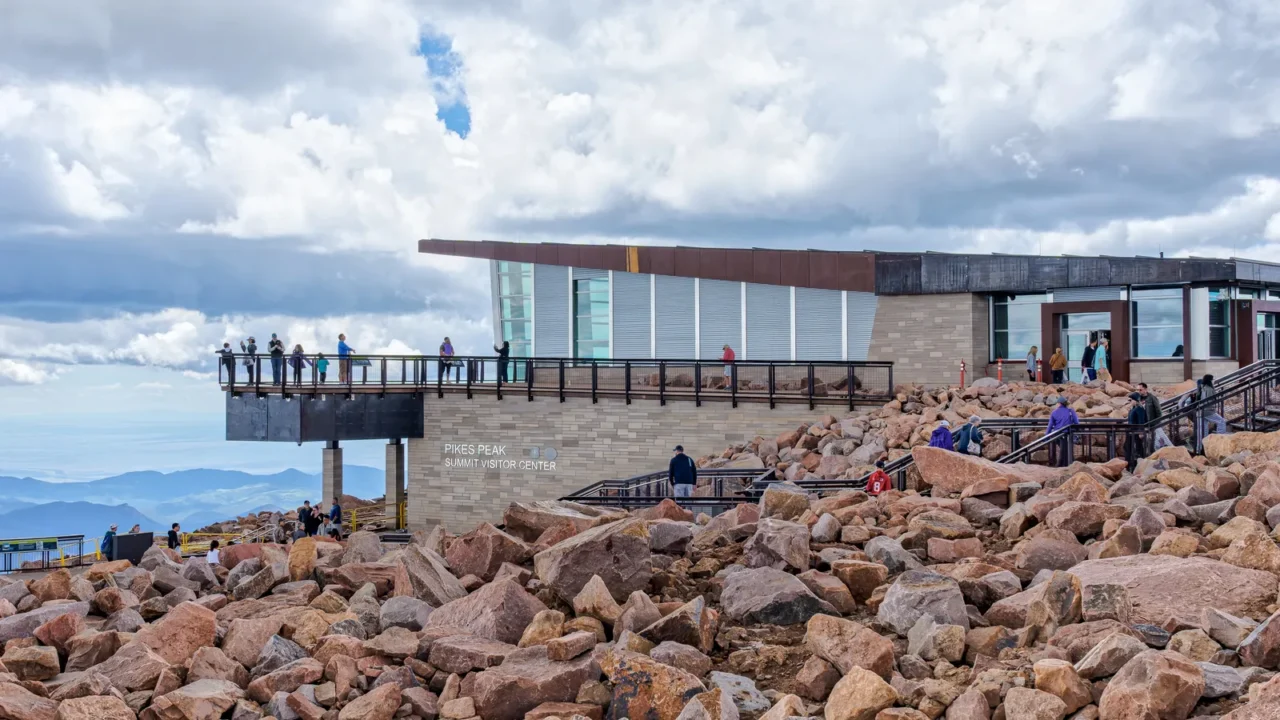
A short stop near the Pikes Peak Summit Visitor Center
The Pikes Peak Summit Visitor Center is not the only place worth slowing down at the top. Just below the summit, short paved paths and pullouts let visitors step away from the main building and take in wide views without committing to long hikes. These spots are often overlooked as people rush back to their cars.
Clear days offer long sightlines across the Front Range, and weather can change fast even in summer. Spending a few extra minutes outside the visitor center helps put the elevation into perspective. It turns the summit from a quick photo stop into a more complete experience.

It’s a pressure valve for the Colorado Springs area
Big-name natural attractions near Colorado Springs carry heavy visitation, and local tourism sources commonly describe Garden of the Gods as drawing millions of visitors annually. When that kind of volume concentrates in a small footprint, crowding becomes part of the experience, even for people who arrive early.
Green Mountain Falls offers a different model nearby. It doesn’t compete on scale, and it doesn’t try to. Instead, it gives travelers a quieter, walk-in waterfall option that fits a short half-day plan without adding a long drive to a remote trail system.
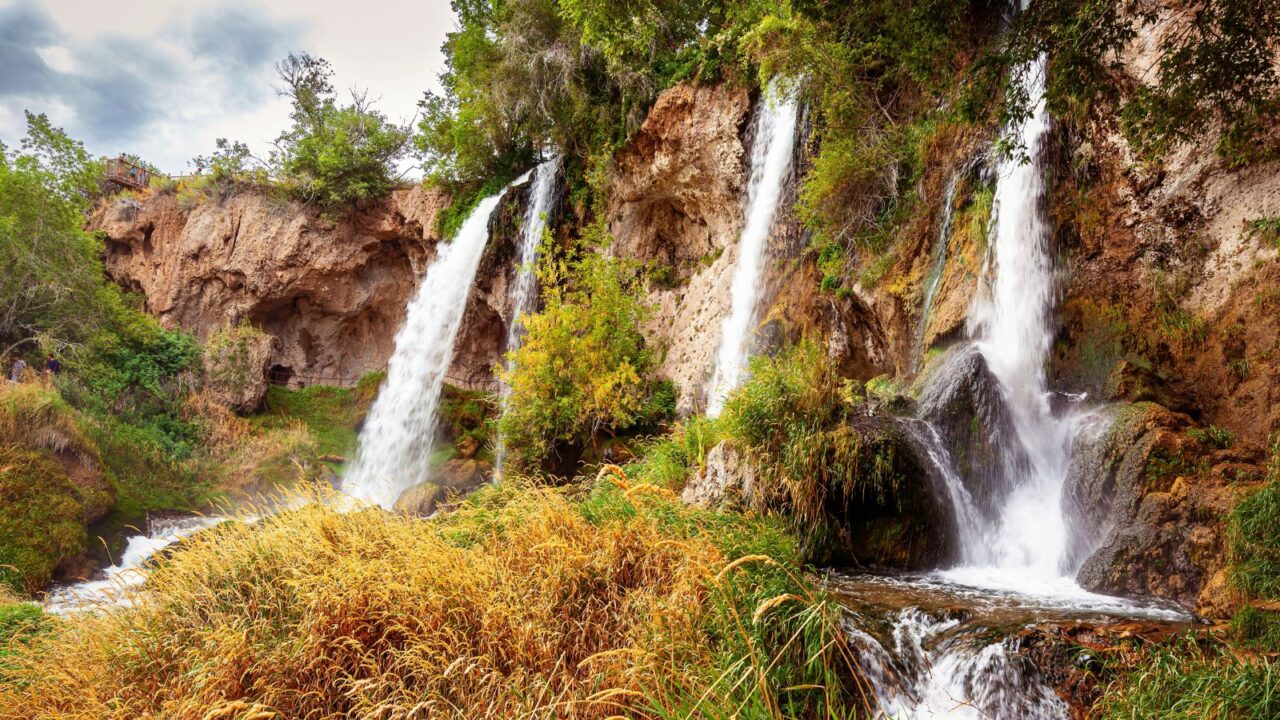
Rifle and a triple waterfall with caves
Rifle is another Colorado place that surprises people who assume “waterfall towns” have to be high-alpine or far from highways. Rifle Falls State Park is known for a rare triple waterfall, and Colorado Parks and Wildlife notes that visitors can access small caves in the limestone landscape around the falls. Together, the waterfalls and caves offer the experience of two attractions in one visit.
The park is designed for straightforward access, which is part of why it’s often recommended to families and mixed-skill groups. You can see the falls without committing to a long hike, then choose whether to explore more. It’s a different experience than Green Mountain Falls, but it fits the same “missed by pass-through travelers” category.
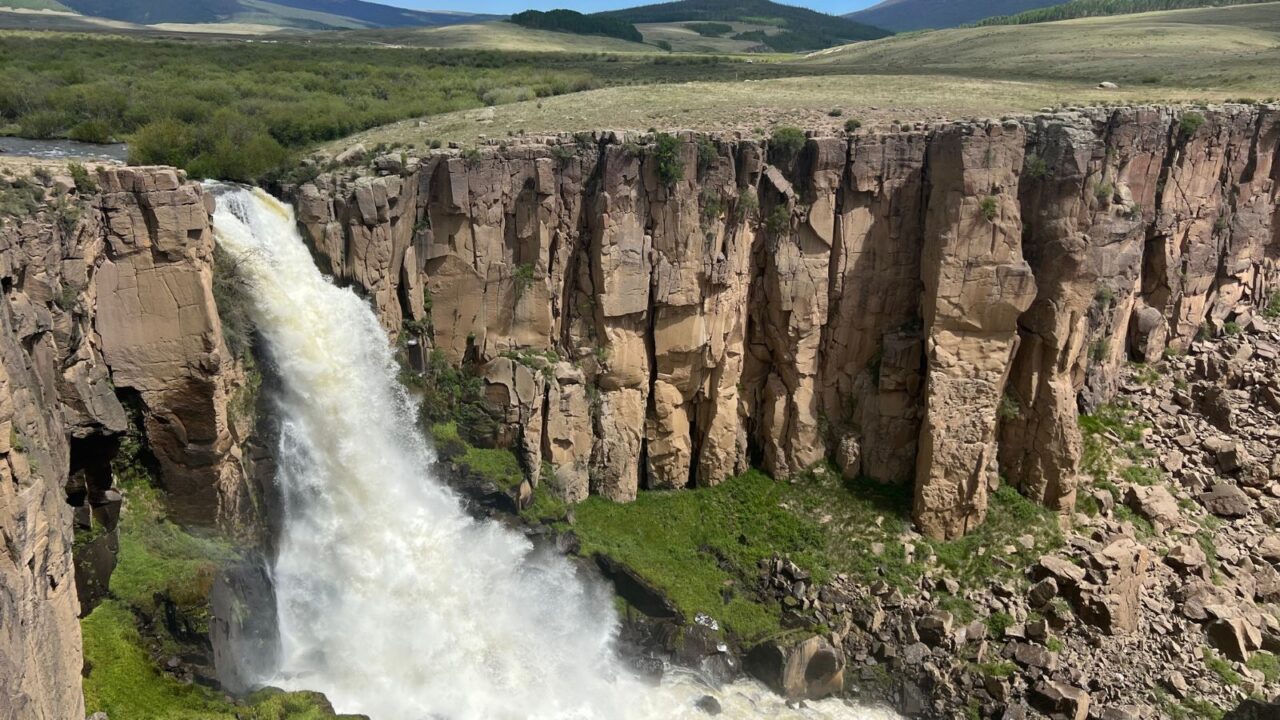
Creede and the roadside overlook most people don’t plan for
Creede is best known as a historic mountain town, but the waterfall nearby that draws photographers is North Clear Creek Falls. The U.S. Forest Service describes an established observation site that you can reach by turning off State Highway 149 and driving a short distance to an overlook. That setup makes it accessible without turning it into a developed theme stop.
This is a useful example of how “hidden” can mean “unadvertised,” not hard to reach. People often drive the scenic route between towns without building in a stop. If your itinerary is tight, it’s exactly the kind of place you miss by 10 minutes and regret later.
And if mountain views are more your thing, check out the mountain roads, considered more scenic than the destination.
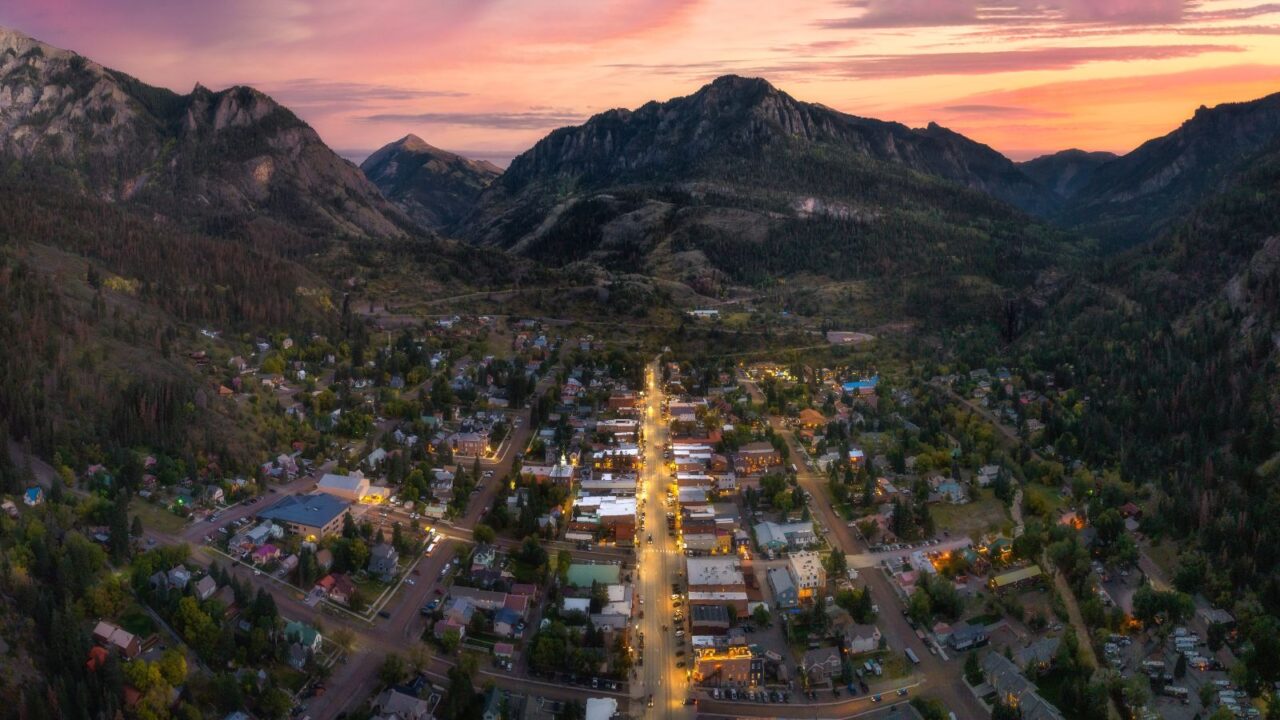
Ouray and a waterfall inside a canyon corridor
Ouray has a bigger tourism profile than the other towns in this list, but Box Cañon Falls still delivers a “tucked away” feeling because of how it’s set. Local visitor information describes the waterfall plunging into a narrow quartzite canyon, with rock walls rising around the falls. The setting is dramatic in a way that photos don’t fully capture.
What makes it relevant to the 2026 travel conversation is the contrast. Ouray offers a full mountain-town infrastructure, yet the waterfall experience can still feel contained and specific. It’s a reminder that “hidden” sometimes comes from geology and layout, not from being unknown.
Ever seen something in nature that looks so impossible you’d swear your eyes are glitching? Check out the underwater waterfall illusion in Mauritius that confuses even pilots.
Which of these towns would make your Colorado travel list? Let us know in the comments below.
This slideshow was made with AI assistance and human editing.
Don’t forget to follow us for more exclusive content right here on MSN.
Read More From This Brand:
