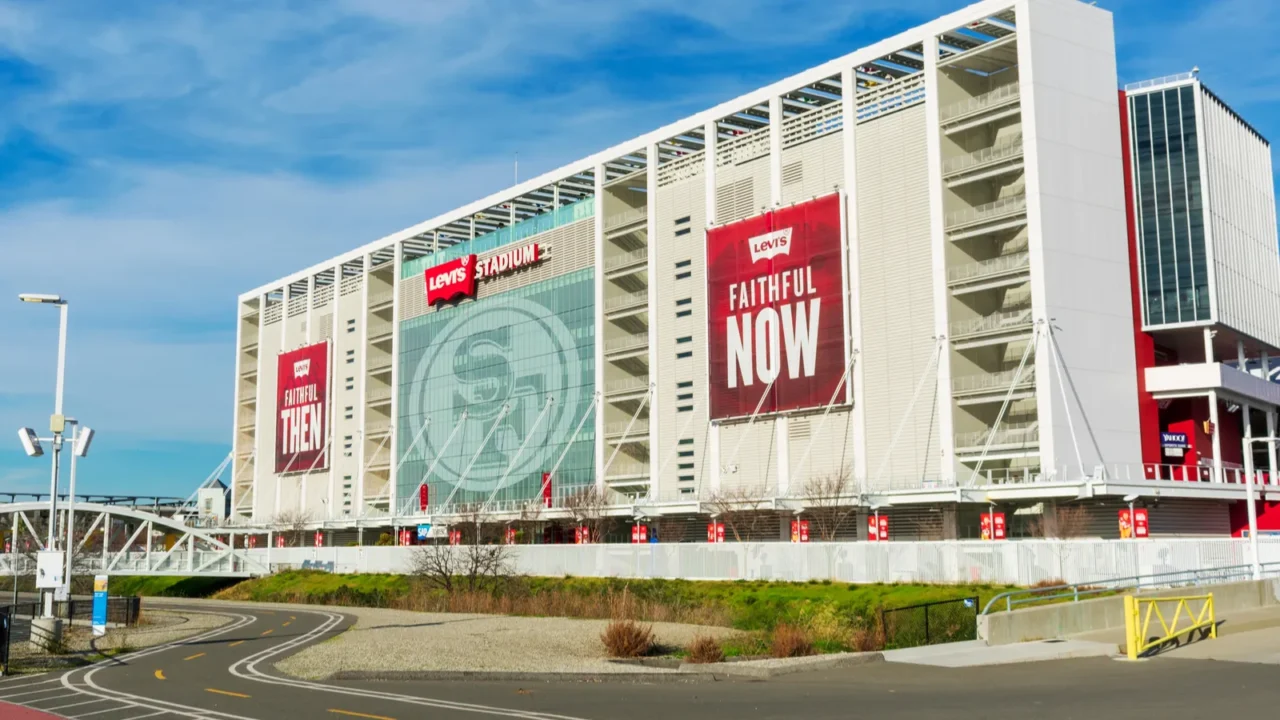
The Bay Area gets busy fast
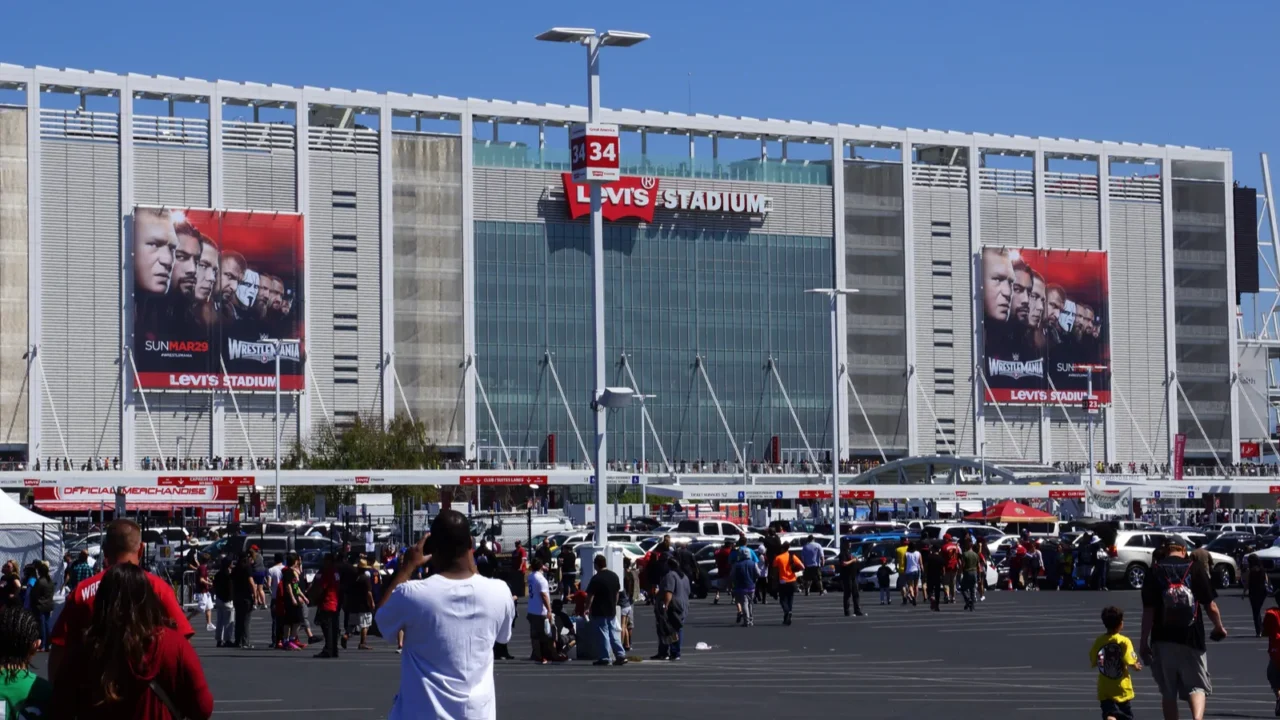
Super Bowl week makes the Bay Area feel busy in two places at once: the game is at Levi’s Stadium in Santa Clara on Sunday, February 8, 2026, while many of the biggest fan events are in San Francisco at Moscone Center (Feb. 3–7).
The simplest plan is to stay where you can walk to fun or ride one train line to it. SFMTA says closures and detours around Moscone can run till February 10, with local access maintained. That is why your hotel neighborhood matters as much as the ticket.
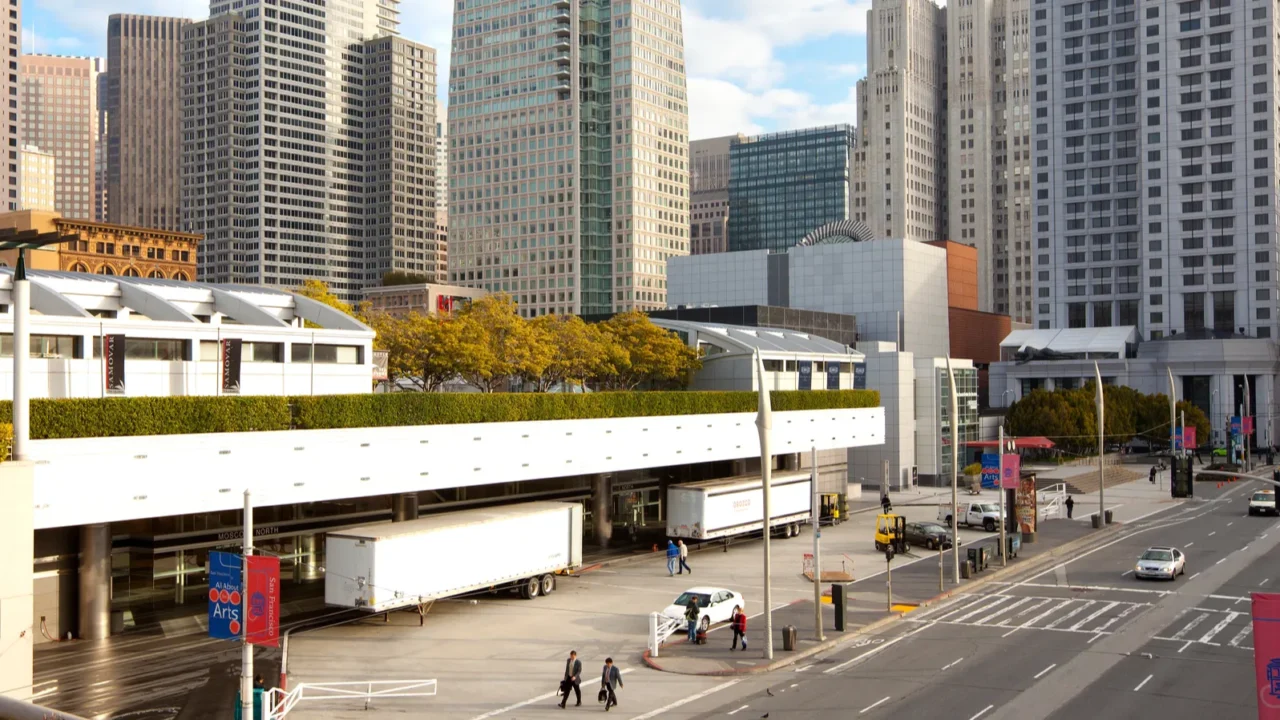
First, dodge the Moscone bottleneck
If you love the energy that the Moscone area delivers, but it is also where the closures stack up. SFMTA lists rolling closures and detours on Howard, Mission, and 4th around the Super Bowl Experience window.
SoMa can be great on foot but challenging if your plans rely on rideshare pickups or parking. If you stay nearby, commit to transit and walking for the whole day. It is the difference between a fun fan zone and a two-hour crawl.
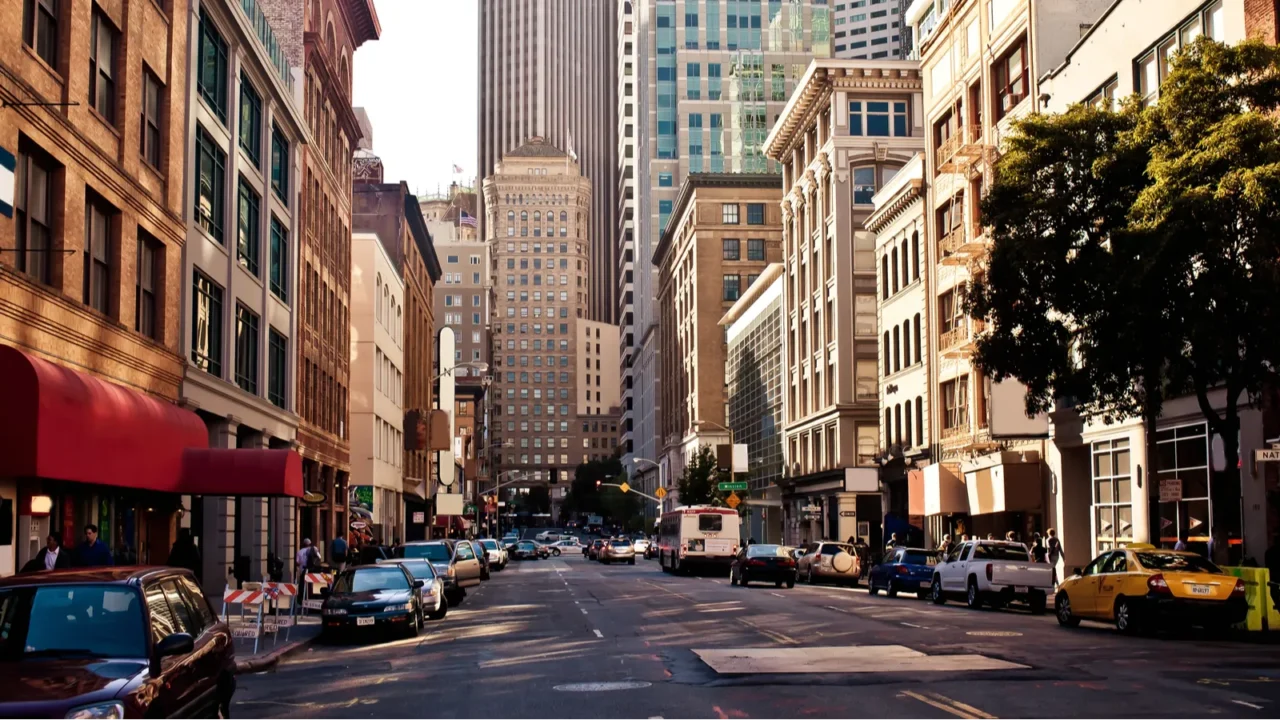
Downtown SF is the priciest base
Hotel prices climb hardest where the crowds want to be, and downtown San Francisco is the obvious magnet. ABC7 reported average nightly hotel rates around $2,300 for Super Bowl weekend in downtown SF.
That number does not mean you cannot stay in the city, but it does mean you should shop smarter. If your goal is less traffic and more fun, paying peak pricing for peak congestion is a tough trade. Look one or two transit stops out and keep the city as your playground.
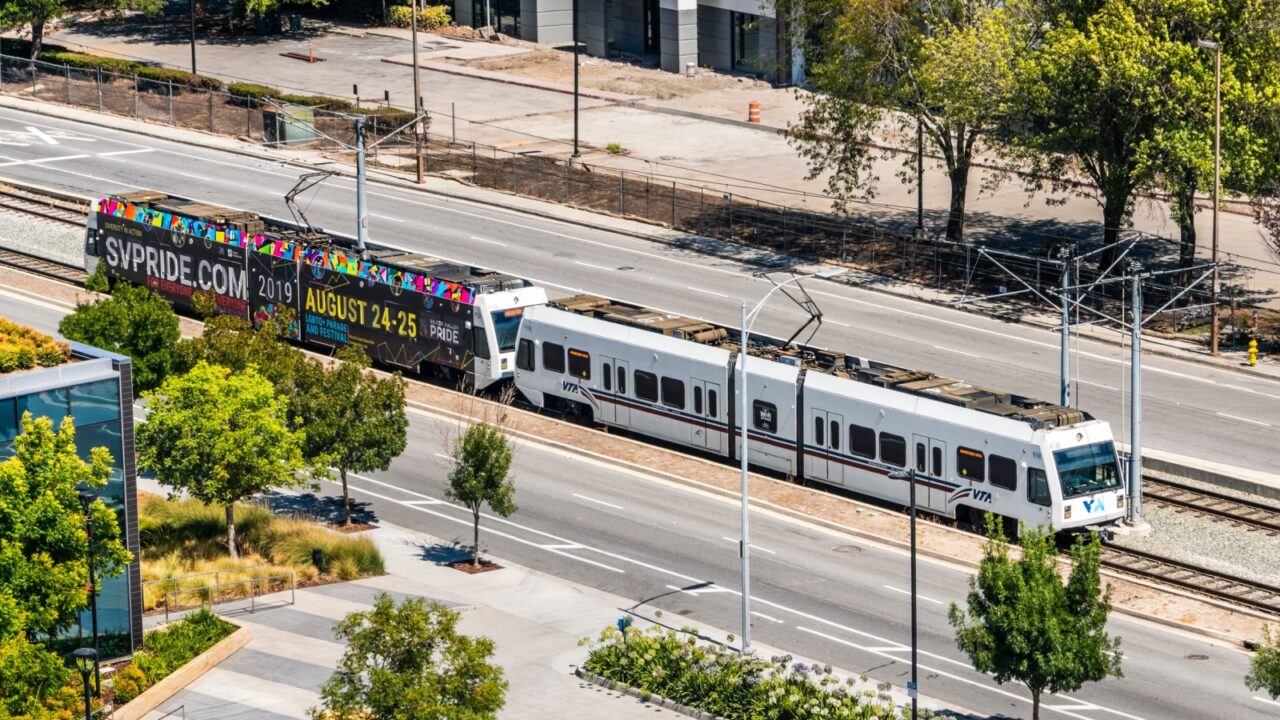
Peninsula stays make transit easy
The Peninsula is the sweet spot if you want quick access without downtown gridlock. You can ride Caltrain to Mountain View and transfer to the Santa Clara Valley Transportation Authority Light Rail Orange Line to the stadium area.
Pick a hotel near a Caltrain station, and you cut out the parking stress completely. Caltrain and VTA also recommend pre-buying a Super Bowl day pass for Super Bowl Sunday. It is a small step that can save you a lot of time in ticket lines.
Palo Alto is calm but still close
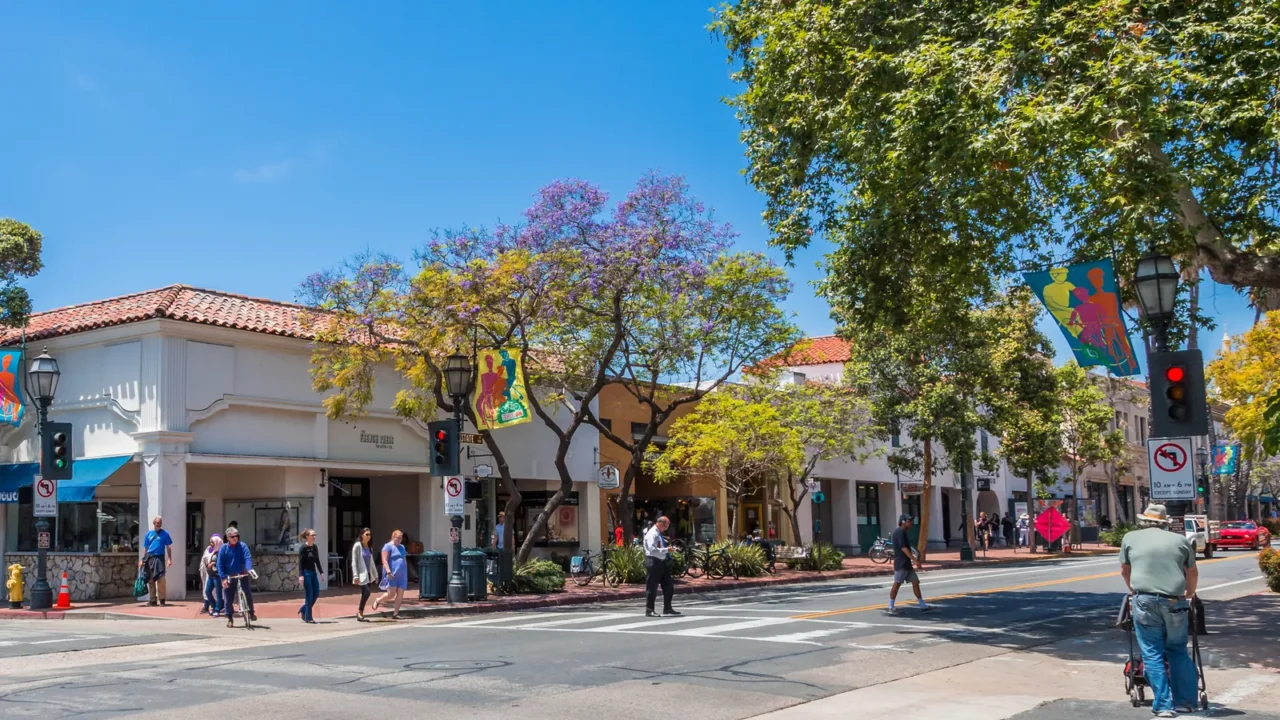
Palo Alto is a strong choice if you want nicer dining, a walkable downtown, and fewer street closures than San Francisco. It is also a practical launch point for Caltrain rides up or down the Peninsula. You get “date night” vibes without the event-zone chaos.
The best part is flexibility. You can do fan events in the city during the day, then come back to a quieter base at night. If you are traveling with family, it is also easier to find calm mornings and quick breakfasts.
Mountain View is a transit win
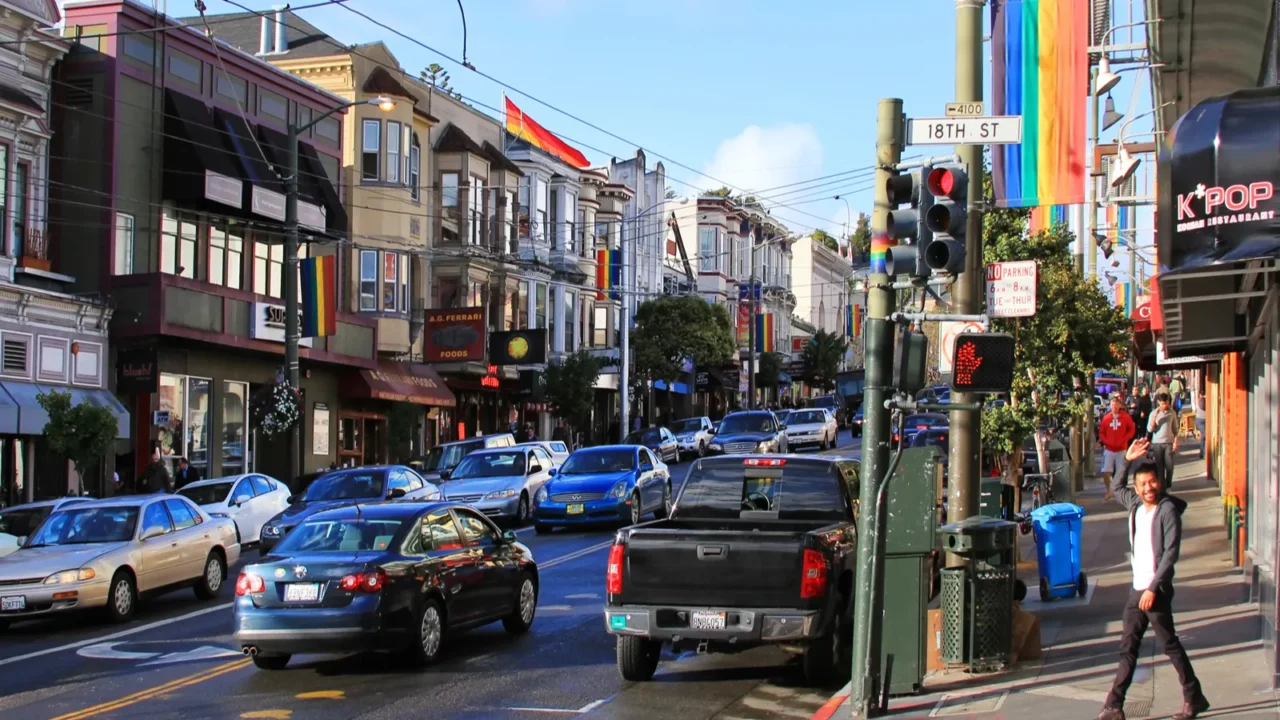
If you want the simplest stadium commute, staying near Mountain View is hard to beat. Regional transit guidance points people to Caltrain at Mountain View and then VTA Orange Line toward the stadium.
This is also a great option for people who do not want to rent a car at all. You can ride Caltrain into San Francisco for daytime events and still keep your “home base” near the stadium line. Less planning, fewer surprises, more actual fun.
San Jose is the week’s kickoff hub
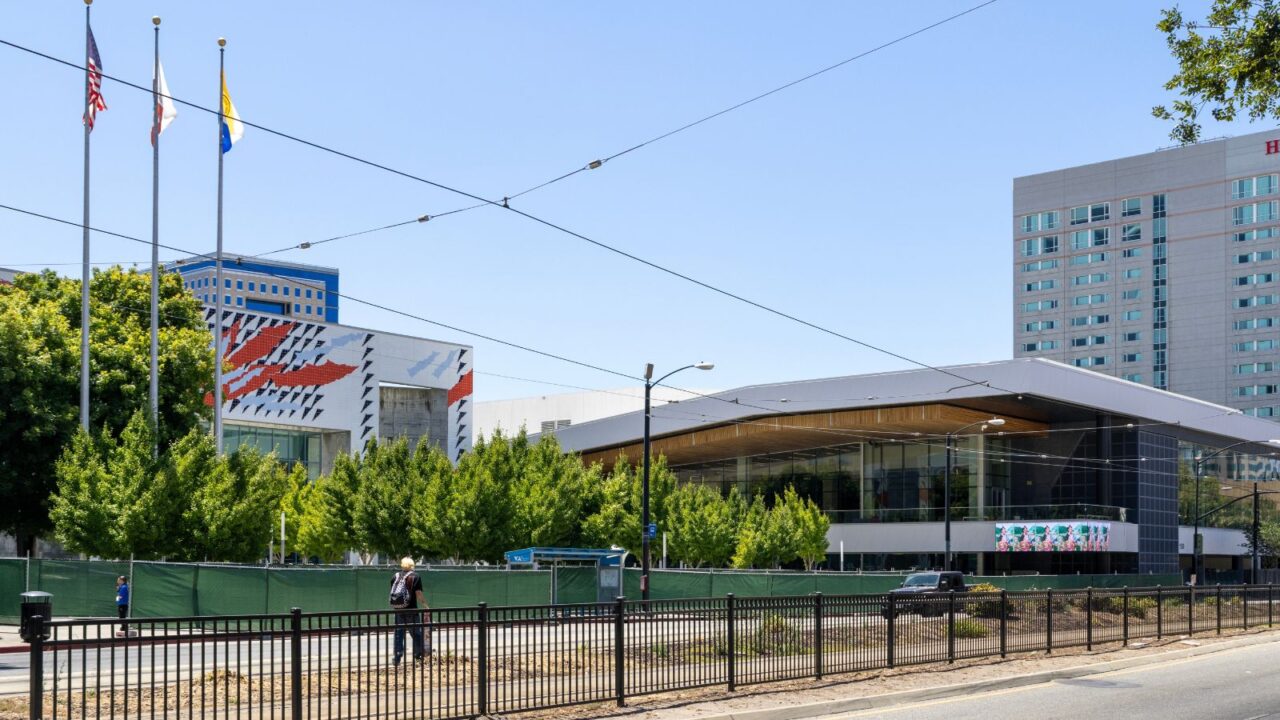
San Jose hosts Super Bowl Opening Night on Monday, February 2, 2026, at the San Jose Convention Center. That makes it a smart base if you want early-week excitement without staying in San Francisco.
It is also closer to Santa Clara than San Francisco is, which helps on game weekend. You can still day-trip into SF for Moscone events, then return to a city that is built for cars, hotels, and big crowds. Think less stress, more sleep.
East Bay gives you more room
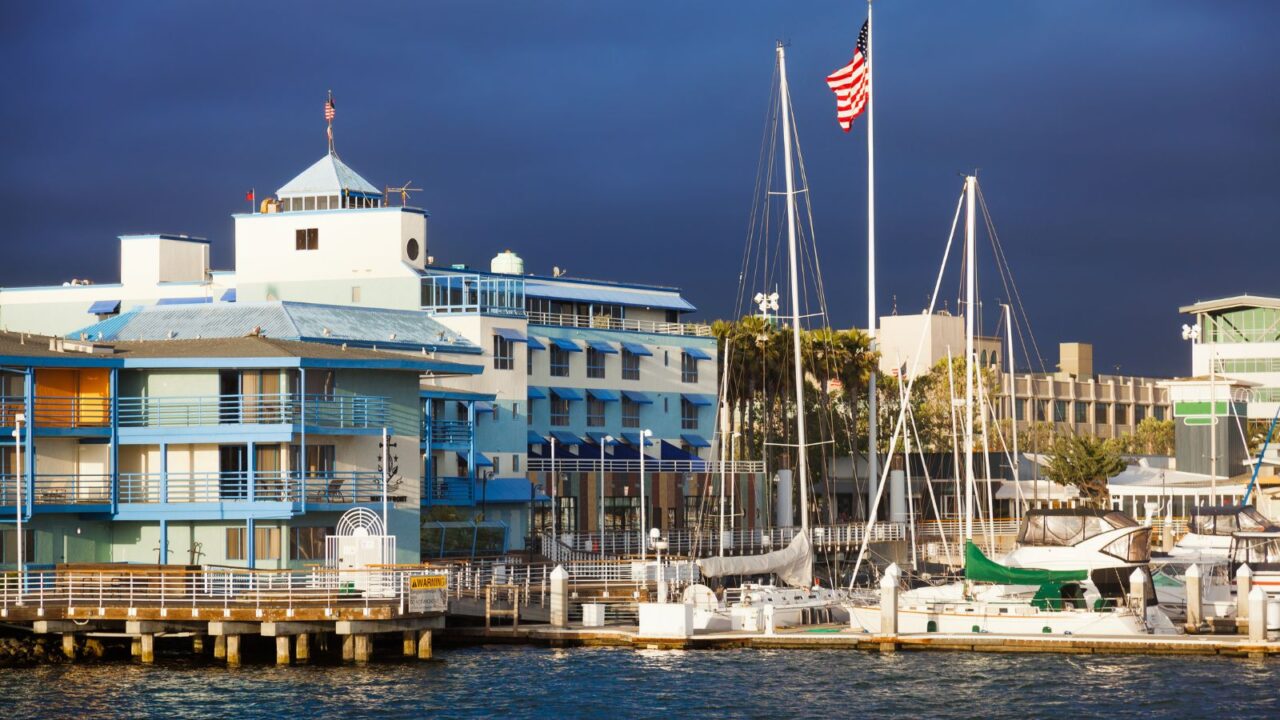
Oakland and Berkeley can feel easier during Super Bowl week because you are outside the densest SF street closure zones. You still have food, nightlife, and waterfront views, plus quick access to rail. This is a solid pick if you want city energy without SF traffic knots.
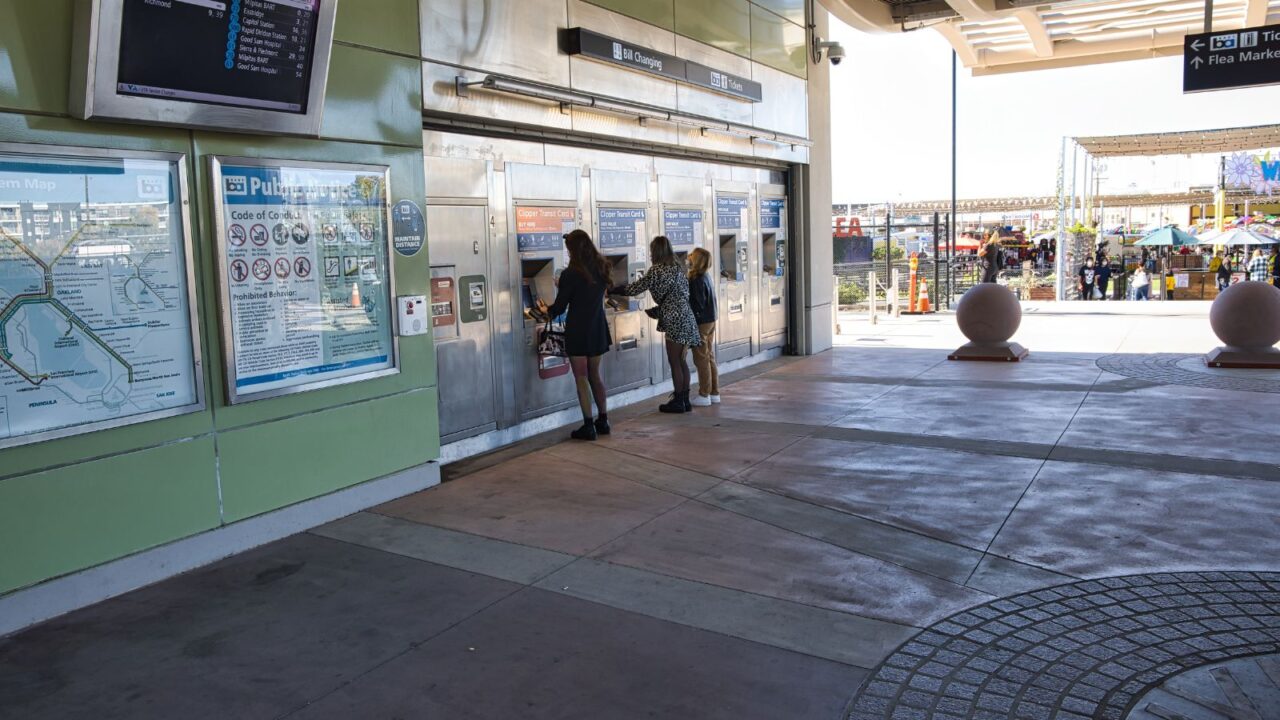
Transit-wise, you can take BART to Milpitas and transfer to VTA Light Rail toward the stadium area. That combo is specifically recommended for Super Bowl travel. It is a clean way to skip parking drama.
Milpitas is the sneaky smart base
If you want “close to the stadium” without Santa Clara hotel pricing, Milpitas is worth a look. It is a key transfer point where BART connects to VTA, which makes game day logistics easier. You trade postcard views for a simpler commute.
This is also a good option for groups who want to split costs. You can stack up convenience stores, late-night food, and easier rideshare pickups. Then you use rail for the big moves, which is where you save time.
If you stay in SF, go north
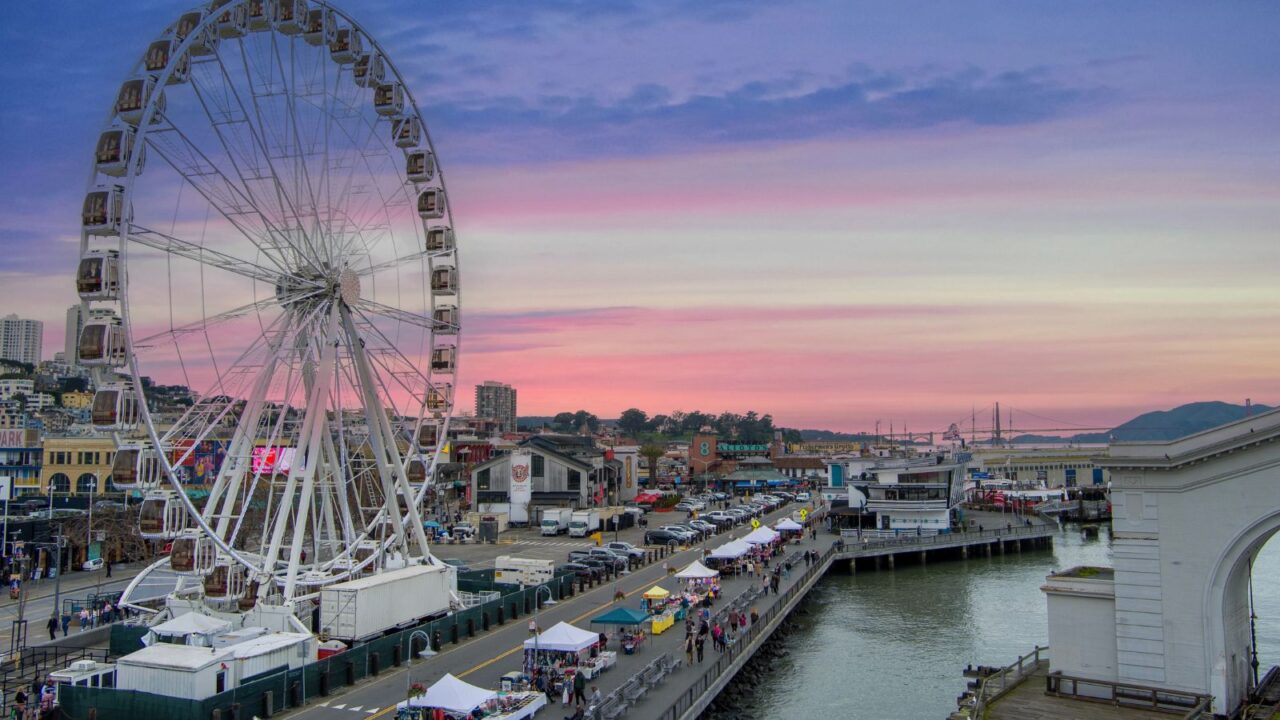
If you truly want San Francisco as your home base, aim away from the Moscone pressure zone. Neighborhoods farther north can feel calmer at night, with easier walking and less of the “closed street” shuffle. You still get quick access to landmarks and waterfront views.
Then treat downtown events like a day trip. Take Muni, walk the last mile, and avoid driving anywhere near SoMa during peak times. SFMTA’s Super Bowl guidance pushes public transit for a reason. The city is simply easier that way.
Know the SF closure dates
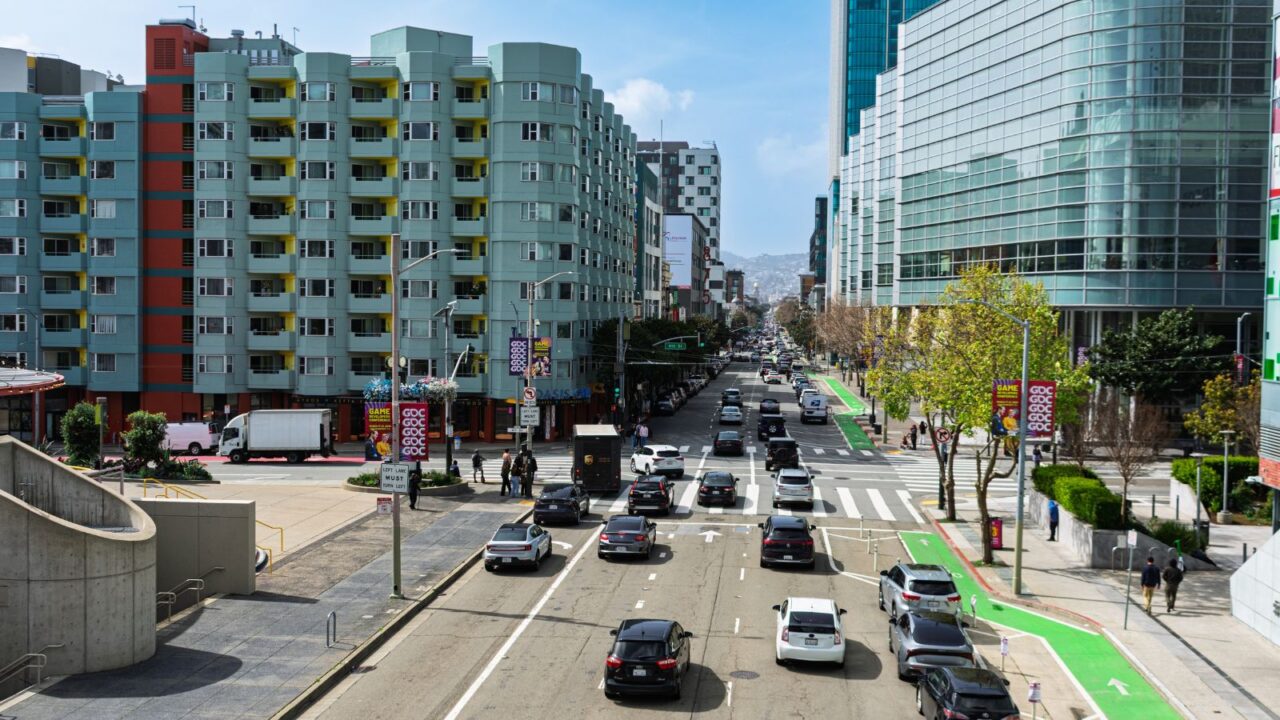
Even if you do not memorize every map, lock in the time window. SFMTA says Super Bowl Experience-related impacts can run from Friday, January 30 through early Tuesday, February 10. That includes rolling closures around key streets near Moscone.
So if you arrive that weekend, expect detours, blocked curbs, and confusing pickups. Build buffer time into dinner reservations and rideshare plans. A “walk first, ride second” mindset keeps you from getting stuck. It is the easiest stress reducer.
Use tap-to-pay to move faster
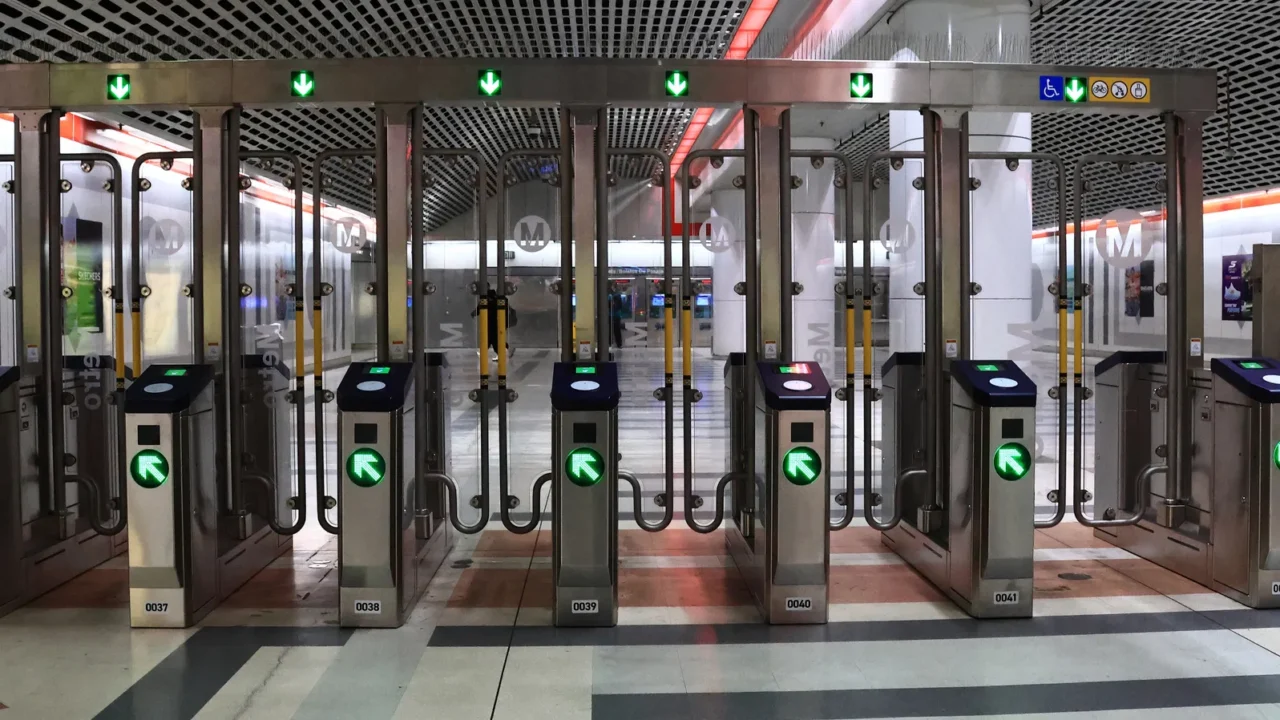
Game week lines are real, so make payment simple. Caltrain says riders can pay adult fares with contactless bank cards and mobile wallets, not just a separate transit card. That is huge when you are juggling bags and crowds.
BART also supports contactless tap-to-pay at gates, so you can move without hunting for a kiosk. The practical win is speed, especially when events let out at the same time. Keep one card ready and do not overthink it. The less friction, the more fun.
Super Bowl week is just the warm-up. See how the 2026 FIFA World Cup is shaping up to drive major travel demand across U.S. host cities.
Plan your post-game exit now
Leaving the stadium is where trips fall apart, so plan that piece first. VTA says it will run extra return service for up to two hours after the game ends, and it encourages riders to get to return stops right away.
If you are staying along Caltrain, check late-night options and know your last train. Caltrain even posts post-game departure times from Mountain View for major Levi’s Stadium events. That kind of detail saves you from panic-walking at midnight. It is boring planning that pays off.
Curious what an Olympic host town feels like before the crowds arrive? Head to what life is like in Cortina as athletes get ready for the games.
Where would you stay for Super Bowl week and why? Share your thoughts and your view in the comments.
This slideshow was made with AI assistance and human editing.
Don’t forget to follow us for more exclusive content right here on MSN.
Read More From This Brand:
