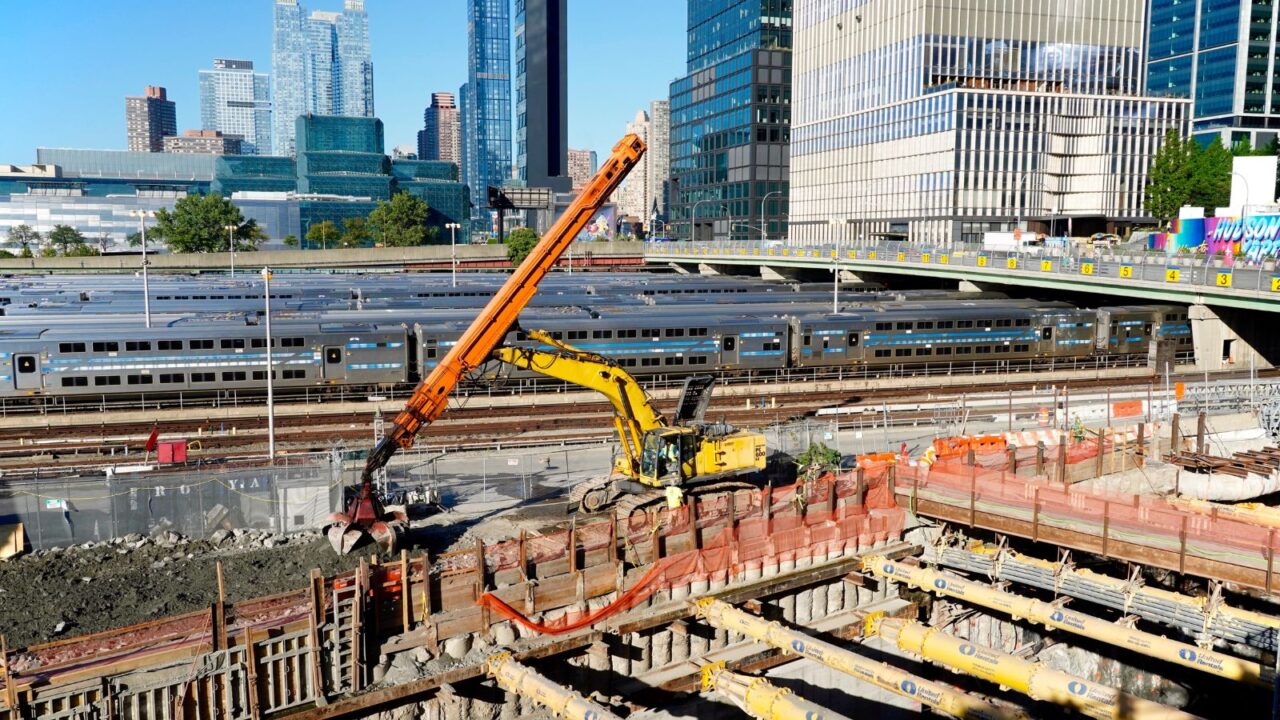
The tunnel work that almost stalled
If you commute into New York City, this was the kind of headline that makes you check your train app twice. A key Hudson River rail tunnel project hit a money wall in early February, and the fear was simple: no reimbursements, no work.
That crisis has now eased. On Feb. 18, 2026, the Gateway Development Commission said it had ‘received the full reimbursement owed to us from the federal government and now has more than $205 million available’ and that letters were being sent to contractors with construction activities expected to resume the following week.
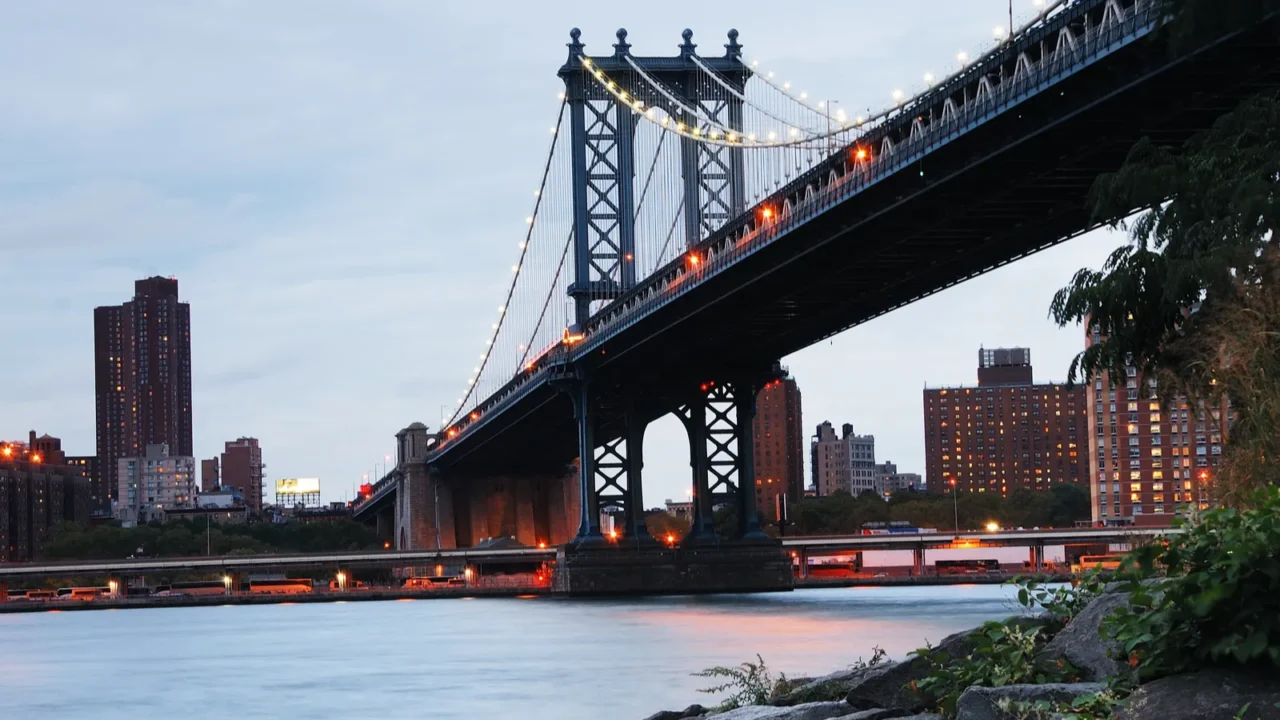
Hudson rail Gateway program
This is not a new subway line or a fancy station makeover. The Hudson Tunnel Project is about building new rail tunnels under the Hudson River and fixing the old ones, and it is a core piece of the larger Gateway Program.
In plain terms, it protects the rail link between New Jersey and Manhattan. That link carries NJ Transit and Amtrak trains and supports daily regional travel, which is why any funding hiccup instantly becomes a commuter story.

The freeze that triggered the shutdown
The funding trouble traces back to a federal freeze that began in October 2025. By late January, project officials warned the cash flow clock was ticking. They said the project was burning through temporary financing just to keep crews going.
When that stopgap ran out, a work stoppage began on Feb. 6, hitting multiple sites and forcing a pause that made an already expensive project even harder to restart.
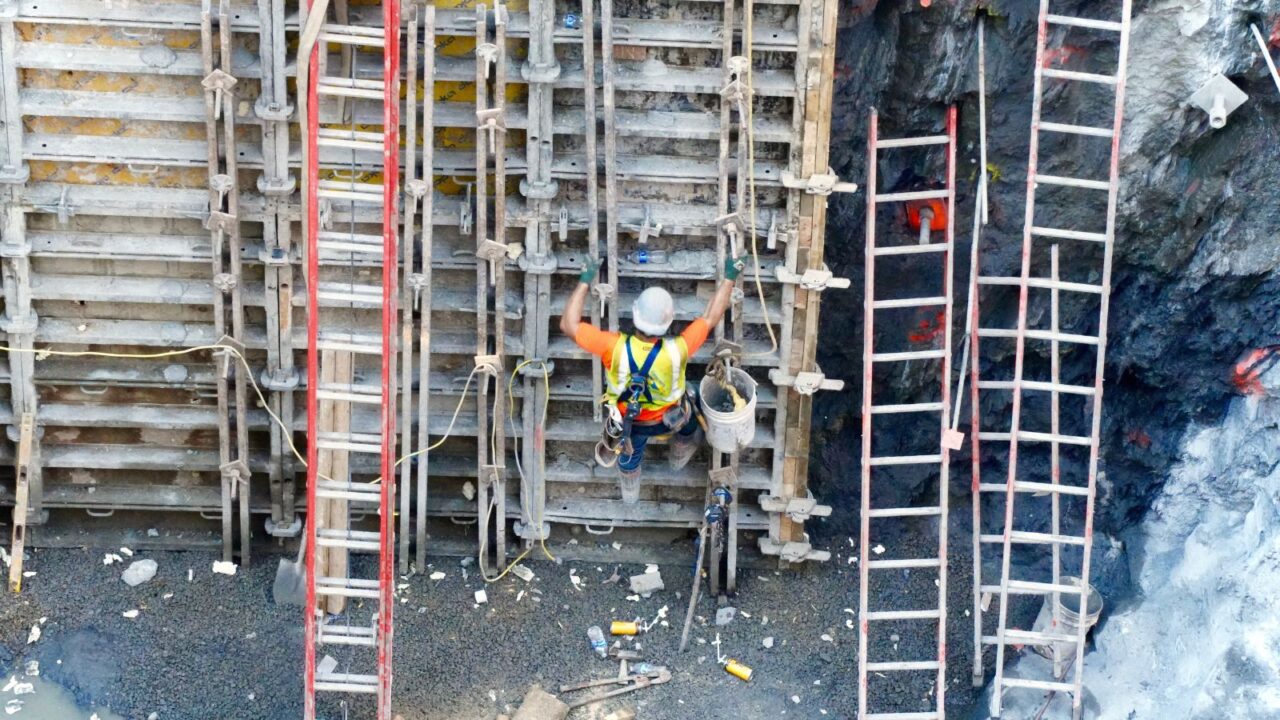
A stoppage that sidelined 1,000 workers
This was not a “slow week” on the job site. Reports said about 1,000 workers were idled as the project paused, which meant a lot of paychecks across the region suddenly went into limbo.
Now that the reimbursements have been released, the focus is on remobilizing safely and fast. Several reports indicated that workers were expected to head back as the restart window hit the week of Feb. 23.

The missing $205 million problem
New York and New Jersey said roughly $205 million in federal reimbursements — frozen since Oct. 1 — were being withheld, and they sued the Department of Transportation to compel disbursements. That missing money was tied to work already moving forward, and without it, the project’s cash flow tightened to the point of stopping.
That is the key update now: officials say the full reimbursement has been released, removing the immediate threat of a total shutdown. The bigger question is whether payments stay stable for a multi-year build that will keep burning cash every week.

Lawsuit pressure changes the timeline
New York and New Jersey went to court to challenge the freeze, arguing the funding pause was unlawful. A federal judge issued an order that pushed the disbursement process forward, and officials have pointed to that court pressure as the turning point.
Even with cash now flowing, the legal fight remains part of the story. The commission’s own statement said it is still pursuing its lawsuit as it looks for long-term certainty on the full federal commitments behind the project.
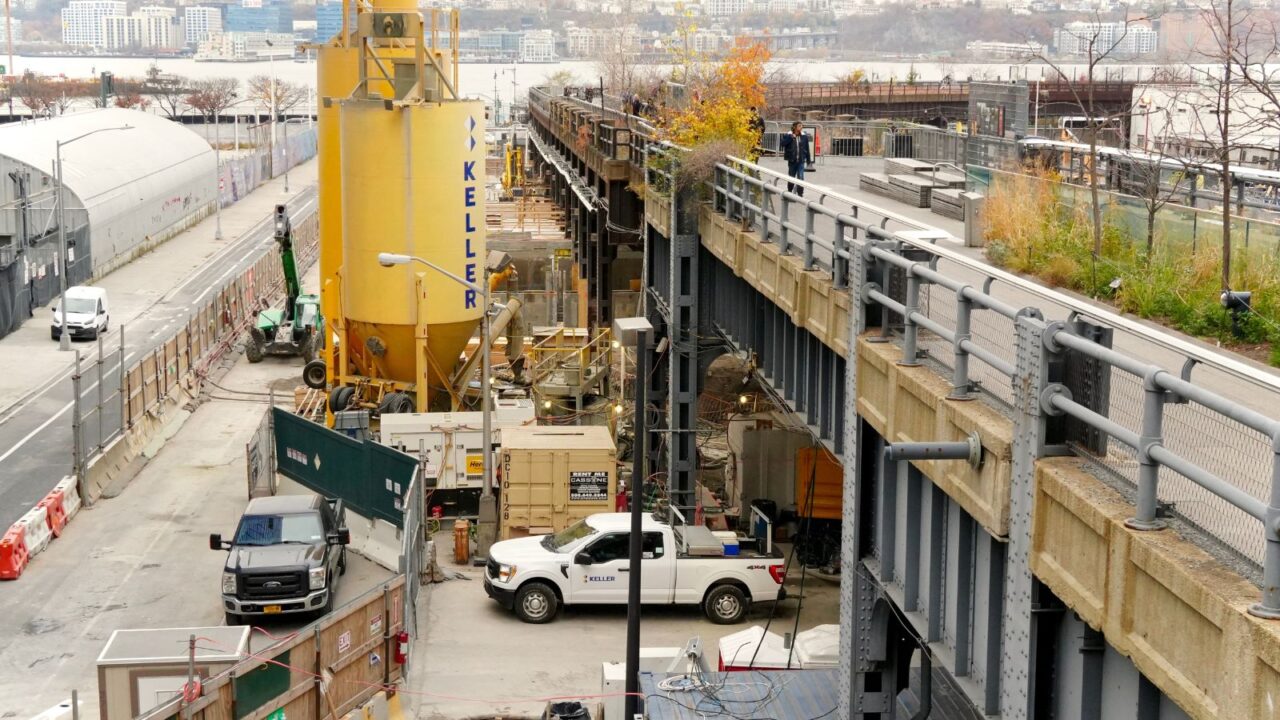
First came a $30 million release
The first sign of movement came on Feb. 13, when $30 million was released out of the withheld total. It was progress, but it was not enough to instantly restart a major build that had already begun powering down.
Project leaders still had to plan a restart safely: rebook crews, reschedule deliveries, and get sites ready to ramp back up. In construction, money arriving is step one, not the finish line.

Then an additional $77 million arrived
On Feb. 17, another $77 million was released, bringing the total freed at that point to roughly $107 million. The pressure was easing, but the project was still working through restart logistics.
That partial release mattered because it signaled the freeze was actually breaking, not just being “reviewed.” It also gave contractors enough confidence to start lining up crews, deliveries, and site schedules, even though full funding still had to land.
Little-known fact: Report says the Northeast Corridor region generates about 20% of U.S. GDP, highlighting why this rail link is treated as national infrastructure.

February 18 brought the final chunk
Court orders and legal pressure produced staged releases: USDOT released $30 million on Feb. 13 and then another $77 million on Feb. 17, bringing the total released at that point to $107 million. The Gateway Development Commission then said it had more than $205 million available on Feb. 18. Some national reports that tracked later disbursements noted still larger cumulative releases — Reuters reported later in the week that total releases reached roughly $235.7 million — so totals quoted across outlets evolved as additional disbursements were processed.
The Gateway Development Commission said it received the full reimbursement and began notifying contractors, with construction activity expected to resume next week. Reports also pointed to the restart window landing as of Feb. 23.
Little-known fact: Gateway’s December 2025 Hudson Tunnel Project overview says about 450 trains carrying roughly 200,000 riders travel between New York and New Jersey each day.
Why the old tunnels are a big deal
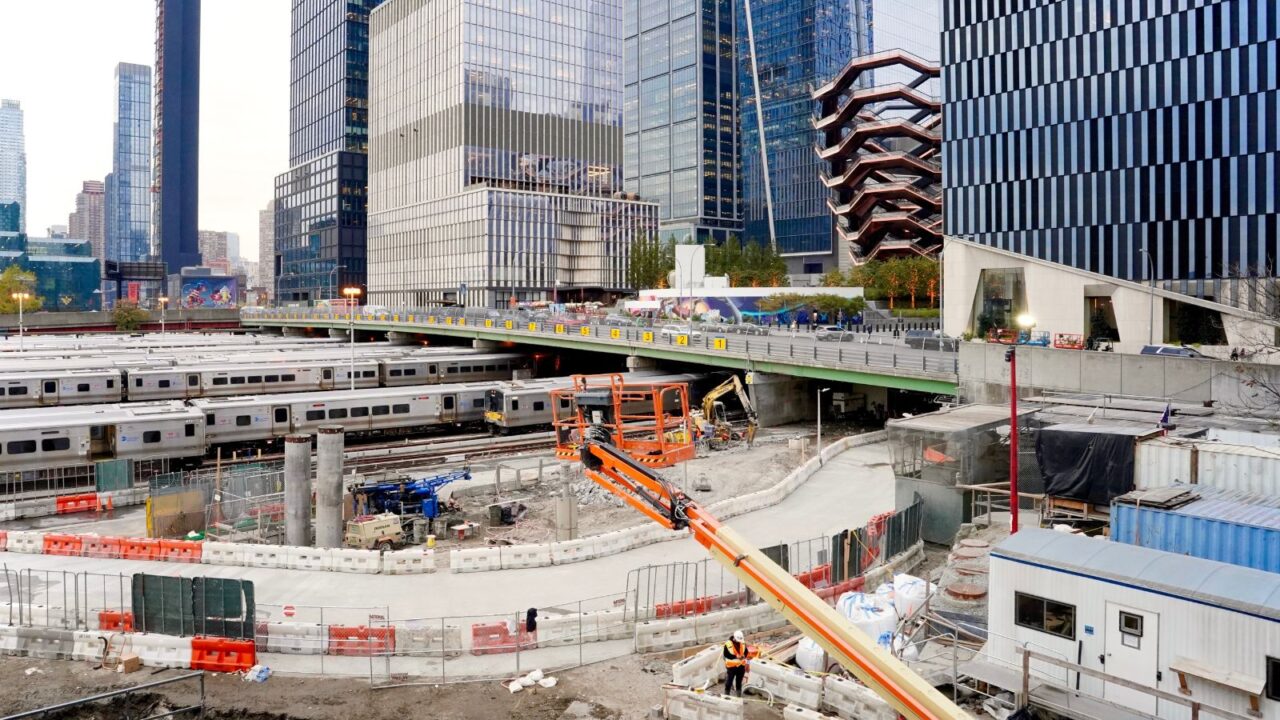
People hear “new tunnels” and assume it is a nice-to-have upgrade. The bigger issue is the existing tunnel’s age and condition, and Gateway describes it as a chronic source of delays for daily riders.
The plan is two-part: build new tubes, then rehabilitate the old ones. That sequencing matters because you cannot fully shut the current tunnels without a backup route, and that is why project continuity and stable funding matter so much.
Fun fact: The existing North River Tunnel has been in service since 1910, according to Gateway Program project materials.
The Hurricane Sandy damage factor
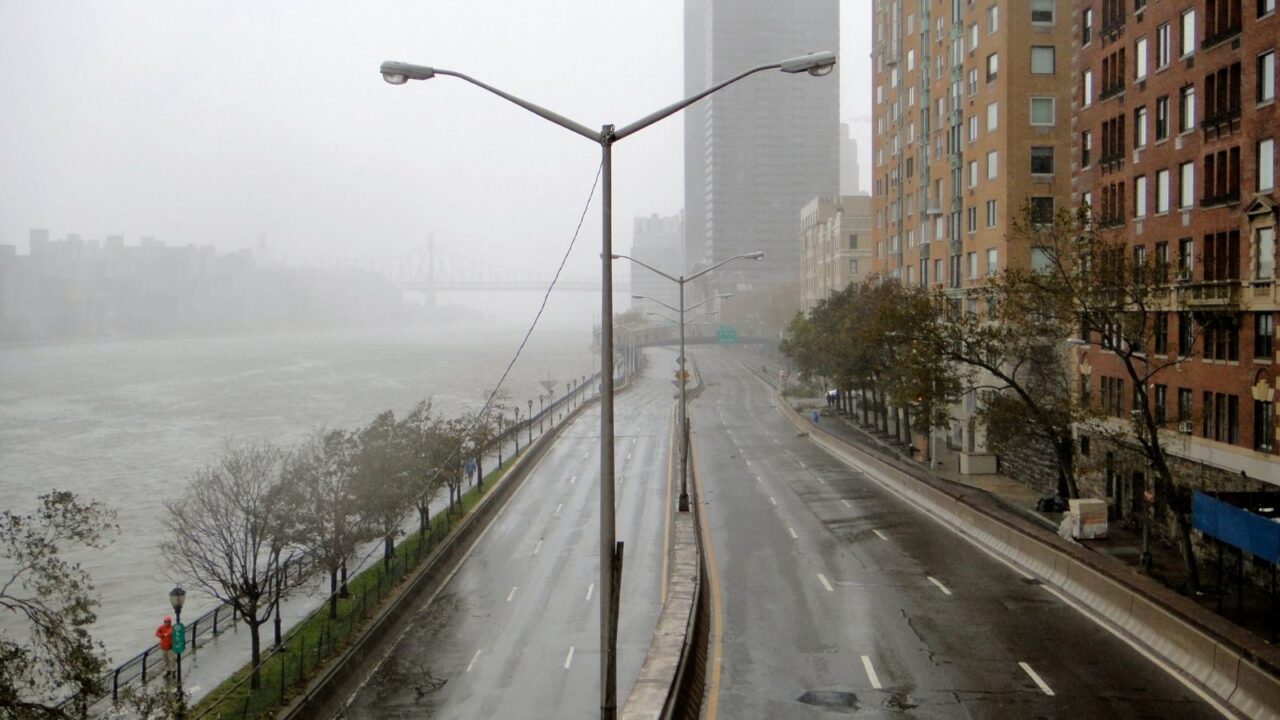
Hurricane Sandy flooded critical rail tunnels in 2012 and left behind saltwater damage. Amtrak has said the saltwater exposure damaged key structural and system components. That kind of corrosion is slow, but it keeps getting worse.
This is why officials call the Hudson tunnel work urgent. Delays aren’t just annoying; they can become reliability risks. That urgency is a big reason states fought so hard to keep construction moving.

What a long pause could cost
Officials warned that a prolonged halt could get expensive beyond the job site. A big tunnel stop can trigger contract issues, schedule resets, inflation hits, and worker retention problems if crews move on to other projects.
That is why the February pause raised alarms quickly, and why leaders keep talking about “certainty” even after the reimbursement release. The goal now is avoiding another surprise crunch that forces a second shutdown.
Want to know why some businesses are rethinking New York right now? Check out the budget gamble that could push more companies out of New York.

The court fight isn’t fully over
Even with funding restored, legal filings continue in the background. Reports have described ongoing appeals and continued litigation tied to how the disbursement pause happened in the first place.
For commuters, the practical question is stability. Will reimbursements keep flowing smoothly as work ramps up again, or will the project keep getting pulled into political and legal fights that disrupt the schedule?
Wondering why new tunnel projects feel urgent while cross-country rail keeps shrinking? Check out why long-distance passenger trains are declining across the U.S.
Do you think projects this critical should have “automatic” funding protection once construction starts? Share your thoughts and your view in the comments.
This slideshow was made with AI assistance and human editing.
Don’t forget to follow us for more exclusive content right here on MSN.
Read More From This Brand:
