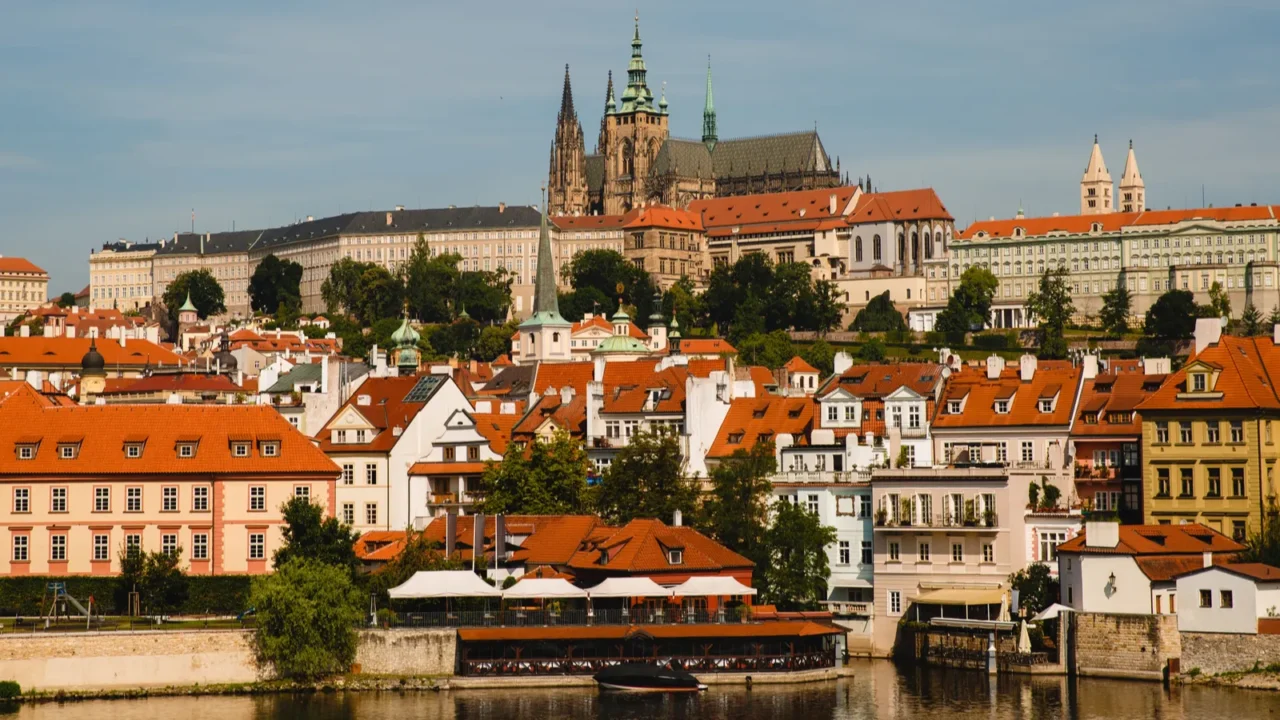
Europe on a budget
Rick Steves has long encouraged travelers to explore Europe with cultural depth while staying on budget. His approach emphasizes experiences over luxury, showing that thoughtful choices in lodging, meals, and transportation create rich memories.
By prioritizing local culture, history, and people over expensive hotels or tours, travelers enjoy immersive, authentic European adventures that are both affordable and unforgettable.
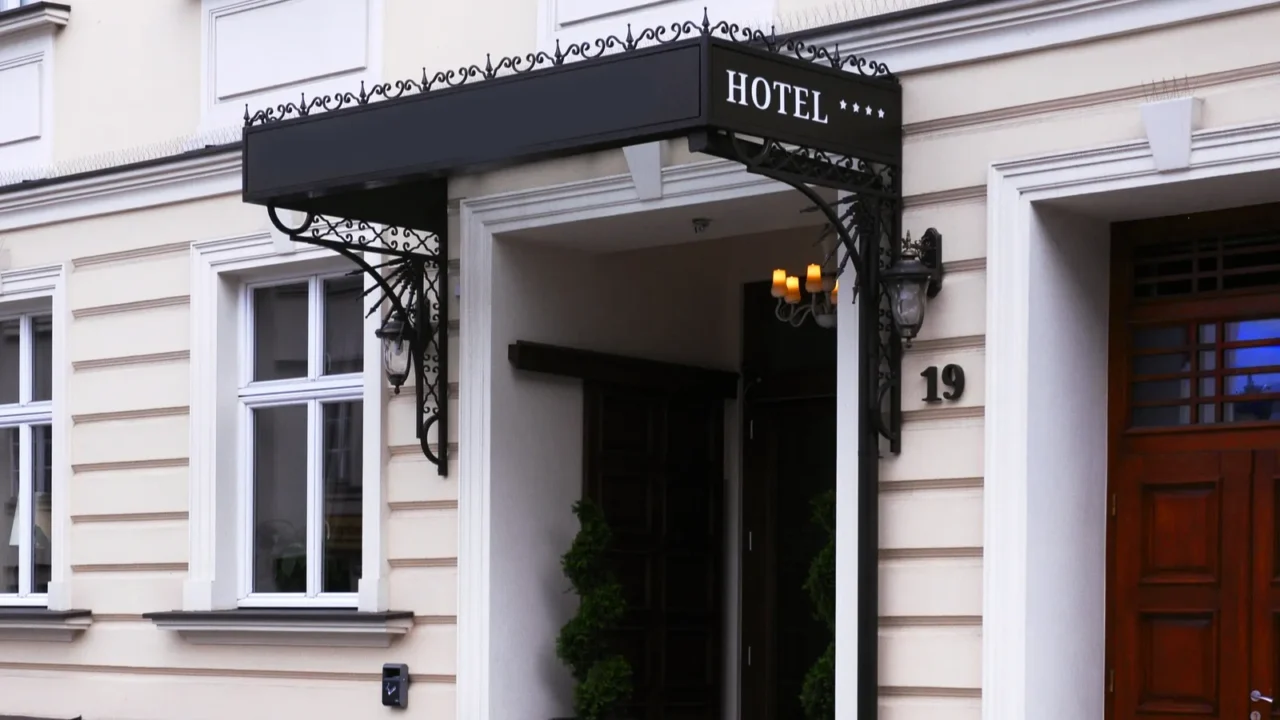
Skip tourist hotels
Steve encourages staying in small inns or family-run hotels in cities like Lisbon, Krakow, and Seville. These lodgings provide local charm at lower rates, often including breakfast and insider neighborhood tips.
Booking directly with hosts can unlock special rates and guidance, allowing travelers to save money while connecting with local culture in a more personal, authentic way.
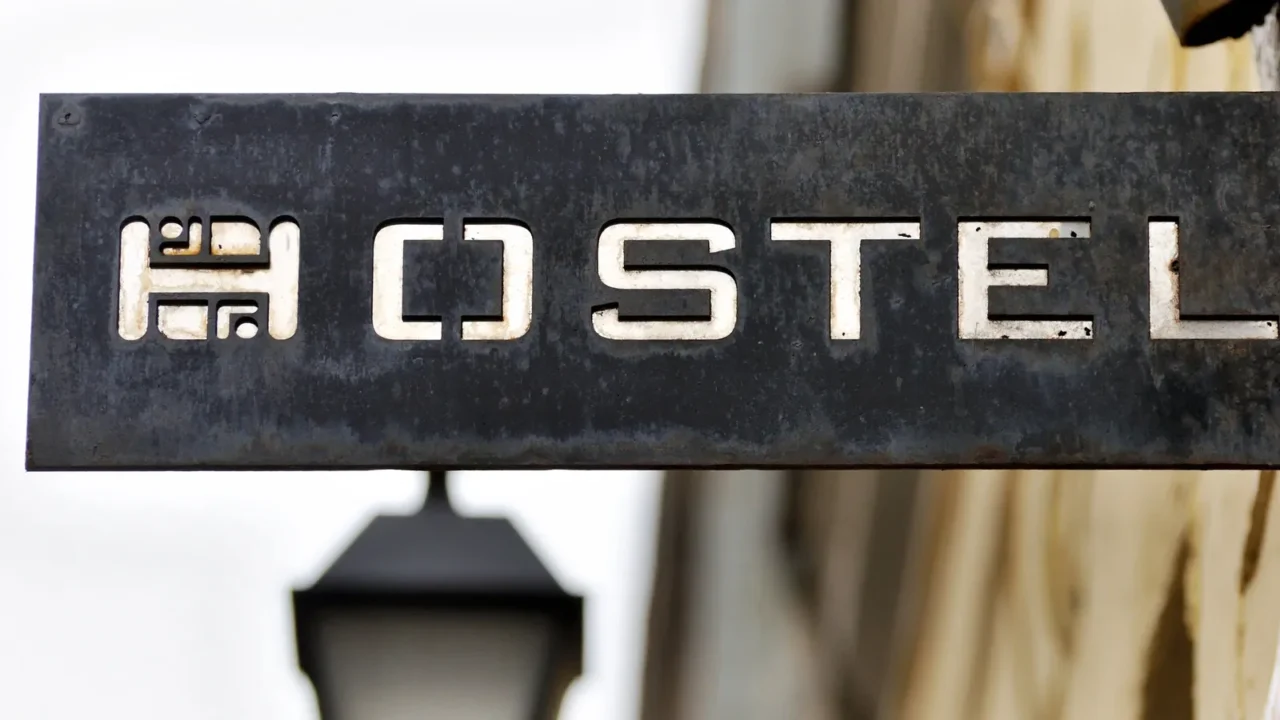
Hostels for everyone
Modern hostels now offer private rooms, lounges, and kitchens, appealing to travelers of all ages. They save money on lodging and food while providing a vibrant community atmosphere.
Staying in hostels allows visitors to experience local neighborhoods, markets, and cafes while stretching their budget without sacrificing comfort or safety.

Local eats tip
Steves reminds travelers that eating where locals eat is often cheaper and more authentic than dining at tourist-focused restaurants. Markets, bakeries, and street food vendors provide affordable, fresh meals reflecting regional flavors. Sitting in a city square with bread, cheese, and wine can become a memorable cultural experience.
Fun fact: Venice’s famous Rialto Market dates back to the late 11th century and remains a vibrant hub of food and trade, reflecting centuries of the city’s commercial history.
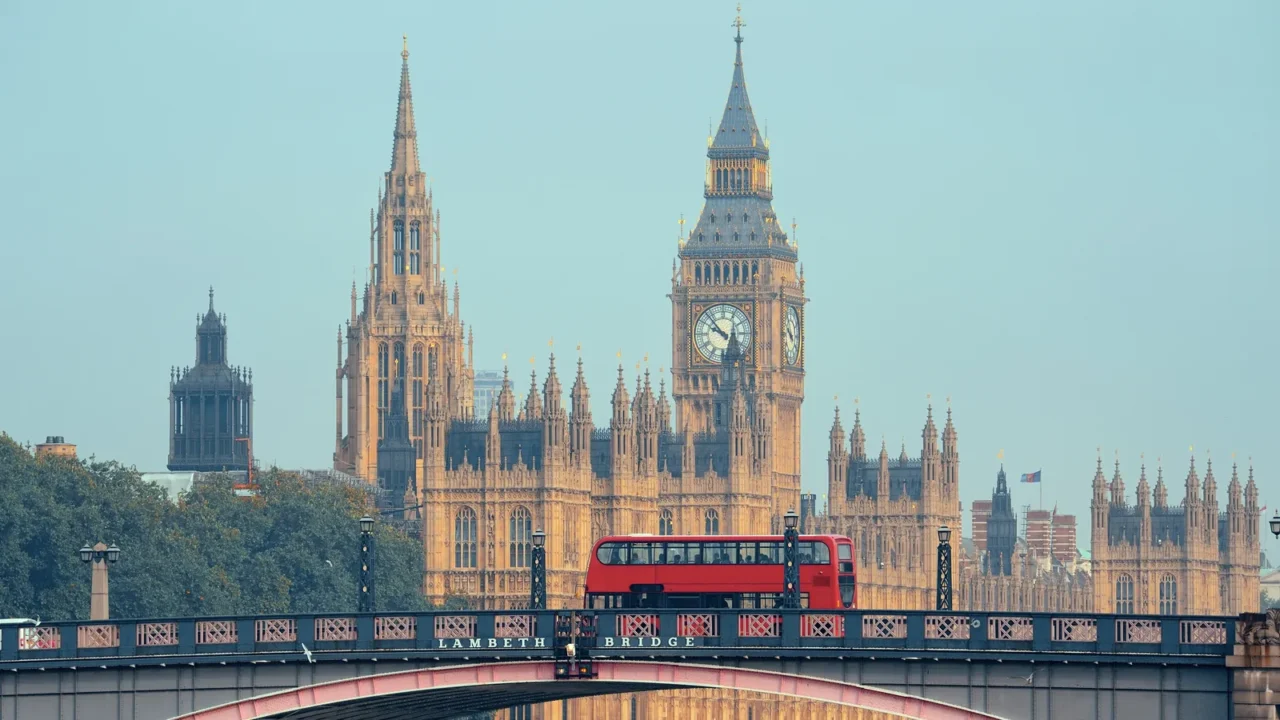
Public transit wins
European cities have reliable, cost-effective public transportation networks. Steve suggests using day or multi-day passes to explore cities like Berlin, Milan, and Zurich, saving money while accessing neighborhoods and attractions that taxis might miss.
Using buses, trams, and metro systems reduces costs and connects travelers with local life in ways private vehicles cannot replicate.
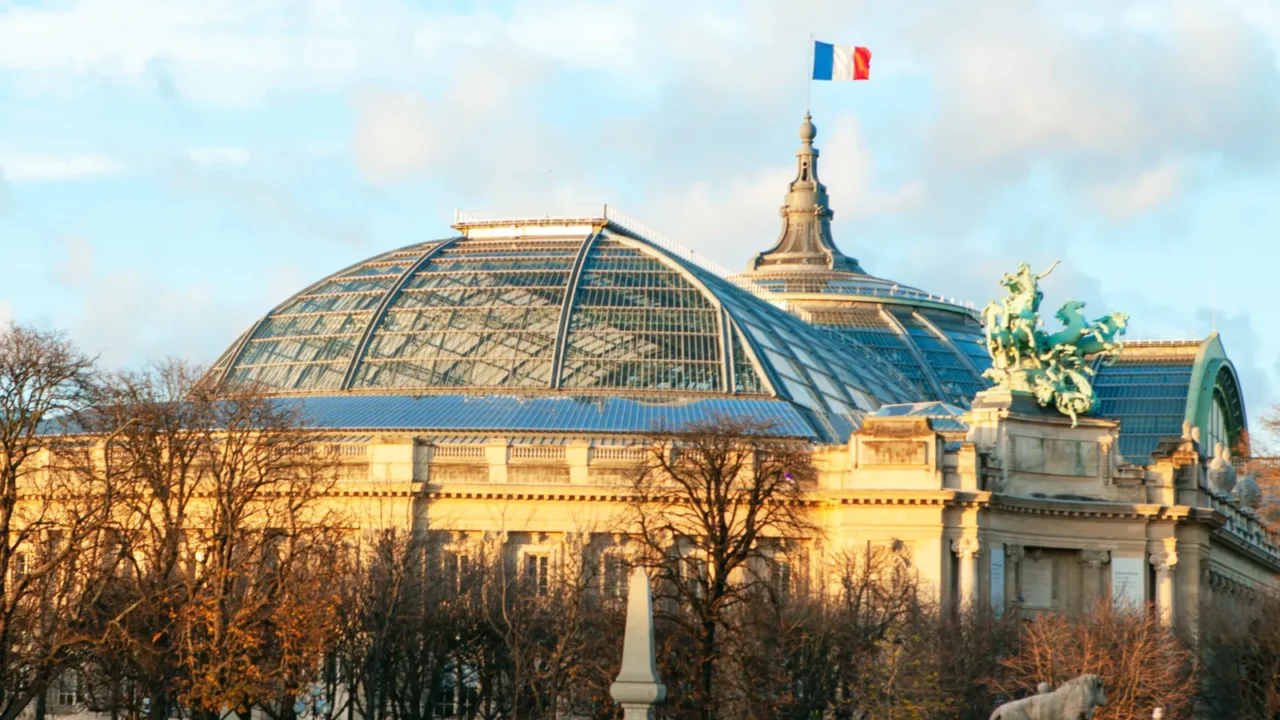
Museum pass magic
City museum passes can save significant money. Steve highlights that Paris passes grant access to dozens of museums and monuments at one combined price, eliminating multiple entry fees.
Fun fact: The Paris Museum Pass lets travelers access over 50 museums and monuments, including the Louvre and Versailles, for a single price that often costs less than buying individual admissions.
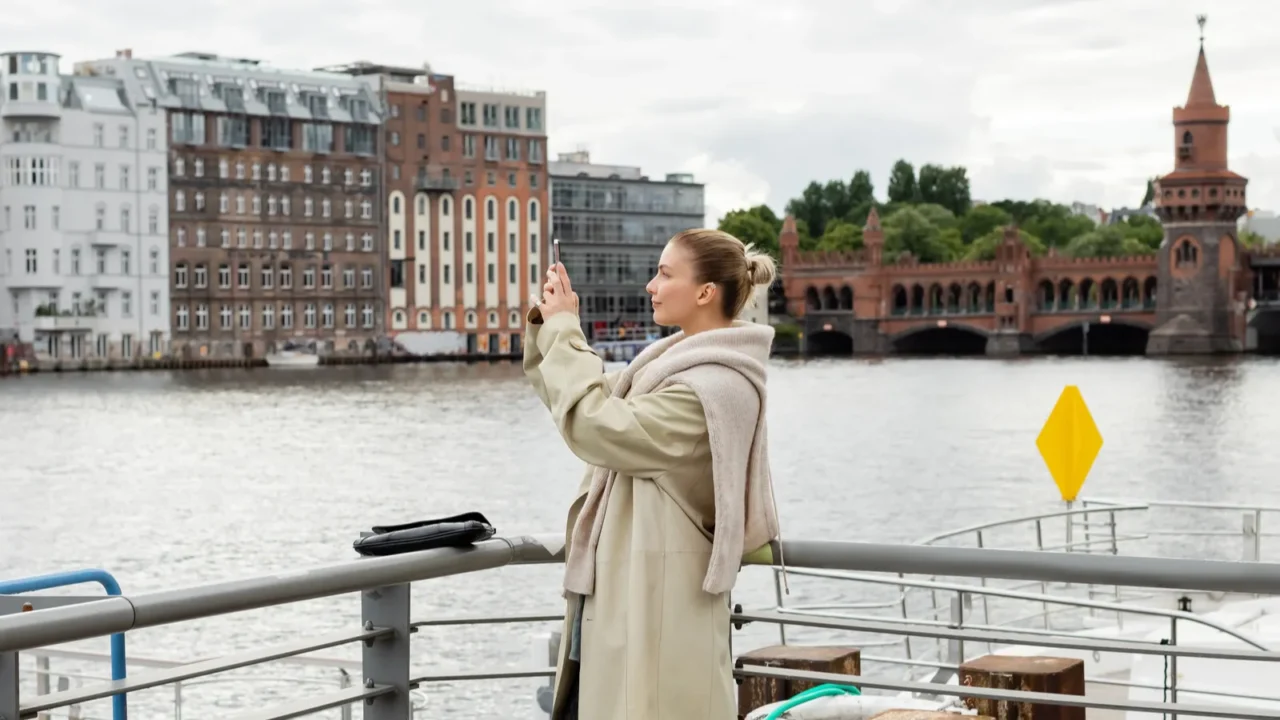
Shoulder season wins
Traveling during shoulder seasons, such as spring or early fall, lowers flight and lodging costs and reduces crowds. Steve notes that locals have more time to share insights, and cultural sites feel less hectic.
Visiting cities outside peak months allows relaxed exploration and lets travelers enjoy attractions at their own pace without paying peak-season prices.
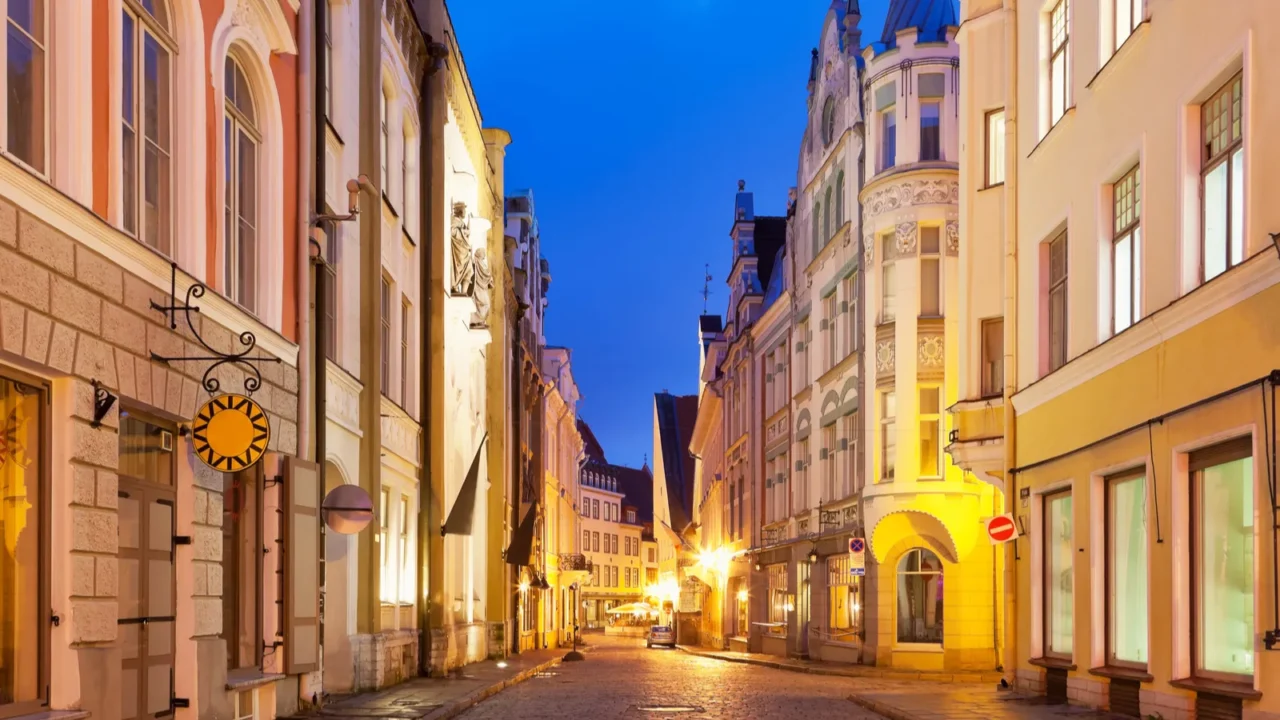
Walk and save
Many European city centers are walkable. Exploring on foot reveals hidden plazas, artisan shops, and quiet cafes often missed by public transit or taxis. Walking also reduces transportation costs, keeping your budget on track.
Strolling through streets and neighborhoods immerses travelers in local life and allows for unplanned discoveries that become lasting memories.
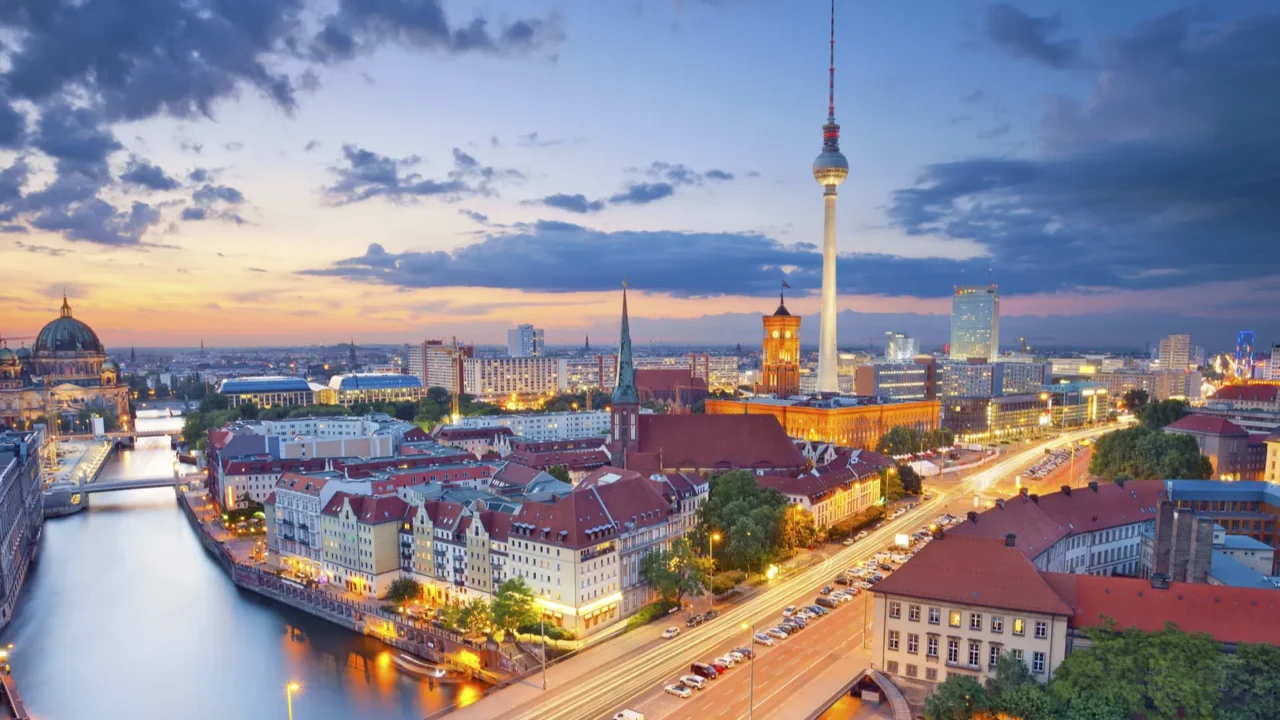
Free culture finds
Several European capitals provide low-cost or free cultural experiences. Steves notes that many European cities, including Berlin and Vienna, offer select museums with periodic free entry days, along with open-air concerts and public walking tours. Travelers can enjoy a rich heritage without spending much.
Free access to cultural landmarks lets budget travelers experience history, art, and music, turning inexpensive days into deeply enriching adventures.
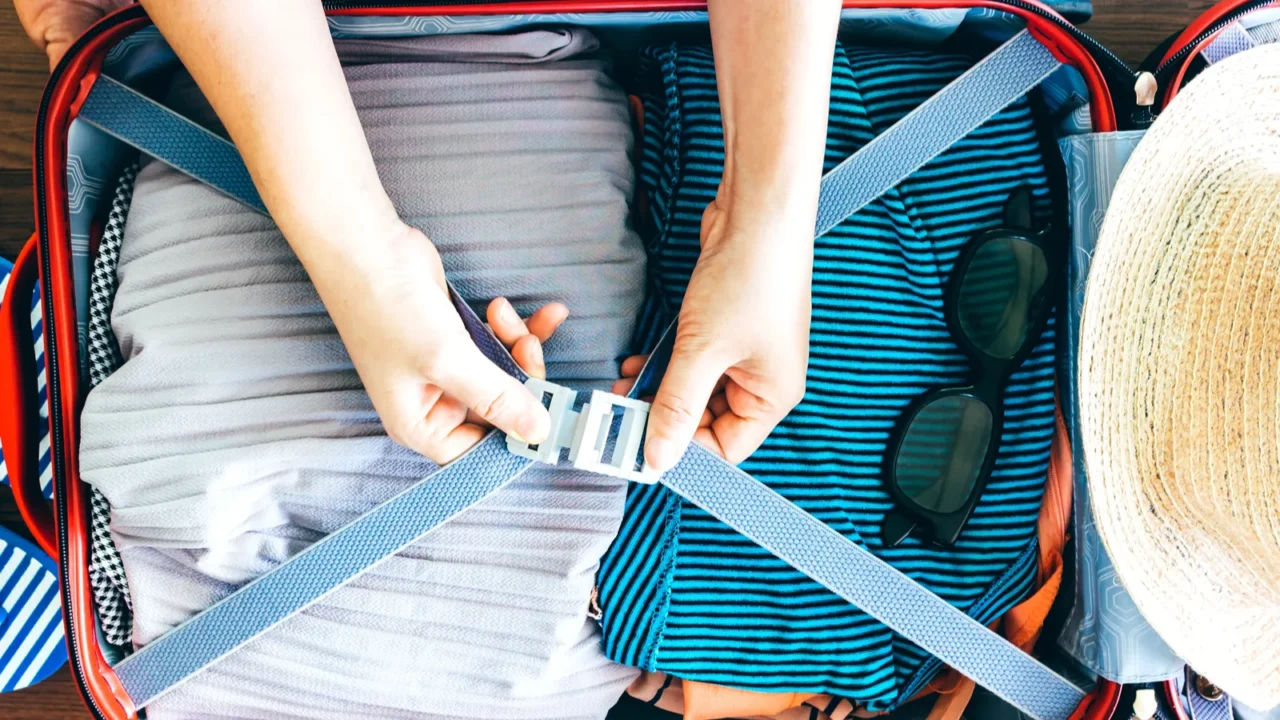
Pack smart, spend less
Packing thoughtfully helps avoid expensive purchases abroad. Layered clothing prepares for unpredictable weather, a reusable water bottle reduces costs, and comfortable walking shoes encourage exploration on foot rather than paying for taxis.
Being prepared reduces reliance on convenience purchases and keeps travelers comfortable while navigating neighborhoods and attractions efficiently.
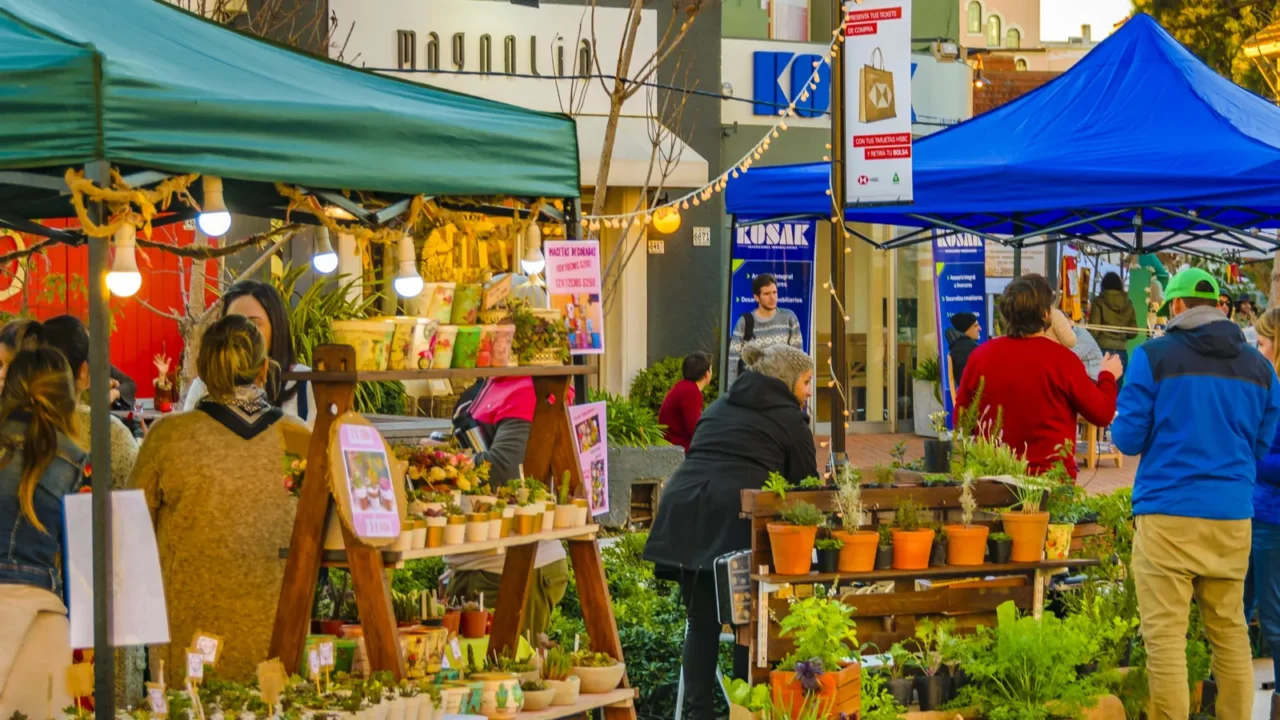
Flexible plans matter
Planning major expenses like transport and attraction tickets is wise. Steve emphasizes leaving room for spontaneous experiences such as street festivals or local events, which often become the most memorable moments.
This balance of preparation and flexibility ensures cost savings while creating unplanned adventures that enrich a European trip.
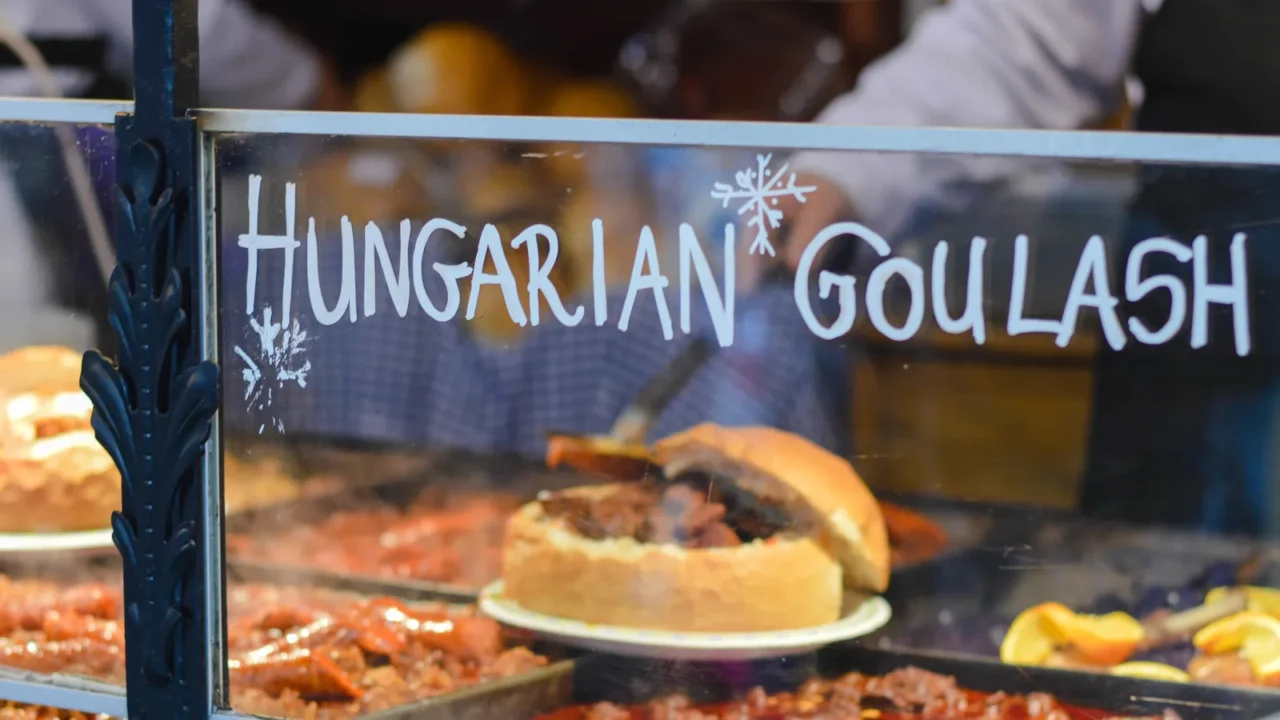
Eastern Europe value
Eastern European cities like Budapest, Prague, and Krakow offer culture, food, and nightlife at lower daily costs than Western capitals. Steves notes that these destinations provide history and charm without requiring a luxury budget.
Choosing Eastern Europe as a base lets travelers enjoy attractions, landscapes, and local life without overspending while experiencing authentic cultural immersion, including lesser-known towns that Rick Steves has highlighted in his travel guides.
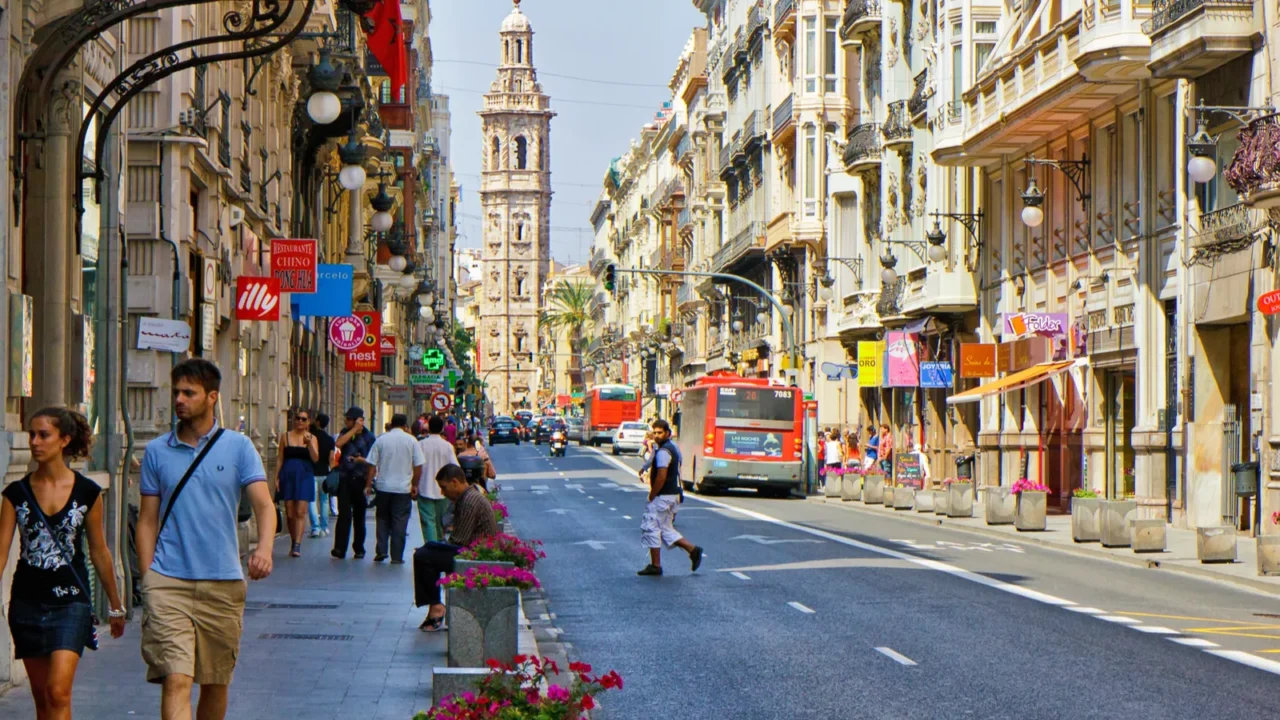
Memories over luxury
Steves reminds travelers that the most valuable experiences often involve immersing themselves in local culture rather than simply spending money. Simple stays, shared meals, and public transit connect travelers to everyday life.
Focusing on meaningful experiences, rather than luxury, often leaves lasting memories that surpass any expensive hotel or meal, creating travel stories to cherish forever and a perspective that shows how budget travel can transform your journey.
What overlooked European destination would you choose for your next adventure? Tell us in the comments.
This slideshow was made with AI assistance and human editing.
Don’t forget to follow us for more exclusive content right here on MSN.
Read More From This Brand:
