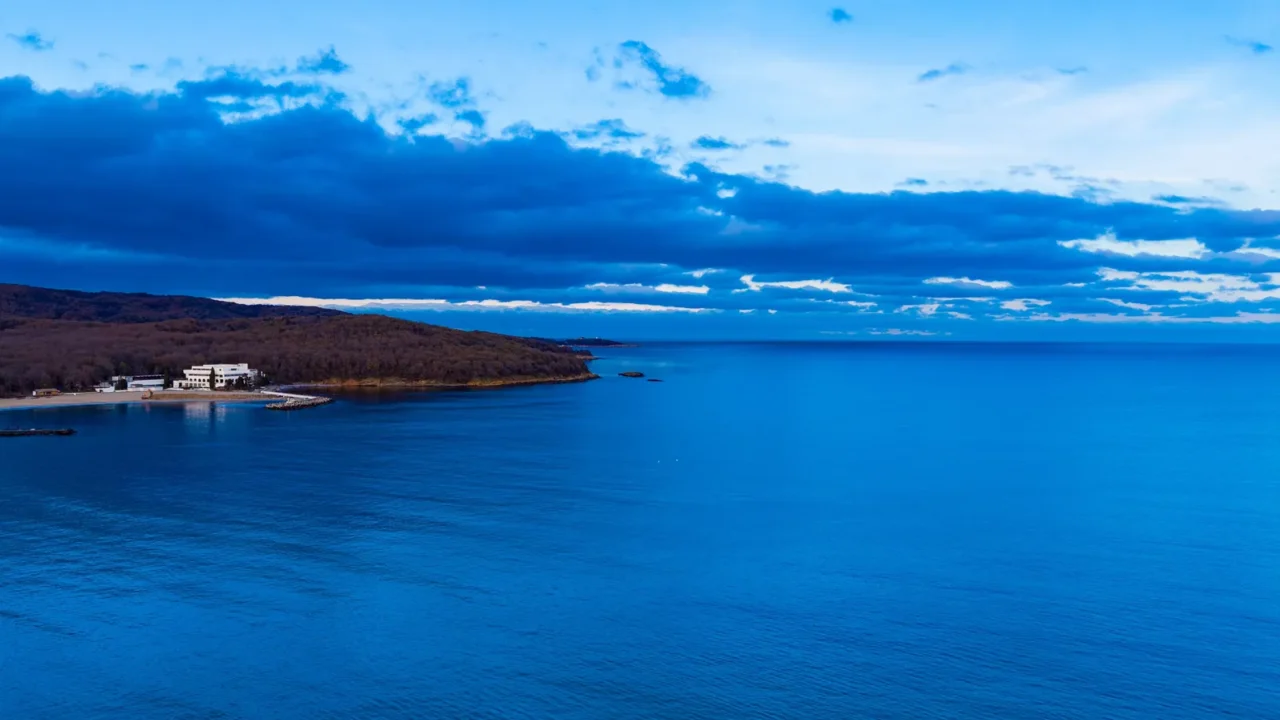
Earth’s disappearing shorelines
Nations at risk of permanent inundation represent one of the defining environmental crises of the 21st century. According to the Intergovernmental Panel on Climate Change, global mean sea levels rose by approximately 0.20 meters between 1901 and 2018, with projections suggesting an additional rise of 0.3 to 1 meter by 2100 under high emission scenarios.
Several sovereign nations, island territories, and major coastal cities now face the realistic possibility of being physically unrecognizable or entirely uninhabitable well before the year 2075 arrives.
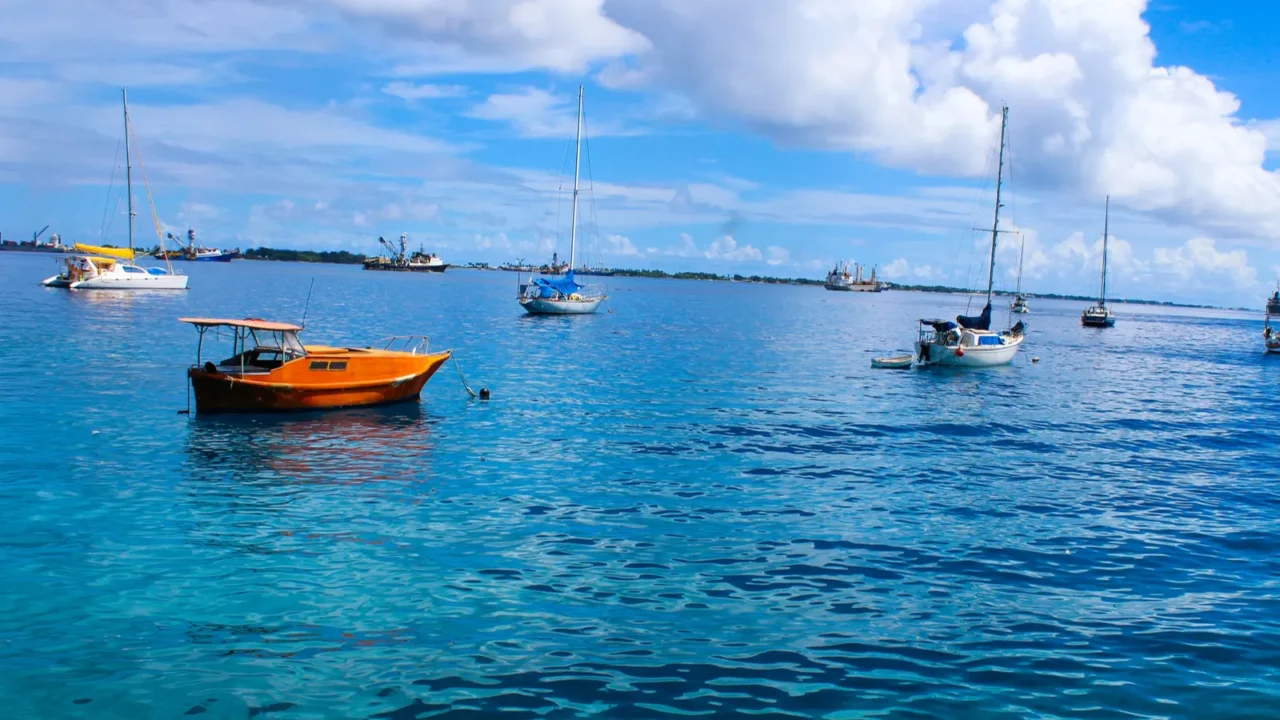
Kiribati is drowning
Kiribati, a Pacific island nation made up of 33 coral atolls, sits no more than two meters above sea level at its highest point. The United Nations Environment Programme has confirmed that king tide flooding already swallows entire villages for weeks at a time, pushing families to abandon ancestral land their communities have called home for over 3,000 years.
The government of Kiribati has already purchased land in Fiji as a contingency plan, a move that signals just how seriously officials view this existential threat to their country’s survival.
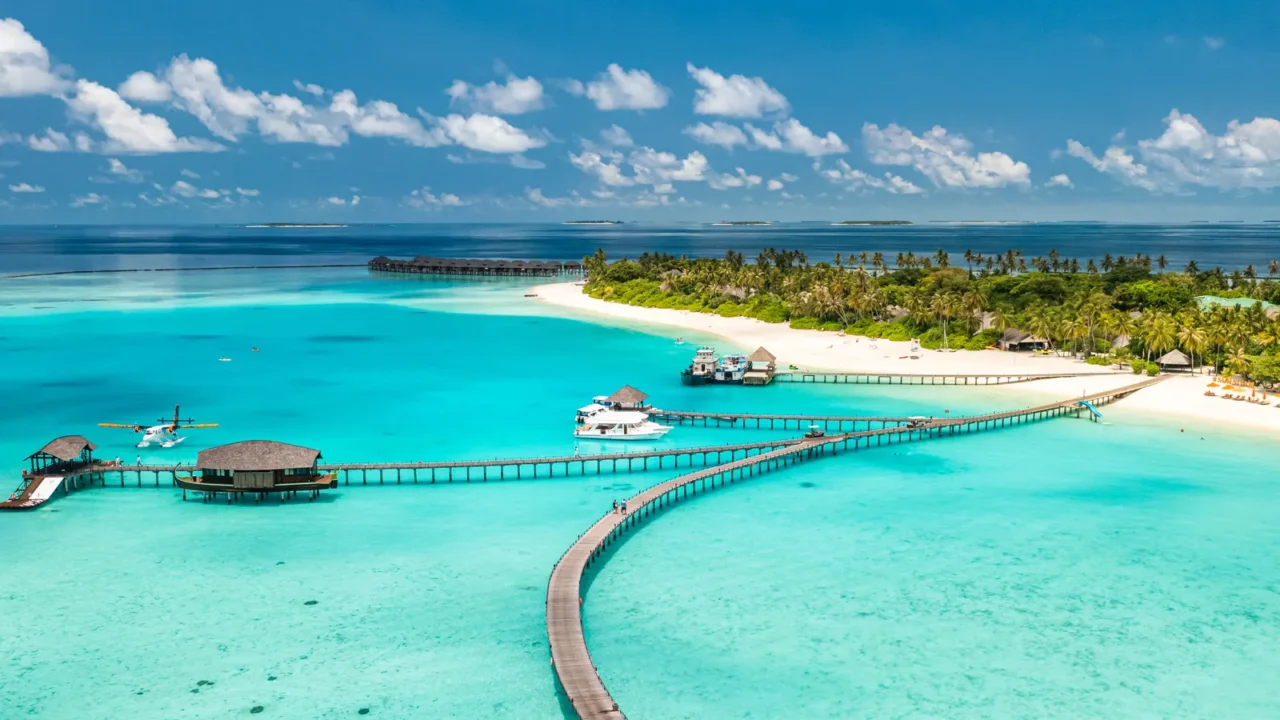
Maldives going under
The Maldives, composed of 1,192 coral islands in the Indian Ocean, holds the distinction of being the lowest-lying country on Earth, with an average ground elevation of just 1.5 meters above sea level. World Bank climate assessments warn that without significant adaptation measures, large portions of the Maldives could face severe flooding and freshwater stress by mid-century.
Scientists have warned that saltwater intrusion is already destroying the freshwater lenses beneath individual islands, a threat that is accelerating faster than most government adaptation plans were originally designed to address.

Bangladesh’s reckoning
Bangladesh contains roughly ten percent of its total landmass within the Ganges Delta, making it one of the most flood-vulnerable nations on the planet. Research published by Climate Central estimates that up to 17 percent of Bangladesh’s land area could face chronic coastal flooding by mid-century under high-emission scenarios, displacing over 20 million people from their homes across the low-lying southern coastal districts.
The compounding threat of cyclone intensification, river erosion, and saltwater intrusion into freshwater sources means the country faces multiple simultaneous crises that individually would already be devastating.
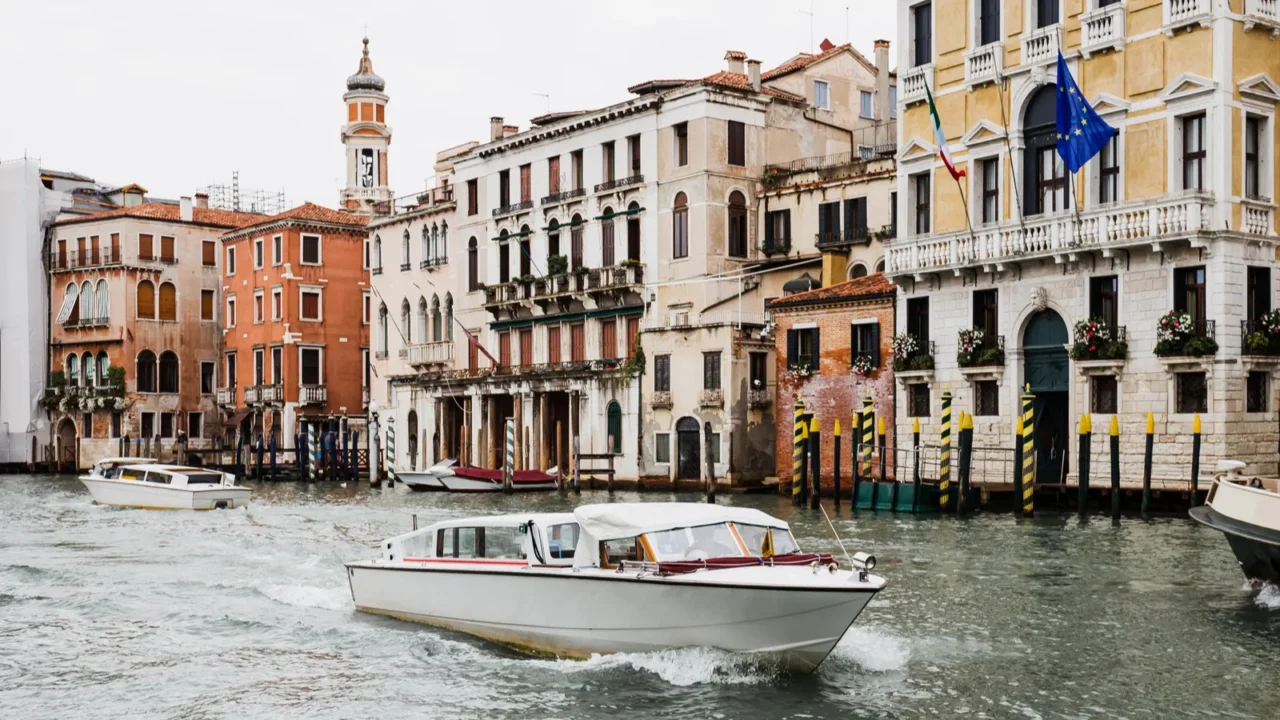
Venice is sinking
Venice has been sinking gradually into the Adriatic Sea for centuries, but rising sea levels have sharply accelerated the timeline of concern among scientists and preservationists worldwide.
The city experienced a catastrophic flooding event in November 2019 when water levels reached 187 centimeters, the highest surge recorded since 1966, submerging roughly 85 percent of the entire historic city center.
Tuvalu’s last stand
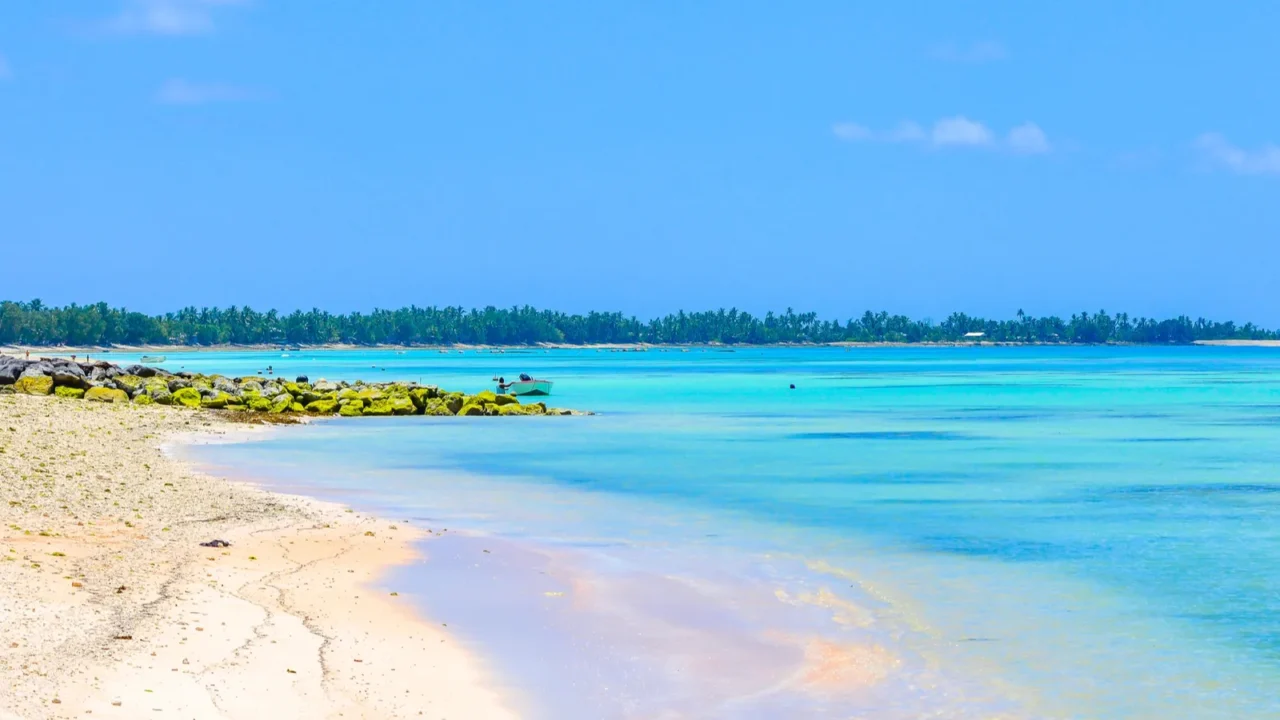
Tuvalu, a Polynesian island nation located between Hawaii and Australia, is so threatened by rising seas that its government has taken the unprecedented legal step of declaring itself a digital nation, meaning it will maintain sovereignty even if its physical land disappears entirely beneath the Pacific Ocean. The nation’s nine islands average just three meters above sea level, with storm surges already reaching the center of the main atoll during severe weather events.
The Tuvaluan government has also begun negotiating agreements with New Zealand and Australia to relocate its entire population gradually, a process that represents the first planned and permanent disappearance of a sovereign nation in recorded human history.
Miami’s borrowed time
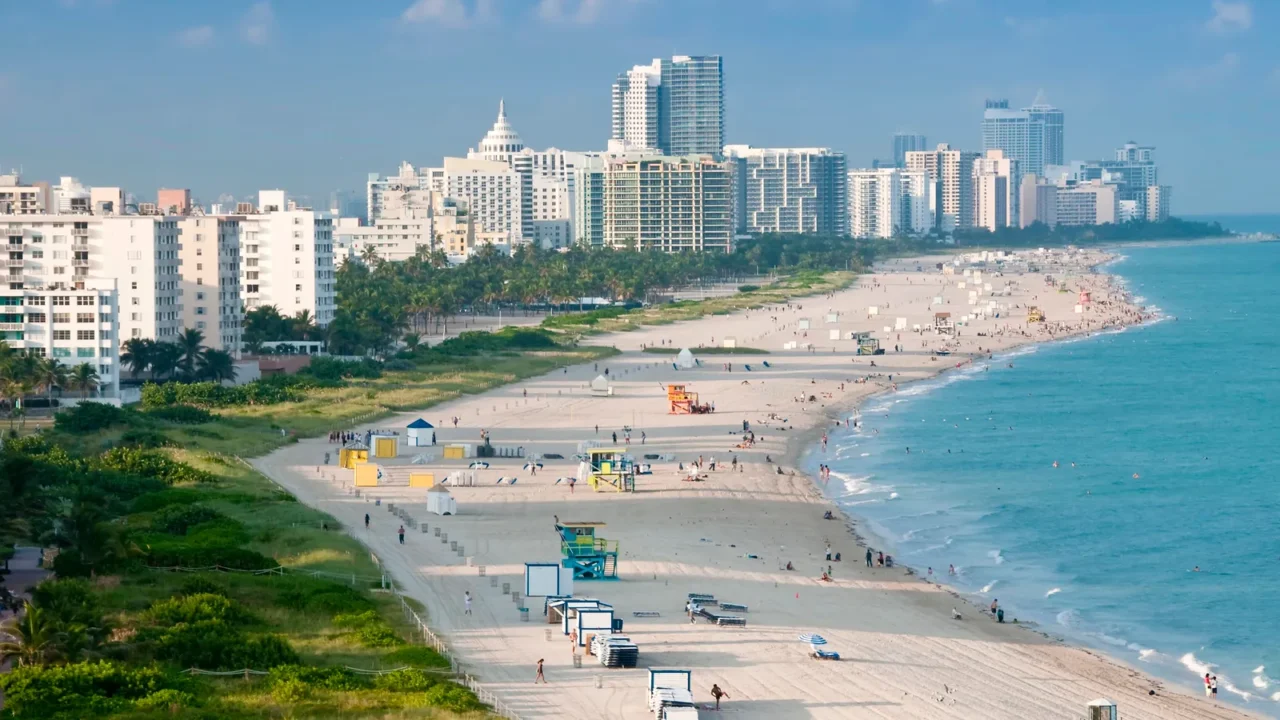
Miami sits on porous limestone bedrock that makes traditional flood barriers largely ineffective, creating a city uniquely ill-equipped to fight back against the ocean swallowing its streets. The National Oceanic and Atmospheric Administration has documented a tidal flooding increase of over 400 percent in Miami since 2000, with projections indicating that some neighborhoods could experience chronic daily flooding as soon as 2035 under moderate sea level rise scenarios.
The Union of Concerned Scientists has identified Miami Beach as one of the American communities most likely to become functionally uninhabitable within the lifetimes of people already living there today.
Jakarta is collapsing
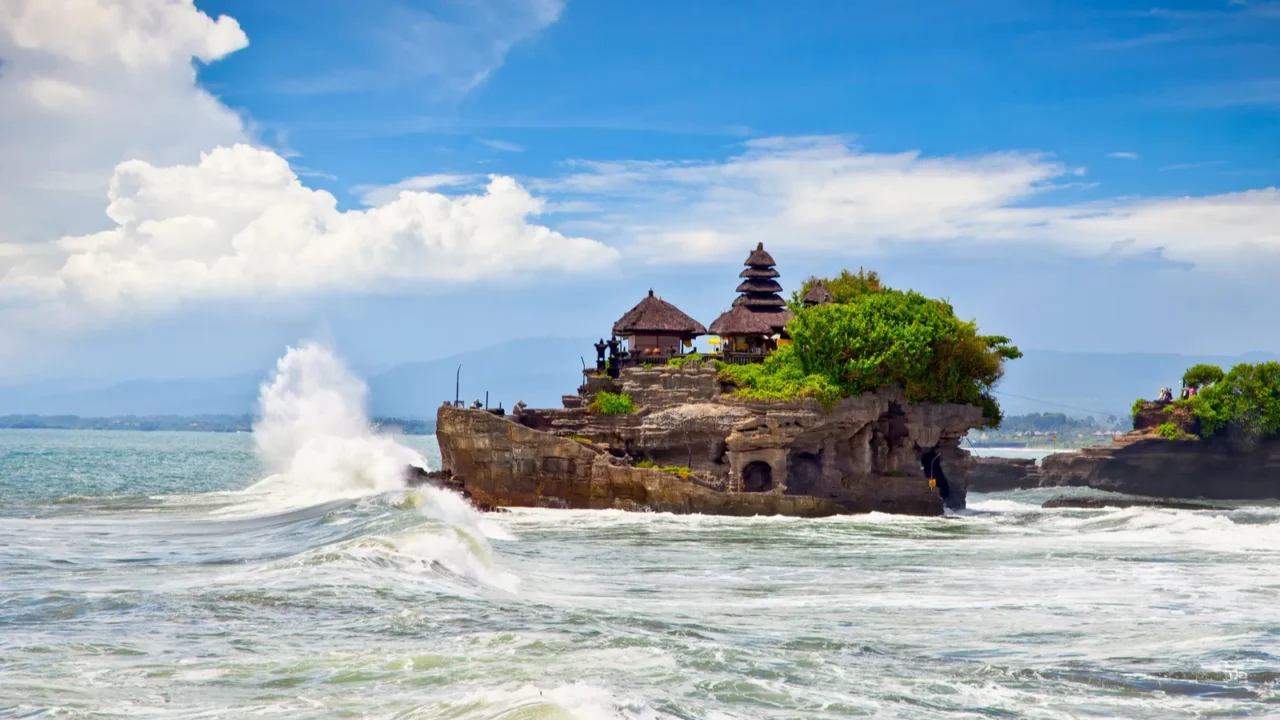
Jakarta, the former capital of Indonesia and home to over ten million people, is sinking at a rate that has alarmed engineers and urban planners across the globe. Parts of North Jakarta have already sunk more than two and a half meters in just ten years due to excessive groundwater extraction, and when combined with rising sea levels, nearly half of the city already sits below sea level today.
Indonesia responded by announcing a full capital relocation to a new city called Nusantara in Borneo, an extraordinary decision that reflects just how irreversible the situation in Jakarta has become.
Marshall islands fading
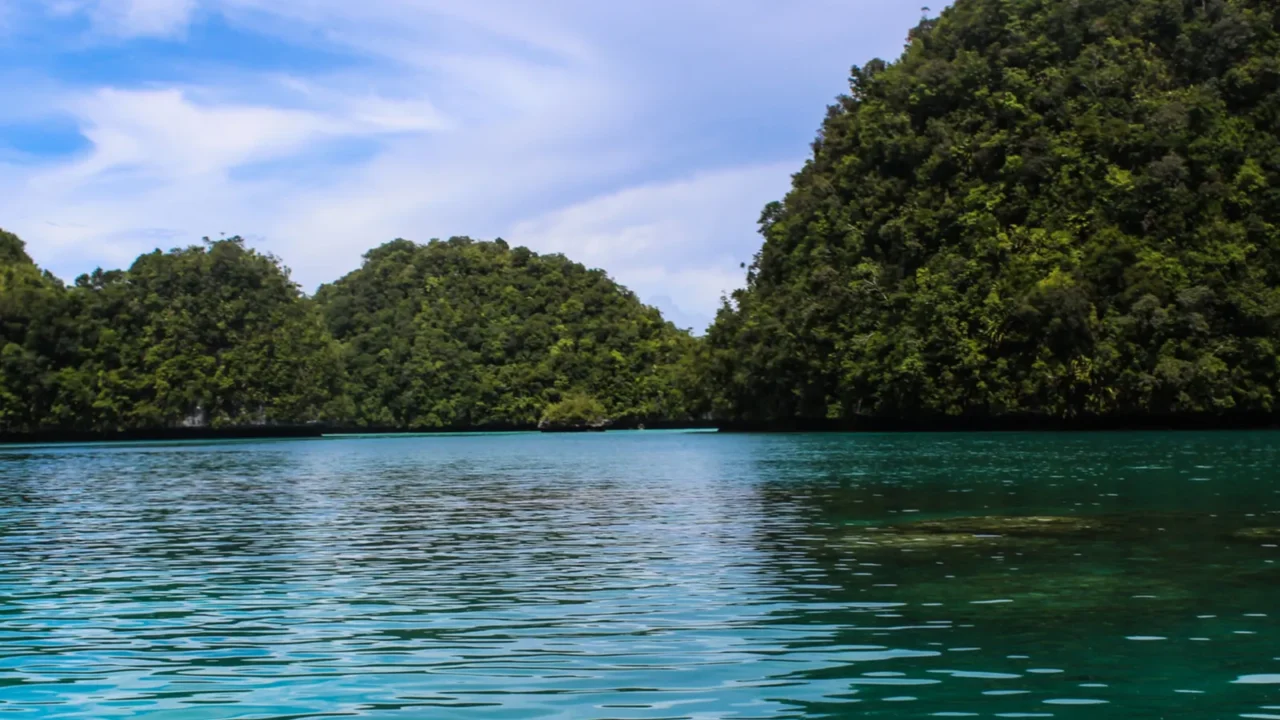
The Marshall Islands, a republic of low-lying coral atolls in the central Pacific, faces a flooding threat so immediate that the United States military has begun factoring the nation’s potential disappearance into long-term strategic planning for the Pacific region. The average elevation across the Marshall Islands is just two meters, and saltwater intrusion has already contaminated the freshwater lens that the entire population depends on for drinking water and agriculture year-round.
The Marshallese government has formally requested international legal recognition that climate displacement does not strip its citizens of their nationality even after their islands are physically gone.
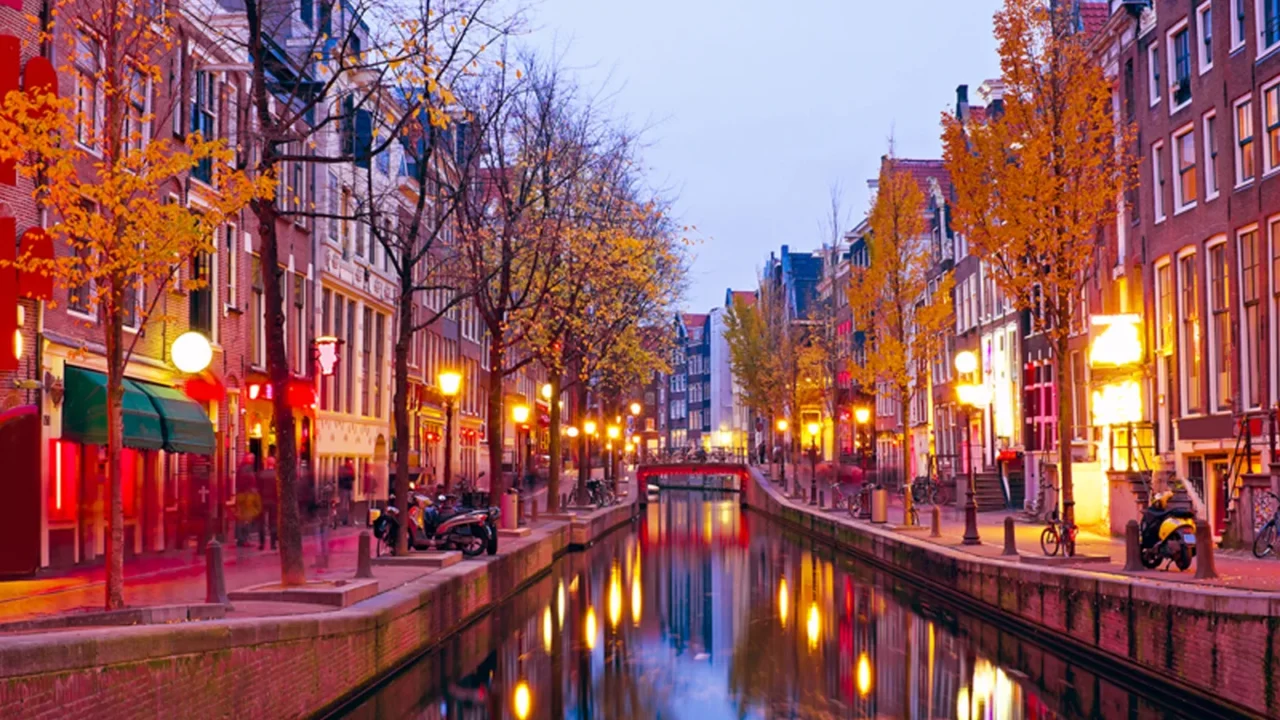
Netherlands on edge
The Netherlands has spent centuries engineering its way out of a watery grave, with approximately 26 percent of the country already sitting below sea level and protected by an intricate system of dikes, pumps, and storm surge barriers. However, the Dutch Delta Programme, the government’s official long-term water management authority, has acknowledged that long-term projections indicate that additional adaptation measures may be required beyond mid-century under higher emission scenarios.
Dutch scientists have openly stated that while the Netherlands has the resources to adapt, poorer nations facing the same geography simply do not, making this a profound global equity crisis as much as an environmental one.
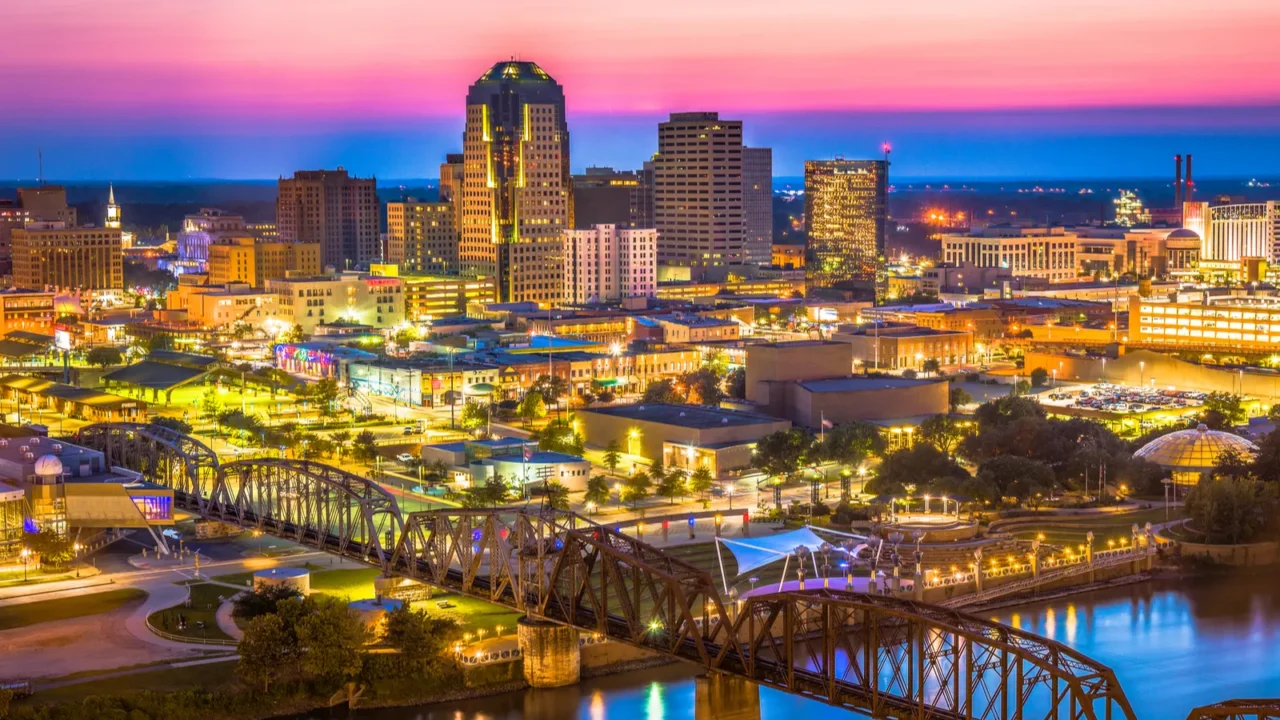
Louisiana disappearing daily
New Orleans already sits below sea level in most of its settled neighborhoods, making it one of the only major American cities where a visitor is literally beneath the Gulf of Mexico as they walk city streets. The Louisiana Coastal Protection and Restoration Authority has documented that Louisiana loses a football field of land to the Gulf every single hour, a rate driven by sediment deprivation, subsidence, and the accelerating force of rising sea levels pushing inland.
Scientists at Tulane University have warned that without transformative federal investment, entire surrounding parishes and communities south of the city will cease to exist as dry land before the 2075 deadline arrives.
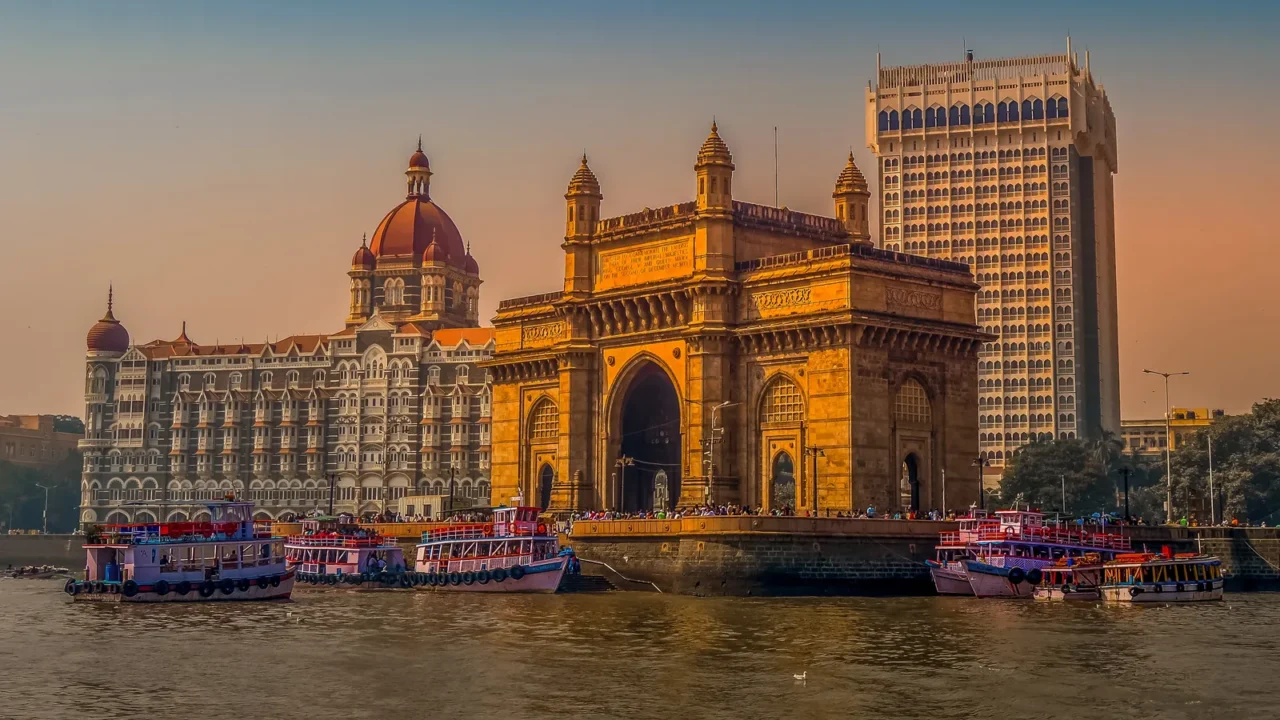
Mumbai’s silent crisis
Mumbai, India’s financial capital and a city of over 20 million people, faces a compounding threat from rising seas, intensifying monsoons, and land subsidence that researchers at the Indian Institute of Technology have described as a slow-moving catastrophe in plain sight. A 2020 study published in the journal Nature Communications ranked Mumbai among the top ten global cities most exposed to coastal flooding by 2100, with its iconic neighborhoods along Marine Drive and Nariman Point at particular risk.
The city’s existing drainage infrastructure was designed for rainfall conditions from a previous century and is already overwhelmed during severe monsoon events that are becoming increasingly frequent and powerful. Extreme weather is changing everything we thought we knew about living near water.
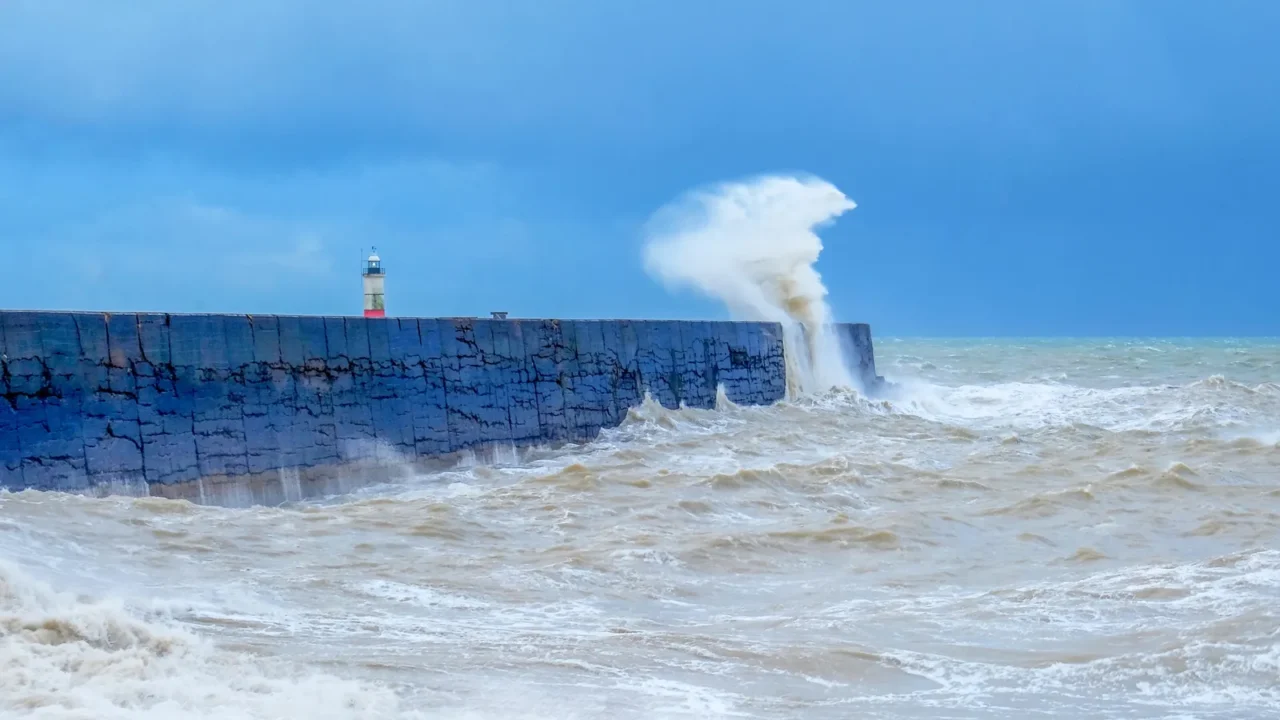
The clock is ticking
The nations and cities described across these slides are not distant abstractions in a geography textbook. They are home to hundreds of millions of living, breathing people whose cultures, histories, and futures hang directly in the balance of decisions being made right now by governments, corporations, and individuals across every corner of the globe today.
The question climate scientists are no longer asking is whether these places will change beyond recognition. The only question left worth answering is whether the world will act with enough urgency to determine how much of them can actually be saved. Check the latest travel warnings before these destinations change forever.
Which of these places would you visit before it is gone forever, and does it change the way you pack your bags, knowing the clock is already running out? Share your thoughts in the comments.
This slideshow was made with AI assistance and human editing.
Don’t forget to follow us for more exclusive content right here on MSN.
Read More From This Brand:
