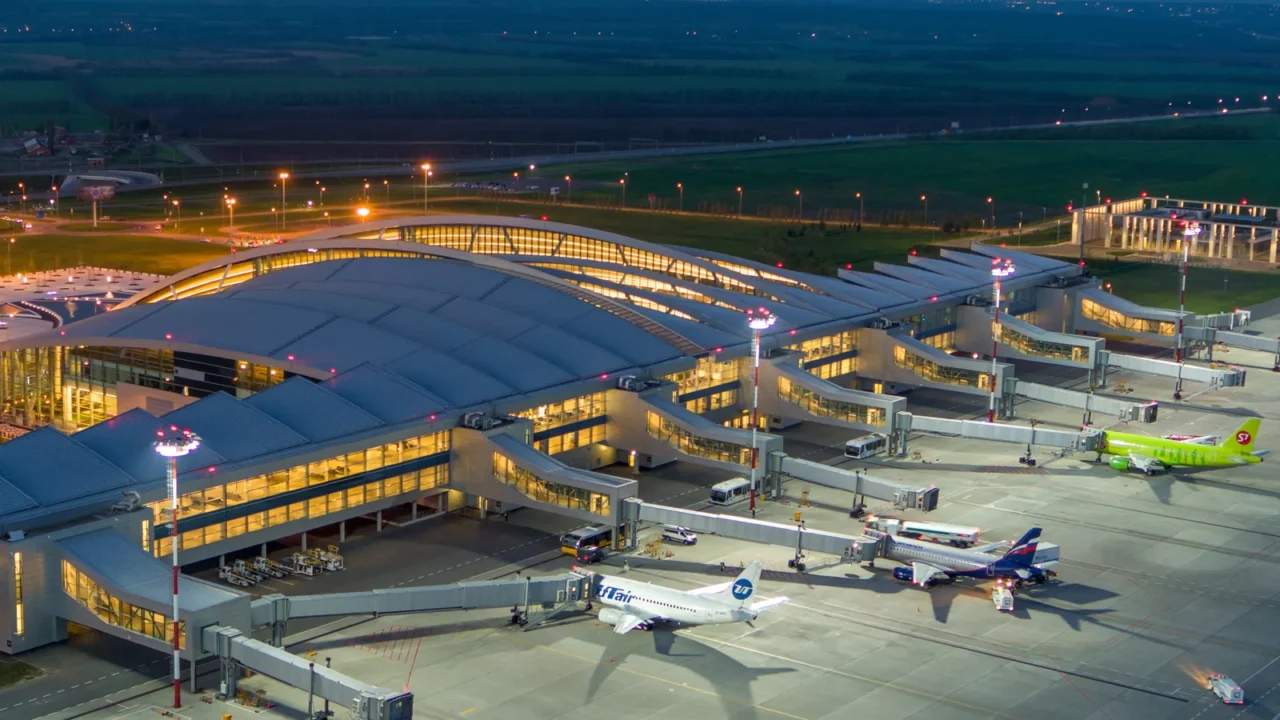
Skies that never sleep
The world’s busiest international flight routes are a testament to how deeply human movement has shaped the modern era. These corridors in the sky connect megacities, trading hubs, and cultural capitals across continents, moving tens of millions of passengers each year with clockwork regularity.
According to the Official Airline Guide and data compiled by the International Air Transport Association, routes such as Kuala Lumpur to Singapore and Hong Kong to Taipei consistently rank among the highest in global passenger volume, reflecting patterns of commerce, tourism, and diaspora.
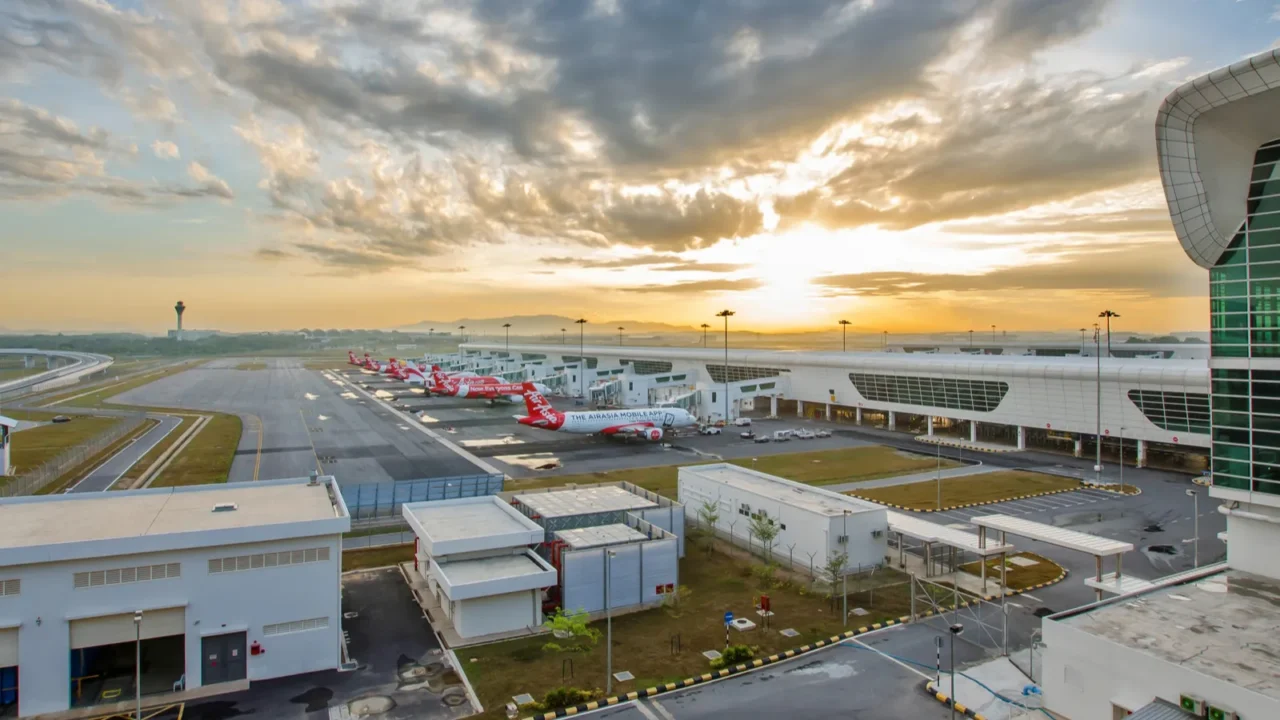
Kuala Lumpur owns the sky
The route between Kuala Lumpur International Airport and Singapore’s Changi Airport has repeatedly ranked as the world’s single busiest international air corridor by passenger volume. OAG data confirms this route sees upward of 30,000 weekly seats during peak periods.
Separated by roughly 350 kilometers, millions still choose to fly, driven by business demand, regional tourism, and the extraordinary frequency of scheduled departures connecting these two Southeast Asian powerhouses.
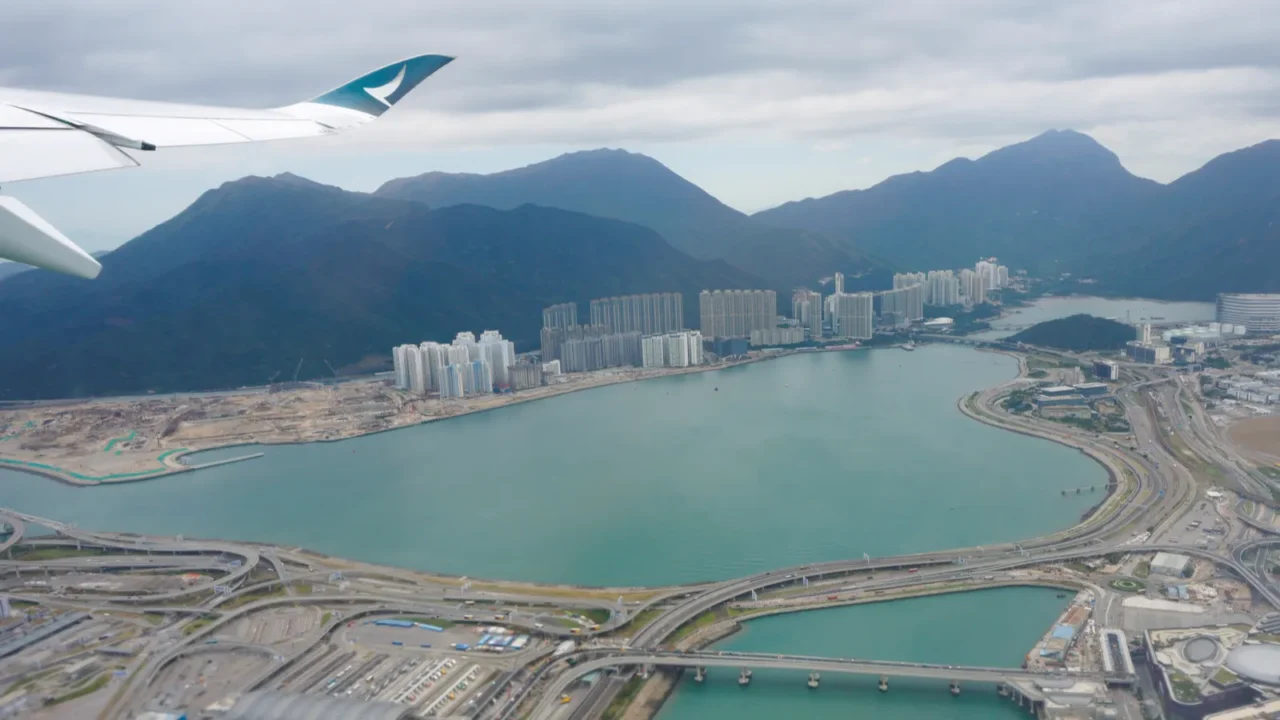
Hong Kong and Taipei’s sky bridge
The corridor between Hong Kong International Airport and Taipei’s Taiwan Taoyuan International Airport is among Asia’s most trafficked flight paths. Fueled by strong commercial ties, a sizable Taiwanese diaspora, and vigorous leisure travel, this route draws tens of millions of passengers annually.
Carriers like Cathay Pacific and China Airlines compete fiercely here, keeping fares competitive and departure options plentiful. Few short-haul international routes anywhere in the world match its consistency and sheer passenger intensity.
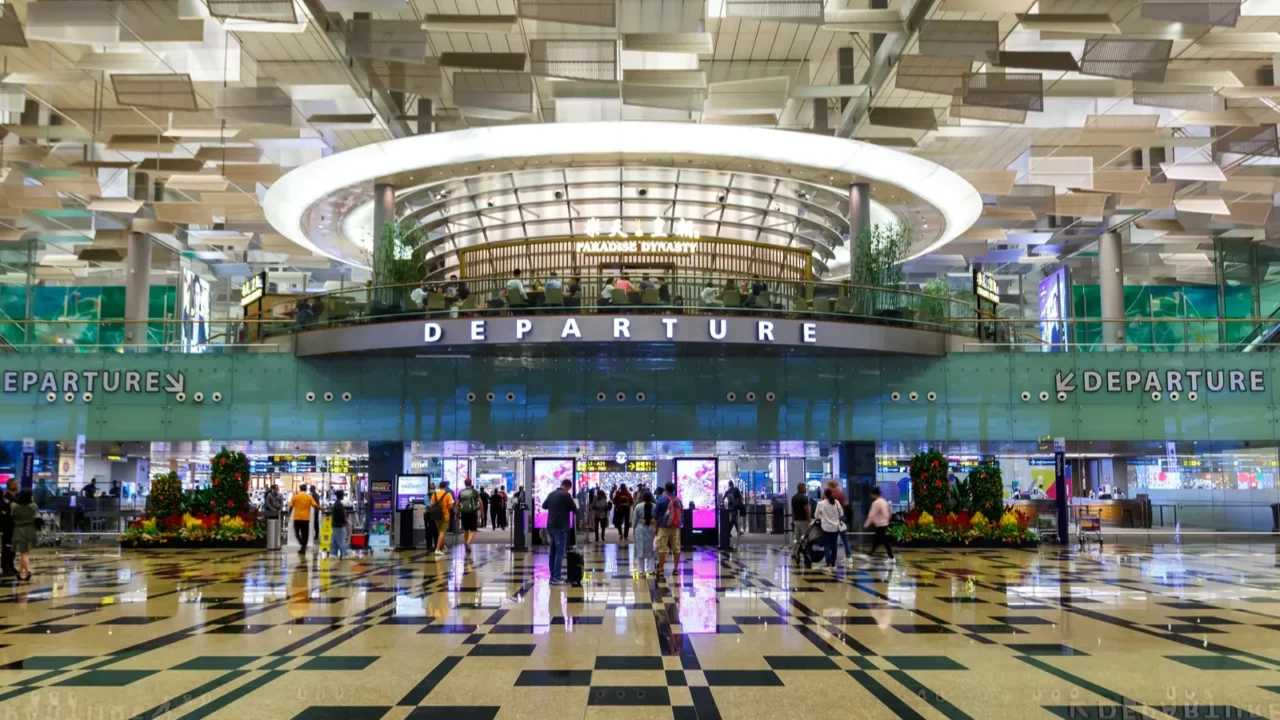
Jakarta’s gateway to Singapore
Jakarta’s Soekarno Hatta International Airport and Singapore’s Changi Airport share one of Southeast Asia’s most critical air corridors. The strong economic partnership between Indonesia and Singapore drives a relentless flow of business travelers, returning migrant workers, and leisure tourists throughout the year.
Flight time runs under two hours, yet demand never softens. This route consistently appears among the top ten busiest international corridors globally, as confirmed by OAG’s annual seat capacity reporting.
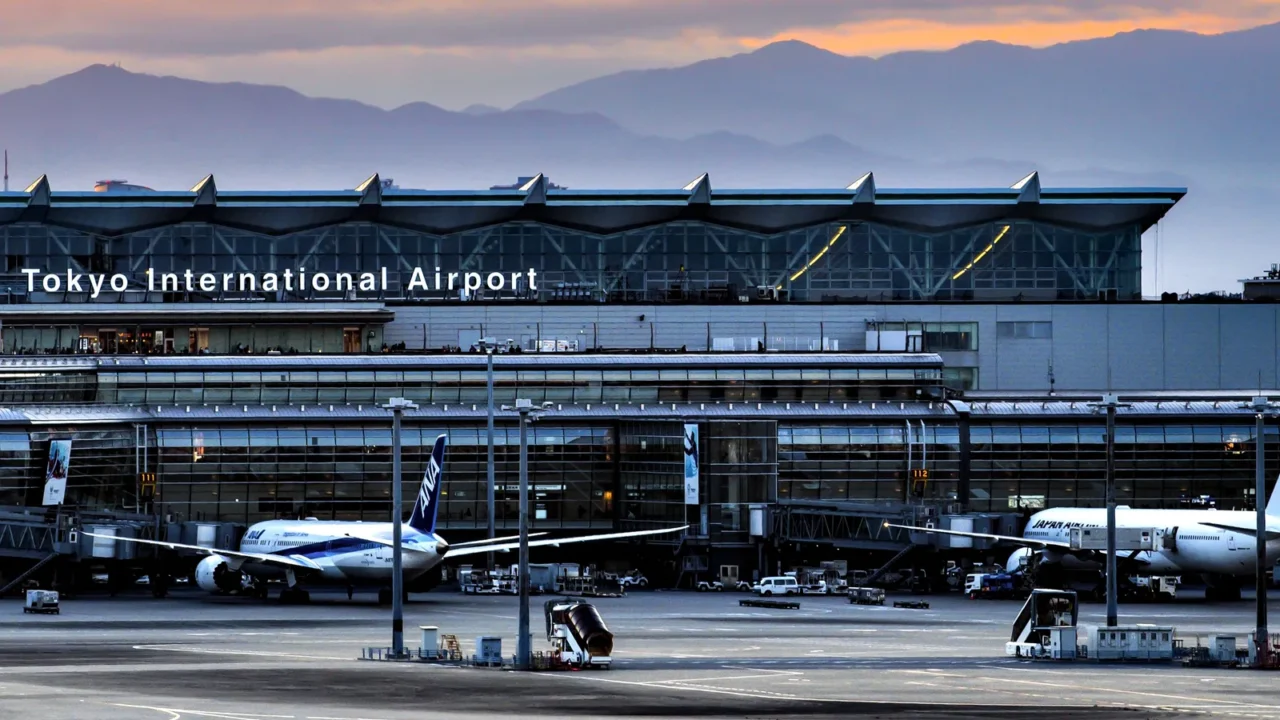
Bangkok flies into Tokyo
The Bangkok Suvarnabhumi to Tokyo Narita corridor captures the massive appetite for travel between Southeast Asia and Japan. Thailand ranks among the top source markets for Japanese inbound tourism, while Japan remains a deeply aspirational destination for millions of Thai travelers.
Post-pandemic, this route surged back with striking speed. Airlines repositioned wide-body jets to absorb returning demand, and load factors climbed toward record highs within a single travel season, underscoring their long-term commercial strength.
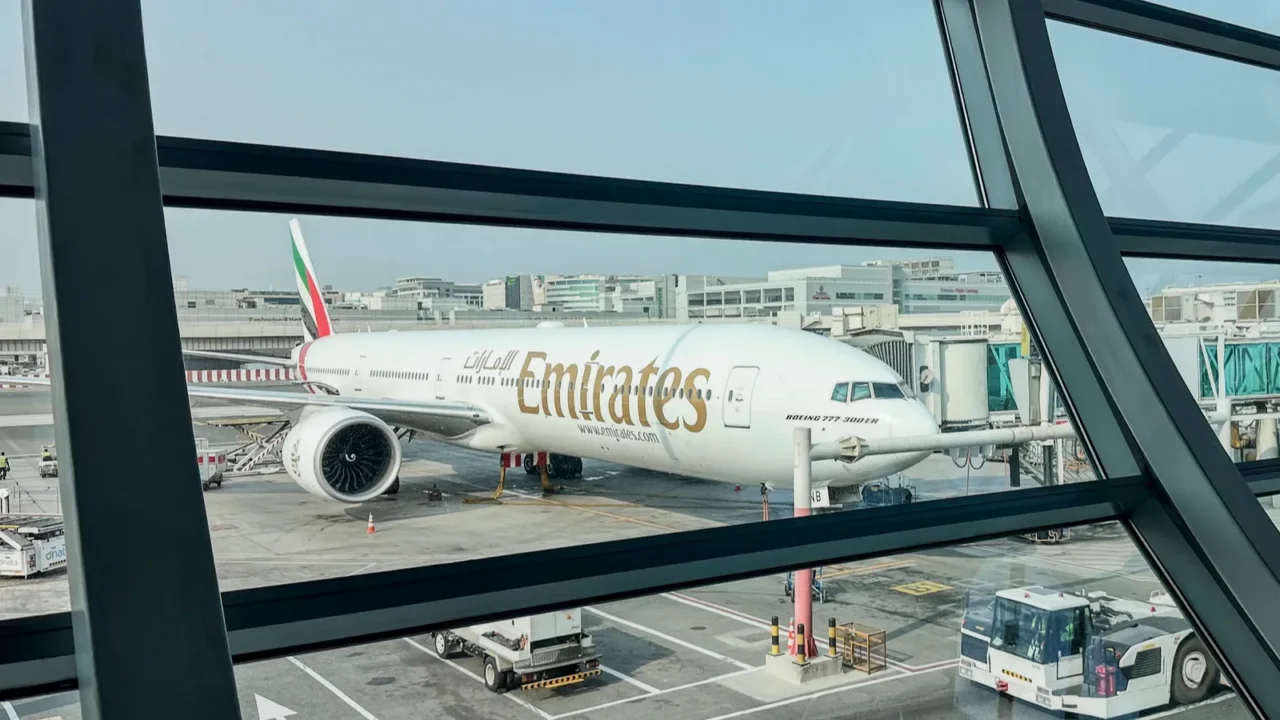
Dubai bridges east and west
Dubai International Airport is the busiest international airport on earth by passenger volume, and its routes reflect that reality.
The Dubai to London Heathrow corridor ranks among the most commercially significant long-haul routes globally. Emirates operates multiple daily widebody departures on this route alone. Millions of passengers travel this corridor annually, connecting the Gulf’s premier aviation hub to Europe’s largest gateway and sustaining the enormous commercial and tourism flows that define modern long-haul air travel.
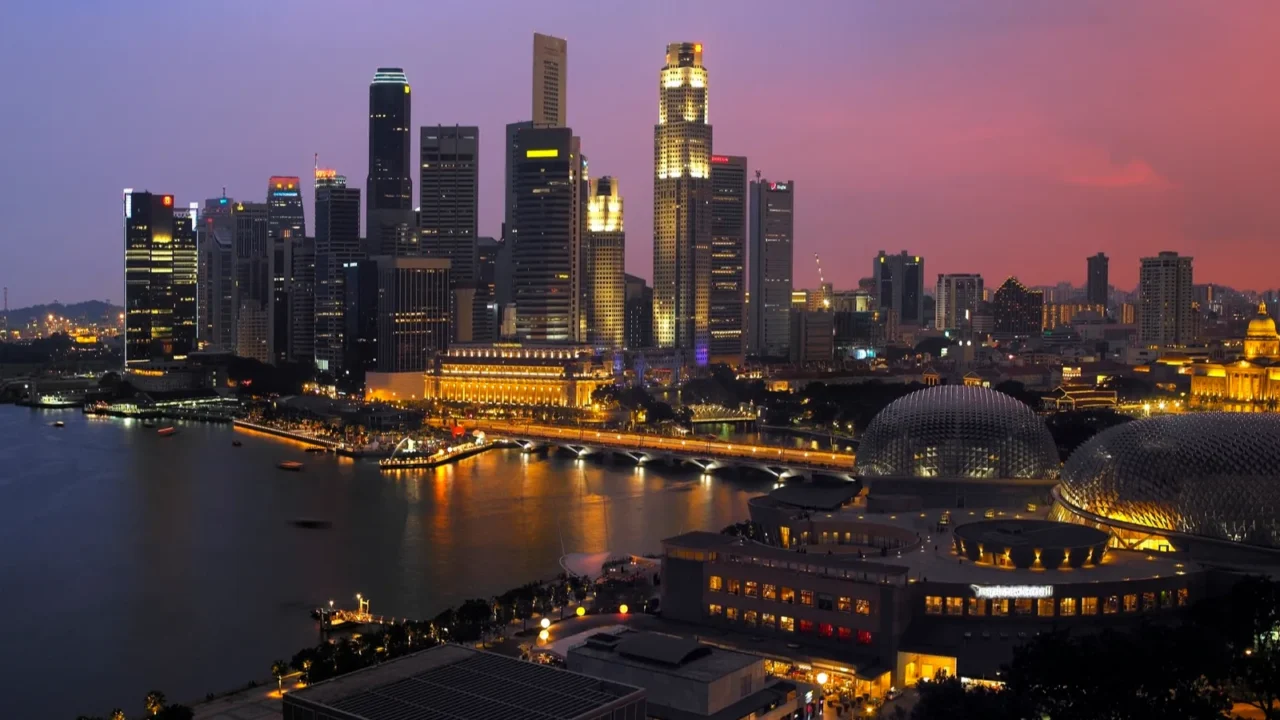
Singapore’s remarkably short air corridor
Despite the extremely brief flight time, the volume of passengers choosing air travel over the causeway makes this corridor a commercial success.
Demand driven by business travel, family visits, and leisure tourism keeps load factors extraordinarily high year-round, making it a textbook case of how frequency and convenience can completely outweigh the appeal of surface transport alternatives.
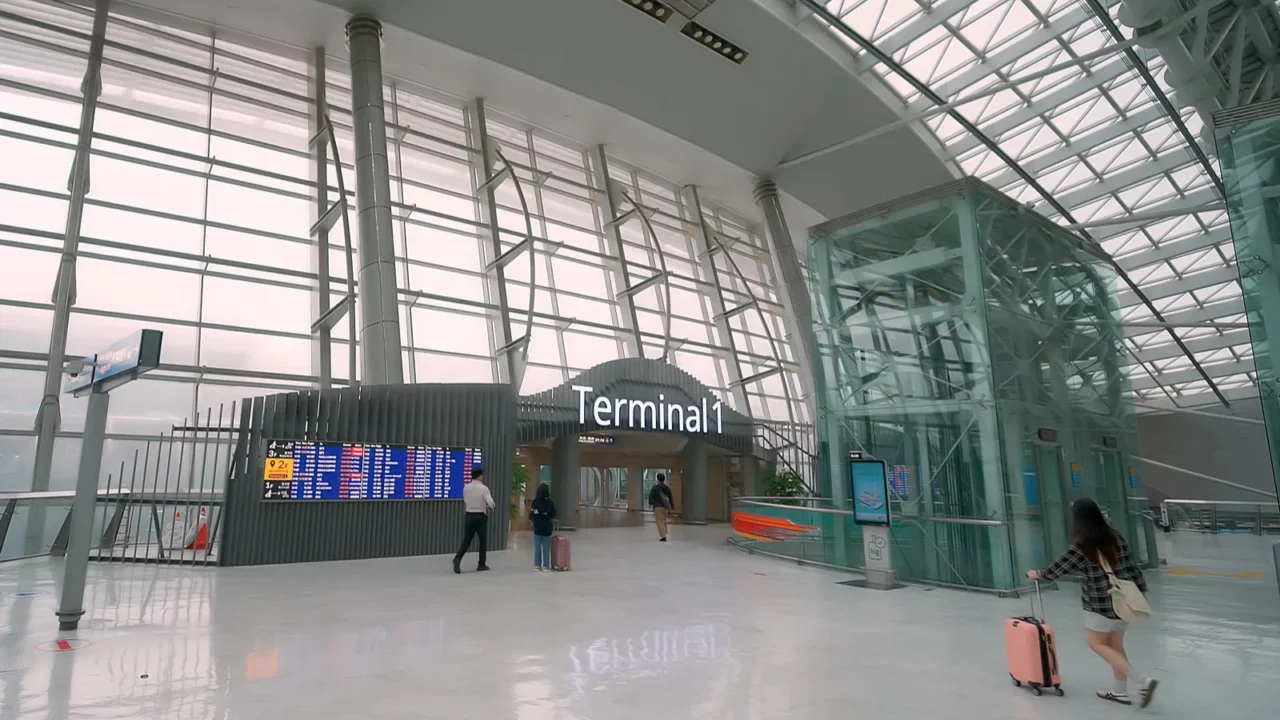
Seoul connects to greater China
The route between Seoul Incheon International Airport and Beijing Capital International Airport is one of Northeast Asia’s most strategically important air corridors.
Massive trade volumes between South Korea and China fuel a constant flow of business travelers, cultural tourists, and students. Incheon has become one of Asia’s most acclaimed transit hubs, and its Beijing connection serves as a backbone of regional economic engagement, underpinning one of Asia’s most commercially productive and geopolitically complex bilateral aviation relationships.
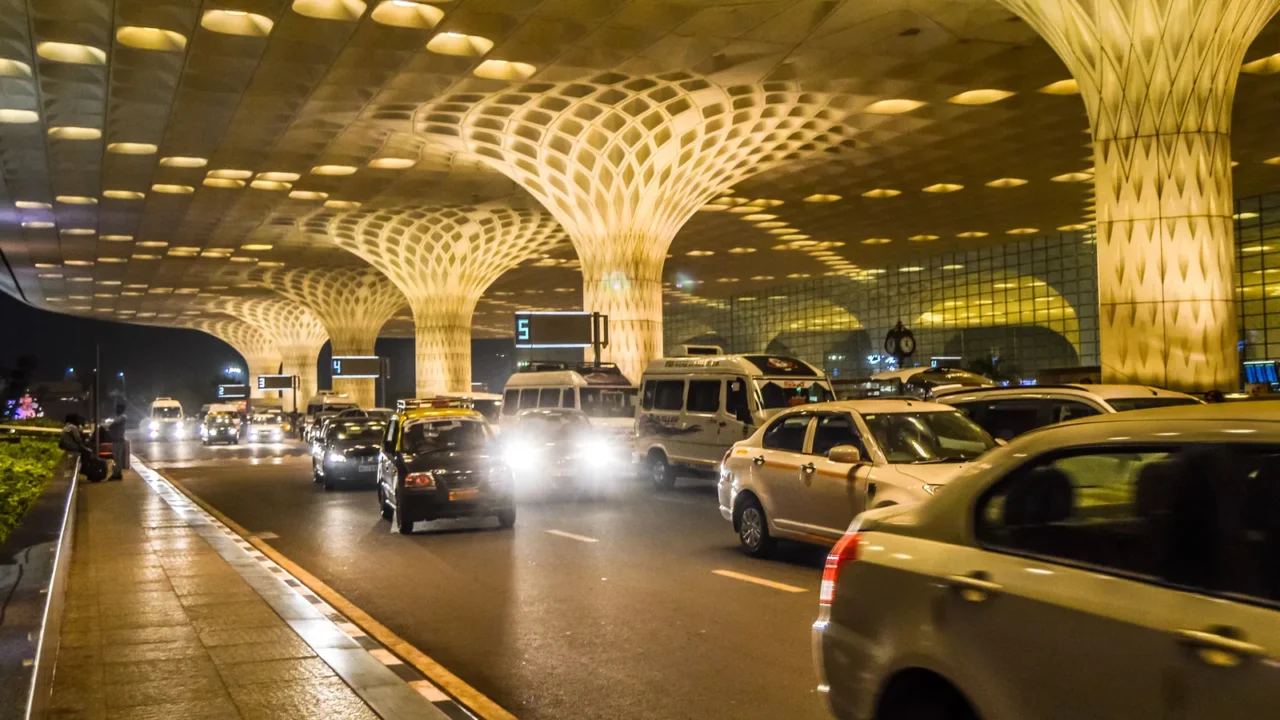
Mumbai and Dubai’s relentless rush
The Mumbai to Dubai corridor is among the most passenger-dense short-haul international routes in the world. India’s diaspora in the United Arab Emirates numbers over three million people, and that community drives relentless bilateral traffic.
Workers, families, and tourists keep aircraft packed in both directions throughout the year. Few routes anywhere demonstrate as powerfully how diaspora economics, not just leisure or business travel, can sustain extraordinary passenger volume on a consistent and year-round basis.
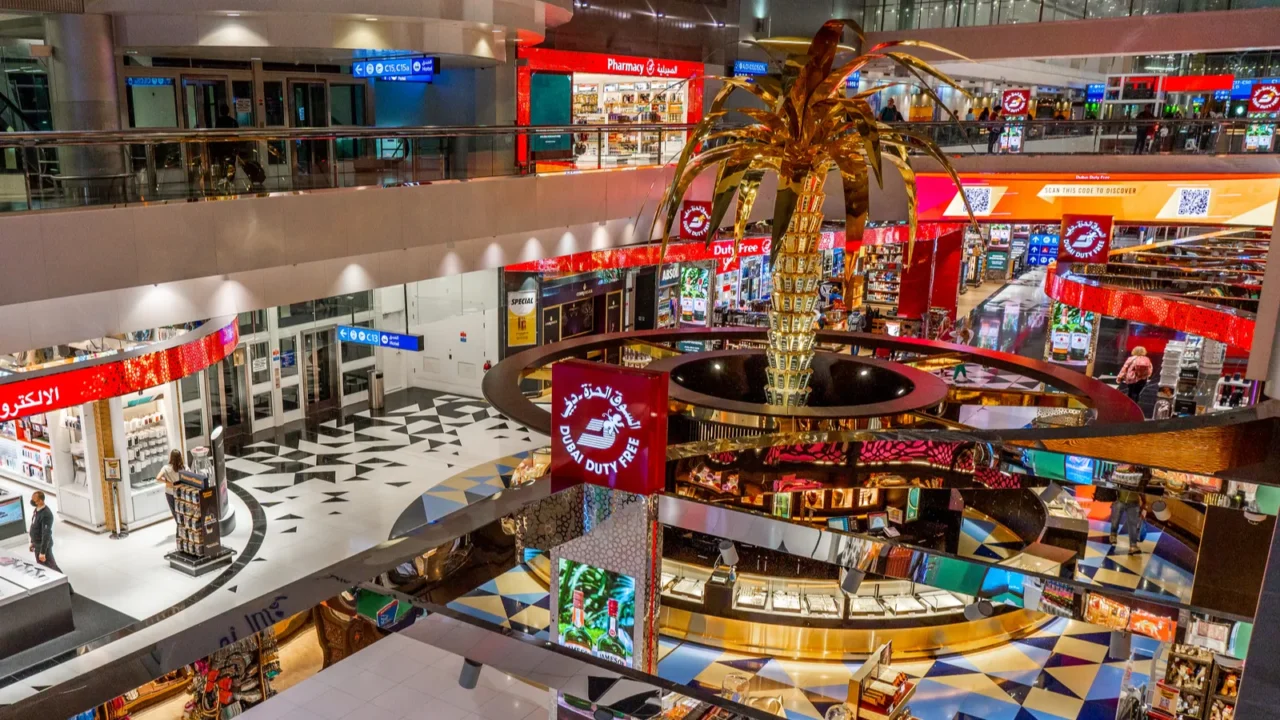
Dubai just keeps breaking records
No curfew, no capacity ceiling in sight, and a home carrier in Emirates that operates some of the world’s densest widebody schedules. Dubai’s dominance is structural, not accidental. The airport connects to 272 destinations across 107 countries, and that web of routes is precisely why so many of the world’s busiest corridors either originate or terminate at Dubai International.
Fun fact: Dubai International Airport welcomed 92.3 million guests in 2024, its highest annual traffic ever recorded, maintaining its position as the world’s busiest airport for international passengers, according to Airports Council International.
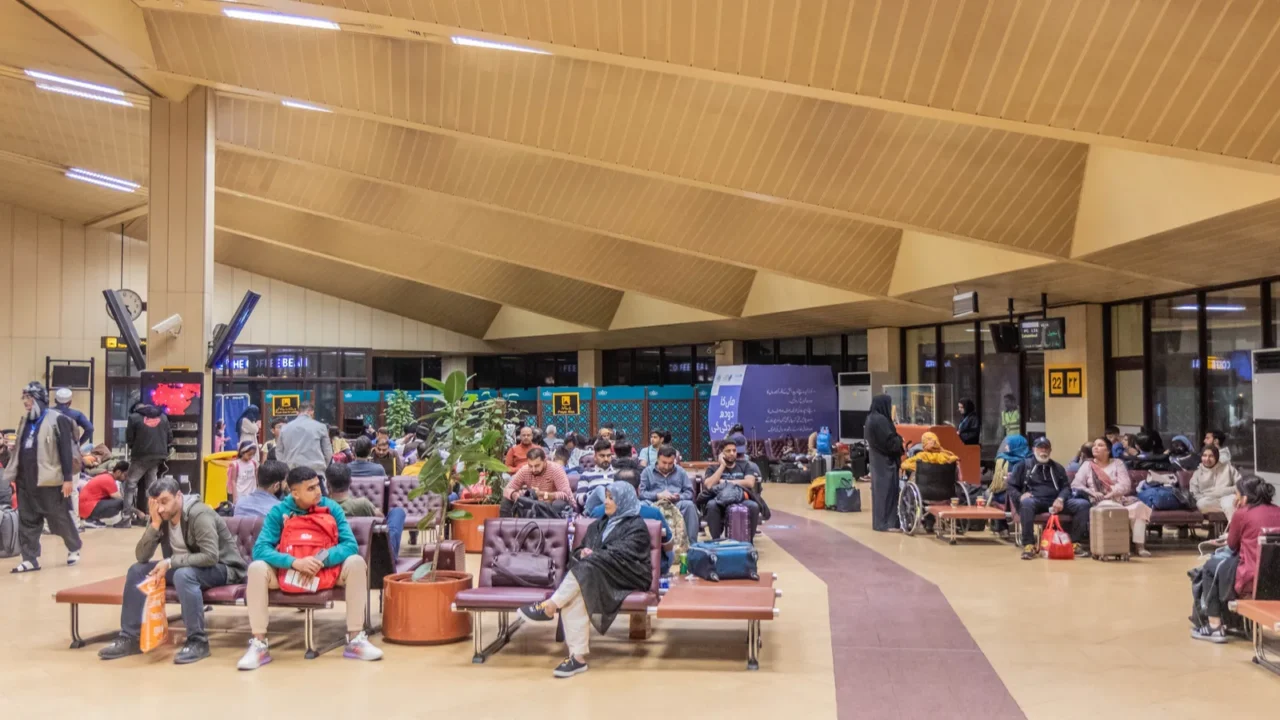
Karachi keeps Dubai busy
The Karachi to Dubai corridor is one of the most underappreciated routes in global aviation rankings, yet it consistently places among the top international corridors by annual seat capacity.
Pakistan maintains one of the largest diaspora communities in the Gulf, making this connection a genuine lifeline for families separated by employment migration. Emirates, flydubai, and Pakistan International Airlines all compete here, and their combined frequency keeps the route accessible across a remarkably broad range of travelers.
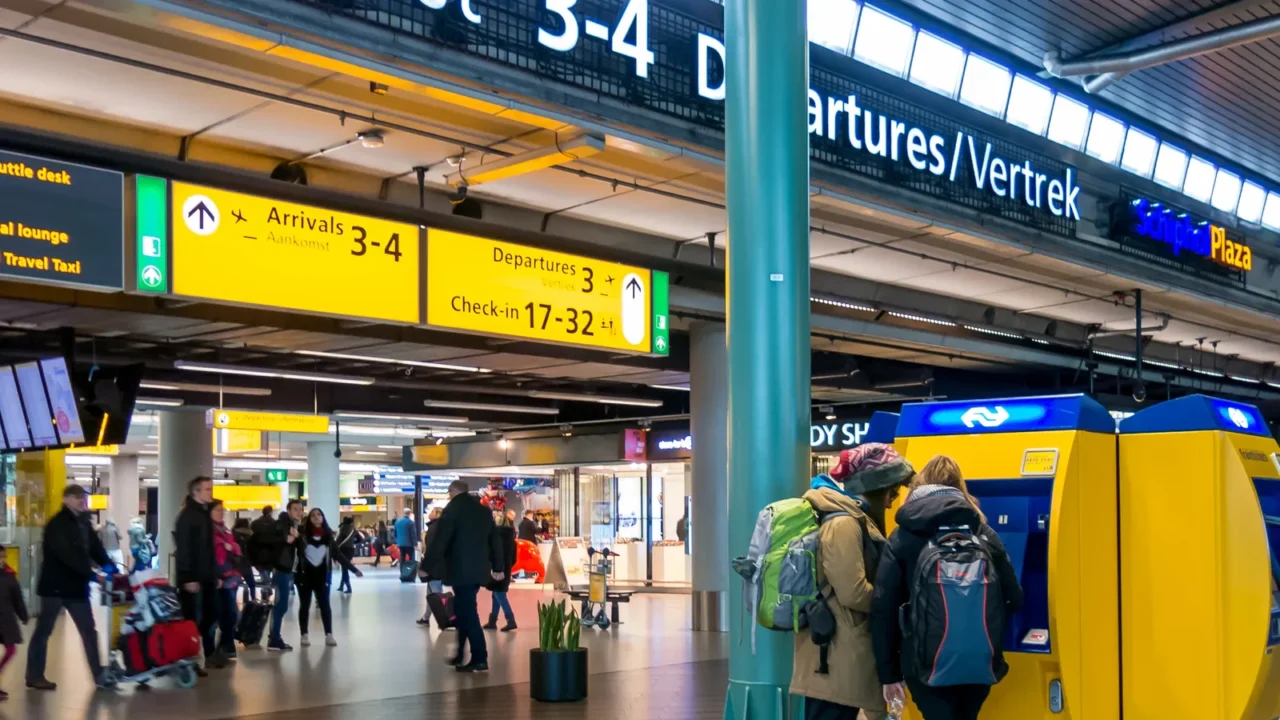
Amsterdam locks in London
The Amsterdam Schiphol to London Heathrow corridor is one of Europe’s most historically significant and heavily traveled international routes. Despite the short distance, the enormous volume of business travel between the Netherlands and the United Kingdom justifies massive seat capacity from multiple carriers.
Post-Brexit trade complexity has not dampened passenger flows. Passenger demand between Amsterdam and London remains strong, supported by extensive business, financial, and tourism ties between the Netherlands and the United Kingdom, and major airports are only making that easier.
Routes that reshape the world
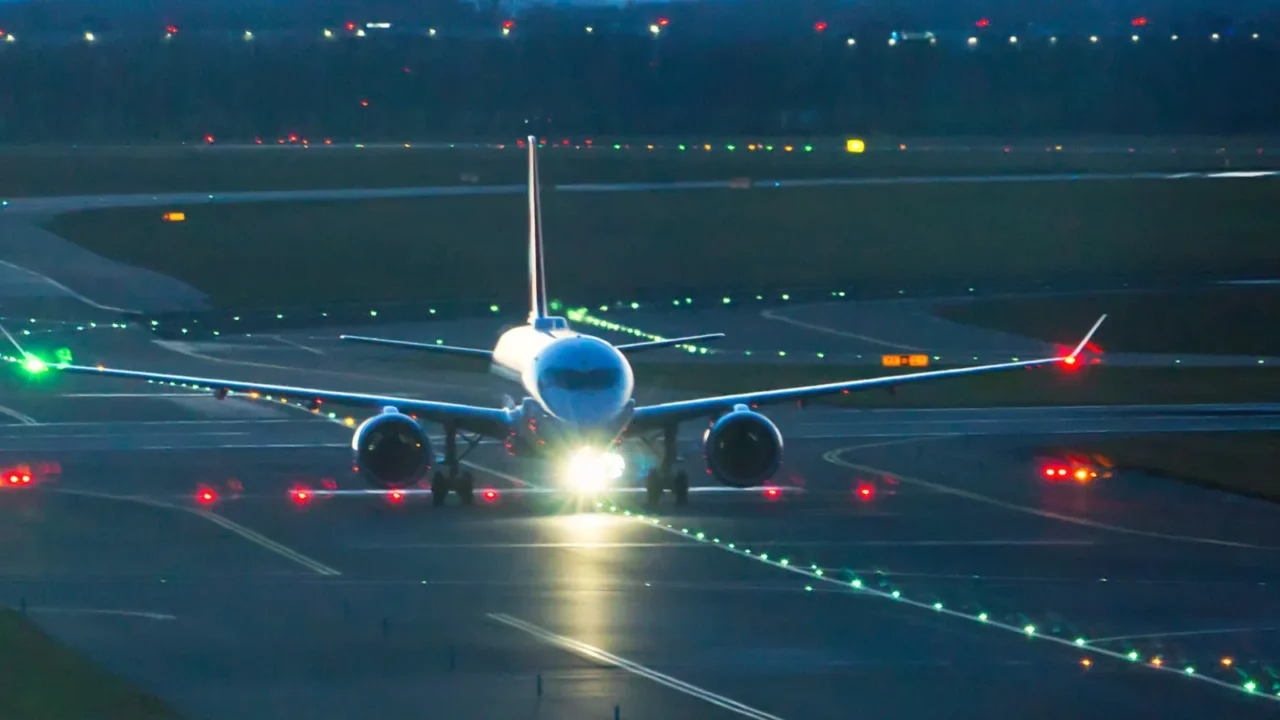
The world’s busiest international flight routes are more than numbers on an airline manifest. They are the physical expression of trade, migration, love, ambition, and curiosity playing out at 35,000 feet above sea level. From the short hop between Kuala Lumpur and Singapore to the long arc from Dubai to London, each of these corridors tells a story about which cities the world has decided matter most.
As global air travel continues its recovery and expansion, these routes will only deepen, carrying more lives, more stories, and more of the world’s momentum forward, and airports are investing in sustainable aviation fuel infrastructure, electrified ground operations, and efficiency improvements to reduce emissions and support long-term sustainability.
Which of these routes have you flown, and did you ever stop to think you were sharing the sky with millions of others doing the same thing? Let us know in the comments.
This slideshow was made with AI assistance and human editing.
Don’t forget to follow us for more exclusive content right here on MSN.
Read More From This Brand:
