The clue hiding in your ticket
Planning a trip feels normal again, but the money story behind it is getting more complicated. Travel is still moving, yet growth looks steadier than explosive. U.S. Travel says domestic indicators are stable, not accelerating, which makes pricing shifts more important to watch.
That is why one signal matters more than the rest this season. It can raise flight costs fast, squeeze airline budgets, and change traveler behavior almost overnight. That signal is energy, especially oil and jet fuel.
Why oil matters so much
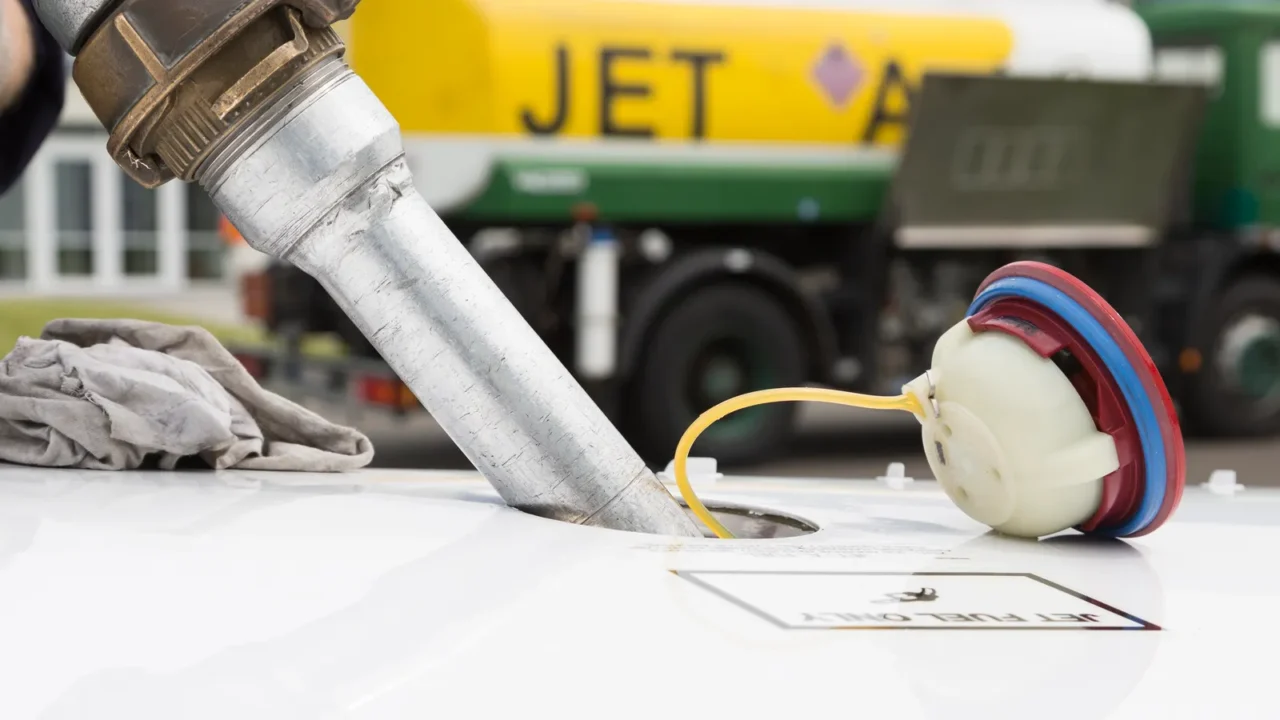
Airlines can sell seat upgrades, bag fees, and credit card perks, but they still cannot escape fuel. When oil jumps, jet fuel often follows, and that can pressure fares or trim airline profits. Reuters reported Brent hit a session high of $119.50 a barrel on March 9 before retreating the following day.
That kind of swing matters even if prices cool later. It tells carriers and travelers that the market is nervous. A ticket to Orlando, Phoenix, or Las Vegas can feel very different when fuel costs start bouncing around.
Jet fuel is the real pressure point
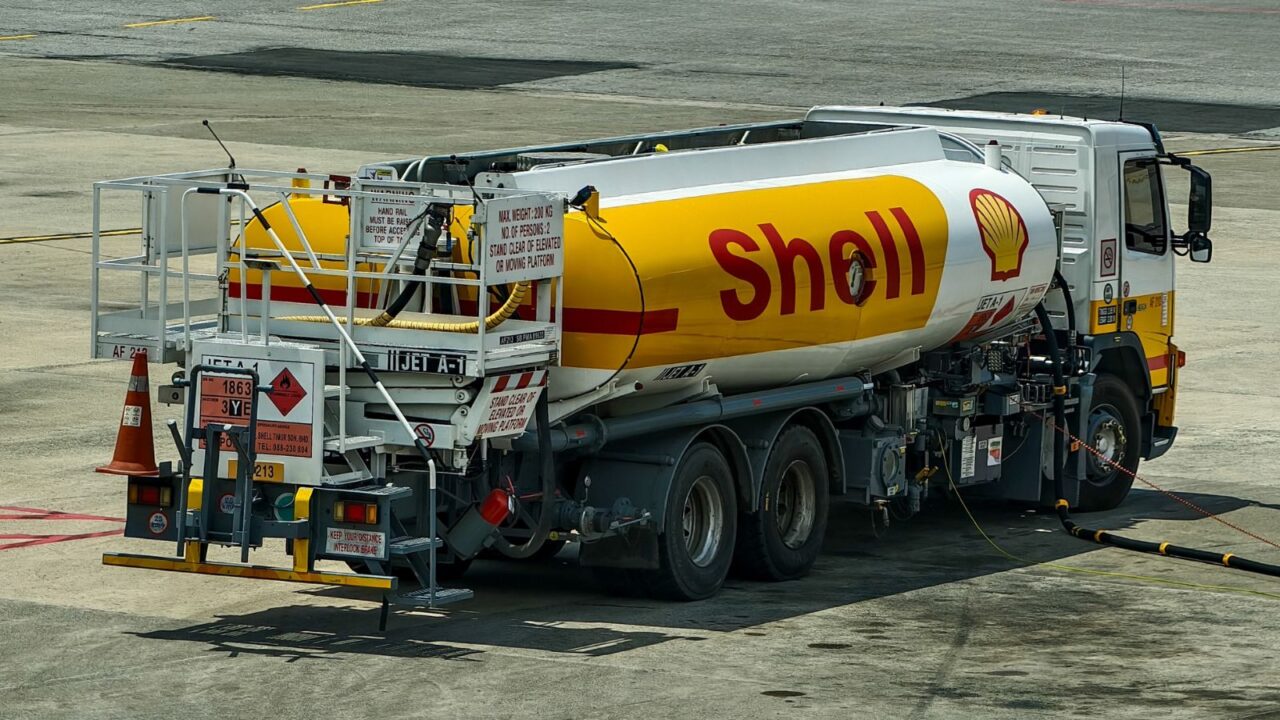
Crude oil gets the headlines, but airlines really feel jet fuel. Reuters said U.S. Gulf Coast jet fuel prices jumped 15% in a week and reached $4.12 a gallon, the highest level since mid-2022. Fuel is also the second-biggest operating expense for airlines after labor.
That is a big reason travelers should keep watching energy markets before booking. Airlines may absorb some of the pain for a while, but not forever. Higher fuel bills can show up as pricier flights, fewer discounts, or weaker route economics.
Airlines have less cushion now
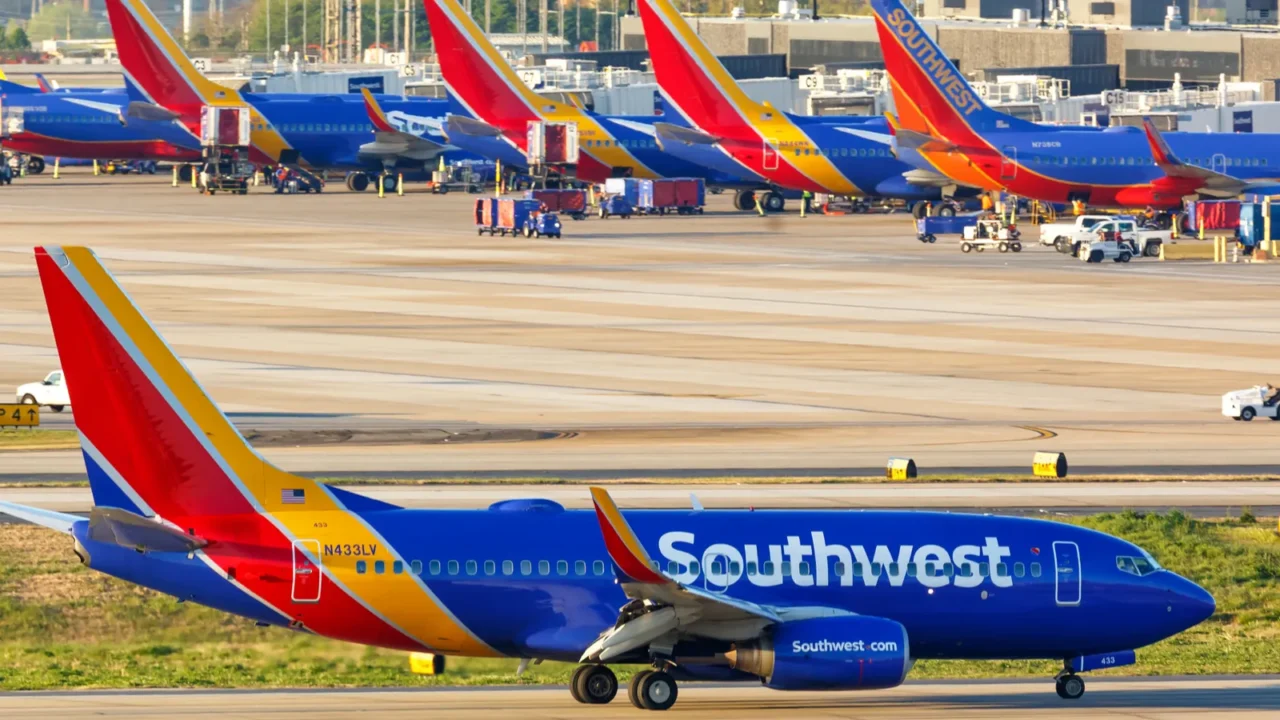
One twist makes this season even trickier. Many big U.S. airlines no longer hedge fuel the way they once did, which means they are more exposed when prices spike. Reuters noted Southwest ended fuel hedging in 2025, while many U.S. carriers now take the market as it comes.
That does not mean every airline is in trouble. It means the industry has less built-in protection when energy costs jump fast. For travelers, that can translate into sudden fare changes instead of a slow, predictable pricing pattern.
Travel is still growing
This is not a panic story. IATA said global air passenger demand started 2026 up 3.8% from a year earlier, and seat capacity for March pointed to even faster expansion. In other words, people are still flying.
That is what makes this season interesting. Demand is alive, but it is meeting higher costs and more uncertainty. Travelers are not disappearing, yet the industry has less room for expensive surprises than it did during the strongest rebound years.
Stable does not mean carefree
The latest U.S. Travel dashboard shows a steady start to 2026. Domestic travel indicators remained stable, and total travel spending rose 1.0% year over year. At the same time, international inbound travel continued to weaken.
That mix matters for U.S. travelers. A stable domestic market can still feel expensive when airfare, hotels, or car rentals stop getting cheaper. It also suggests the smartest travel move this season may be watching prices closely instead of assuming demand will crash and bargains will flood in.
Little-known fact: Jet fuel can account for about 25% to 30% of airline operating costs. That is why even a short-lived energy spike can quickly pressure fares, route decisions, and airline profits.
People are trimming not quitting
Deloitte’s 2026 outlook says the bigger shift is caution, not retreat. Travelers have been cutting trip frequency, distance, accommodation class, and in-destination spending rather than walking away from travel altogether. That is a very different signal from a full-blown slump.
You can already feel that mindset in how people shop. More travelers are likely to compare dates, wait for deals, and skip upgrades. The trip still happens, but the budget gets watched much more closely.
Little-known fact: U.S. Travel said total travel spending rose 1.0% year over year at the start of 2026, while domestic travel indicators remained stable. That supports the article’s idea that travel demand is holding up, even without a major boom.

Premium travel may wobble first
One of Deloitte’s clearest warnings is about premium and upper-end travel. Among households earning $200,000 or more, confidence levels helped split behavior, with more cautious high earners planning fewer and more conservative trips. That makes premium products more exposed than ultra-luxury ones.
That matters beyond first class. Premium economy, nicer hotels, and upgraded vacation packages often depend on travelers who are comfortable, but not unlimited. If that group pulls back, some travel brands could feel it before basic leisure travel does.

Younger travelers are driving demand
Another signal worth watching is who is shaping bookings now. Deloitte says Gen Z and millennials combined account for half of all travelers. They also lean harder on social media and show a strong interest in sustainable travel options.
That can change which trips win attention. Places that photograph well, feel flexible, and offer good value can punch above their weight. A beach weekend in Florida or a city break in Chicago may be chosen faster if it feels affordable and easy to share.

AI is changing trip planning
Trip planning is changing faster than many brands expected. Deloitte reports that one in five travelers (≈20%) used generative AI for trip planning in late 2025, roughly three times the share reported in 2022. That is a big jump in a short time.
For travelers, that means comparison shopping could get sharper. People can scan routes, dates, neighborhoods, and budgets faster than before. In a season shaped by price sensitivity, tools that help spot better value may matter more than glossy marketing.
Policy can shape the trip too
Not every travel signal sits on a price chart. Deloitte flagged border processing, visa access, digital consumer protections, and climate-related rules as issues that could influence travel in 2026. Some of these shape costs, while others shape convenience.
That is especially important for international trips. Even when airfare looks decent, policy friction can still affect timing and ease. A traveler heading to Europe or welcoming family into the U.S. may feel these changes before they ever reach the gate.
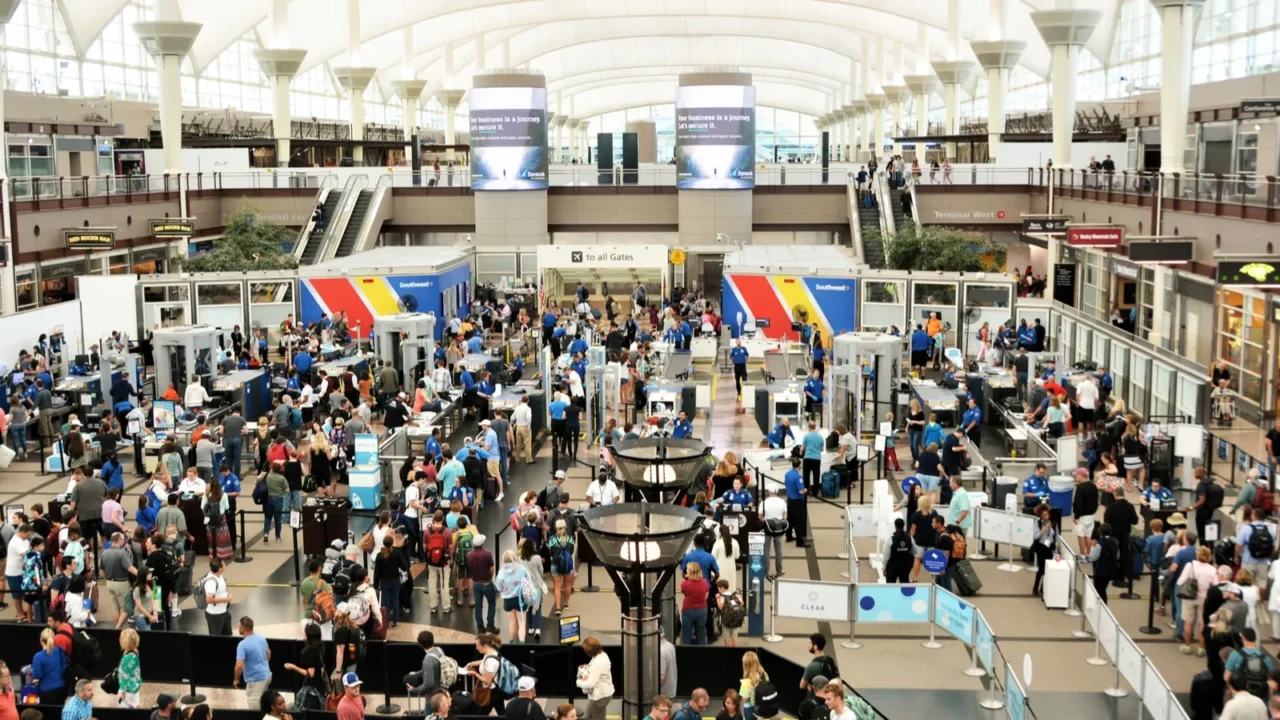
Airport stress is part of the picture
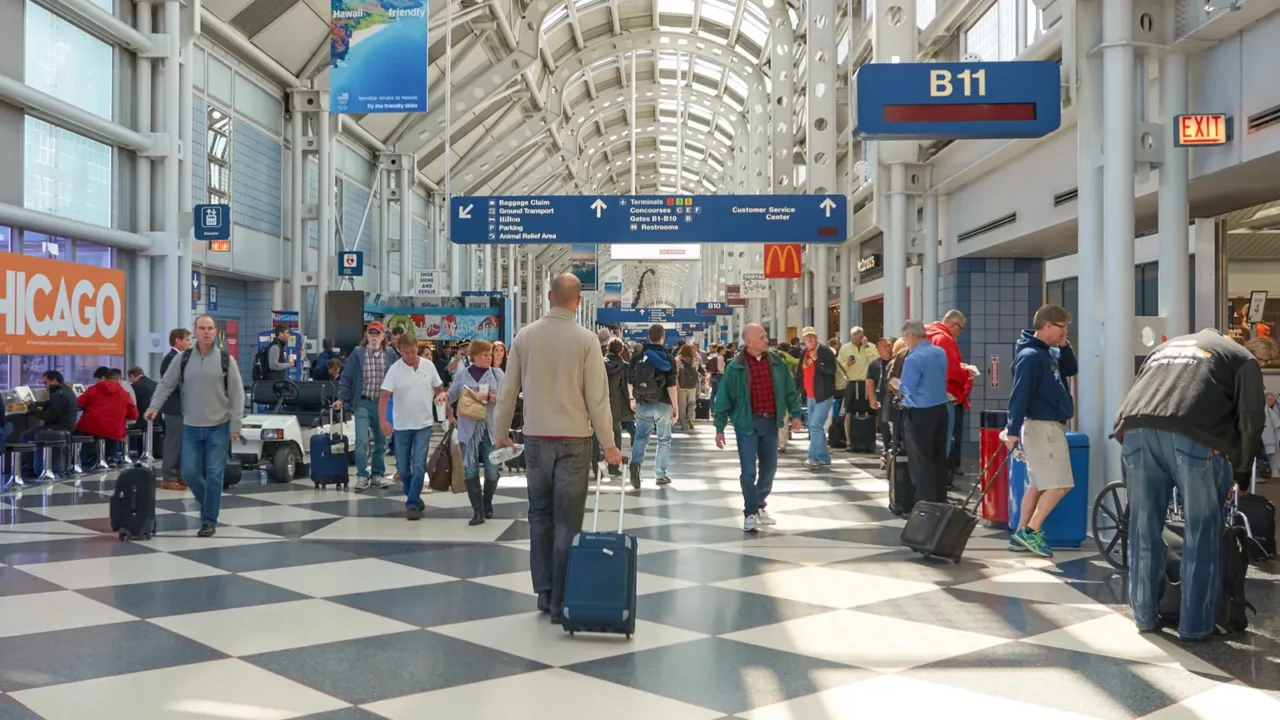
There is another practical signal travelers should not ignore. Reuters reported airline and travel groups expect a record 171 million passengers during the spring travel period, even as shutdown-related staffing problems raised concerns about long security lines. That means busy terminals could become part of the season’s cost equation.
A trip gets more expensive when delays force extra meals, missed connections, or rebooking. So the economic signal is not just oil. It is whether a strained travel system can handle strong demand without turning small disruptions into costly ones.
Airlines are pulling more routes as the Iran conflict worsens, leaving thousands of travelers stranded or scrambling to rebook. Check out why major carriers are suspending flights and how the disruption is spreading.
What smart travelers should track
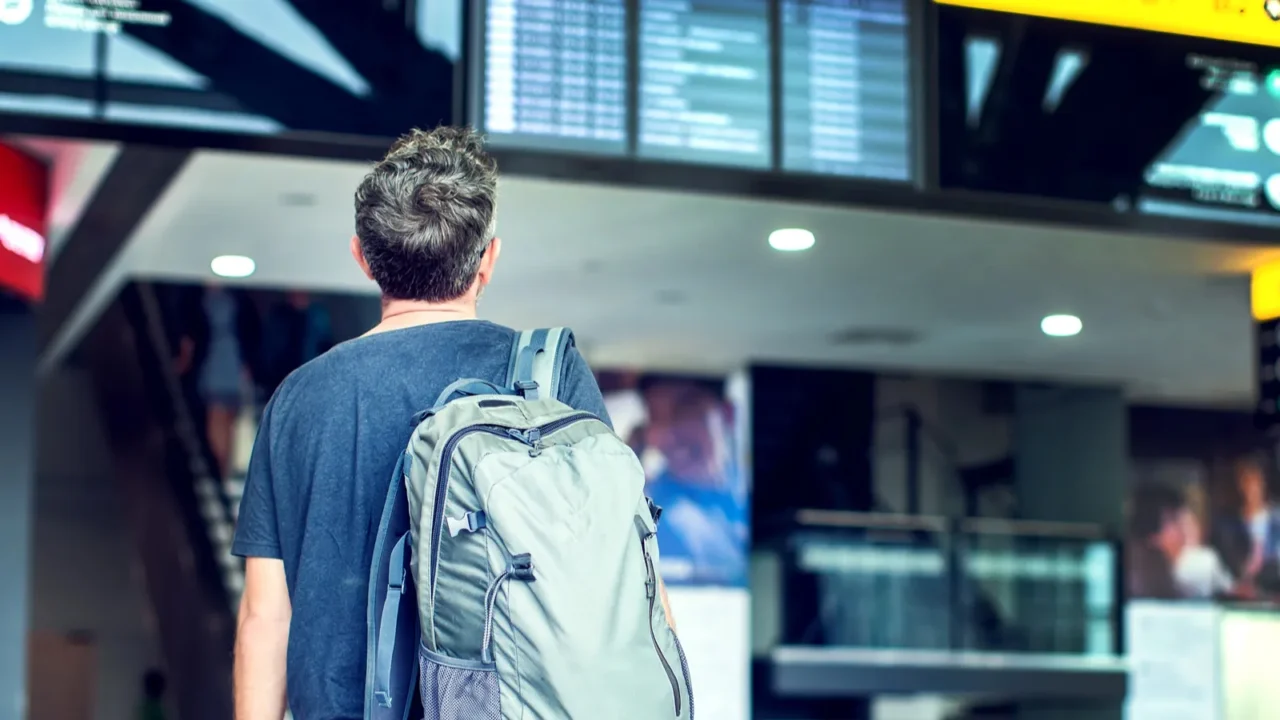
This season, watch three things before you book. First, look at oil and jet fuel headlines because they can move flight prices quickly. Second, watch whether airlines start discounting or holding firm as demand stays steady.
Third, pay attention to your own trip style. If you are flexible on dates, airport choice, or hotel class, you may still find good value. If you want peak dates and fewer compromises, this may be the season to book earlier instead of gambling on a late drop.
Longer routings and rising fuel costs are starting to reshape international travel from major U.S. airports. Check out how the Iran conflict is affecting global flight routes.
Will rising fuel pressure change how you book your next trip? Share your thoughts in the comments.
This slideshow was made with AI assistance and human editing.
Don’t forget to follow us for more exclusive content right here on MSN.
Read More From This Brand:
