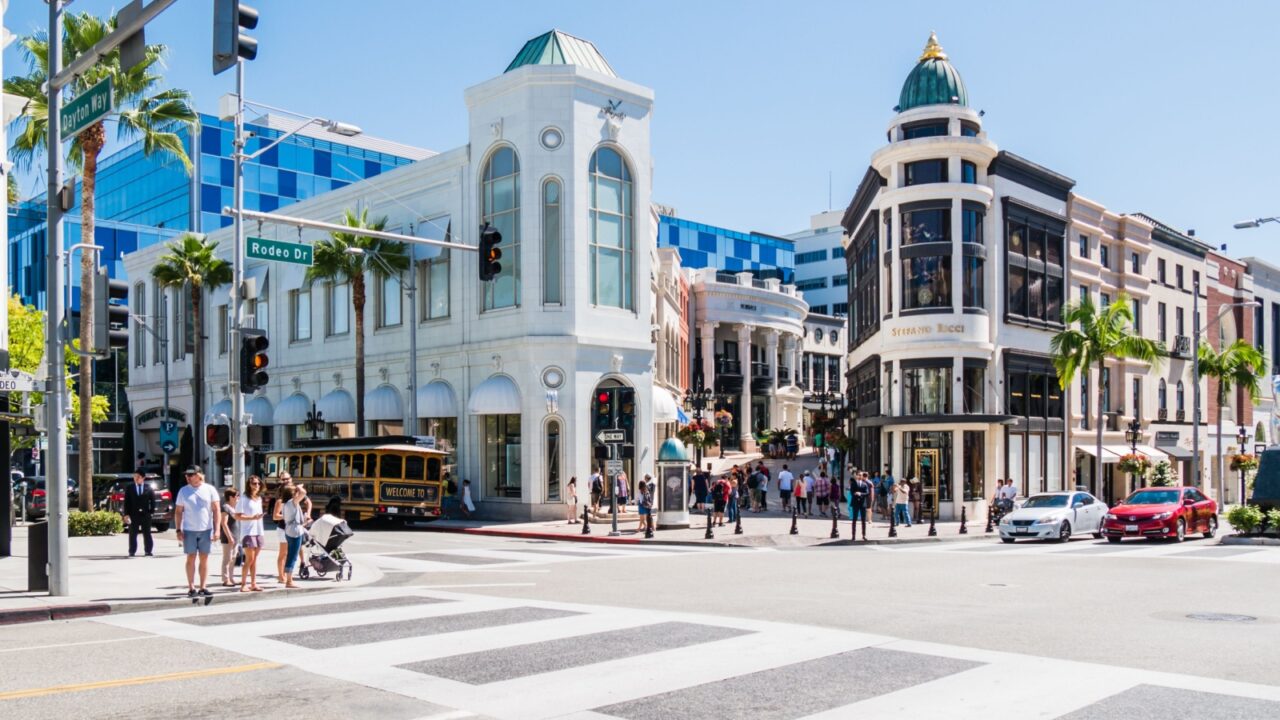
Los Angeles Measure ULA background
Measure ULA, officially the Homelessness and Housing Solutions Tax, is a real estate transfer tax approved by Los Angeles voters in November 2022. The city of Los Angeles began collecting the tax on April 1, 2023, with higher rates on property sales above $5 million and $10 million. The policy was billed to fund affordable housing and tenant programs, positioning Los Angeles as a community striving to address its housing crisis while creating predictable revenue.
Proponents said the revenue would generate hundreds of millions annually for housing programs. Critics immediately warned the levy could slow high‑value real estate transactions and complicate development. Travelers interested in local housing trends and economic health watch these debates because they shape the future of neighborhoods, hospitality demand, and tourism infrastructure in Southern California.
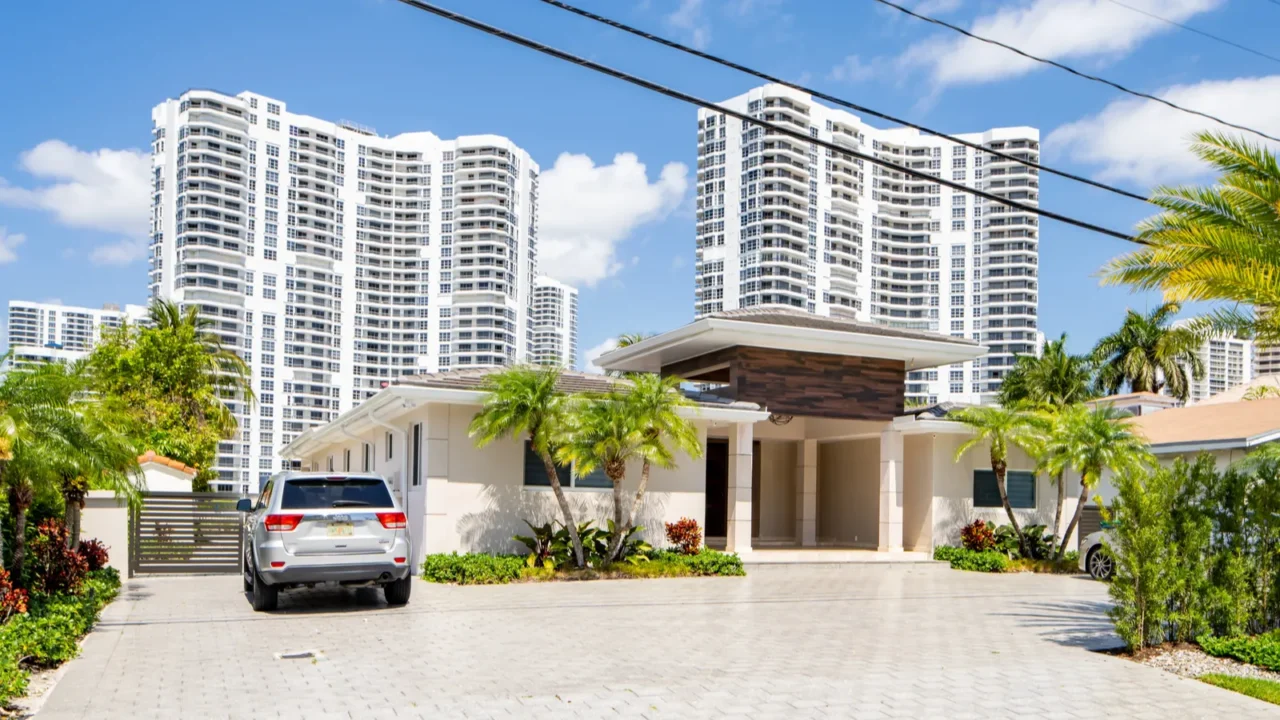
Measure ULA revenue falls short
In the early collection period, Measure ULA’s revenue trailed campaign projections. From April 2023 through December 2024 the tax generated roughly $480 million in total (well below the ballot estimate of $600 million to $1.1 billion per year) though city reporting shows cumulative revenue continued to grow after 2024 and later surpassed $1 billion in total collections.
Between April 2023 and December 2024, the tax generated roughly $480 million in total, according to academic analyses and city data — a cumulative amount that fell short of proponents’ annual projections and prompted debate about market response and tax design. That discrepancy between expected and actual revenue has fueled concern among city officials and critics alike. Local economists and housing organizations debate whether the shortfall reflects market dynamics or flaws in the tax design.

Critics highlight economic impact
Opponents of Measure ULA argue the tax has dampened high‑end real estate sales and broader development activity. Research from multiple academic centers suggests the tax discouraged property turnover, particularly in commercial and multifamily markets. Slower transactions mean less revenue, not just from the transfer tax but also from future property taxes that support public services.
Those trends have drawn criticism from developers and housing advocates who say Measure ULA undermines Los Angeles’ ability to attract investment. Critics contend that reduced real estate activity could shift development to neighboring cities with lower costs. Travelers interested in the region’s skyline and destination neighborhoods occasionally notice these dynamics in slower new construction.

Los Angeles construction slowdown
Recent UCLA research shows a notable slump in construction permits since the mansion tax took effect in Los Angeles. A working paper found that overall permit activity plunged significantly compared with patterns before Measure ULA. Both multifamily and single‑family home permits declined sharply, raising concerns about future housing supply.
Developers cited tax uncertainty and increased costs as reasons to delay or relocate projects. Neighboring cities such as Pasadena and Beverly Hills recorded steadier construction levels in the same period. This shift highlights how taxation policy can reshape local economic activity, influencing where workers settle and where visitors find vibrant districts to explore.

Backlash from real estate groups
Real estate professionals in Los Angeles have increasingly voiced resistance to Measure ULA. Many argue that the tax stifles market activity at a time when housing production is desperately needed. Some critics emphasize that the policy’s broad application to both luxury and commercial properties makes development projects less viable.
Groups such as the Howard Jarvis Taxpayers Association have gathered signatures to place a statewide ballot initiative that would restrict local transfer taxes like Measure ULA. Their pitch centers on the idea that such high rates chill investment and reduce overall tax revenues over time. These campaigns have underscored the political dimensions of local taxation debates in California.

Housing market ripple effects
Measure ULA’s effects extend beyond just tax revenue, influencing how sellers price and time luxury property transactions. Just before the tax took effect, luxury home prices briefly spiked as some owners rushed to close deals. After implementation, high‑end sales and turnover dropped substantially.
Fact: A UCLA Anderson School of Management analysis found that renovation permit activity for high‑end homes rose by nearly 46% after the mansion tax began, as owners opted to remodel rather than sell and incur the levy. That trend shows how taxation can change homeowner behavior in unexpected ways, sometimes reducing the supply of large homes for sale.
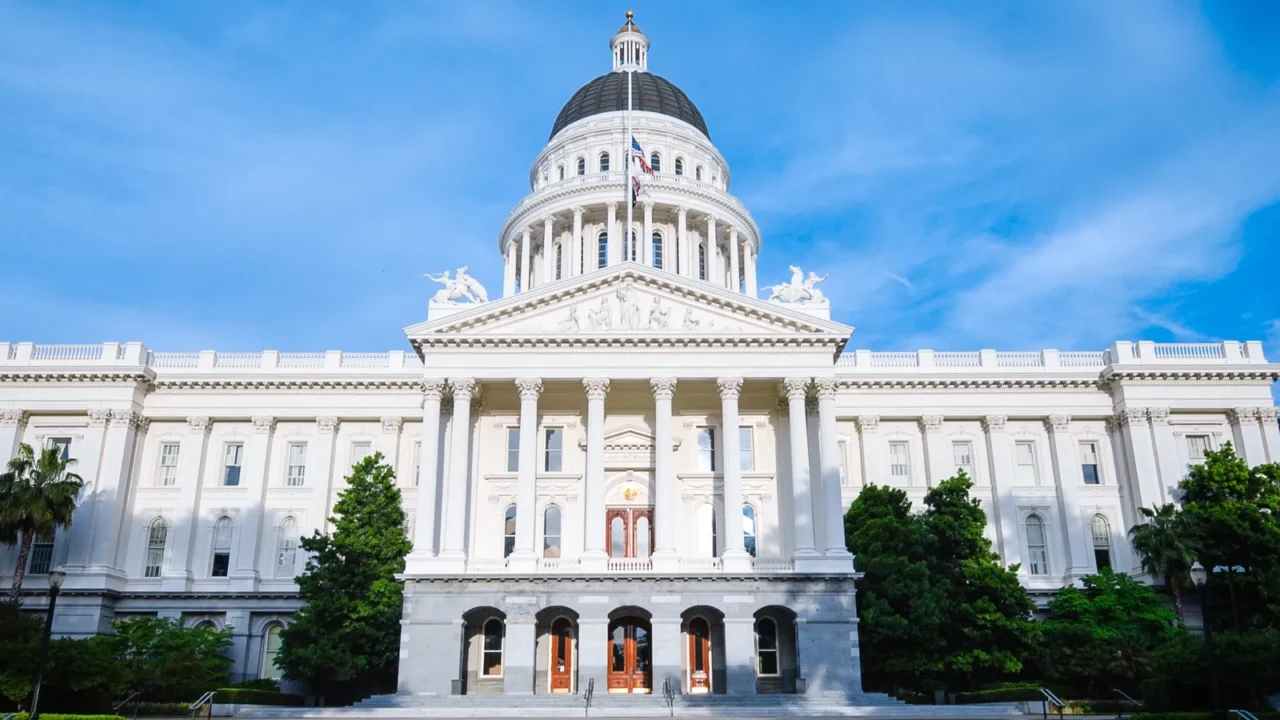
Statewide ramifications debates
Measure ULA’s controversial outcomes have triggered broader legislative interest in Sacramento. Lawmakers considered proposals to reform or cap local transfer taxes statewide, arguing that Los Angeles’ high rates distort regional housing markets.
These efforts reflect concerns that the tax’s repercussions could spread beyond city limits.
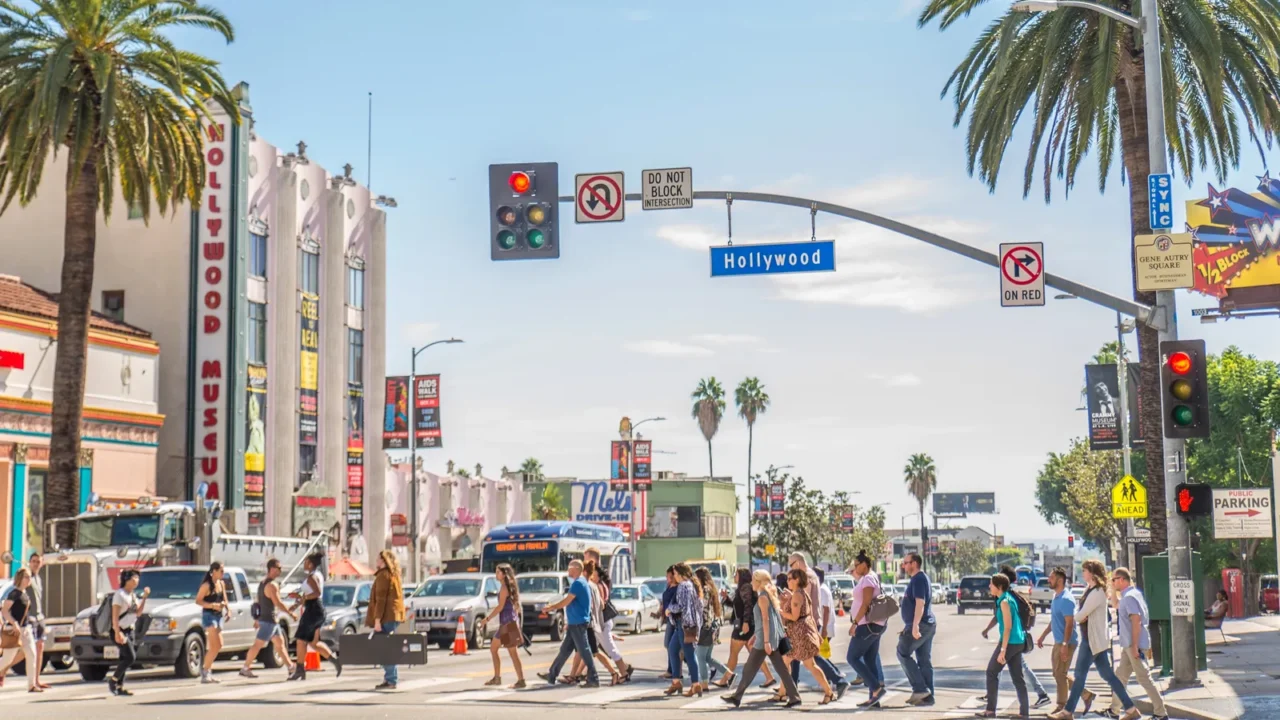
Los Angeles tourism economy ties
Los Angeles’ economy relies heavily on tourism, and housing market dynamics influence visitor experiences. Hospitality, dining, and entertainment hubs are intertwined with residential and commercial real estate trends. A slower real estate market can affect neighborhoods that travelers visit, especially in areas undergoing redevelopment or festival planning.
When developers hesitate to build new hotels or mixed‑use venues because of tax costs, opportunities for tourism infrastructure growth slow. Festivals, cultural districts like Hollywood and Venice Beach, and conference facilities all depend on a healthy real estate market to house venues and support services. For visitors planning trips, understanding how local policies shape these areas adds valuable context to destination choices.
Council explores tax reform
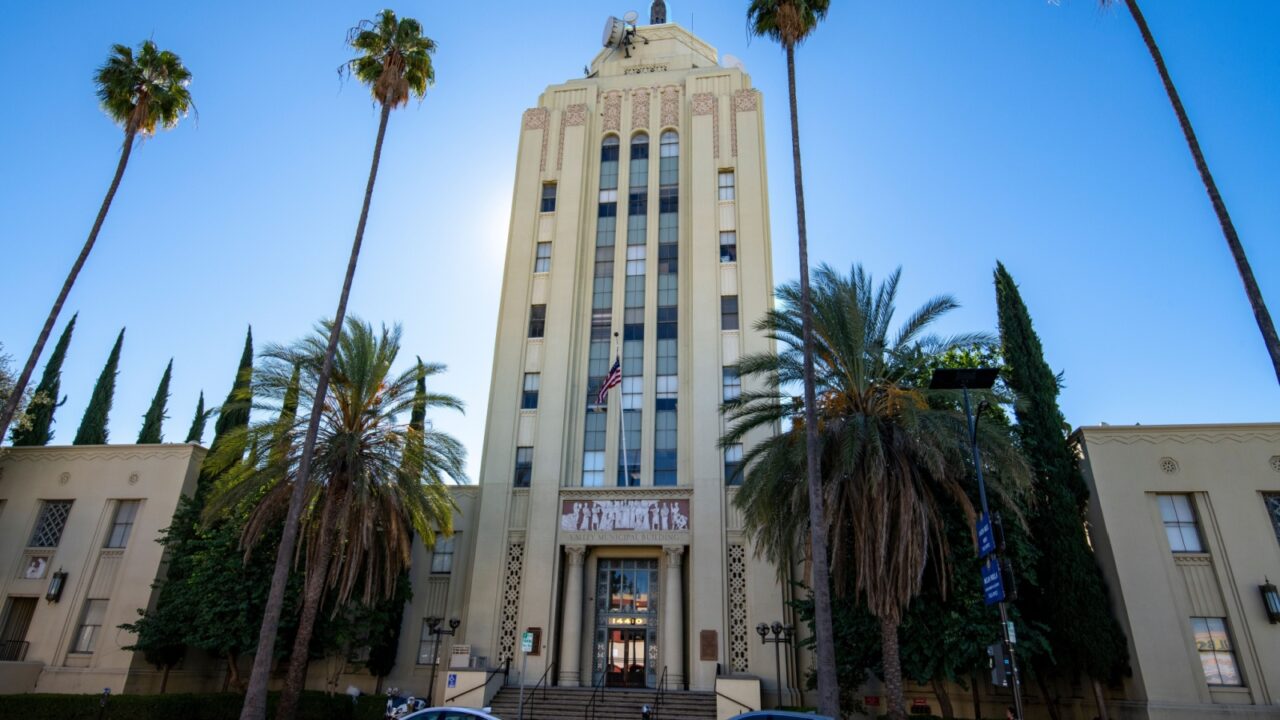
The Los Angeles City Council recently established a committee to explore possible reforms to Measure ULA. This body will study adjustments that could make the tax more palatable while safeguarding its original objectives. The council aims to present options that might be placed before voters in future ballots.
Council President Marqueece Harris‑Dawson has emphasized that reforms will consider issues like taxing new affordable housing developments. Meanwhile, both supporters and critics await detailed proposals from the committee. Travelers with long stays or extended visits often watch such policy debates because they can affect neighborhood vibrancy and economic health.
Economic shortfall concerns
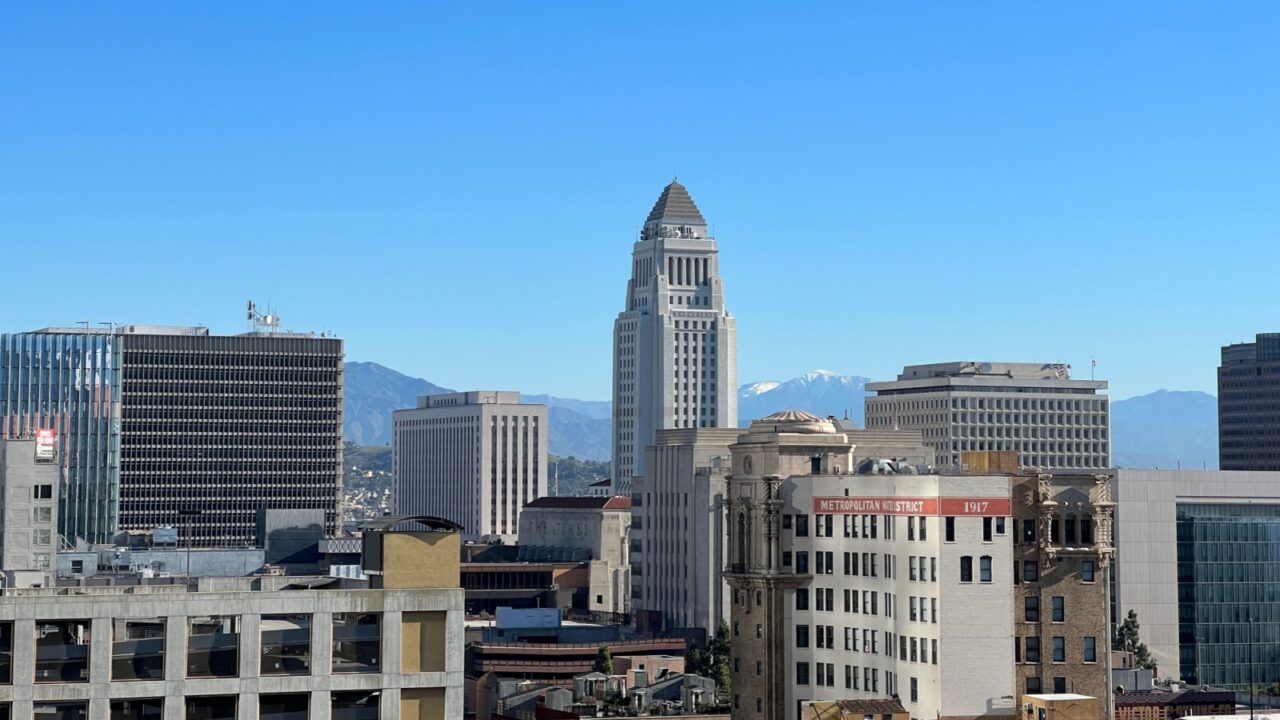
Critics argue that Measure ULA’s underperformance has created a $177 million shortfall relative to earlier projections. Analysts say fewer high‑value transactions mean less transfer tax revenue, limiting funds available for affordable housing. Some economists suggest that reducing supply and transaction volume undermines the city’s fiscal strategy.
Those concerns have prompted demands for adjustments to make the tax more effective. Critics contend that a policy that hampers its own revenue base may ultimately weaken financial support for homelessness programs. The backlash underscores how fiscal expectations must align with market reality.
Public opinion diverges
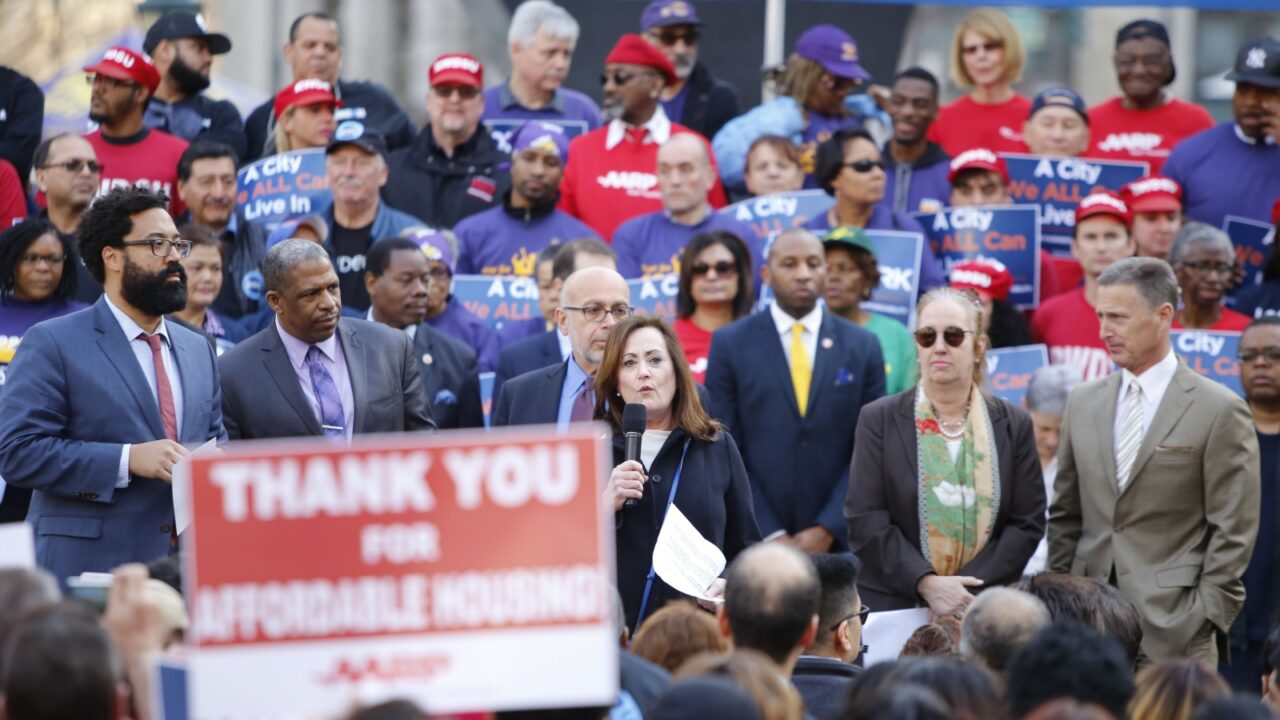
Public opinion about Measure ULA remains sharply divided in Los Angeles. Supporters say the tax is essential to fund housing initiatives and address homelessness, while critics see it as a policy that has backfired economically. These differing viewpoints have fueled political activism and media scrutiny.
Some housing advocates caution that repealing or weakening the tax could slow funding for urgently needed social programs. Meanwhile, business groups argue that reform is necessary to restore confidence in Los Angeles’ development climate. Travelers often observe these debates in the context of how they shape local urban environments.
Impact on regional real estate
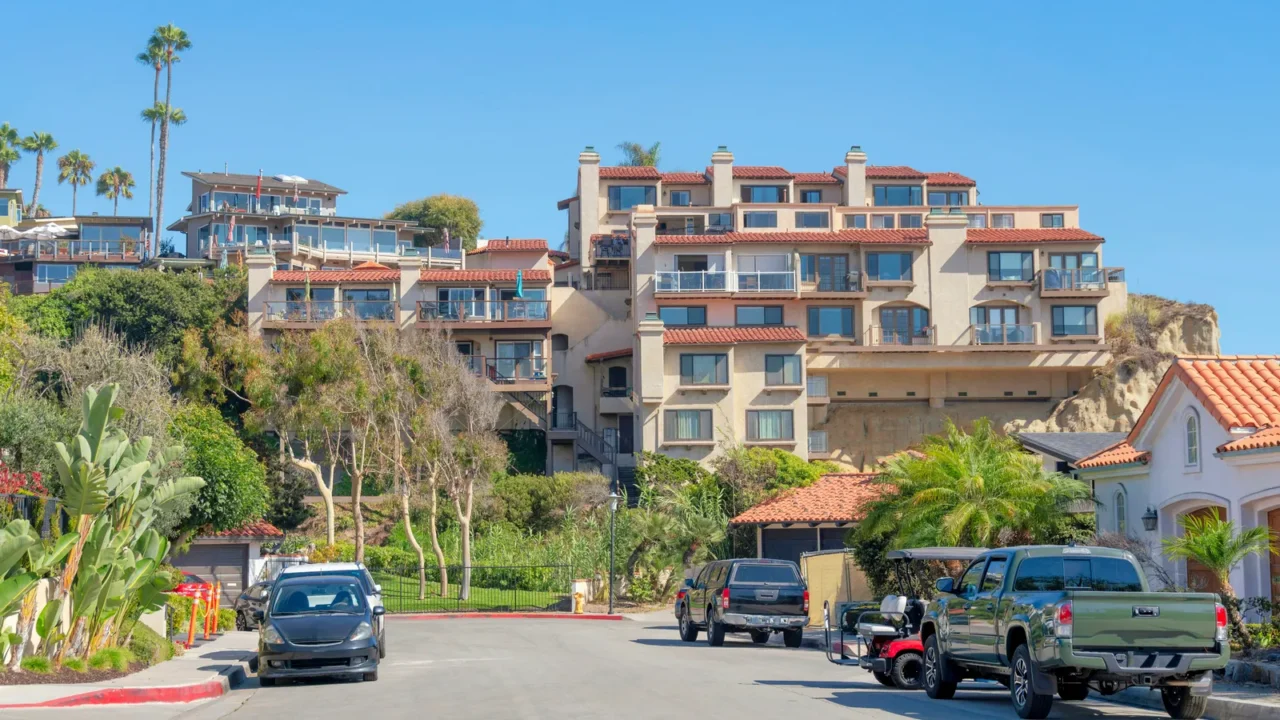
Measure ULA’s effects ripple beyond Los Angeles, shaping real estate activity in surrounding cities. Developers increasingly compare tax liabilities across jurisdictions before pursuing projects. Neighboring areas without the high transfer tax attract more investment and permit activity, reminding some that 12 reasons moving to Los Angeles isn’t as glamorous as it looks.
This dynamic has encouraged growth in suburban markets, with some construction and sales moving outside city limits. That shift affects employment patterns, housing availability, and long‑term tourism development strategies. Visitors may notice differences in destination appeal as local real estate markets adapt to tax policies.

Future of LA housing policy
The future of Los Angeles’ mansion tax remains uncertain as policymakers, economists, and voters continue debating Measure ULA’s outcomes. Reforms or ballot initiatives could reshape the city’s tax landscape and affect real estate investment. Travelers interested in real estate tourism, unique neighborhoods, and destination development will likely follow these changes closely.
The debate highlights the balance between generating revenue for social programs and maintaining a healthy housing market. As Los Angeles evolves, its strategies for funding affordable housing will influence both residents and visitors alike.
What factors should shape future housing taxation policies in vibrant cities like Los Angeles? Share thoughts below.
This slideshow was made with AI assistance and human editing.
Don’t forget to follow us for more exclusive content right here on MSN.
Read More From This Brand:
