When a city starts feeling emptier
Some places still feel busy on a Saturday night, but the numbers tell a different story. In several big American cities, population losses since 2020 have been large enough to change schools, housing, small business traffic, and everyday street life.
That does not mean these cities are empty or finished. That often means fewer residents are available to support the same roads, water systems, transit lines and neighborhood services that were planned for larger populations, putting pressure on municipal budgets and maintenance priorities.
More than just a head count
Population loss is not only a numbers story. When residents leave, cities often lose tax revenue, classroom enrollment, local spending, and the simple energy that makes blocks feel alive and cared for.
That is why shrinking cities can feel strange to people who still love them. A downtown may still have great food and famous landmarks, while the neighborhoods around it are dealing with empty homes, thin services, and slower investment.
St. Louis keeps losing ground
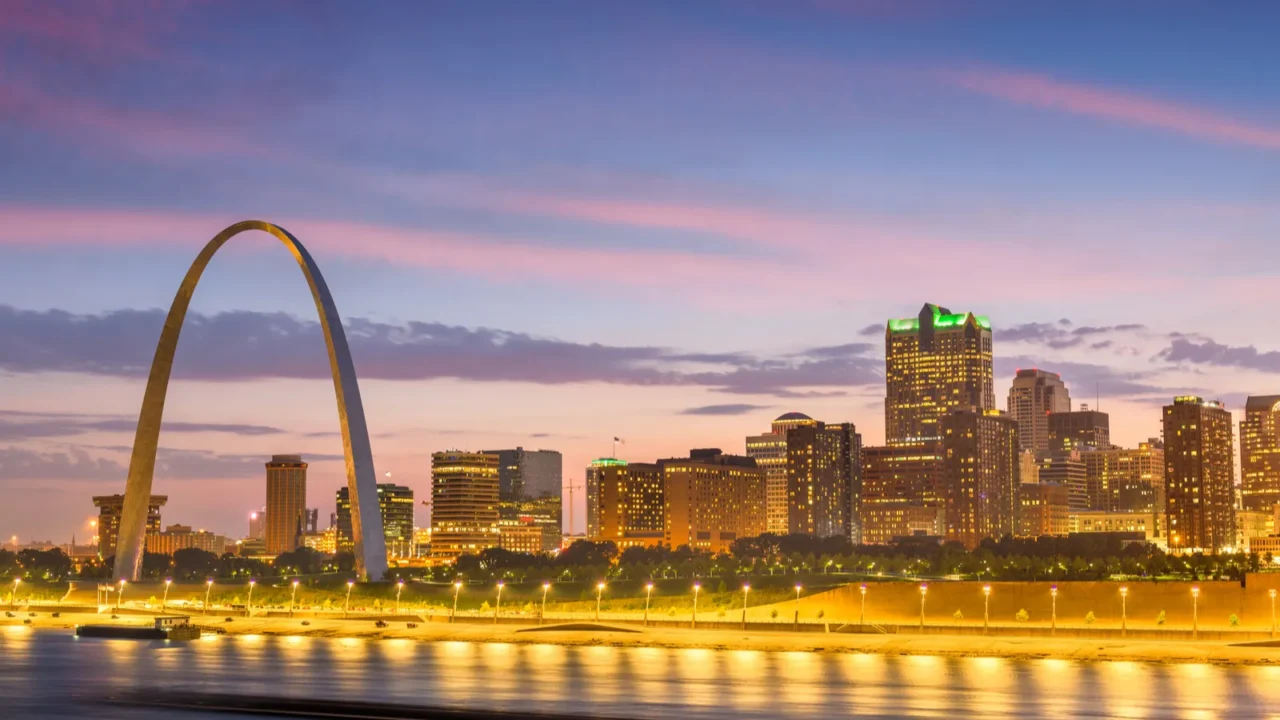
St. Louis remains one of the clearest examples of big-city population decline. The U.S. Census Bureau estimated the city at 279,695 people in 2024, down from an April 2020 base of 301,371.
That is a sharp drop in a short time. Recent local analysis of Census data found St. Louis lost more than 21,000 residents from 2020 to 2024, putting it among the steepest-declining large cities in the country.
Detroit’s decline has slowed
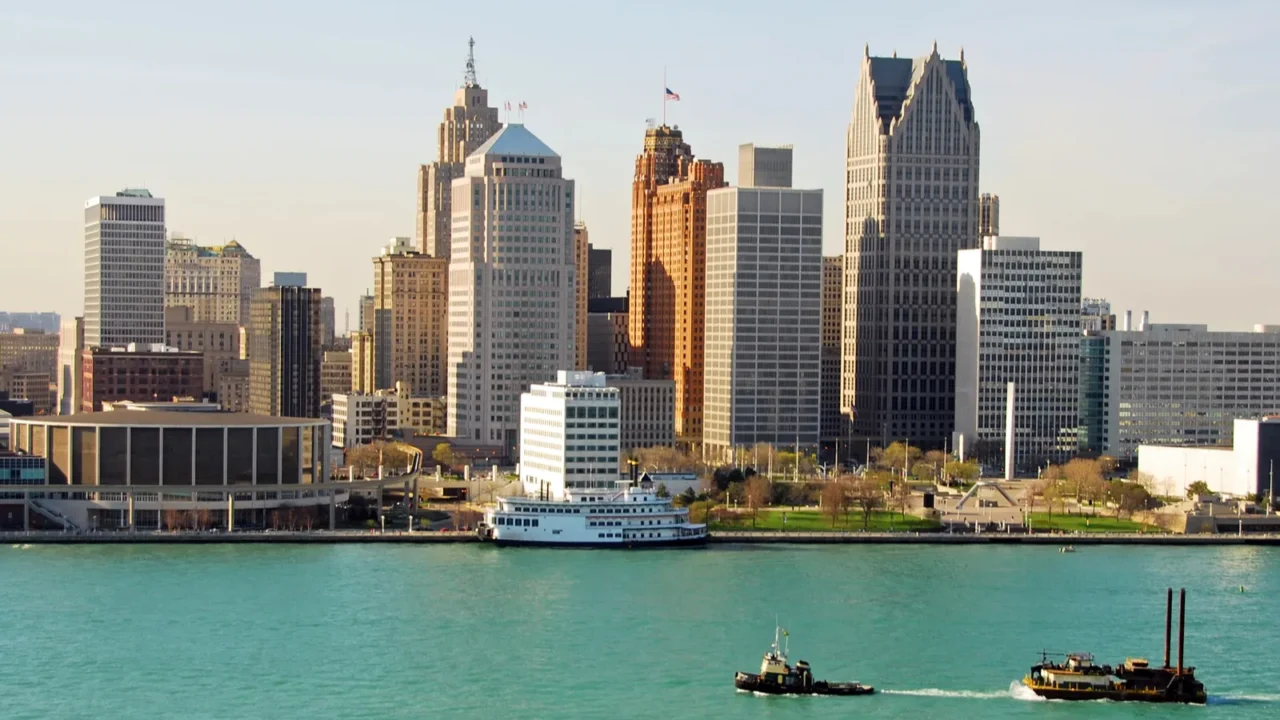
Detroit is still one of America’s great comeback stories in progress, but the long-term drop remains huge. The city’s 2024 population estimate was 645,705, showing how far it remains from its industrial-era size even after recent gains.
Detroit posted modest population gains in recent estimates, reversing decades of overall decline; the U.S. Census Bureau’s 2024 estimate put the city at about 645,705 residents, up from 2023.
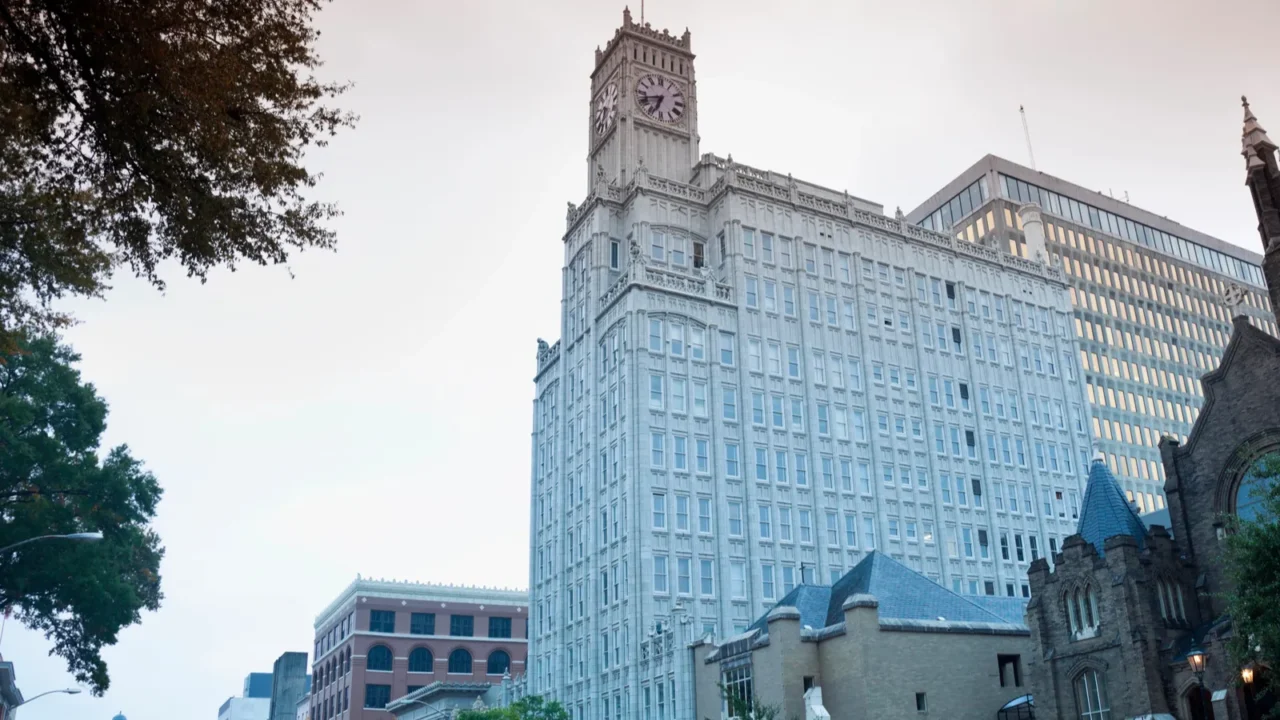
Jackson is losing people fast
Jackson’s slide stands out because it is happening in a state capital. The Census Bureau estimated 141,449 residents in 2024, and reporting on the new estimates said Jackson lost more than 12,000 people from 2020 to 2024, the biggest per-capita drop among U.S. cities over 100,000.
That kind of decline can touch almost everything a resident sees. Lower income levels, high poverty, and long-running concerns about crime and daily services have all added pressure to a city that is struggling to keep people from leaving.
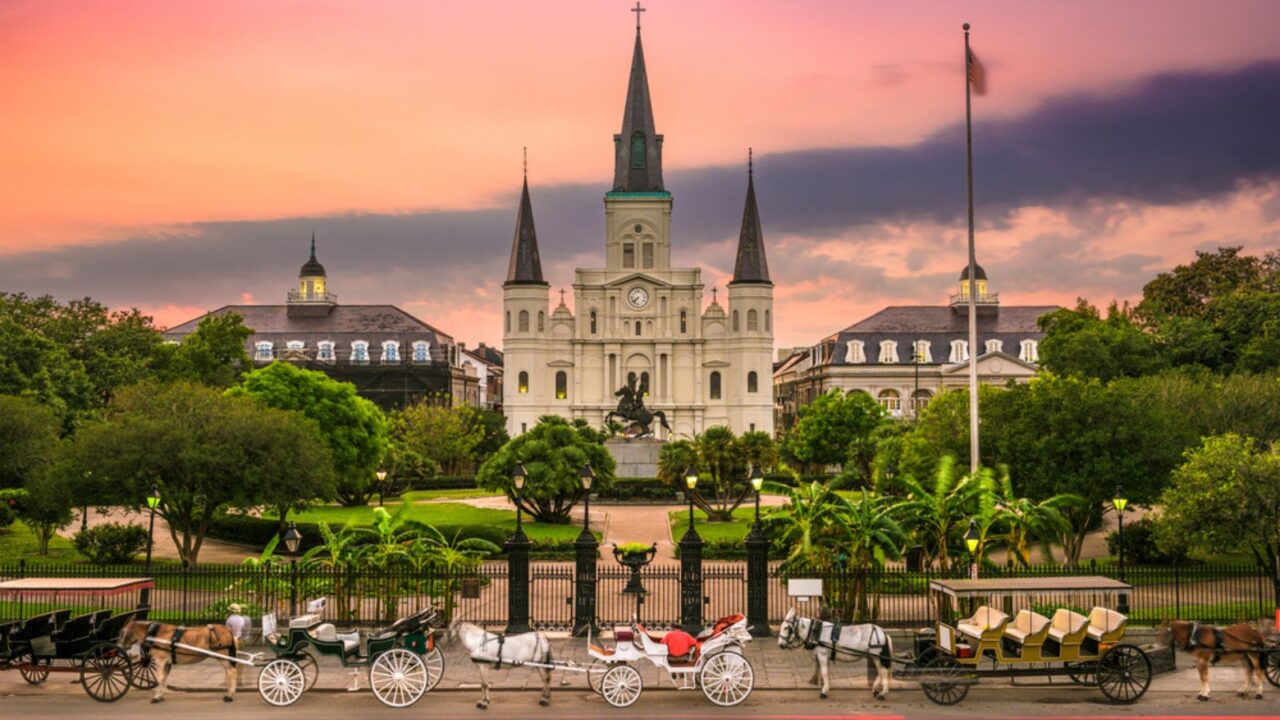
New Orleans feels the strain
New Orleans still has an unmatched culture, but the population trend has been rough. The city’s 2024 estimate was 362,701, and local reporting said it had fallen to its smallest population since 2012.
Residents are also frustrated with basic city services. A business-backed coalition said a survey found roughly two-thirds of respondents felt New Orleans was not working for them, with especially deep dissatisfaction tied to the Sewerage and Water Board.
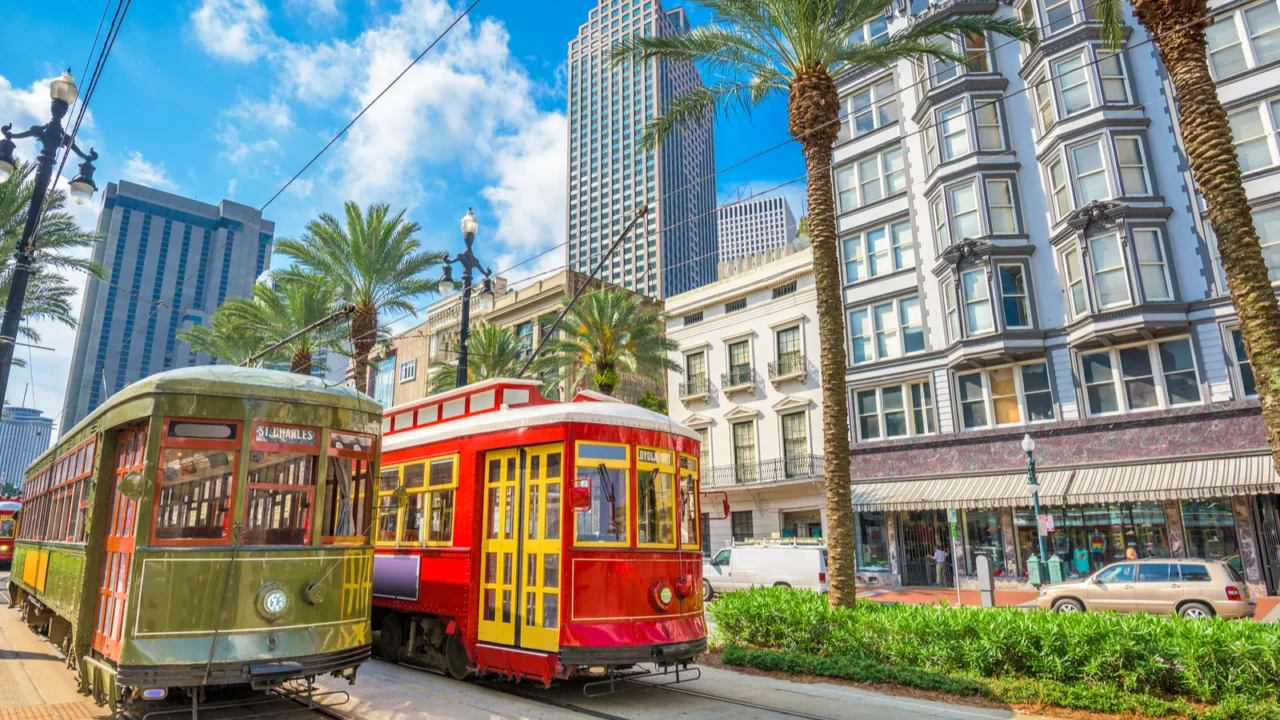
Little-known fact: New Orleans is home to the oldest continuously operating streetcar line in the world, the St. Charles Avenue line, which began service in 1835.
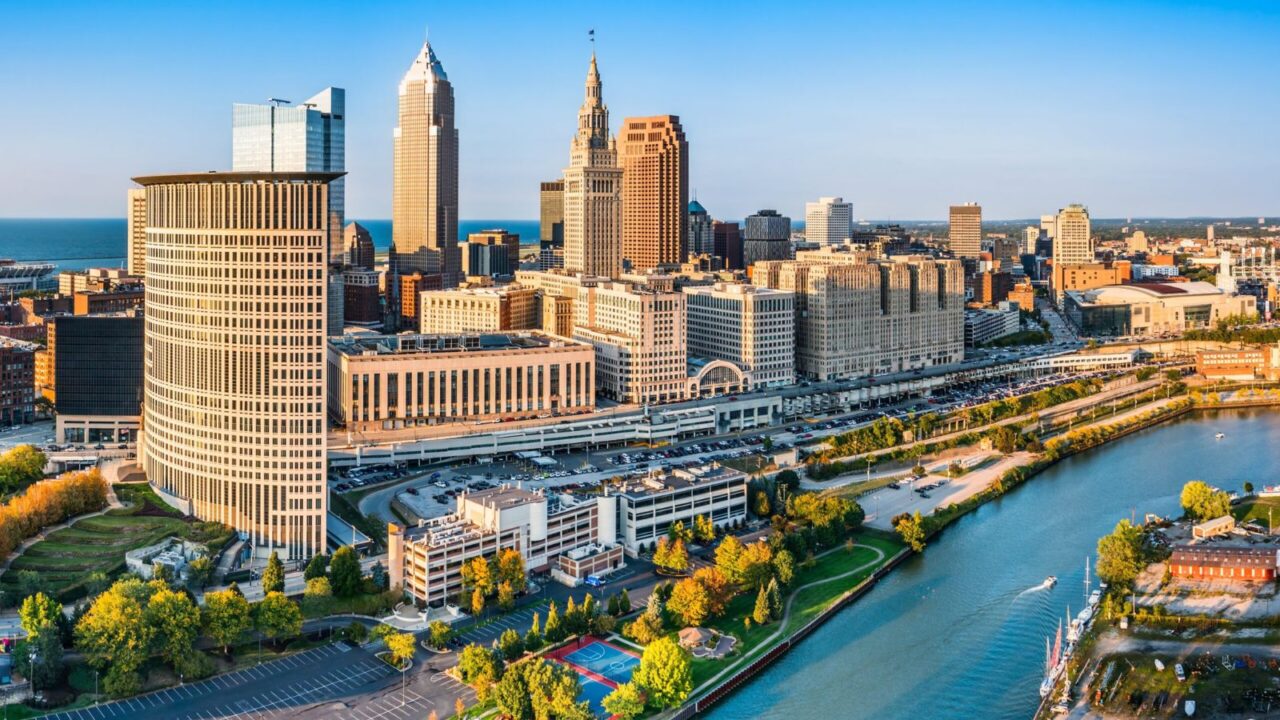
Cleveland stopped the freefall
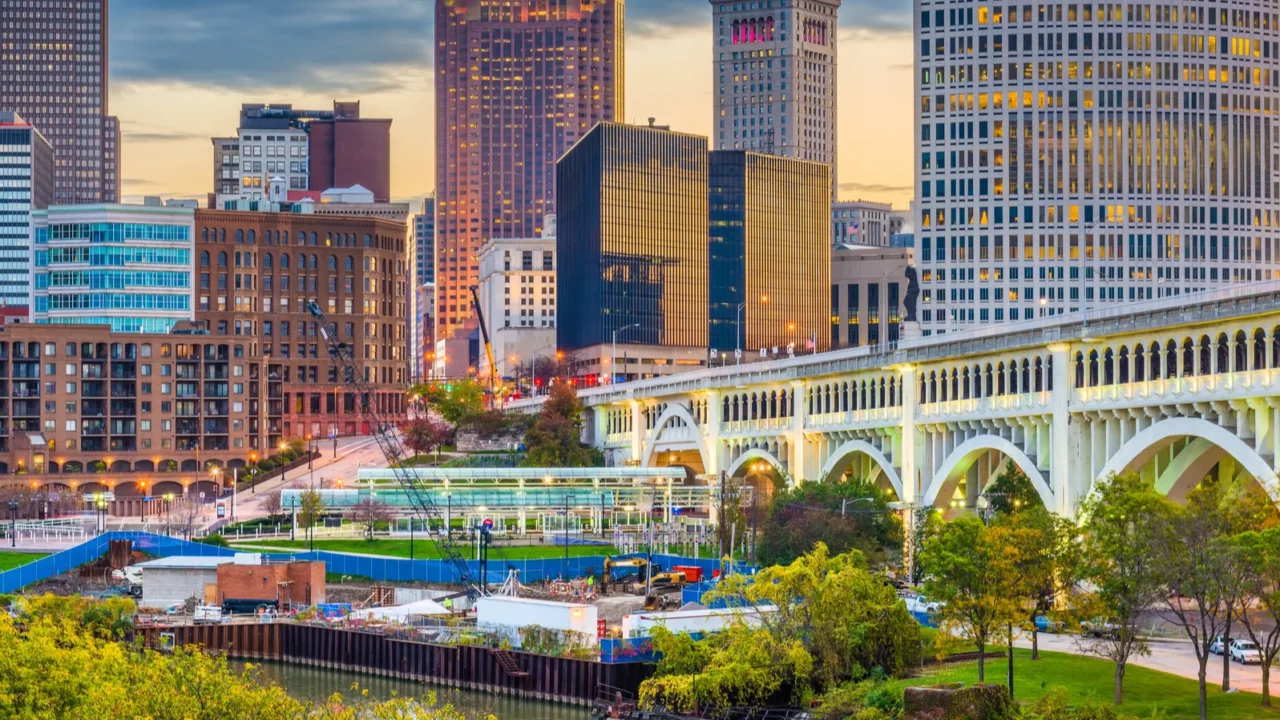
Cleveland shows that stabilization can matter almost as much as growth. The city’s 2024 population estimate was 365,379, and that steadier number helped signal that its decades-long slide may finally be easing.
That does not erase the deeper story. Cleveland lost a large share of its manufacturing base over the years, and scholars have long pointed out that suburban sprawl pulled many residents beyond city limits even when the wider region kept functioning.
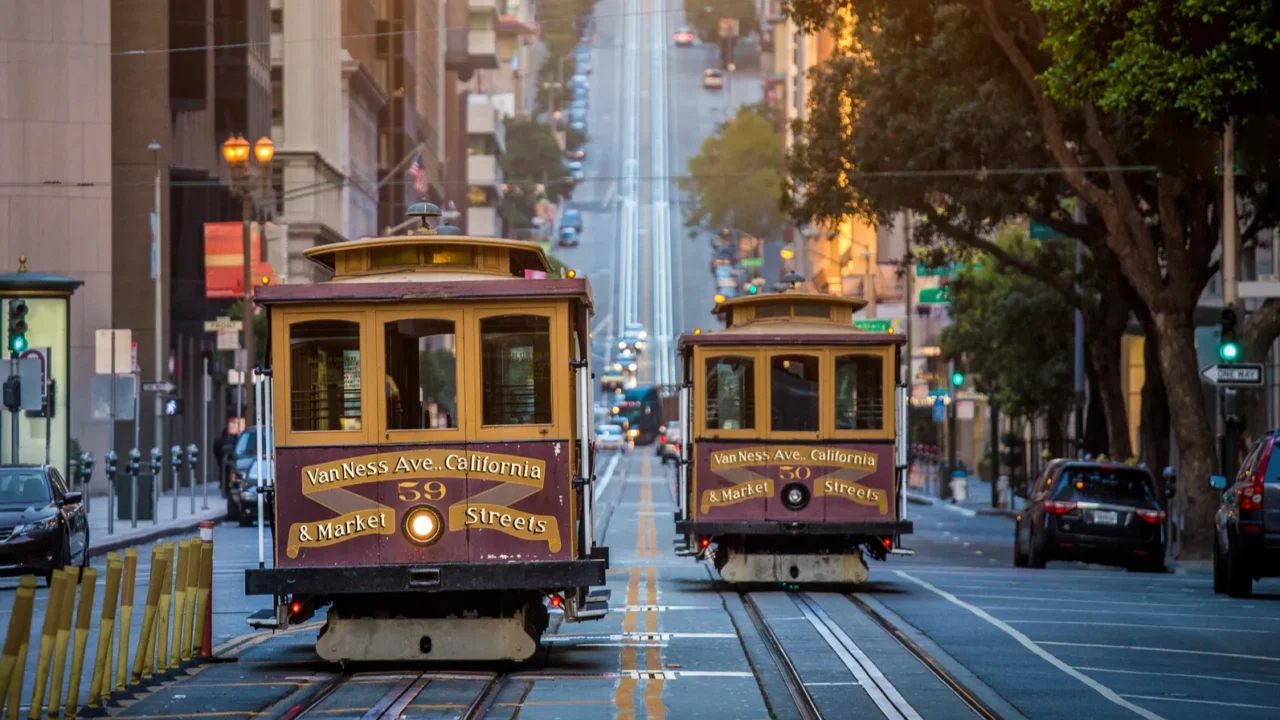
San Francisco is still below peak
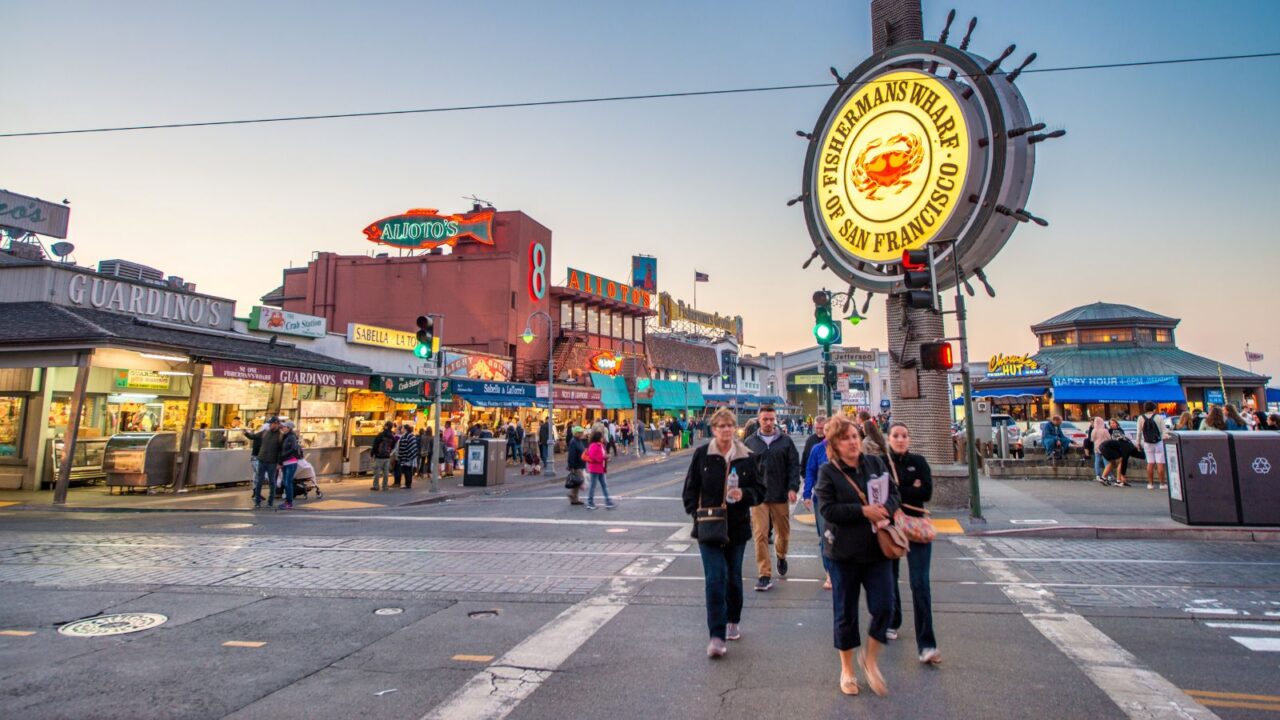
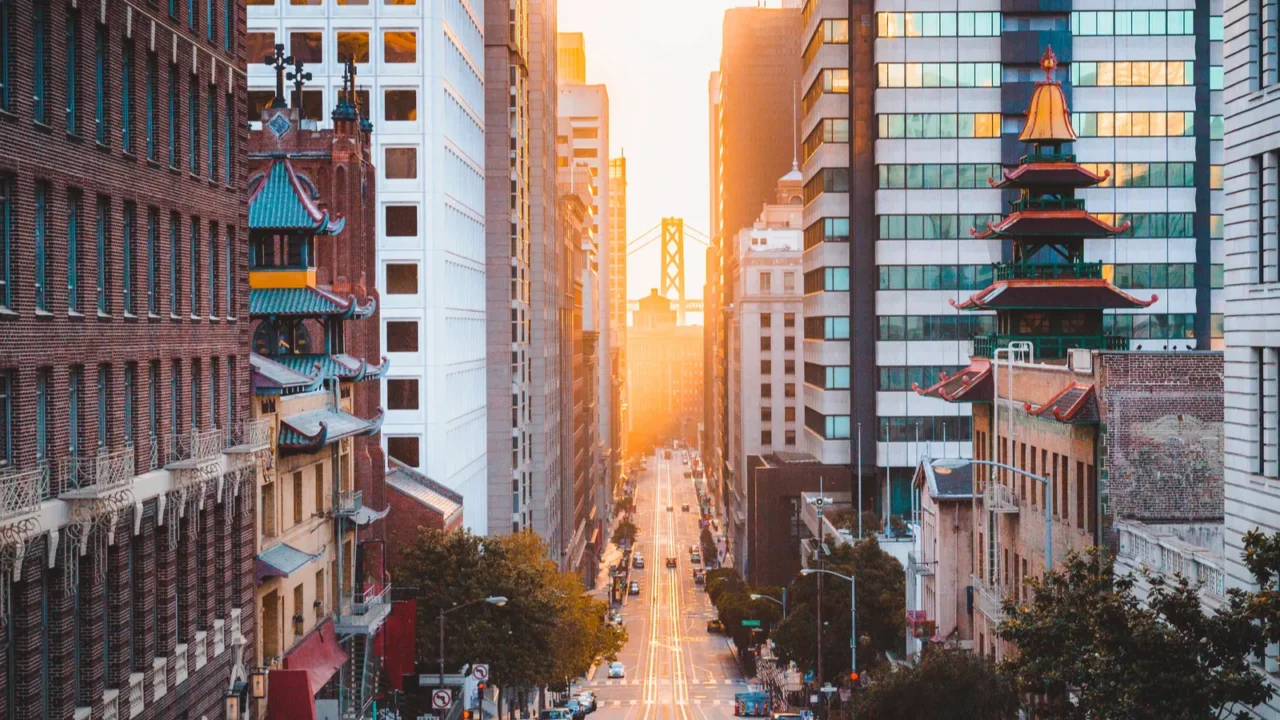
San Francisco is the surprise entry on this list because it is rich, famous, and globally influential. Yet the Census Bureau’s 2024 estimate put the city at 827,526, and newer reporting says it remains well below its pre-pandemic high.
Remote work changed the math in a place with extremely high housing costs. Even with signs of recovery, San Francisco’s population remains below where it stood before 2020, showing that job growth alone does not guarantee people will stay.

Memphis is sliding the wrong way
Memphis deserves attention because the decline has kept going in recent years. The Census Bureau estimated the city at 610,919 people in 2024, down from a 2020 base of 628,546.
Local reporting on earlier Census updates found thousands of residents leaving in a single year. Crime, weak confidence, and worries about city direction have all been part of the public conversation around why Memphis keeps losing ground.
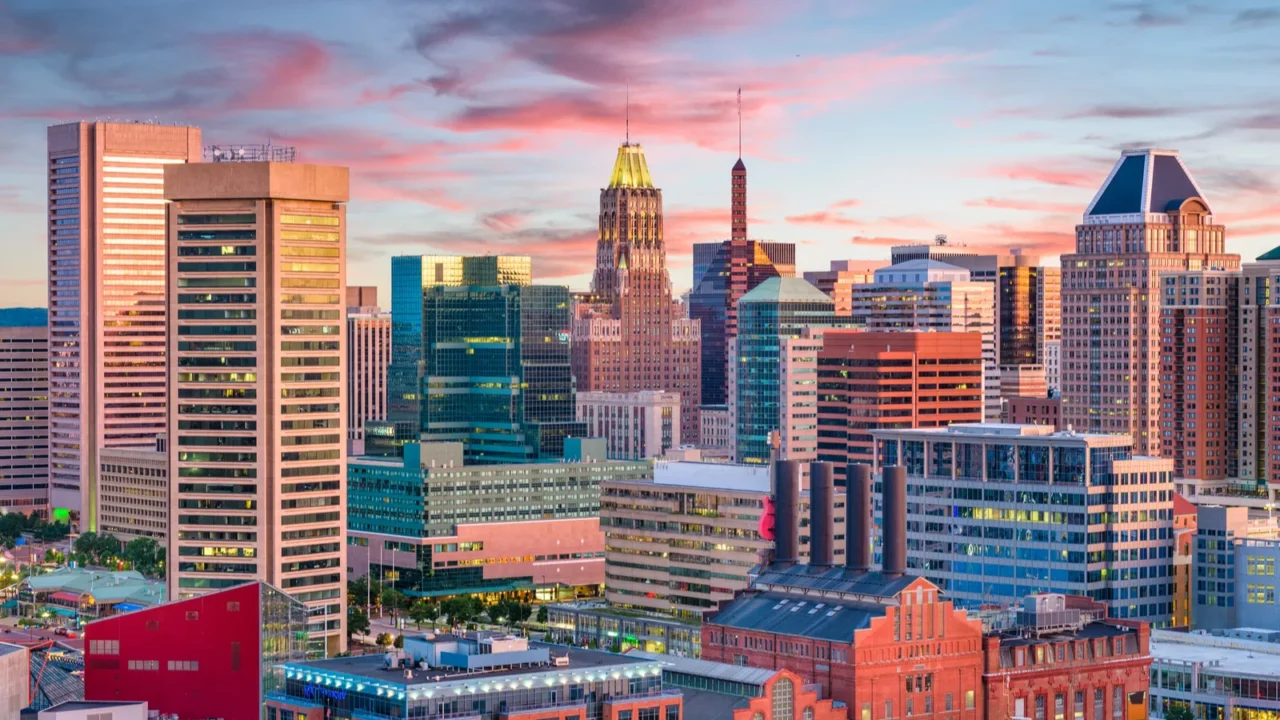
Baltimore’s long shrink continues
Baltimore’s 2024 estimate came in at 568,271, down from a 2020 base of 585,720. That means the city has still been shrinking overall this decade, even though the newest projections showed a very small year-over-year gain from 2023 to 2024.
That tiny uptick matters because it hints at possible stabilization. Still, the bigger picture is a city that has spent years losing residents while leaders try to rebuild confidence around housing, public safety, and neighborhood opportunity.
Little-known fact: Baltimore’s Washington Monument was completed before the more famous Washington Monument in Washington, D.C.
Why people keep moving out
These cities do not all have the same problem. In some places, families leave for the suburbs and more space, while in others, the push comes from concerns about crime, service failures, or housing costs that no longer seem worthwhile.
The result can look similar even when the causes are different. A smaller city population means fewer kids in schools, fewer shoppers on business strips, and more pressure on local leaders to prove the city still works for everyday life.
What shrinking changes on the ground
Population loss is easiest to spot in the little things. You see it in vacant lots, quieter blocks, closed stores, and homes that sit unsold or unoccupied longer than they should.
Over time, those little signs become a bigger city problem. Fewer residents can mean weaker tax collections, slower upkeep, and a harder fight to maintain parks, transit, schools, and public trust at the same level.
More people are leaving California for Florida as taxes, housing costs, and lifestyle priorities reshape where Americans want to live. Check out what is driving the shift and why the Sunshine State keeps pulling people in.

A comeback can still happen
The story is not all doom. Detroit has posted growth again, Cleveland has steadied, and San Francisco has shown signs of clawing back residents, even if it is still below its old high.
That is the part city watchers should not ignore. A shrinking city is not automatically a dead city, but it does need stronger housing, safer streets, better services, and a reason for families to believe in staying.
Some once-popular states are starting to lose their shine for Americans looking for affordability, stability, and a better quality of life. Check out why more people are rethinking places they once saw as dream destinations.
Some of these cities may rebound, and some may continue to shrink for years. Which one do you think has the best shot at a comeback? Share your thoughts in the comments.
This slideshow was made with AI assistance and human editing.
Don’t forget to follow us for more exclusive content right here on MSN.
Read More From This Brand:
