
Global food prices remain high
The Food and Agriculture Organization of the United Nations reported that while some global food commodity prices have eased from previous peaks, overall price levels remain historically elevated in many markets. The FAO Food Price Index tracks international prices of key commodities, including cereals, dairy, and vegetable oils. Recent data show prices remain above earlier baseline levels even after easing from their 2022 peak.
The report comes as supply chain disruptions continue affecting deliveries across parts of the United States. Logistics delays and regional transportation issues have created uneven availability in some markets.

FAO index reflects mixed trends
FAO data indicate that some global food commodity prices have declined from earlier highs, but not uniformly across all categories. Prices for certain items like sugar and rice have remained elevated due to supply constraints. Global food markets have cooled from earlier highs, but the latest FAO update shows prices rising again rather than fully returning to pre 2020 patterns.
Despite these partial declines, U.S. supply chains continue to face localized disruptions affecting deliveries. Transport delays, labor shortages, and weather-related challenges have created inconsistencies in supply.
Supply chains face pressure
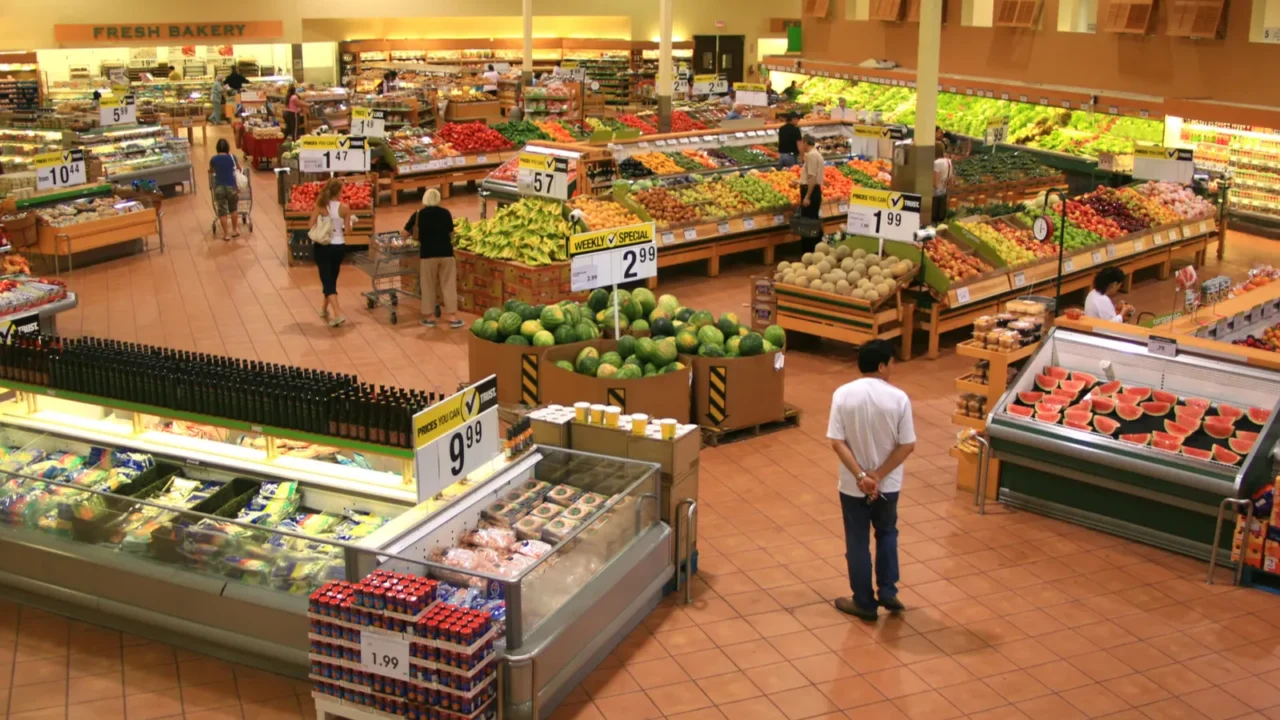
Supply chain disruptions across the United States continue to affect the movement of food from farms to stores and restaurants. Trucking shortages and port delays have slowed deliveries in several regions. These issues have contributed to persistent price pressures in local markets.
Major logistics hubs such as Los Angeles and Houston remain important to food distribution because delays at large gateways can ripple across broader supply networks. Restaurants and grocery stores sometimes adjust menus based on available supplies.

Weather continues influencing supply
Weather conditions remain a key factor shaping both global food prices and supply availability. Droughts, floods, and extreme heat events have reduced crop yields in multiple regions. These disruptions have kept upward pressure on certain food categories.
In the United States, severe weather has disrupted transportation routes and agricultural production. States such as California and Texas have faced climate related challenges. Travelers visiting these regions may notice seasonal price increases and limited availability.
Restaurants adapt to rising costs
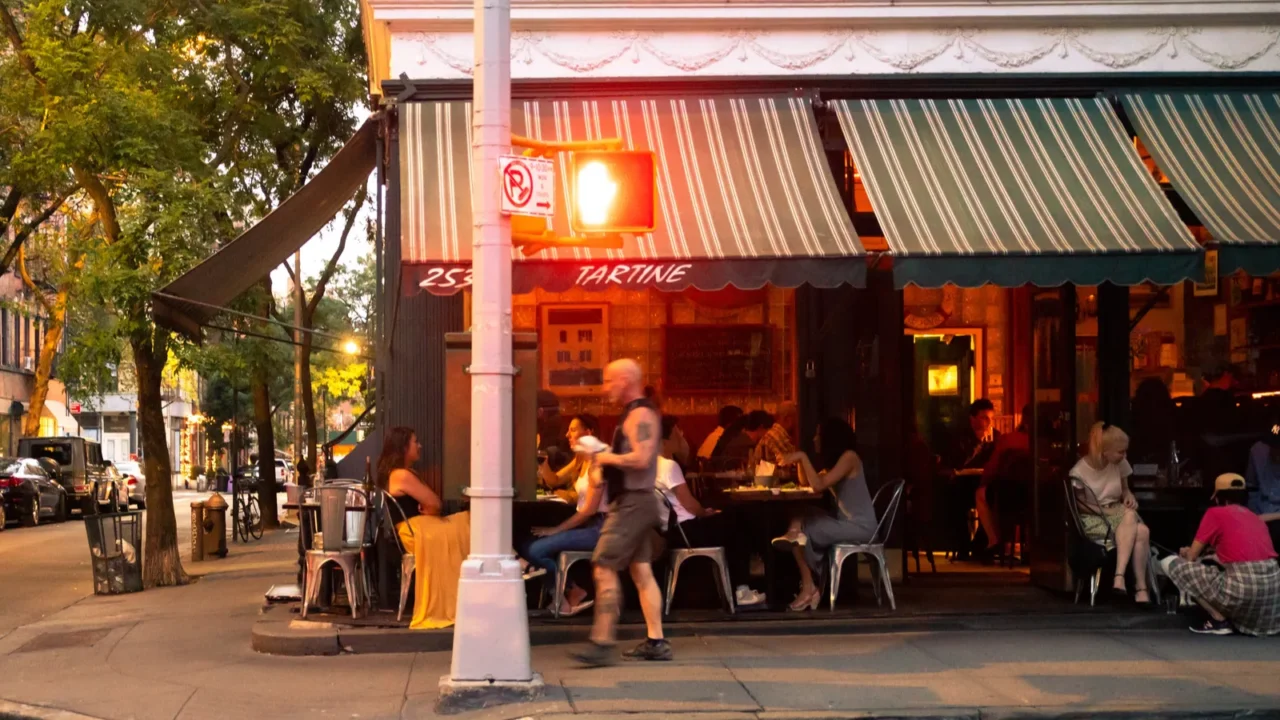
Restaurants across the United States are adapting to higher ingredient costs by adjusting menus and sourcing strategies. Many establishments are focusing on locally available products to reduce expenses. This helps manage rising costs while maintaining quality.
Dining experiences in New York City and San Francisco reflect these adjustments. Seasonal pricing and smaller portion options are becoming more common. Travelers often notice price differences depending on location and supply conditions.

Food prices historical trends
Fact: The FAO Food Price Index reached record highs in 2022 and has remained above historical averages even after easing, according to the Food and Agriculture Organization of the United Nations. This indicates that global food costs have not fully returned to earlier baseline levels. Elevated pricing continues to influence consumer behavior worldwide.
Visitors often adjust dining plans based on pricing trends. Long-term price resilience continues to shape travel spending.
Tourism budgets feel pressure
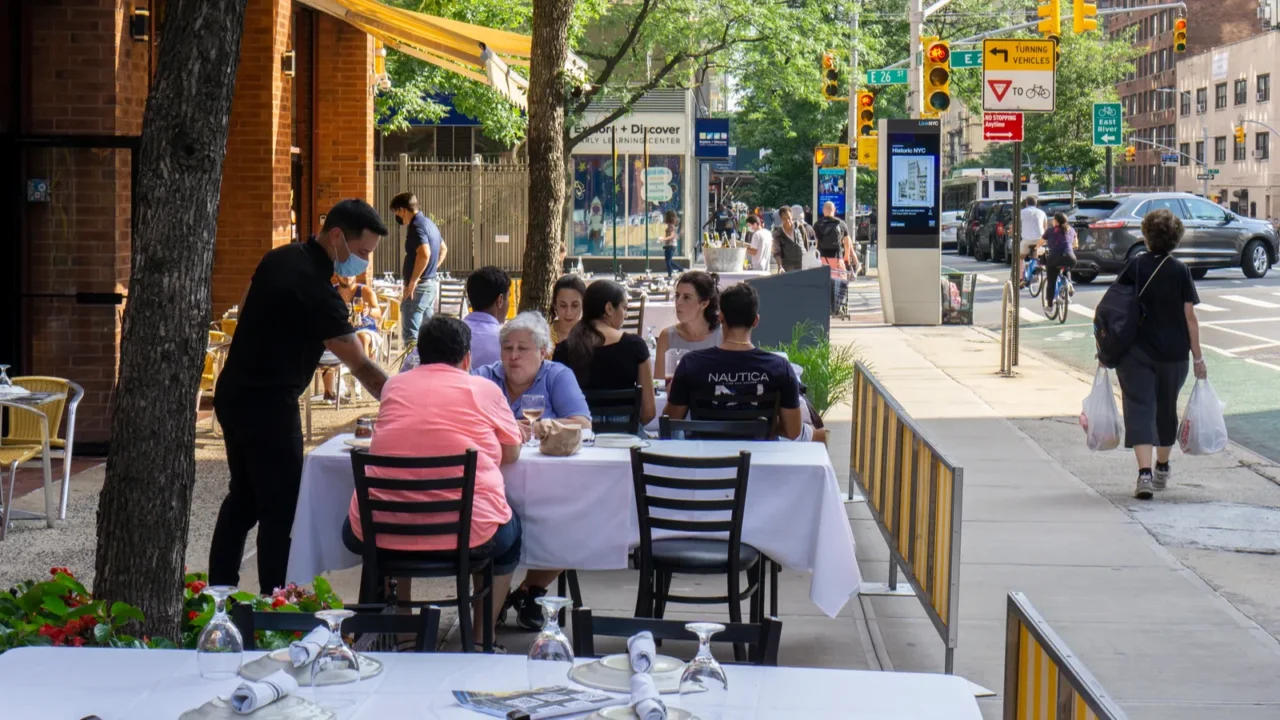
Food prices play a major role in shaping travel budgets and visitor experiences across the United States. Dining expenses often represent a significant share of total trip spending. Rising costs can influence how travelers allocate budgets.
An interesting insight is that food and beverage spending accounts for a large portion of visitor expenditures. Higher food prices can directly impact tourism revenue and visitor behavior. Travelers often adjust dining frequency or choices during trips.
Regional differences remain strong
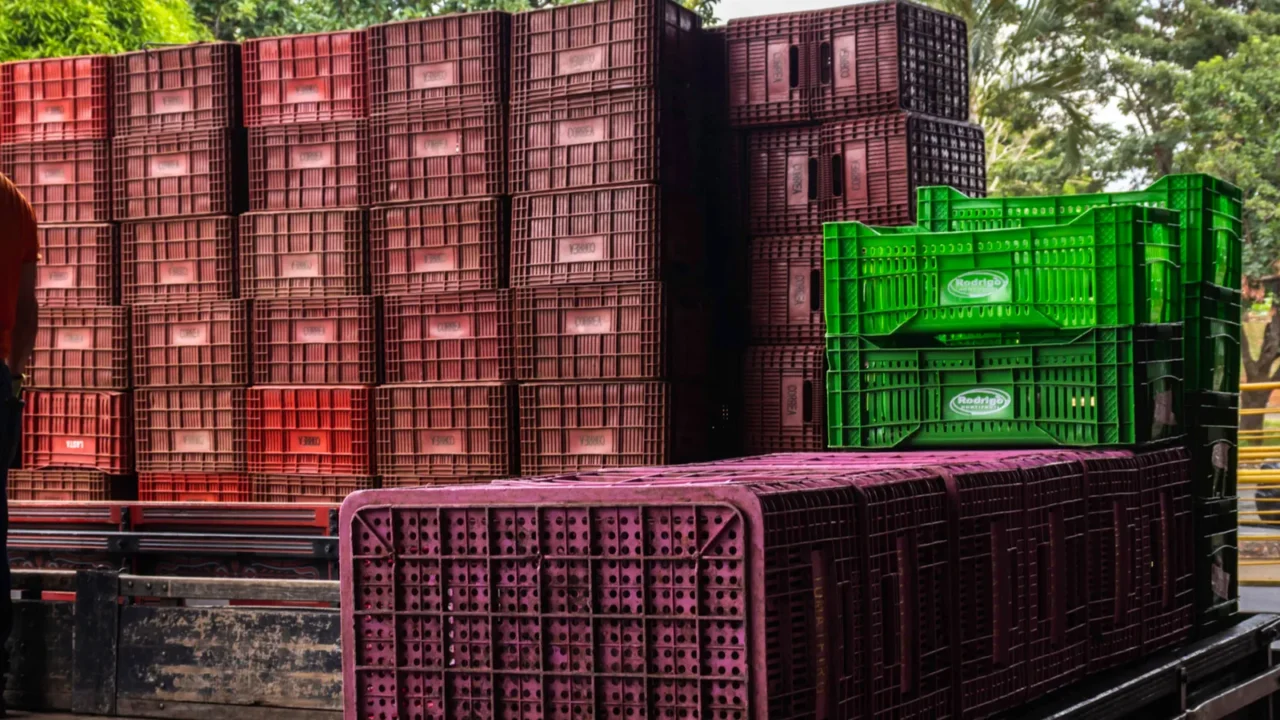
Food pricing and availability vary widely across different U.S. regions due to supply chain conditions. Coastal cities often rely more on imports, which can face delays and higher costs. Inland areas may experience different pricing patterns based on local production.
These differences create varied dining experiences for visitors. Travelers moving across states often notice pricing changes.
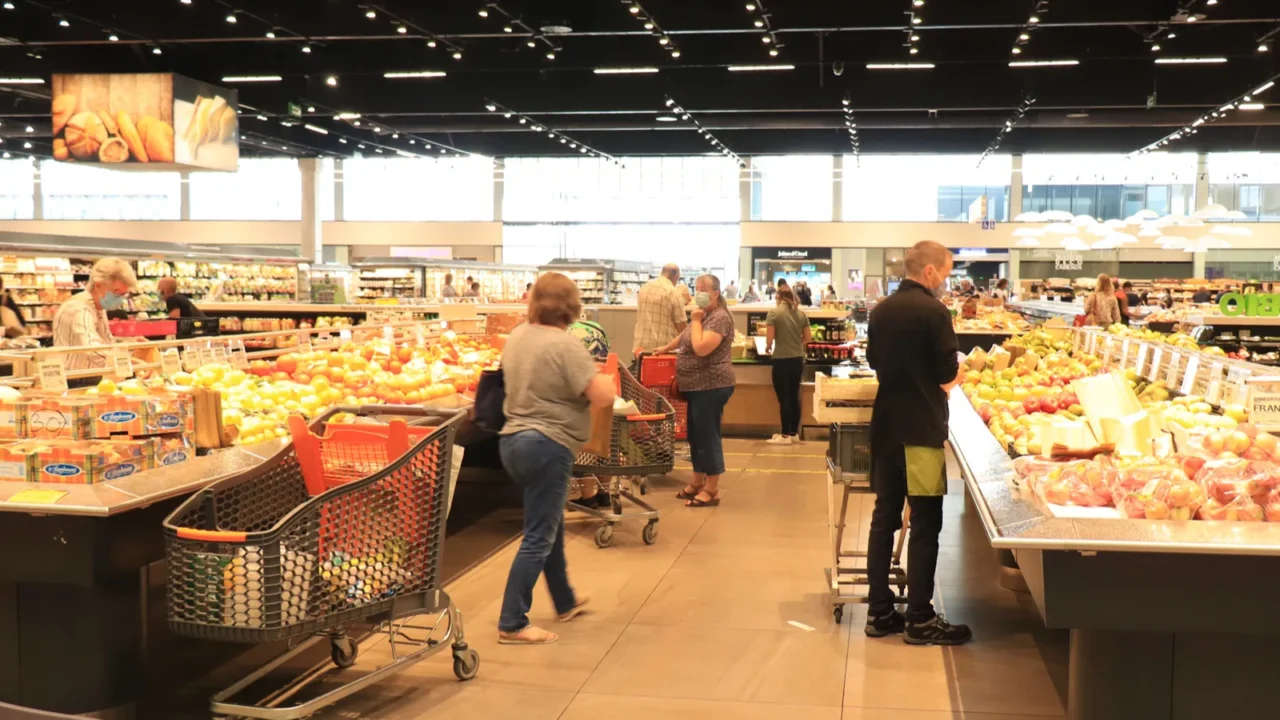
Grocery stores adjust strategies
Grocery retailers have implemented strategies to manage rising costs and supply disruptions. Many stores have diversified suppliers to reduce dependence on specific routes. Others have increased inventory planning to handle uncertainty.
Temporary shortages and price increases have occurred in some categories. Short-term changes in sourcing and shipment timing can affect which products are most available at any given time.
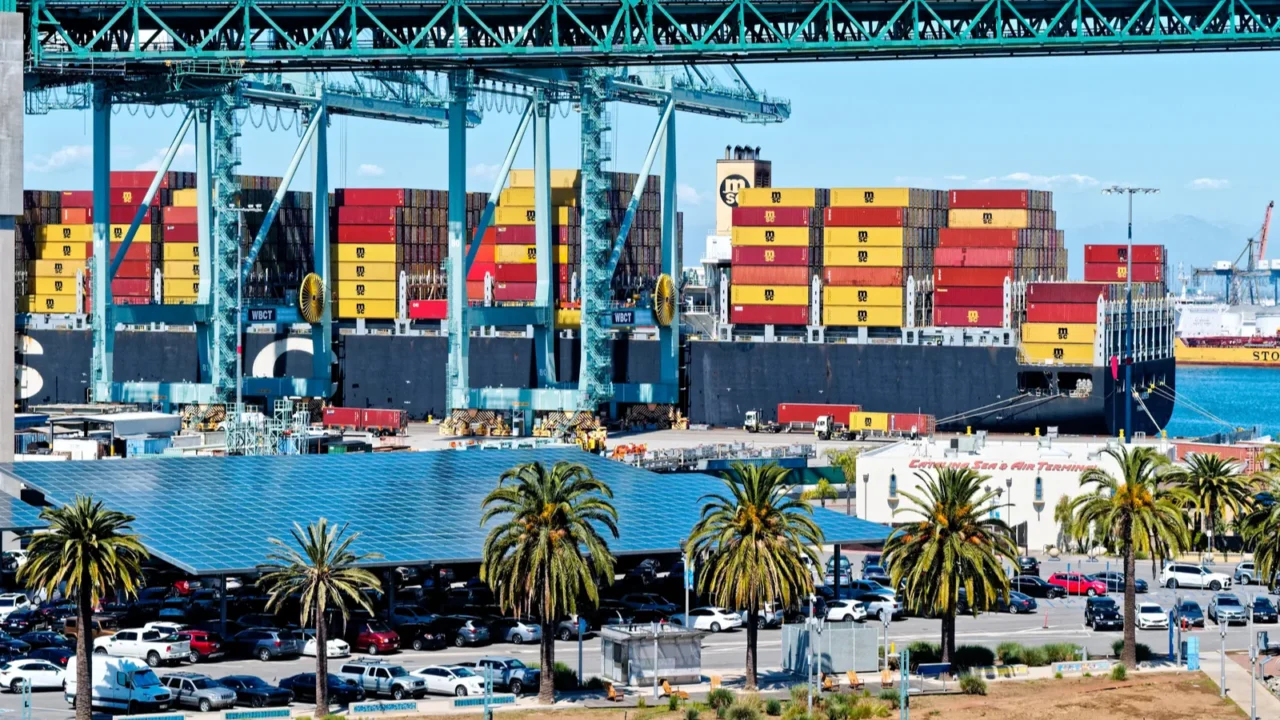
Ports influence food supply
U.S. ports continue to play a major role in shaping food availability and pricing. Delays in unloading shipments can slow distribution across multiple states. These disruptions contribute to cost increases in certain markets.
Ports such as Port of Los Angeles and Port of Long Beach are critical for imports. When congestion occurs, the effects extend across supply chains. Travelers in these regions may notice pricing impacts.

Airlines manage catering costs
Airlines are also adapting to higher food costs and supply disruptions. In flight catering depends on stable supply chains and predictable pricing. Rising costs can affect menu variety and service options.
Carriers adjust catering based on availability and cost conditions. Travelers may notice simplified onboard meals.

Travelers adapt to changes
Travelers often adjust spending habits in response to changing food prices and availability. Some visitors explore local markets and street food options to manage costs. Others plan dining experiences based on budget considerations.
Tourism boards in destinations like Miami and Las Vegas highlight diverse dining options to accommodate different budgets. These strategies help maintain visitor satisfaction despite price fluctuations, alongside trends like the rise of heritage food tourism across Charleston’s historic districts. Travelers continue to explore culinary experiences even as conditions evolve.

Food trends shape travel
Global food price trends and supply disruptions continue to influence travel experiences across the United States. Visitors encounter a mix of stable global pricing and localized supply challenges in different destinations. These dynamics shape dining options, pricing, and overall travel planning.
Cities like New York City, Los Angeles, and Chicago remain top destinations where food culture plays a central role in tourism. Despite disruptions, restaurants and markets continue to adapt and innovate.
Which destination offers the most exciting food experience for travelers right now? Share thoughts below.
This slideshow was made with AI assistance and human editing.
Don’t forget to follow us for more exclusive content right here on MSN.
Read More From This Brand:
