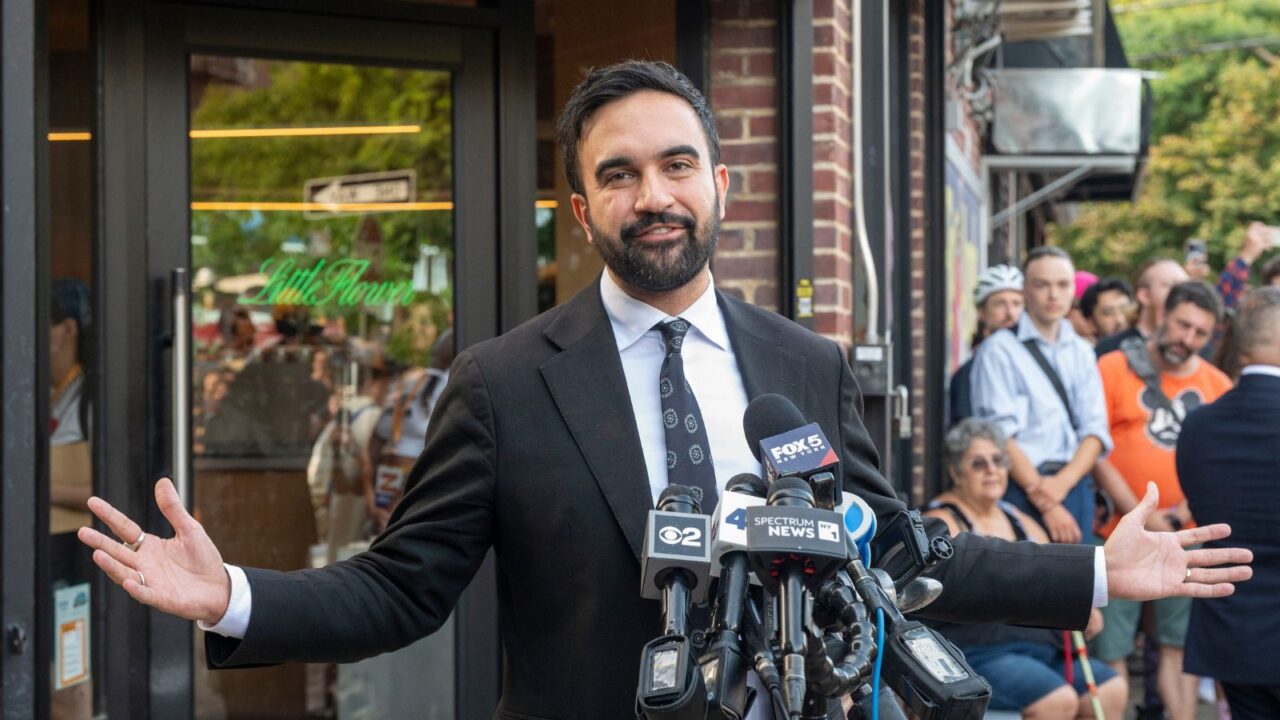
A plan that’s getting attention
A new childcare proposal in New York is quickly becoming one of the most talked-about policy ideas of 2026. It is being framed as a bold attempt to make life easier for families who are struggling with the high cost of raising young children.
For many parents, childcare is not a small monthly bill but one of the biggest expenses in the household. That is why this plan is drawing so much attention, not just in New York, but across the country as people watch to see what happens next.
What “childcare for all” means
The initial launch is being rolled out as 2-K (free child care for two-year-olds), which is part of a broader state and advocacy push sometimes called ‘Child Care for All’ that seeks universal early-childhood coverage. Supporters say it is meant to create a system where more families can get free or low-cost childcare without jumping through endless hoops.
That broader approach is a big reason the plan stands out from many older programs. Instead of helping only a narrow group of parents, it aims to reach far more families and make early care feel less like a luxury and more like a basic service.
Who the program includes
One of the most discussed parts of the proposal is that it includes undocumented families. Officials backing the plan say the focus should stay on children living in the city, not on using immigration status as a barrier to early care and education.
That point has turned the program into more than just a childcare debate. It has also become part of a larger national argument over public benefits, fairness, and how far local governments should go in offering services to every family in their communities.

When the rollout begins
The city says the first free 2-K seats will begin in fall 2026. More than 2,000 seats are planned in the opening phase.
Starting with a limited number of seats gives city leaders a chance to test how the system works in real life. It also allows them to measure demand, spot problems early, and make changes before expanding the program to more parts of the city.
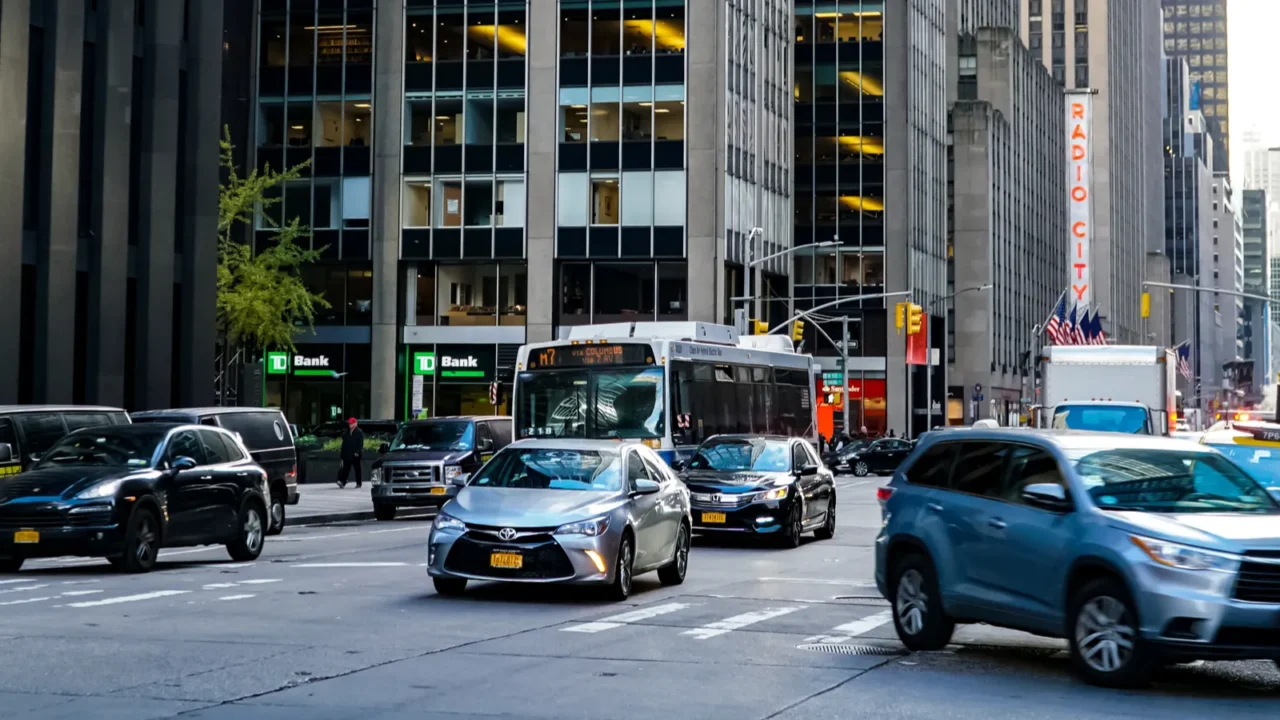
Neighborhoods in focus
The first rollout is expected to focus on communities in Upper Manhattan, the Bronx, Brooklyn, and Queens. Places like Washington Heights, Fordham, Brownsville, and Ozone Park are among the areas connected to the early phase of the plan.
These neighborhoods were not picked at random. They are places where many families face high living costs, crowded schedules, and limited childcare options, which makes dependable early care especially important for parents trying to keep jobs and manage daily life.

How much it could cost
The financial side of the proposal is one reason it has become such a major story. The state has committed about $1.2 billion to support the effort in its early phase, but that is only part of the long-term conversation.
Critics and budget watchers say the real cost could grow much higher if the program expands widely over time. Some estimates suggest a fully built-out version could cost billions each year, which raises big questions about taxes, priorities, and future spending.

Why childcare is a big issue
Childcare has become one of the biggest financial pressure points for American families. In many places, the cost is so high that parents end up comparing it to rent, mortgage payments, groceries, and other basic household bills.
That reality affects more than just budgets. It can shape whether a parent keeps working, cuts back hours, delays a career move, or depends on relatives for help, which is why childcare has become a serious economic issue instead of just a family matter.
Fact: The U.S. Department of Health and Human Services has long used 7% of household income as a benchmark for affordable childcare, but many families spend much more than that.

How enrollment will work
City officials have tied much of their public outreach to programs families may already recognize, including 3-K and Pre-K. The message is meant to feel familiar and clear, especially for parents who may already be navigating school and childcare systems.
A big part of that outreach has been the promise that families will not be asked for immigration status during enrollment. Supporters say this matters because fear and confusion can stop eligible parents from signing up, even when the service is meant for their children.
Fact: New York City’s universal Pre-K expansion in 2014 became one of the largest early education efforts launched by a major U.S. city.
Support from state leaders
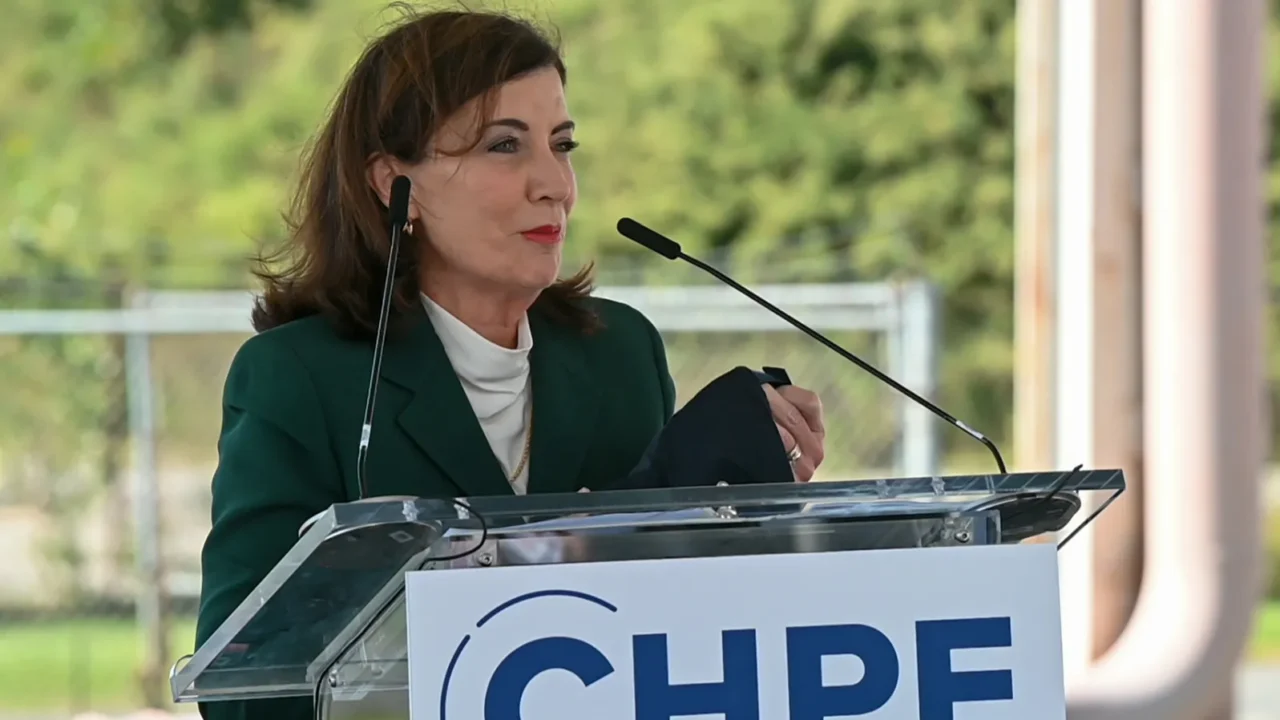
The proposal has support from major state leaders, which has helped push it into the center of the political conversation. Backers see childcare expansion as part of a wider affordability agenda aimed at helping families stay in expensive cities and states.
That support also gives the idea momentum beyond one mayor or one budget season. If leaders continue treating childcare as a key issue, the New York plan could become a model, a warning sign, or a political test case for other states to study.

Concerns about funding
Even people who agree that childcare is too expensive still have questions about the funding. Opponents argue that a program this large could put extra strain on a city and state already dealing with budget pressure and competing priorities.
Those concerns are not just about one year of spending. They are about whether the government can keep paying for the program over the long term without cutting other services, raising taxes, or running into new financial problems down the road.
Federal tension and policy gaps
The plan does not exist in a vacuum, and that is part of why it has drawn national attention. Immigration policy, public assistance rules, and local government programs do not always fit neatly together, especially when politics gets involved.
That mismatch can create tension between city leaders, state officials, and federal authorities. It can also make childcare policy more difficult to manage because the debate quickly shifts from helping families to larger fights over law, funding, and government power.

Impact on working families
For families who are paying a huge share of their income toward childcare, free access could change daily life in a real way. It could mean fewer impossible choices between work and parenting and more breathing room in already tight household budgets.
The impact could stretch beyond the home as well. When parents can stay employed or return to work more easily, family finances may improve, and children can spend more time in structured early learning environments that support growth, routine, and development.
Backlash over the alleged “snub” is adding to wider concerns about why more families may be rethinking life in New York City. Check out what is fueling the debate and what it could mean next.
What comes next
What happens after the first rollout may matter just as much as the launch itself. If the early phase fills up quickly and families respond positively, supporters will likely use that momentum to argue for more seats and a larger expansion.
On the other hand, budget problems or weak results could slow the program down. That is why many people across the country are watching closely, because the success or failure of this plan could shape future childcare debates far beyond New York.
Mamdani’s rent-freeze pledge is adding fresh financial pressure for property owners already squeezed by rising costs. Check out what could change, who may feel it most, and what comes next.
As the rollout moves forward and the details become clearer, do you think programs like this should spread nationwide? Share your thoughts in the comments.
This slideshow was made with AI assistance and human editing.
Don’t forget to follow us for more exclusive content right here on MSN.
Read More From This Brand:
