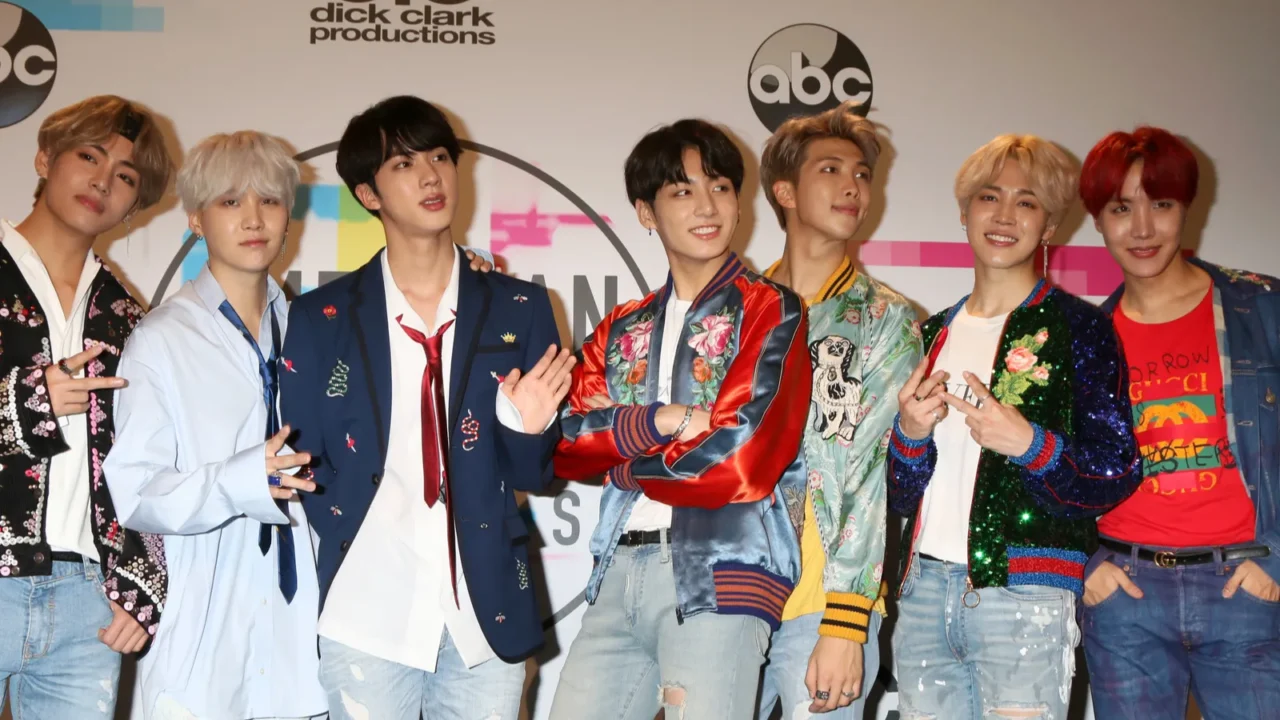
This comeback starts with a statement
For BTS fans, this is not just another comeback. It is the return people waited years for, counted down to, and never really stopped hoping would feel this big.
That is exactly why Gwanghwamun Square makes so much sense. BTS did not choose an ordinary venue for one of the most anticipated comebacks in K-pop. They chose one of Seoul’s most powerful public spaces, a place that connects Korean history, national pride, and modern culture in one unforgettable setting.
The album ARIRANG is due to be released March 20 (KST), and the free comeback event in Gwanghwamun Square is scheduled for the evening of March 21 and will be streamed worldwide on Netflix. That timing frames the concert as both a homecoming and a global event.
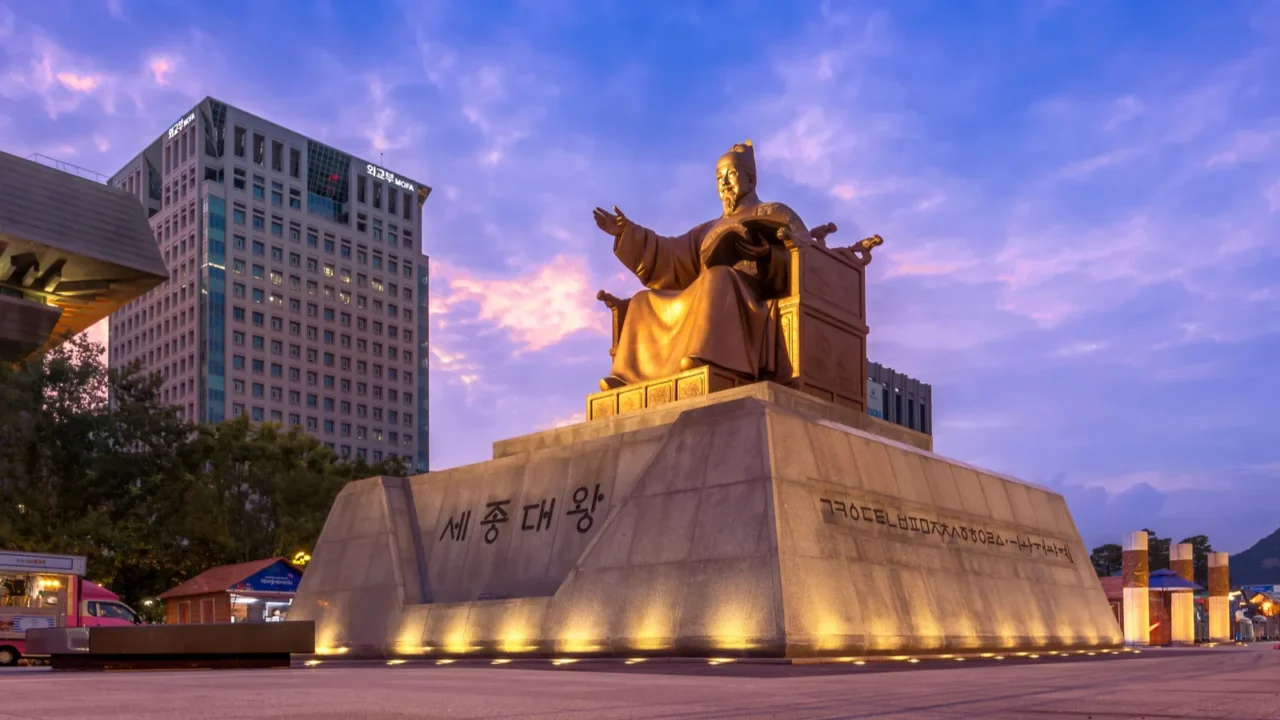
Why Gwanghwamun matters
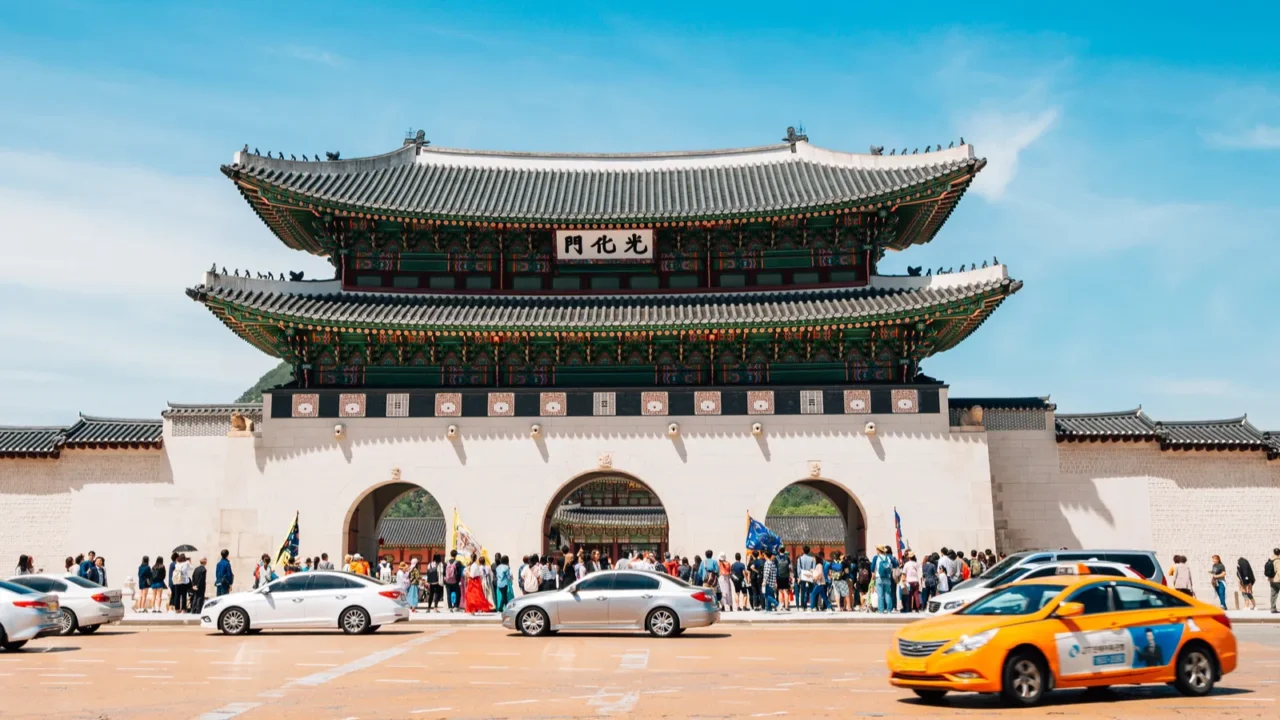
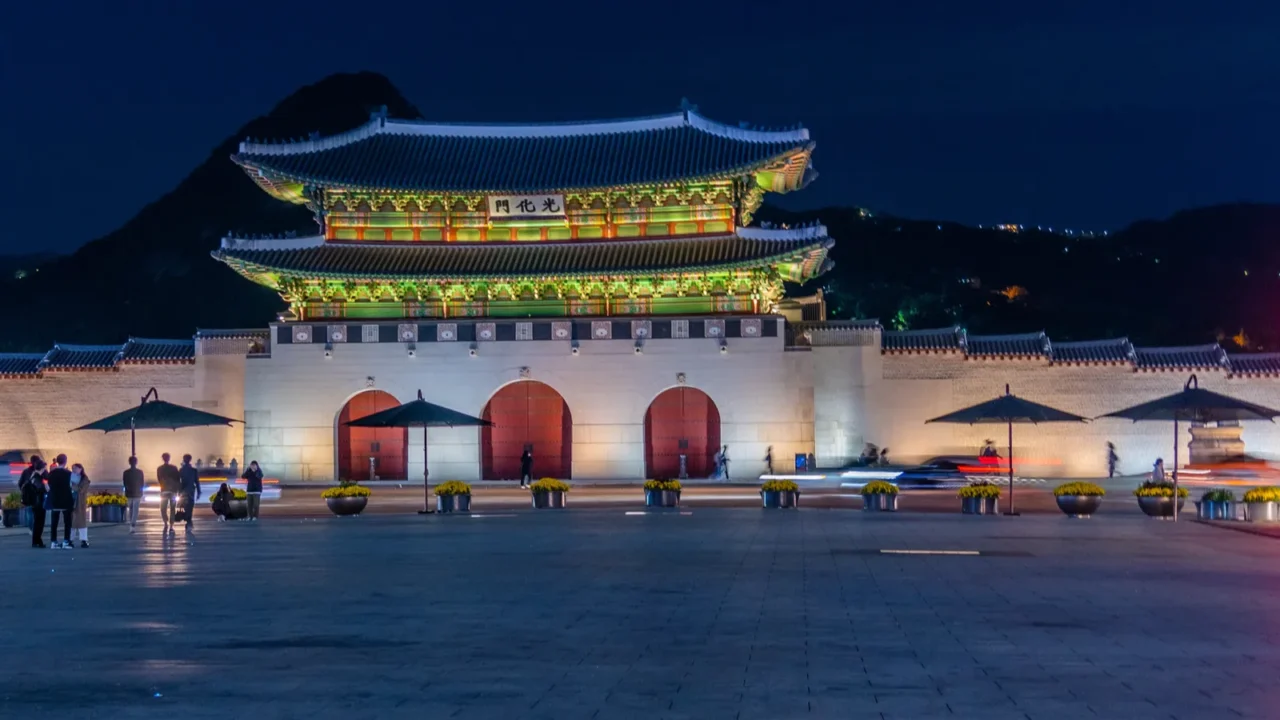
Gwanghwamun Square takes its name from the main gate of Gyeongbokgung, the chief royal palace of the Joseon dynasty. In Seoul, it reads like history, government, and public life all meeting in one place. That makes it a rare venue with real national weight.
This is not a tucked-away concert site built only for fans. It is a central civic stage that locals and visitors already recognize. For a long-awaited reunion, that kind of symbolism is hard to top.
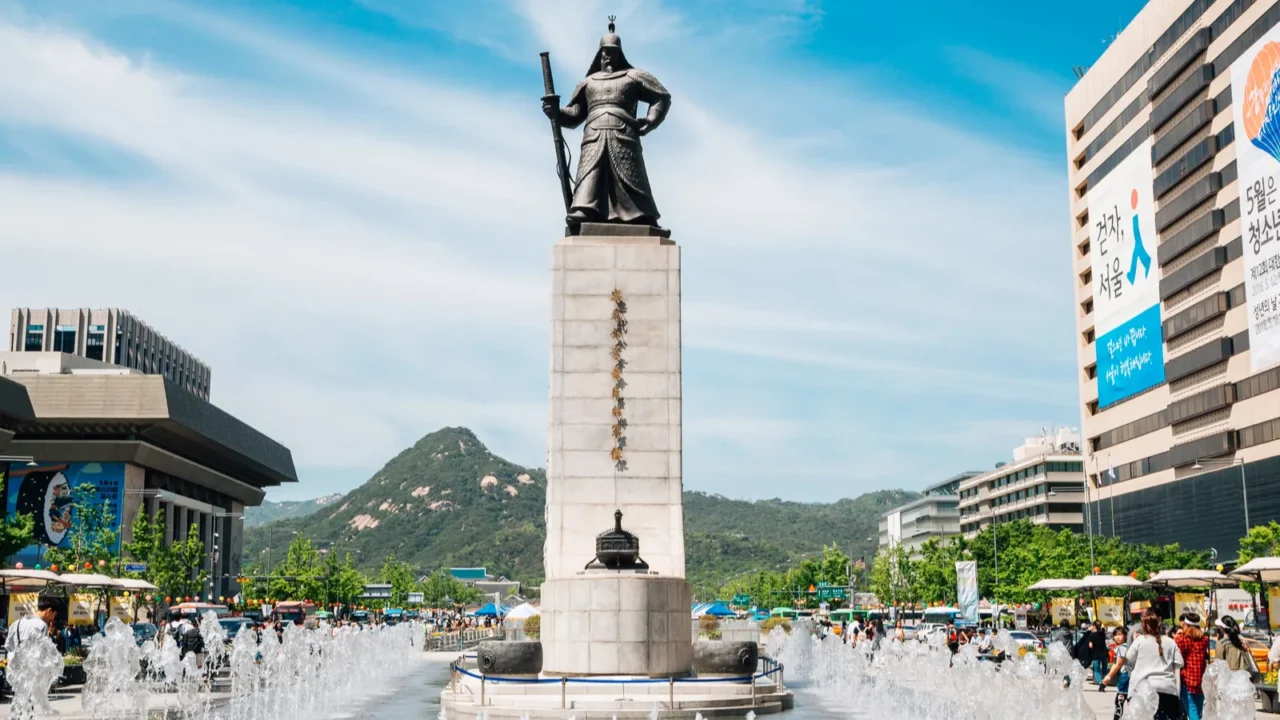
History is built into the view
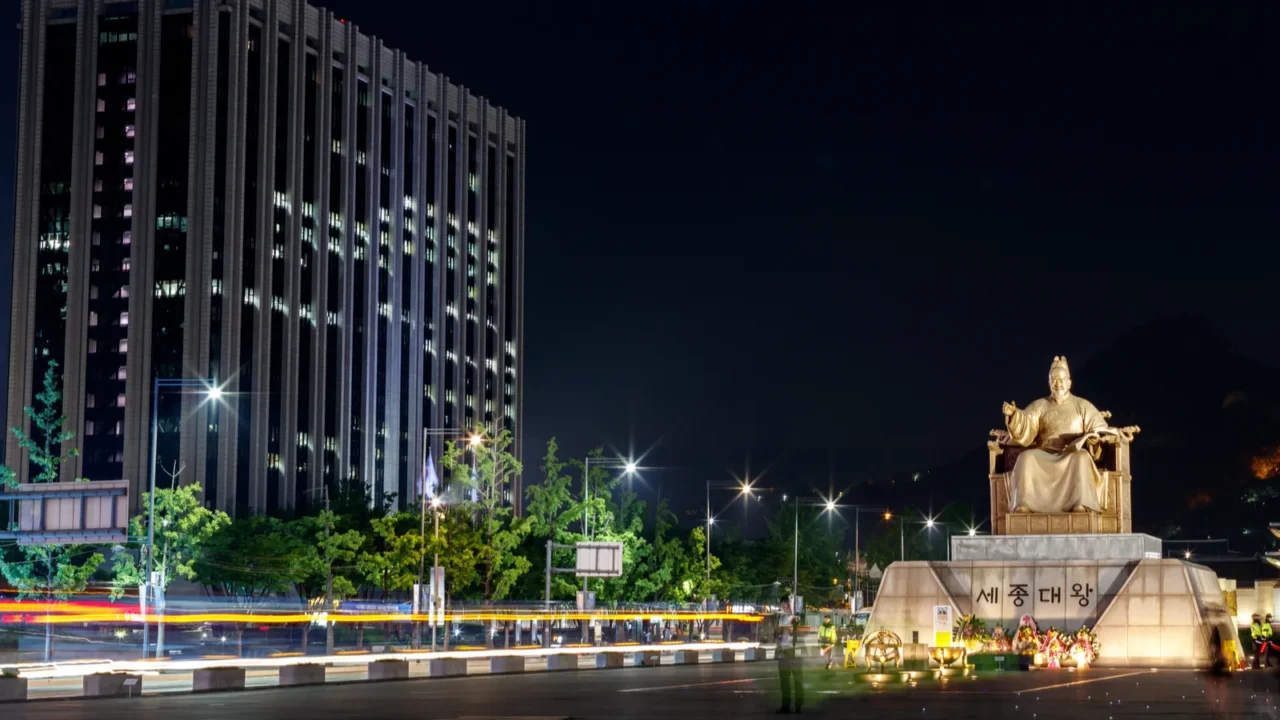
The square faces Gwanghwamun Gate and sits among layers of royal history. It also holds giant monuments to King Sejong and Admiral Yi Sun-shin, two of Korea’s most respected figures. That puts BTS in conversation with national memory the moment they step onstage.
King Sejong is tied to the creation of Hangul. Admiral Yi is remembered for military victories that still carry huge cultural meaning. Even the surroundings tell a story about identity, resilience, and pride.
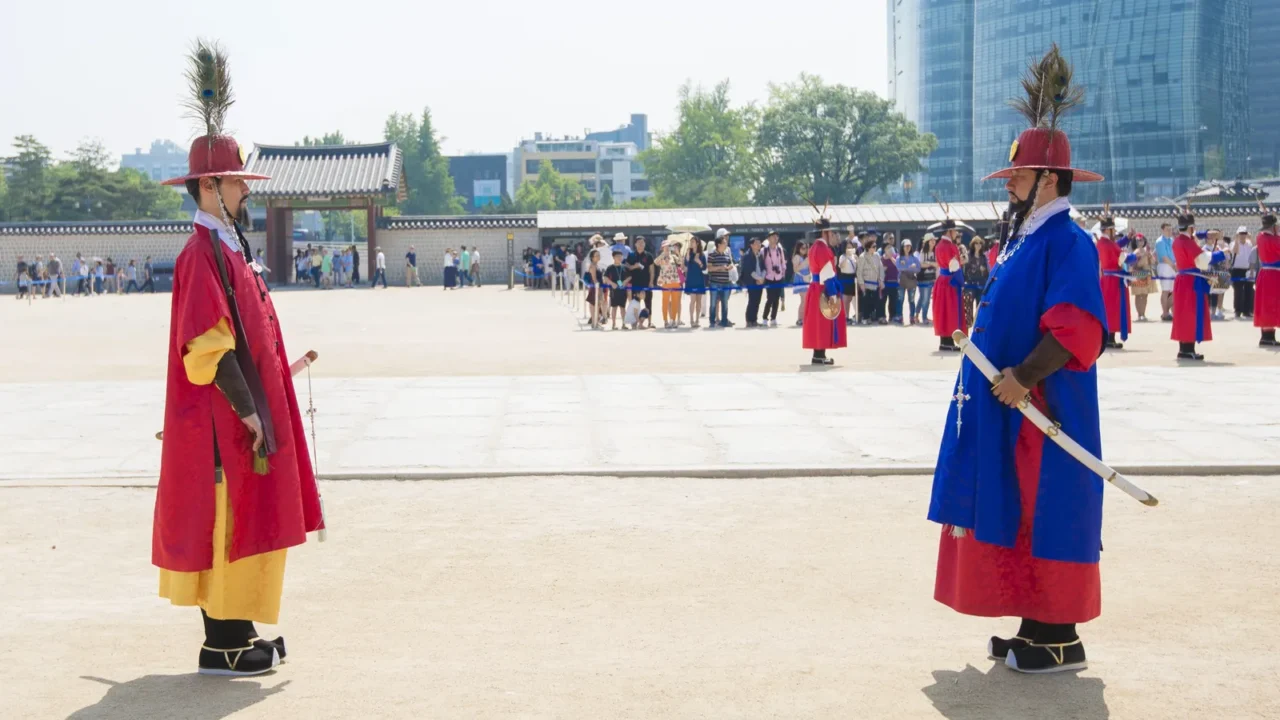
Not just royal but public
Gwanghwamun is not only about the past. AP notes that the square also stands as a symbol of South Korea’s democracy and public gatherings. It has hosted massive rallies during moments of political upheaval.
That civic history changes the tone of the concert. BTS is returning in a space associated with ordinary people showing up together. For a free event, the public meaning matters just as much as the palace backdrop.
A free show changes the message
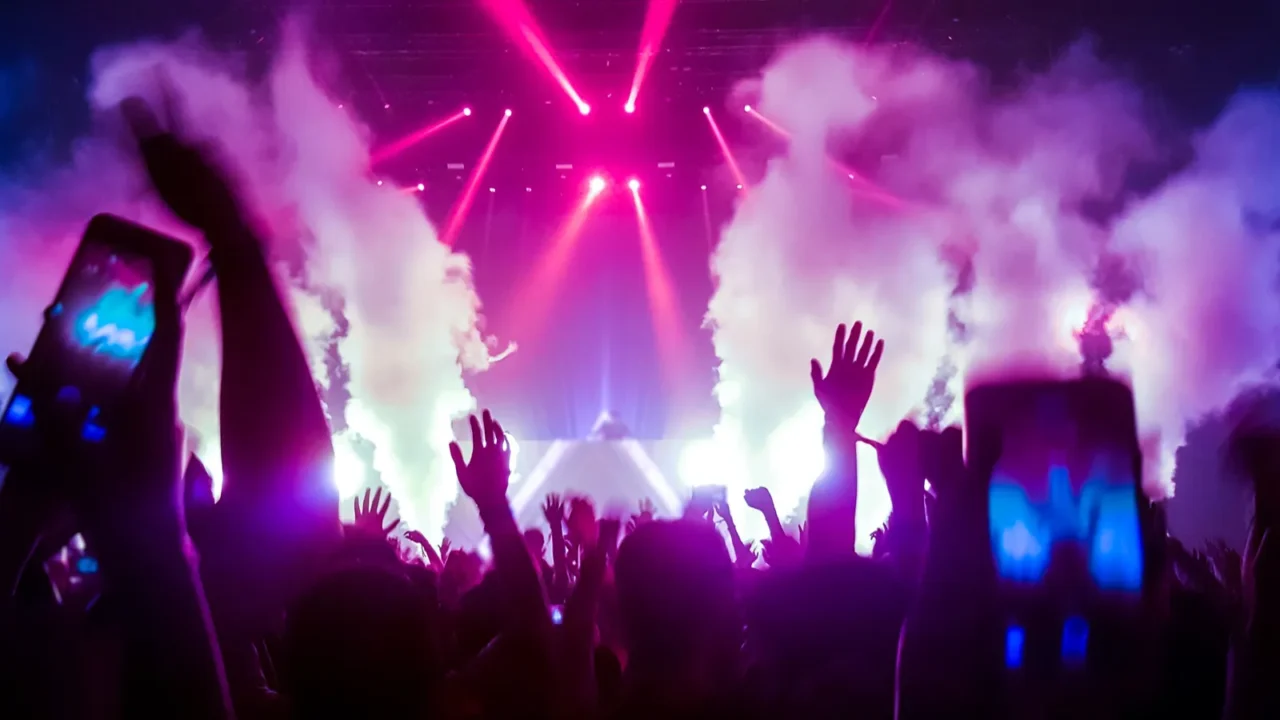
The March 21 performance is free, which gives the whole event a different feel. This is not a premium arena night limited to the people who can pay the most. It is a comeback staged in a public square for the city to share.
That choice fits Gwanghwamun better than a closed venue would. Experts told AP the concert has a strong public aspect, not just an entertainment one. The setting helps BTS look like national cultural figures, not just chart stars.
Demand proved the choice worked
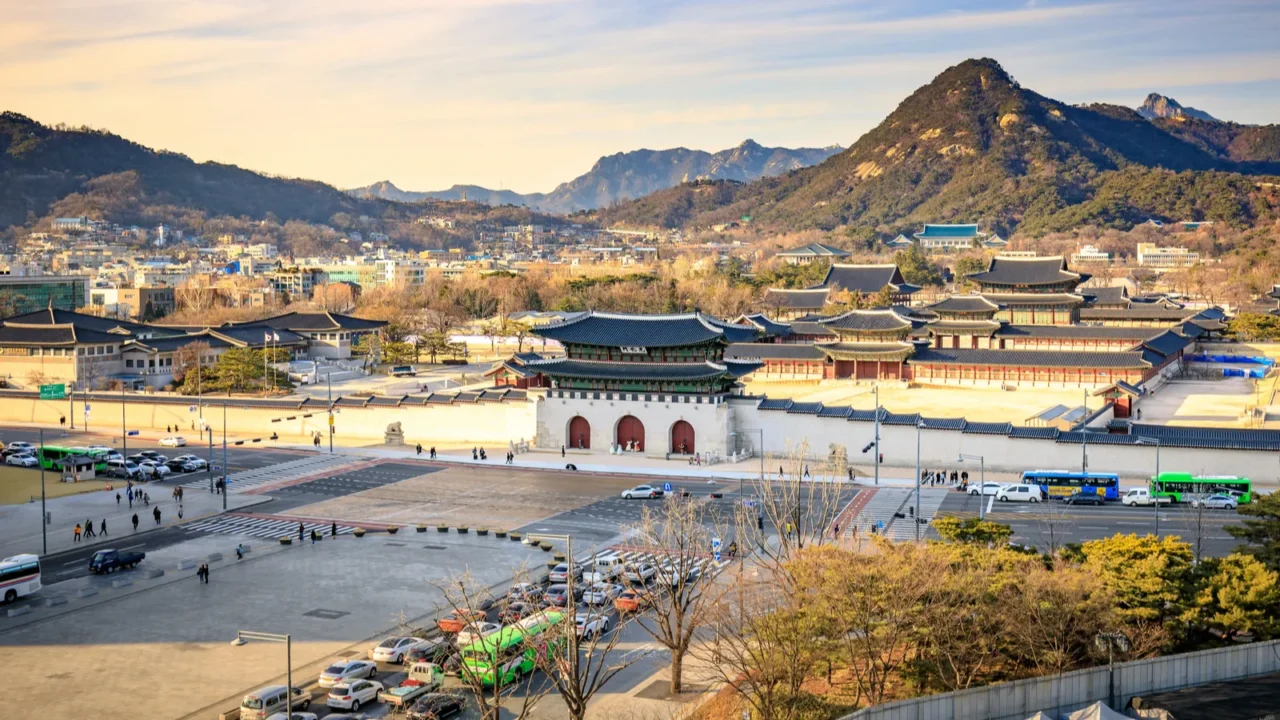
Fans responded fast enough that organizers expanded the crowd plan. Yonhap reported that capacity rose from 15,000 to about 22,000 after added standing zones were approved. That is a major jump for a public-space show.
The new viewing area stretches from the Gwanghwamun intersection toward City Hall Station. Large LED screens are being installed so more people can follow the performance. The square was picked for symbolism, but it also had to scale.

The timing adds even more weight
This is BTS’s first full-group concert after their military service hiatus, so expectations were already huge. Holding it in a symbolic Seoul landmark pushes the moment beyond regular comeback hype. It turns a music event into a national one.
AP said the show will reaffirm BTS as a group that grew from Korea onto the world stage. That idea is central to why Gwanghwamun works. The venue lets them return home without shrinking their global image.
The square links old and new
Cultural critics told AP that traditional Korean elements can still resonate on a global scale. That is exactly the message this venue sends. It places a modern pop act inside one of the country’s oldest visual frames.
In other words, BTS is not separating Korean heritage from global fame. They are presenting the two together as part of the same story. Gwanghwamun becomes the bridge between those worlds.
Little-known fact: Gwanghwamun Square opened on Aug. 1, 2009, and it was redesigned in August 2022 with a wider pedestrian space.
The staging adds another layer
Official tourism material said a special stage would rise along Gwanghwamun’s “King’s Road.” That phrase matters because it ties the performance to the ceremonial space in front of the palace gate. The comeback is being framed as something larger than a normal plaza concert.
Seoul and cultural agencies restored the nearby woldae in 2023. That elevated platform once served as a place where kings communicated with the public during the Joseon dynasty. Its return adds another layer of historical meaning to the site.
Little-known fact: The statue of King Sejong at the square is 6.2 meters tall and shows him holding the Hunminjeongeum Haeryebon.
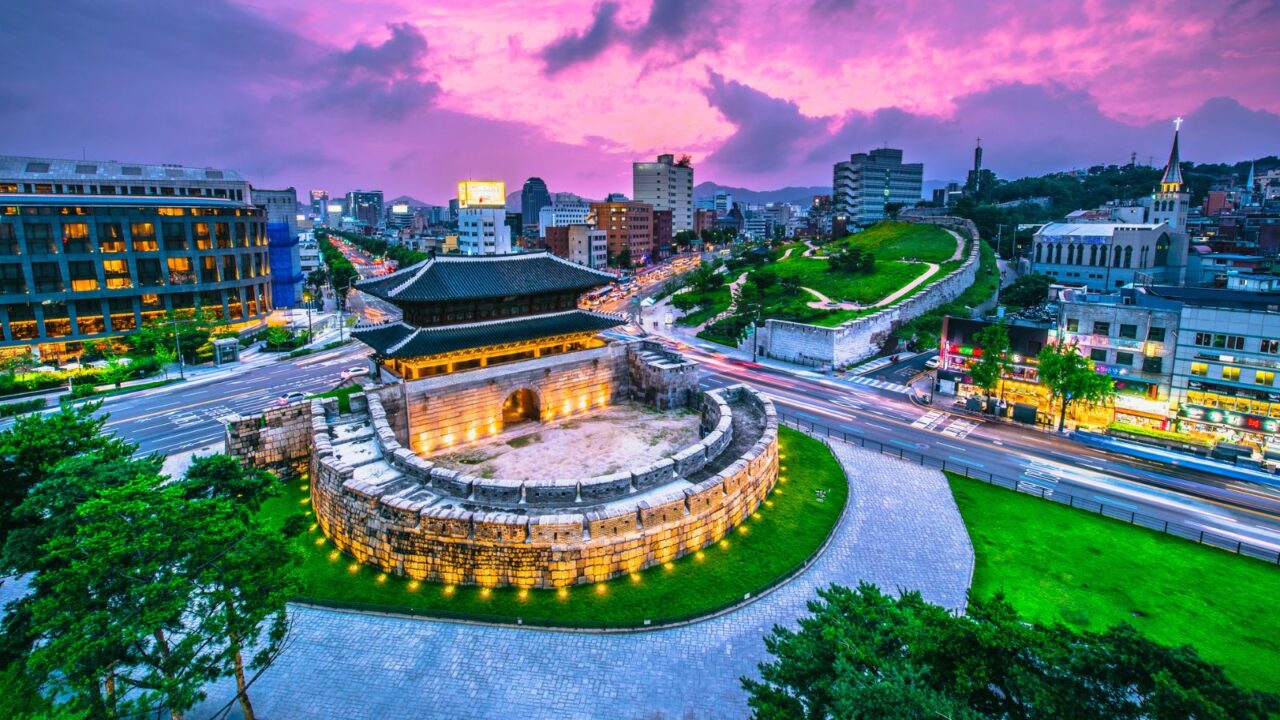
Seoul is treating it like a city event
The city is not handling this like a routine concert night. Seoul’s official event page shows train changes, station exit closures, and bus detours across the area. That kind of planning tells you how big officials expect this to be.
AP reported that about 240,000 more people could gather nearby to watch on temporary screens. When a comeback reshapes traffic in the middle of the capital, the venue choice is clearly doing heavy cultural work. It has become part concert and part civic event.

Safety sits at the center
BigHit said the expansion was planned with safety and crowd control as top priorities. Organizers also said they would monitor illegal resale in real time and tighten ID checks. That matters when demand spikes this fast.
A public square can feel more open and inclusive, but it also requires stricter planning. The added standing zones only make sense if the city and promoters can manage flow carefully. So far, the official message has been all about control, access, and visibility.

The world is being invited in
The concert will be streamed worldwide on Netflix, so BTS is not choosing between local meaning and global reach. They are trying to do both at once. That may be the smartest reason Gwanghwamun won.
Instead of taking Korean identity abroad first, this show asks the world to look toward Seoul. That matches what commentators told AP about local culture resonating internationally. The venue turns the city itself into part of the performance.
If you could follow one artist to one city this year, where would you go? Check out Exploring travel destinations through music world tours.
Why this venue fits BTS now
In the end, Gwanghwamun Square gives BTS three things at once: history, public meaning, and global visibility. It matches the ARIRANG theme, honors their Korean roots, and gives Seoul a starring role in the comeback. Very few places could do all three that clearly.
That is why this return feels bigger than a concert announcement. It feels like a statement about who BTS are after the hiatus and where they want this era to begin.
China’s absence from BTS’s tour map is raising bigger questions about the group’s global strategy. Check out why this key market is missing from the lineup.
Do you think Gwanghwamun was the perfect place for this comeback stage? Share your thoughts in the comments.
This slideshow was made with AI assistance and human editing.
Don’t forget to follow us for more exclusive content right here on MSN.
Read More From This Brand:
