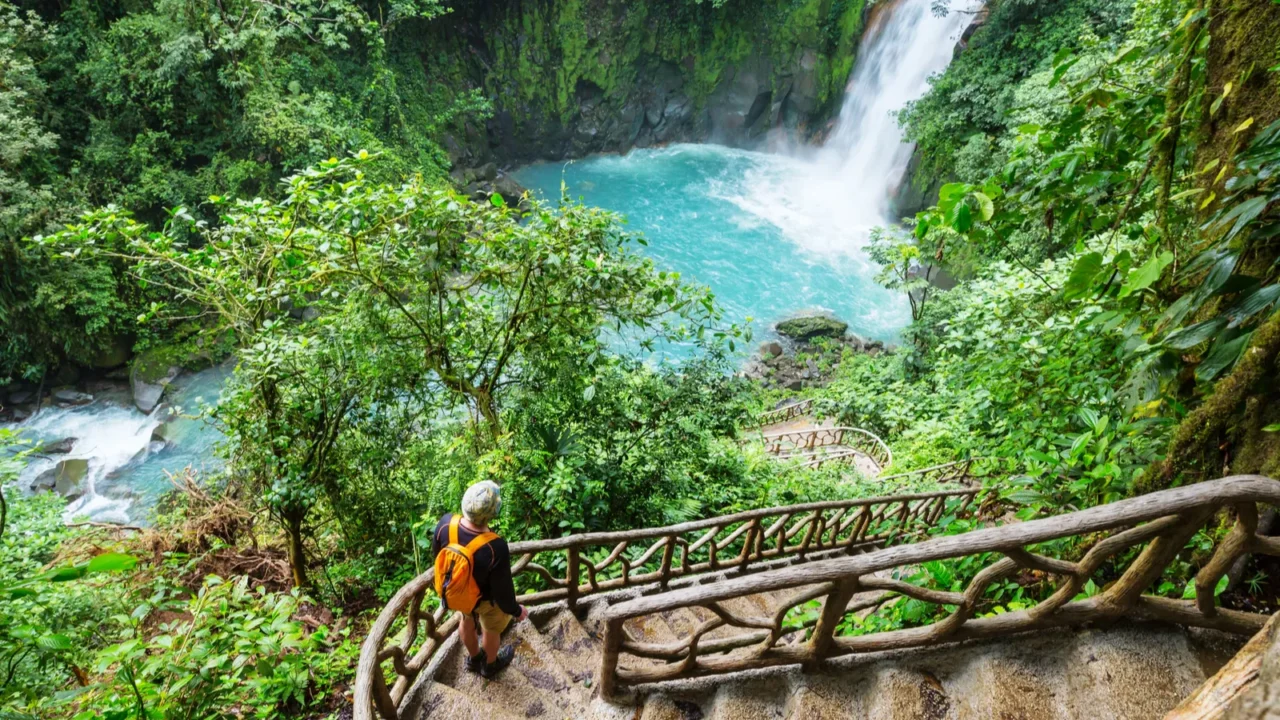
Costa Rica’s Caribbean coast calls
Costa Rica’s Caribbean coast stretches 212 kilometers along the eastern edge of Central America, bordered by Nicaragua to the north and Panama to the south. Towns like Puerto Viejo de Talamanca, Cahuita, and Tortuguero define this shoreline. Unlike the Pacific side, this coast stayed relatively untouched for decades, preserving its Afro-Caribbean culture, dense rainforest, and coral reef ecosystems that continue drawing global attention.
American travelers are showing growing interest in this region, drawn by its authenticity, biodiversity, and relative affordability compared with more heavily commercialized Caribbean destinations.
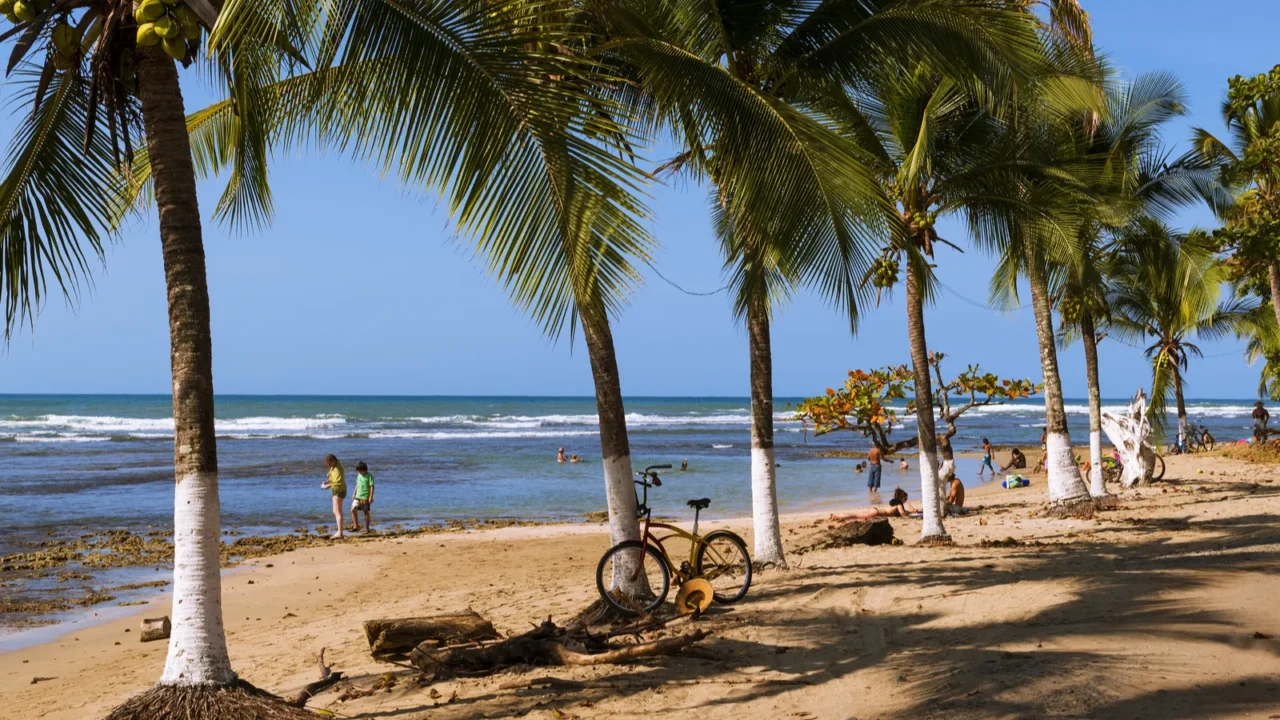
Puerto Viejo steals the spotlight
Puerto Viejo de Talamanca sits near the southern end of Costa Rica’s Caribbean coast and has quietly transformed into one of Central America’s most talked-about towns. What once served as a sleepy surf village now draws food lovers, digital nomads, and eco-conscious travelers seeking something genuinely different from the polished resorts dominating most Caribbean destinations that Americans have historically favored for vacations.
The town maintains its raw charm through colorful wooden houses, reggae-infused streets, and a coastline mixing white sand with turquoise water. Restaurants serve rice and beans cooked in coconut milk, rooted in Afro-Caribbean tradition. The combination of natural beauty and cultural authenticity is precisely what American travelers increasingly describe as the reason they chose Puerto Viejo over more commercially developed, far less memorable beach destinations.
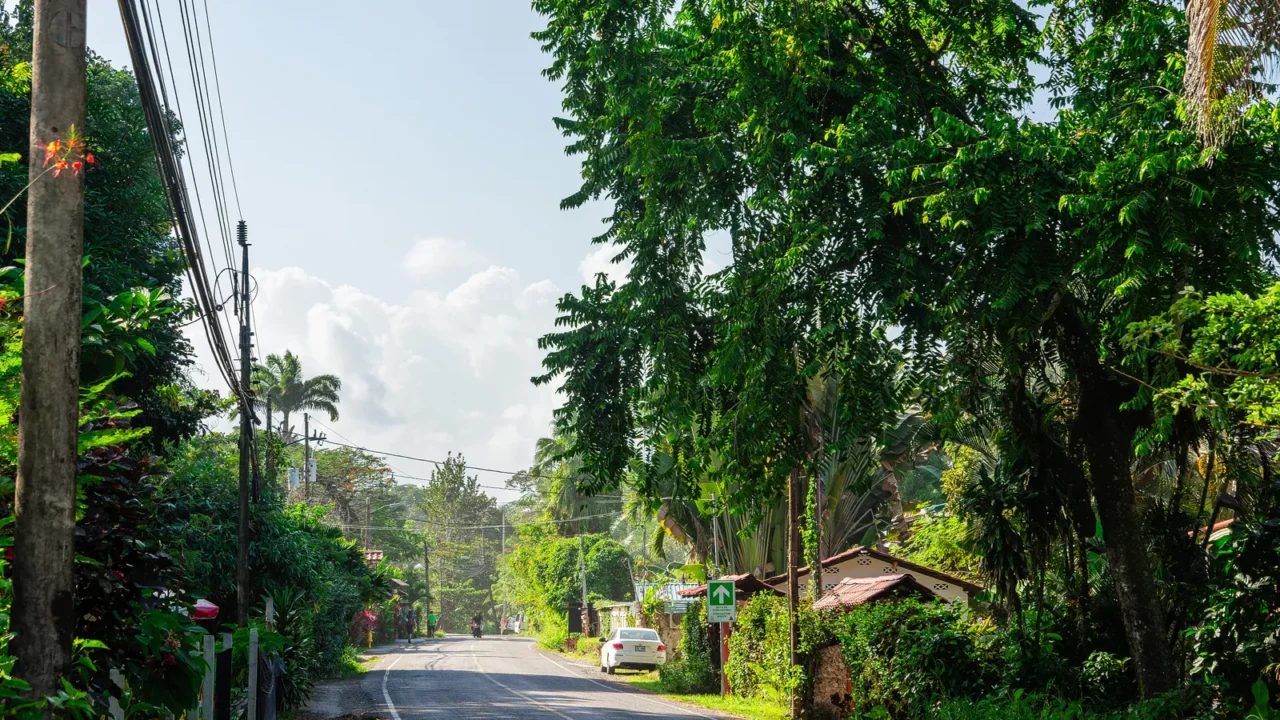
Cahuita’s Reef remains irreplaceable
Cahuita National Park protects one of Costa Rica’s most significant coral reef systems, sitting just offshore from the small village of Cahuita along the Caribbean coast. Snorkelers can access the reef directly from the beach without boats or paid tours. That kind of affordable, direct access to genuine marine biodiversity is increasingly rare across the broader Caribbean region, making Cahuita exceptionally appealing to budget-conscious American travelers.
The reef shelters parrotfish, sea turtles, lobsters, and eels among coral formations that have partially recovered since conservation efforts began in the 1970s. For Americans wanting to experience marine ecosystems without Florida Keys or Belize price tags, Cahuita represents extraordinary value. The national park entrance operates on a voluntary donation model, making it one of the most accessible protected marine areas anywhere in Central America.
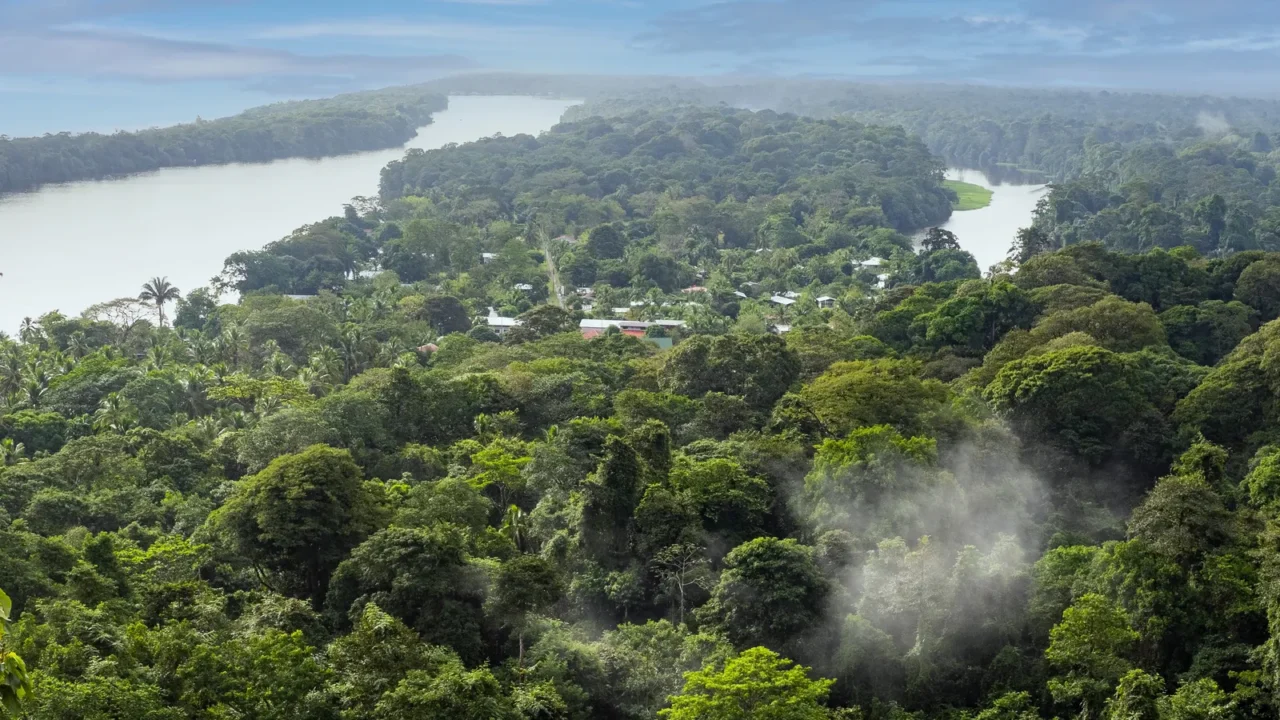
Tortuguero, nature’s sacred nursery
Tortuguero, accessible only by boat or small aircraft, sits along a canal network on Costa Rica’s northern Caribbean coast. Between July and October, thousands of green sea turtles come ashore to nest on its beaches, and Tortuguero is internationally recognized as the largest green turtle nesting site in the Western Hemisphere. Witnessing this phenomenon has become a defining bucket list experience for American wildlife travelers.
The surrounding national park protects a vast mosaic of tropical rainforest, wetlands, canals, and marine habitat, creating refuge for jaguars, manatees, monkeys, turtles, and abundant birdlife. Americans are increasingly choosing Tortuguero as a stand-alone destination rather than a rushed day trip, staying overnight to experience waterways at dawn and the extraordinary nesting rituals that have defined this remarkable Caribbean coastline for millions of years.
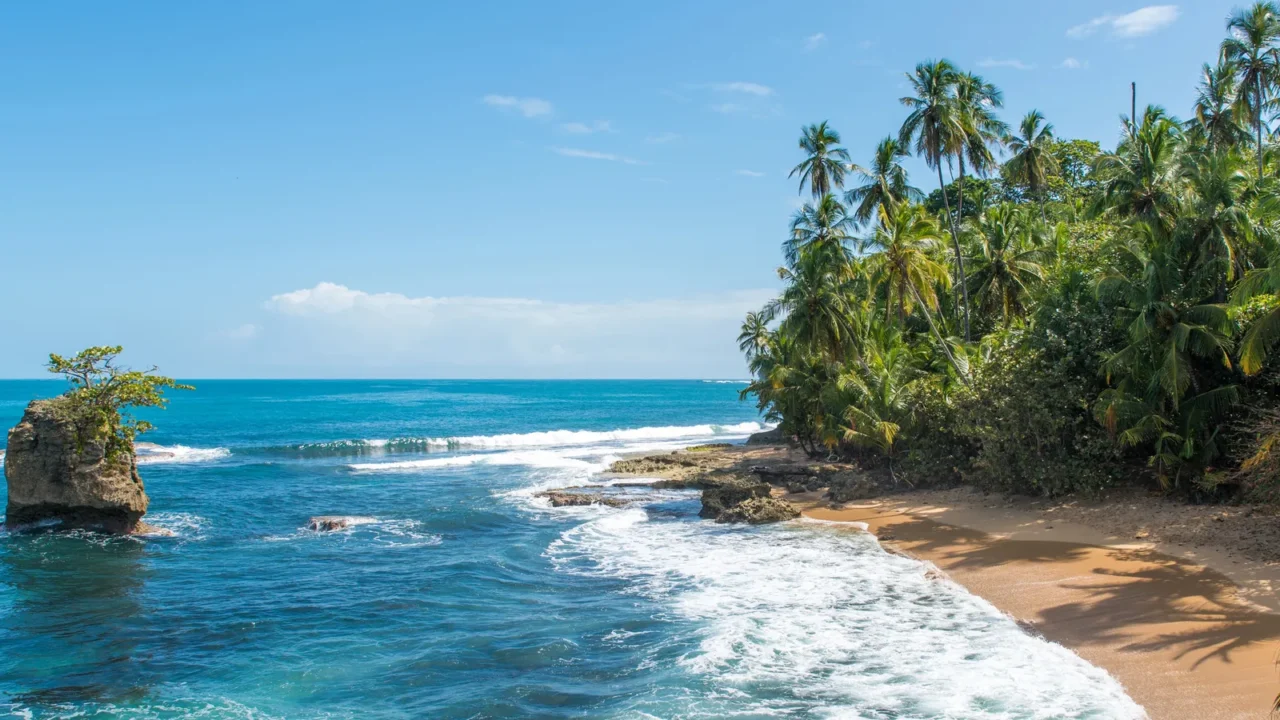
Manzanillo stays beautifully untouched
Manzanillo sits on Costa Rica’s southern Caribbean coast, just kilometers from the Panamanian border, entirely inside the Gandoca-Manzanillo Wildlife Refuge. Development here is strictly limited by law, producing a shoreline that remains strikingly pristine, with calm turquoise waters, jungle-backed beaches, and almost no commercial infrastructure beyond a handful of locally owned restaurants and small guesthouses that blend naturally into the surrounding landscape.
Travelers who make the journey consistently describe Manzanillo as the most beautiful stretch of coastline they have visited anywhere. Dolphin sightings are common in the bay, and the surrounding forest holds medicinal plants used for generations by indigenous Bribri communities living nearby. American visitors prioritizing unspoiled environments over convenience are finding Manzanillo increasingly worth every logistical effort required to reach it.
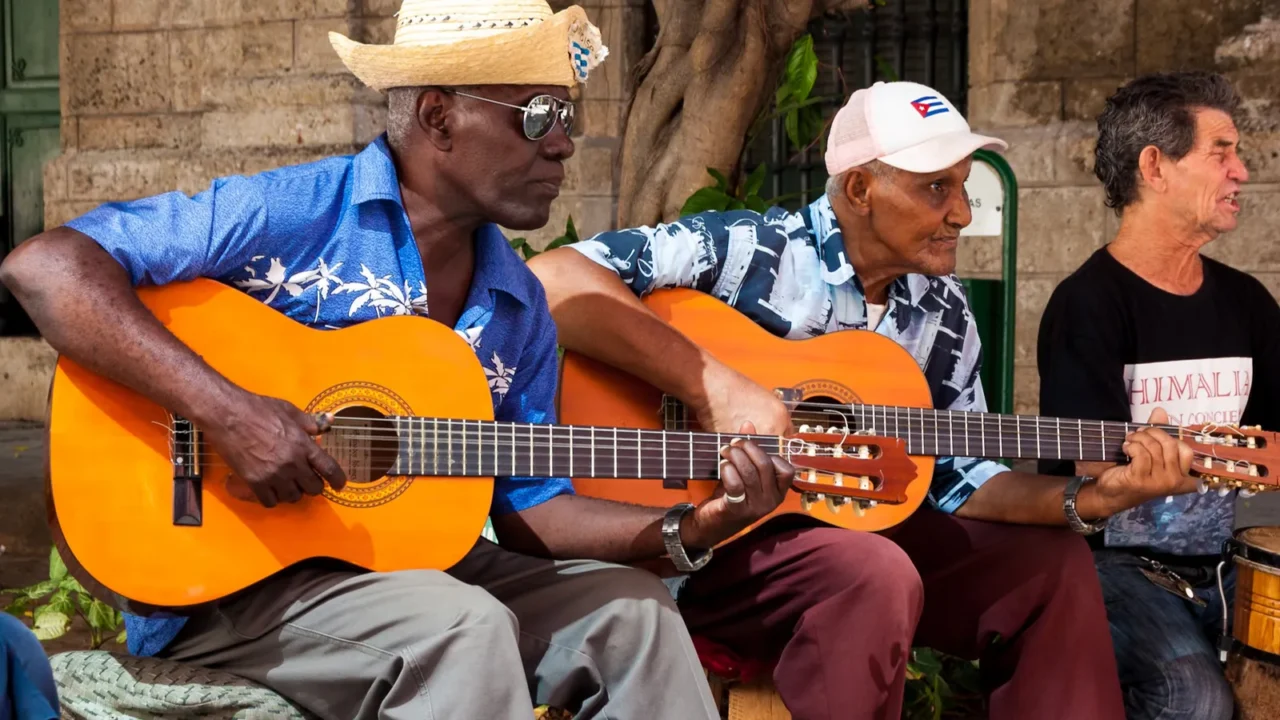
Afro-Caribbean culture runs deep
The Caribbean coast of Costa Rica carries a distinct cultural identity shaped by Afro-Caribbean communities whose ancestors arrived primarily from Jamaica in the late 19th century to build the Atlantic Railroad. Their presence transformed the entire region, infusing it with Creole English, calypso music, unique culinary traditions, and spiritual practices still visible in everyday life throughout Limón, Puerto Viejo, and Cahuita today.
This cultural depth is a significant draw for Americans seeking something beyond beaches and wildlife. Local cooking classes featuring dishes like rondon stew, festivals celebrating Caribbean heritage, and community-led cultural tours provide meaningful ways to engage with the region’s living history. Travelers consistently report that the warmth and storytelling of Afro-Caribbean communities along this coast create lasting memories that no photograph can adequately capture.
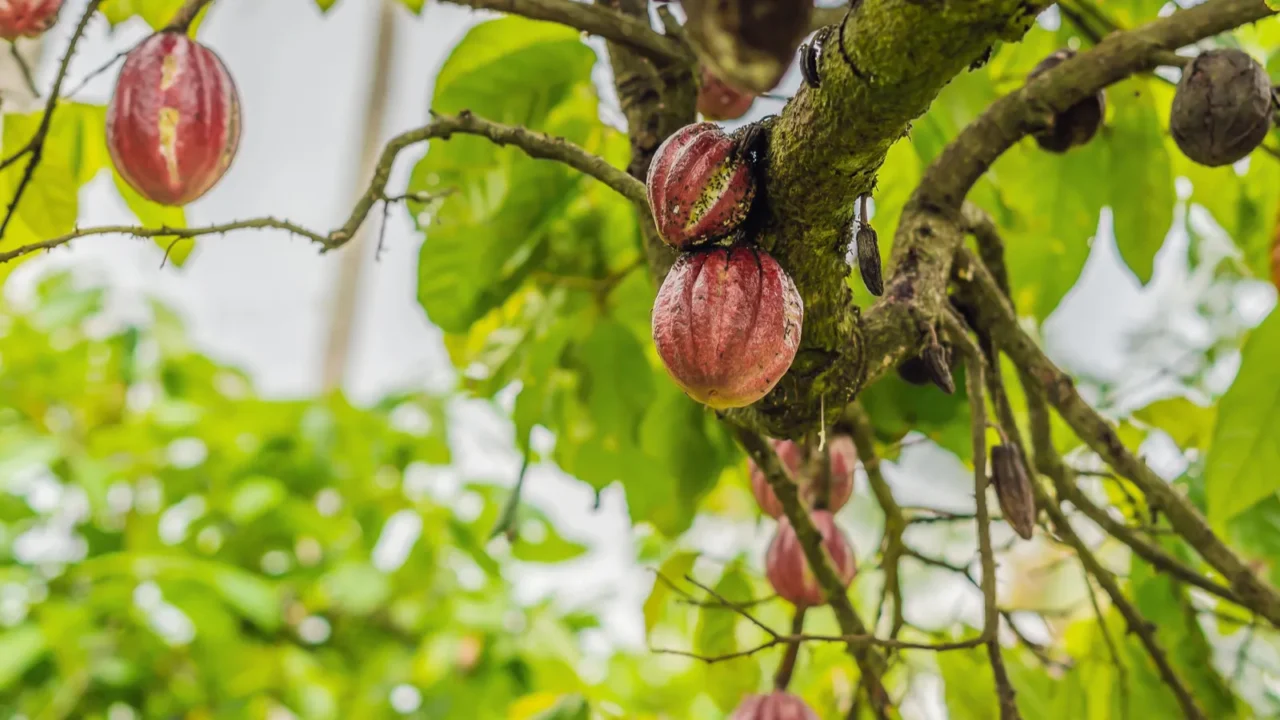
Bribri communities open their doors
The indigenous Bribri people have inhabited the Talamanca mountains and Caribbean lowlands of Costa Rica for thousands of years. Several Bribri communities have developed responsible tourism programs inviting visitors into their daily lives, teaching traditional cacao cultivation, forest medicine, and the spiritual cosmology guiding their relationship with surrounding ecosystems. These programs operate through community-owned cooperatives, ensuring revenue stays within Bribri households.
Fact: The Bribri language is spoken by roughly 11,000 people in Costa Rica and is considered endangered or vulnerable, depending on the community.
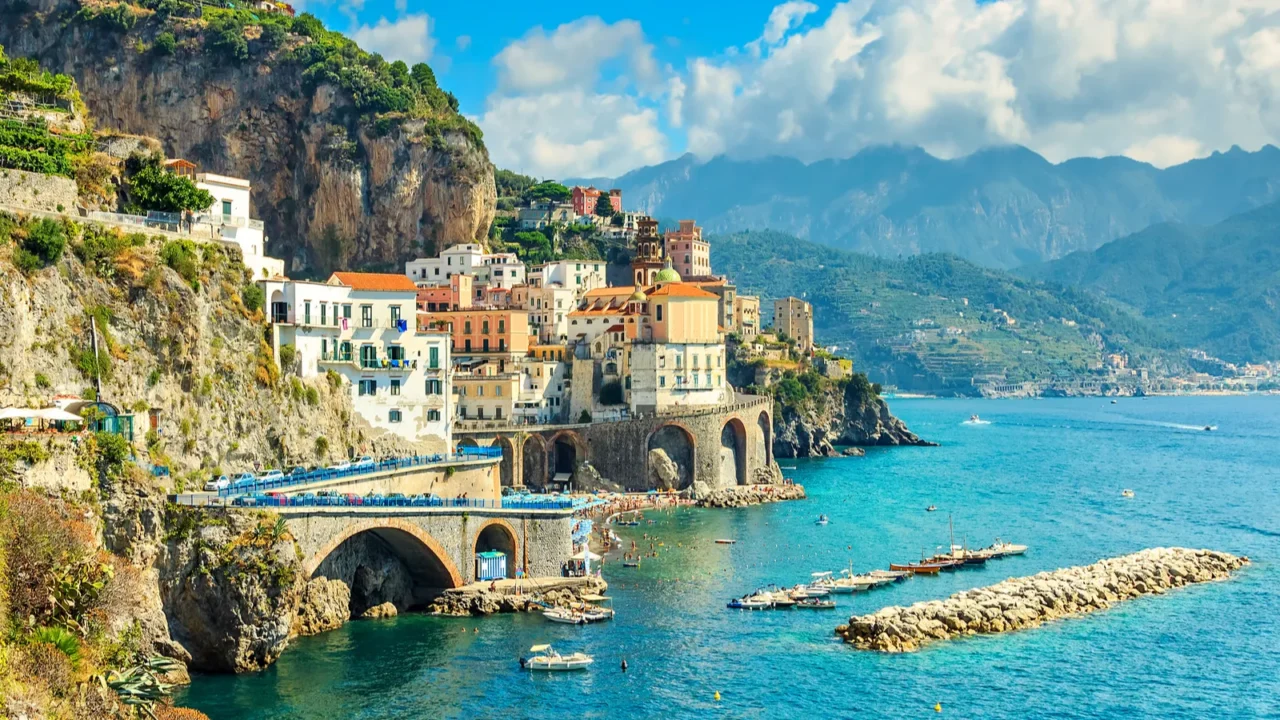
Limon Port City surprises everyone
Puerto Limón, Costa Rica’s largest Caribbean city and primary Atlantic port, has long been overlooked by travelers rushing south toward smaller beach towns. That perception is changing fast. Limón’s annual Carnival, held each October, draws tens of thousands of participants for parades, calypso competitions, costumed processions, and street food filling every corner with unmistakable Caribbean energy. Beyond the festival, Limón offers genuine urban Caribbean culture, feeling nothing like sanitized resort towns found elsewhere in the region.
Fact: Puerto Limón port complex is one of Costa Rica’s most important maritime gateways, and the Moín container terminal handles the majority of the country’s containerized cargo.
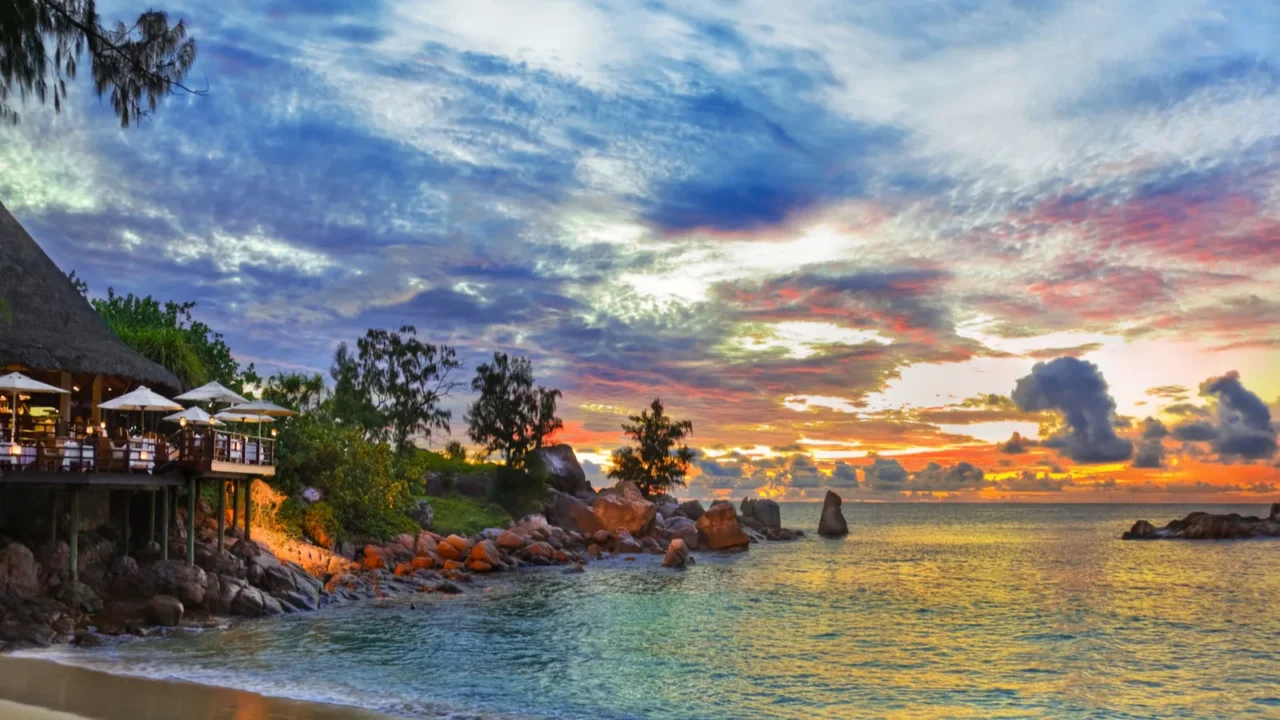
Surf culture finds Caribbean edge
Salsa Brava, the powerful reef break directly in front of Puerto Viejo de Talamanca, is widely regarded as one of the most technically demanding surf waves in all of Central America. The wave breaks over shallow coral, producing fast hollow barrels that attract experienced American surfers during peak Caribbean swell season between November and March, when conditions consistently align to deliver some of the most thrilling surfing in the hemisphere.
Unlike crowded Pacific coast surf towns such as Nosara or Tamarindo, the Caribbean side still offers a far less saturated scene where advanced riders find consistent waves without enormous crowds. Beginners and intermediate surfers work gentler breaks at Playa Cocles and Playa Chiquita nearby. The laid-back, community-centered surf culture along this coast feels genuinely refreshing to Americans accustomed to highly commercialized surf destinations.
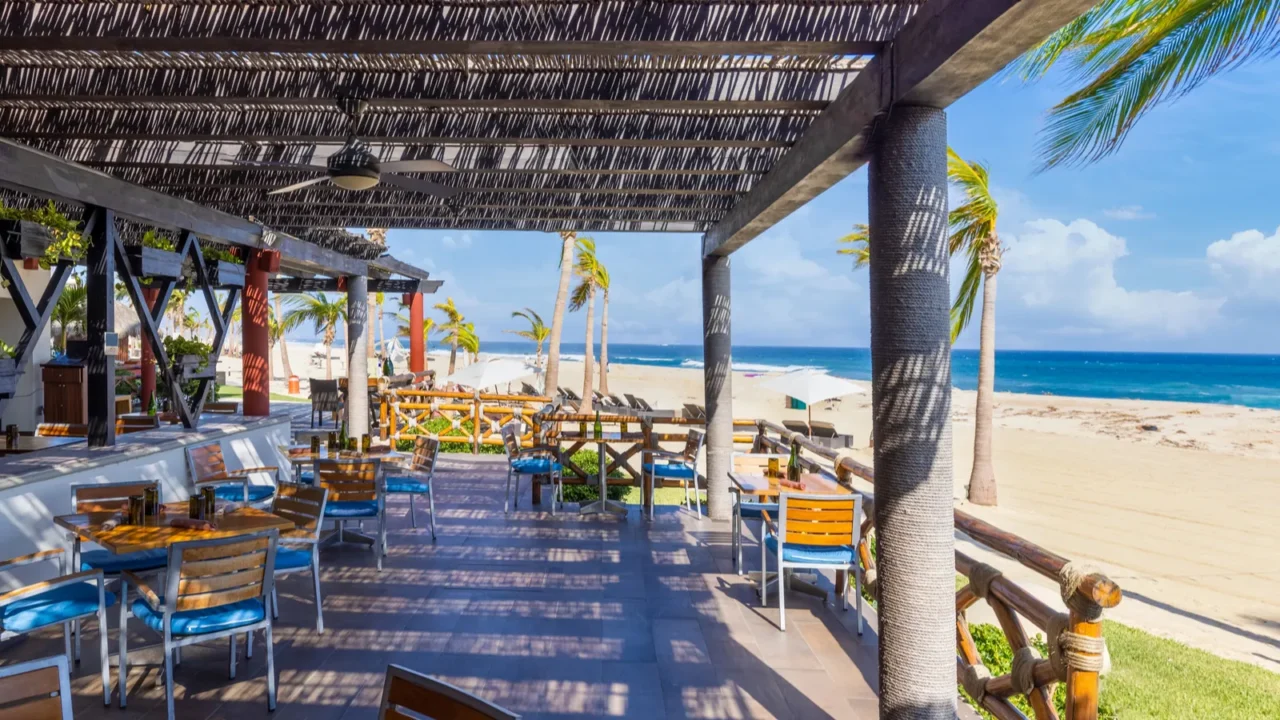
Getting there has never been simpler
Juan Santamaría International Airport in San José connects to dozens of American cities through direct flights, and the drive from San José to Puerto Viejo takes approximately four hours through scenic mountain terrain. Daily shuttle services now run directly from the capital to Caribbean coast towns, eliminating the logistical barriers that once discouraged casual American travelers from considering this region a realistic vacation destination worth the effort.
Air service from major U.S. hubs has made Costa Rica easier to reach than ever, and travelers can often find a wide range of fare options depending on season and departure city. Accommodations across the Caribbean coast remain significantly more affordable than comparable options in the Bahamas, Jamaica, or even Panama City Beach, Florida. The combination of easy access and outstanding value explains much of the region’s dramatic and sustained surge in American search interest.
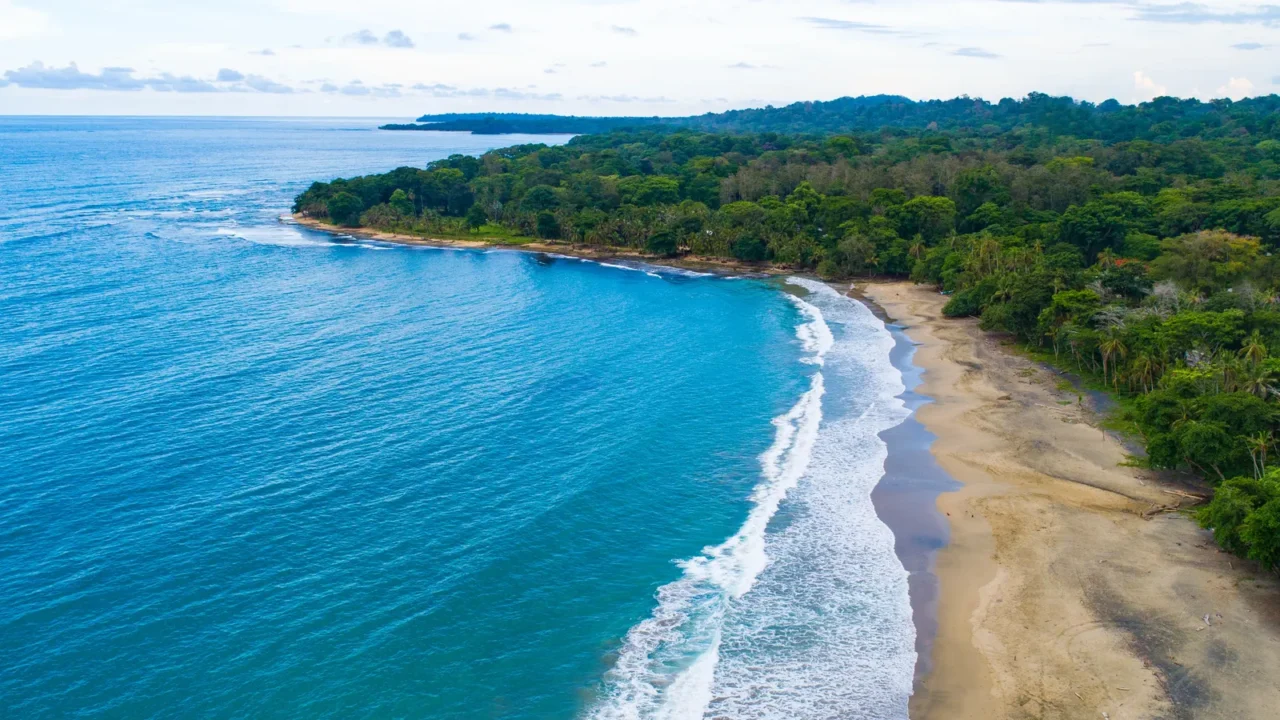
Rainforest canopy, Caribbean style
Costa Rica’s Caribbean coast sits within one of the most biodiverse corridors on earth, where the Talamanca mountain range meets lowland rainforest before giving way to coastal wetlands. This ecological transition zone supports extraordinary biodiversity, including hundreds of bird species, numerous reptiles and amphibians, and a wide range of mammals within a relatively compact area. American birdwatchers consistently identify this region as a premier destination anywhere in the Western Hemisphere.
Canopy walkways and jungle lodges tucked between Cahuita and the Sixaola River offer immersive rainforest experiences noticeably different from those on Costa Rica’s Pacific side. Here, the forest feels older, wetter, and wilder. Howler monkeys are audible before dawn, poison dart frogs dot the forest floor, and even short walks yield remarkable wildlife encounters that leave American visitors permanently changed.
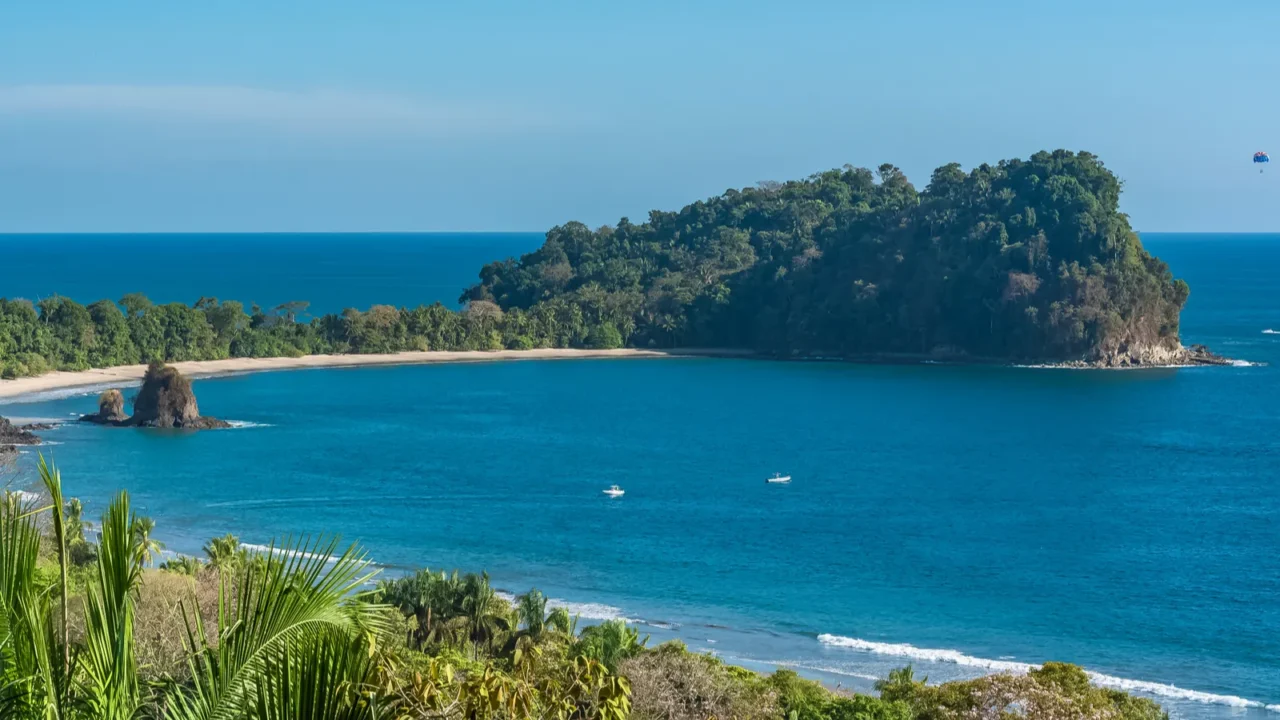
Sustainable tourism shapes the future
Costa Rica has long led the world in environmental conservation, and its Caribbean coast embodies that commitment most visibly. Community-based tourism initiatives here are structured specifically to prevent the overdevelopment that has diminished other Caribbean destinations, ensuring that natural habitats and local cultures remain central to every visitor experience rather than becoming mere commercial backdrops for outside business interests over big beach towns.
The Sea Turtle Conservancy has operated in Tortuguero since 1959, making it one of the longest-running marine conservation programs globally. Their citizen science programs allow visiting Americans to contribute directly to sea turtle data collection during nesting season. Travelers leave Tortuguero not just with photographs but with a genuine sense of having contributed meaningfully to protecting something irreplaceable for future generations worldwide.
This coast changes you permanently
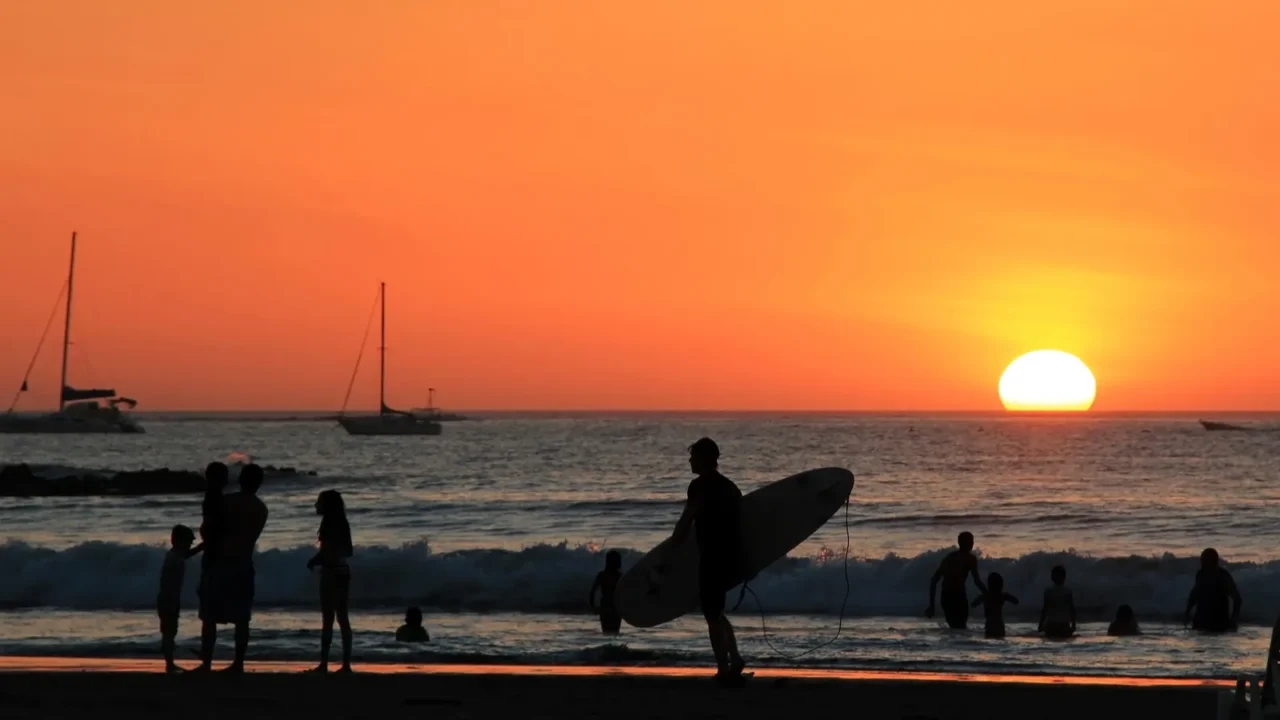
Costa Rica’s Caribbean coast does not offer curated perfection. It offers something more lasting: raw jungle, centuries-deep communities, and wildlife encounters unreplicable anywhere else. Americans who visit once describe an almost universal pull to return.
Whether watching a sea turtle on a Tortuguero beach or setting sail on a cruise through its waterways, travelers leave carrying something that never fades.
Have you ever stood somewhere so wild and alive that it permanently changed the way you see the world? Costa Rica’s Caribbean coast might just be that place, drop where you would go first in the comments below.
This slideshow was made with AI assistance and human editing.
Don’t forget to follow us for more exclusive content right here on MSN.
Disclaimer: The images used are for illustrative purposes only and do not depict the actual locations mentioned.
Read More From This Brand:
