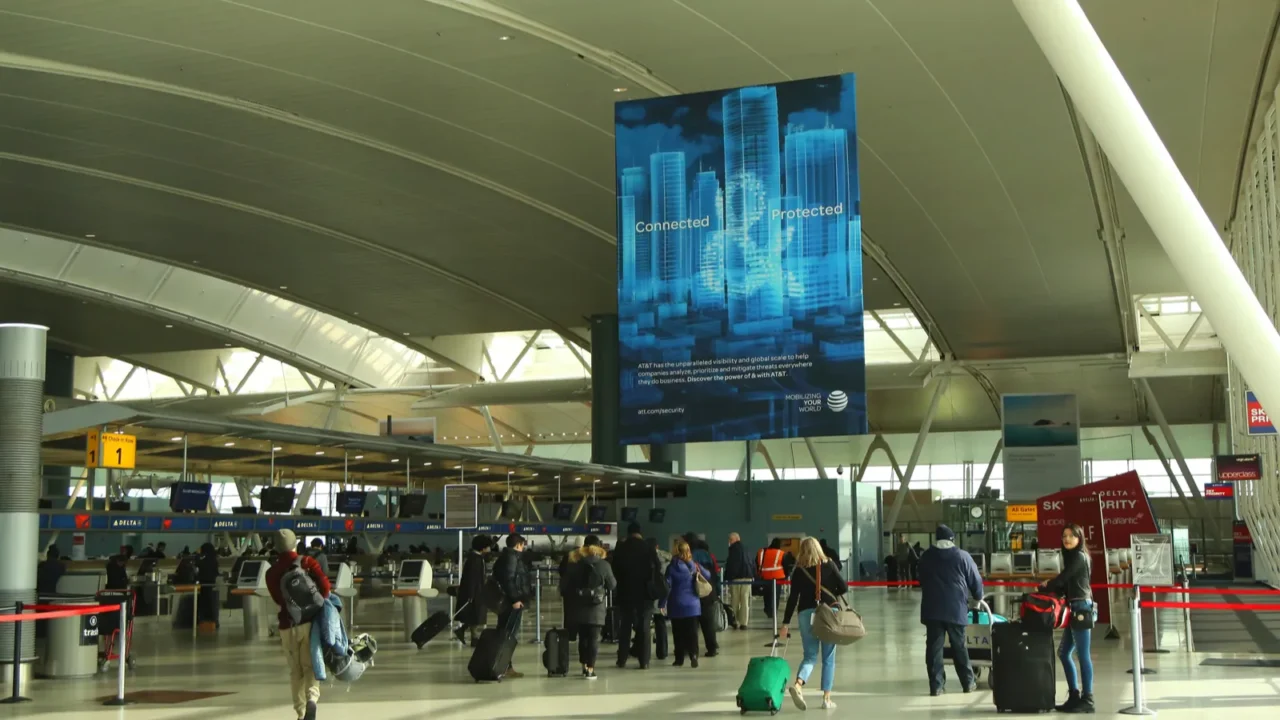
America’s surprising price tag
The United States of America spans 3.8 million square miles across North America and draws tens of millions of international visitors each year. In 2026, the financial reality of traveling here remains high across every category, catching even experienced travelers off guard before booking a single flight.
What tourists see on travel websites rarely reflects actual spending once they land. Airport fees, restaurant surcharges, and hidden taxes create a widening gap between advertised prices and real expenditures. Understanding these layers before departing is essential for anyone serious about managing an American trip without serious financial regret along the way.
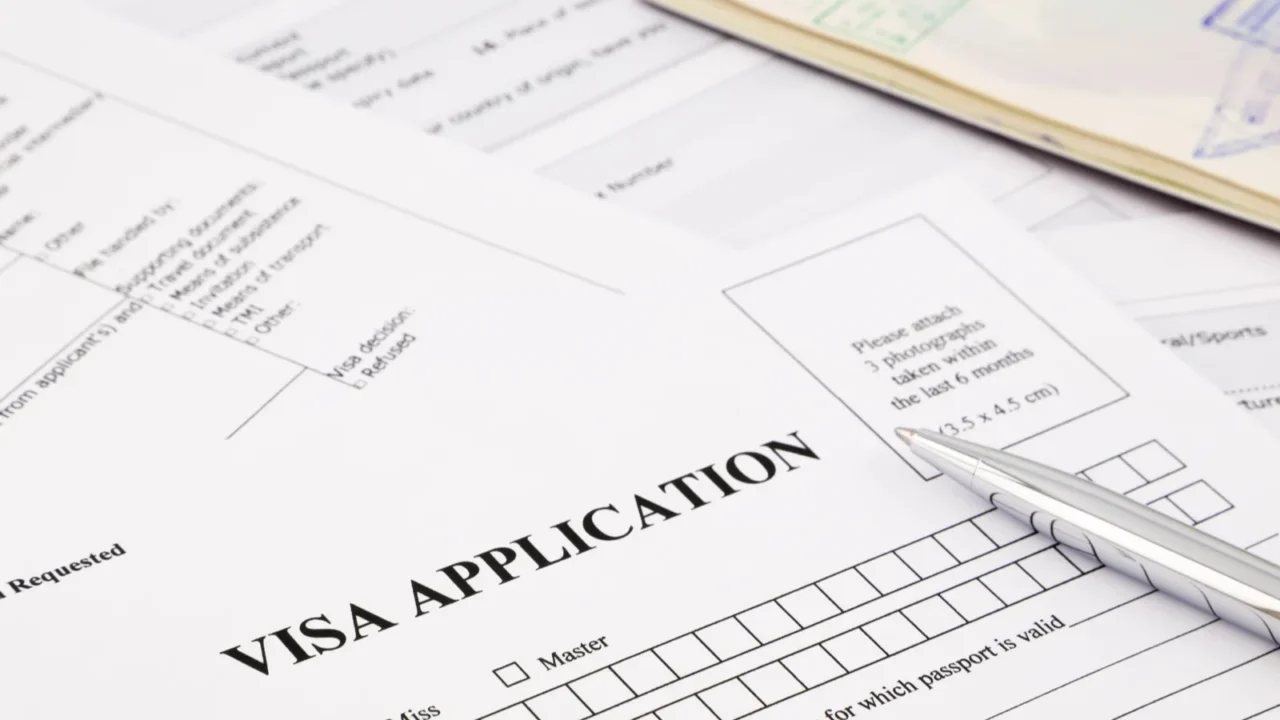
ESTA fees catch visitors off guard
Before purchasing a plane ticket, many international travelers must complete an Electronic System for Travel Authorization application, known as ESTA. In 2026, this mandatory pre-travel clearance carries a processing fee that surprises first-time visitors who assume entry is free. Citizens from Visa Waiver Program countries frequently overlook this cost entirely until final booking stages, leaving budgets unexpectedly tighter from the very start.
The official ESTA application portal currently lists the fee at $40.27 per applicant, which can add up quickly for families and group travelers. Beyond that, third-party websites mimicking government portals charge considerably more, trapping uninformed tourists into paying inflated rates. Always applying through the official U.S. Customs and Border Protection website is the only way to avoid unnecessary overpayment before the journey even properly begins.

Tipping culture drains budgets fast
Tipping in the United States operates under a cultural framework unlike most countries worldwide. What began as a voluntary appreciation gesture has become an expected financial obligation embedded in nearly every transaction. In 2026, digital payment terminals prompt gratuity at coffee counters, bakeries, and food truck places where tipping was historically never expected or practiced in any meaningful way.
Restaurants typically expect 18 to 25 percent beyond the listed menu price. Combined with mandatory service fees added by many urban establishments, a dinner for two in New York, Los Angeles, or Chicago can cost 40 percent more than menus suggest. International visitors unfamiliar with this layered system consistently underestimate their daily food spending by a surprisingly large margin.
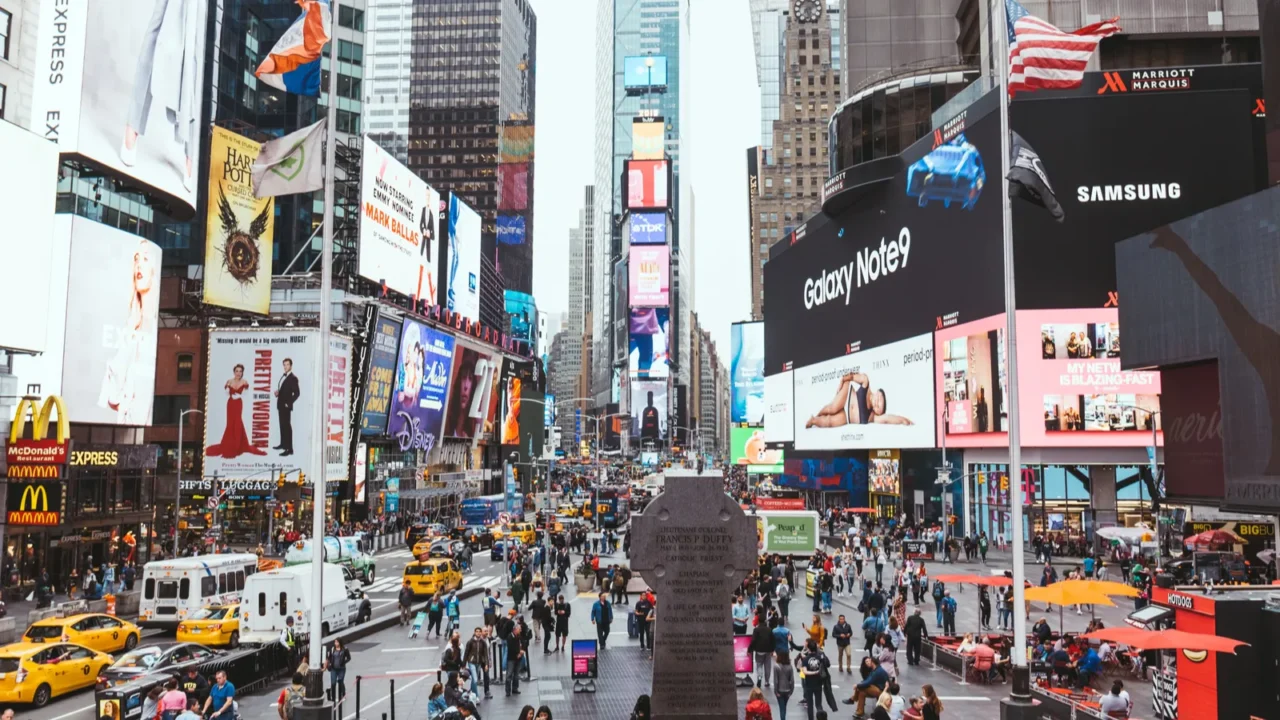
New York’s invisible extra costs
New York City ranks among the most visited destinations in America, yet its true cost structure is rarely communicated honestly in mainstream travel guides. Hotel rates in Manhattan appear reasonable online, but mandatory resort fees, destination charges, and occupancy taxes frequently add 30 to 45 percent to the final nightly bill. These charges are technically disclosed but buried within booking terms that most travelers never fully read.
Getting around adds another financial layer entirely. Ride-share surge pricing during Midtown peak hours rivals taxi fares in European capitals. Popular neighborhoods like SoHo charge premium prices even for casual meals. Visitors planning a week in New York City in 2026 should budget at least 35 percent above their original estimate to avoid running short unexpectedly.

Healthcare costs while traveling
One of the most financially dangerous oversights any international visitor can make is arriving in the United States without comprehensive travel health insurance. The American healthcare system imposes staggering out-of-pocket costs on uninsured patients. A single emergency room visit for a broken ankle or severe allergic reaction can generate bills exceeding $10,000 before meaningful treatment has even been properly administered.
Travelers from countries with nationalized healthcare often assume government coverage extends abroad, but it almost never applies within the United States. In 2026, with medical inflation outpacing general inflation, visitors from the United Kingdom, Australia, and Canada are especially financially vulnerable. Purchasing a comprehensive travel health policy covering U.S. emergencies before departure is an absolute financial necessity, not an optional travel expense.
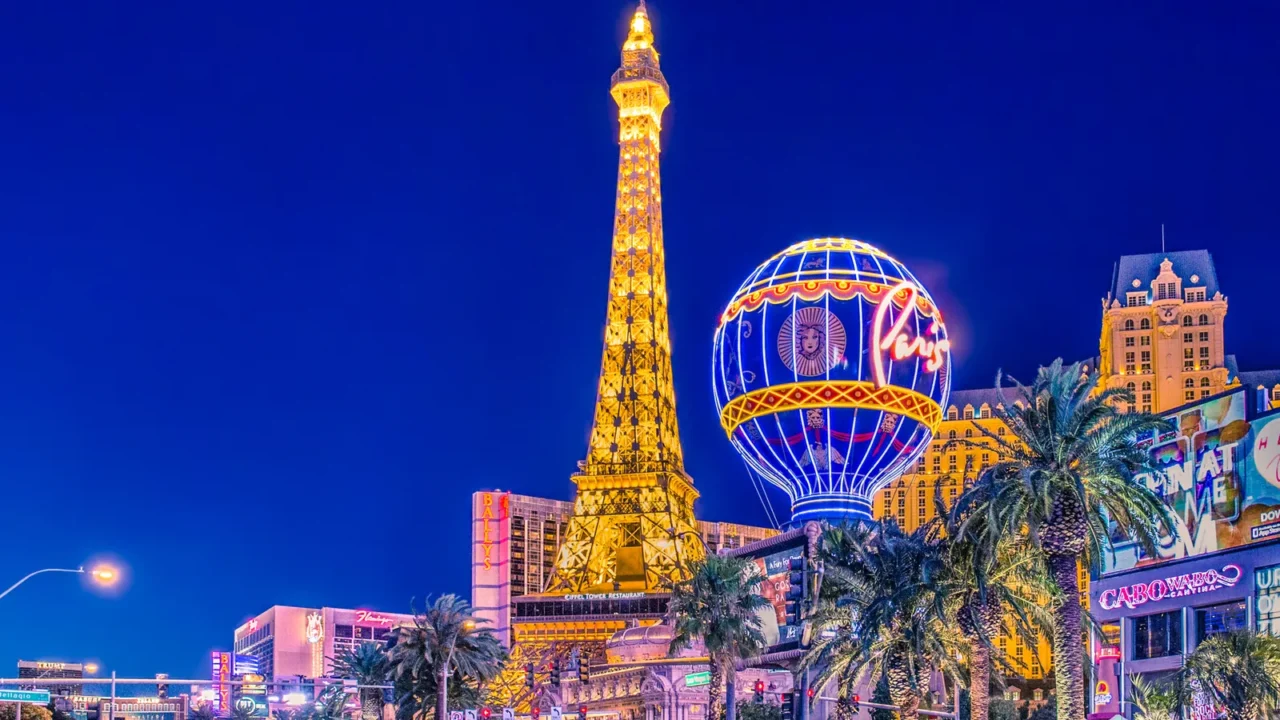
Las Vegas drains more than expected
Las Vegas, Nevada, markets itself as an affordable entertainment destination where spectacle is essentially free. That image is carefully constructed and financially misleading. In 2026, resort fees alone average between $45 and $65 nightly on top of advertised room rates across the Strip’s most prominent properties, shocking visitors who budgeted based on prices seen during initial online searches weeks before arrival. Parking, once complimentary at major casinos, now costs up to $20 daily.
Concert tickets, nightclub entry, and pool passes carry prices disconnected from original marketing promises entirely.
Florida’s tourist tax trap
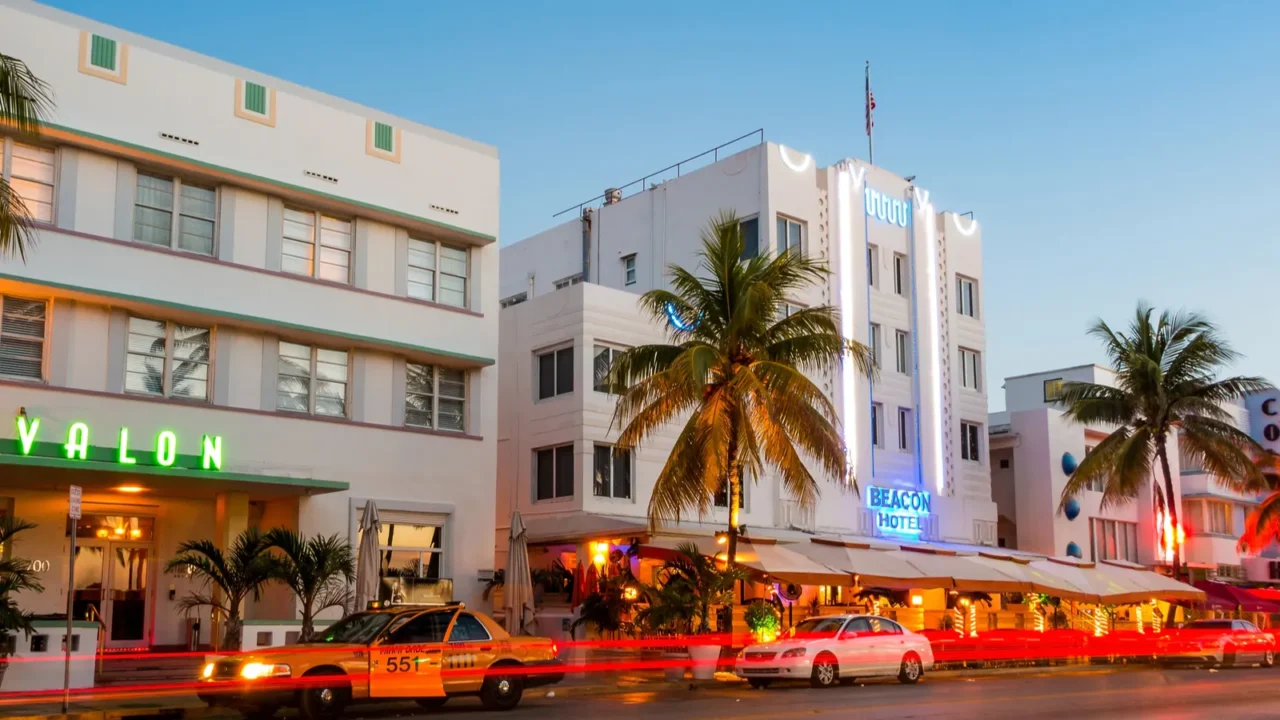
Florida attracts families and international visitors in enormous numbers due to its warm climate, famous theme parks, and extensive coastline. However, the true cost of visiting in 2026 extends beyond admission prices into sales taxes, tourism surcharges, and county-level resort fees that vary significantly depending on which part of the state travelers choose to visit during their planned stay.
Orlando adds significant local tourism taxes on top of the state sales tax, making every hotel night and restaurant meal more expensive than initially calculated. Rental car rates in Florida rank among the highest nationally when all surcharges are included, frequently doubling the advertised base rate. Travelers who skip researching Florida’s full tax structure routinely exhaust their vacation budgets days before their scheduled departure.
San Francisco’s brutal daily costs
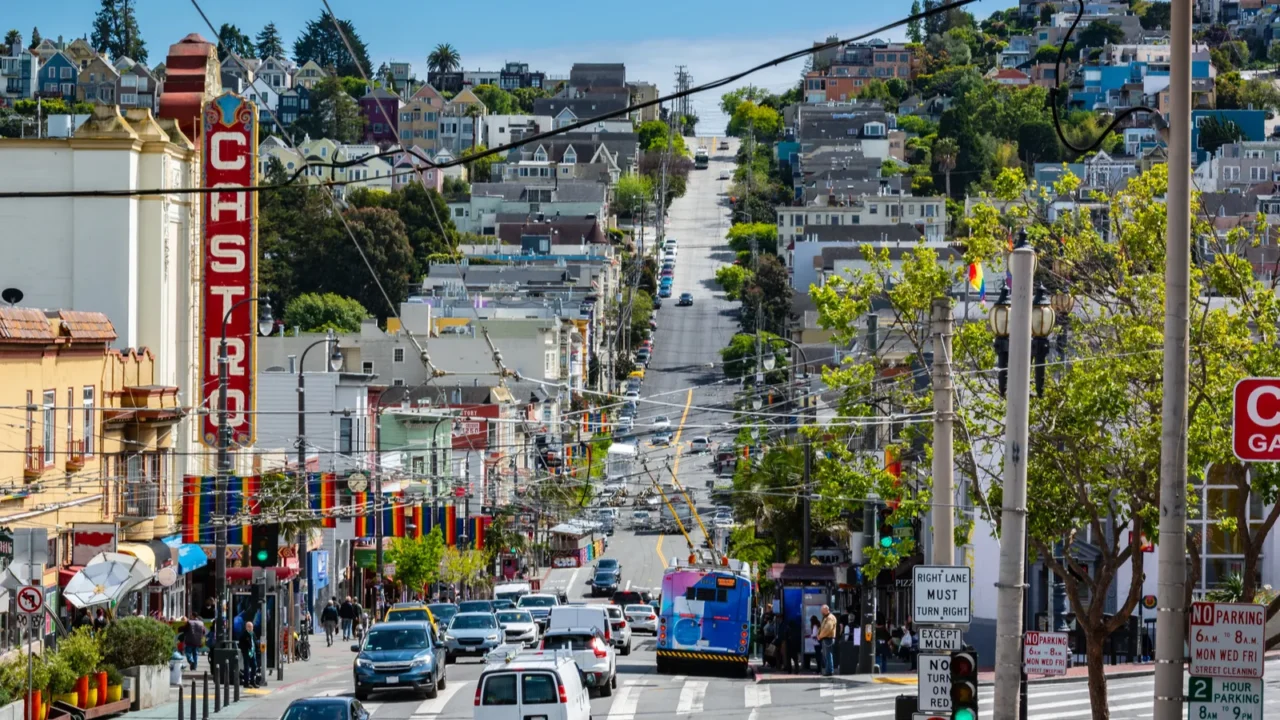
San Francisco, California, consistently ranks among the most expensive cities globally, and visiting as a tourist in 2026 confirms that reality immediately. A standard hotel room in Union Square or SoMa averages above $300 nightly before taxes and mandatory fees, pushing the effective cost toward $400 or beyond for most travelers without any meaningful luxury amenities included in that base price. Grocery prices, transportation, and museum admission all exceed national averages substantially here. Budget travelers treating San Francisco as a casual stop consistently find their overall trip finances disrupted beyond recovery.
Fact: The Numbeo Cost Index ranks San Francisco among the top five most expensive North American cities for tourists in 2026, with basic lunches averaging $25 per person at mid-range restaurants.
Airport fees nobody warns about
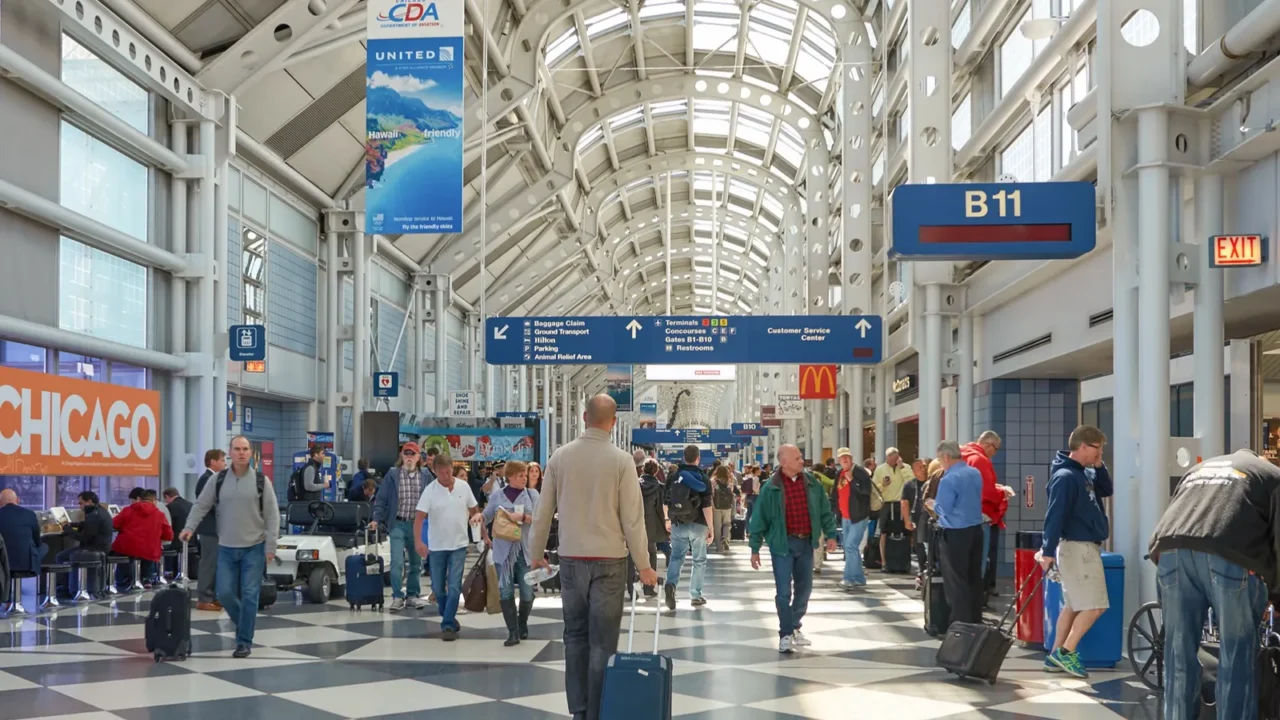
American international airports charge fees that travelers encounter immediately upon landing and throughout departure as well. Baggage fees on domestic connecting flights catch international visitors off guard, particularly those whose transatlantic airlines include checked luggage but whose American partner carriers do not extend identical allowances for separately booked onward domestic flight segments continuing across the country.
Transportation from airports into city centers consistently shocks visitors accustomed to affordable public transit in European or Asian cities. Airport transfers in major U.S. cities can be surprisingly expensive, especially when ride-share pricing surges or travelers arrive during peak periods.

National Parks cost more in 2026
America’s national parks draw visitors worldwide to places like Yellowstone, the Grand Canyon, Zion, and Yosemite. Visiting these lands in 2026 now requires navigating a costly reservation system that many travelers discover only upon attempting entry, often finding themselves turned away or facing significantly higher costs than originally anticipated during the initial planning stages of their American trip.
Entry fees reach $35 per vehicle at top-tier parks, while timed-entry systems require booking months ahead during peak season. Camping reservations vanish within minutes of release, forcing visitors into expensive nearby lodging. The America the Beautiful annual pass at $80 offers genuine savings but remains largely unadvertised on international tourism platforms, which most foreign visitors rely upon when planning their trips.
Dining out costs more than ever
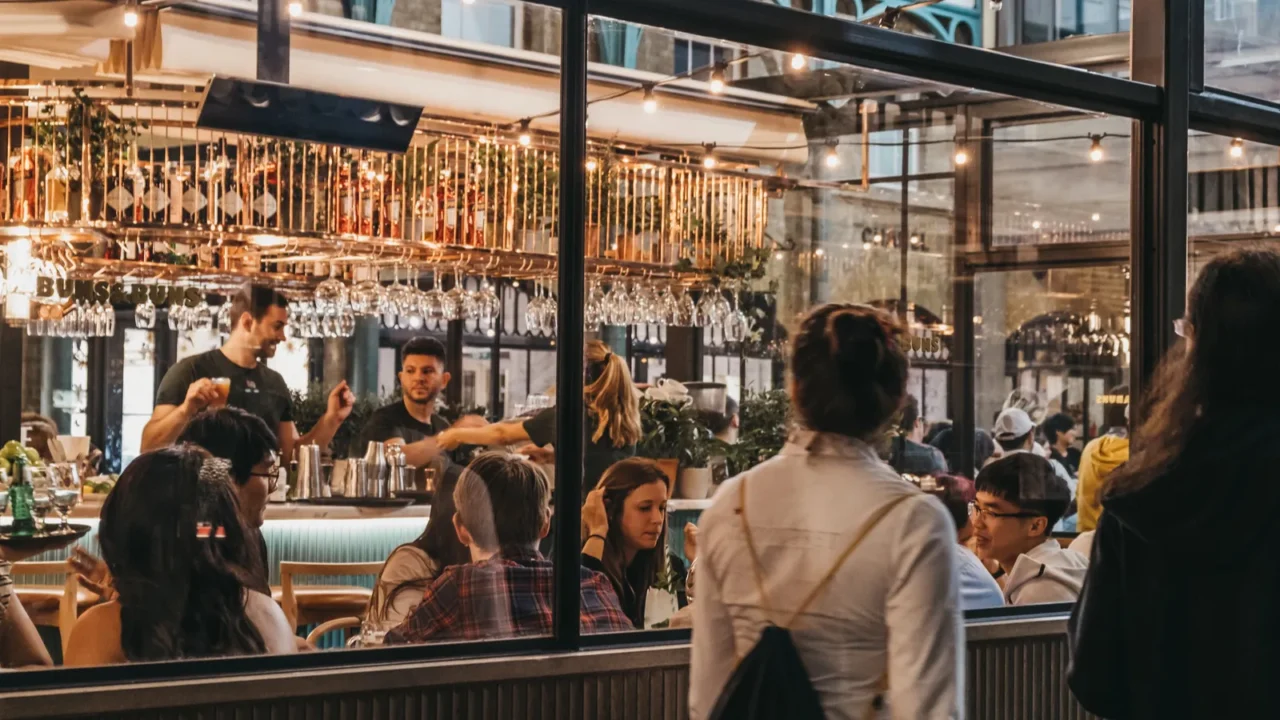
The American restaurant industry underwent a permanent cost shift in recent years, now fully reflected in menu prices, service fees, and tipping expectations defining dining in 2026. Cities like Miami, Boston, Seattle, and Washington D.C. automatically add mandatory service charges between 18 and 22 percent to bills, even before digital terminals prompt additional voluntary gratuity on top of charges already applied to every customer transaction.
A casual dinner for two, once achievable for $60 to $80, now frequently exceeds $120 after taxes, service charges, and gratuity. Tourist-facing restaurants near major attractions price aggressively, knowing visitors rarely return. Travelers who prepare even one or two daily meals using grocery store ingredients realistically save between $40 and $60 without meaningfully compromising their broader American travel experience.
Rental car fees are relentless
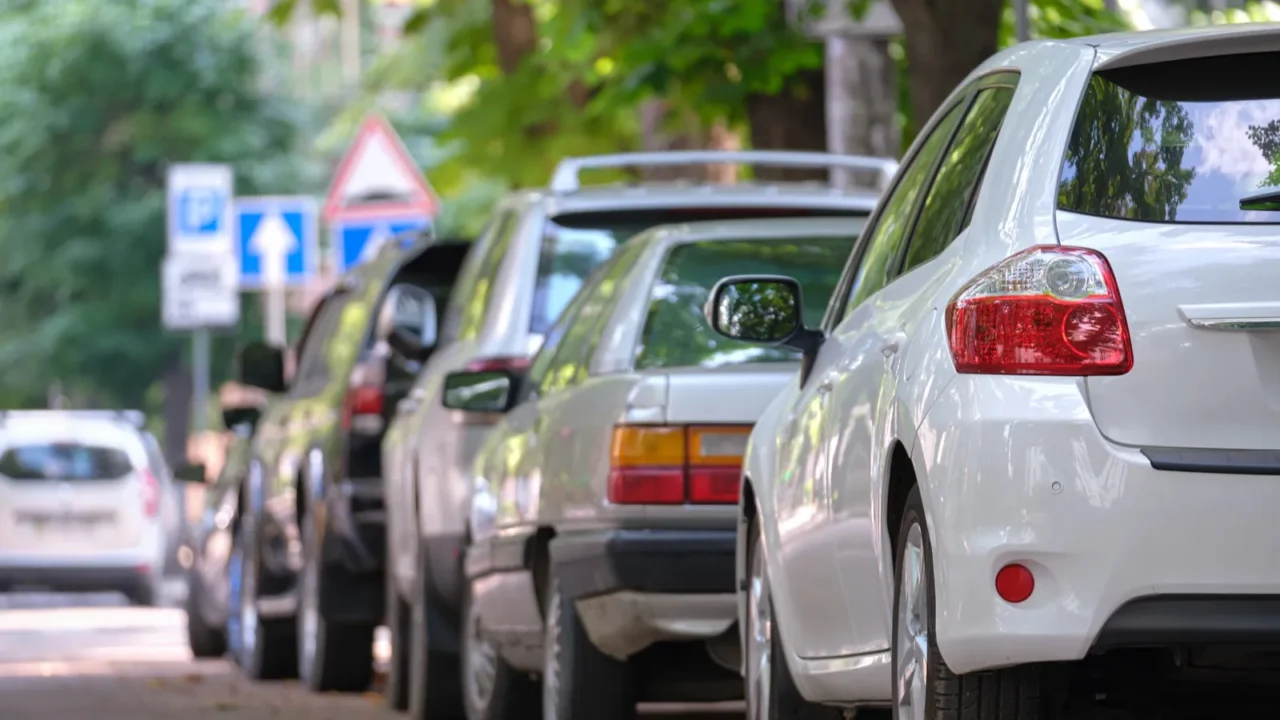
Renting a car in the United States appears affordable on comparison websites, where base daily rates look attractively low at $30 to $50 for standard vehicles. What those prices never communicate is the financial weight of airport concession fees, state taxes, vehicle license recovery charges, tourism surcharges, and aggressive insurance upselling by rental counter agents that routinely more than double the total final cost at checkout.
Travelers declining rental insurance without understanding the risk of credit card coverage can result in serious financial exposure from minor damage. Hawaii, California, and Nevada layer surcharges, making airport rentals particularly expensive, and these are just some of the places in the United States where hidden costs quietly consume travel budgets. A week-long rental advertised at $210 routinely reaches $500 or beyond once all fees are fully applied.

Budget smarter, travel wiser
Visiting the United States in 2026 remains deeply rewarding for travelers who engage honestly with its financial realities before departure. The country offers extraordinary diversity, from the canyon lands of the American Southwest to the cultural energy of its great coastal cities. The difference between a frustrating trip and a fulfilling one increasingly comes down to preparation and realistic expectation setting done well in advance.
Researching mandatory fees, securing travel health insurance, understanding tipping norms, and budgeting 25 to 30 percent above initial estimates transforms the entire experience. Before finalizing your American travel plans, knowing where money quietly disappears makes all the difference between arriving prepared and returning home financially regretful.
Most travelers budget for the ticket but never for what comes after landing. Which of these hidden costs shocked you the most, and did you see it coming before your last trip to the United States?
This slideshow was made with AI assistance and human editing.
Don’t forget to follow us for more exclusive content right here on MSN.
Disclaimer: The images used are for illustrative purposes only and do not depict the actual locations mentioned.
Read More From This Brand:
