California’s gas debate just got hotter
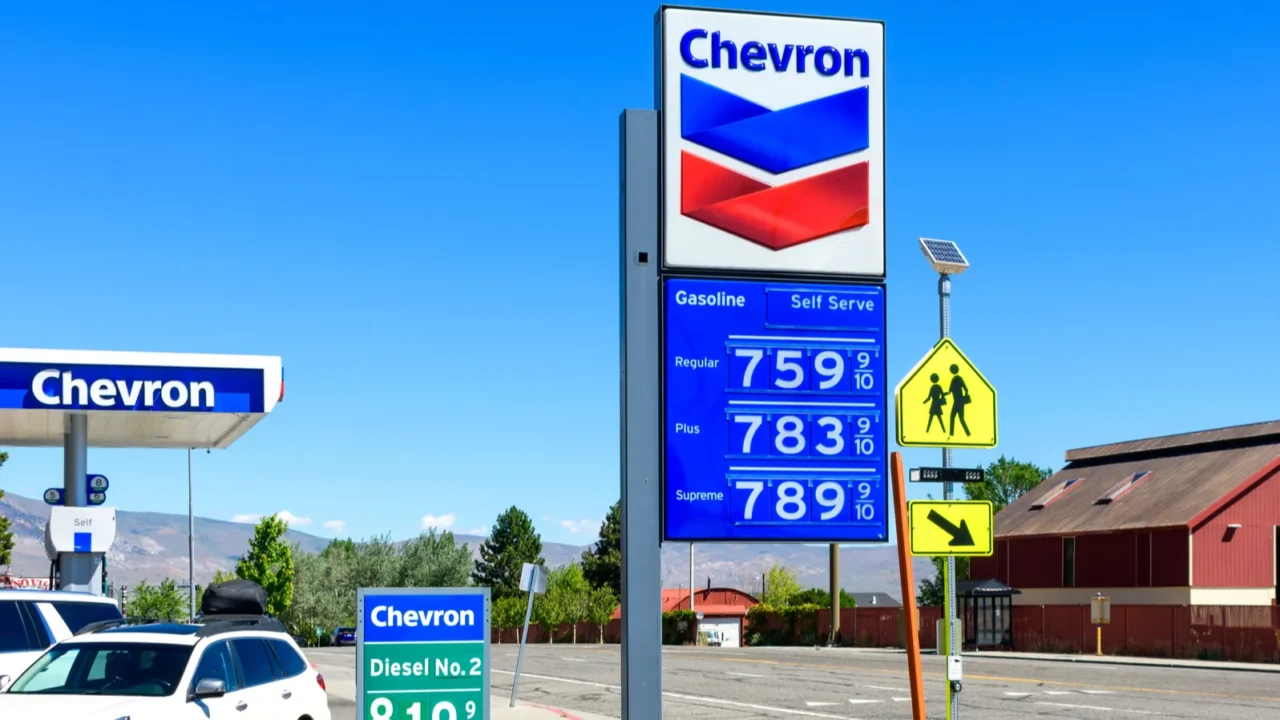
California drivers are already paying some of the highest pump prices in the country, and now Chevron is warning they could climb even more. AAA put the statewide average for regular gas at $5.82 on March 24, far above the U.S. average, making this a story that hits wallets fast.
What changed is the political fight around California’s climate rules. Chevron says proposed state changes could make refining even more expensive and tighten fuel supplies over time, while state officials argue the program is still the best path to cut emissions at the lowest overall cost.
What Chevron is warning about
Chevron says proposed amendments to California’s cap-and-invest program could push gasoline prices up by more than $1 a gallon by 2030. Bloomberg reported that Chevron estimated the proposed changes could add roughly $1.21 per gallon to gasoline prices by 2030.
The company is also warning about refinery economics, not just pump prices. Bloomberg reported that Chevron refining executive Andy Walz said the company could stop refining in California within a decade if current policy trends continue.

The state program at the center
The program under debate is California’s cap-and-invest system, run by the California Air Resources Board, or CARB. It sets a declining cap on emissions and requires covered businesses to obtain allowances to comply.
CARB says the 2026 amendments are meant to support the state’s long-term climate targets and update how allowances are managed. The agency also says the program has already generated $37 billion for climate investments, showing why Sacramento sees it as a major policy tool rather than a narrow fuel rule.

Why the 2026 proposal matters
One of the biggest proposed changes is the planned removal of 118.3 million allowances from 2027 through 2030. Market analysis of the CARB proposal says that a tighter allowance supply could raise compliance costs for regulated companies, including refiners.
That is the heart of Chevron’s complaint. The company argues that if refiners have to buy scarcer and costlier allowances, those costs will show up in gasoline and diesel prices paid by consumers.

CARB says the program is flexible
CARB is defending the proposal as a cost-effective way to stay on track for climate goals. On its program pages, the board says the amendments are designed to support California’s 2045 targets and include a formal review and comment process.
That response matters because the state is not describing this as an overnight fuel crackdown. CARB’s public timeline shows the proposal is still moving through hearings and rulemaking, with a board hearing listed for May 28, 2026 and an effective date of September 1, 2026 if adopted.

Why Californians feel price shocks faster
California is unusually exposed to fuel market disruptions because it is partly cut off from the main U.S. refining centers along the Gulf Coast. Bloomberg reported that the state imports about 20% of its refined fuels from Asia, leaving it more vulnerable when overseas supply gets squeezed.
That matters even more during a global disruption. If shipments from Asia slow or refiners abroad keep more product at home, California has fewer easy backup options than states connected more directly to Texas and Louisiana fuel systems.

Iran war fears changed the tone
This debate is no longer just about long-term climate policy. Bloomberg reported Chevron is now tying California’s fuel risks to the Iran war and the strain on global shipping, especially around the Strait of Hormuz.
That sharper message comes as drivers are already seeing the damage. Reuters reported on March 19 that U.S. pump prices had jumped about 30% since the war began, with analysts warning the national average was heading toward $4 a gallon.
California’s refineries are under pressure
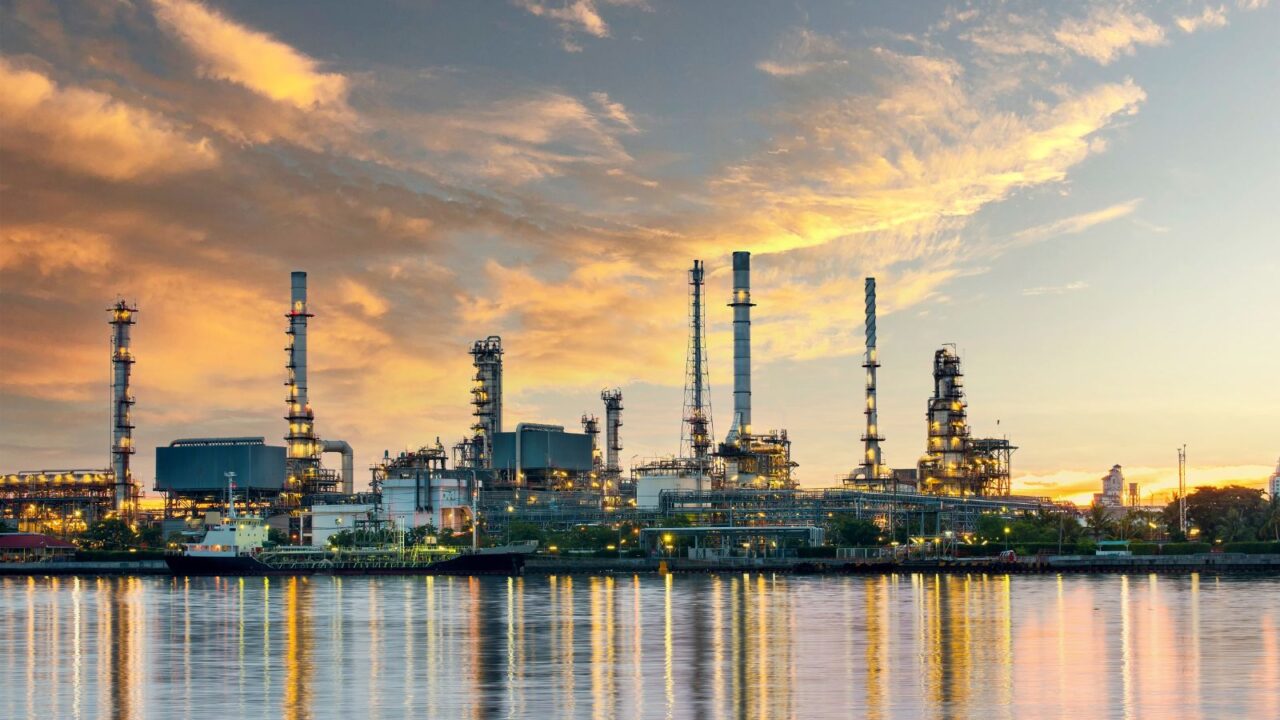
Chevron’s message lands in a state where refining capacity has already been shrinking. The company has argued for months that tougher regulations and higher costs are making California refinery operations harder to sustain.
That helps explain why refinery threats get so much attention in Sacramento. When California loses local refining capacity, the state can become even more dependent on imports and more vulnerable to sudden price spikes after outages or global disruptions.
Little-known facts: On March 24, AAA listed San Francisco diesel at $7.410 and Santa Rosa diesel at $7.342, showing how sharply commercial fuel costs have climbed in parts of California.

Newsom’s office hit back fast
Governor Gavin Newsom’s office has pushed back hard on Chevron’s argument. Bloomberg reported that a Newsom spokesperson accused oil companies of running a “coordinated campaign” against California and said the real blame belongs with the war-driven fuel shock hitting families at the pump.
That response turns the issue into a political fight as much as an energy one. Chevron is saying state rules are the problem, while Newsom’s side is saying global conflict and oil industry behavior are driving the pain consumers feel now.
Little-known fact: CARB’s cap-and-invest update page says the agency accepted public comments on the proposed changes from January 23 to March 9, 2026.
Why refiners care about the math
Chevron says the proposed rules would make refining in California less viable because companies would face higher compliance costs on top of the state’s existing fuel standards and operating burdens. Bloomberg reported Walz said the added expenses could reach $500 million within five years.
For refiners, this is a margin question as much as a policy one. If costs rise faster than a plant can recover them, companies may cut investment, shrink operations, or leave the market entirely.

Why drivers should pay attention
For consumers, the practical issue is simple: California already starts from a very high price base. AAA’s March 24 data showed a $5.82 statewide average for regular gas, and many metro areas were even higher.
That means even a smaller policy-driven increase would be felt quickly by commuters, delivery drivers, and families with long daily drives. In a state where fuel is already expensive, another dollar a gallon would not feel like a technical adjustment.

The climate goal is still bigger
California is not making these changes in a vacuum. CARB says the proposal is meant to keep the state on track toward its broader emissions goals and long-term 2045 planning, which is why the agency frames the amendments as part of a larger transition rather than a short-term fuel decision.
That creates the real tension in this story. California wants deeper emissions cuts, but it also remains a huge fuel consumer today, which makes the transition messier and more politically risky than a simple climate target might suggest.
Rising gas prices are adding to the list of reasons some residents are reconsidering California. Check out why more people are leaving California for Florida.

The hearing could shape the next fight
The proposal is still moving through the regulatory process, which means the final version could still change. CARB’s rulemaking page lists a board hearing for May 28, 2026, giving industry groups, environmental advocates, and the public another chance to fight over the details.
That makes this a live issue, not a settled one. The next phase will likely focus on how much cost the state is willing to accept in the near term to keep its long-term climate plan on course.
As California’s gas output keeps falling, what could that mean for prices, supply, and Newsom’s energy strategy? Check out why the pressure is growing.
Do you think California should push ahead with stricter emissions rules even if oil companies warn of higher gasoline prices? Share your thoughts and your view in the comments.
This slideshow was made with AI assistance and human editing.
Don’t forget to follow us for more exclusive content right here on MSN.
Read More From This Brand:
