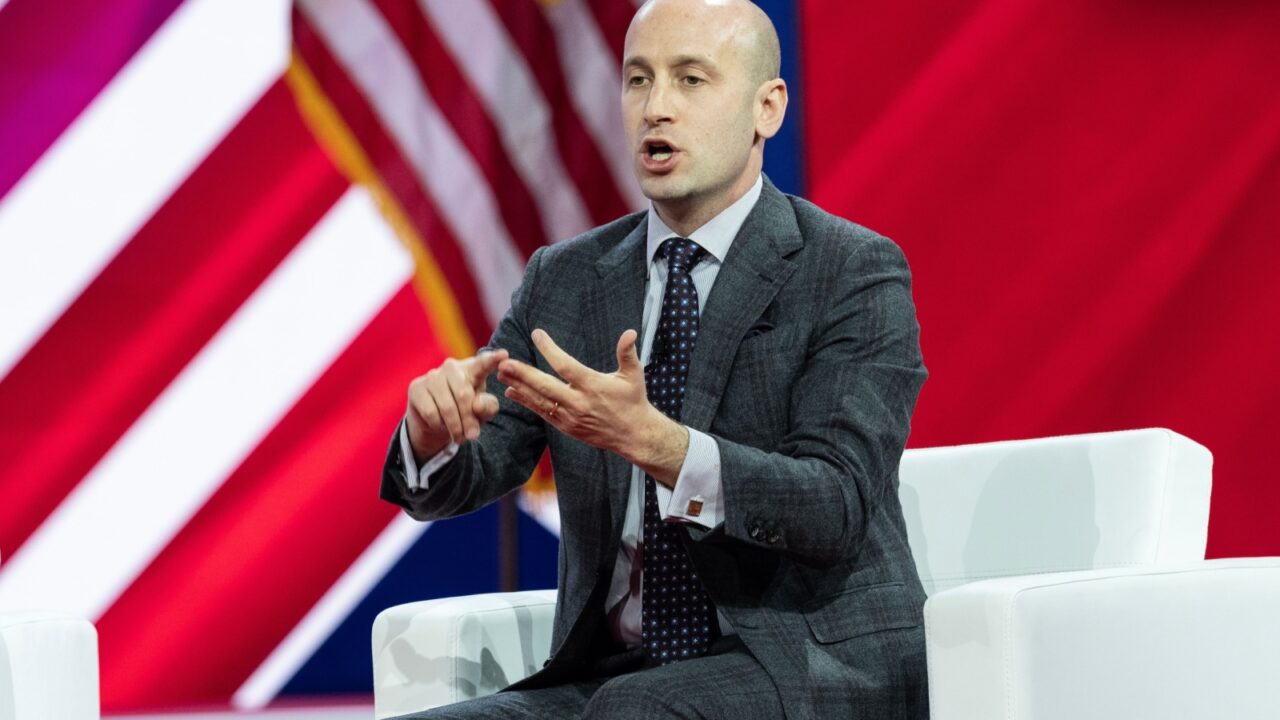
White House policy spotlight
White House Deputy Chief of Staff Stephen Miller has been widely cited in US immigration policy discussions as federal travel and border debates continue to intensify in Washington. Reporting from major US outlets indicates that immigration enforcement strategy remains a central political issue in 2026. Those debates are shaping public discussion around border enforcement, asylum processing, and screening procedures at U.S. ports of entry.
Reuters has described Miller as a key architect of the administration’s hardline immigration agenda. Media coverage notes that border management decisions increasingly connect to international travel systems and visa operations. Major airports and border checkpoints may need to adjust operations when federal immigration rules or enforcement priorities change.
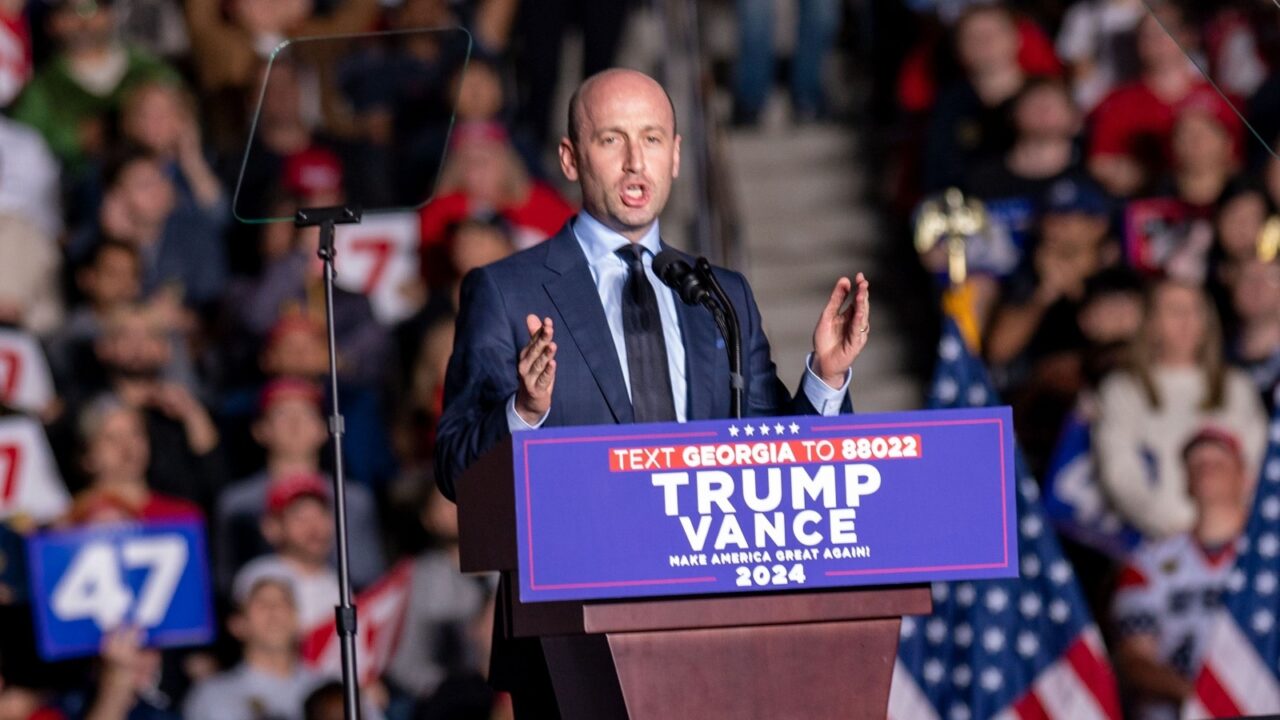
Policy messaging and public perception
Stephen Miller continues to shape how immigration policy is communicated to the public. Media framing around enforcement often influences how travelers interpret entry conditions. Public messaging plays a growing role in shaping confidence in travel systems.
Travel perception can shift even without major policy changes. Visitors often respond to tone and clarity in government communication. This creates a gap between actual rules and perceived accessibility.

Border legal interpretations
Miller’s immigration agenda has also been discussed alongside legal battles over asylum processing and detention policy at the U.S. border. Supreme Court considerations around immigration law have drawn attention to how arrival definitions affect border enforcement outcomes. These legal interpretations remain central to immigration policy direction.
Travel-related implications also appear in how legal rulings shape long-term entry expectations for international visitors. Tour operators and global travel advisors monitor these decisions when designing multi-country itineraries. Uncertainty around immigration policy can add complexity for travelers evaluating international entry requirements.
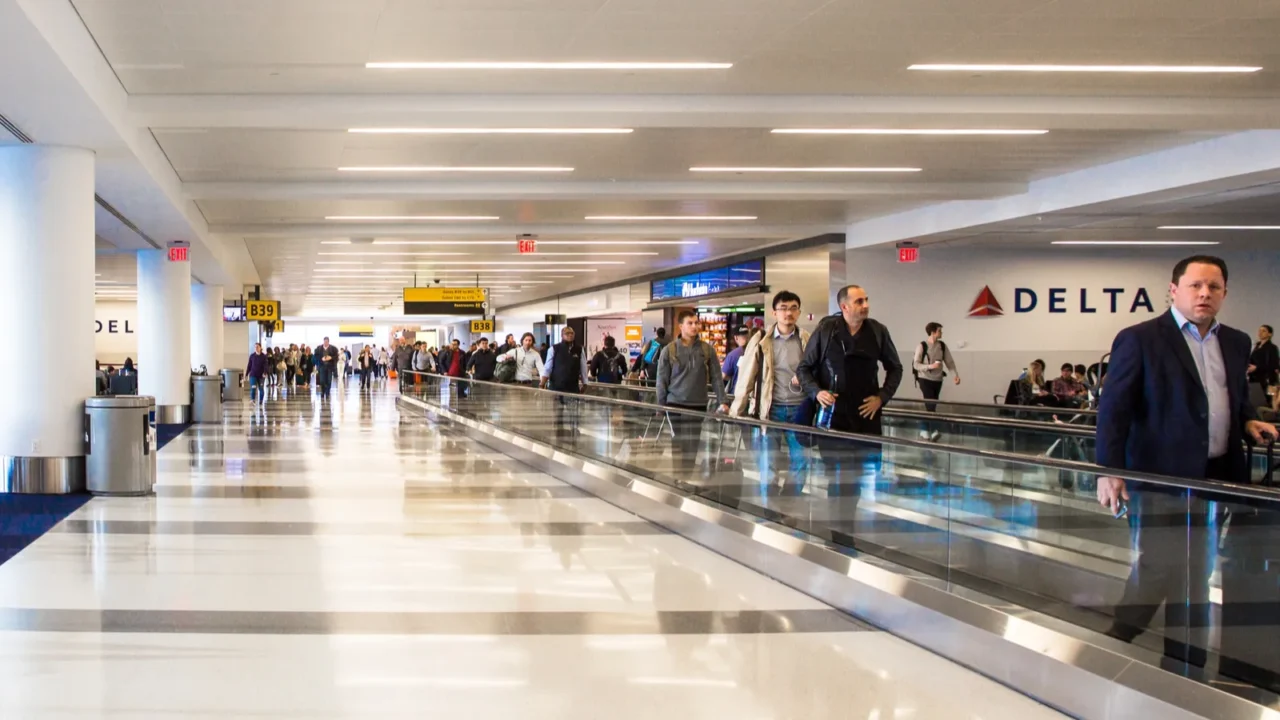
Staffing and workforce challenges
Immigration policy discussions now intersect with staffing capacity at major entry points. Border agencies and airport staff levels influence processing efficiency. Workforce availability has become a key operational factor.
Airports like Los Angeles International Airport and John F. Kennedy International Airport depend on coordinated staffing systems. Delays are not only policy-driven but also workforce-related. Operational resilience depends on both.
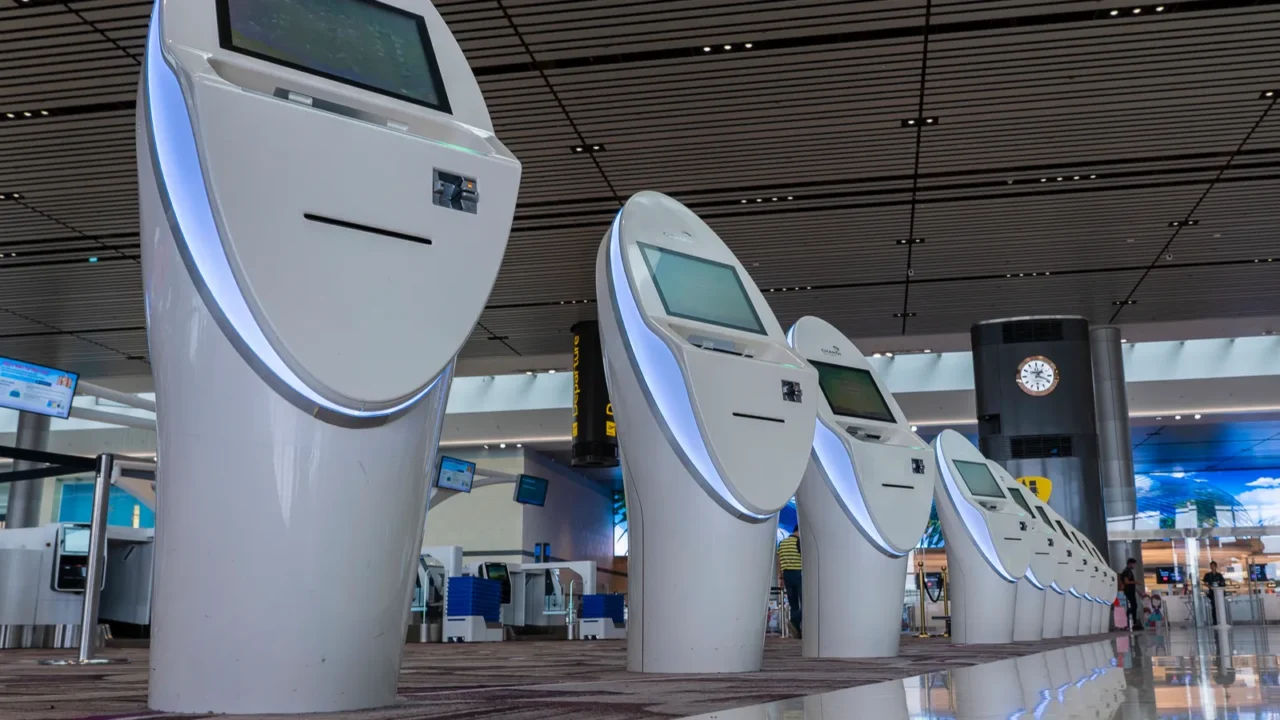
Technology in border control
Modern immigration systems increasingly rely on biometric screening and digital verification tools. Technology is reshaping how travelers move through checkpoints. Automation is becoming part of border security.
Programs using facial recognition and digital passports are expanding across U.S. entry points. These systems aim to reduce wait times while maintaining security. Travel is becoming more technology-integrated.
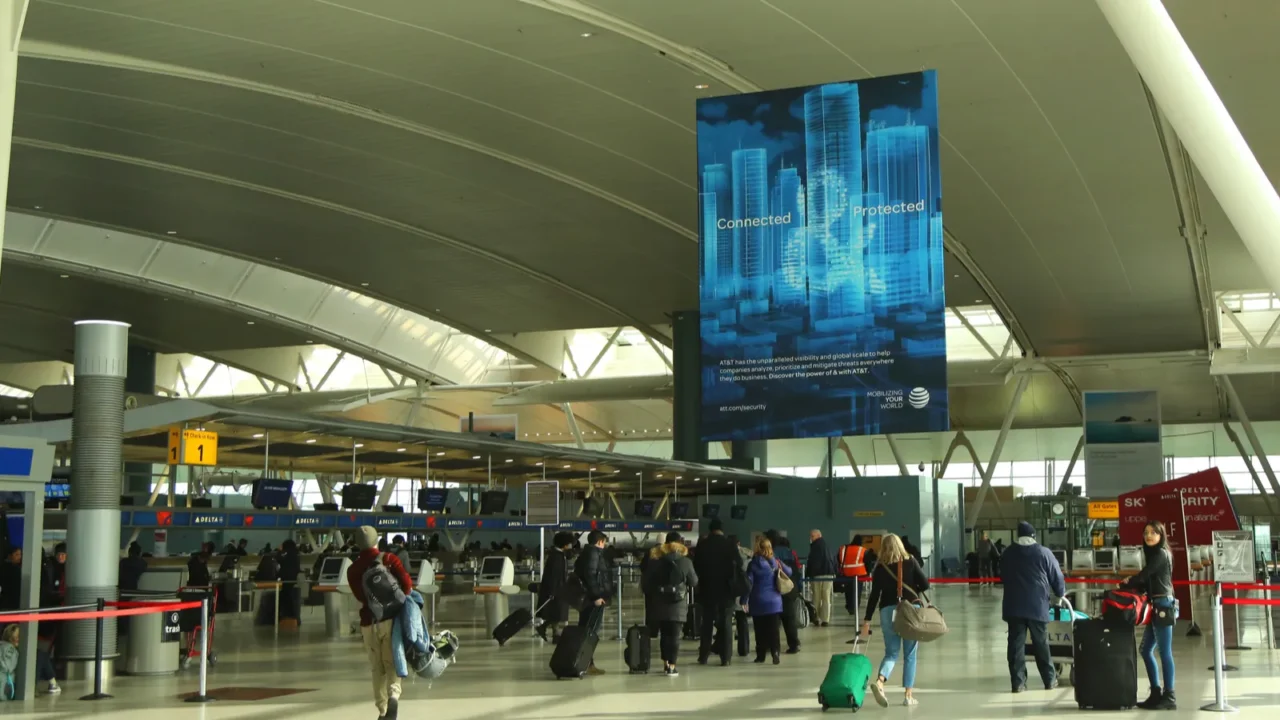
Seasonal travel demand shifts
Travel demand fluctuates based on season, holidays, and policy clarity. Immigration discussions can amplify or dampen these seasonal trends. Airlines track these patterns closely.
Peak travel periods such as summer and year-end holidays show the strongest impact. Routes into cities like Miami and Orlando often reflect demand shifts. Timing plays a major role in travel flow.
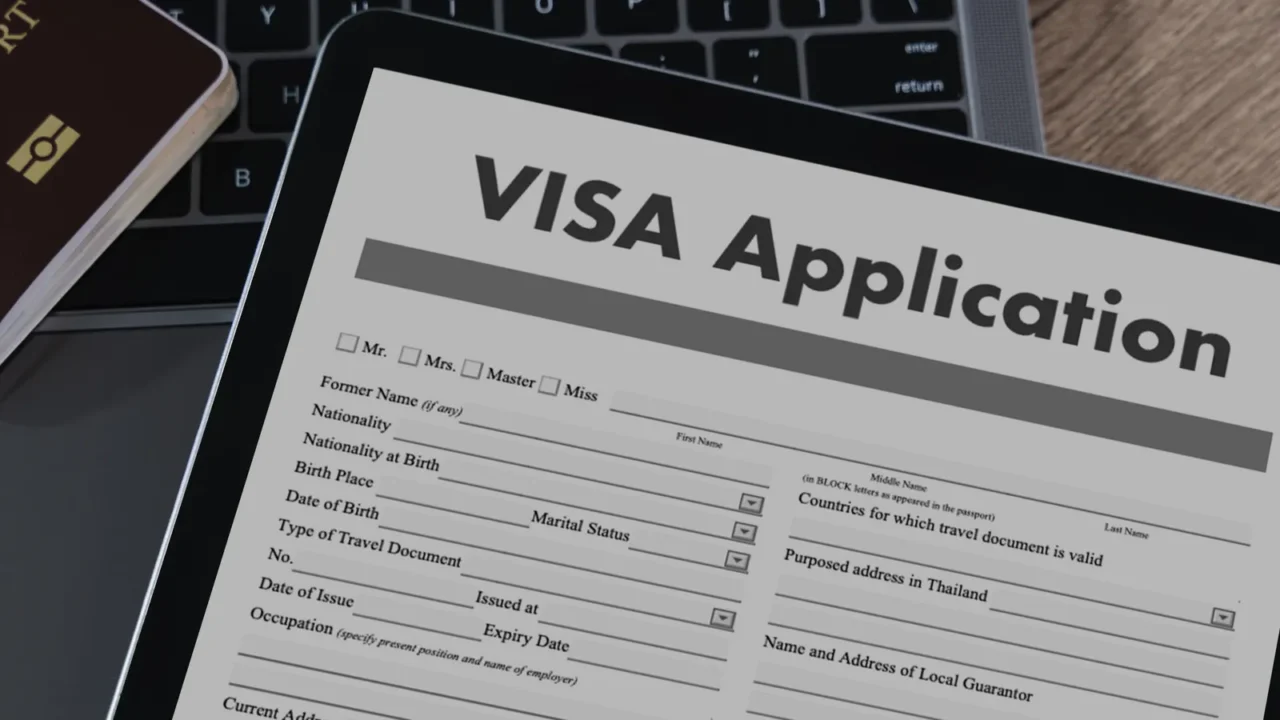
Visa system demand
Stephen Miller-related immigration discussions appear in broader reporting about visa processing and international travel access systems. US visa frameworks continue to support large-scale tourism and business travel flows. Policy debates often focus on balancing security checks with processing speed.
Fact: Millions of nonimmigrant visas are issued annually, including large numbers of visitor visas used for tourism and business travel. Processing timelines vary based on demand and regional conditions. Airlines monitor these cycles when planning international routes.

Tourism economic impact
Stephen Miller has been mentioned in an analysis of how immigration enforcement policy intersects with travel industry economics. Cities reliant on tourism continue to evaluate how border policies influence visitor numbers. Hospitality sectors remain sensitive to regulatory changes.
Little-known fact: International visitors spent a record $126.9 billion on U.S. travel and tourism-related goods and services in the first six months of 2025. That total shows how important inbound travel remains to local economies, jobs, and visitor-dependent businesses.

Traveler confidence and sentiment
Traveler sentiment plays a critical role in destination choice. Policy debates can influence how safe or accessible a country feels. Confidence directly impacts booking behavior.
West Coast hubs like San Francisco and Seattle often see changes in inbound demand. Perception sometimes shifts faster than actual policy. Sentiment becomes a measurable travel factor.
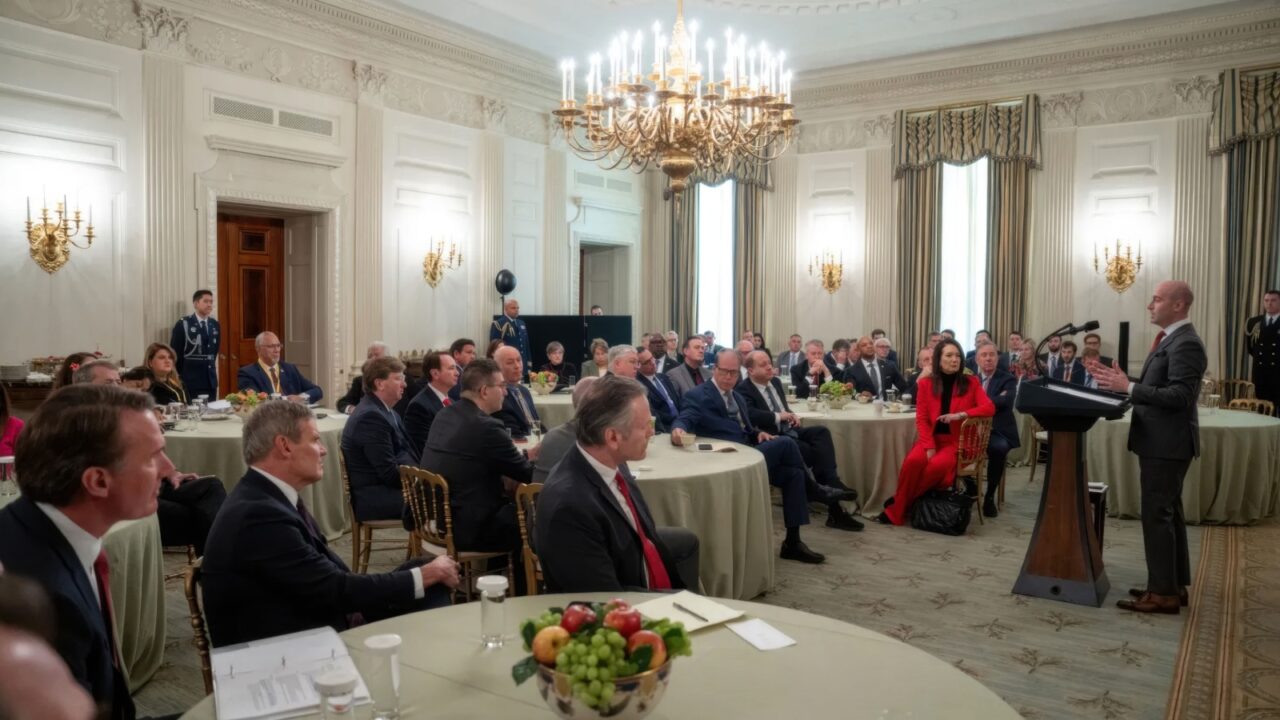
Policy timeline and delays
Government decision timelines affect how quickly immigration policies are implemented. Delays in approvals or changes can create uncertainty. Travel systems must adjust gradually.
Washington policy cycles often move more slowly than travel demand shifts. Airlines and travel planners factor in these delays. Timing gaps influence operational decisions.
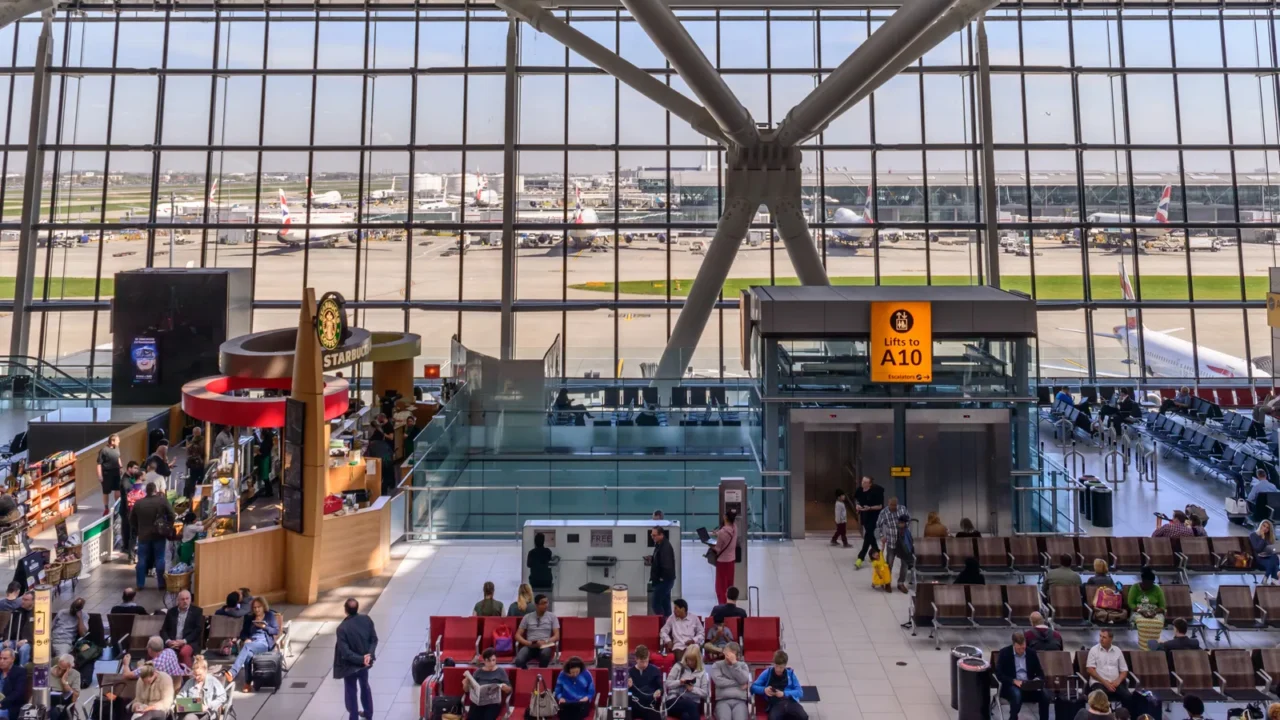
International traveler competition
Countries compete for international visitors through visa policies and ease of entry. U.S. immigration debates can influence the country’s global competitiveness for international visitors. Travelers often compare destinations.
Cities like London and Dubai offer streamlined entry systems. Competition affects where travelers choose to go. Policy becomes part of destination appeal.
Airline network response
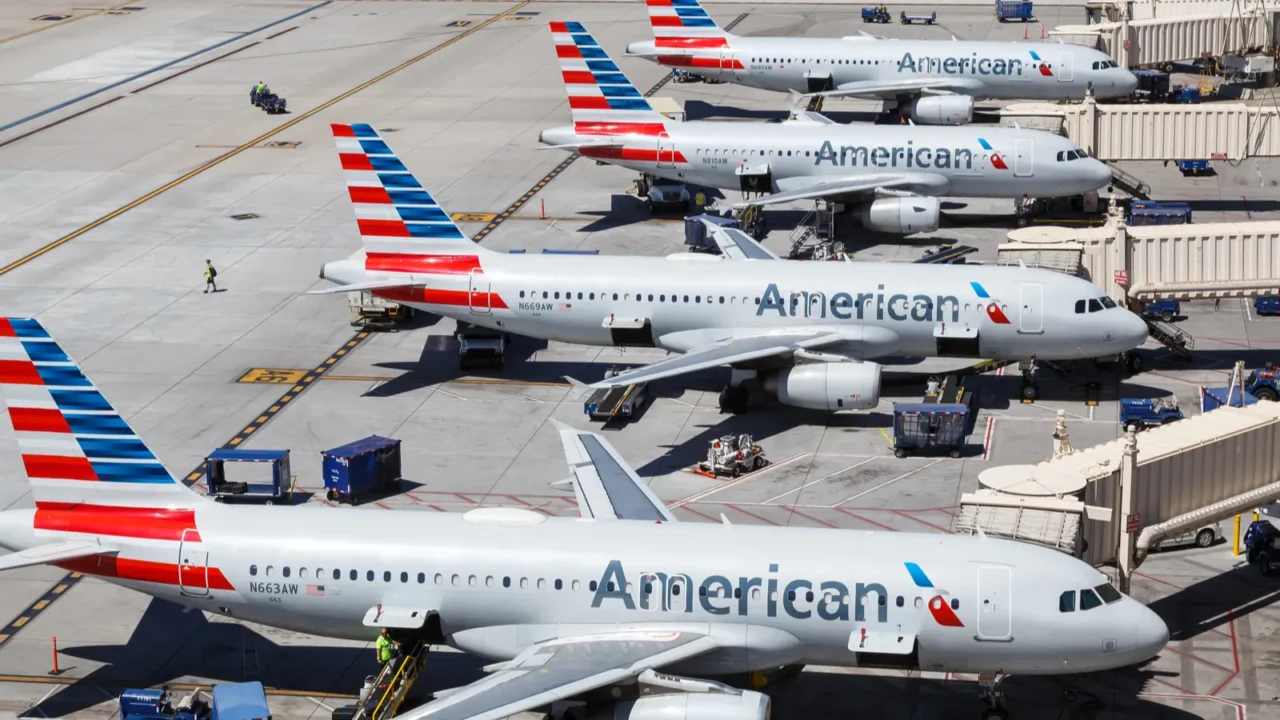
Stephen Miller’s immigration policy debates have been referenced in airline industry planning as carriers respond to regulatory and demand changes. Airlines continue adjusting capacity based on travel conditions and government policy signals. These adjustments affect both domestic and international networks. How U.S. immigration and visa changes affect travel in 2026 is becoming a key focus for airline planners and tourism analysts.
Major US carriers, including American Airlines and United Airlines, monitor immigration policy developments closely. Scheduling decisions often reflect expected passenger demand shifts. Aviation analysts track policy changes for forecasting accuracy.
Travel policy outlook
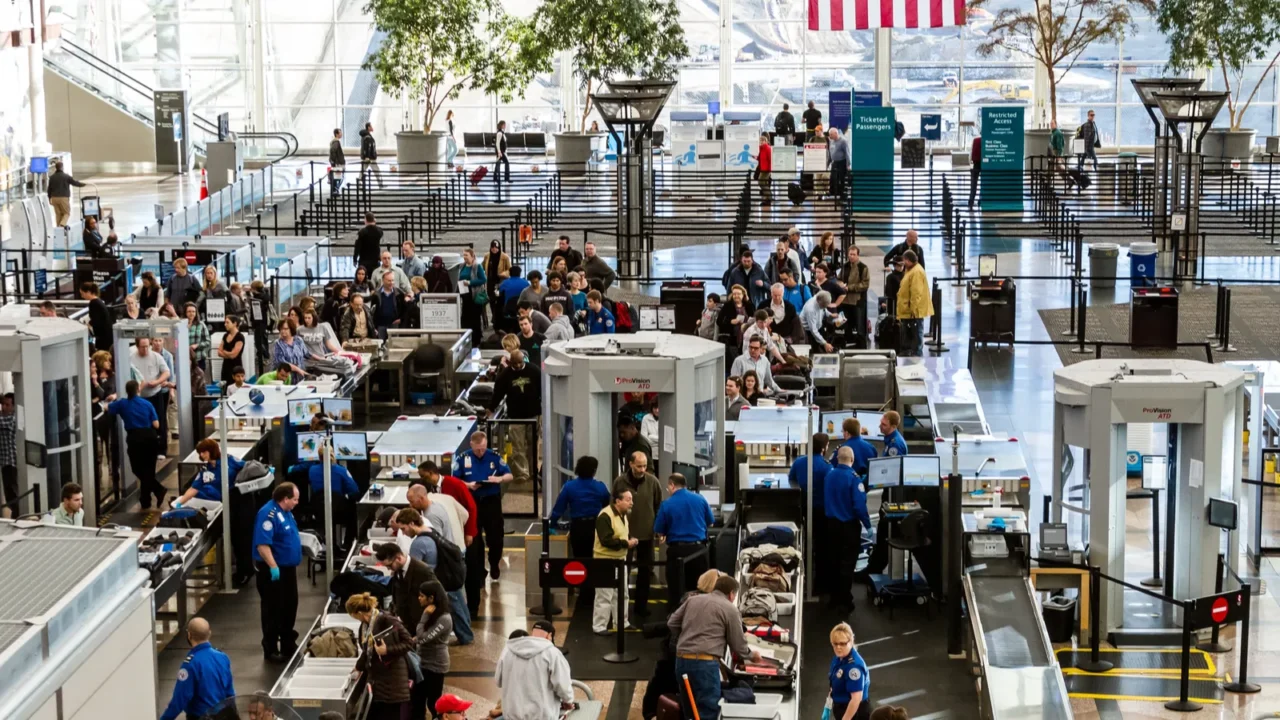
Stephen Miller continues to be referenced in ongoing US immigration policy debates as federal travel and border systems evolve. Policy discussions remain active across Washington as agencies balance enforcement priorities with international mobility needs. These developments continue shaping how travel networks and tourism flows are managed.
Airports, airlines, and tourism organizations continue adjusting to changing immigration frameworks across major entry points. International visitors maintain a steady interest in US destinations despite ongoing policy debates. The relationship between immigration policy and global travel remains a key focus for industry planning.
Which destination feels like the perfect escape for travelers right now? Share your thoughts below.
This slideshow was made with AI assistance and human editing.
Don’t forget to follow us for more exclusive content right here on MSN.
Read More From This Brand:
