A new travel-ban fight is opening fast
A new immigration bill in Congress is drawing attention because it would block immigrants from six named countries from entering the United States. The proposal arrives at a time when immigration rules are already shifting under multiple Trump administration actions, making it more than a symbolic debate for families, visa applicants, and employers.
The countries named in the proposal are Iran, Libya, North Korea, Syria, Venezuela, and Yemen. Even though the bill is still at an early stage, it shows how quickly the immigration conversation is moving back toward country-based restrictions.
The bill targets six countries
Rep. Andy Ogles of Tennessee introduced the measure in March 2026. Newsweek reported that the bill would prohibit admission of immigrants from the six listed countries and would amend the Immigration and Nationality Act.
The proposal’s formal name is the Halt Immigration from Countries with Inadequate Verification Capabilities Act, or HICIVA. Ogles’ office said the bill is aimed at countries where U.S. authorities allegedly cannot reliably verify identity or background information.

It is still in an early stage
This is not a new law yet. Newsweek reported that the bill was introduced on March 17, 2026, and then referred to the House Judiciary Committee, which means no floor vote has happened so far.
That matters because many proposals never move past committee review. Right now, the bill is better understood as a signal about where part of the immigration debate is headed rather than a rule already changing border policy.

The proposal goes beyond nationality
The bill’s reach is broader than a simple country list. Newsweek reported that it would also apply to people who had lived in one of those countries within the previous five years before seeking entry to the U.S.
That detail makes the proposal more sweeping than many readers may assume at first glance. It could affect applicants whose citizenship, travel history, and residency pattern do not line up neatly in one place.
It builds on Trump-era travel rules
The bill is being framed by its supporters as a continuation of the travel-restriction model from Trump’s first term. Ogles’ office explicitly linked the idea to earlier Trump restrictions, while Newsweek noted that those first-term travel limits were upheld by the Supreme Court in 2018.
That history matters because it gives backers a legal and political blueprint. Instead of inventing a brand-new approach, the bill tries to build on a framework that has already survived one major court test.
Related restrictions are already active
The bill is landing in an environment where broader federal restrictions already exist. A White House proclamation issued in December 2025 took effect on January 1, 2026, imposing full or partial entry restrictions on certain foreign nationals on national-security grounds.
That means this proposal is not arriving in a policy vacuum. It is part of a wider push to tighten who can enter the country and under what conditions.
The visa freeze is a separate issue
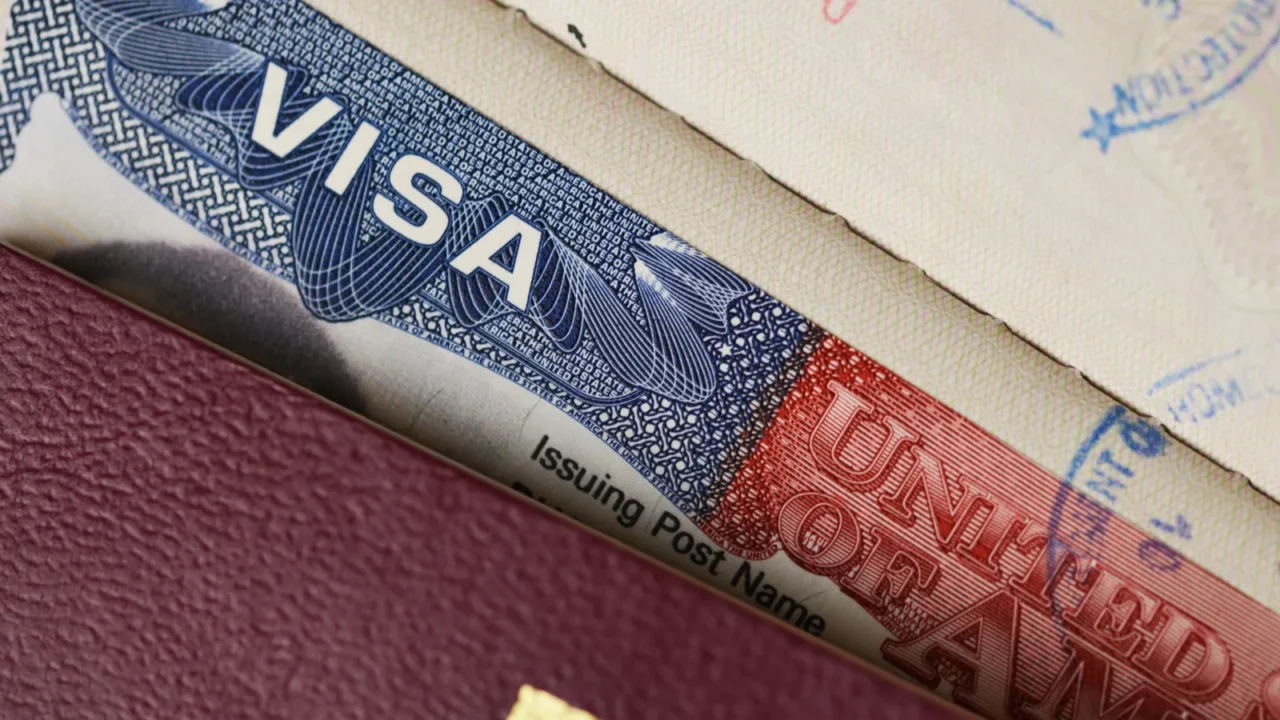
Another major policy shift happened in January 2026. The State Department says immigrant visa issuances were paused for nationals of 75 countries beginning January 21, 2026, while the administration reviewed public-charge and related screening policies.
That pause is different from Ogles’ bill, but the two issues can easily blur together in public debate. One is an executive-branch visa action already in effect, while the other is a new congressional proposal that still must move through the legislative process.

Some exceptions already exist elsewhere
The current proclamation and visa-related policies include exceptions in some cases. The State Department says valid visa holders as of the January 1, 2026 effective date were not stripped of those visas under Presidential Proclamation 10998, and dual nationals using a non-listed passport can be exempt in some contexts.
That matters because immigration restrictions are rarely one-size-fits-all. Even when a country is listed, lawful permanent residents, existing visa holders, diplomatic travelers, adoptees, or other narrow categories may be treated differently under current federal policy.
Little-known fact: Adoption cases received a national-interest exception under the January 2026 visa-pause policy.

Families could feel the first impact
The people most likely to feel a proposal like this first are families waiting on immigration pathways. A country-based entry bar can affect spousal visas, parent sponsorship, family reunification cases, and long-planned immigration petitions that depend on consular processing abroad.
That is one reason these bills draw so much attention even before they pass. For many households, the issue is not abstract politics but whether a relative can actually complete the process to move to the United States.
Little-known fact: The White House proclamation issued in December 2025 took effect at 12:01 a.m. EST on January 1, 2026. The State Department says visas issued before that effective date were not revoked just because of the proclamation.

Employers are watching closely too
Business groups and immigration lawyers also watch country-based restrictions because they can complicate long-term workforce planning. A tighter entry environment can affect recruiting, relocation, sponsorship timing, and multinational staffing decisions, especially when rules change quickly through both Congress and the executive branch.
Even when a bill does not pass, it can still shape expectations. Employers may delay plans or prepare for tougher screening if they believe Washington is moving toward broader entry limits.

The six-country list is notable
The six countries named in the bill overlap with countries that have appeared in earlier Trump-era and Trump-aligned restriction debates. That continuity suggests the proposal is designed to feel familiar to voters who supported earlier travel-ban policies.
At the same time, the list is narrower than some broader federal visa or entry restrictions now in effect. That contrast shows how lawmakers can use a targeted bill to make a political point even while the executive branch is already pursuing wider screening actions.

This may move with bigger immigration bills
Ogles is also pushing other immigration measures in the same period, including proposals tied to chain migration and visa programs. That suggests this six-country bill may be part of a broader package of tougher immigration messaging rather than a stand-alone effort.
Furthermore, existing proclamations generally state that visas issued before the policy’s effective date will not be revoked. However, those already in the U.S. may still face indirect impacts, such as a pause in the processing of new immigrant visa applications for their family members abroad or increased scrutiny during future status renewals or re-entry after international travel.
The approach is sparking debate over balancing safety and compassion. Check out in more detail what Trump’s 2025 travel bans mean for you.

The legal debate could come back
Any serious attempt to revive broad country-based immigration bars would likely trigger another legal fight. The earlier Trump travel restrictions were repeatedly challenged in court, and the Supreme Court upheld a version of them in 2018; any new law would likely be tested against that history.
That makes this a policy story and a court story at the same time. Congress can propose a tougher framework, but the final shape of any lasting restriction could still depend on judges and how the law is written.
Wondering how this policy shift could affect families and future applicants? Take a closer look at why the U.S. halted Afghan immigration applications after security concerns.
Do you think country-based entry bans make the immigration system safer or simply more restrictive? Share your thoughts and your view in the comments.
Don’t forget to follow us for more exclusive content right here on MSN.
This slideshow was made with AI assistance and human editing.
Read More From This Brand:
