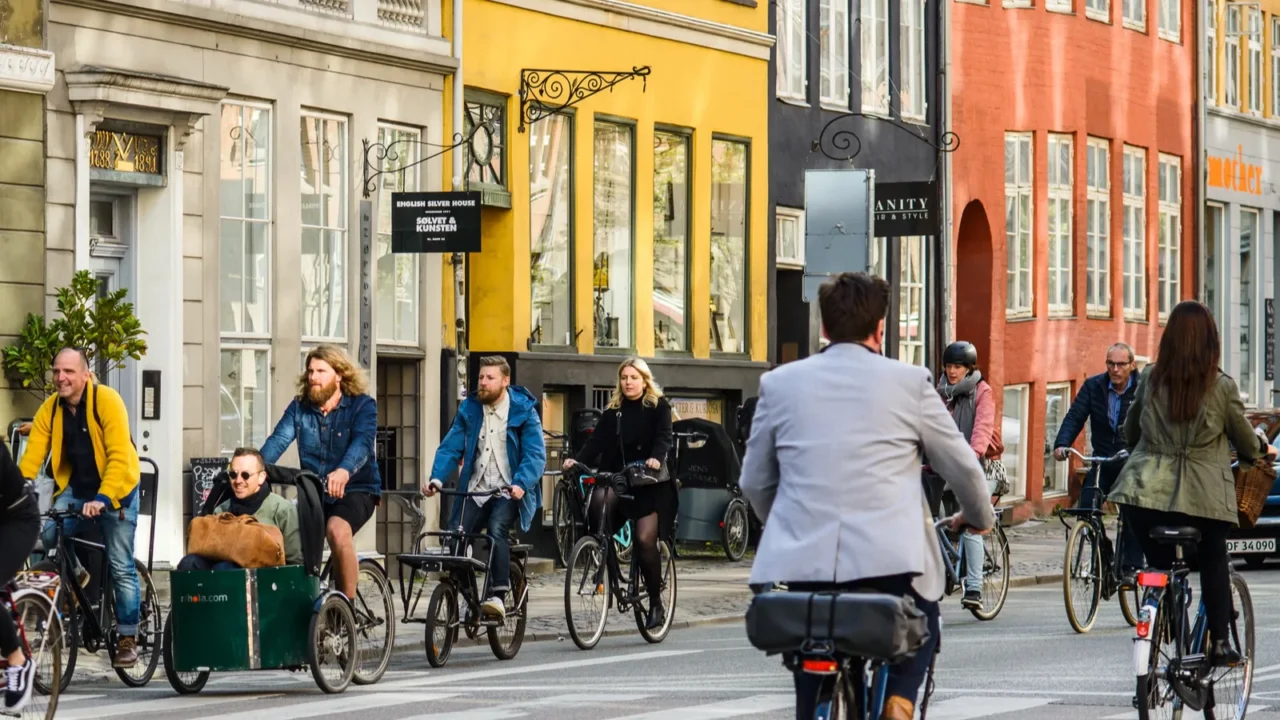
Copenhagen’s sustainable heart
Copenhagen, Denmark, stands as a global model of sustainability and public transport innovation. This Scandinavian capital merges clean urban living with efficient transit, drawing admiration from planners worldwide. Its network of Metro, buses, and cycle lanes supports a high quality of life and reduces reliance on cars in everyday life.
Copenhagen’s urban design inspires wanderers seeking real destinations that embrace sustainability and high mobility in a modern European capital.
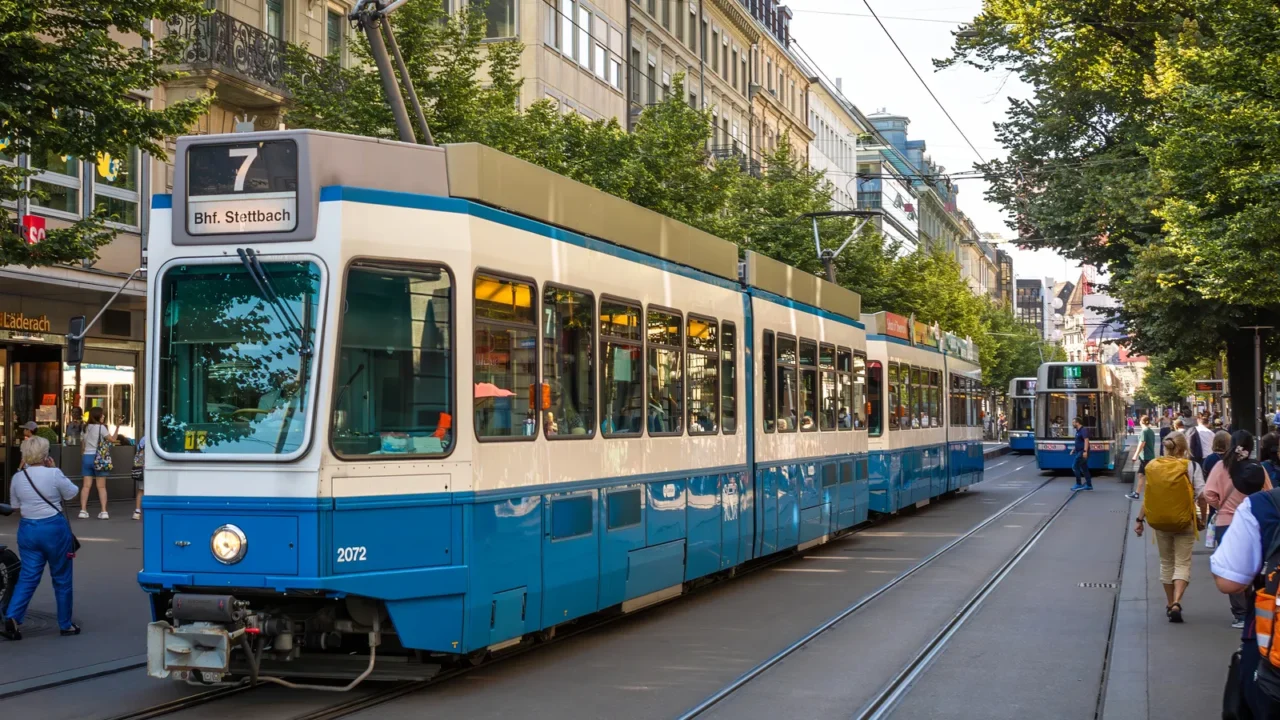
Zurich’s green urban pulse
Zurich, Switzerland, blends pristine Alpine air with a public transport system famous for punctuality and coverage. Streetcars, trains, and buses connect neighborhoods seamlessly, while pedestrian zones welcome slow wandering in the historic core. Sustainability here is not theoretical but lived through every commuter’s daily choice.
Clean riverbanks and thoughtful urban policy make Zurich an inviting gem for travelers drawn to vibrant yet eco-minded cities rooted in tradition and precision.
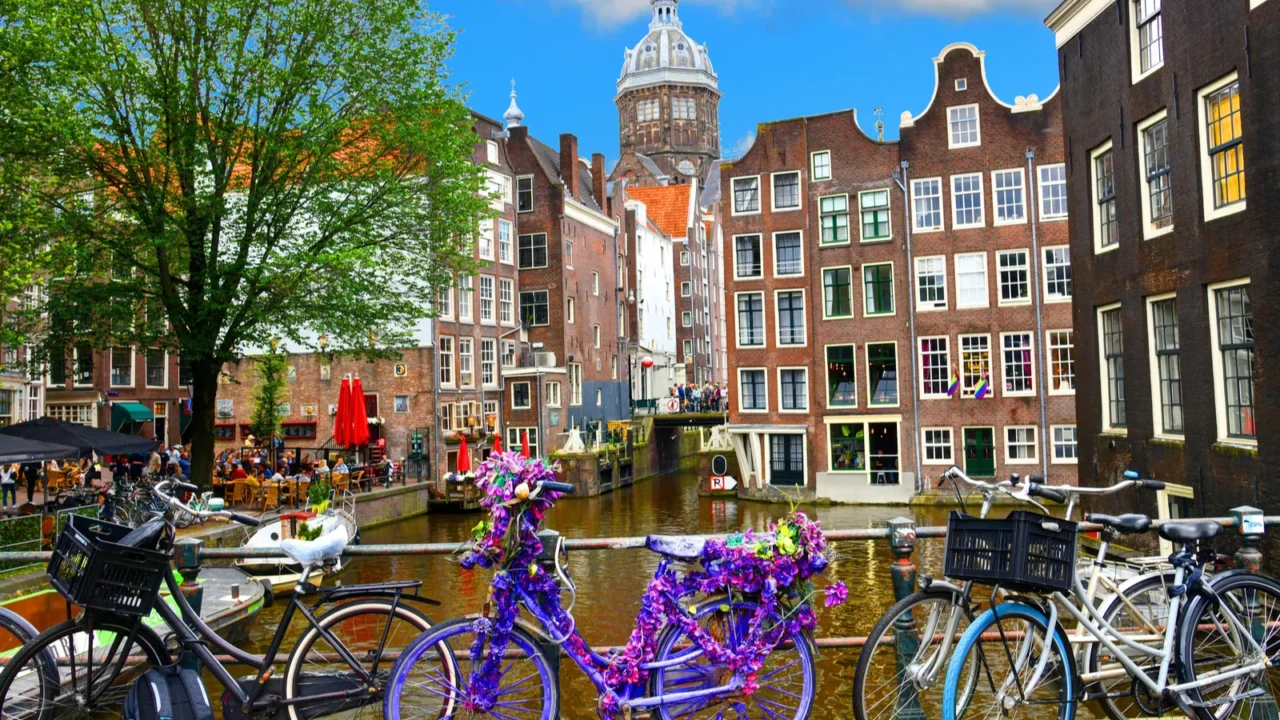
Amsterdam without cars
In Amsterdam, Netherlands, bicycles dominate city streets and contrast beautifully with historic canals. Public transit, including trams and buses, integrates into daily life and makes cars largely unnecessary. Sustainability emerges from cycling culture as much as from planning and transit design.
Exploring Amsterdam on foot, by bike, or by transit invites travelers to appreciate how urban mobility and environmental care can coexist wonderfully.
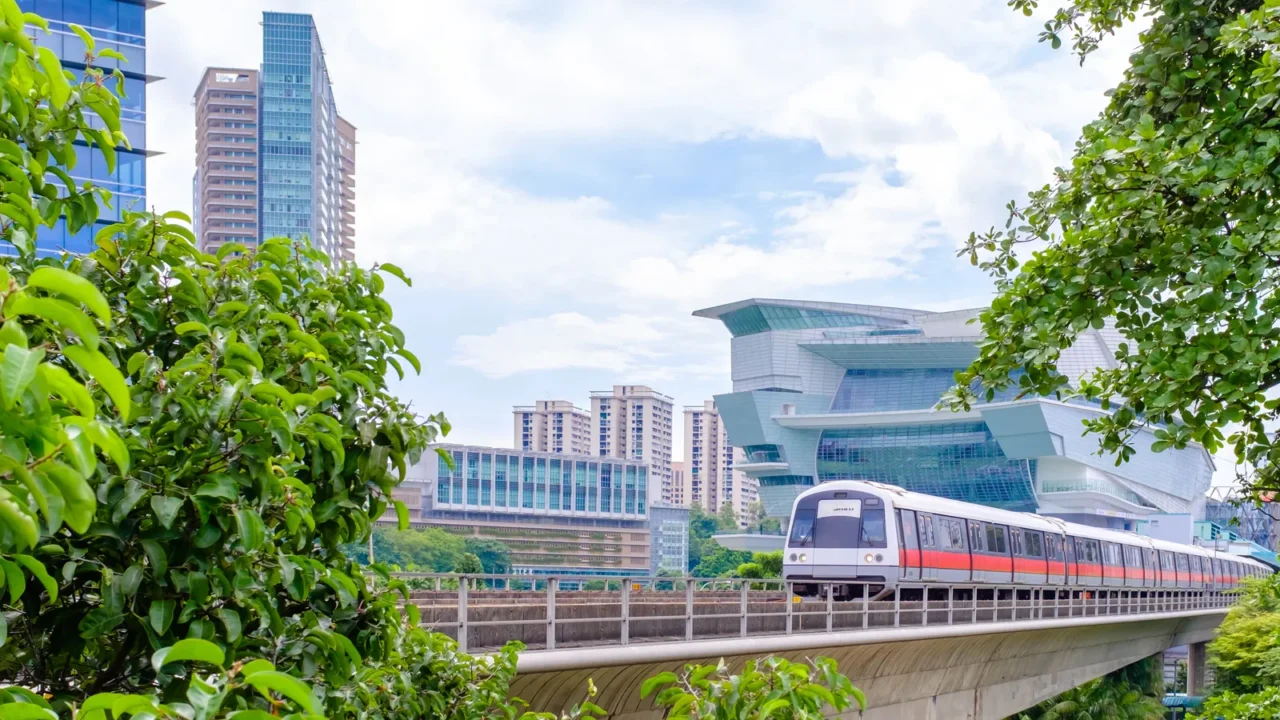
Singapore’s eco‑transit vision
Singapore’s compact island city-state delivers one of the world’s most efficient MRT rail systems alongside extensive bus networks and pedestrian connections. Sustainability planning aligns with greenery woven through urban structures, transforming skyscraper canyons into breathable corridors.
Visitors find a city where mobility is a joy and environmental consciousness is visible in both transit stations and verdant public spaces across this forward-looking global hub.
Vancouver’s transit momentum
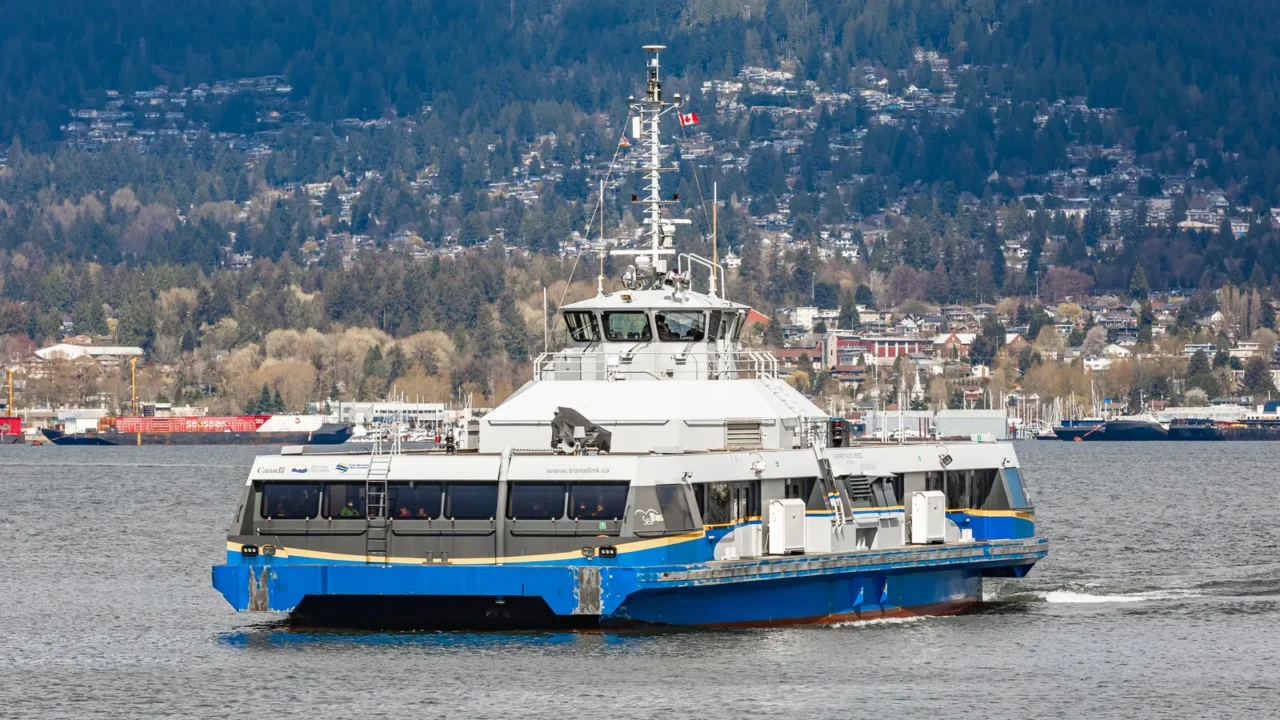
Metro Vancouver blends urban livability with one of North America’s strongest public transport systems. SkyTrain, SeaBus, buses, and RapidBus routes knit neighborhoods together while reducing car dependence and emissions. Day and night, trains and ferries support a growing population that chooses transit for work, school, and culture rather than highways and parking lots.
Fact: In 2024, Metro Vancouver saw 7.7 million more transit trips than in 2023, as ridership outpaced driving growth.
Stockholm’s Nordic balance
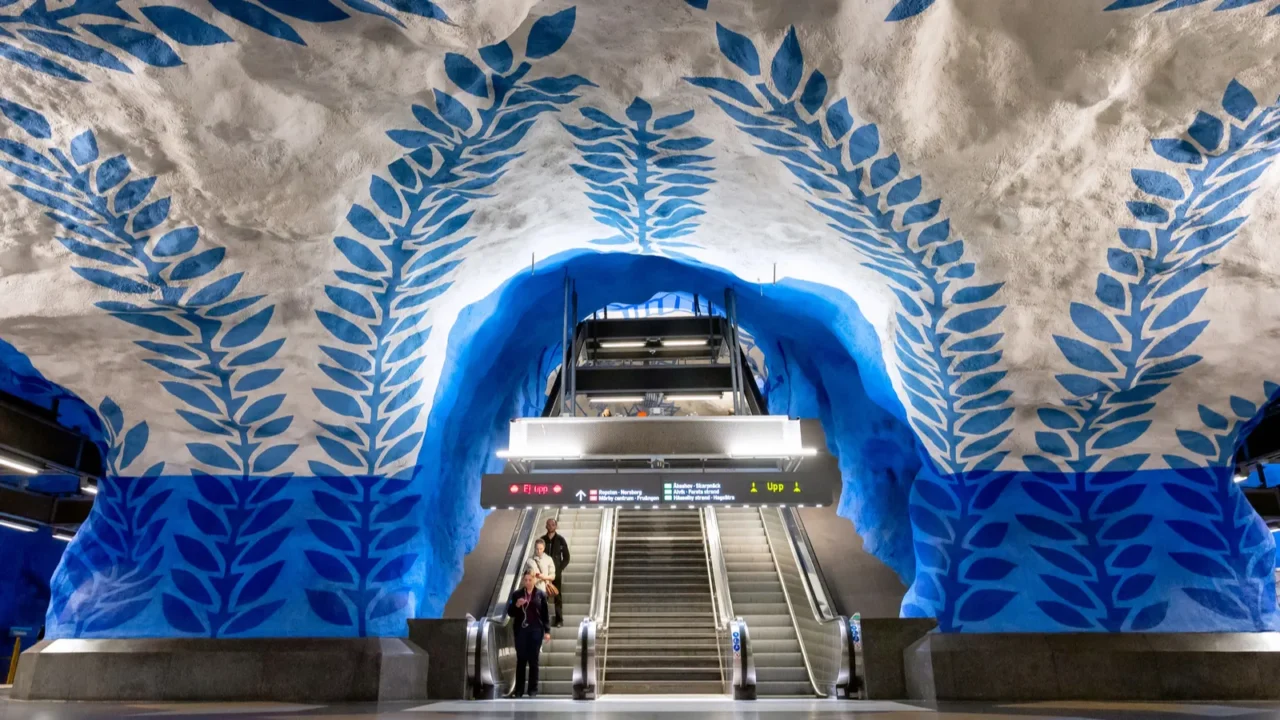
Stockholm, Sweden, shines with clean waterways, expansive parks, and public transport that punctuates its archipelago geography. Ferries, commuter trains, buses, and metro lines knit islands and urban districts into a cohesive whole. Sustainability in Stockholm relates as much to preserving water and nature as it does to mobility.
Travelers discover a city rhythm where transit equals serenity, blending nature with Nordic design in every transit corridor.
Curitiba’s transit innovation
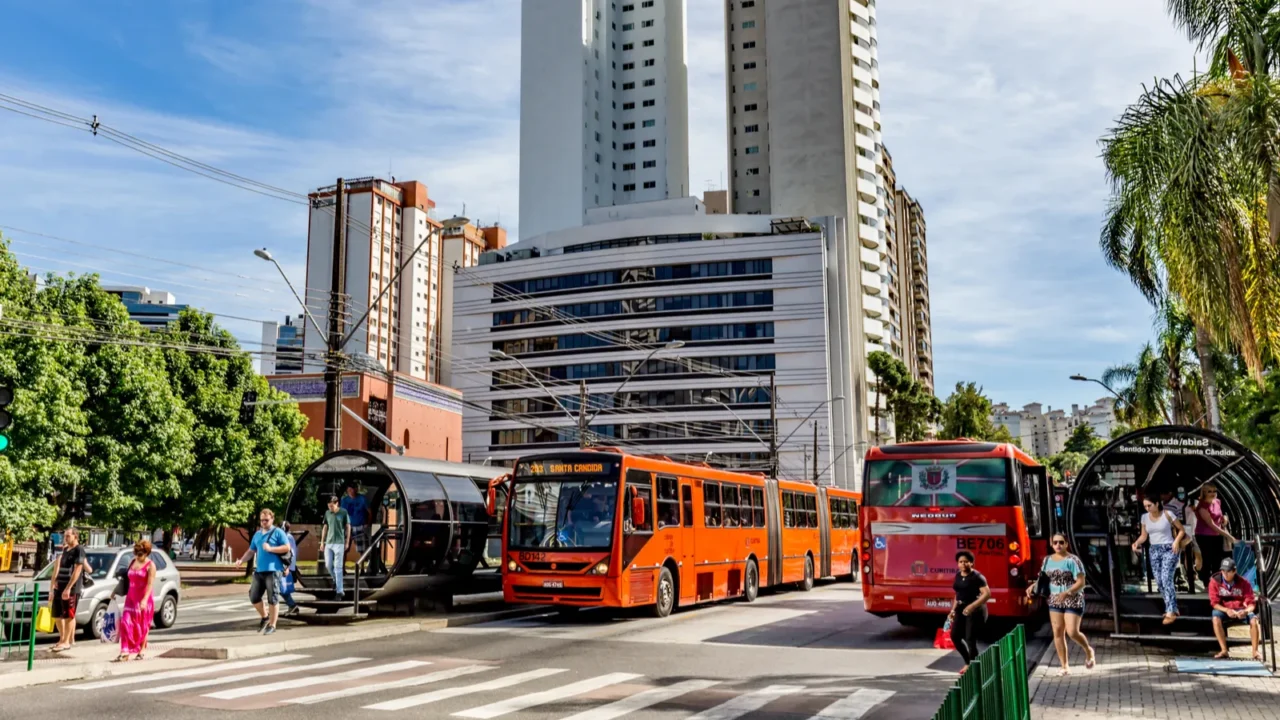
Curitiba, Brazil, is legendary for its Bus Rapid Transit (BRT) network, a system that has influenced cities worldwide. Buses use dedicated lanes and simple stations that function like light rail for less cost. Sustainability here is civic ingenuity, balancing resources and needs with intelligent design.
Visitors often marvel at how a vibrant Latin American city transformed daily travel into an ecological and social success.
Oslo’s Carbon‑Smart streets
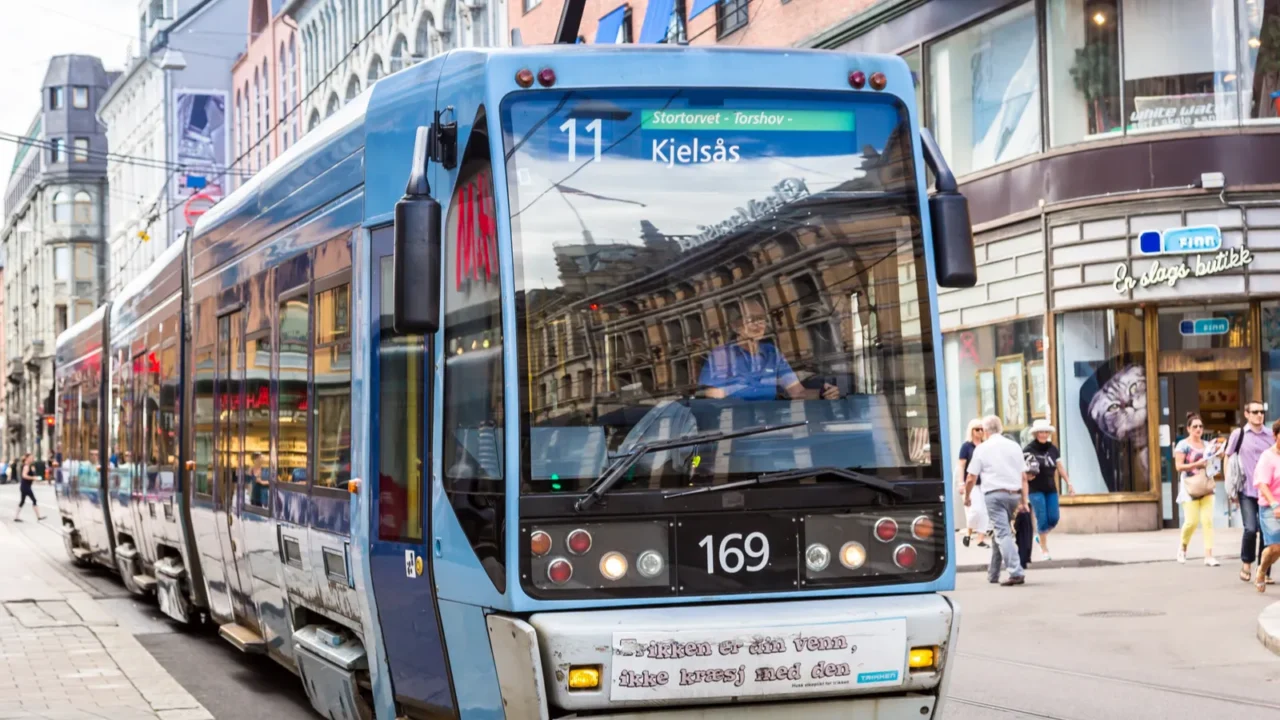
Oslo, Norway, champions sustainability through electric mobility and stringent environmental policies. Its public transportation, including trams, ferries, and the metro, is part of a broader plan to limit carbon emissions. Oslo’s commitment to cleaner streets complements fjord views and museum-lined boulevards, inviting exploration without heavy carbon footprints.
Exploring Oslo feels like wandering forward in time through sustainable innovation framed by Nordic culture.
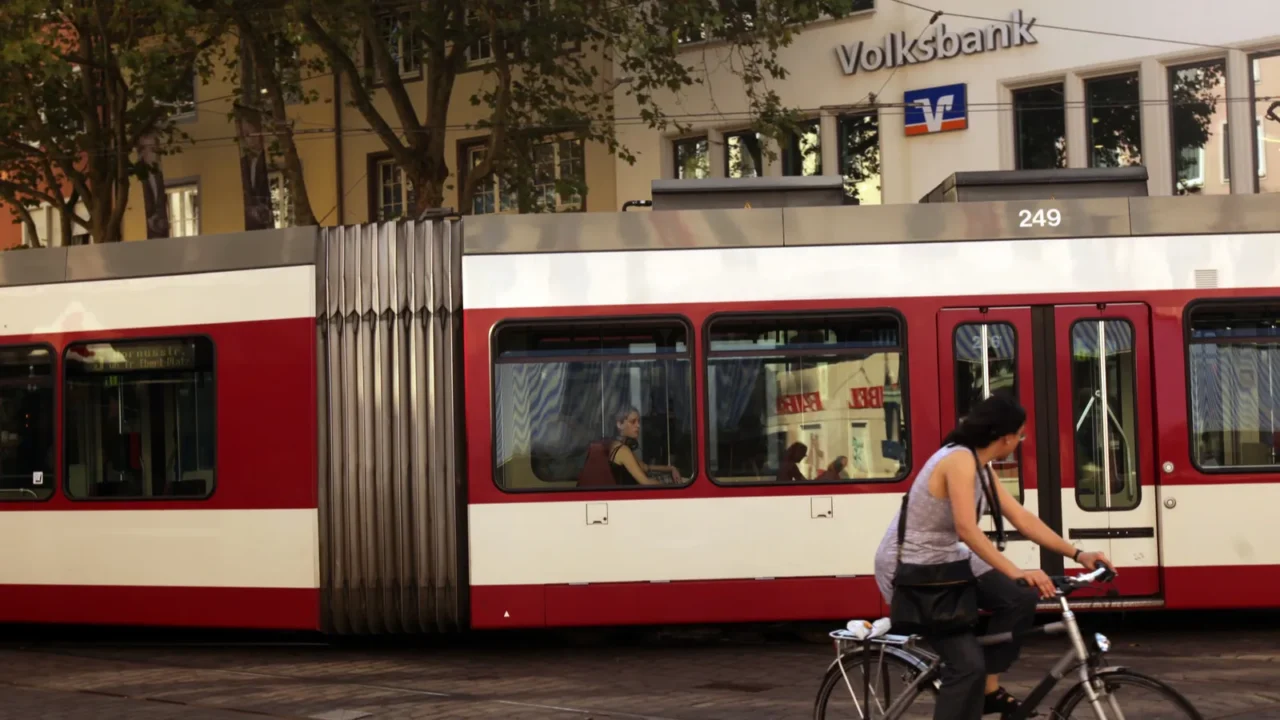
Freiburg’s solar settlement start
Freiburg in Germany is more than a medieval city; it’s a sustainability pioneer. The Vauban quarter stands as a model of eco-oriented urban living with efficient trams, bike culture, and green roofs. The Solar Settlement at Schlierberg integrates clean energy with livable design, showing how sustainability and community can coexist in dynamic European cities committed to transit and the environment.
Fact: The Solar Settlement at Schlierberg is among the first communities where every home produces positive energy and feeds surplus power back to the grid.
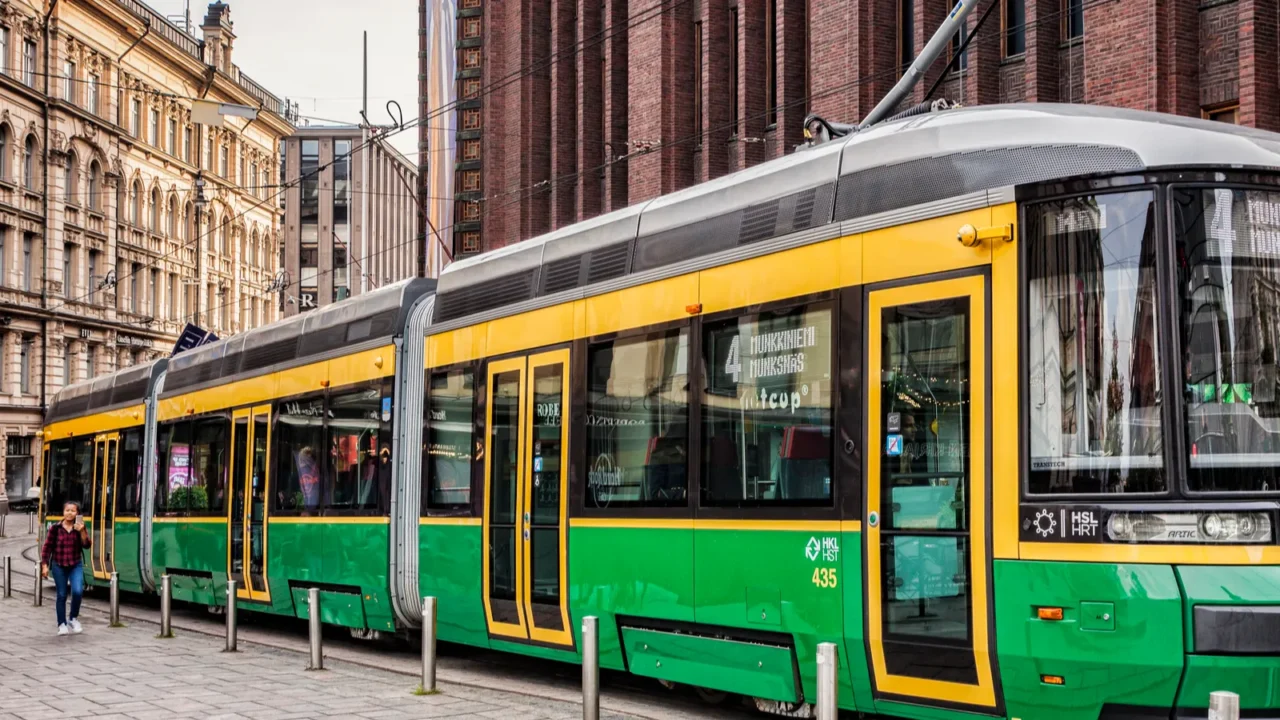
Helsinki’s seamless transit
Helsinki, Finland’s capital, emphasizes transit integration with ferries, buses, trams, and trains working together through a unified payment system. Sustainability here is practical: commuters glide across land and water with ease, reducing car trips and emissions. Urban parks and waterways further define the city’s open character.
Visitors see a Scandinavian hub where transit is as natural as breathing fresh Baltic air.
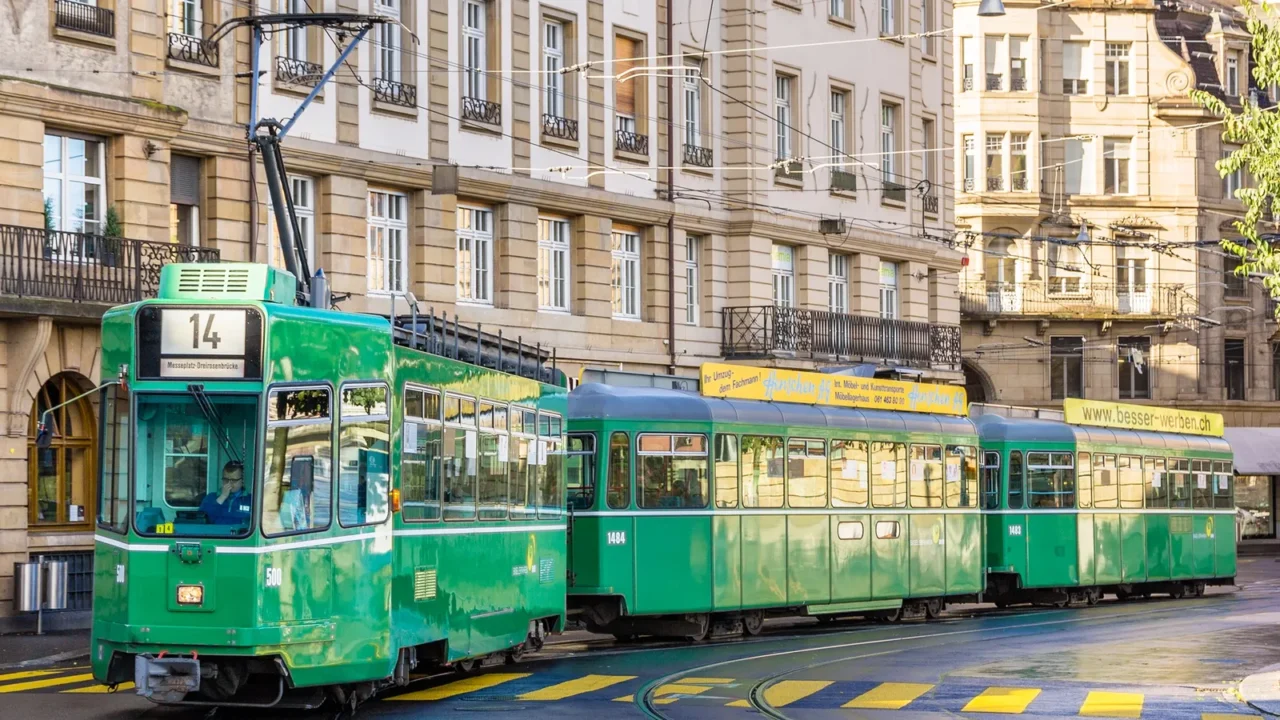
Basel’s borderless routes
In Basel, Switzerland public transport crosses national boundaries into France and Germany, connecting three countries with trams and buses in one seamless network. Clean streets, Rhine promenades, and easy mobility create a unique travel experience in this tri-national region.
Basel’s commitment to accessible transit transforms even brief wanderings into opportunities to explore diverse cultures fluidly and with minimal environmental impact.
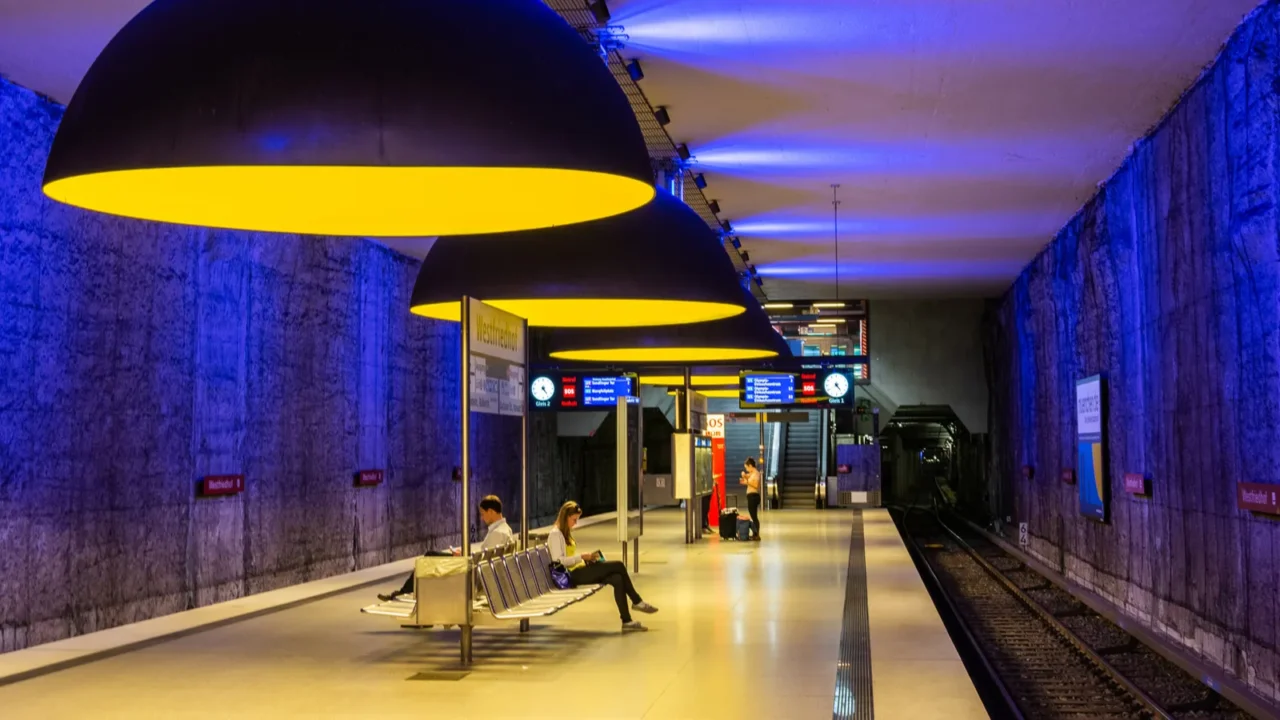
Munich’s sustainable pulse
Munich, Germany, blends historic charm with a broad public transit network of U-Bahn, S-Bahn, trams, and buses that makes everyday travel smooth and efficient. U-Bahn, S-Bahn, trams, and buses make everyday travel smooth and efficient. Green initiatives like energy-efficient trains and eco-zones reinforce Munich’s sustainable urban identity, quietly inviting visitors to rethink eco-tourism through everyday urban choices.
Travelers enjoy beer gardens, parks, and museums with predictable, comfortable transit linking each attraction without environmental sacrifice.
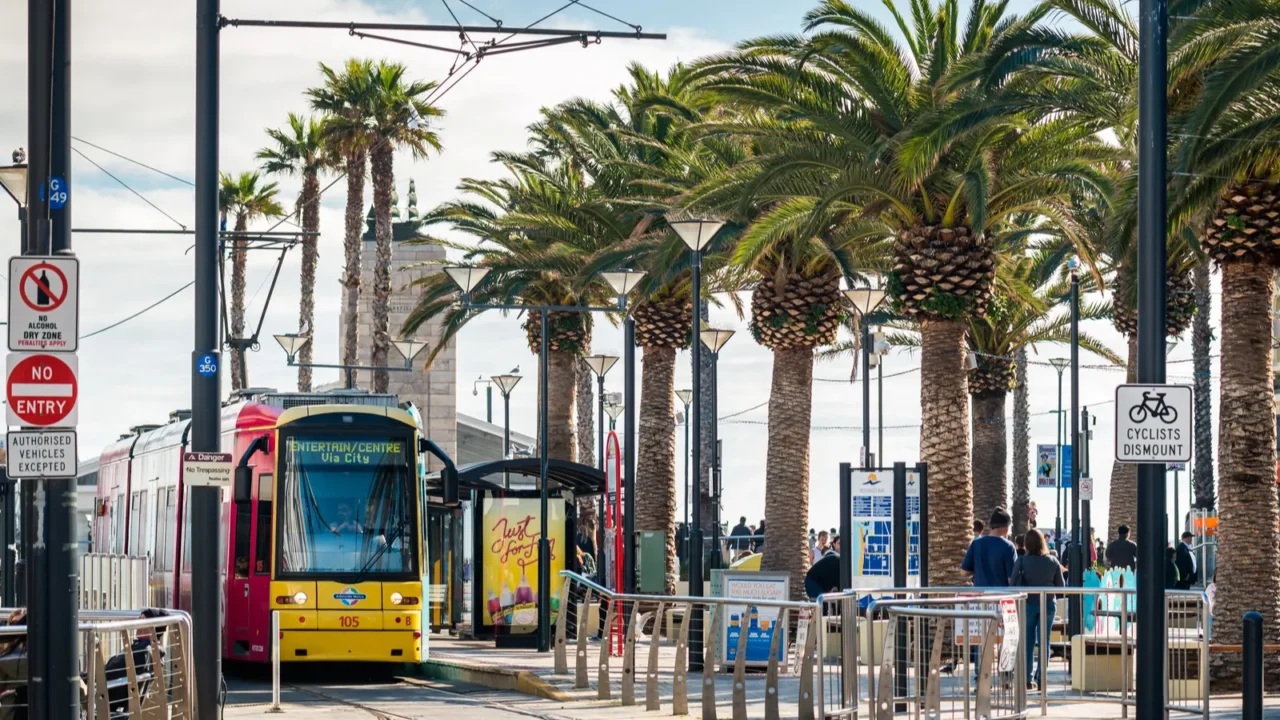
Adelaide’s transit reimagined
Adelaide, Australia, shapes its sustainability story through a multimodal public transport network and an evolving transit strategy aimed at improving connectivity across the city. Clean air corridors, public art hubs, and accessible trains invite exploration while minimizing emissions, gently encouraging a slower, more mindful approach to travel within a city that values balance.
Visitors experience a destination where transit supports vibrant culture, beachside escapes, and relaxed urban living.
What if the way you move through a city could completely transform how you experience it? Would you choose convenience, sustainability, or something in between?
This slideshow was made with AI assistance and human editing.
Don’t forget to follow us for more exclusive content right here on MSN.
Read More From This Brand:
