
California’s wage fight is not over
California’s $20 fast-food wage was supposed to make low-paid work more livable. Two years later, the bigger question is whether higher hourly pay has been partly offset by fewer hours, slower hiring, and more pressure on stores to cut labor.
That matters far beyond California. Other states and cities are watching this law as a test case for what happens when a big wage jump hits one specific industry instead of the whole labor market.
What the law actually did
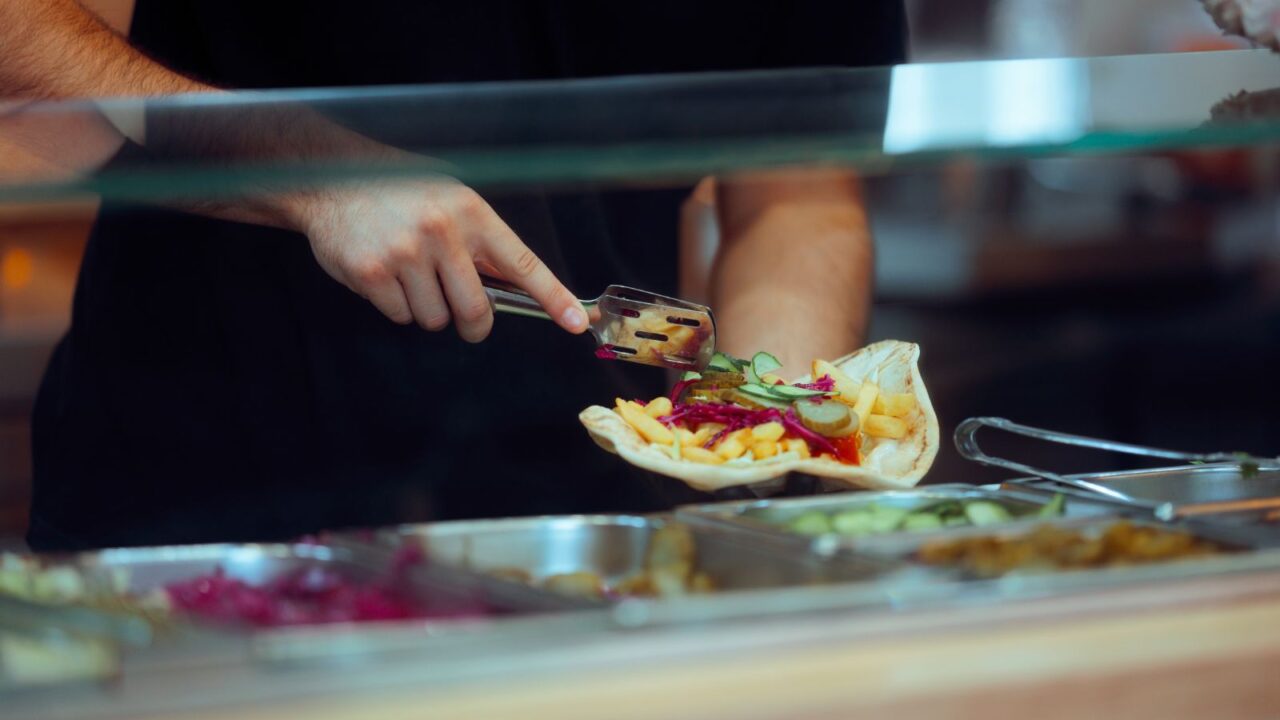
The rule took effect on April 1, 2024, and set a $20 minimum wage for covered fast-food workers in California. It also created a Fast Food Council inside the state’s labor agency to help shape wage and workplace standards for the industry.
This was not a small change. Researchers at UC Santa Cruz said the policy raised labor costs for businesses by about 25%, making it one of the biggest one-time wage jumps the sector has faced.

Workers clearly did get a pay bump
One part of the story is not really in dispute: hourly pay rose. UC Berkeley researchers estimated wage gains of about 8% to 9% for covered workers, and Gov. Gavin Newsom’s office later highlighted separate Harvard Kennedy School and UC San Francisco research reporting higher pay without evidence of reduced hours, staffing, or benefits.
That is important because fast-food jobs are often entry-level roles or fallback jobs for workers balancing school, child care, or multiple part-time shifts. A higher base wage can make each shift more valuable, especially in high-cost parts of California.

The debate starts with hours
The newer concern is that higher hourly pay may not tell the full story. A 2026 UC Santa Cruz analysis said some franchise workers saw fewer hours, less overtime, and weaker access to hour-based benefits, while a 2024 Shift Project study found no evidence of reduced hours, scheduling stability, or benefits.
That means a worker can technically earn more per hour and still feel squeezed. For someone who relied on overtime or long weekly schedules, a shorter paycheck can erase part of the wage increase.
One study says jobs fell sharply
A 2025 NBER working paper estimated that California’s fast-food employment fell 2.7% relative to the rest of the country from September 2023 through September 2024. After additional adjustments, the authors’ median estimate translated to about 18,000 lost jobs relative to what might have happened without the law.
That figure has become a central talking point for critics. It also helps explain why the wage law keeps showing up in arguments over youth jobs, entry-level work, and whether labor mandates can shrink opportunities even when pay rises.
Another study says jobs held up
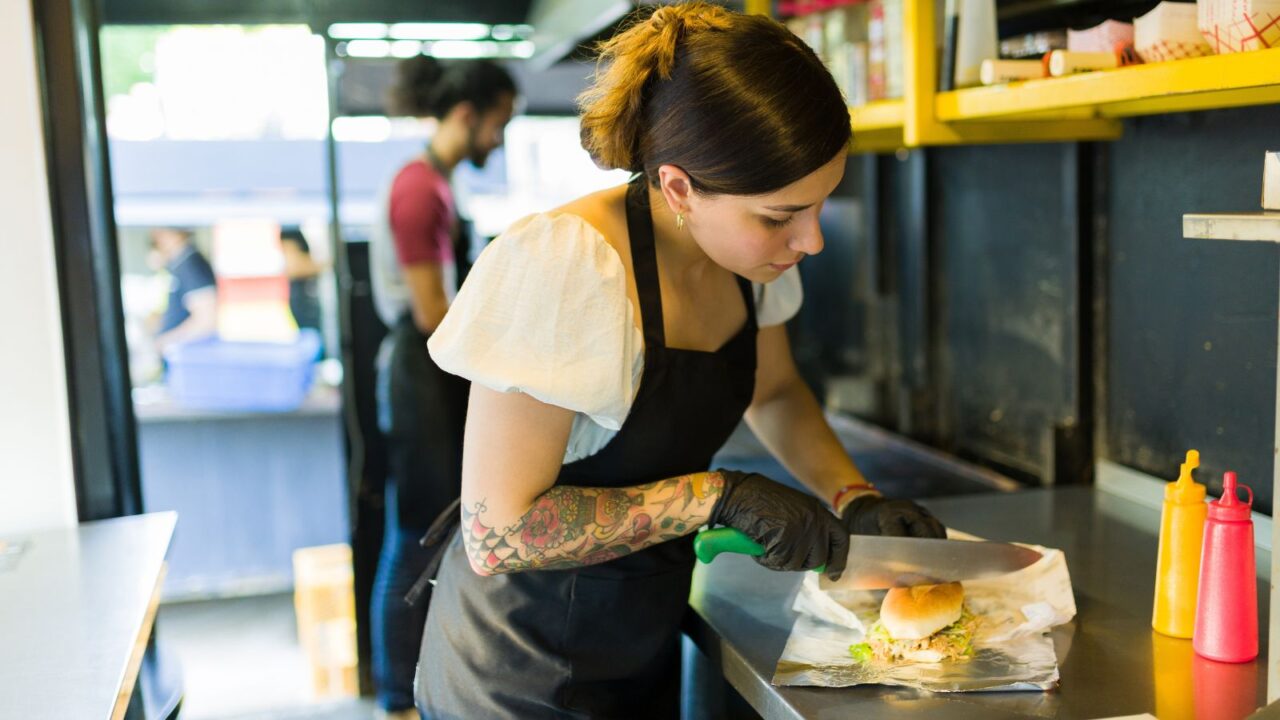
The strongest pushback comes from UC Berkeley. Its February 2025 brief said the policy produced no negative effects on fast-food employment and only modest menu-price increases, about 1.5% or roughly 6 cents on a $4 hamburger.
Gov. Newsom’s office said in October 2024 that Harvard Kennedy School and UC San Francisco research found higher wages without reduced hours, staffing, or benefits. UC Berkeley’s February 2025 brief separately reported no negative employment effects and only modest price increases.
Little-known fact: California’s Fast Food Council has a public meetings page through the Department of Industrial Relations, including meeting notices, agendas, and recordings.

Prices are part of the pressure
Even supporters of higher wages have generally accepted that some price increases are part of the adjustment. Where the disagreement begins is on scale: Berkeley estimated modest price movement, while UC Santa Cruz said menu prices at franchised restaurants rose about 8% to 12% from September 2023.
For families, that changes the politics fast. A law meant to help low-wage workers can become harder to defend if budget-conscious customers start noticing higher combo meal prices at the same chains they rely on most.
Little-known fact: UC Berkeley’s brief said the number of fast-food establishments grew faster in California than in the rest of the United States during the period it studied.
Automation is moving faster
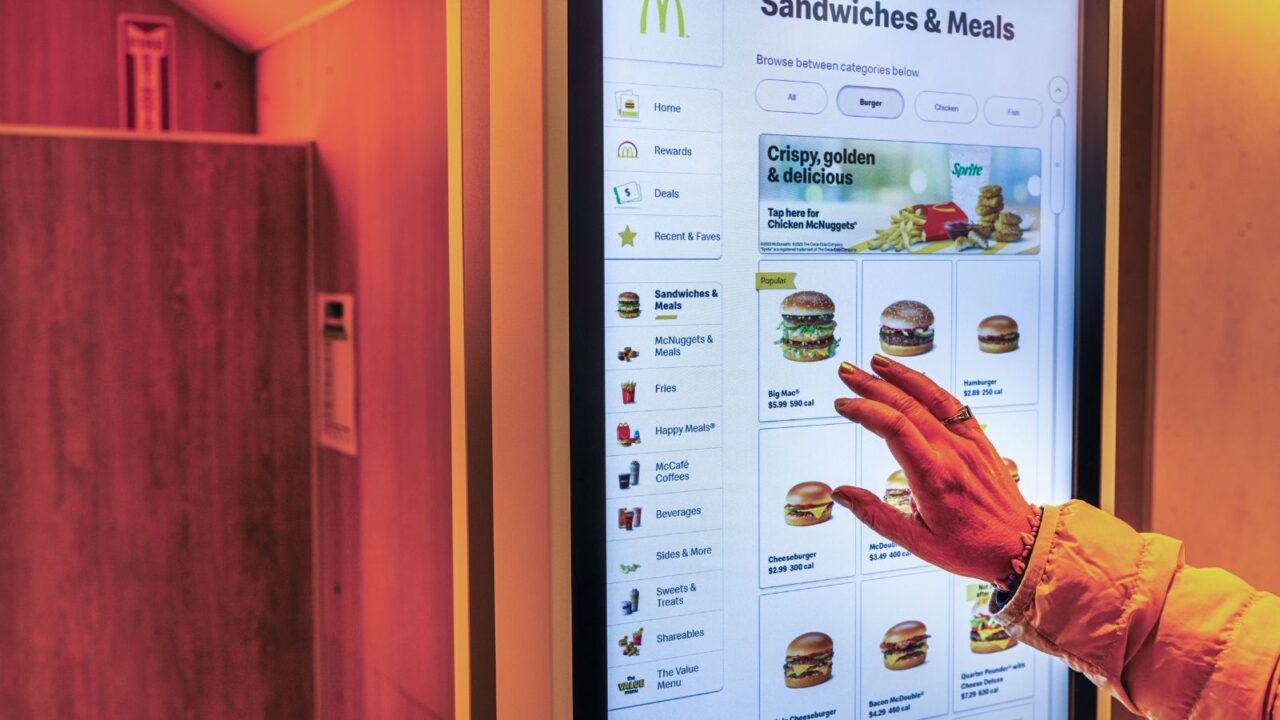
UC Santa Cruz said restaurant operators it studied were investing more in kiosks, mobile ordering, AI voice systems, and even automated dishwashing. The research argued that these tools were already coming, but wage pressure may be speeding up adoption.
That matters most for first-job workers. Fast food has long been one of the easiest places for teenagers and people with limited experience to get hired, and more automation could mean fewer openings per shift over time.
Turnover may have improved
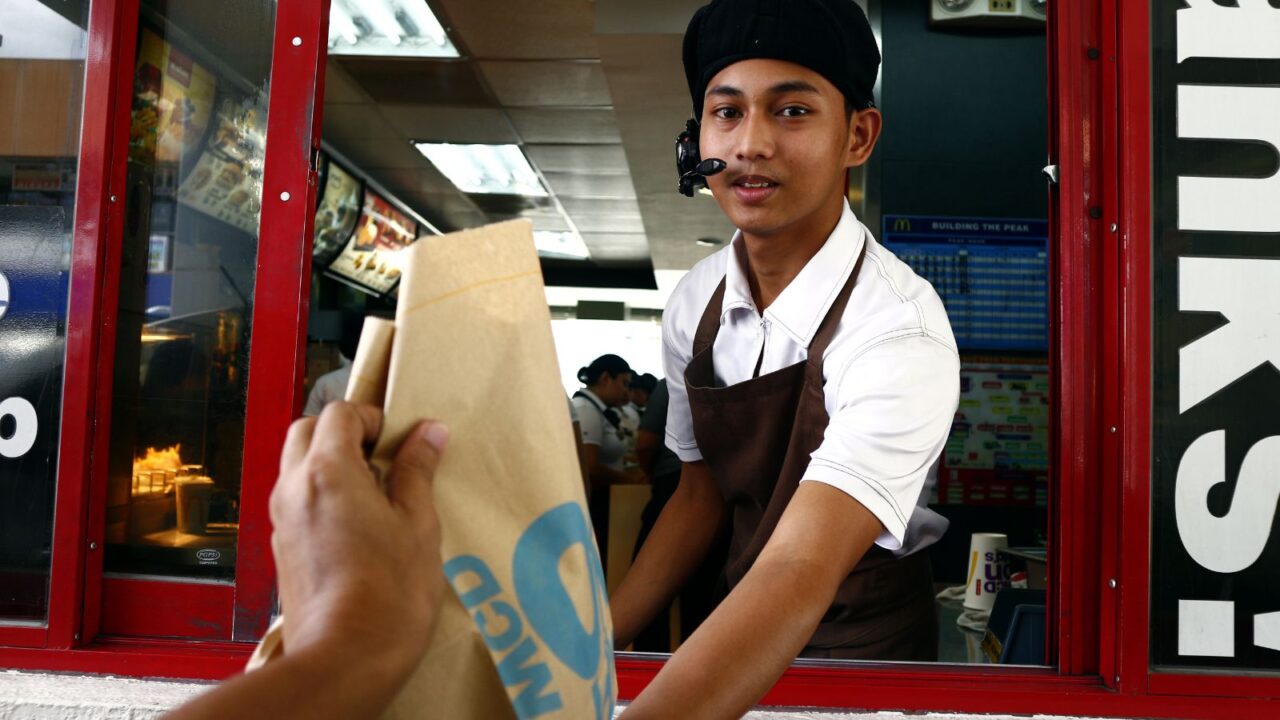
The story is not all negative for employers. UC Santa Cruz said one apparent upside is lower turnover, with churn dropping from roughly 150% to 300% down to about 150% to 200%, which can reduce hiring and training costs.
That is a real business benefit in an industry known for constant staffing churn. More stable crews can improve service and productivity, even if stores are still trying to offset higher payroll costs elsewhere.
The law hits chains differently
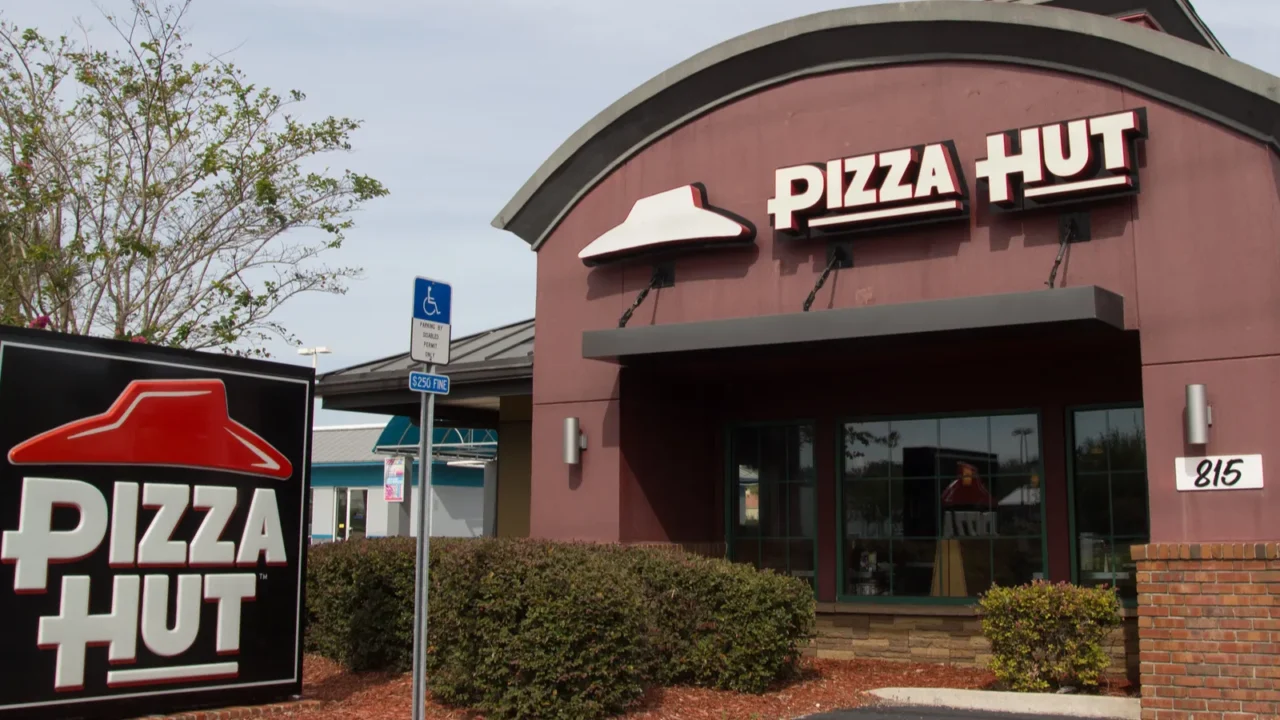
California’s policy is aimed at covering fast-food chains, not every restaurant in the state. That makes it different from a standard statewide minimum-wage increase, and one reason economists see it as an unusually important test case.
Because the rule targets a specific segment, chains may react faster with technology, tighter staffing, or store-level restructuring. Smaller operators outside the law can still feel indirect pressure if local wage expectations rise around them.

This is bigger than California
What happens here could shape wage debates in places far from Sacramento. Economists and labor advocates are already using California’s results to argue either that bold wage hikes can work or that sector-specific mandates create hidden tradeoffs.
That is why the fight over methods matters almost as much as the numbers. One side says critics are overstating harm, while the other says supporters are missing reduced hours, weaker hiring, and slower growth in available jobs.
The council still has power ahead
The wage debate is not frozen at $20. Under AB 1228, future fast-food wage increases can be considered annually, capped at the lower of 3.5% or a formula tied to inflation, which keeps businesses and workers watching each council cycle closely.
That means the next fight may not be about whether the law mattered. It may be about whether California should keep raising the sector wage while the evidence on jobs, prices, and hours is still being argued over.
California’s 2026 hotel labor talks could have a big impact just as peak travel season ramps up. Check out why the contract fight may shape room availability and guest service statewide.
What workers may feel first
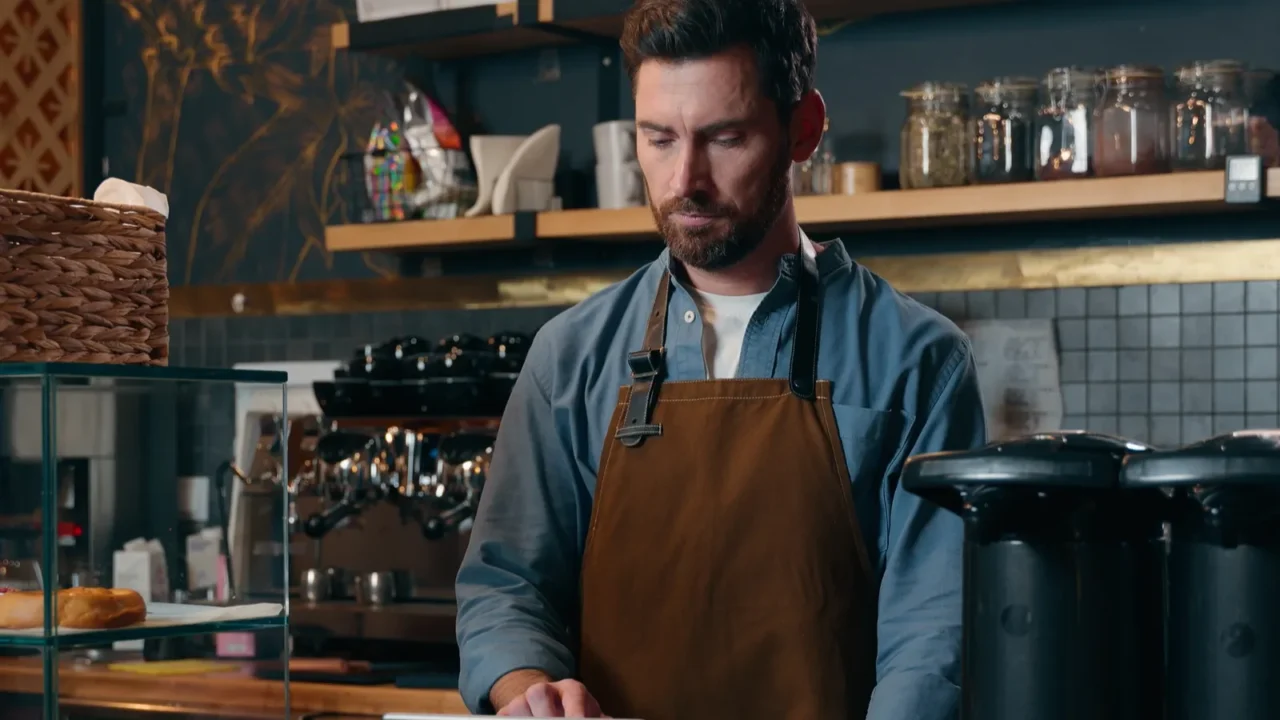
For workers, the outcome is deeply personal. A higher wage sounds like a clear win, but the real test is whether total weekly pay, scheduling stability, and access to benefits improve in practice.
For customers, the first visible change may be different. That could mean higher menu prices, more kiosks, shorter staffing at busy hours, or stores trimming labor in ways that are easy to notice even if the employment data stay contested.
California’s pandemic loan crackdown is widening fast as more than 111,000 borrowers are suspended over suspected fraud. Check out what the SBA says is behind the $8.6 billion case.
Has California found a smarter way to lift low-paid workers, or is it a warning sign other states should study more carefully? Share your thoughts and your view in the comments.
This slideshow was made with AI assistance and human editing.
Don’t forget to follow us for more exclusive content right here on MSN.
Read More From This Brand:
