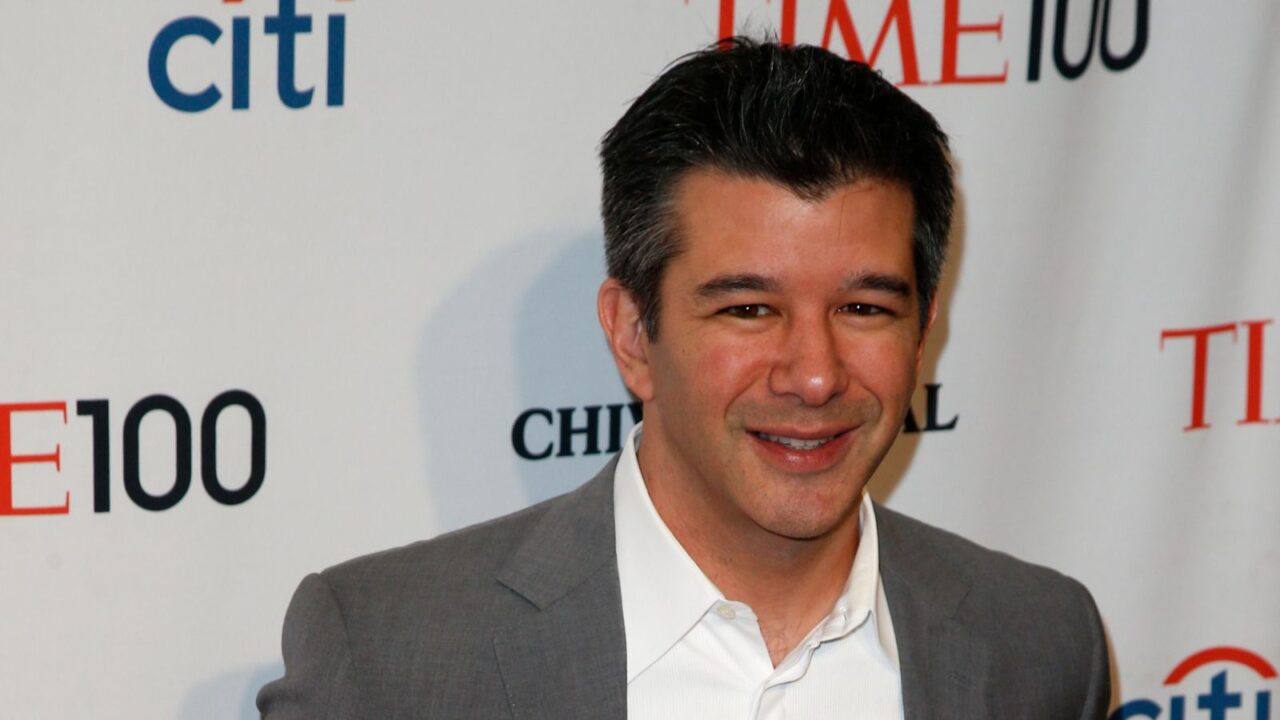
California’s tax fight gets personal
California’s billionaire tax debate is suddenly easier to picture because it now has a famous face. Travis Kalanick, the Uber co-founder who helped build one of Silicon Valley’s best-known companies, says he moved to Texas on December 18, 2025, just before a key date tied to a proposed California wealth tax.
That timing matters because the ballot measure could tax people who were California residents as of January 1, 2026. Even before voters decide anything in November 2026, the proposal is already shaping where some wealthy people want to live.

What the tax would actually do
The proposed 2026 Billionaire Tax Act would create a one-time 5% tax on billionaire wealth in California. The initiative says its purpose is to raise money for health care, education, and food assistance, with the measure written to reach accumulated wealth, not just yearly income.
The official initiative text also says 90% of the money would go to a health account and 10% to an education and food assistance account. That structure helps explain why supporters pitch it as a targeted answer to budget pressure rather than a broad rewrite of California taxes.
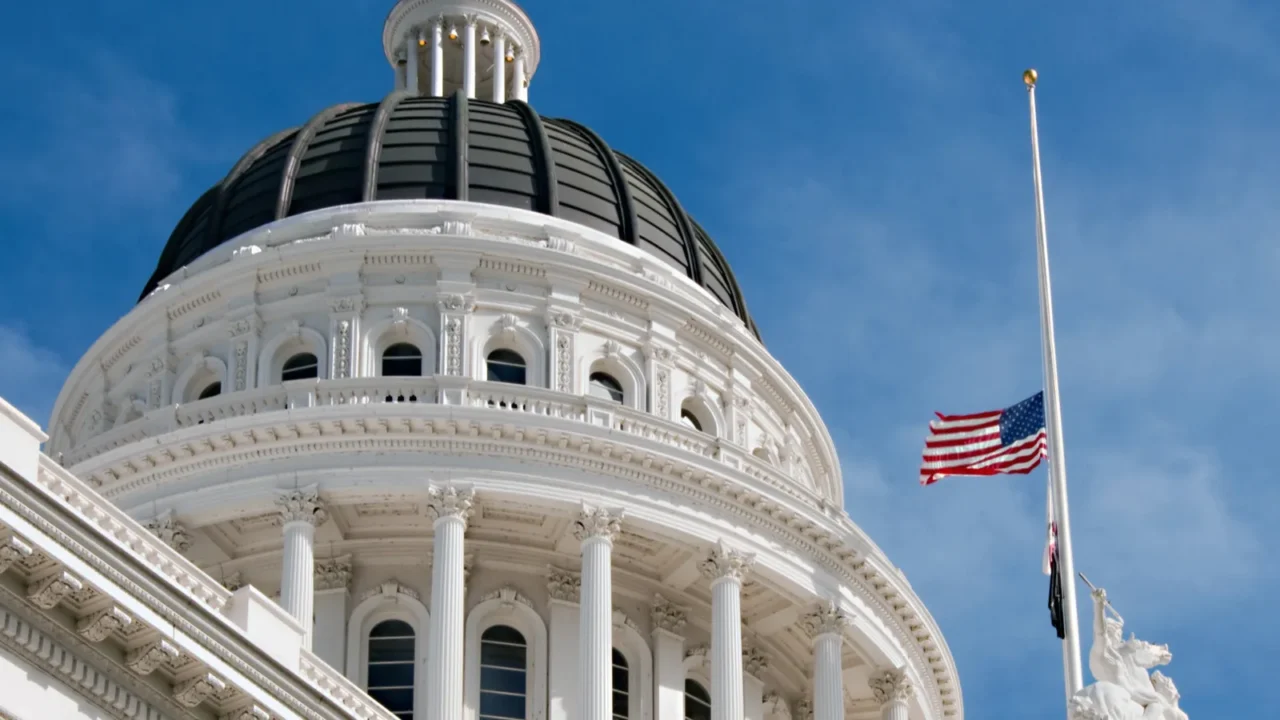
Why one date changed everything
The most talked-about detail is the residency cutoff. CalMatters reported that the proposal is effectively backdated to January 1, 2026, meaning people who were California residents on that date could still be exposed if the measure qualifies and passes.
That has turned late-2025 moves into a major political talking point. It is also why Kalanick’s December 18 move drew so much attention, because it came just days before the cutoff became politically and financially important.
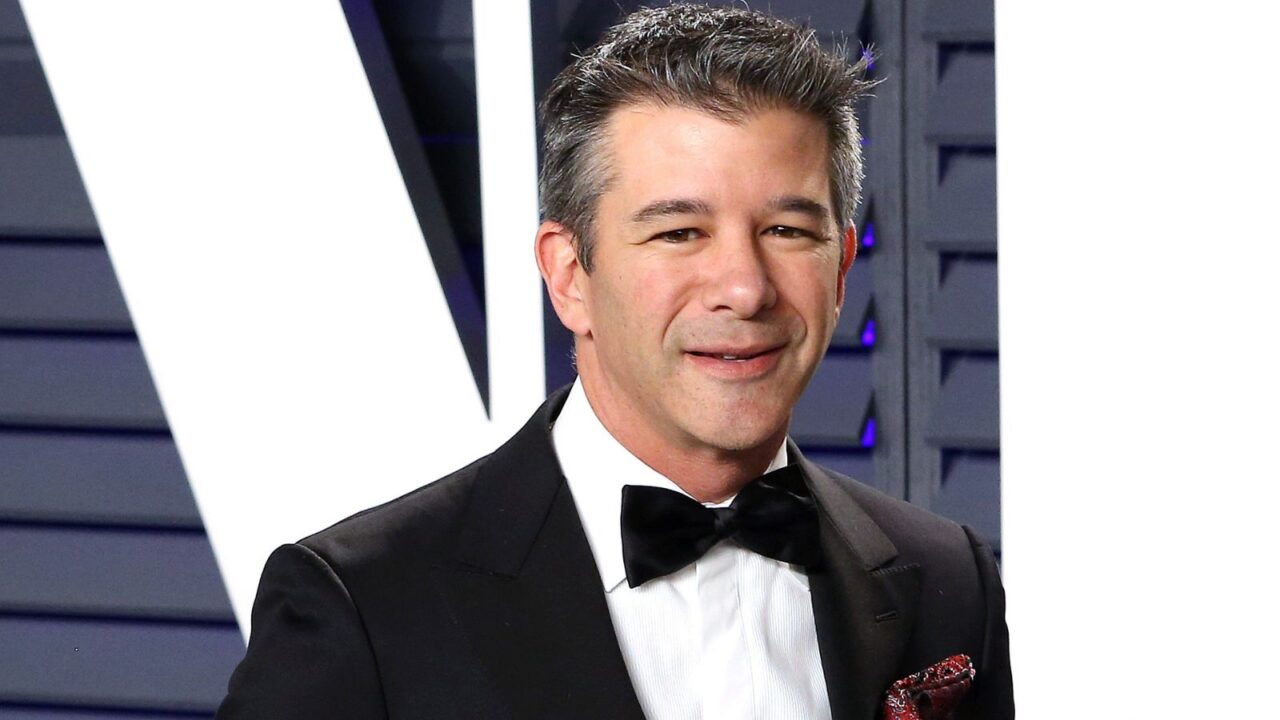
Why Kalanick’s move drew attention
Kalanick did not publicly state that the proposed tax was the reason for his move. In interviews around the launch of Atoms, he confirmed that he moved to Texas on December 18, 2025, shortly before the proposal’s January 1, 2026 residency date became a major point in the tax debate.
That mattered because of the rough math. News reports tied his estimated fortune to a possible liability in the neighborhood of $180 million if a 5% one-time wealth tax applied.
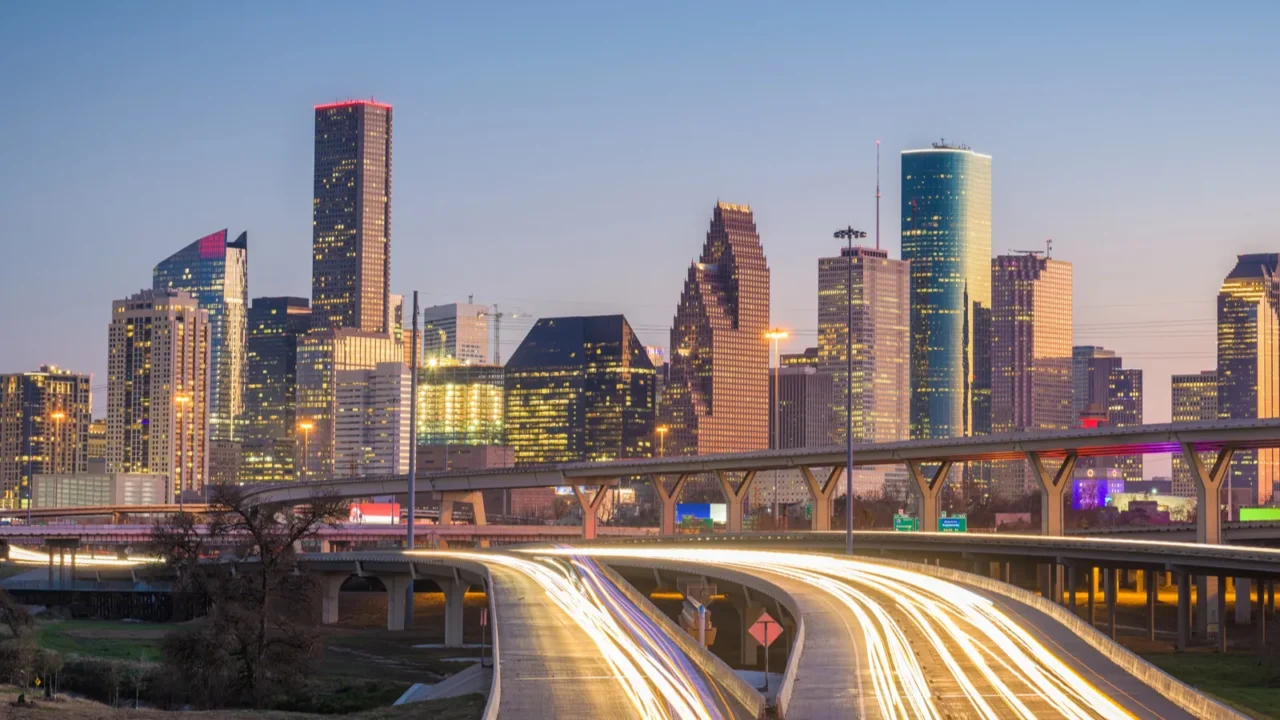
Texas keeps winning these exits
Texas has become a favored landing spot for wealthy founders who want lower tax exposure and fewer political headaches. Kalanick’s move to Austin fits a broader pattern that has also included major business shifts and billionaire relocations away from California.
Austin is especially attractive because it offers a fast-growing tech ecosystem without a state income tax. That combination has helped the city market itself as a serious alternative to Silicon Valley for founders, investors, and startup operators.
Little-known fact: The political fight is already drawing huge amounts of money. The Wall Street Journal reported that opponents of the California wealth-tax push had raised nearly $80 million, including $45 million from Sergey Brin.
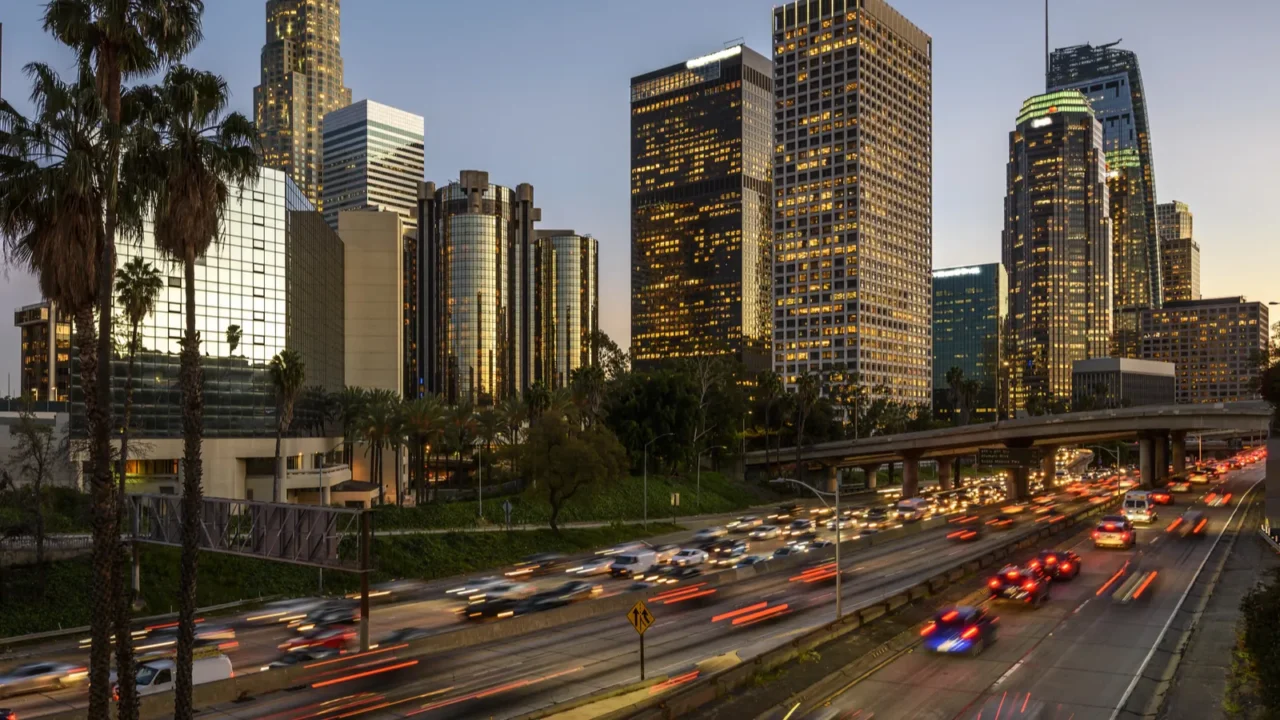
California still has a lot to lose
California’s concern is not just symbolic. The Governor’s Budget says the state relies heavily on personal income taxes, and high-income Californians contribute a very large share of that revenue, making the budget especially sensitive to the decisions of a small number of wealthy taxpayers.
The official budget summary says the top 1% paid nearly 39% of personal income taxes for the tax year 2022, after an even higher share in 2021. That helps explain why any talk of billionaire migration quickly becomes a budget story, not just a culture-war headline.
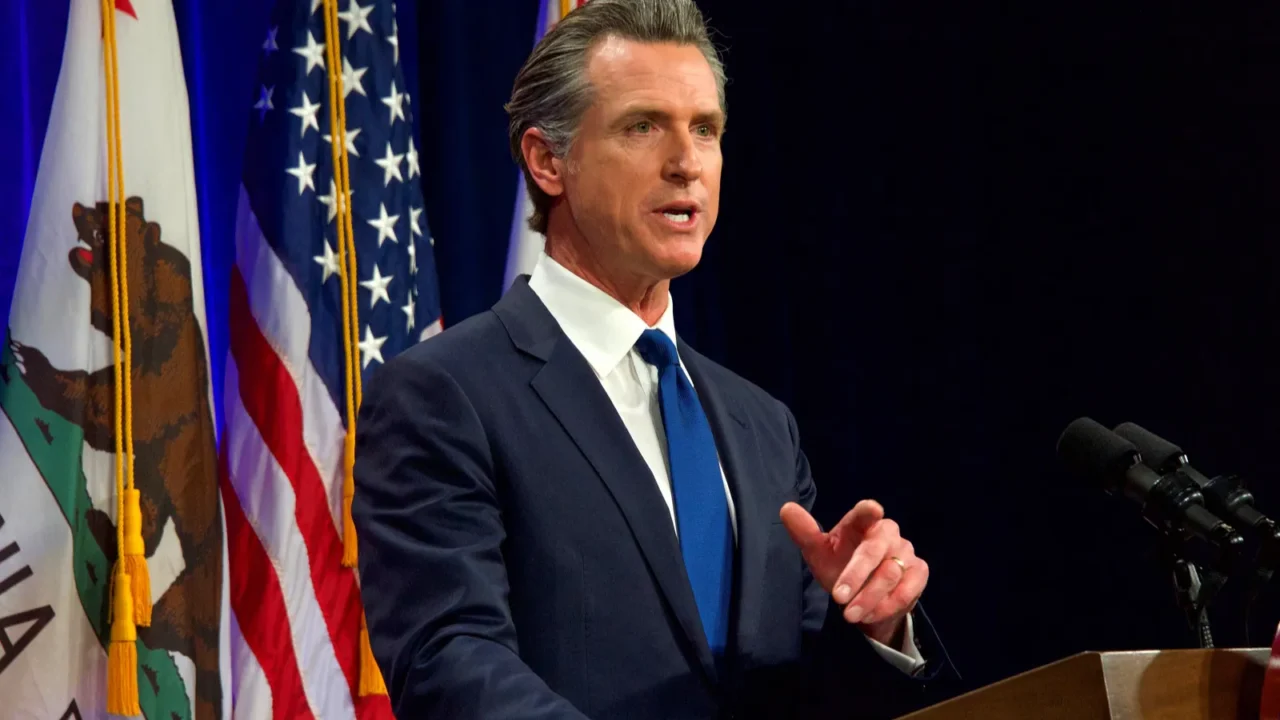
Newsom is against the measure
Gov. Gavin Newsom has been openly critical of the proposal. CalMatters reported that he called it “badly drafted” and argued that a wealth tax would drive affluent residents out of the state rather than strengthen California’s long-term finances.
That puts him in a politically tricky position. He is a Democrat in a state where taxing the ultra-rich can sound popular, but he is also the governor of a state whose revenue base is unusually exposed to the behavior of top earners.

Supporters say the rich can afford it
Backers of the measure argue that billionaire wealth has often grown faster than ordinary wages and can escape meaningful state taxation because wealth is not the same thing as annual income. The initiative text itself says the state never taxes a large share of billionaire wealth because wealthy people can control the timing and form of what counts as taxable income.
That argument is central to the campaign. Supporters are trying to frame the proposal as a rare chance to tap extreme fortunes for public needs without raising broad-based taxes on middle-income Californians.

Critics see a warning sign already
Opponents say Kalanick’s move is exactly the kind of behavior they warned about. Their argument is simple: if even the possibility of a one-time wealth tax can influence residency choices before the vote happens, the policy may be undermining itself before California sees any revenue.
That is why this fight is being watched well beyond Sacramento. Wealth taxes are often debated in theory, but California may end up showing what happens when the target group has both the money and the mobility to respond quickly.
Little-known fact: Business Insider reported that Travis Kalanick said he became a primary resident of Texas after moving on December 18, 2025, adding him to Austin’s growing list of high-profile tech transplants.

Kalanick’s next chapter is already moving
Kalanick’s move is also tied to a new business push. TechCrunch reported that his new company, Atoms, is focused on robotics for food, mining, and transportation, and that it is rolling his ghost-kitchen business CloudKitchens into a broader industrial AI effort.
That makes the relocation story more than a tax headline. It is also about where one high-profile founder wants to build his next company, hire talent, and anchor a business that could grow in the years ahead.

The legal fight may be just as big
Even if the initiative reaches voters and wins, legal battles are likely. CalMatters noted that taxpayers targeted by the measure would likely argue that retroactive levies are unlawful, especially because the proposal reaches back to a residency date that has already passed.
That means the measure’s political battle and its legal battle may happen almost at the same time. For investors, founders, and tax planners, uncertainty alone can be a reason to act early rather than wait.

This is bigger than one billionaire
Kalanick’s move grabbed headlines because Uber is such a recognizable Silicon Valley brand. But the deeper issue is whether California can keep asking more from top earners while still holding on to the entrepreneurs and capital that help fund the state’s tax system.
That question is not unique to California anymore. New York and Washington are also dealing with fresh debates over how far states can push high-end taxation before wealthy residents start looking elsewhere.
California’s pandemic loan crackdown is widening fast as more than 111,000 borrowers are suspended over suspected fraud. Check out what the SBA says is behind the $8.6 billion case.

What ordinary Californians should watch
For most Californians, this debate is not really about sympathy for billionaires. It is about whether a tax aimed at a tiny number of ultra-rich people could bring in meaningful money for public programs or instead trigger exits that make the state’s budget even more volatile.
It is also about precedent. If California proves a one-time wealth tax is workable, other blue states could study the model. If it backfires, critics will use it for years as a warning against similar proposals nationwide.
These five California towns stand out in the latest crime reports for all the wrong reasons. Check out which places made the list and what the numbers show.
Is this a fair way to fund public needs, or an early sign that the state is pushing too far? Share your thoughts and your view in the comments.
This slideshow was made with AI assistance and human editing.
Don’t forget to follow us for more exclusive content right here on MSN.
Read More From This Brand:
