Summer travel prices are rising across the U.S., but not every destination will drain your budget. From national parks with low entry fees to beach towns with free attractions, there are still places where travelers can enjoy a full vacation without overspending.
Many of these destinations offer a mix of outdoor activities, affordable lodging, and minimal daily costs, making them ideal for families, couples, and solo travelers alike. The key is knowing where to go and how to plan. Some of the best budget-friendly trips right now focus on nature, smaller cities, and locations where free or low-cost activities make up most of the experience.
Timing also matters, since early bookings, weekday stays, and avoiding peak holiday weekends can significantly cut costs. Gas prices and airfare fluctuations also play a big role in shaping overall trip budgets. Let’s now explore this in detail.
National parks remain the best value for summer travel
Places like Glacier National Park and Grand Canyon National Park can still offer strong value for summer trips. Glacier charges $35 per private vehicle for seven days during the main season, and Grand Canyon charges the same, which can make both parks cost-effective for families or small groups traveling together. Once inside, visitors can access hiking trails, lakes, and scenic drives without additional costs.
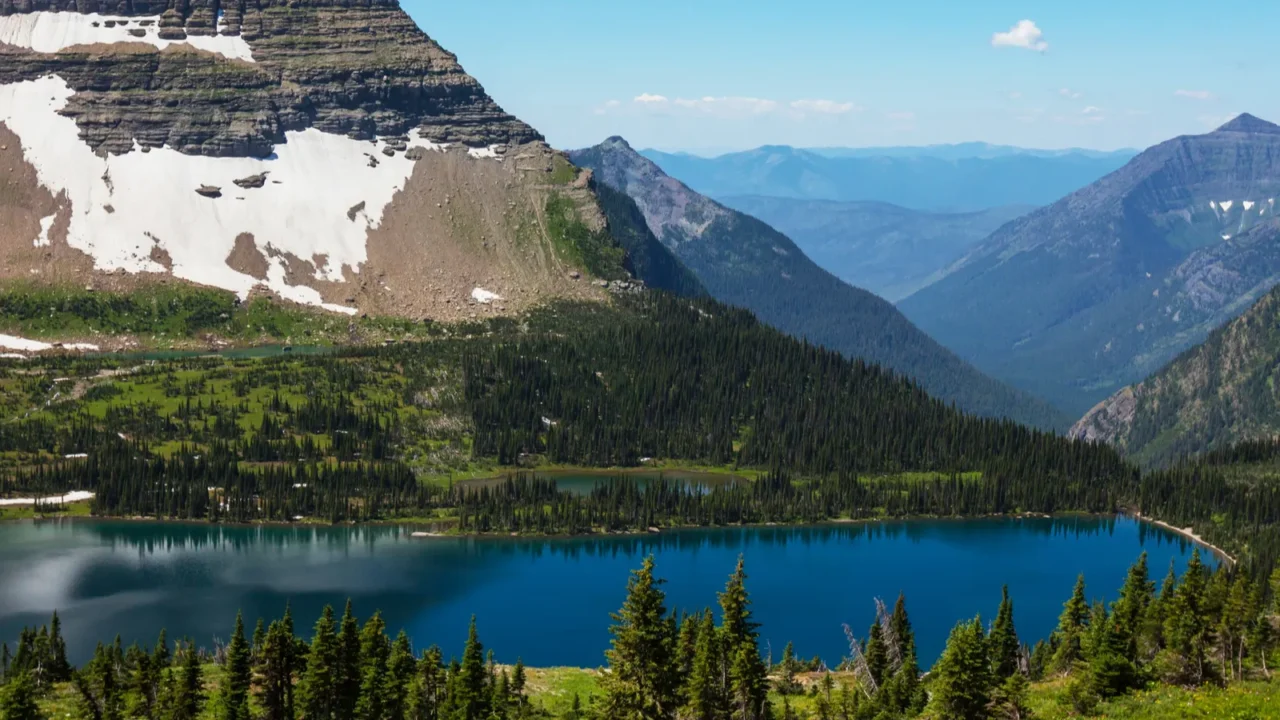
Camping is another major reason these parks are budget-friendly. Campsites often range from $15 to $30 per night, far cheaper than most hotels during peak summer months. Travelers can also reduce costs by using picnic areas and cooking their own meals instead of eating out.
The same applies to Grand Canyon National Park, where standard frontcountry campground rates are now $30 per night, still well below peak-season hotel prices in and around the park. Shuttle systems and park services also help reduce the need for extra transportation spending once inside.
Affordable beach destinations offer low cost summer escapes
Beach vacations do not have to be expensive if you pick the right destination. Assateague Island National Seashore is a strong example, with a $25 private vehicle pass valid for seven days and individual campsites priced at $40 per night. Visitors also get access to quiet beaches and the chance to see wild horses at no extra cost.
The Outer Banks is another popular option where the main attraction is free. Travelers spend most of their time on public beaches, which helps reduce daily expenses. Renting homes early in the year is one of the best ways to avoid peak pricing, especially in July and August.
For a quieter experience, Amelia Island offers 13 miles of coastline and several free outdoor activities. Visitors can explore parks, local trails, and historic areas without spending much. Even parking is often free in less crowded parts of the island, which adds to the savings. Local markets and small-town restaurants also offer budget-friendly dining compared to major Florida tourist hubs.
Smaller cities deliver big experiences for less money
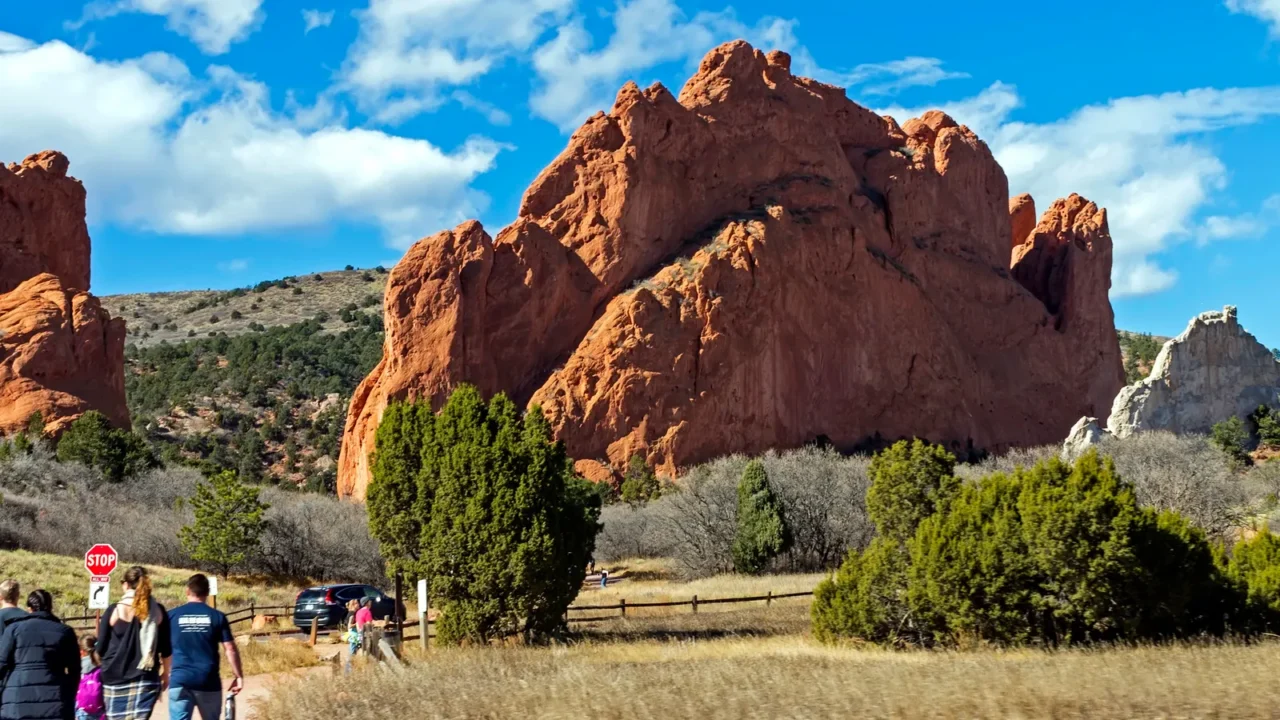
Cities like Colorado Springs provide a mix of outdoor beauty and low-cost attractions. Visitors can explore places like Garden of the Gods for free, along with scenic drives and hiking trails. Budget hotels and motels also make it easier to manage overall travel costs.
Gatlinburg offers another affordable option near the Great Smoky Mountains National Park. The park does not charge an entrance fee, but most vehicles parked for longer than 15 minutes need a parking tag, which costs $5 daily or $15 weekly, while most hiking and sightseeing activities remain free. Seasonal events and local craft shops also provide entertainment without high entry costs.
Further north, Pittsburgh and St. Louis stand out for their number of free attractions. Museums, parks, riverfront trails, and cultural landmarks in these cities often have no entry fees. Public transportation and walkable downtown areas also help reduce travel costs once visitors arrive. Both cities also offer summer festivals and outdoor concerts that are either free or very low cost.
Unique regions offer variety without high prices
The Finger Lakes region is known for its mix of outdoor activities and affordable experiences. Visitors can enjoy boating, hiking, and swimming across its 11 lakes, many of which are free or low cost. Wine tasting is also a popular part of the Finger Lakes experience, though tasting prices vary by winery, giving travelers a mix of splurge and budget-friendly options.
Moab is another standout destination for nature lovers. It sits near Arches National Park and Canyonlands National Park, giving travelers access to two major parks in one trip. Affordable lodging options, including campgrounds and motels, help keep overall costs manageable. Outdoor recreation like hiking and stargazing adds value without increasing spending.
For coastal scenery, Cannon Beach offers free attractions like tide pools and scenic viewpoints. A small parking fee at nearby parks is often the only cost. The town is also walkable, which helps travelers avoid rental car or ride-share expenses during their stay. Local art galleries and small cafés add charm without requiring a big budget.
Cross-border and alternative destinations stretch your budget further
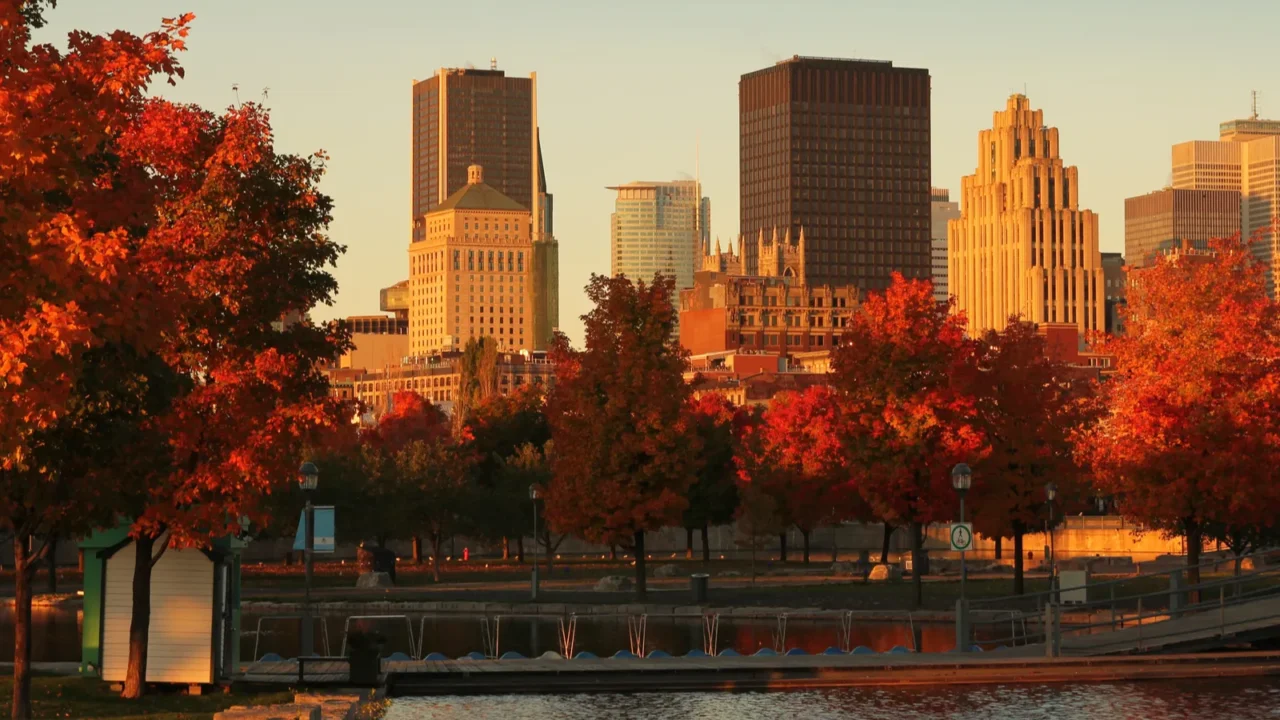
Travelers willing to go slightly beyond the U.S. can find value in Montreal. The favorable exchange rate often means U.S. dollars go further, especially for food and transportation. The city also hosts free summer festivals, including the well-known Montreal Jazz Festival, which draws large crowds every year.
Back in the U.S., destinations like Hot Springs National Park offer free entry, while Gulpha Gorge Campground is currently priced at $34 per night. Visitors can explore historic bathhouses, natural springs, and scenic trails without high fees. The surrounding town also offers budget-friendly dining and free parking in many areas.
Other alternatives include smaller towns near major national parks or coastal regions. These places often have lower hotel rates compared to tourist-heavy hubs. Choosing them can significantly reduce total trip costs while still providing access to major attractions. Even simple strategies like traveling midweek or sharing vacation rentals can further improve savings.
TL;DR
- National parks remain the cheapest major summer travel option in the U.S.
- Camping keeps lodging costs low, often under $30 per night
- Beach destinations like Outer Banks and Assateague Island are budget-friendly
- Smaller cities offer free attractions and affordable hotels
- Finger Lakes, Moab, and Cannon Beach combine nature with low costs
- Smart planning and timing can significantly reduce total travel expenses
If you liked this story, don’t forget to follow us for more exclusive content.
This article was made with AI assistance and human editing.
If you liked this, you might also like:
