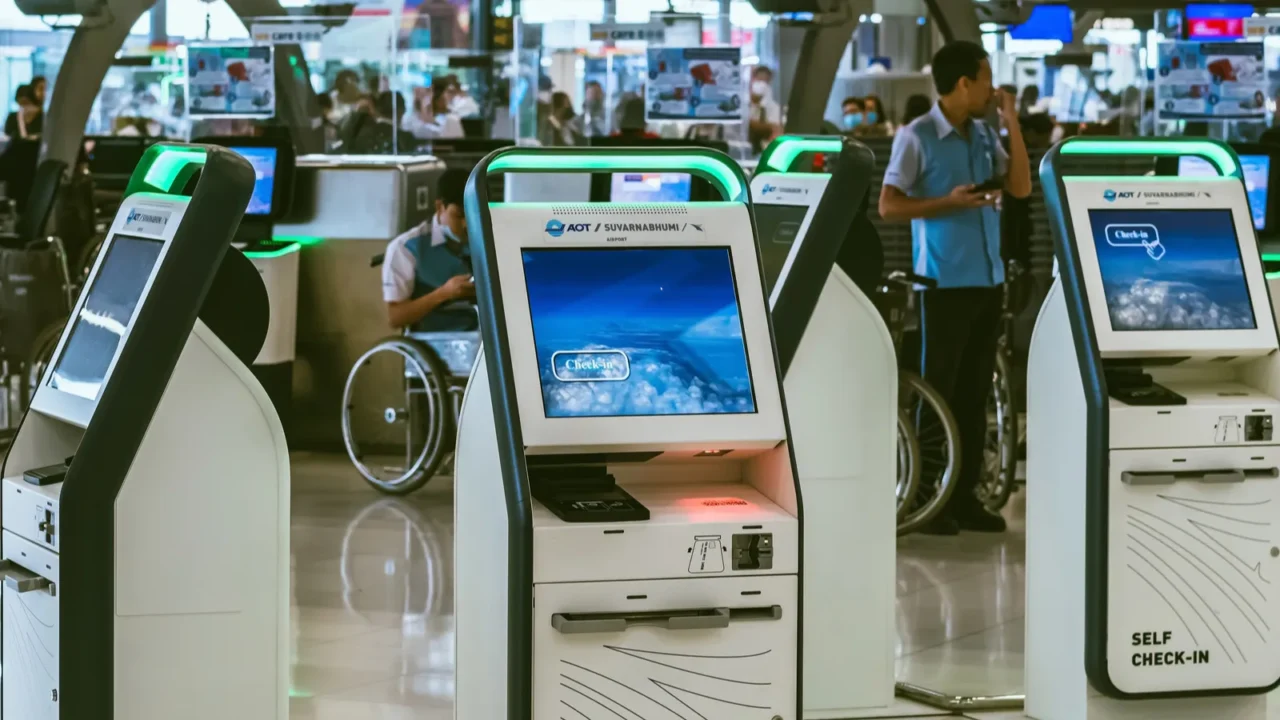
A new travel chapter begins
Airports around the world are quietly rolling out smart technology that could make security lines a thing of the past. AI, biometric gates, and automated baggage screening are changing how travelers move through terminals. For frequent flyers and occasional travelers alike, the days of long waits may soon be over.
From facial recognition corridors to AI‑powered X‑ray scanners, smart airports are turning dreams of frictionless travel into reality. These upgrades aim to speed up every step, from check‑in to boarding, without sacrificing safety. The result could reshape how flying feels for millions of people. Let’s get into what’s changing!
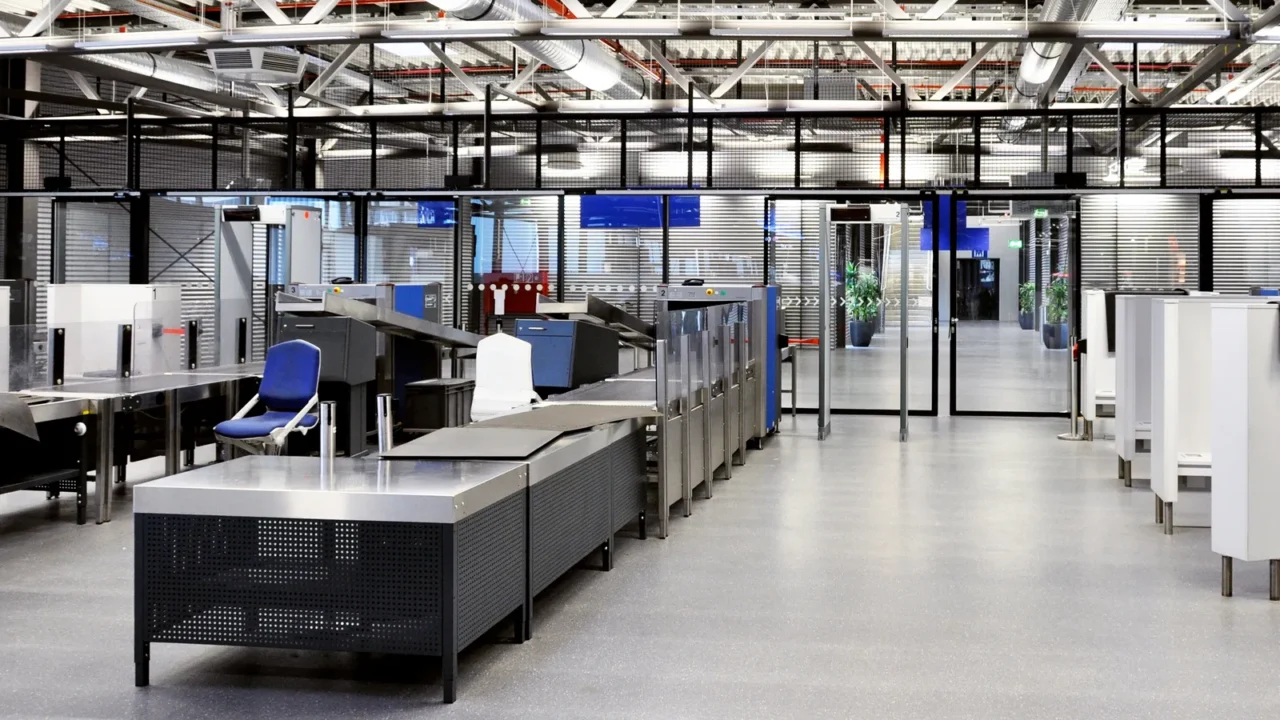
What AI security looks like
In many major airports, AI‑powered scanners now use machine learning to automatically detect prohibited items in baggage without human operators manually reviewing every X‑ray. This lets travelers keep electronics and liquids in bags, cutting one major source of delay.
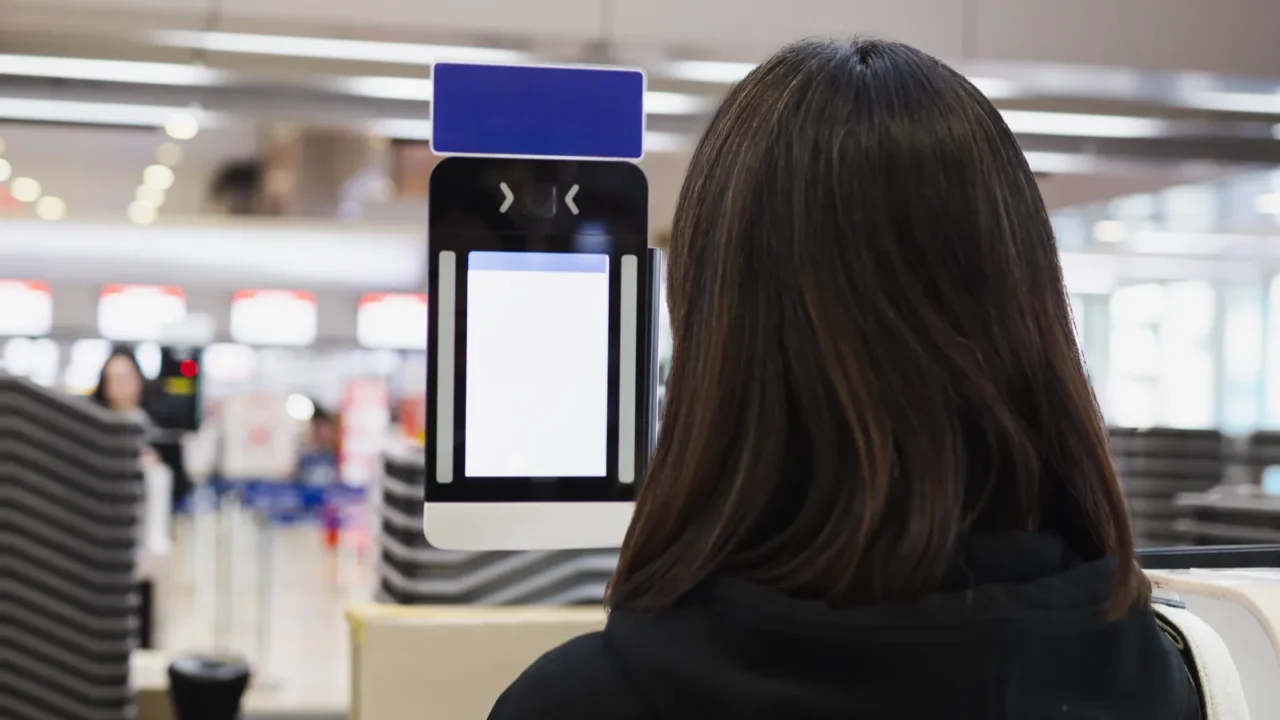
Beyond scanning bags, some airports use biometric systems, facial recognition, or a fingerprint gate to confirm identity in seconds. That speeds security and eliminates the need to show a passport or boarding pass at multiple checkpoints. These innovations combine to make moving through security faster and more predictable.
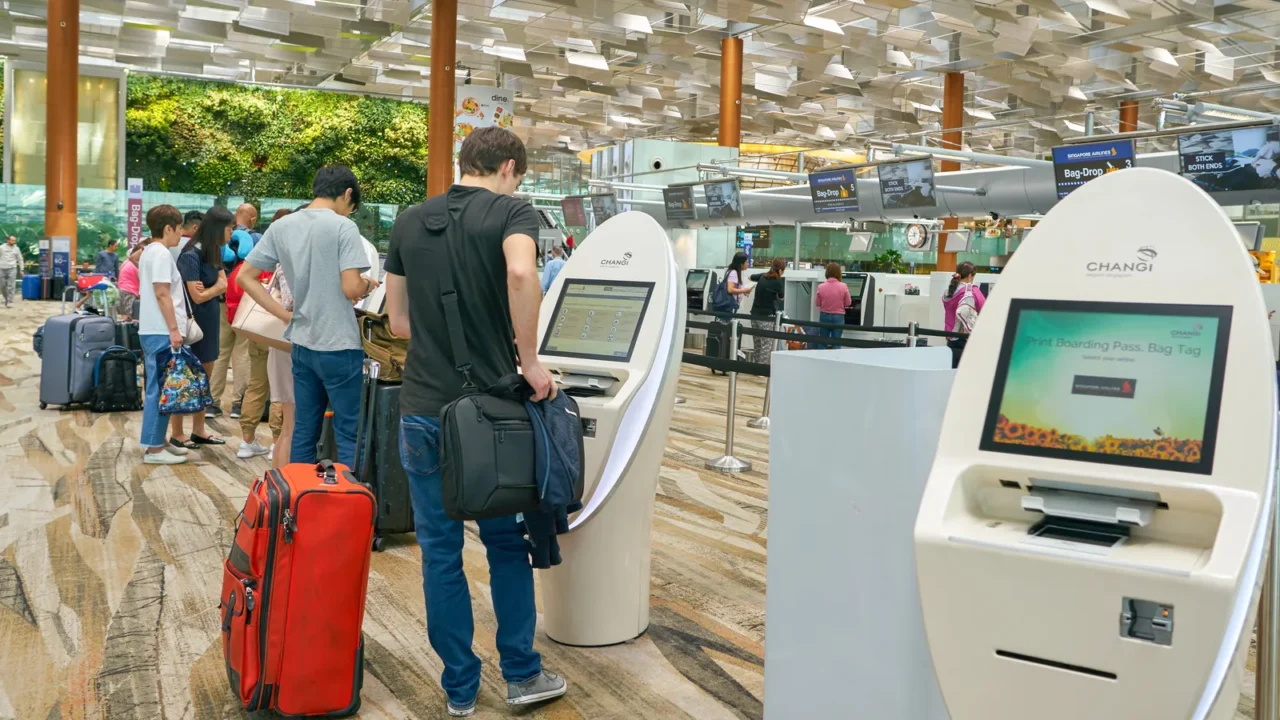
Global adoption picks up speed
Airports in Dubai, Frankfurt, and Changi are integrating smart scanners, biometric gates, and AI‑driven security lanes as part of their 2025 upgrades. Several major airports aim for broader rollout by 2026, due to regulatory pressure and rising passenger numbers.
This wave of upgrades isn’t just about cutting lines; it’s about rethinking security with modern tech. Airports see AI not just as a convenience, but a necessity. As volume grows, these tools could become standard for global air travel.
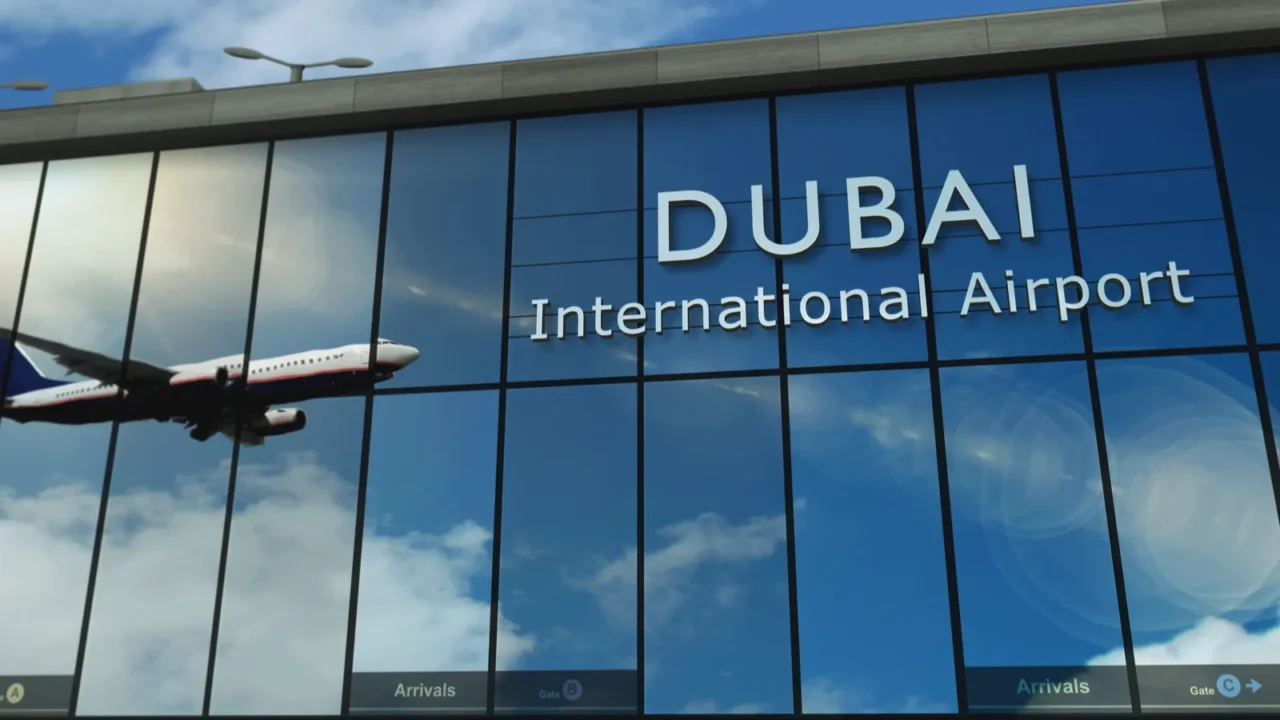
Dubai’s AI baggage shift
Dubai International Airport recently began trialing new AI‑powered baggage screening machines that let passengers leave laptops and liquids in their bags. The goal is to speed up screening without compromising safety, even for complex items.
According to the airport’s CEO, the new system improves passenger throughput while handling high volumes of traffic smoothly. As Dubai eyes nearly 100 million passengers by 2026, these upgrades may be critical to prevent congestion. If the trials succeed, other airports may follow.
Biometric gates speed boarding
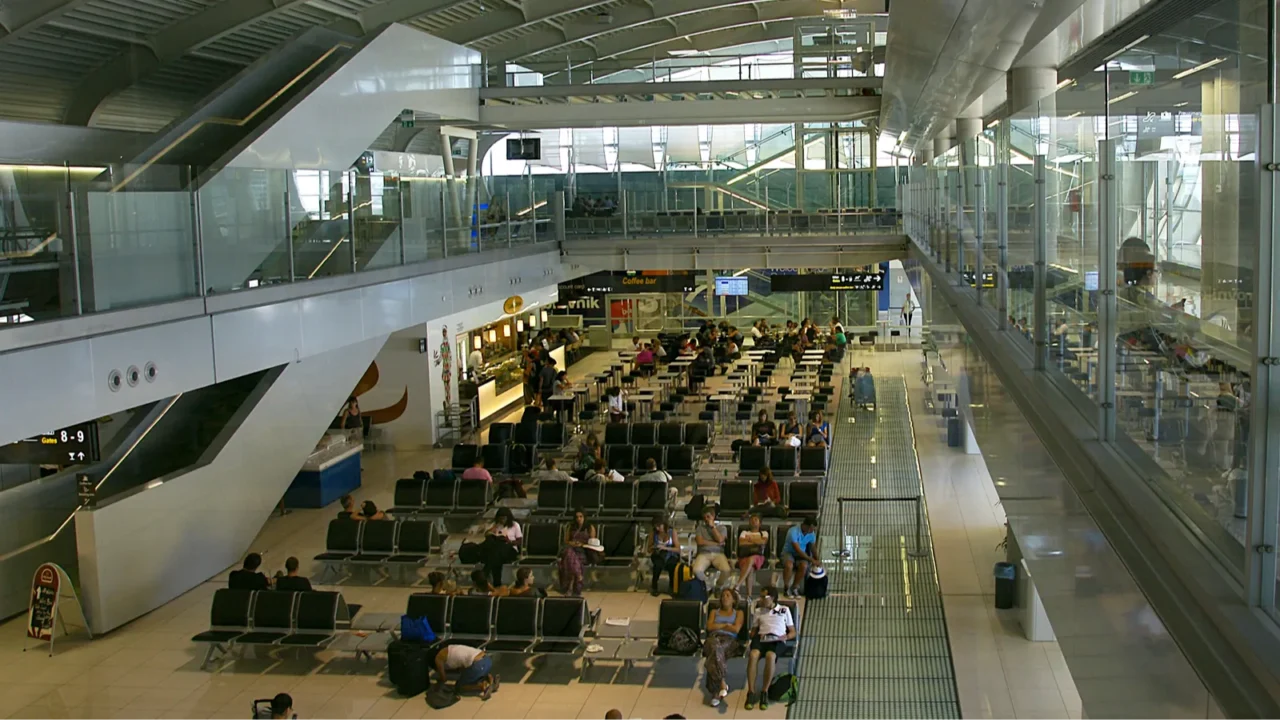
Airports are increasingly using biometric corridors where facial recognition replaces passports and boarding passes. That means travelers simply walk through a gate and get cleared automatically if their data matches. The process is fast, contactless, and virtually seamless.
This approach reduces human error and speeds up identity verification dramatically. When combined with automated luggage drop and AI screening, the entire pre‑flight routine can be trimmed down significantly. It adds convenience not just for frequent flyers but for any traveler passing through busy hubs.
Smarter queue and flow management
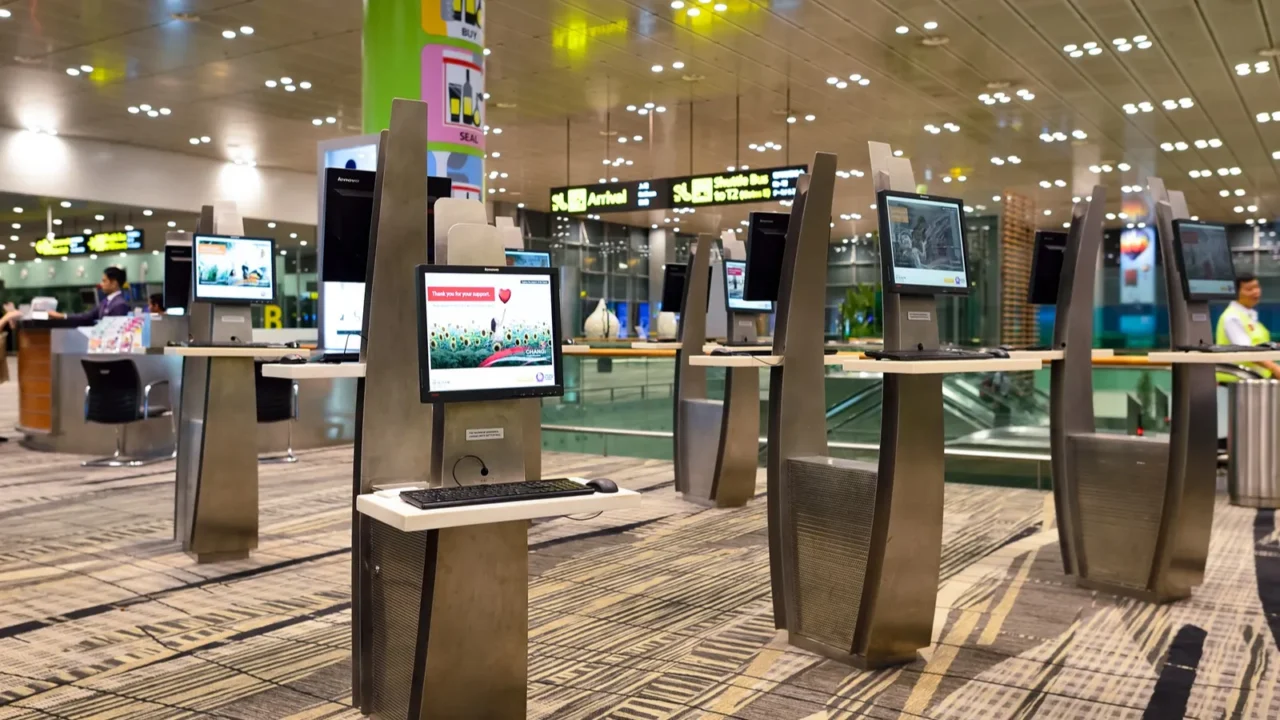
AI isn’t only used at checkpoints, airports are tapping predictive analytics and IoT to manage passenger flow and staffing. By tracking real‑time data on arrivals, flight schedules, and baggage load, these systems adjust staffing and lane openings dynamically. This helps prevent bottlenecks before they start.
The result is lower wait times, even during peak traffic, better resource allocation, and enhanced airport-wide efficiency. Travelers benefit from smoother transitions between check‑in, security, and gates. Over time, this may reduce missed flights and make airport time more predictable and less stressful.
Faster screening saves minutes
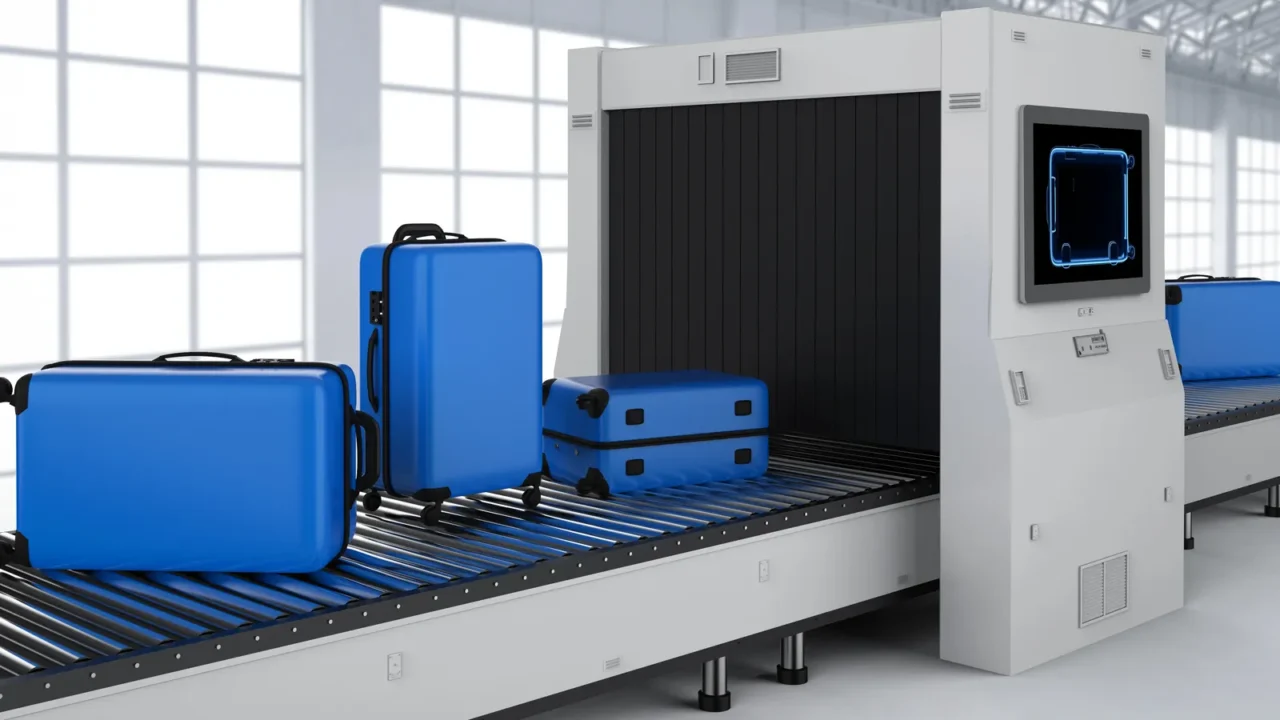
One of the biggest wins from AI security is time saved. Airports using advanced scanners report that screening times drop significantly because bags don’t always need manual inspection, and electronics or liquids often stay in luggage.
For travelers who often rush or connect flights tightly, those minutes add up, less stress, fewer lines, and a more relaxed start to travel. As more airports adopt similar tech, that faster pace could become the new standard for air travel everywhere.
Improving security accuracy
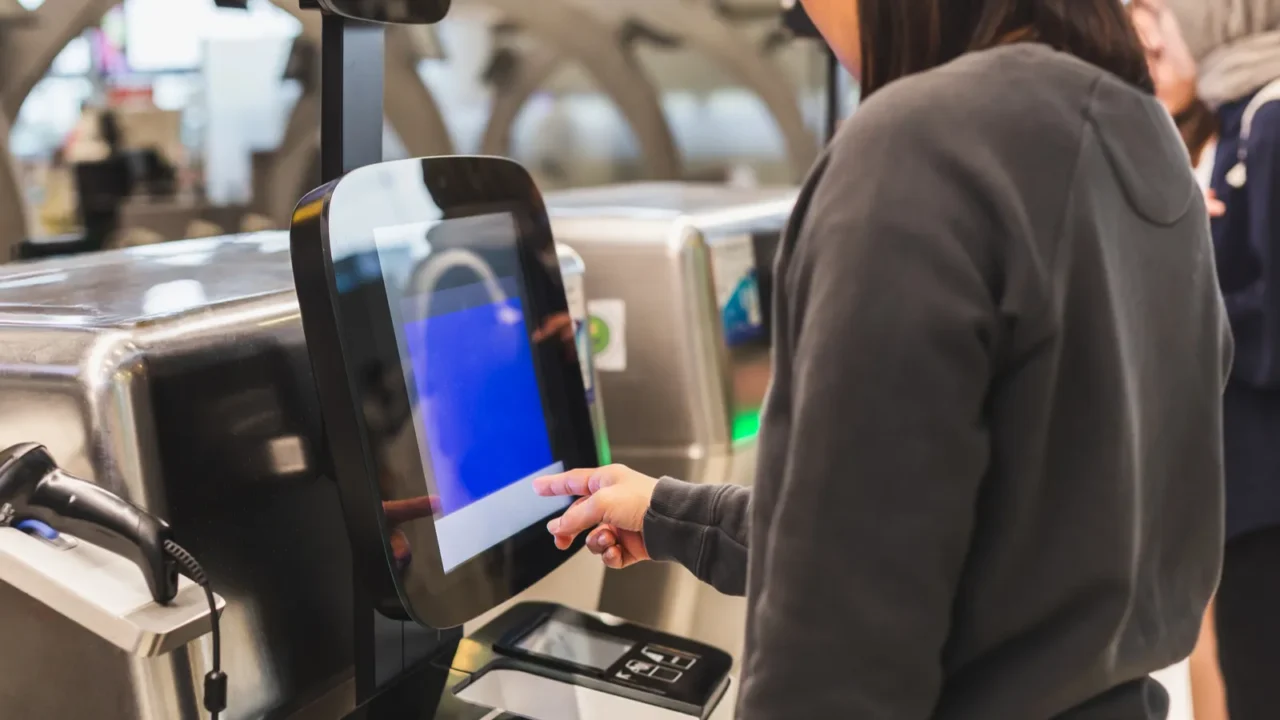
AI-powered scanners and automated detection systems can catch threats more accurately than traditional X-ray checks alone. Algorithms trained on thousands of baggage scans flag suspicious items instantly, reducing false alarms and human error. Security teams then review only flagged bags.
That advanced threat detection improves overall safety without slowing down passenger flow. It makes airports more secure while still keeping travel convenient. For travelers concerned about both security and speed, that’s a strong combination.
Privacy and data concerns
As airports collect biometric data and personal information, privacy and data protection become critical. Some travelers worry about how long images or data get stored, and who has access. Transparency and clear policies will matter more than ever as this technology spreads.
Airports and vendors say that in most cases, biometric images are deleted after verification, and data handling complies with regulations. Still, widespread implementation means trust must be earned and maintained. Travelers who value privacy should stay informed about airport policies.

Equity and access for all travelers
AI-driven security may make flying smoother for many, but access to these systems depends on enrollment or registration in advance. Not all travelers, especially occasional flyers or those from regions without biometric systems, may benefit equally. Airports must balance new tech with fair access.
Still, for global travel hubs and frequent flyers, the benefits could be significant. As more airports add AI, standards may shift, and older manual checkpoints may become exceptions. The goal is to offer both high-tech convenience and inclusive options for all visitors.

What airlines and airports gain
For airlines and airports, AI‑powered processing means shorter turnaround times, fewer delays, and less ground‑staff pressure. That efficiency could allow more flights to operate on tight schedules with a lower risk of security bottlenecks. Over time, it may lead to better on‑time performance and smoother operations.
It could also reduce costs tied to staffing and manual screening, allowing resources to shift toward maintenance, customer service, and infrastructure upgrades. Smarter resource management benefits both carriers and passengers in the long run.

What still needs fine tuning
Despite the promise, AI security isn’t perfect; scanners must be precisely calibrated, data must be protected, and systems need regular updates to keep threat detection sharp. Airports also need to invest in infrastructure and staff training to support new workflows. Implementation across older or smaller airports could lag behind major hubs, adding further pressure on budgets, even as TSA rolls out faster security screening at major airports, raising expectations for efficiency everywhere.
Moreover, continuous data monitoring and strict privacy protocols are needed to make sure AI systems stay compliant and trustworthy. As adoption grows, regulators, airports, and travelers all must stay vigilant. The shift toward AI at airports will likely be gradual, not overnight.

Future travel could feel different
Smart AI‑powered security and flow management may soon make long airport waits and chaotic check‑ins a relic of the past. If implemented widely, travelers might benefit from faster processes, smoother and less stressful experiences before takeoff. At the same time, ongoing oversight, transparency, and fair access will decide if this tech truly improves travel for everyone.
Do these AI airport upgrades make you more excited about future travel? Drop your thoughts in the comments below!
Read More From This Brand:
- Dwayne Johnson’s Samoan escape reconnects him to his roots
- A new $6.4 billion bridge will soon reshape US–Canada travel
- Exploring the shift in African-American migration patterns in the U.S.
Don’t forget to follow us for more exclusive content right here on MSN.
This slideshow was made with AI assistance and human editing.
