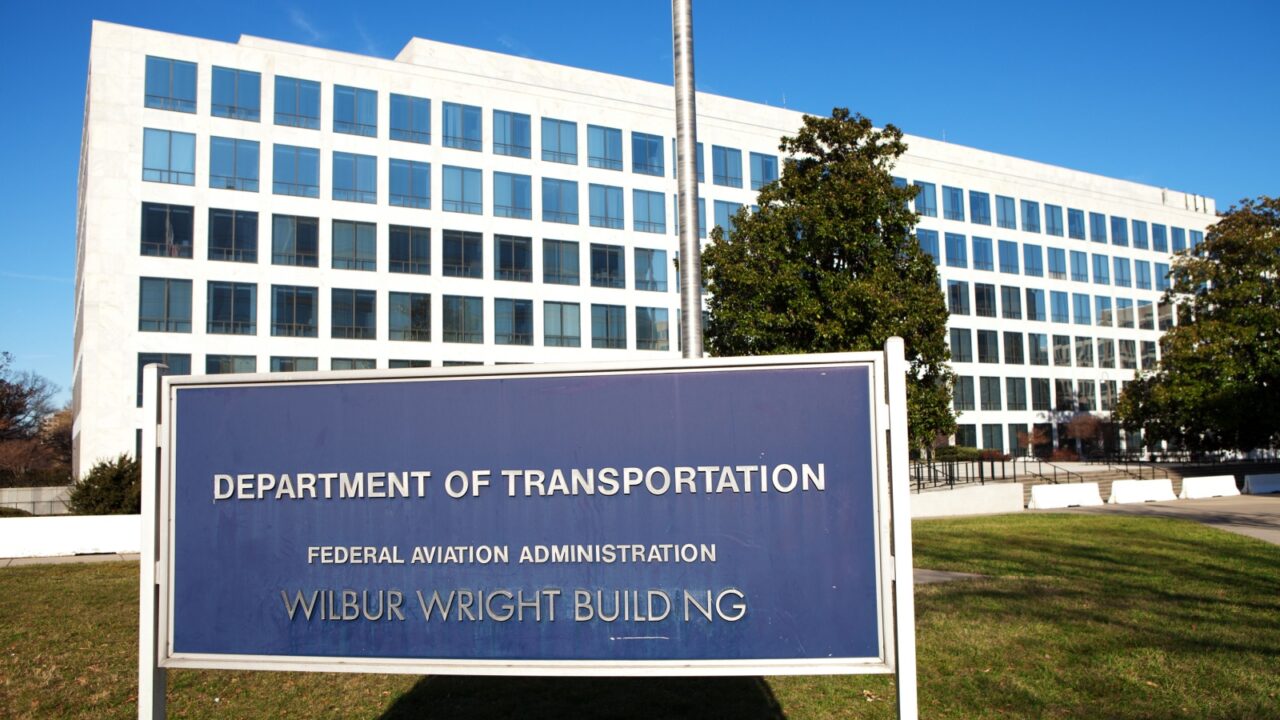
Federal Aviation Administration warns
The Federal Aviation Administration of the United States has warned airlines about rising safety risks affecting airspace across parts of the Middle East. The advisories follow escalating regional tensions that have prompted airlines to reconsider traditional flight paths. Several international routes linking North America and the Gulf region are now being reviewed.
Some long-haul flights between North America and destinations in the Gulf or South Asia may face schedule changes, rerouting, or longer journey times. Airlines are evaluating safer routes to avoid restricted airspace near Iran and Iraq. The evolving situation is already influencing global aviation planning.

FAA advisories affect airlines
FAA advisories have prompted airlines to examine flights that normally cross sensitive Middle Eastern corridors. U.S., European, and Middle Eastern carriers have repeatedly adjusted or reviewed routes as conflict-related risks and airspace restrictions change. Safety notices encourage airlines to avoid certain airspace zones during heightened tensions.
These advisories help airlines evaluate possible risks from military activity or missile systems. Airlines often respond by rerouting aircraft across alternative corridors in Central Asia or the Mediterranean. The goal is to maintain safe operations without halting global connectivity.

Military drills reshape flight paths
Large military exercises across parts of the Middle East can temporarily reshape international flight routes. Air forces often reserve wide airspace zones during training operations involving fighter jets, surveillance aircraft, and missile defense systems. Commercial airlines usually avoid these areas as a precaution.
Exercises conducted by countries such as Israel, Saudi Arabia, and the United States can trigger short-term advisories for civilian aviation. Airlines monitor these drills carefully when planning routes between Europe, Asia, and North America. Even routine training events can influence international air corridors.

Satellite tracking aids aviation
Modern aviation increasingly depends on satellite tracking systems to maintain safe global operations. Satellite-based navigation allows aircraft to follow precise routes even when traditional ground radar coverage is limited. This technology has become especially valuable during airspace disruptions.
Air traffic systems rely on technologies such as Automatic Dependent Surveillance-Broadcast, or ADS-B, to improve real-time aircraft surveillance and situational awareness. These tools help dispatch teams reroute planes quickly when safety advisories appear. Satellite monitoring has become a major safeguard in international aviation planning.
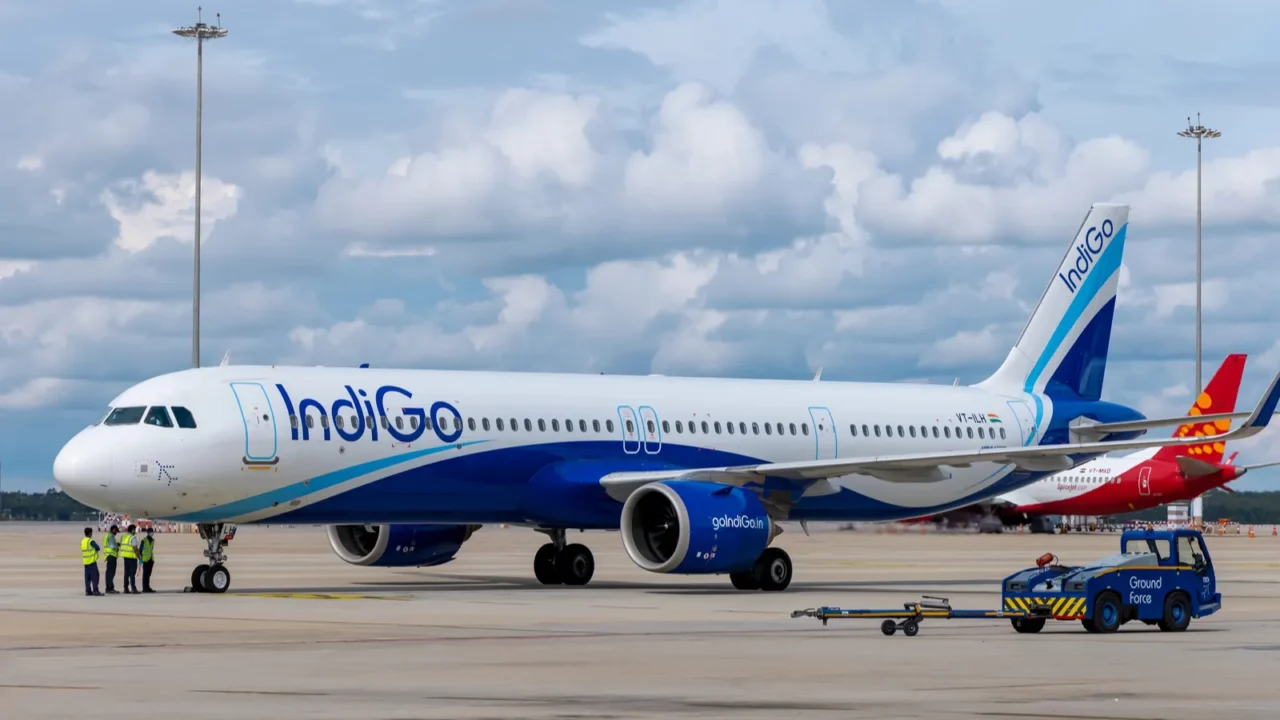
Rerouted flights travel farther
Airspace closures often force airlines to choose longer routes across neighboring regions. Flights traveling from the United States to South Asia or the Gulf may reroute through Central Asia or across northern Africa. These detours help avoid sensitive airspace.
Fact: Aviation analysts told Reuters that rerouted flights during Middle East airspace disruptions can add several hundred miles to long-distance journeys. This additional distance sometimes increases flight times by two to four hours.

Global aviation routes shift
When airspace closes in one region, global aviation networks quickly shift to alternative corridors. Airlines move traffic toward routes across Turkey, the Caucasus region, or the eastern Mediterranean. These changes demonstrate how interconnected international flight systems are.
Fact: FlightRadar24 data shows that around 3,000 flights per day were affected through cancellations or rerouting, illustrating how important Middle Eastern air corridors are for global aviation. When restrictions occur, many of those flights must move into narrower alternative corridors.
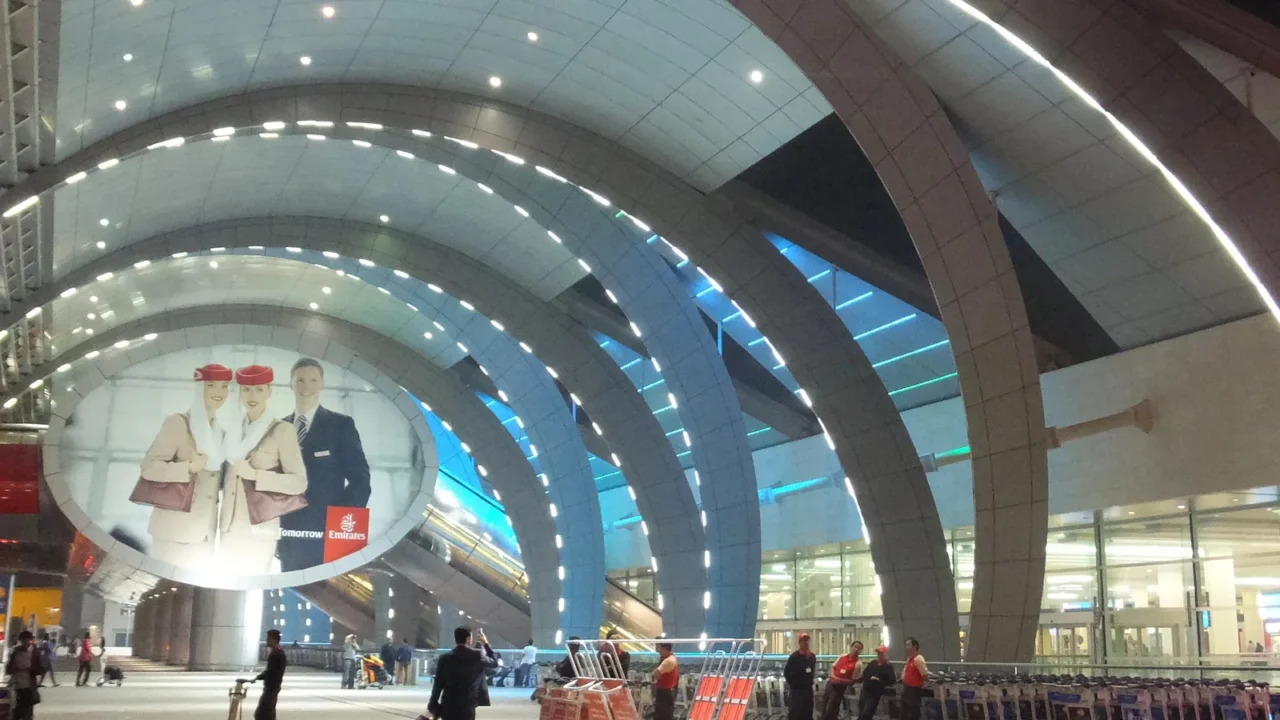
Gulf hubs watch closely
Major Gulf aviation hubs are closely monitoring the evolving situation. Airports such as Dubai International Airport and Hamad International Airport in Doha connect travelers between continents every day. Regional airspace changes can influence operations at these busy hubs.
Airlines serving these airports often adjust schedules to account for longer routes. Even small changes can affect connections for travelers flying between North America, Europe, and Asia. Airport authorities continue coordinating with airlines and regulators.

Insurance risks for airlines
Geopolitical tensions can also affect airline insurance costs. Aviation insurers closely track conflict zones and airspace warnings when calculating risk levels for international flights. Higher perceived risk sometimes leads to increased insurance premiums.
War risk insurance is a special category that airlines must carry for flights passing near unstable regions. When tensions rise, insurers may revise coverage terms or require airlines to avoid certain corridors. These financial considerations influence airline route planning as much as operational safety.
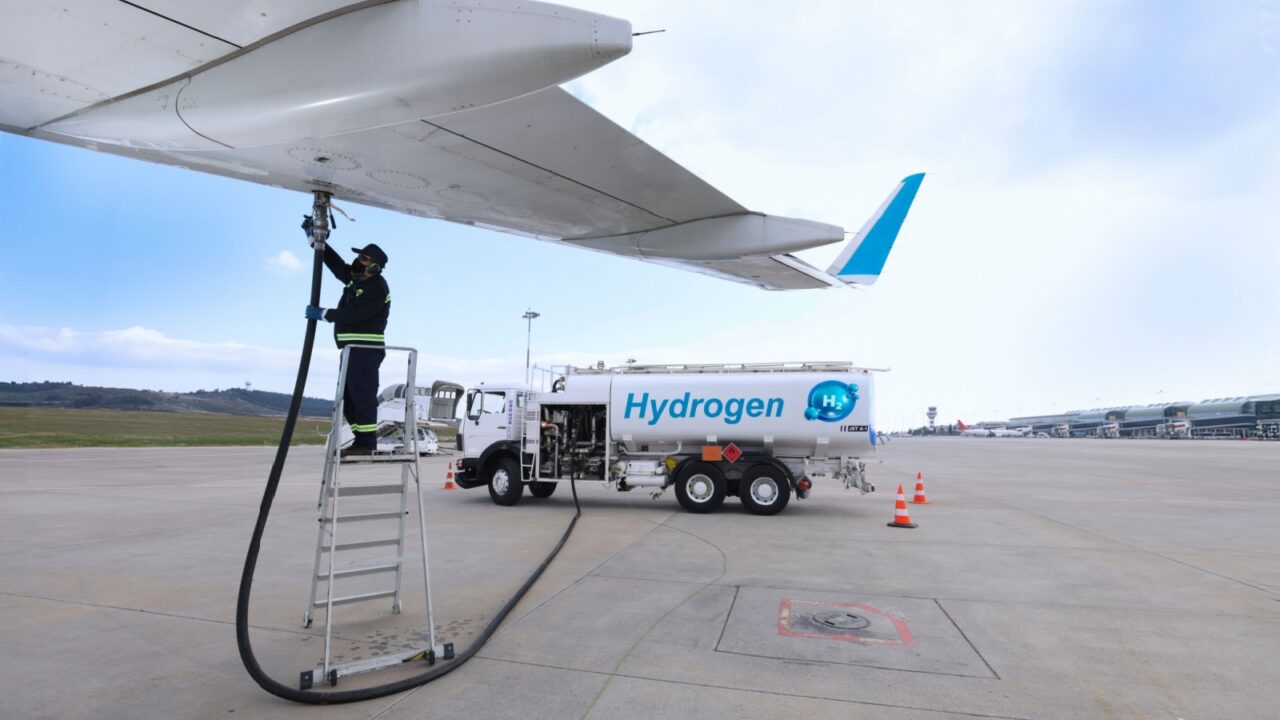
Fuel and time impacts
Longer routes require airlines to burn more fuel and allocate additional flight time. These operational changes can increase airline costs during prolonged disruptions. Fuel planning becomes especially important for long-distance flights.
Global oil markets also react to tensions in the Middle East because the region plays a major role in energy production. Higher fuel prices may influence airline expenses across the industry. Airlines monitor these developments closely.

Aviation adapts to challenges
Despite airspace closures, global aviation continues operating thousands of flights every day. Airlines have developed sophisticated planning systems that allow rapid route adjustments. Dispatch teams monitor safety conditions constantly.
Technology helps airlines track weather systems and geopolitical developments in real time. These tools allow airlines to adapt quickly when routes change, including how airlines use data analytics to decide new routes. Aviation experts say flexibility remains essential in modern air travel.
Travel networks keep evolving
Global travel networks continue evolving as airlines respond to Middle Eastern airspace disruptions. Adjusted routes and temporary advisories help maintain international connectivity despite regional tensions. Airlines remain focused on protecting passengers and crews.
Flights linking cities like New York, Dubai, London, and Doha may continue using alternate corridors for some time. Aviation authorities and airlines will keep monitoring the situation closely.
Want to see how travelers are reacting to longer routes and rising airfare pressure? Take a closer look at how airspace closures are reshaping flight times, ticket costs, and what it could mean for upcoming trips.
Which international routes do you think are most vulnerable when major air corridors in the Middle East face disruption? Share your thoughts below.
This slideshow was made with AI assistance and human editing.
Don’t forget to follow us for more exclusive content right here on MSN.
Read More From This Brand:
