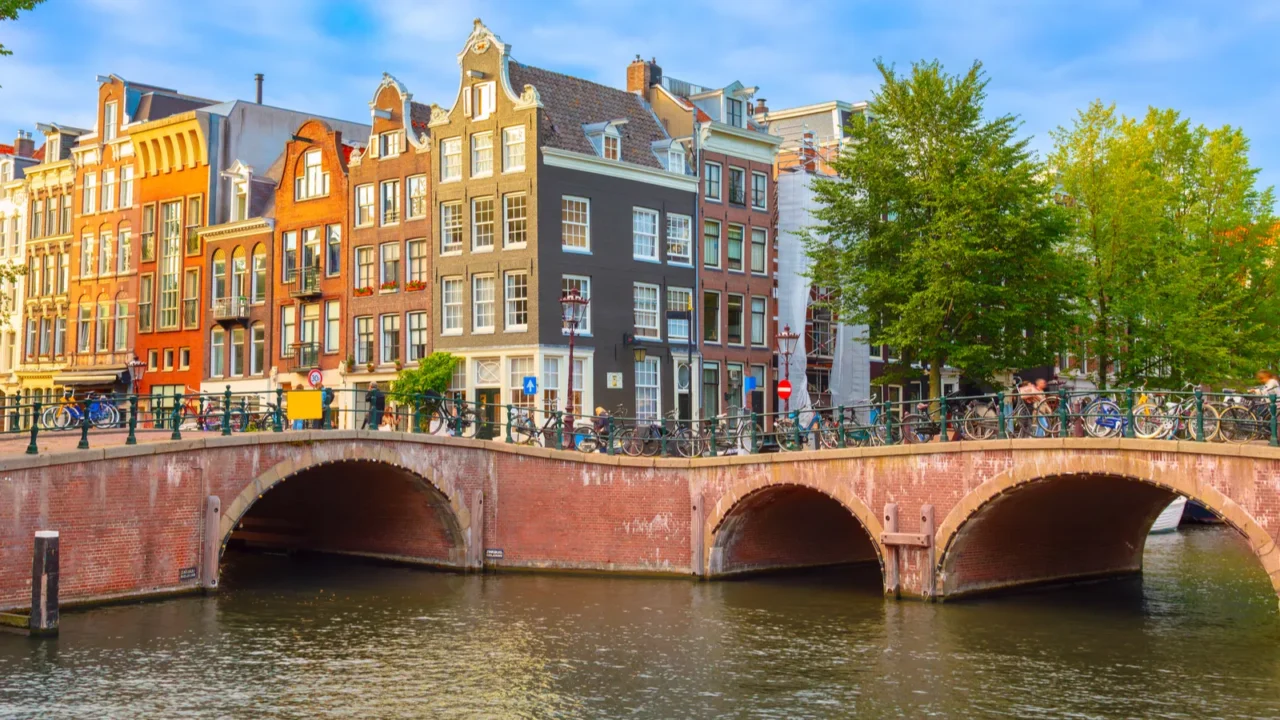
Amsterdam draws a line
Amsterdam has always welcomed travelers, but the city reached a breaking point with disruptive tourism. Loud parties, public drinking, and unsafe behavior began clashing with daily local life. City officials responded with stricter rules, signaling a clear shift.
These changes are not about stopping travel but reshaping it responsibly. Visitors are now entering a city that expects respect, not chaos. The story behind these rules reveals a deeper transformation, so let’s dive in!
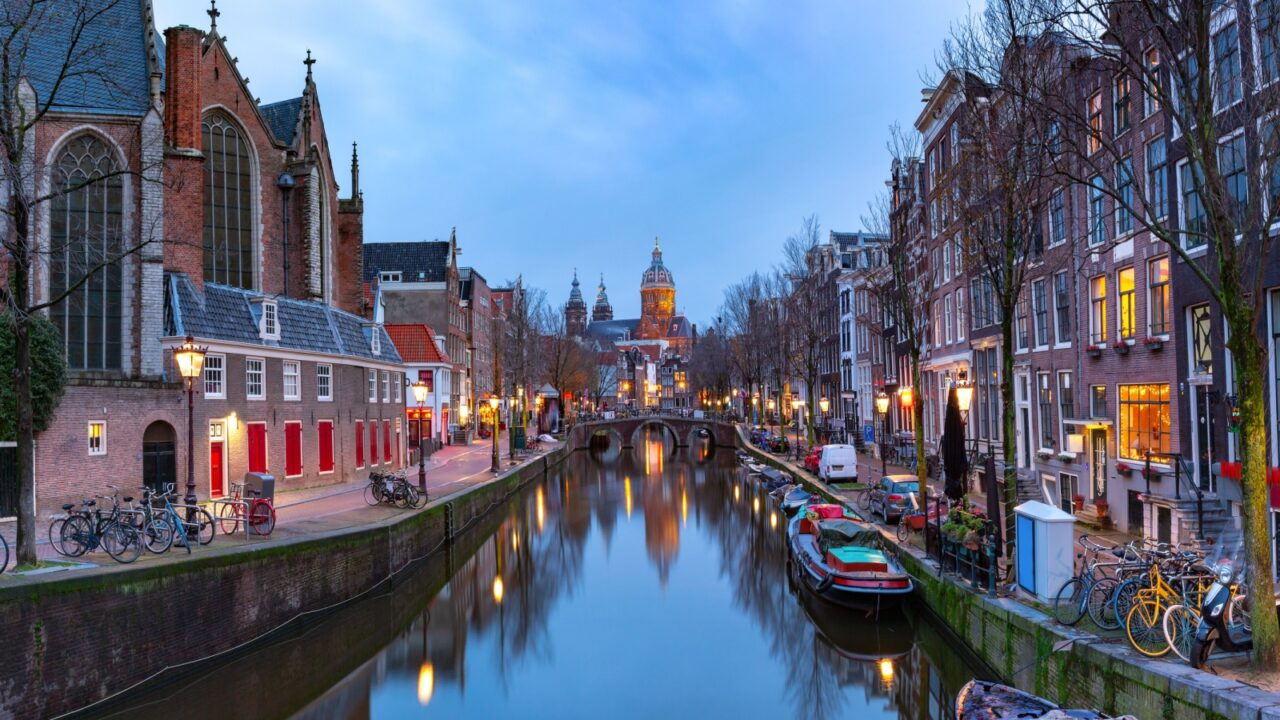
Why rules tightened now
Amsterdam experienced a sharp increase in nuisance complaints following the travel rebound. Neighborhoods like De Wallen and Leidseplein experienced noise, vandalism, and unsafe late-night behavior. Residents pushed back, demanding stronger enforcement.
City leaders answered with stricter fines and active monitoring. The goal was restoring livability without losing cultural appeal. Tourism needed boundaries to coexist with everyday city life.
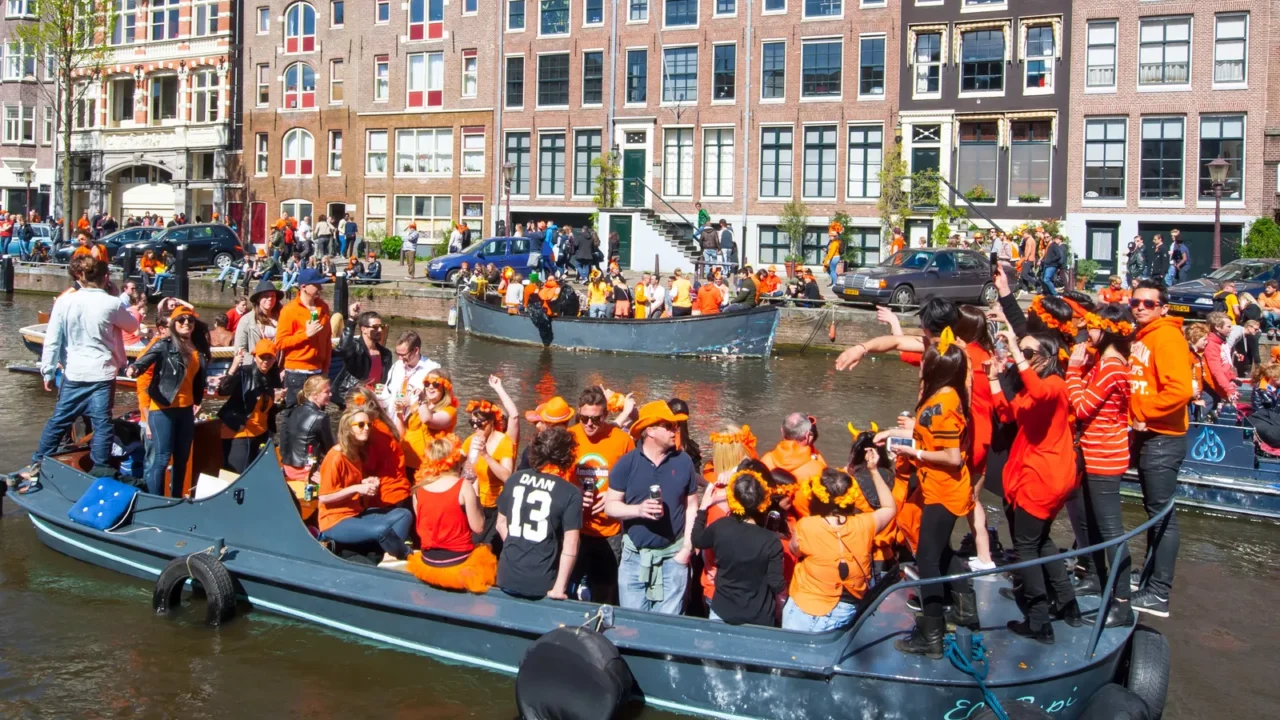
Fines that grab attention
Amsterdam increased fines for public drinking, urination, and disorderly conduct. Penalties can reach hundreds of euros for behavior once brushed aside. These fines apply immediately, often issued on the spot.
This approach changed how visitors move through nightlife zones. Behavior once tolerated is now actively discouraged. The city made it clear that rules apply to everyone equally.
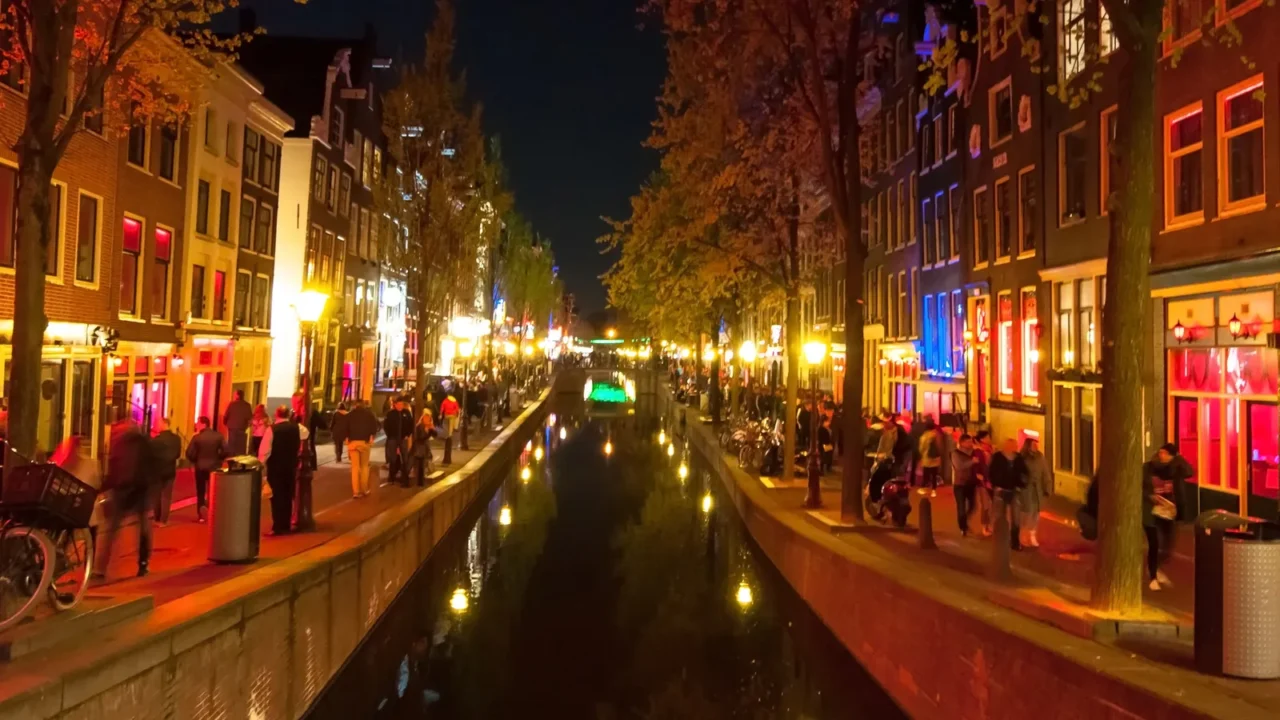
De Wallen under watch
The Red Light District remains one of Amsterdam’s most visited areas. It is also one of the most closely monitored zones in the city. Cameras, patrols, and crowd control measures are now routine.
Smoking restrictions and group size limits help reduce congestion. Visitors still explore the area, but movement feels more controlled. De Wallen now prioritizes safety over spectacle.
Technology plays a role
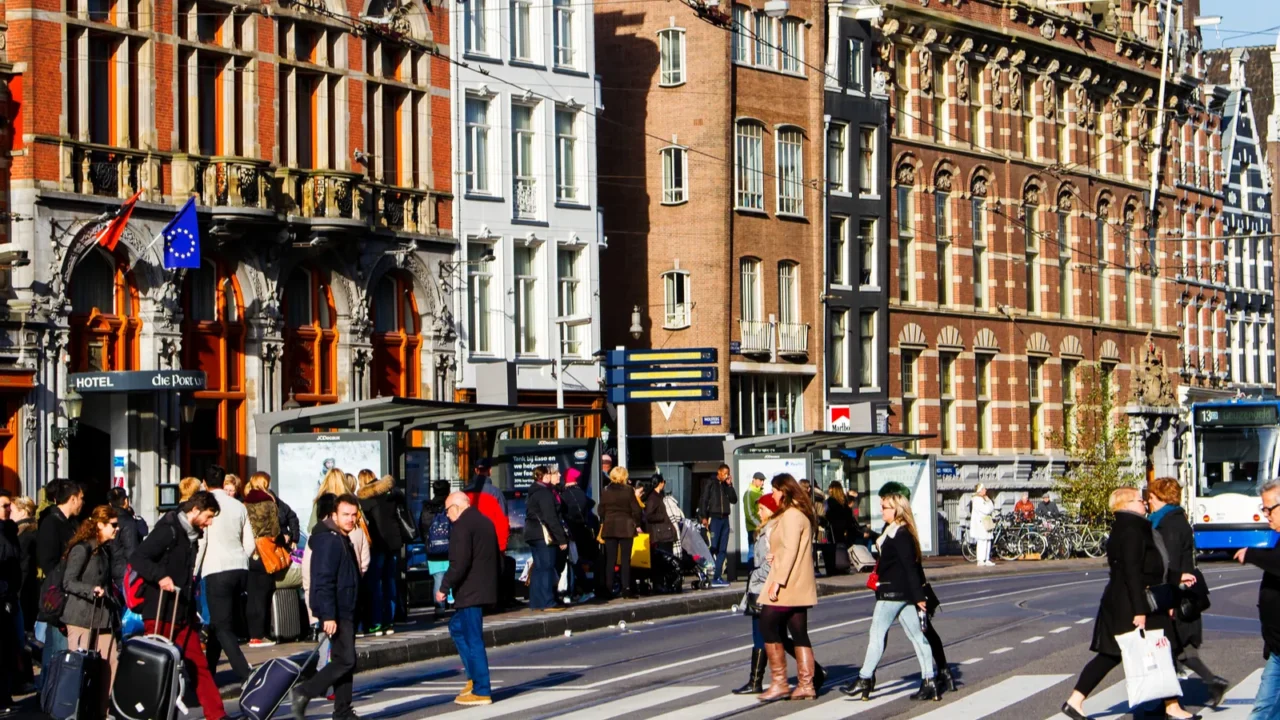
Amsterdam uses smart surveillance to track crowd density in busy districts. Sensors and cameras help authorities respond before situations escalate. This allows faster intervention without heavy-handed policing.
Data-driven monitoring protects both residents and travelers. Busy weekends are managed more predictably. Technology quietly supports quieter streets.

Party tourism discouraged openly
The city launched campaigns directly targeting disruptive party tourism. Messaging at airports and online warns against excessive drinking and antisocial behavior. Some ads are intentionally blunt.
This approach reshaped expectations before arrival. Travelers understand Amsterdam is not a free-for-all. The city’s tone has become firm but transparent.
Short stay rules tightened
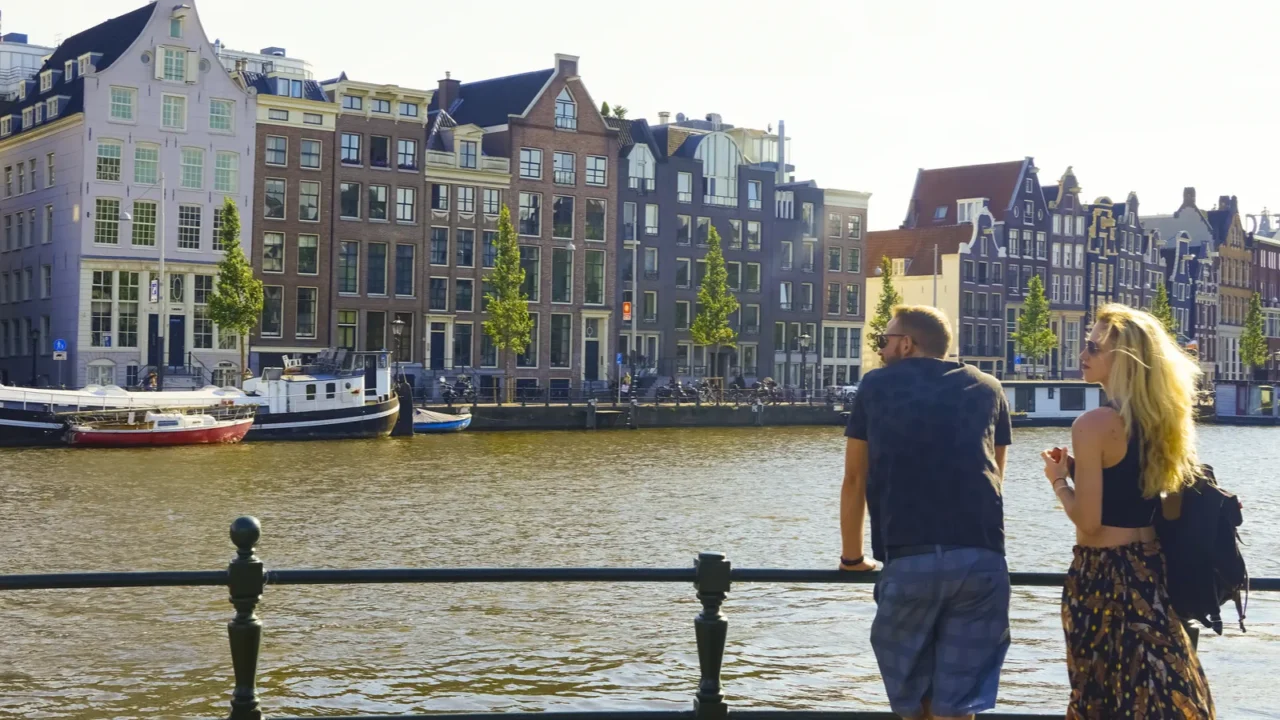
Amsterdam also tightened rules around short-term rentals. Fewer permits are issued in central neighborhoods. This limits overcrowding linked to party-focused stays.
Housing availability improved for residents. Tourist pressure spread more evenly across districts. Regulation supports both livability and long-term tourism health.
Public spaces feel calmer
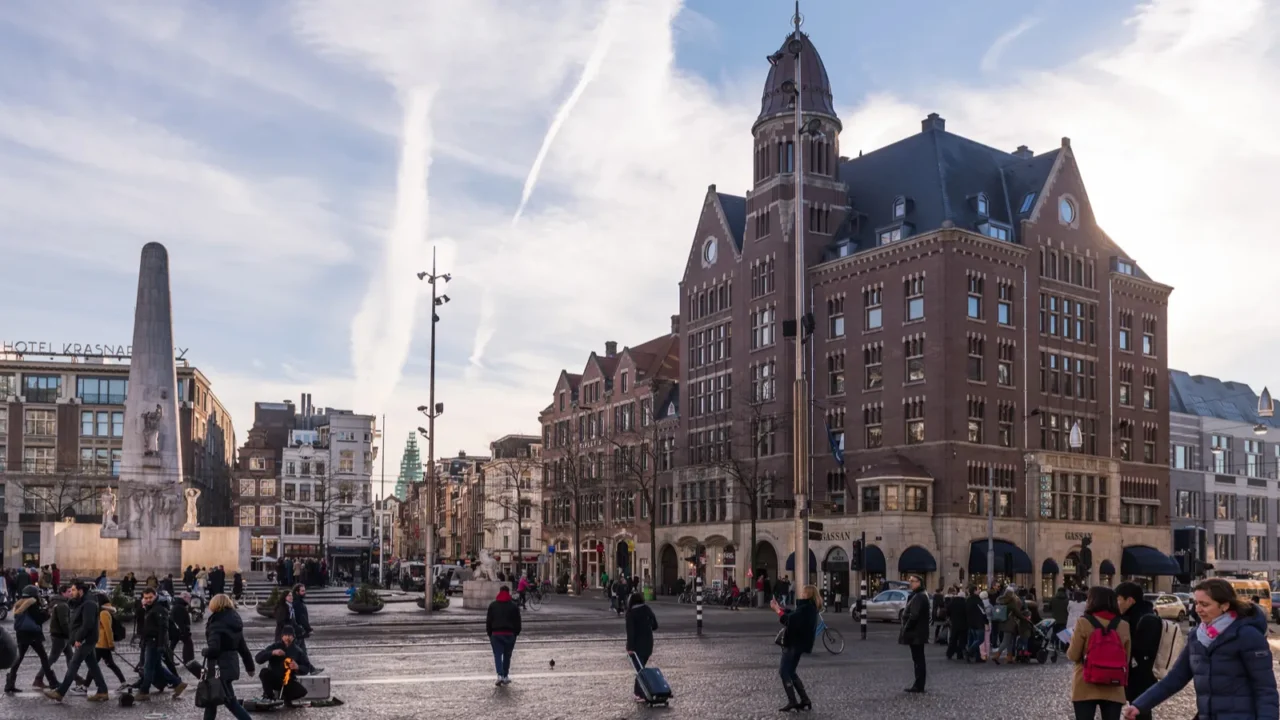
Areas like Dam Square and Rembrandtplein feel noticeably different. Increased enforcement reduced late-night disturbances. Streets feel safer and less chaotic.
Local businesses adjusted operating hours. Outdoor spaces regained balance. Calm became part of the city’s appeal again.
Visitors adapt quickly
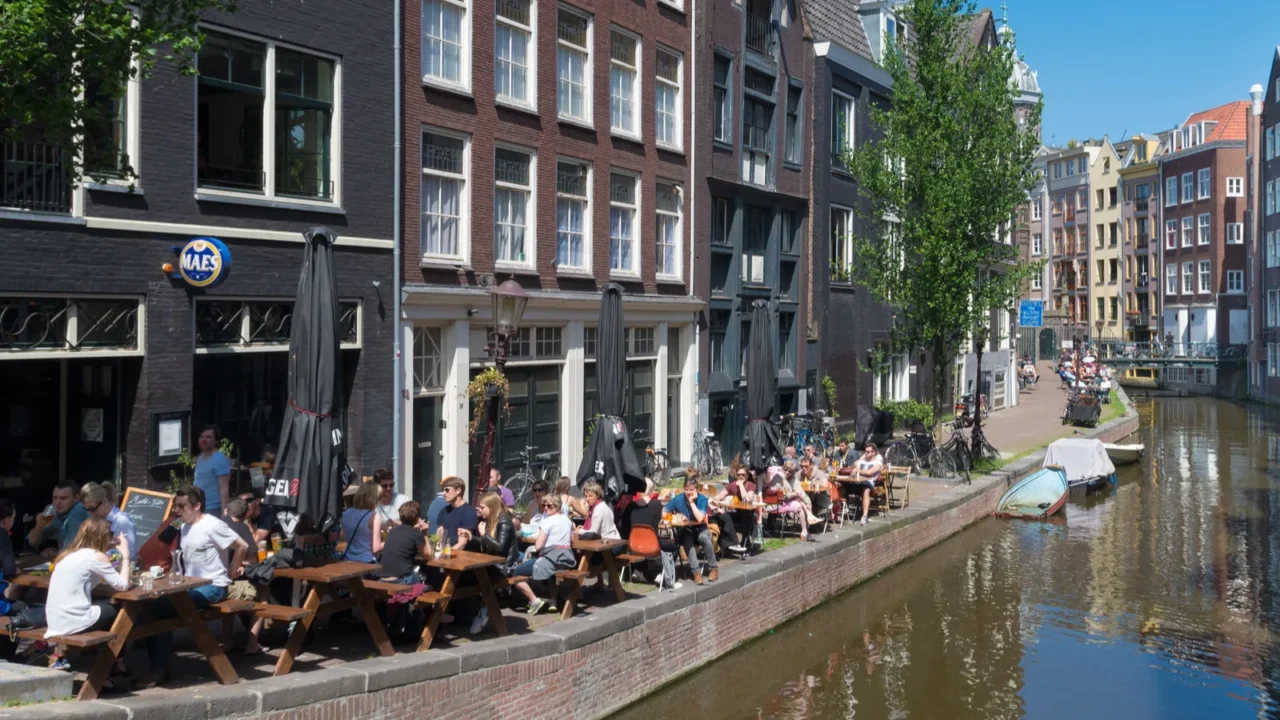
Most travelers adjust easily to the new rules. Clear signage and visible enforcement set expectations early. Confusion is minimal when consequences are clear.
Respectful behavior improves shared experiences. Museums, canals, and cafes feel more enjoyable. The city benefits from mindful exploration.
Local support strengthens policies
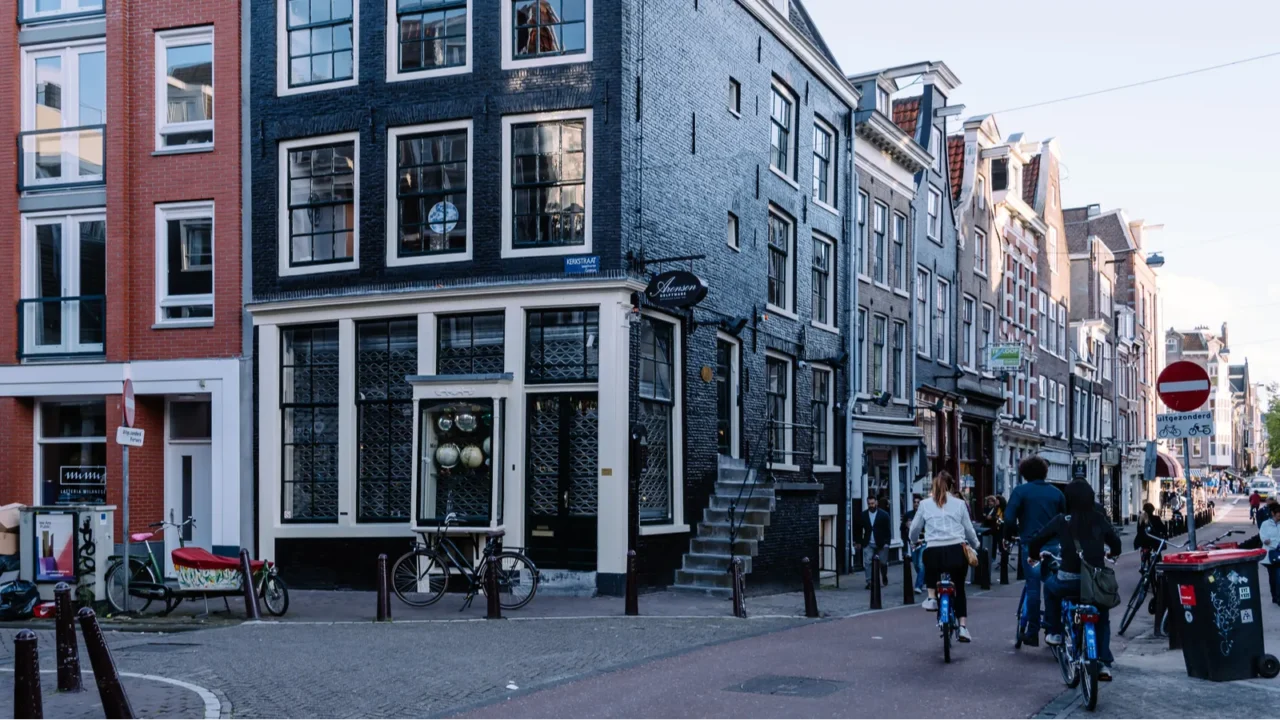
Residents largely support stricter enforcement. Neighborhood feedback shaped many of the new measures. Community well-being became central to tourism planning.
This alignment helps policies stick. Enforcement feels purposeful rather than punitive. Amsterdam’s social contract feels restored.
Other cities watching closely
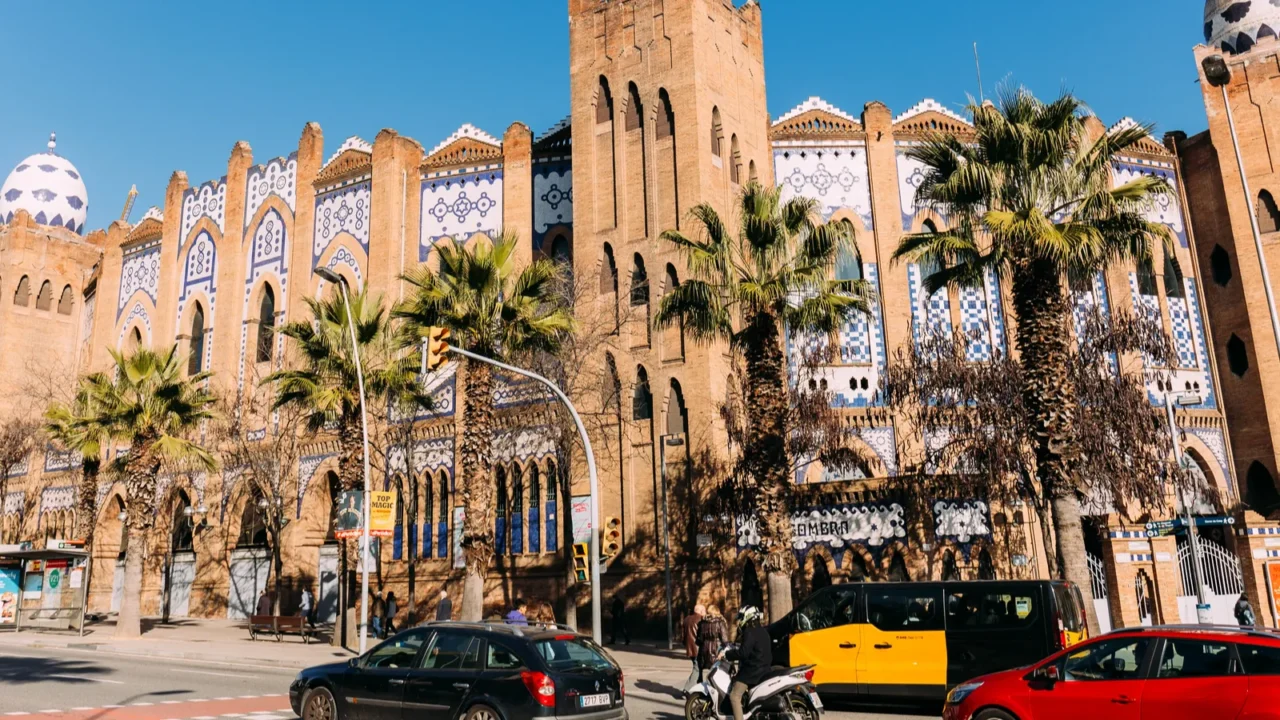
Cities like Barcelona and Prague monitor Amsterdam’s approach closely. Stricter behavior control offers a potential blueprint. Urban tourism faces similar challenges across Europe.
Amsterdam’s experience shows regulation does not kill appeal. It refines it. Responsible travel becomes the new norm.

A cultural shift underway
Amsterdam’s message is about respect, not restriction. Travelers are encouraged to engage with art, history, and local life rather than excess-driven nightlife. This shift reflects how a top European city cracks down on holiday rentals as travelers face new rules.
This shift reshapes the city’s global image. Culture leads over chaos. The experience feels more authentic.
Travel with awareness
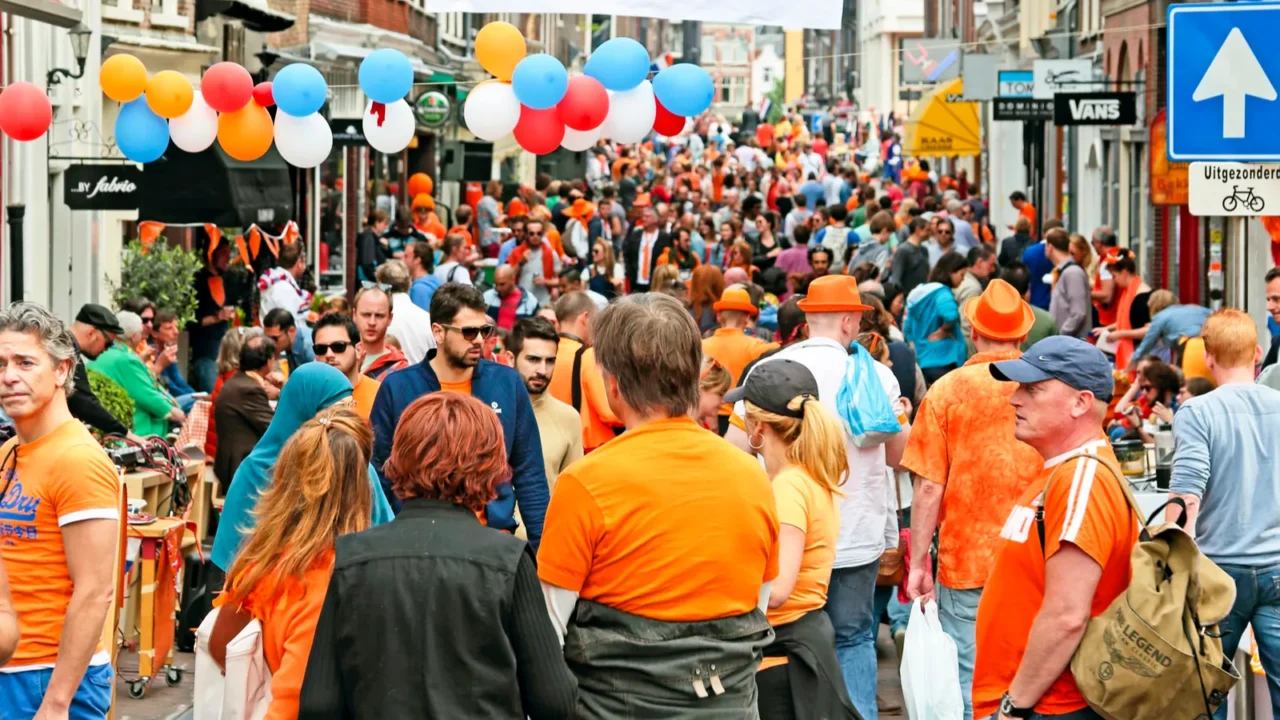
Amsterdam proves cities can protect their soul without closing their doors. Clear rules create better experiences for everyone involved. Tourism thrives best when boundaries exist.
Respectful travel keeps cities vibrant and livable. Amsterdam chose balance over burnout. Do stricter rules improve destinations, or limit freedom? Share thoughts below.
This slideshow was made with AI assistance and human editing.
Don’t forget to follow us for more exclusive content right here on MSN.
Read More From This Brand:
