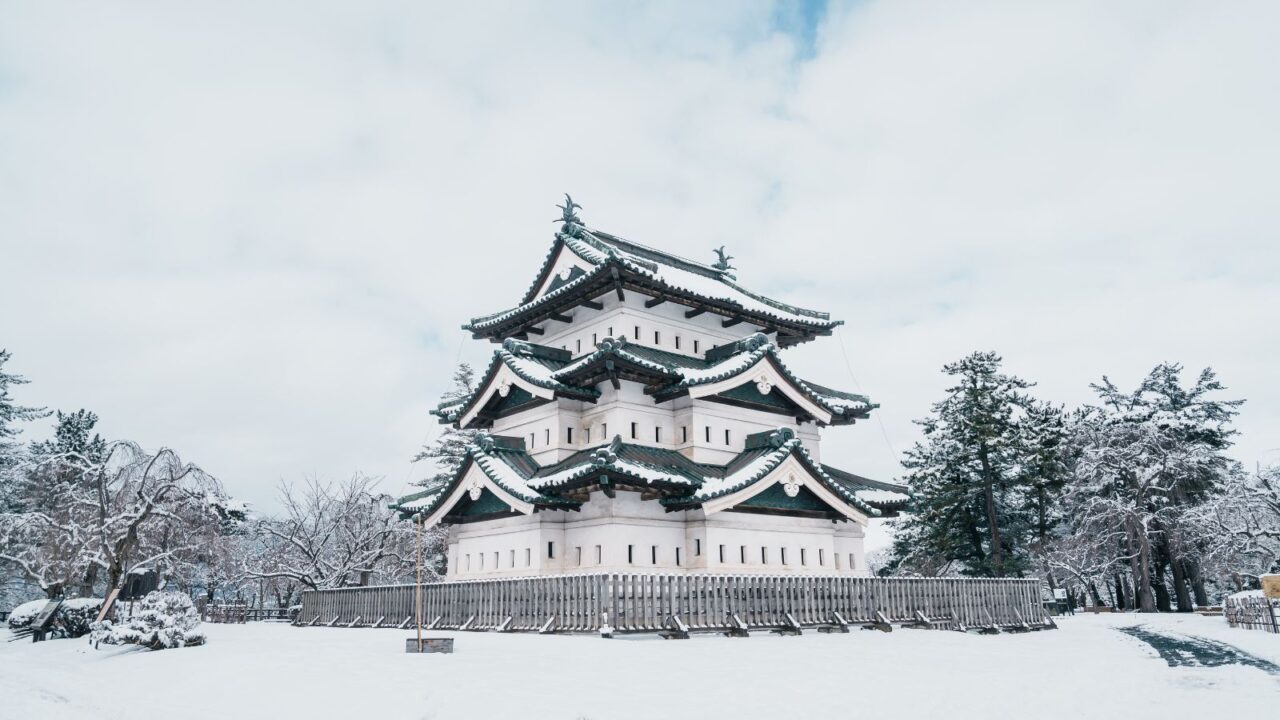
Aomori, the snow capital of the world
Aomori, Japan, gets more snow than any major city on Earth, averaging over 300 inches every winter, which is more than many U.S. ski resorts receive. The city sits between two cold-weather zones, which makes snowfall pile up fast during peak winter. Its unique location near the Sea of Japan helps create nonstop snowy days.
Locals are used to heavy snow and move through winter like it’s part of normal life. Roads, schools, and daily routines continue even in blizzard conditions. Visitors are often surprised by how efficiently the city stays open through the stormiest weeks.
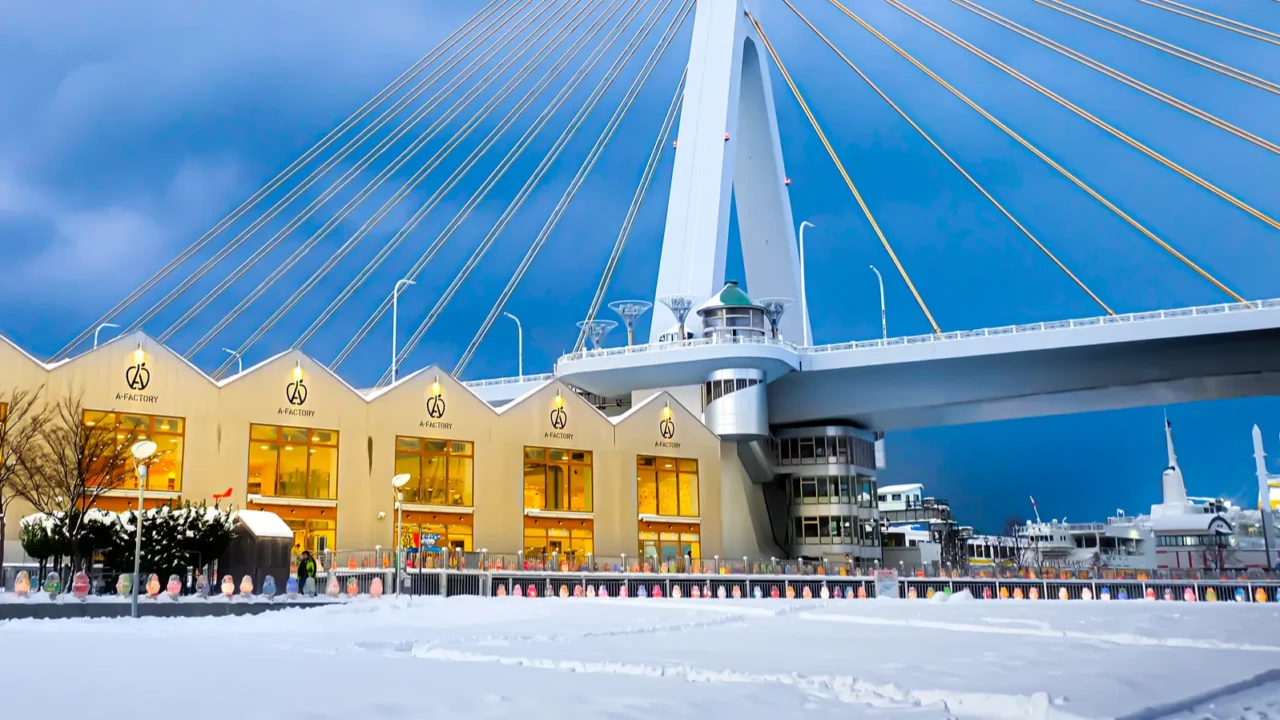
The science behind Aomori’s record snow
Aomori’s snow is caused by strong “sea-effect” storms that happen when icy winds blow across the Sea of Japan and pick up moisture. The cold Siberian air quickly turns that moisture into heavy snow once it reaches northern Honshu. This effect becomes stronger during extreme cold spells in January.
When this process repeats day after day, the snow can pile up higher than cars and small buildings. Aomori’s mountains also trap snow clouds, causing even more accumulation. Winter travelers often say the snowfall feels almost constant, even on calm days.

Life doesn’t slow down here
Even with some of the world’s heaviest snowfall, people in Aomori continue working, studying, and commuting with almost no delays. Snow removal teams work around the clock to keep major streets open. The city prepares months ahead to avoid winter shutdowns.
Children walk to school through snow tunnels carved by plows, and buses still run their regular schedules. Winter becomes a normal part of life rather than a disruption. Many residents say they don’t even own umbrellas—they’re used to brushing snow off as they go.
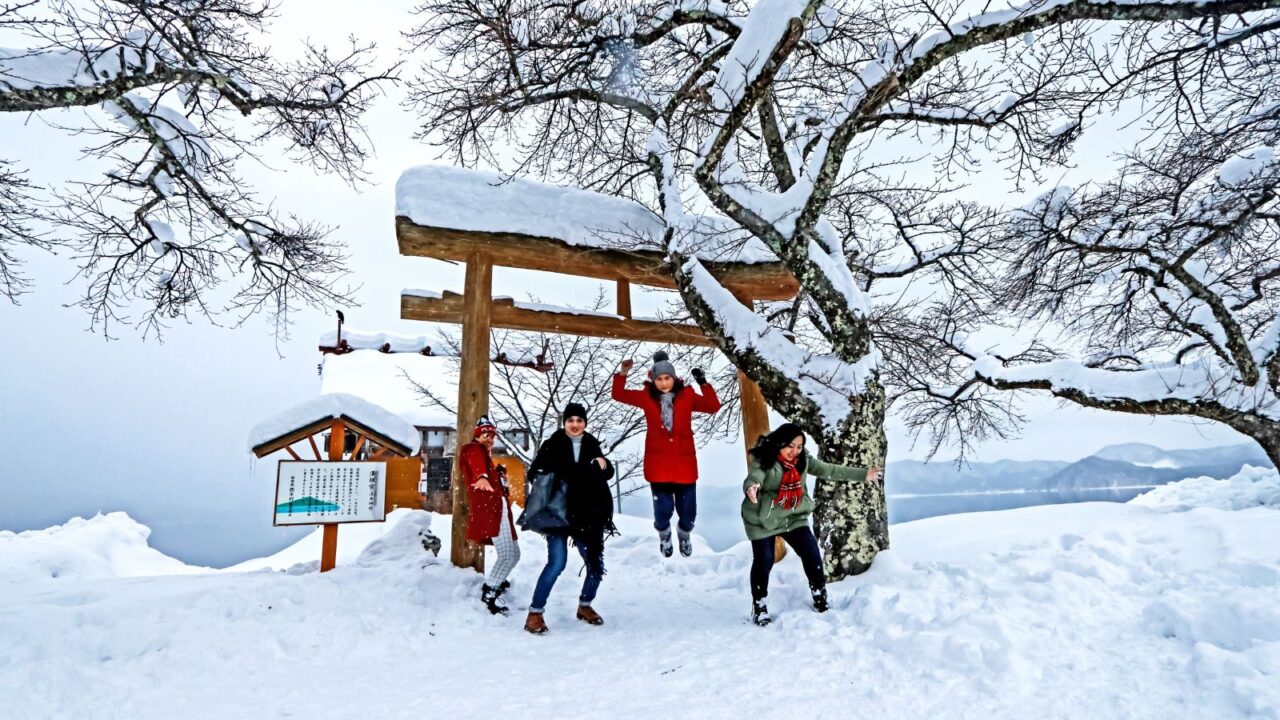
A winter wonderland for travelers
Aomori’s heavy snow turns the city into a magical winter landscape that draws visitors from around the world. Thick white blankets cover parks, rooftops, and forests, creating postcard-perfect views everywhere you go. The scenery feels peaceful even when the snowfall is intense.
Winter travelers come for photography, winter hiking, and snow festivals that light up the cold season. Many say Aomori offers a calmer, more authentic experience compared to crowded ski towns. It’s one of the few places where you can enjoy deep snow without feeling rushed.
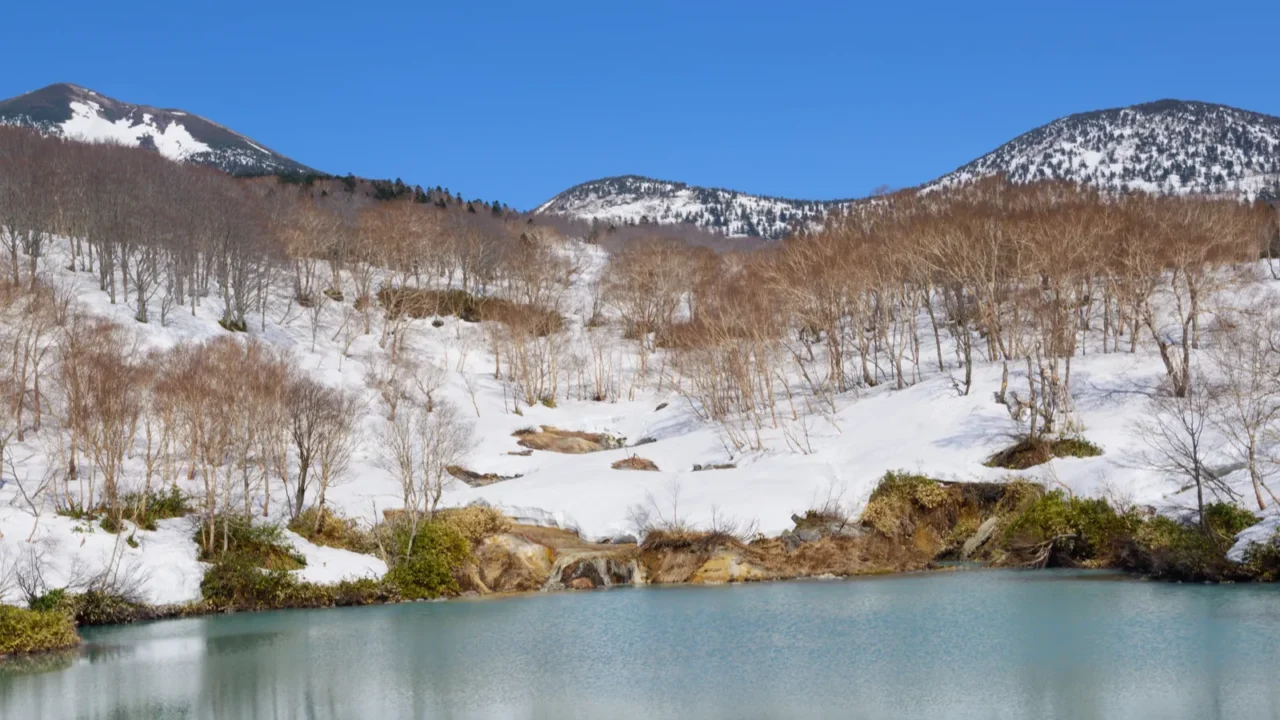
Hakkōda Mountains, the heart of deep snow
The Hakkōda Mountains, located just outside Aomori City, are famous for extreme snowfall and icy winter landscapes. This area regularly records some of the deepest snow in Japan thanks to the region’s strong winter storms. Some peaks stay covered in snow until late spring.
The mountains attract hikers, photographers, and winter adventure seekers. Visitors can ride the Hakkōda Ropeway to the summit and take in incredible snowy views. Clear days offer rare looks across the entire northern coastline.
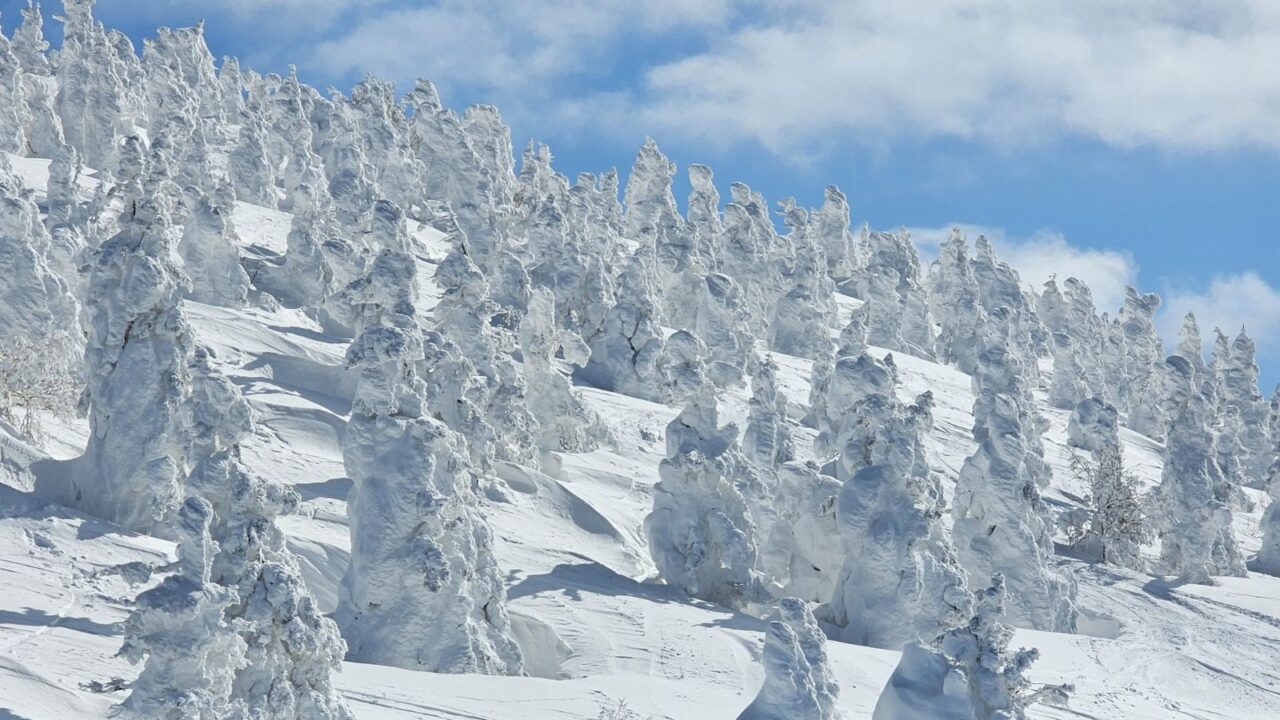
The mysterious “snow monsters”
One of Aomori’s most unique sights is the “snow monsters,” or juhyō, trees completely buried and frozen into strange shapes. These formations occur when icy winds coat the trees with layers of frost and snow. The effect becomes strongest during mid-winter storms.
Visitors can see these formations in the Hakkōda Mountains between January and March. They create an otherworldly landscape that feels like stepping onto another planet. Many travelers come just to photograph these rare winter shapes.
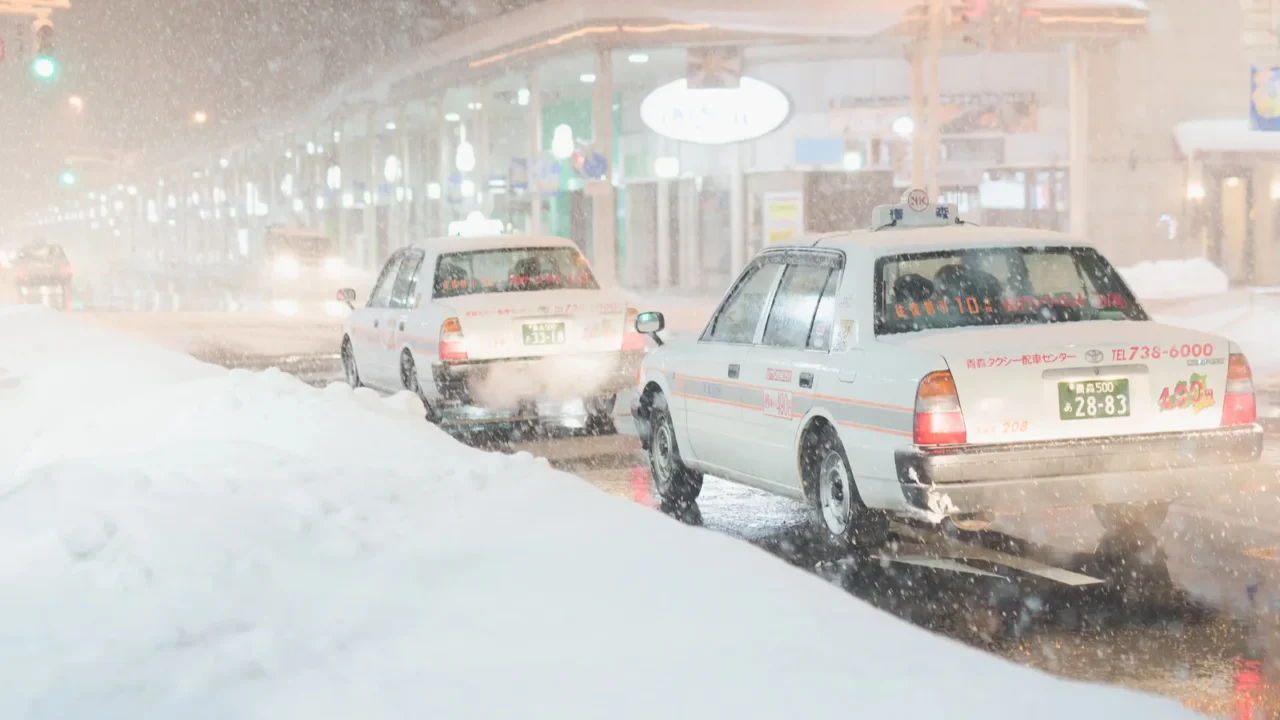
Snow removal is a massive operation
Aomori spends millions of dollars each winter to keep roads, sidewalks, and public spaces clear. The city uses snow-melting pipes, heated sidewalks, and high-powered plows to handle nonstop snowfall. Crews rotate in shifts to manage peak storm days.
Residents also help by clearing doorways and keeping paths walkable. Without this cooperation, the city would slow down fast. Despite the huge workload, Aomori rarely experiences long winter closures.
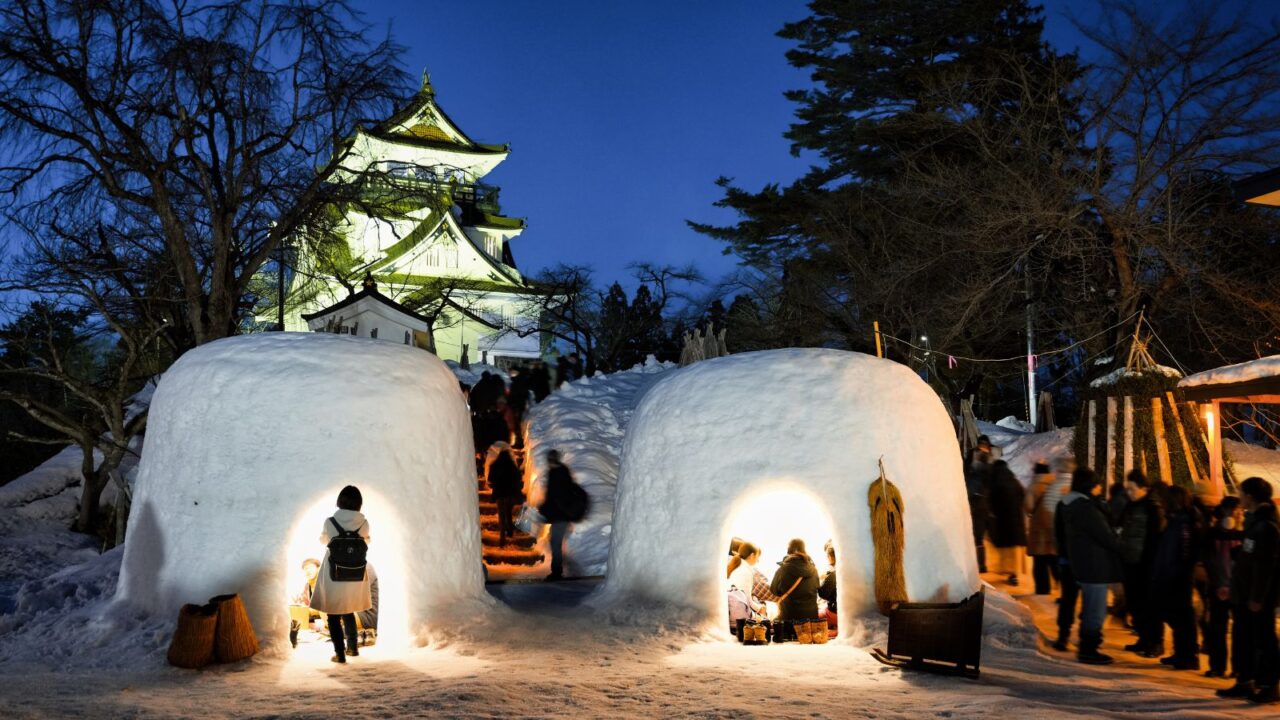
Aomori’s snow festivals shine bright
Aomori celebrates winter with festivals featuring light displays, lanterns, and live performances. These events bring the community together and highlight the beauty of the snowy season. Local artists spend weeks preparing designs for the winter shows.
Visitors can enjoy warm street food, glowing displays, and outdoor celebrations even in the middle of winter. The atmosphere feels cheerful and cozy despite the cold. These festivals give travelers a fun way to experience Aomori’s winter culture.
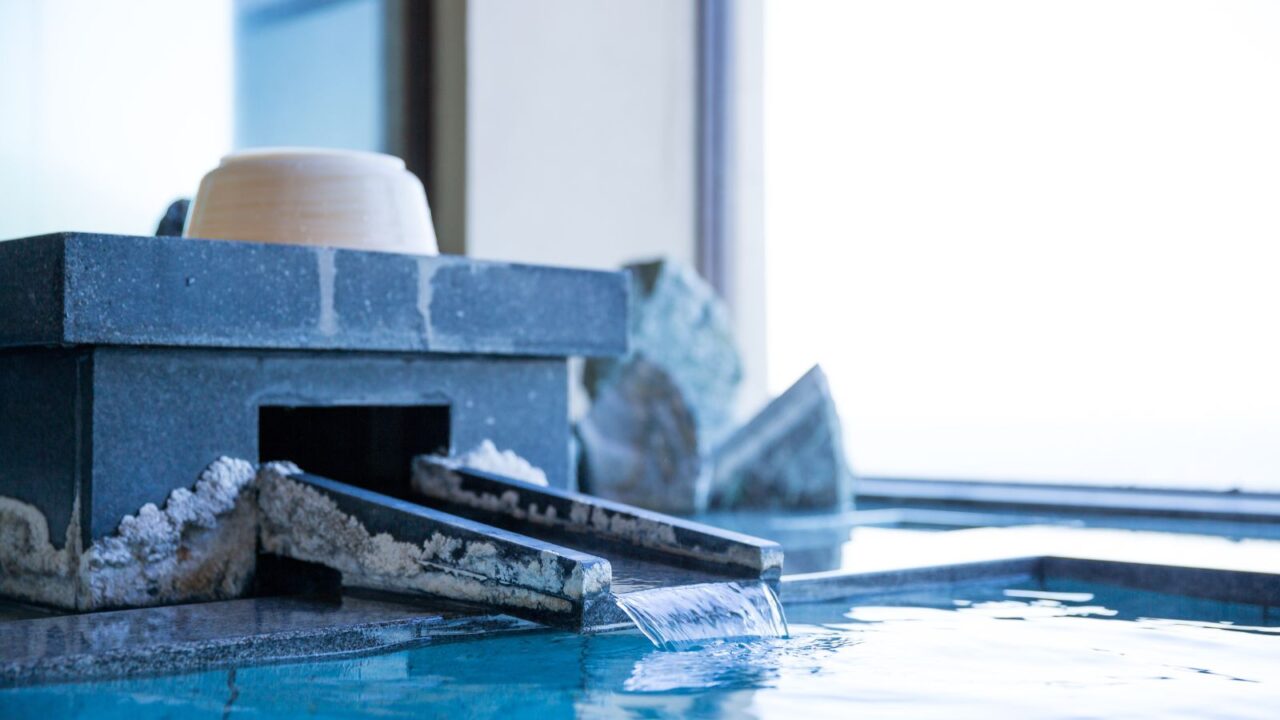
Hot springs feel even better in the snow
Aomori is home to natural hot springs, or onsens, where visitors can relax while surrounded by deep snow. The contrast between the warm water and cold air makes the experience unforgettable. Many onsens offer outdoor baths with mountain views.
These springs are popular with both locals and tourists seeking a peaceful escape from winter weather. Visiting an onsen is one of the best ways to enjoy Aomori after a day of exploring in the cold. Some onsens stay open late so guests can enjoy nighttime snowfall.

Winter seafood is the star of the season
Aomori’s cold waters bring in some of Japan’s freshest winter seafood, including tuna, scallops, and squid. Many travelers come specifically for seasonal dishes that taste best during the cold months. Local markets become busier once winter fishing picks up.
Restaurants serve warm soups and traditional meals that highlight the city’s coastal flavor. Winter dining becomes part of the travel experience, especially for food lovers. Fishermen say the quality improves when the sea temperature drops.
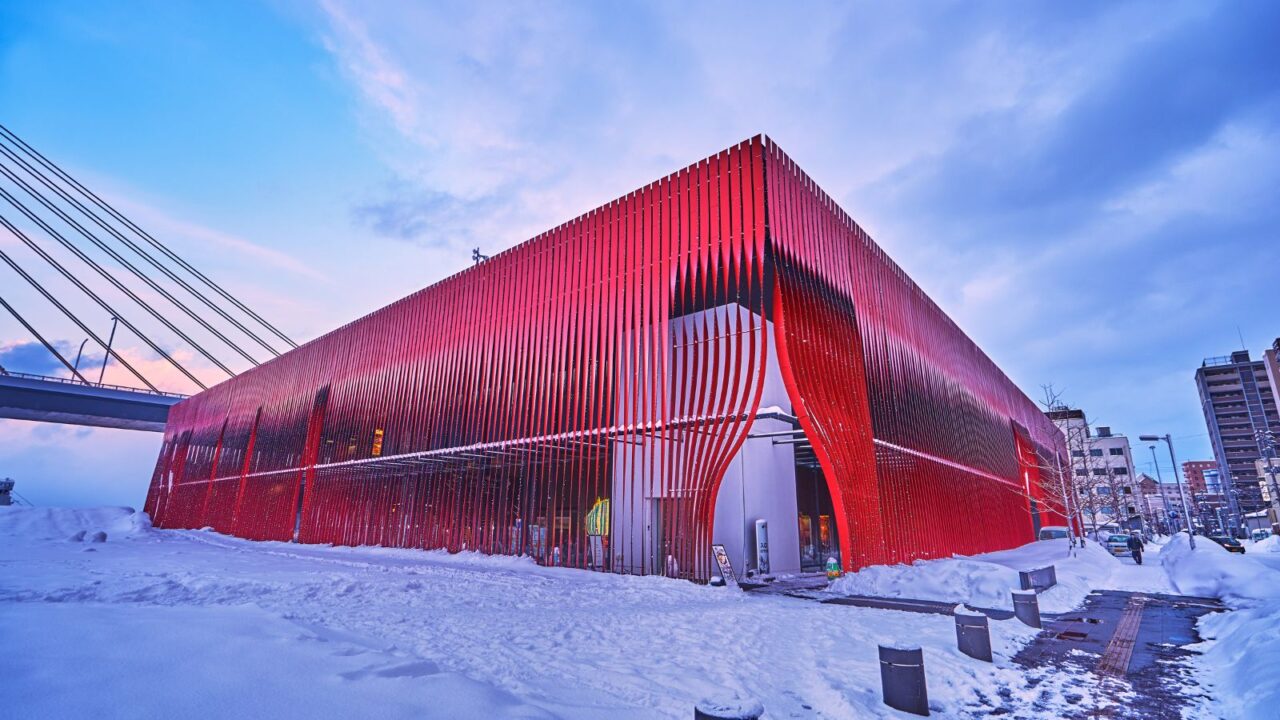
The Nebuta Museum is a warm escape
The Nebuta Museum Wa Rasse showcases Aomori’s iconic summer festival floats, offering a colorful break from the snowy streets. It’s one of the city’s most popular year-round attractions. Visitors often stop here to warm up between outdoor activities.
Inside, you can see the giant illuminated floats and learn about the history of the festival. The museum adds fun variety to winter trips, giving travelers a cultural experience without braving the cold. The bright displays feel extra striking against the winter season.
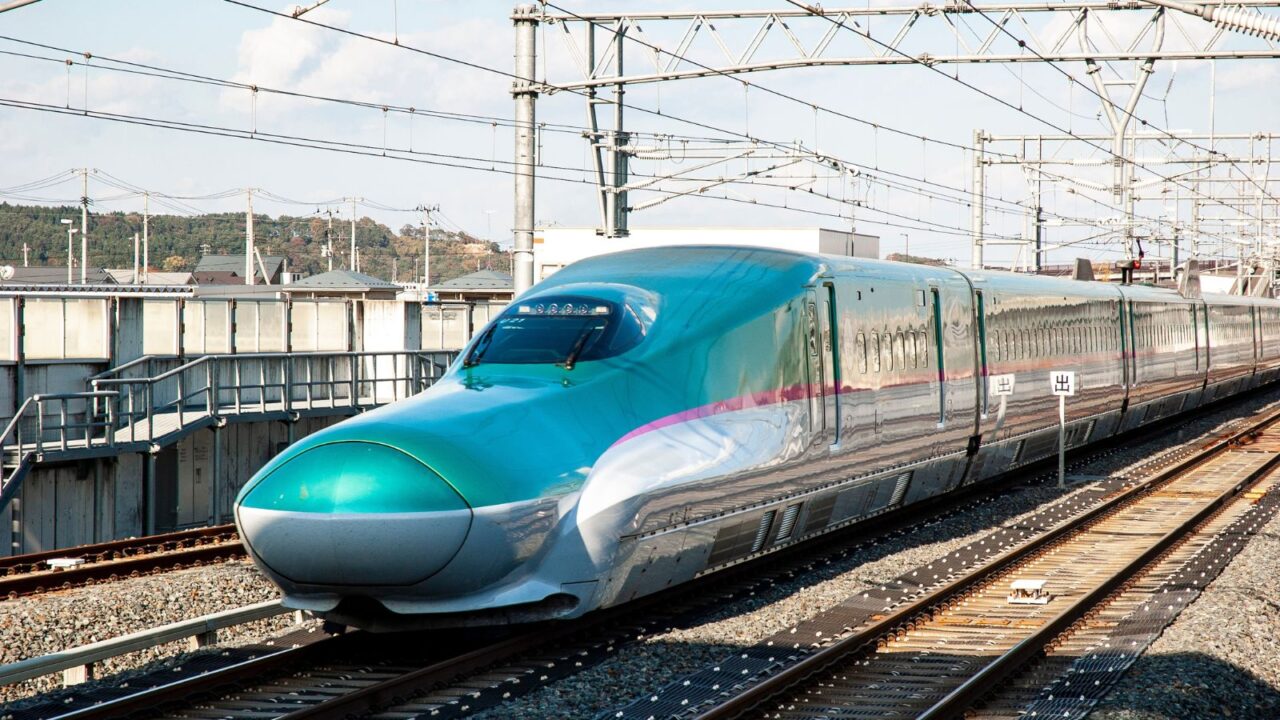
Snow trains keep the city moving
Aomori’s train system continues running even in deep winter thanks to heated tracks and snow-clearing equipment. This makes it easy for visitors to travel between Aomori, Hirosaki, and nearby towns. Rail workers prepare early for incoming storms.
The scenic winter train routes offer beautiful views of snow-covered landscapes. Travelers say the ride feels peaceful and slow-paced, perfect for relaxing between activities.
Ready for another breathtaking escape? Discover the turquoise gem hidden beneath the tallest snowcapped peak in the Rockies.
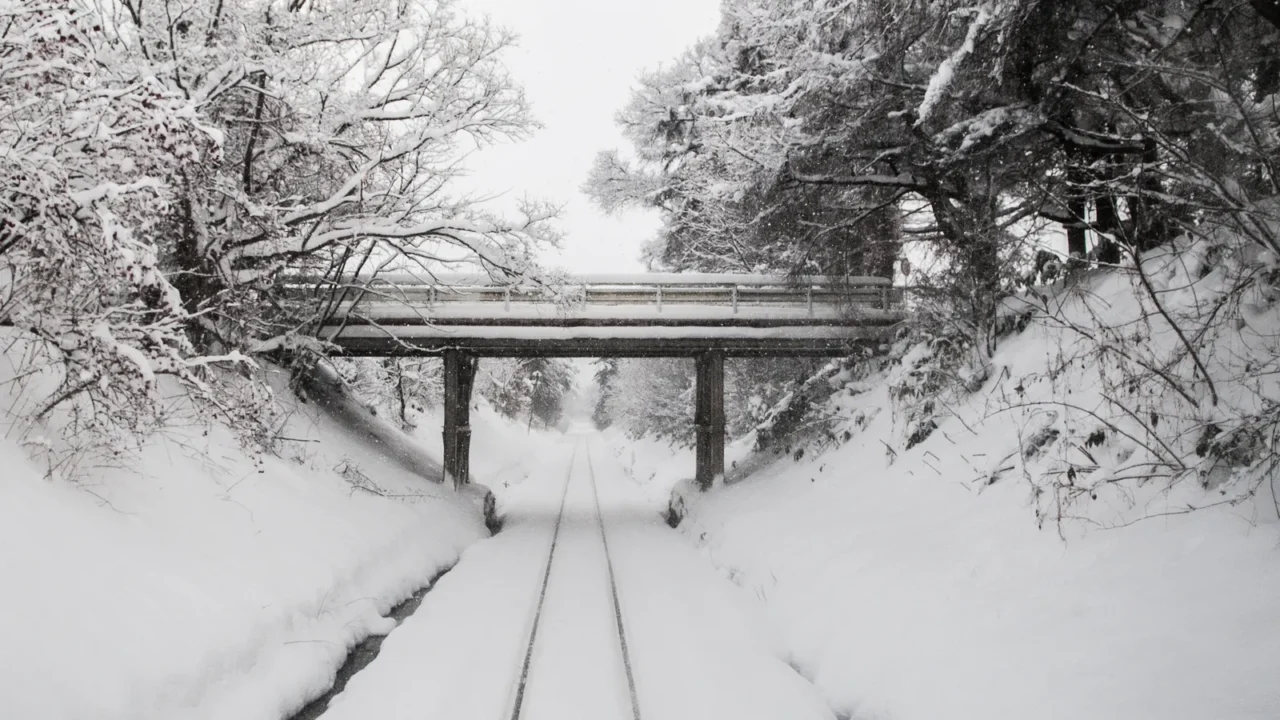
A peaceful winter atmosphere
Despite the heavy snowfall, Aomori stays calm, quiet, and comforting during winter. The city’s slow rhythm creates a peaceful atmosphere that many travelers appreciate. The snow naturally softens the sounds of daily life.
Walking around the city feels cozy and relaxing, especially in the early morning when everything is covered in fresh snow. Even busy areas feel gentle under the thick winter blanket. Many visitors say it’s the quietest winter city they’ve ever experienced.
Want more insider glamour? Step into the Kardashians’ winter luxury playbook in Dubai and see how they turn every moment into a headline-worthy getaway.
Would you ever visit the snowiest city on Earth? Tell us in the comments.
Read More From This Brand:
- Kyoto hikes tourist tax by 900% starting in 2026. Would you still visit?
- Las Vegas locals get big discounts as tourism declines
- Australia stays strong as a bright spot in U.S. tourism
Don’t forget to follow us for more exclusive content right here on MSN.
This slideshow was made with AI assistance and human editing.
