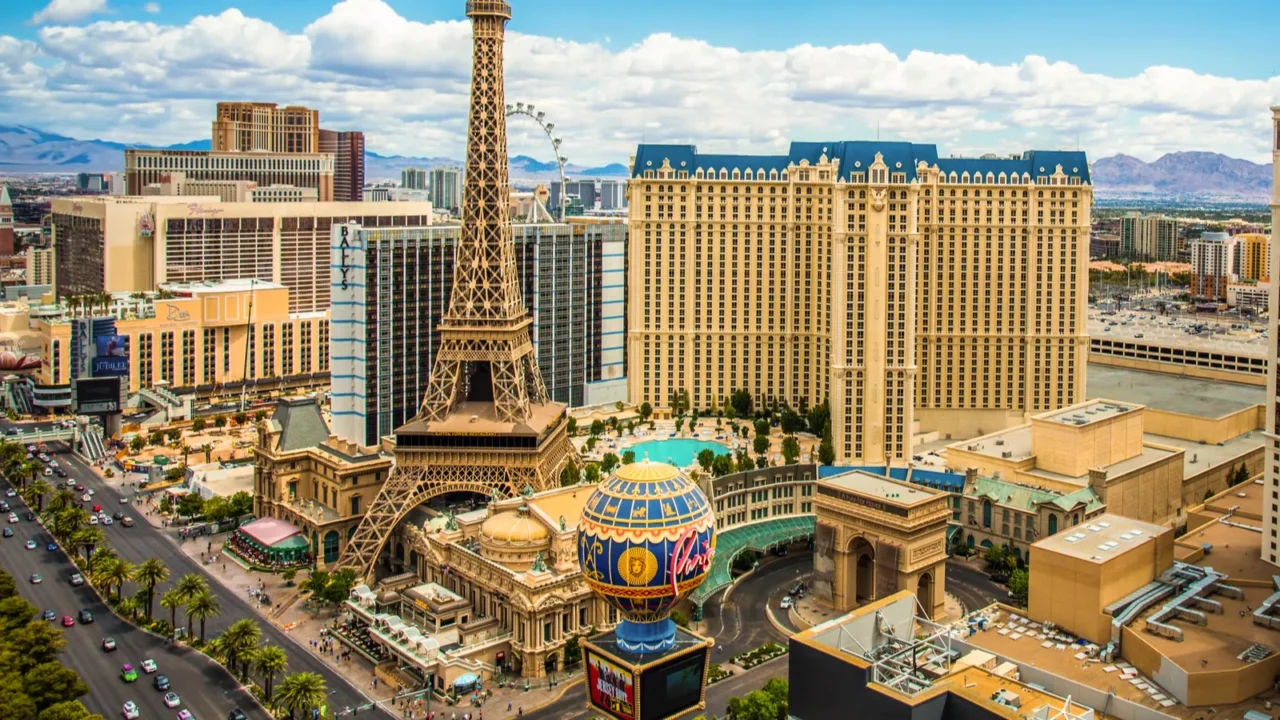
Las Vegas tourism recovery trends
Las Vegas visitor numbers have steadily recovered as hotel operations stabilize after pandemic disruptions. Industry data shows that staffing, room availability, and amenities are gradually returning to expected standards across major properties. The pace of recovery varies by property tier and visitor demand patterns.
Hotels across Las Vegas are adjusting to new demand cycles driven by events and weekend travel surges. Service levels are improving, though some areas still reflect ongoing labor adjustments. The question now is whether Las Vegas has reached a true operational balance.
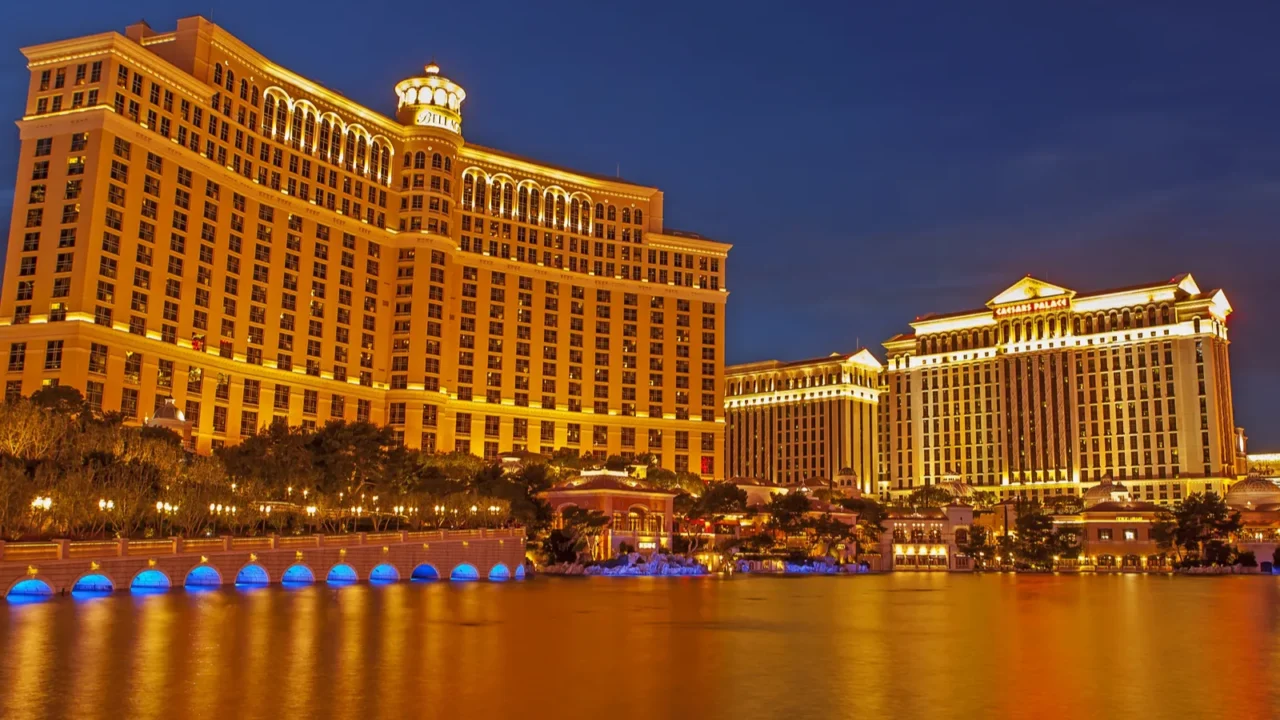
Staffing levels gradually improving
Las Vegas hotels continue rebuilding teams after widespread layoffs during travel shutdowns. Hiring has picked up across front desk operations, housekeeping, and food service roles. Managers report more consistent staffing compared to earlier recovery phases.
Las Vegas staffing levels still fluctuate during major conventions and peak weekends. Some properties rely on flexible scheduling to manage sudden demand spikes. This approach helps maintain service quality while controlling labor costs.
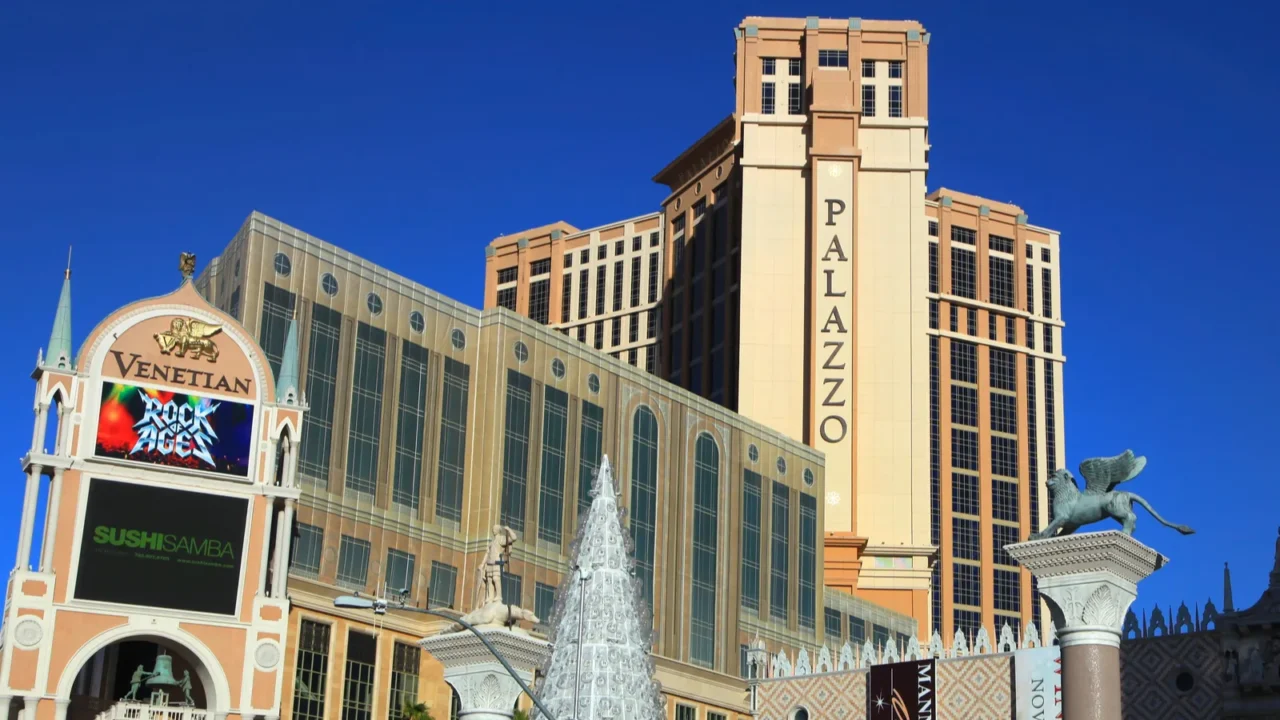
Housekeeping services returning
Las Vegas hotels had reduced daily housekeeping during the pandemic to cut costs. Many properties are now restoring daily cleaning services, especially in higher-end resorts. Guests increasingly expect full-service experiences again.
Las Vegas operators are balancing expectations with operational efficiency. Some mid-range hotels still offer limited cleaning schedules unless requested. The shift shows how service standards are evolving rather than fully reverting.
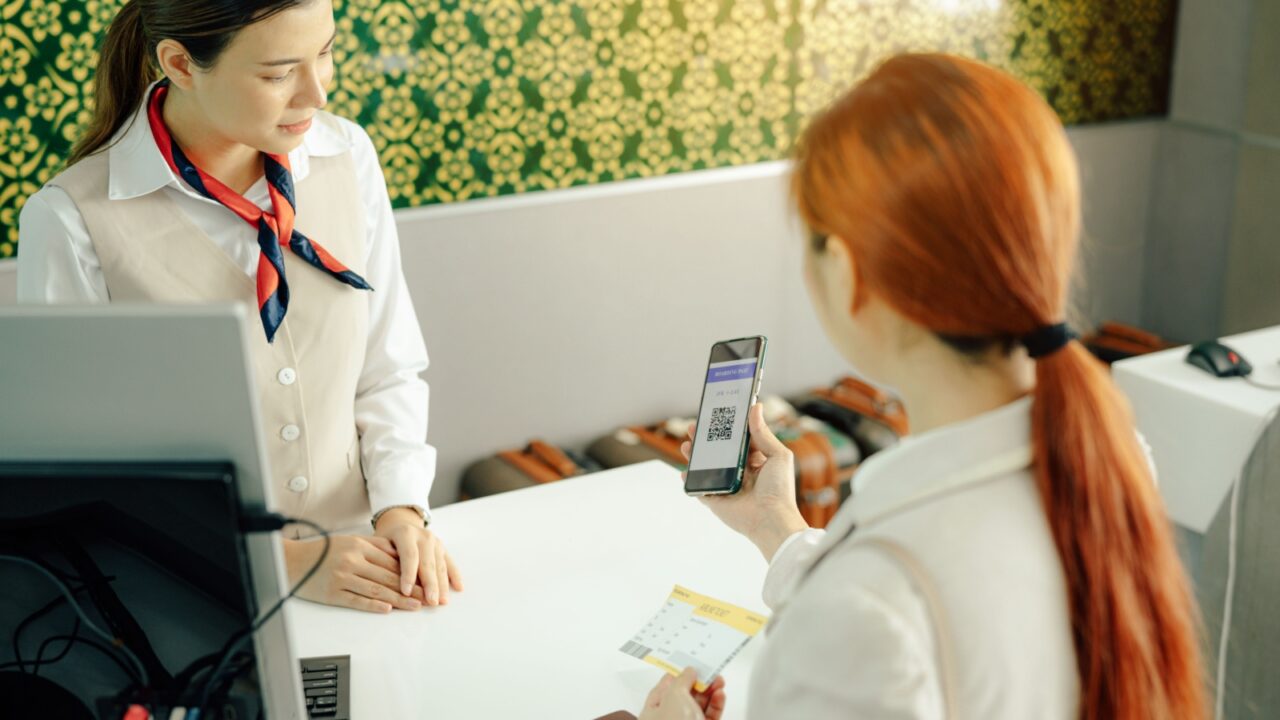
Check in experience changes
Hotel check-in processes in Las Vegas have changed significantly in recent years. Mobile check-in and digital keys are now widely available across major casino resorts. These tools help reduce wait times during busy arrival periods.
Front desk staffing has improved, but lines can still form during peak hours. Many hotels encourage digital options to streamline guest flow. The mix of technology and staffing defines the current guest experience.
Food service fully reopening
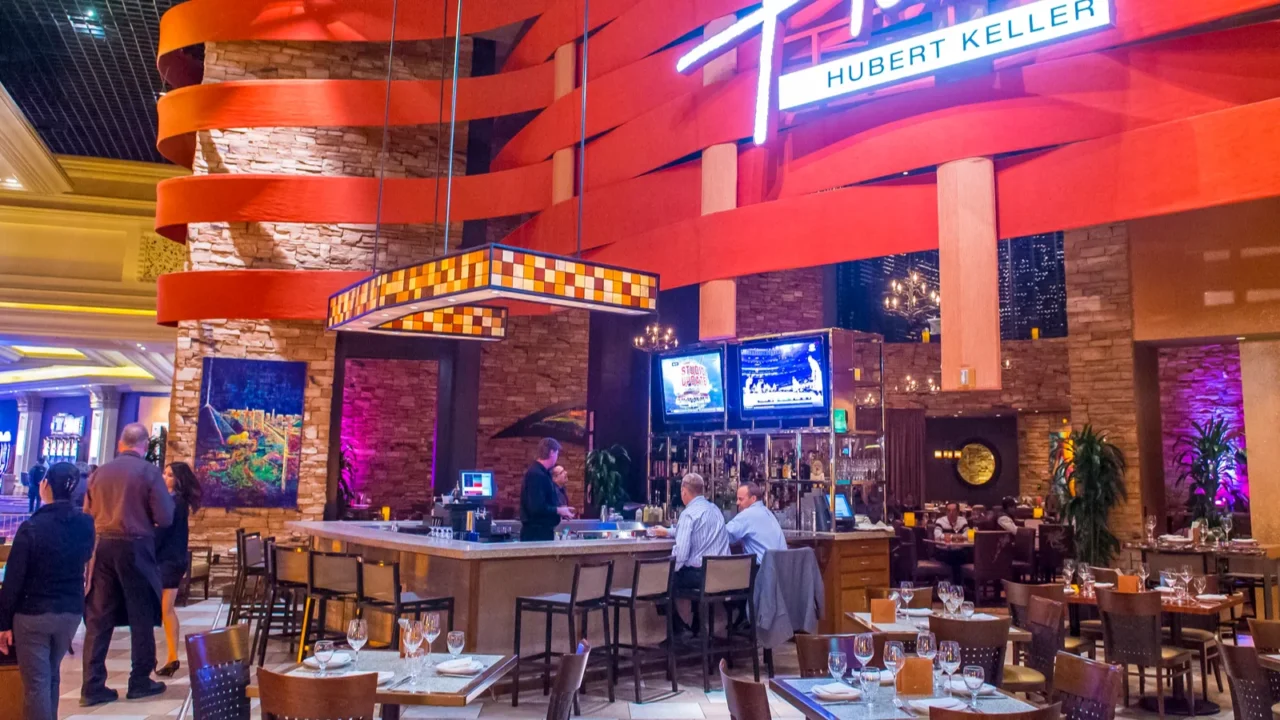
Restaurants inside Las Vegas resorts have largely returned to normal operations. Buffets, once paused or limited, are reopening with updated formats and pricing models. Dining variety remains a key part of the destination appeal.
Some venues operate with shorter hours due to staffing realities. High demand weekends often see full capacity and reservations filling quickly. Overall, food service availability has improved compared to earlier years.
Convention demand drives staffing
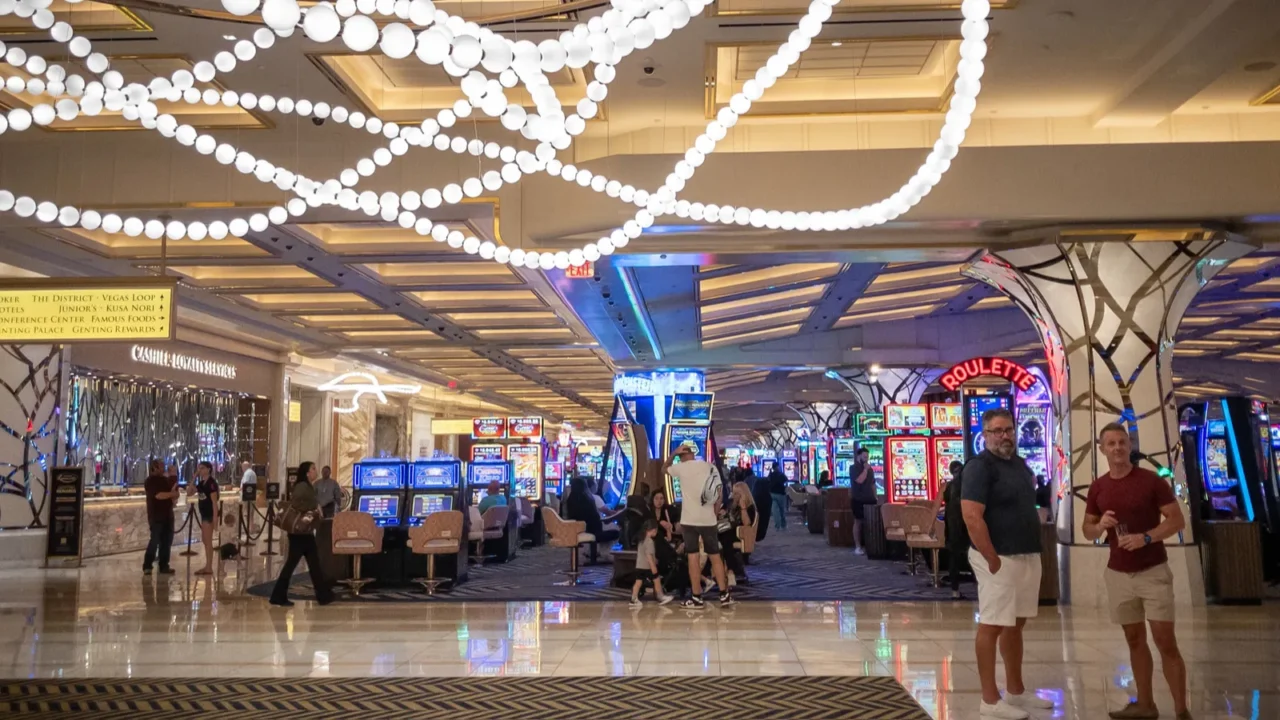
Large conventions continue to shape service levels across Las Vegas hotels. Events bring sudden demand for rooms, dining, and staffing across the Strip. Hotels adjust operations to match these concentrated visitor waves.
Fun fact: According to the Las Vegas Convention and Visitors Authority, nearly 6 million visitors attended conventions in 2023, underscoring the city’s role as a major meetings and trade-show hub. This demand plays a major role in how hotels schedule staff and services. Convention calendars directly influence service consistency.
Visitor volume reaching highs
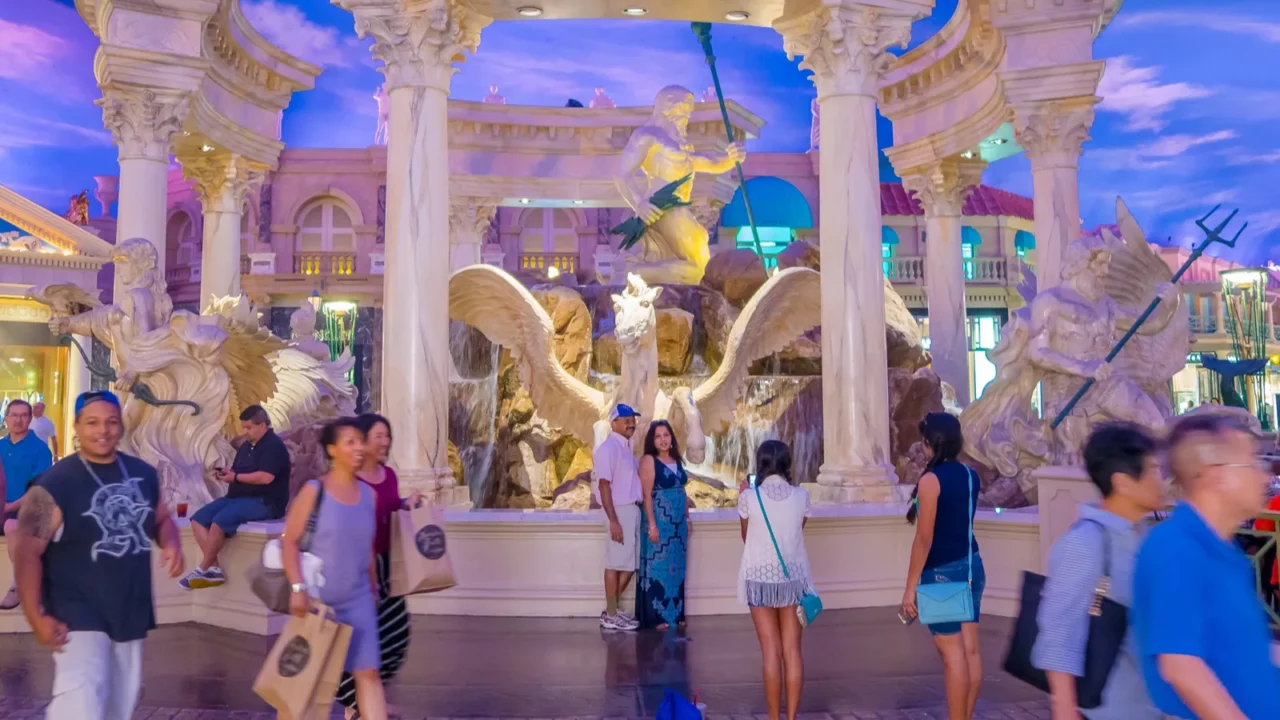
Tourism volumes in Las Vegas have approached pre-pandemic levels in recent years. High visitation supports hotel revenue but also tests operational capacity. Balancing demand and service remains a constant focus.
Fun fact: Las Vegas welcomed more than 40 million visitors in a recent year. This volume places ongoing pressure on hotels to maintain consistent service standards. Visitor growth continues shaping operational strategies.

Technology reshaping service delivery
Las Vegas hotels increasingly rely on technology to support service delivery. Mobile apps allow guests to request services, order food, and access rooms. These tools reduce pressure on staff during busy periods.
Automation helps improve efficiency but does not replace personal service entirely. Guests still expect human interaction in key moments. Hotels are finding a balance between digital convenience and hospitality.
Luxury segment leads recovery
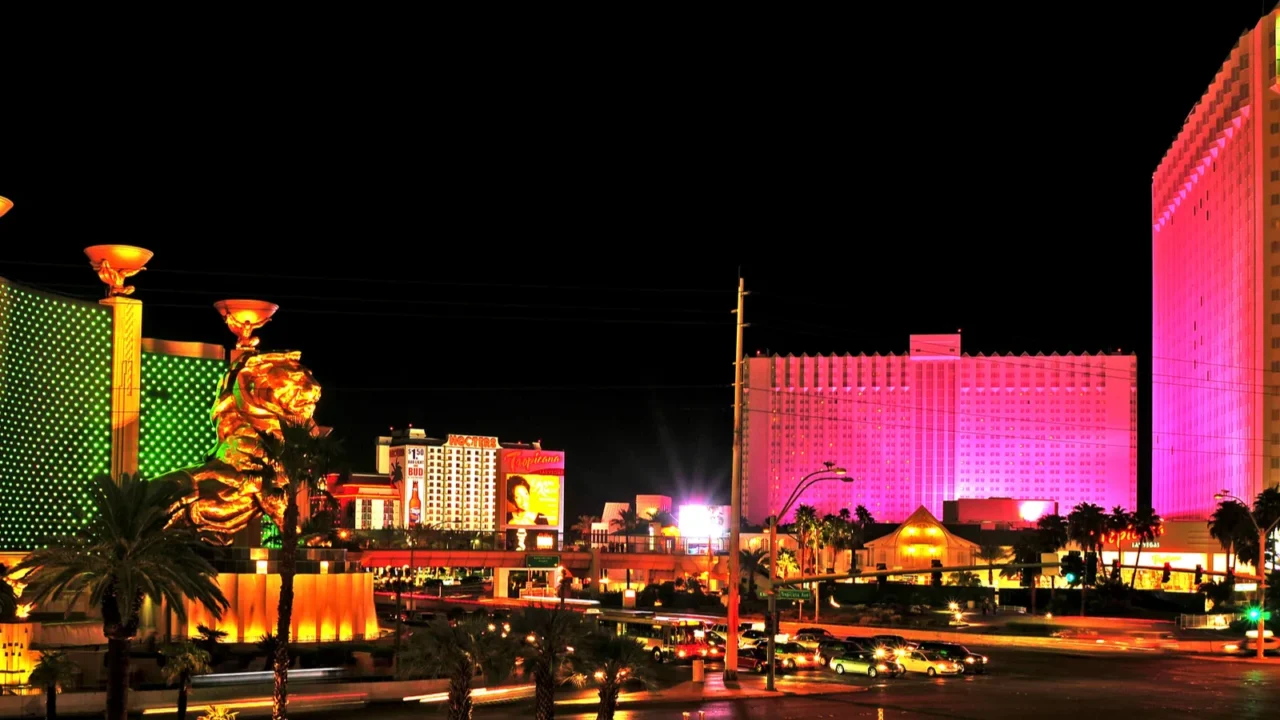
High-end Las Vegas resorts have generally restored full-service offerings faster. These properties prioritize staffing levels to meet premium expectations. Guests paying higher rates expect consistent and attentive service.
Luxury hotels often act as benchmarks for industry recovery. Their ability to deliver full experiences influences broader market standards. This segment shows how service normalization can look at its best.
Budget hotels adapt strategies
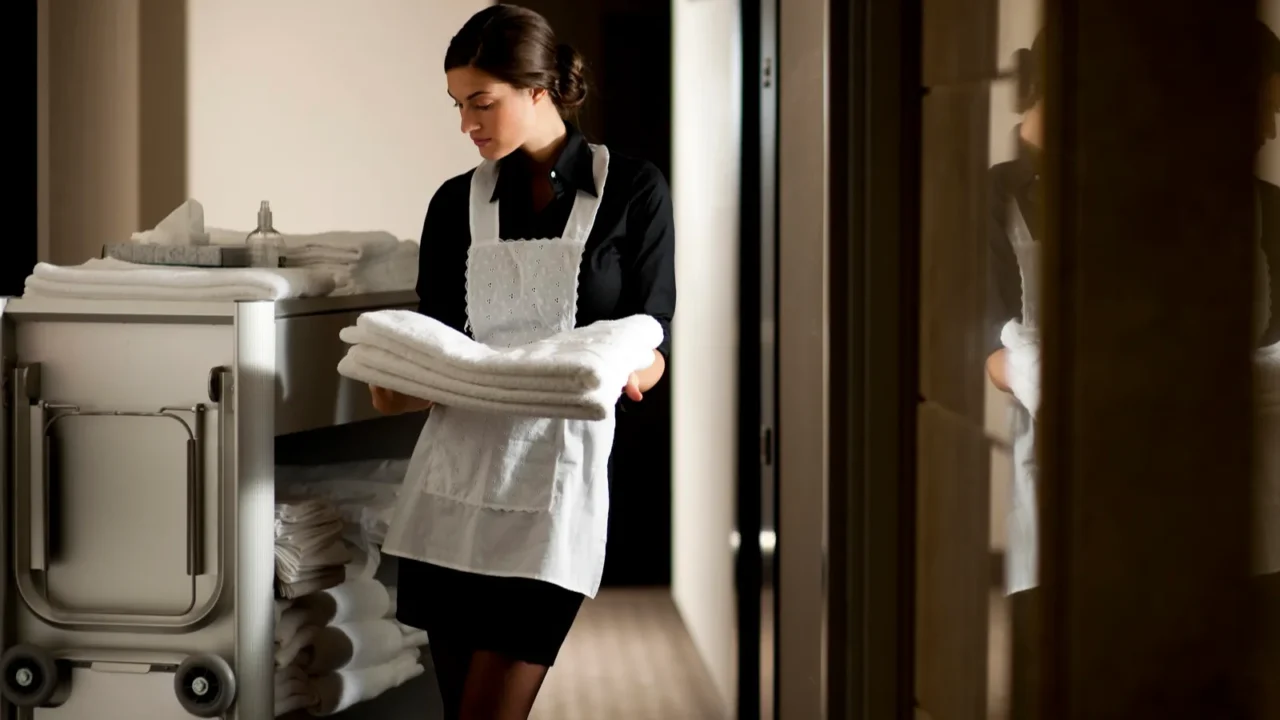
Lower-priced Las Vegas hotels continue adjusting service models to manage costs. Limited housekeeping and fewer amenities help maintain competitive rates. These changes reflect shifting expectations in the budget segment.
Travelers often accept trade-offs in exchange for lower prices. Hotels communicate these differences more clearly than before. Transparency has become an important part of guest satisfaction.
Events impact service consistency
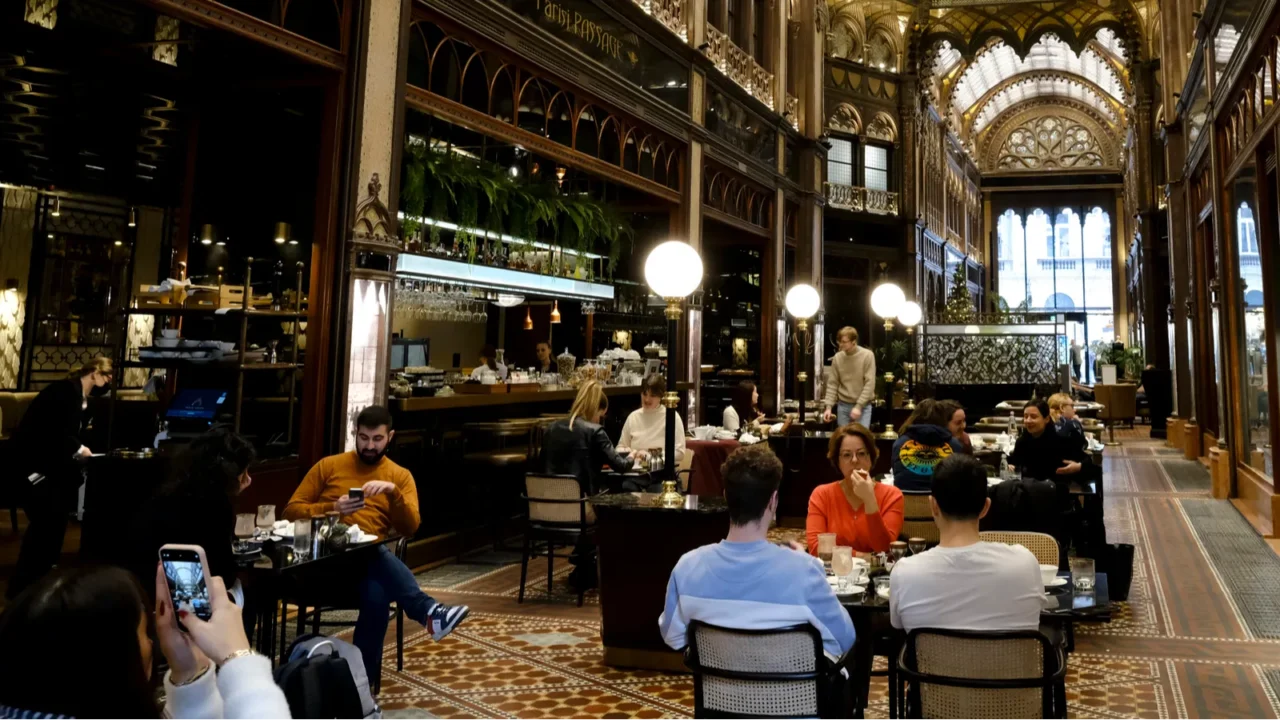
Major events such as concerts, sports games, and conventions affect hotel operations. Sudden surges in demand can stretch staffing and resources. Service levels may vary depending on event timing.
Hotels prepare for these peaks, but challenges still arise. Staff availability and supply logistics can shift quickly during busy periods. Event-driven demand remains a key factor in service variability.

Guest expectations evolving fast
Visitor expectations in Las Vegas have changed alongside service models. Many guests now value speed, convenience, and digital options alongside traditional service, while Las Vegas locals are getting big discounts as tourism declines. Hotels are adapting to meet these evolving preferences.
Consistency remains a key concern for repeat visitors. Positive experiences depend on both staff interaction and operational efficiency. The balance between these factors defines modern hospitality in the city.

Service outlook moving forward
Las Vegas hotels are showing clear progress toward service normalization. Staffing improvements, technology adoption, and strong demand support ongoing recovery. However, full consistency across all properties is still developing.
The future likely combines traditional hospitality with flexible operations. Service levels may vary by property type and travel timing. Las Vegas continues to adapt as travel patterns evolve.
Which type of hotel experience feels most reliable for travelers right now? Share your thoughts below.
This slideshow was made with AI assistance and human editing.
Don’t forget to follow us for more exclusive content right here on MSN.
Disclaimer: The images used are for illustrative purposes only and do not depict the actual locations mentioned.
Read More From This Brand:
