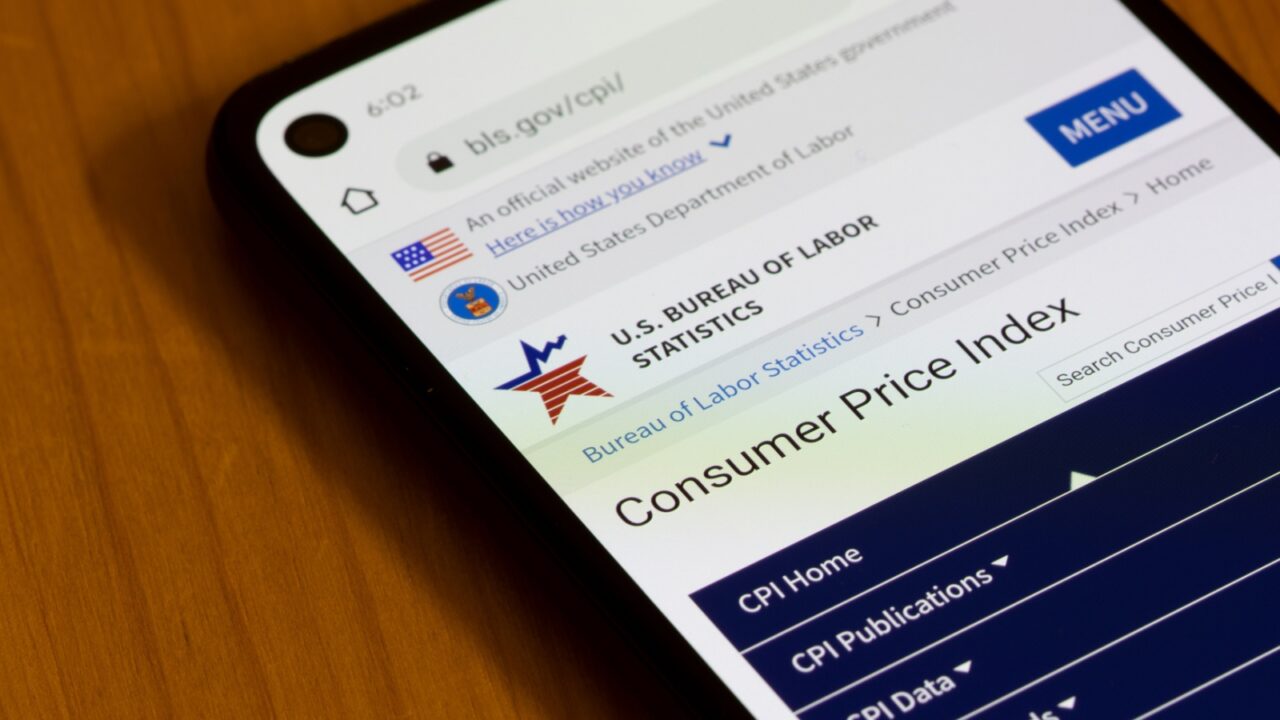
Bureau Labor Statistics travel costs
U.S. Bureau of Labor Statistics reports continued inflation across travel-related categories, including lodging, transportation, and food services, in 2026. Consumer price data shows steady increases compared to previous years. Travel expenses reflect broader economic conditions affecting households.
Average vacation costs in the United States have risen as inflation impacts essential travel components. Cities like New York City and Los Angeles continue to rank among the most expensive destinations. Average vacation costs in the United States have risen, with a typical one-week domestic trip now costing around $1,800 to $2,500 per person, depending on destination and travel style.
Travel cost trends overview
The Bureau of Labor Statistics data highlights upward trends in travel-related spending categories over recent years. Lodging and transportation have seen consistent price increases since the early 2020s. Lodging and transportation have seen consistent price increases, with average daily travel spending reaching about $300 to $400 per traveler in major destinations.
Major destinations such as Orlando and Las Vegas reflect rising operational costs across tourism sectors. Hotels, airlines, and attractions continue adjusting prices. Travel affordability remains a key concern.

Post pandemic price shifts
The Bureau of Labor Statistics data shows that travel prices increased significantly following pandemic recovery periods. Demand surged as travelers returned to domestic and international trips. Supply constraints also contributed to higher costs.
Tourism hubs like Miami and San Diego experienced rapid price adjustments. Hotels and airlines responded to increased demand. These shifts continue shaping travel pricing in 2026. CoStar reported a U.S. hotel average daily rate of $152.09 in January 2026, while rates in high-demand markets can run much higher.

Accommodation prices continue rising
Accommodation costs remain one of the largest components of vacation expenses in the United States. Hotel rates have increased due to demand and operational expenses. Labor and maintenance costs contribute to pricing changes.
Cities like Chicago and San Francisco show noticeable increases in average nightly rates. Travelers often adjust trip duration to manage budgets. Accommodation pricing strongly influences overall travel spending. Hotel rates have increased due to demand and operating costs, and industry data showed the U.S. average daily room rate at $152.09 in January 2026.

Airfare cost fluctuations explained
Airfare remains a major variable in travel cost calculations across the United States. Prices fluctuate based on fuel costs, demand patterns, and seasonal trends. Airlines adjust fares frequently in response to market conditions. Airfare remains a major variable, with average domestic round-trip tickets typically ranging between $300 and $600 depending on timing and route.
Major hubs such as Hartsfield-Jackson Atlanta International Airport and Los Angeles International Airport reflect these pricing dynamics. Flight costs often rise during peak travel seasons. Travelers monitor fares closely when planning trips.
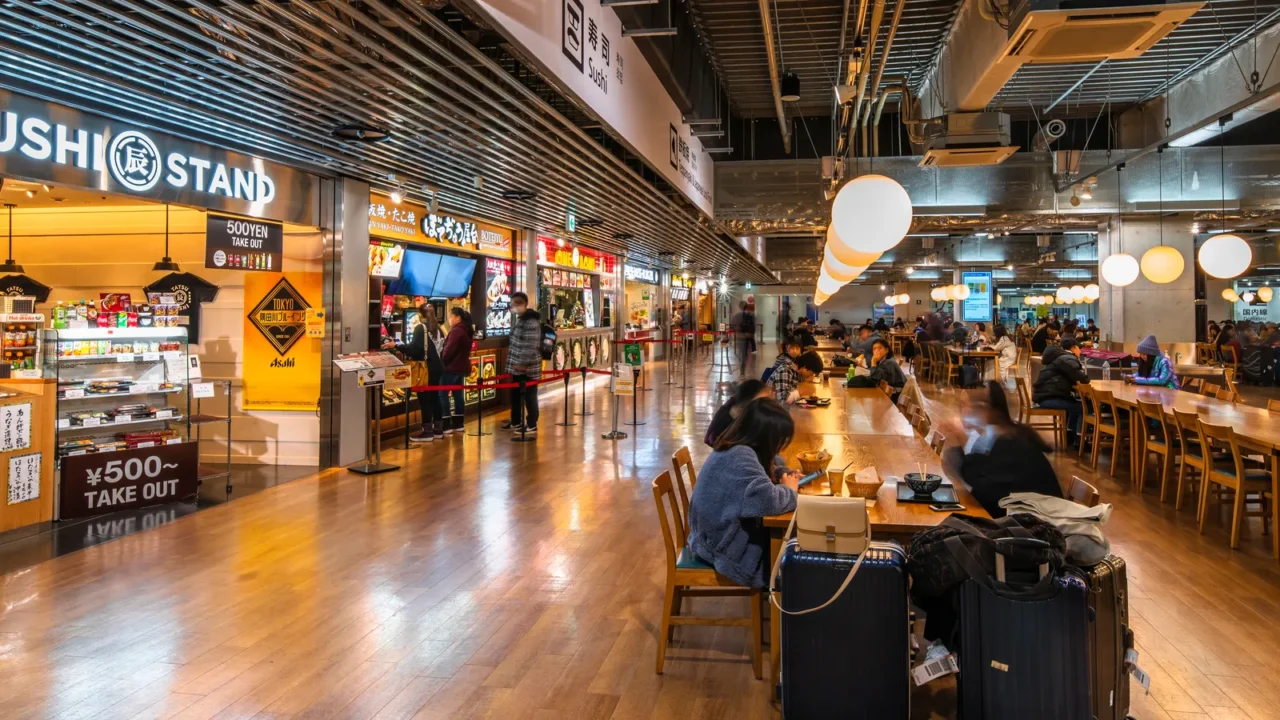
Food and dining expenses
Food and dining costs continue rising alongside broader inflation trends in the United States. Restaurant prices have increased steadily over recent years. Travelers now allocate larger portions of their budgets to meals.
Fun fact: Food away from home prices in the United States increased faster than overall inflation over the past decade, rising about 49.5% compared to 34.3% for all items, according to U.S. Department of Agriculture data. This trend reflects strong demand and higher service costs in restaurants. Dining expenses now play a larger role in total vacation spending.
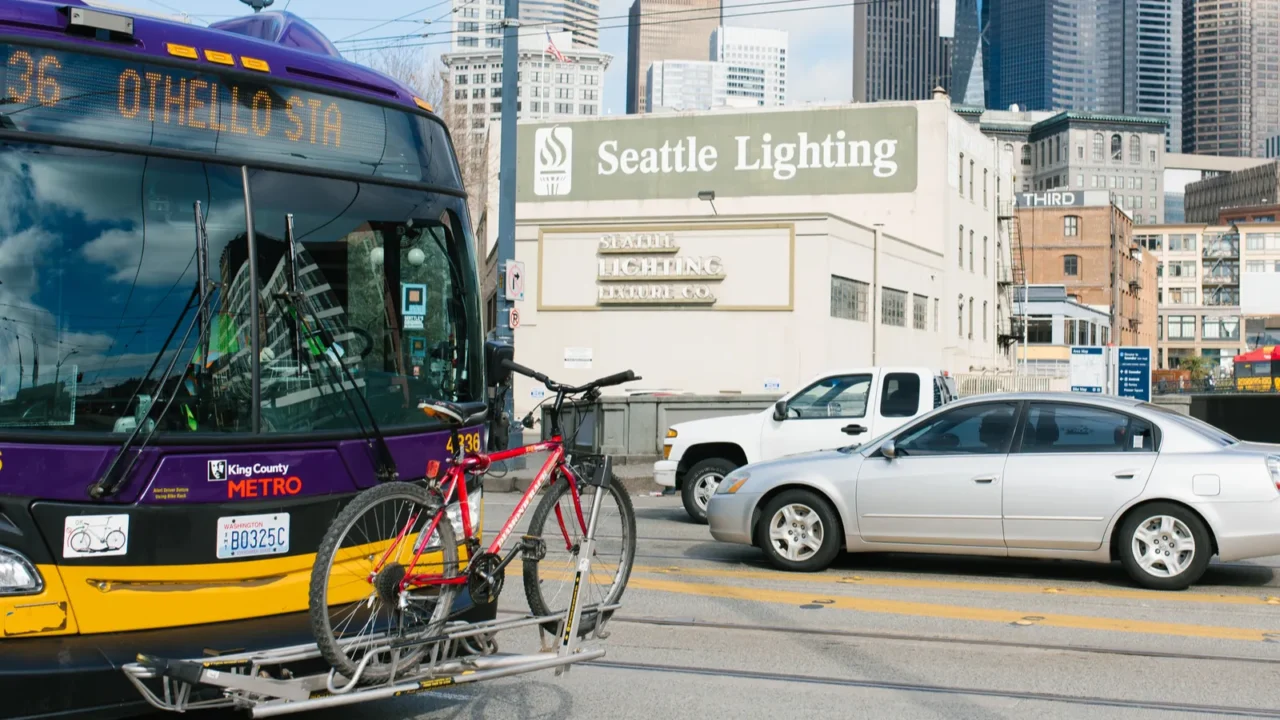
Transportation cost variations
Local transportation expenses also contribute significantly to total vacation costs. Rental cars, ride sharing, and public transit prices vary widely by destination. Fuel prices remain a key influencing factor.
Little-known fact: the U.S. Energy Information Administration reports that gasoline prices fluctuate based on crude oil markets and seasonal demand, which directly affects road trip costs across the country. This explains why travel budgets can vary significantly between seasons. Transportation costs remain a major factor in overall expenses.

Inflation impact on tourism
Inflation continues to influence tourism pricing across the United States in 2026. Businesses adjust rates to cover increased operational costs. Businesses adjust rates to cover increased operational costs, with overall travel expenses rising by roughly 15 to 20 percent compared to pre 2020 levels.
Destinations such as Honolulu and Boston show noticeable cost increases across travel categories. Travelers often compare destinations to manage expenses. Inflation shapes decision-making for trips.

Budget travel strategies emerge
Rising costs have led to changes in how travelers plan vacations. Many choose off-peak travel periods to reduce expenses. Budget-conscious planning has become more common. Many travelers choose off-peak periods to reduce costs, since airfare and hotel prices often moderate outside peak demand windows.
Cities like Austin and Denver offer varied pricing depending on the season. Travelers adjust itineraries based on affordability. Cost awareness plays a key role in trip planning.
Regional cost differences persist
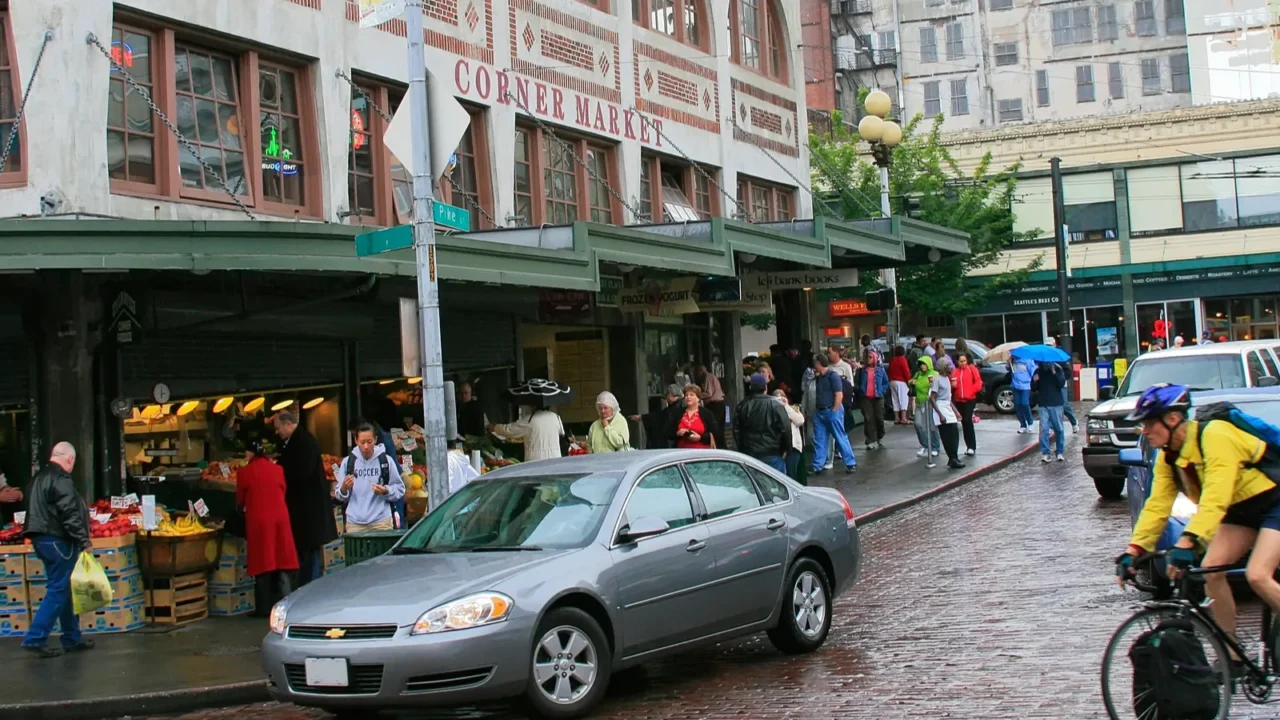
Travel costs vary significantly across different regions of the United States. Coastal cities tend to have higher prices compared to inland destinations. These differences influence travel choices. Coastal cities tend to have higher prices, where average daily costs can exceed $400 per traveler, compared to inland destinations averaging closer to $250.
Locations such as Seattle and Phoenix show contrasting pricing trends. Accommodation and dining costs differ widely. Regional variation remains an important factor in budgeting.
Future travel cost outlook
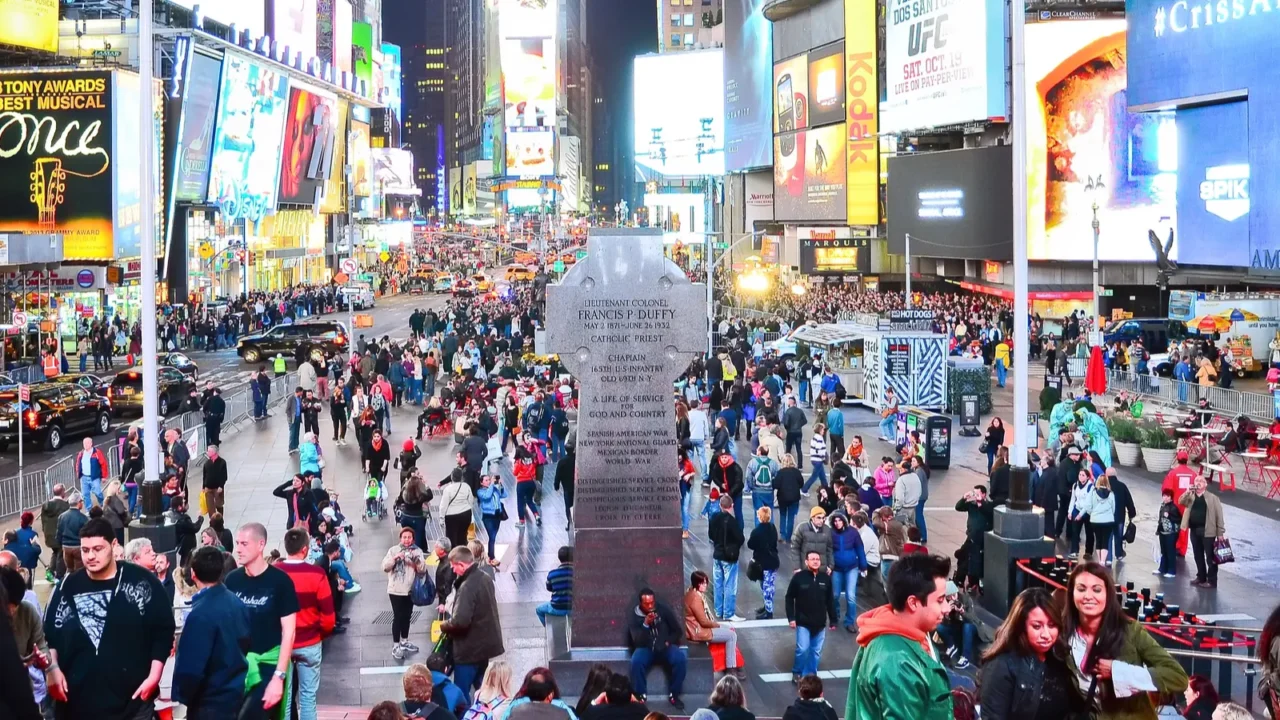
Economic forecasts suggest travel costs may stabilize but remain elevated compared to previous years. Inflation trends continue to influence pricing across industries. Travelers are adapting to new cost realities, with projected vacation budgets still averaging above $2,000 per trip in 2026, while questions emerge, like with Detroit rising as a budget travel hotspot, should travelers visit now.
Major hubs like New York City and Los Angeles are expected to remain expensive destinations. Pricing adjustments depend on economic conditions. Travel planning continues evolving.

Travel spending decisions ahead
Travel spending decisions in 2026 reflect changing economic conditions and rising costs. Travelers balance budgets with desired experiences when planning trips. Cost awareness shapes destination choices. Travelers balance budgets carefully, and total vacation spending varies widely depending on destination, trip length, and lodging choices.
Vacation planning continues evolving as prices shift across categories. Travelers compare destinations and adjust expectations accordingly. The best trips are the ones that balance comfort and discovery.
Which U.S. destination offers the best value for travelers this year? Share your thoughts below.
This slideshow was made with AI assistance and human editing.
Don’t forget to follow us for more exclusive content right here on MSN.
Read More From This Brand:
