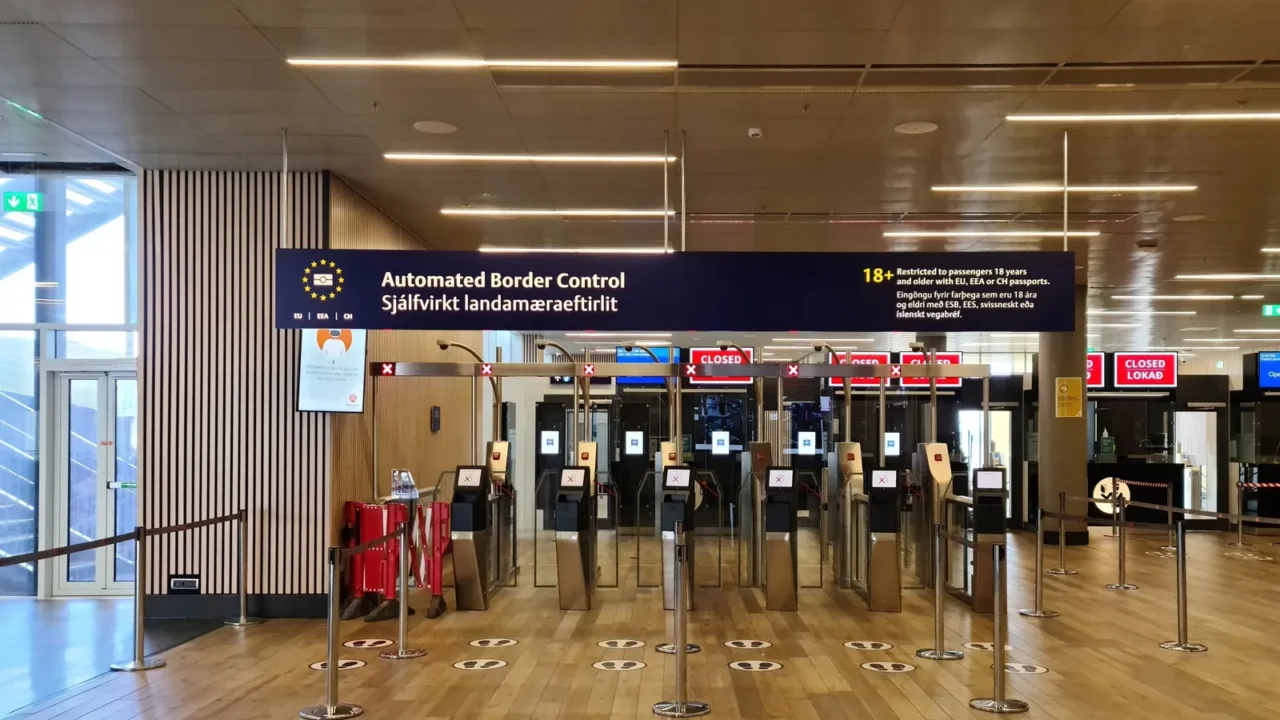
When tech slows travel
Automated border control promised to speed seamless movement and stress-free arrivals. Instead, many travelers are discovering a different reality where smart gates and biometric systems sometimes create longer lines than old-fashioned passport desks. This shift is quietly reshaping global travel experiences.
From first-time flyers to seasoned explorers, these delays influence how people choose destinations and plan journeys. Understanding where automation struggles helps travelers prepare better and rethink what a smooth border crossing truly means.
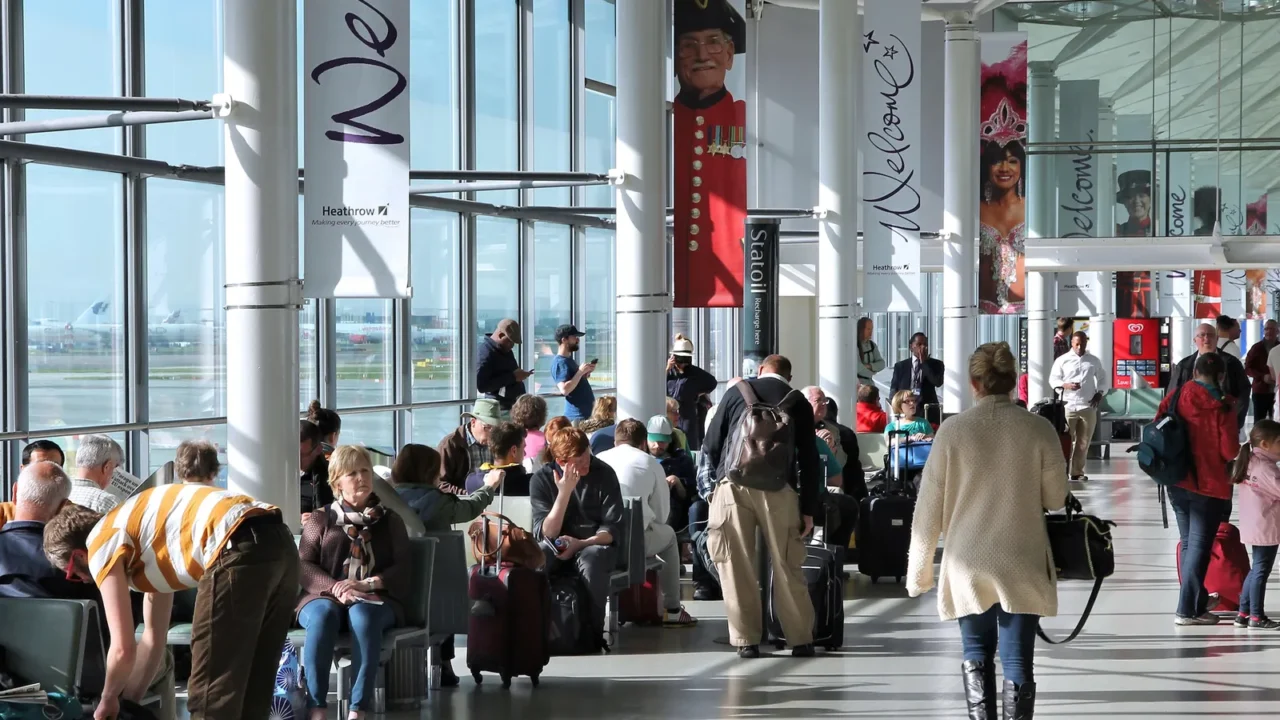
Heathrow Airport, London
London Heathrow relies heavily on biometric eGates to process millions of international arrivals each year. When systems work, the experience feels effortless, but technical outages or minor data mismatches can quickly back up entire terminals.
Travelers often find themselves waiting while officers manually reset systems. The delay is not about security checks but about technology catching up with the volume of human traffic, which reshapes first impressions of the United Kingdom.
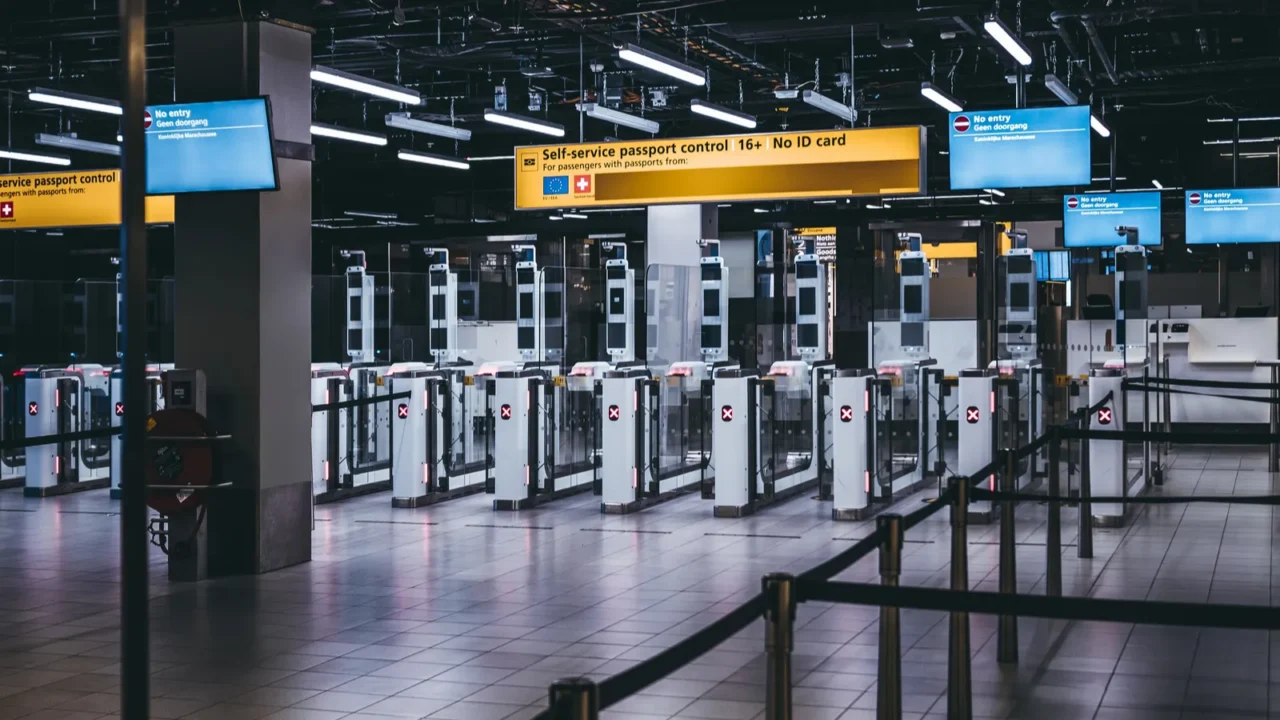
Amsterdam Schiphol reality
Schiphol Airport was designed as one of Europe’s most efficient hubs, yet automated passport control has introduced unexpected bottlenecks. Facial recognition errors and network slowdowns frequently slow peak-hour arrivals.
For visitors arriving to explore canals, museums, and nearby countryside, the wait contrasts sharply with the city’s reputation for precision and order, making the border experience surprisingly memorable.
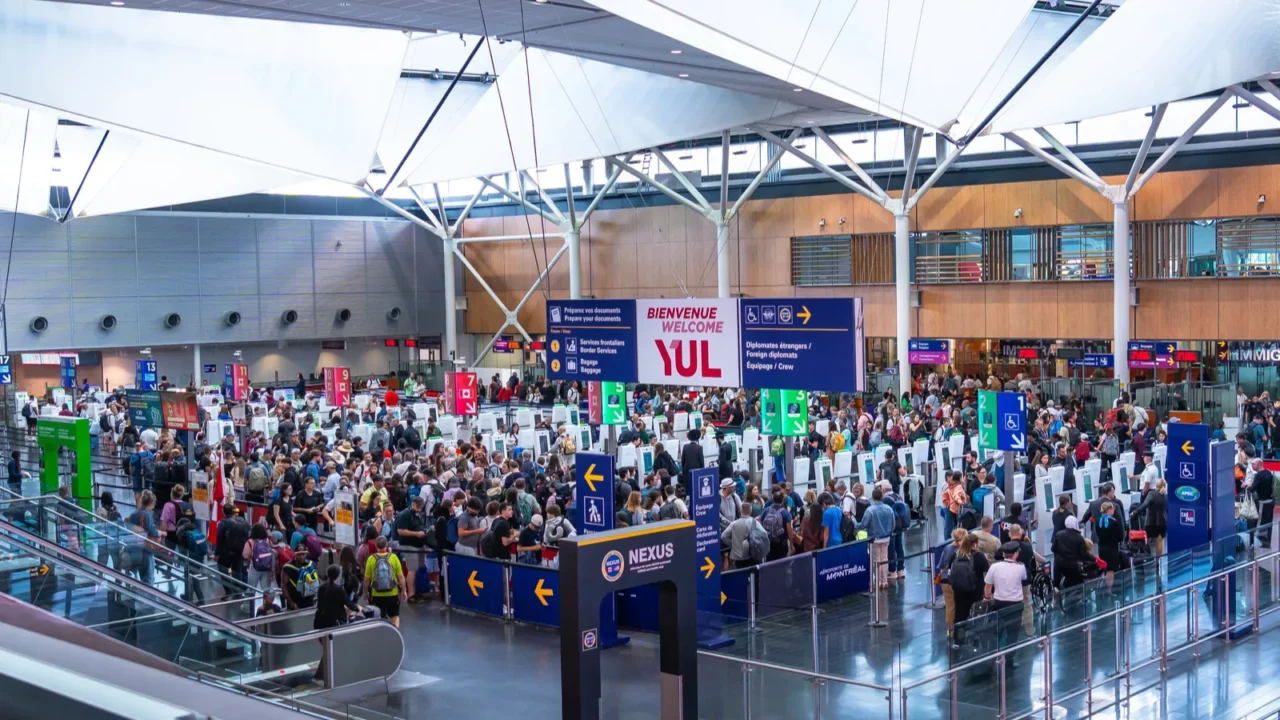
Toronto Pearson Arrivals
Canada invested heavily in automated kiosks to streamline immigration at Toronto Pearson. While the system reduces paperwork, it often struggles during flight surges when multiple wide-body aircraft land together.
Travelers sometimes complete digital steps quickly only to stand in long lines waiting for manual clearance. The delay highlights how automation still depends on staffing and real-time coordination.
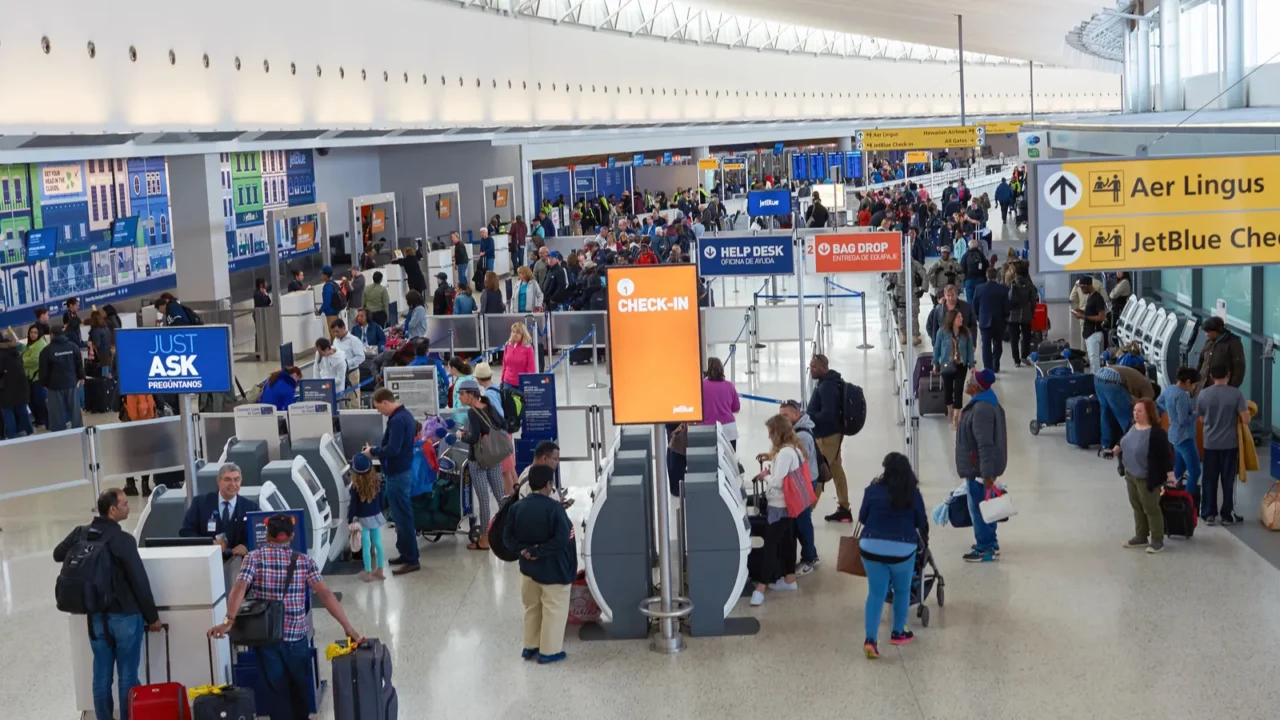
JFK New York delays
New York’s JFK Airport reflects the complexity of automation at scale. Biometric screening promises faster entry, yet inconsistent system updates can cause sudden shutdowns.
Visitors arriving eager for the city’s energy instead experience long pauses under fluorescent lights. These delays shape early perceptions of American efficiency and reveal the growing pains of digital border control.
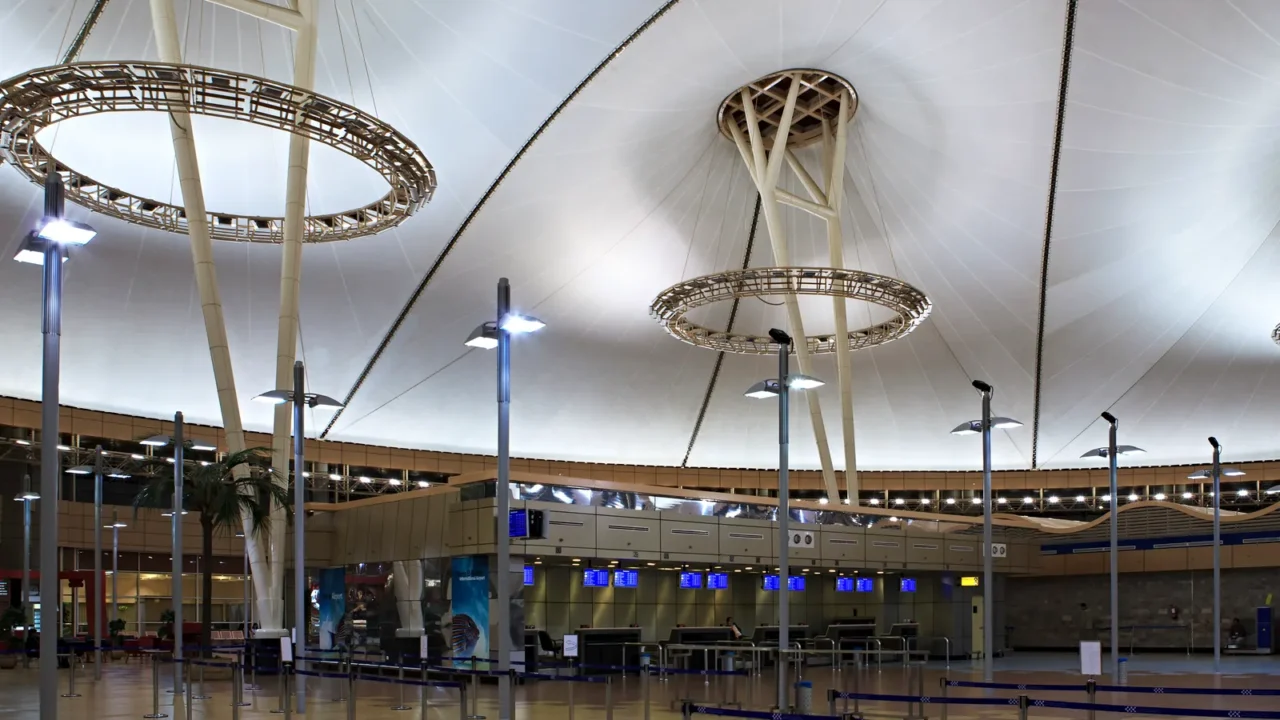
Dubai smart gates
Dubai promotes its smart gates as a symbol of futuristic travel. For many residents, the system works flawlessly but tourists unfamiliar with biometric enrollment often face confusion.
When travelers must be redirected to manual counters, the delay disrupts Dubai’s image of instant luxury. The experience shows how automation favors frequent users over first-time visitors.
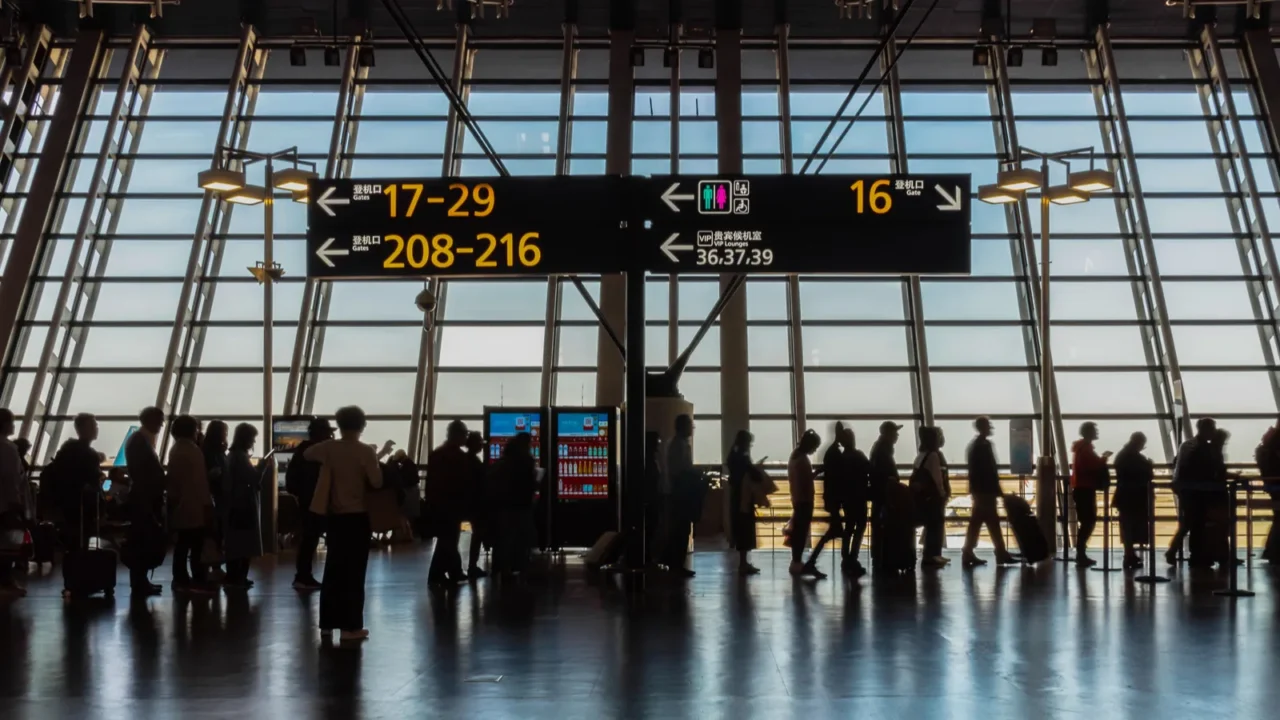
Sydney airport bottleneck
Australia’s automated border systems focus on biosecurity as much as immigration. Smart kiosks sometimes flag routine declarations for manual review, creating slow-moving queues.
Travelers arriving after long flights feel the impact sharply. The delay reflects a balance between national protection and technological limits rather than simple inefficiency.
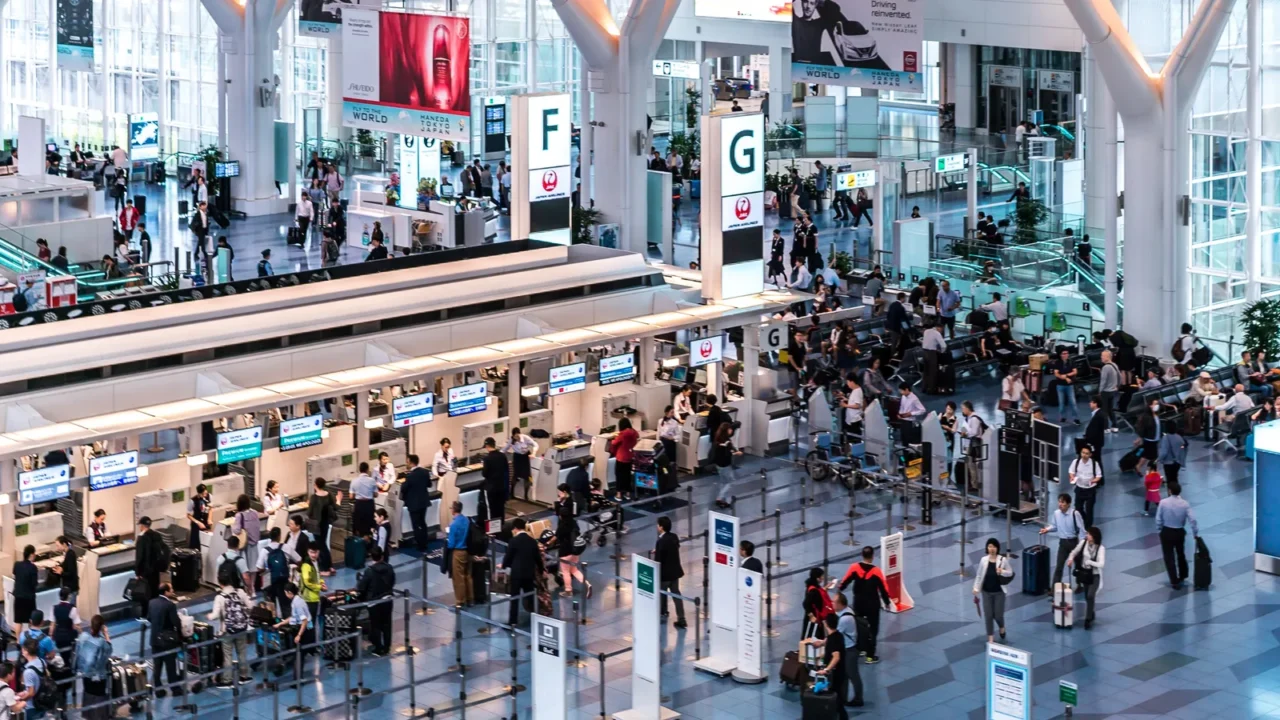
Tokyo Haneda transition
Japan blends automation with traditional precision at Haneda Airport. While facial recognition gates are efficient, software sensitivity can flag minor inconsistencies.
Visitors expecting seamless efficiency often experience polite but time-consuming secondary checks. The delay feels orderly yet reminds travelers that even advanced systems require human oversight.
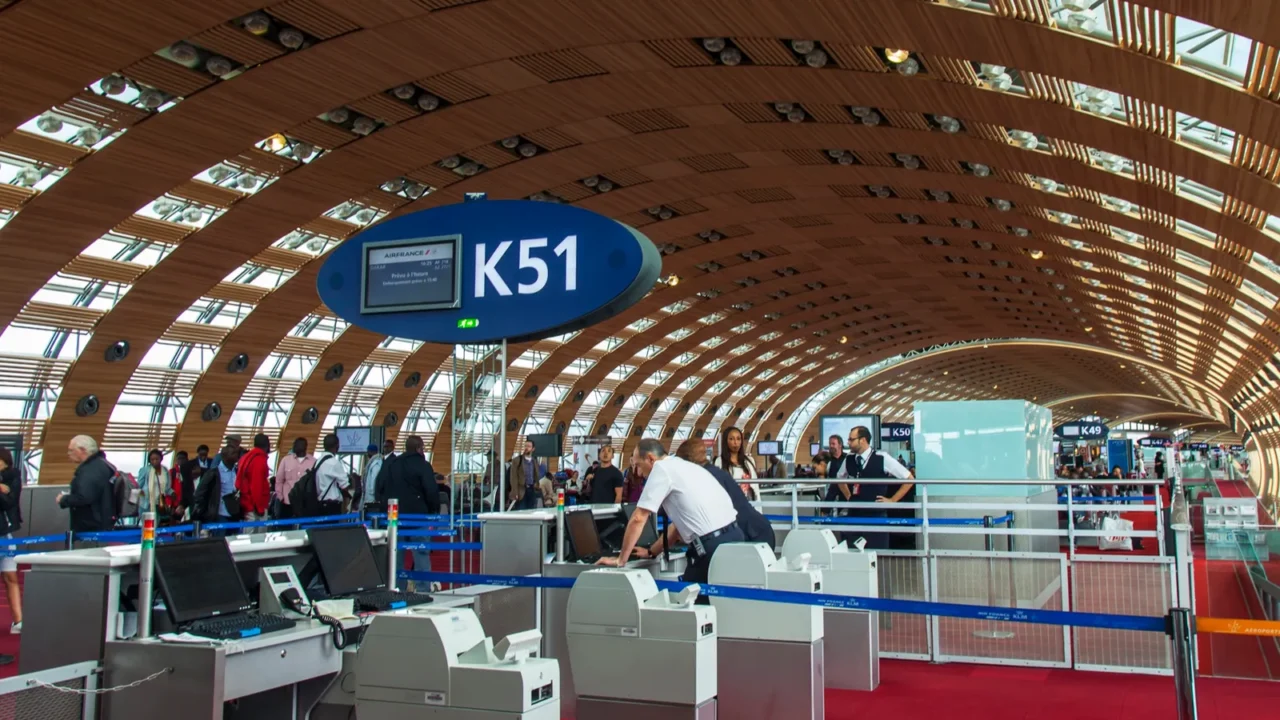
Paris Charles de Gaulle
Charles de Gaulle Airport handles automation across diverse nationalities. Variations in passport chip quality frequently slow biometric verification.
Travelers bound for Parisian streets instead wait as officers troubleshoot machines. The delay becomes part of the journey, revealing how global standards still lag behind technological ambition.
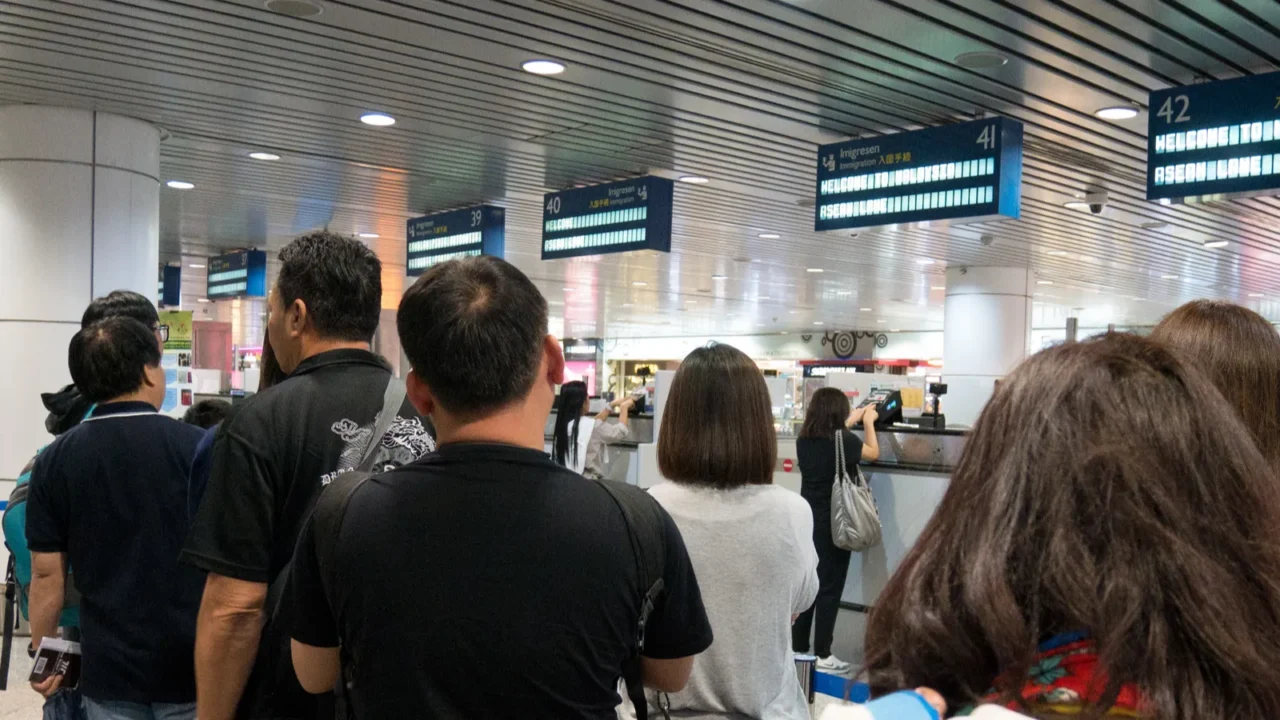
Singapore Changi test
Changi Airport is often praised as the world’s best, yet its automated immigration trials have faced learning curves. High accuracy expectations mean minor errors trigger system holds.
While the airport remains calm, the wait surprises travelers. Even top-tier infrastructure must adjust before automation truly saves time.
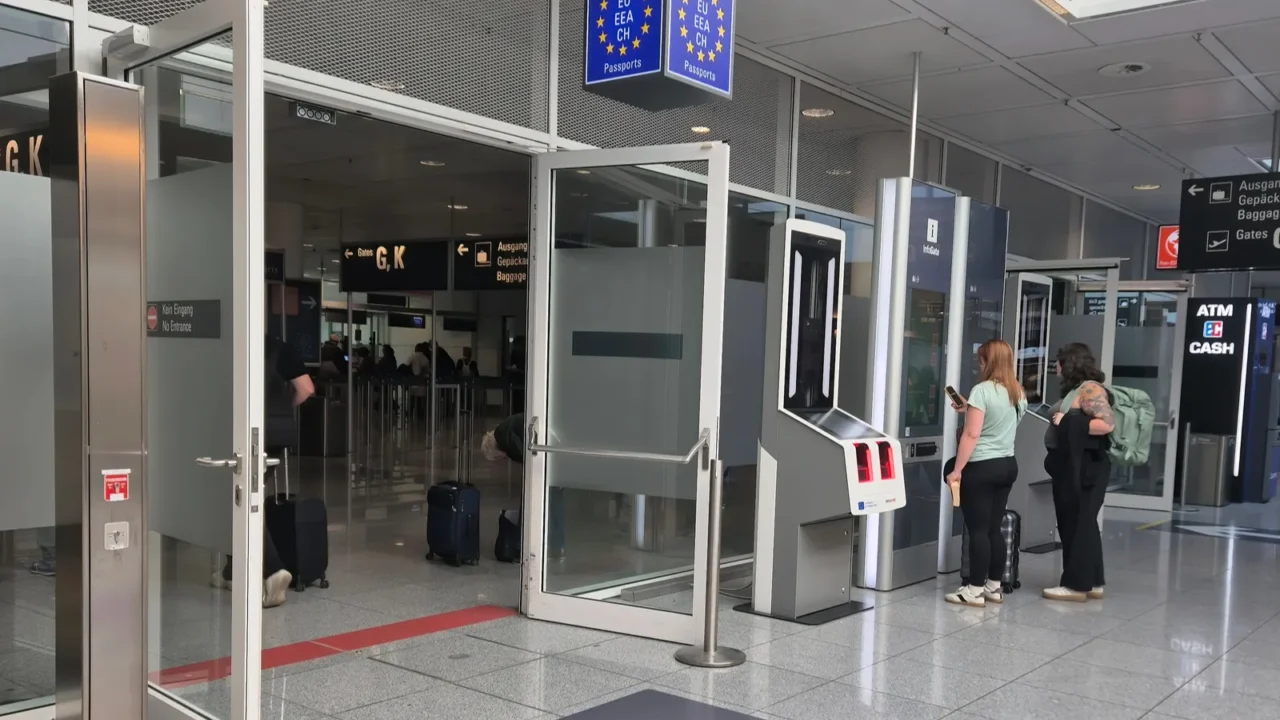
Los Angeles LAX flow
LAX uses automated passport control to manage enormous visitor numbers. During peak arrivals, kiosks sometimes process travelers faster than officers can review results.
This mismatch creates unexpected queues after digital clearance. The delay highlights how automation changes workflow rather than eliminating wait times.
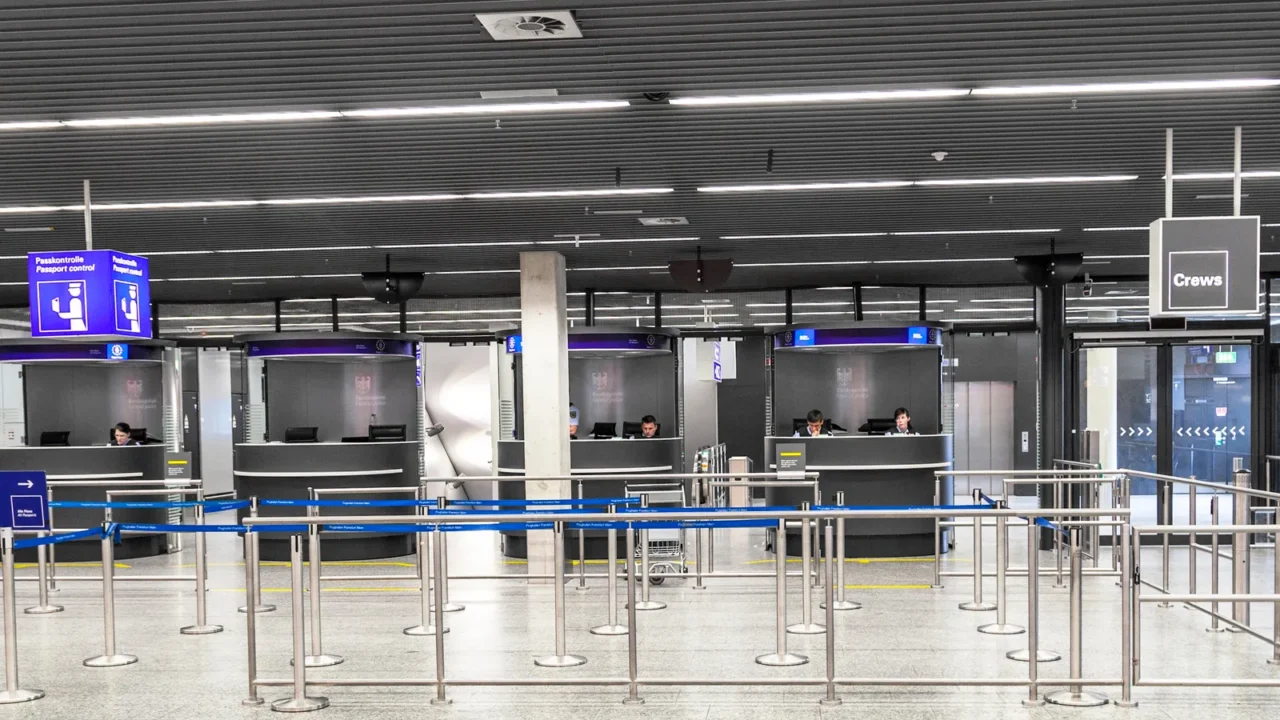
Frankfurt airport shift
Frankfurt serves as Europe’s financial gateway and depends on efficient borders. Automated checks occasionally slow non-EU travelers due to stricter verification layers.
Business travelers accustomed to speed find themselves delayed by technology meant to help them. The experience reshapes expectations of German efficiency. Discover more about biometric checks here.
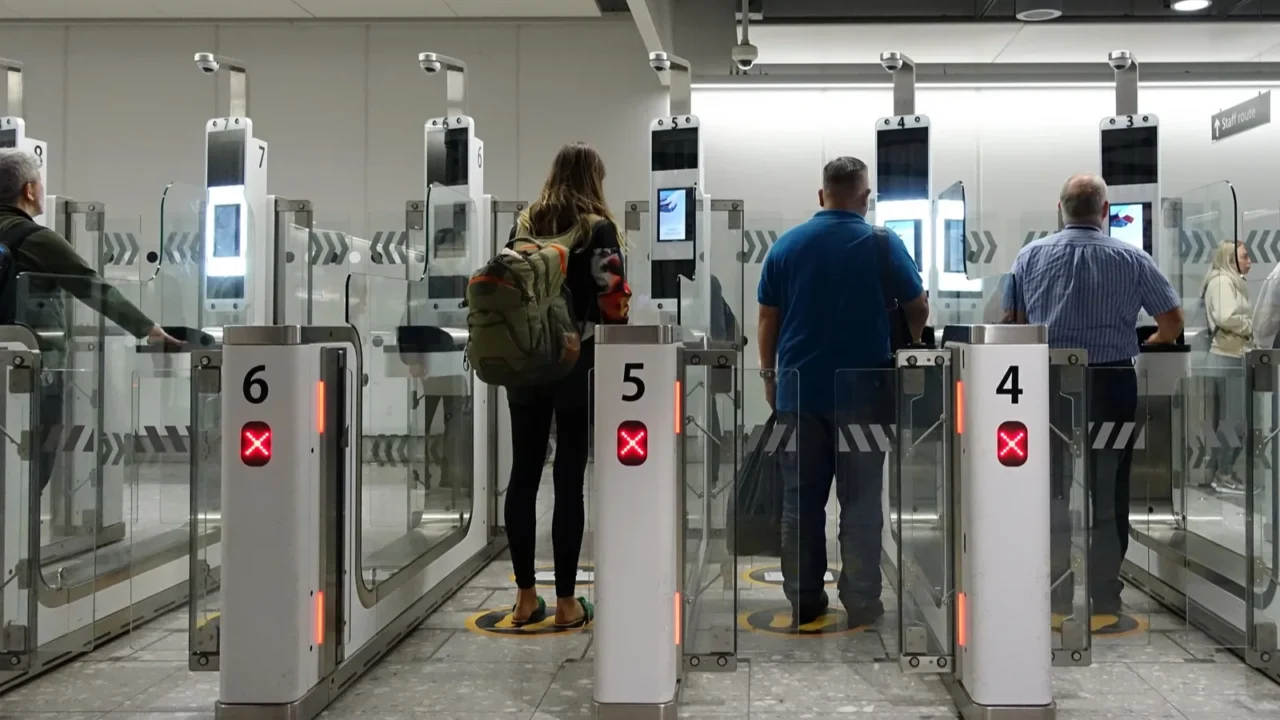
Rethinking smart borders
Border automation is not failing but evolving. These systems reveal that speed depends on alignment between technology staffing and traveler readiness.
For explorers chasing meaningful journeys, patience becomes part of modern travel. Understanding these delays allows travelers to choose routes wisely and embrace the unexpected moments that shape every trip. See which global airports ranked for fastest immigration.
These changes in border automation are reshaping travel experiences. Let us know how your airport experiences compare!
This slideshow was made with AI assistance and human editing.
Don’t forget to follow us for more exclusive content right here on MSN.
Read More From This Brand:
