
Britain’s economic crossroads
Britain’s economy stands at a critical junction as conflict between the United States and Iran intensifies, shaking markets and national confidence.
The United Kingdom, long reliant on global energy networks and financial stability, now confronts rising inflation pressures and tighter financial conditions with weakened growth forecasts and fragile business sentiment due to Middle East disruption.

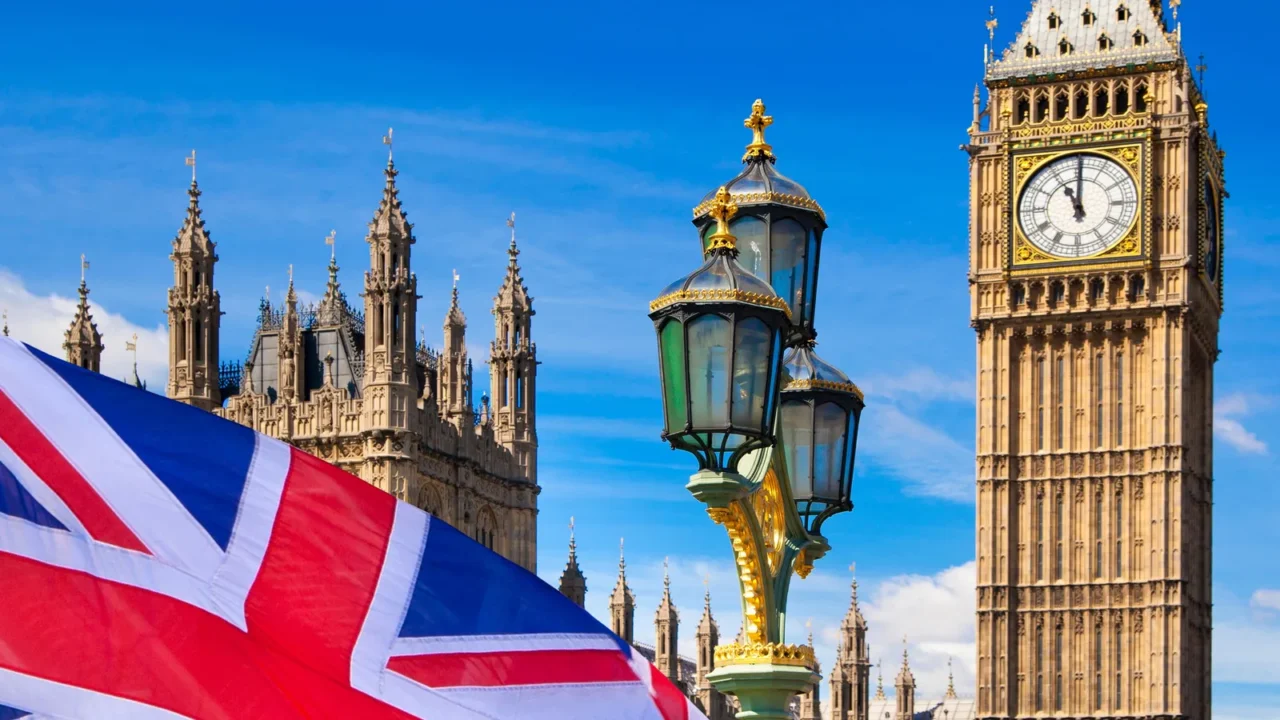
Sterling under pressure
The British pound weakened against the U.S. dollar as geopolitical uncertainty increased, reflecting investor risk aversion and currency shifts.
Sterling’s weakness has added to inflation concerns and shifted interest rate expectations as investors respond to higher energy prices and wider market volatility. That has made the outlook more uncertain for households, companies, and policymakers alike.
Bond markets in turmoil
UK gilt yields rose sharply during the market selloff tied to Middle East tensions, reflecting concern about inflation and public finances, though some of that pressure eased in early April. The swings have complicated the Bank of England’s policy outlook and kept financing costs in focus.
Elevated yields reflect market concerns that prolonged conflict will drive inflation and erode fixed income returns, complicating monetary policy decisions for the Bank of England and putting pressure on government financing costs.

Consumer confidence declines
Households across Britain are expressing growing economic unease according to recent surveys, showing reduced confidence in both personal finances and the national outlook.
With rising fuel and energy expenses, many consumers postpone major purchases, save more, and rethink long‑term plans, impacting retail and service sectors dependent on strong household demand.
Rising energy prices hit hard
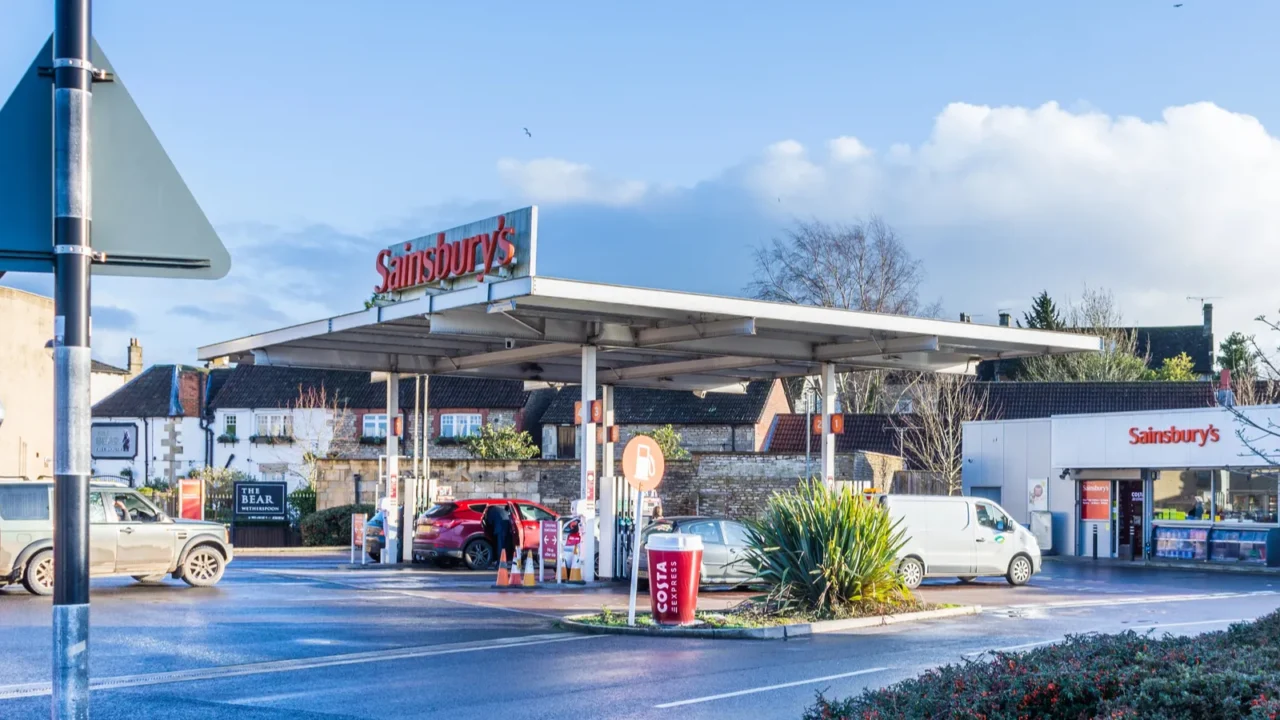
Energy markets are reacting strongly to the Middle East conflict, with wholesale gas and oil prices climbing sharply.
As the Strait of Hormuz remains volatile, British households and businesses face sustained pressure on fuel costs and utility bills, feeding into inflationary cycles and reducing disposable income across broad segments of society.

Housing market slowdown
UK house prices have continued to rise in recent data, but higher mortgage rates and affordability pressures are clouding the outlook. Lenders have responded to inflation fears and higher market rates, which may cool demand in the months ahead.
Higher borrowing costs are cooling buyer demand and may slow the housing market with broader implications for consumer wealth and spending habits, particularly for first‑time buyers and investors in property markets.
Largest disruption
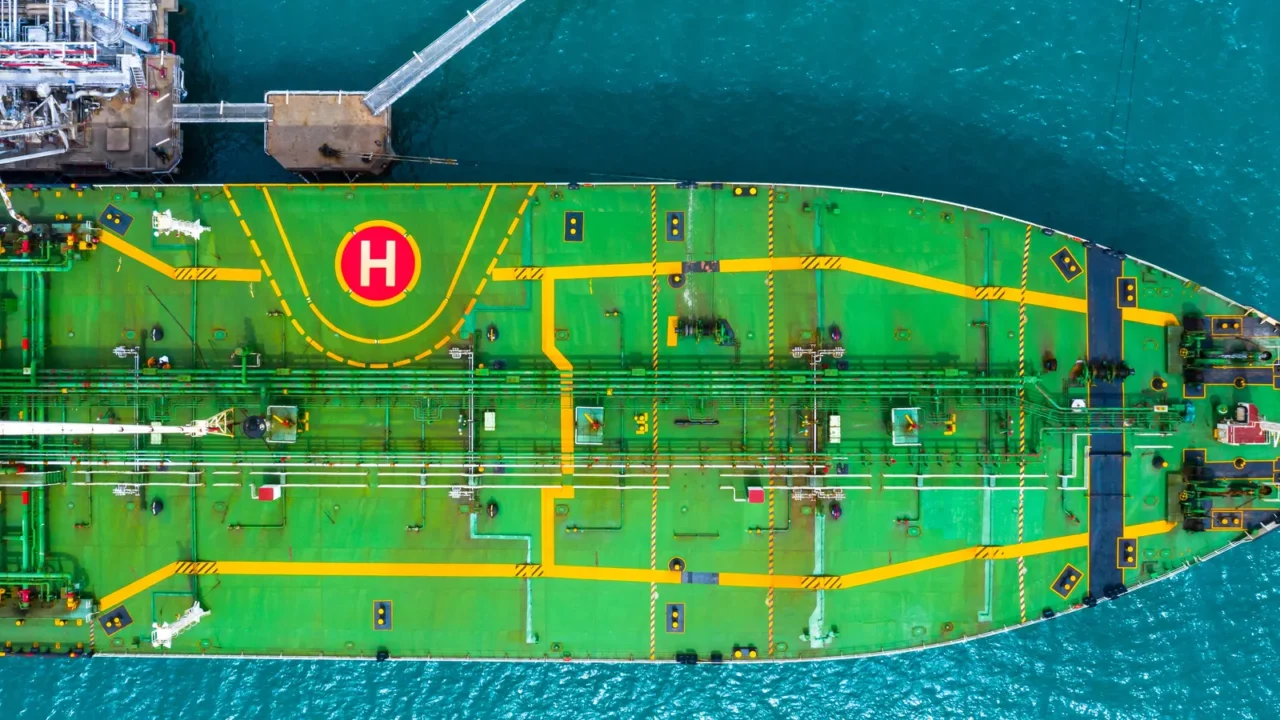
Energy markets remain fragile as global crude shipments are disrupted by Middle East tensions, driving prices higher and affecting imports. Market volatility is creating economic strain for UK households and businesses, particularly those reliant on energy-intensive production or logistics networks.
Fact: The Strait of Hormuz is one of the world’s most important energy chokepoints, carrying about 20% of global petroleum liquids consumption and roughly a quarter of world seaborne oil trade. Disruption there can quickly raise energy prices, adding to Britain’s import costs and inflation pressures.
Trade and exports under strain
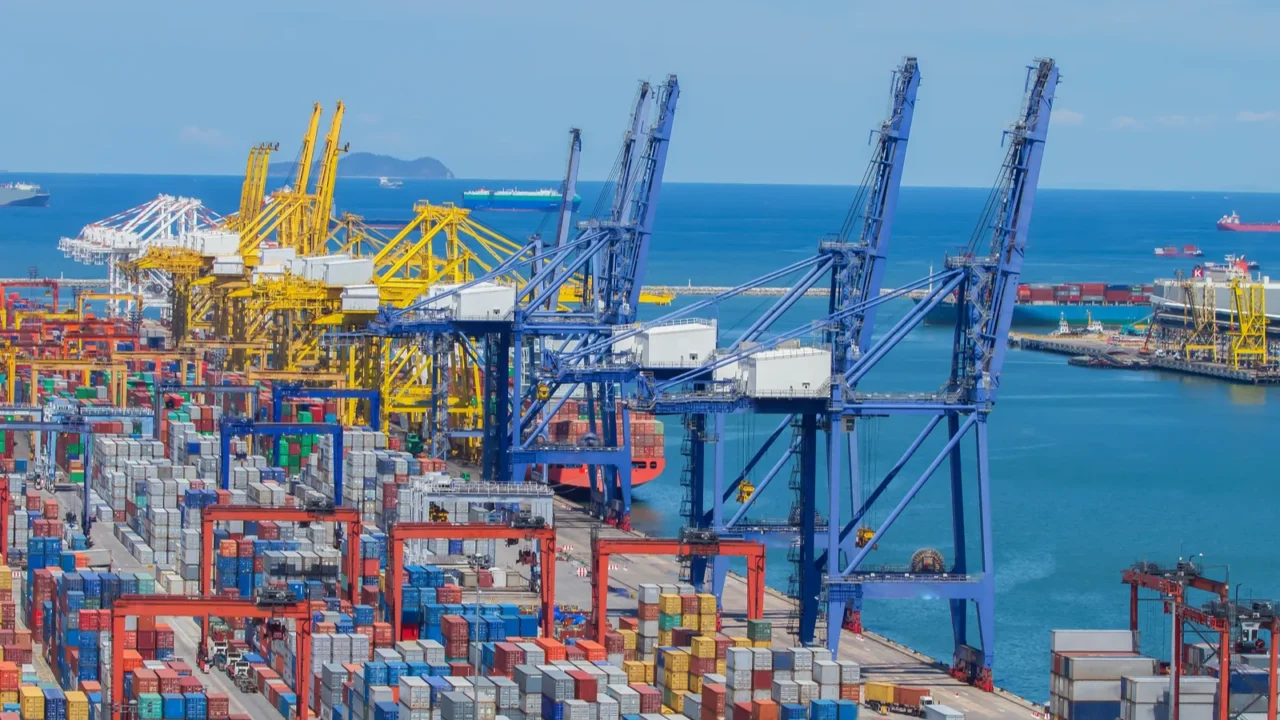
Uncertainty in shipping routes and elevated geopolitical risk have disrupted UK export channels.
Trade partners are cautious, prompting British exporters to renegotiate contracts or seek alternative markets, which impacts long‑term trade volumes and balance sheets while supply chains reroute around conflict zones, raising costs and delivery times for goods destined for Europe and Asia.

Investment and business expectations
Foreign and domestic investors are reevaluating UK asset allocations as geopolitical pressures increase.
Some portfolios have shifted toward perceived safe havens, while growth sectors like technology and services await clearer macroeconomic policy guidance. Uncertainty about future interest rates is slowing corporate investment decisions and delaying expansion plans.

GDP growth remains weak
UK economic growth remains fragile, with rising costs, supply chain pressures, and geopolitical uncertainty weighing on corporate investment and consumer spending. Inflation expectations are reshaping household behavior and market strategies across multiple sectors.
Fact: Britain’s economy grew just 0.1 percent in the fourth quarter of 2025, highlighting a fragile recovery amid energy price shocks.
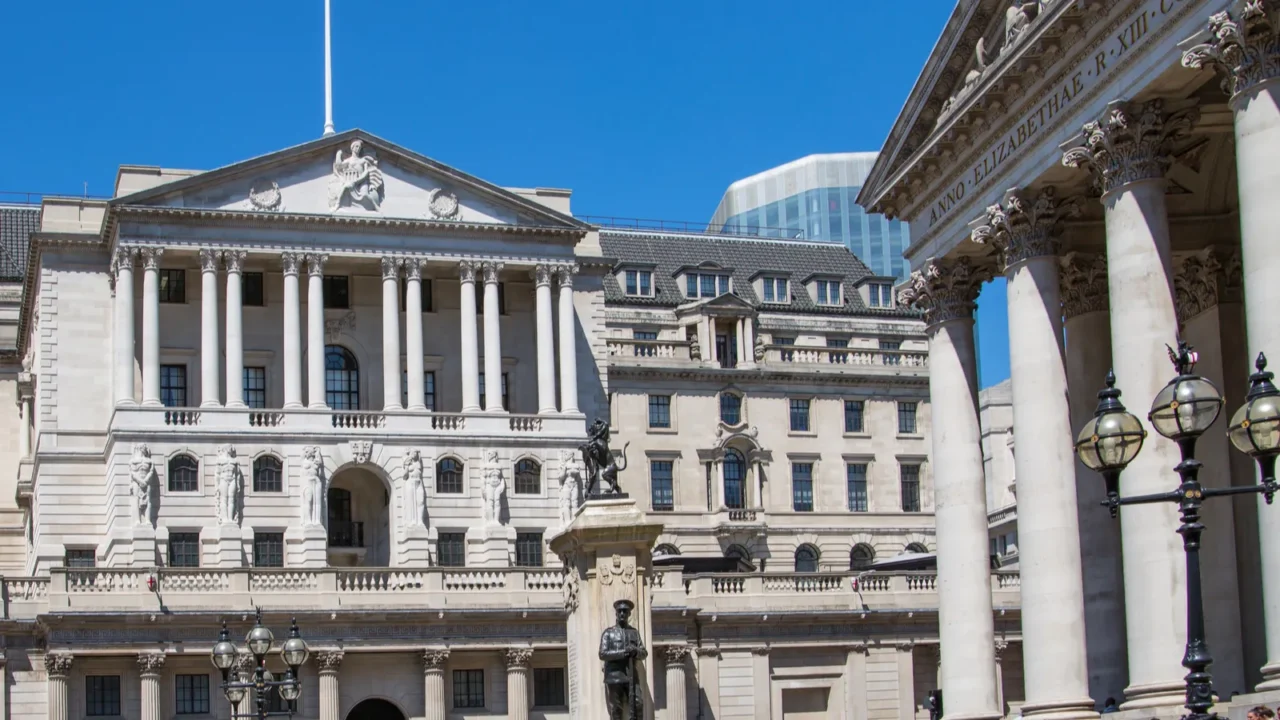
Bank of England’s policy challenge
The Bank of England faces a difficult balance between combating inflation and supporting a fragile economy.
As gilt yields rise and cost pressures increase, policymakers must decide whether to tighten further or provide stability to markets while managing expectations across public and private sectors as global uncertainty persists.

Social impact of economic stress
Rising costs are affecting everyday life in Britain, from grocery bills to commuter fuel charges.
Rising living costs are adding pressure to household budgets and increasing public concern about the broader economic outlook. If energy and transport costs stay elevated, the strain could weigh further on confidence, spending, and support for government policy choices.

Pathways to resilience
Britain’s economic outlook hinges on diversification and resilience measures. Investment in clean energy, supply chain reforms, and stronger international economic partnerships can help mitigate shock effects.
Long‑term policy responses, including innovation support and trade diversification, will shape recovery potential and national confidence without triggering unnecessary panic.
Could Britain weather this period of volatility, or could deeper economic strain still lie ahead? Let us know what you think in the comments.
This slideshow was made with AI assistance and human editing.
Don’t forget to follow us for more exclusive content right here on MSN.
Read More From This Brand:
