
Shifting skies ahead
Budget airlines once thrived by selling affordable tickets and connecting major cities to smaller airports that larger carriers often overlooked. Their affordable flights helped millions of travelers explore new places without spending a fortune. But today, many low‑cost carriers are trimming their route maps because rising costs and taxes are squeezing profit margins.
These cutbacks are reshaping how people plan trips and which cities remain easy to reach on a budget. Travelers who booked flights to lesser‑served destinations may now need to rethink itineraries or pay more for alternate routes. As a result, the landscape of budget travel is evolving fast and forcing passengers to adapt.
Europe’s budget turnaround
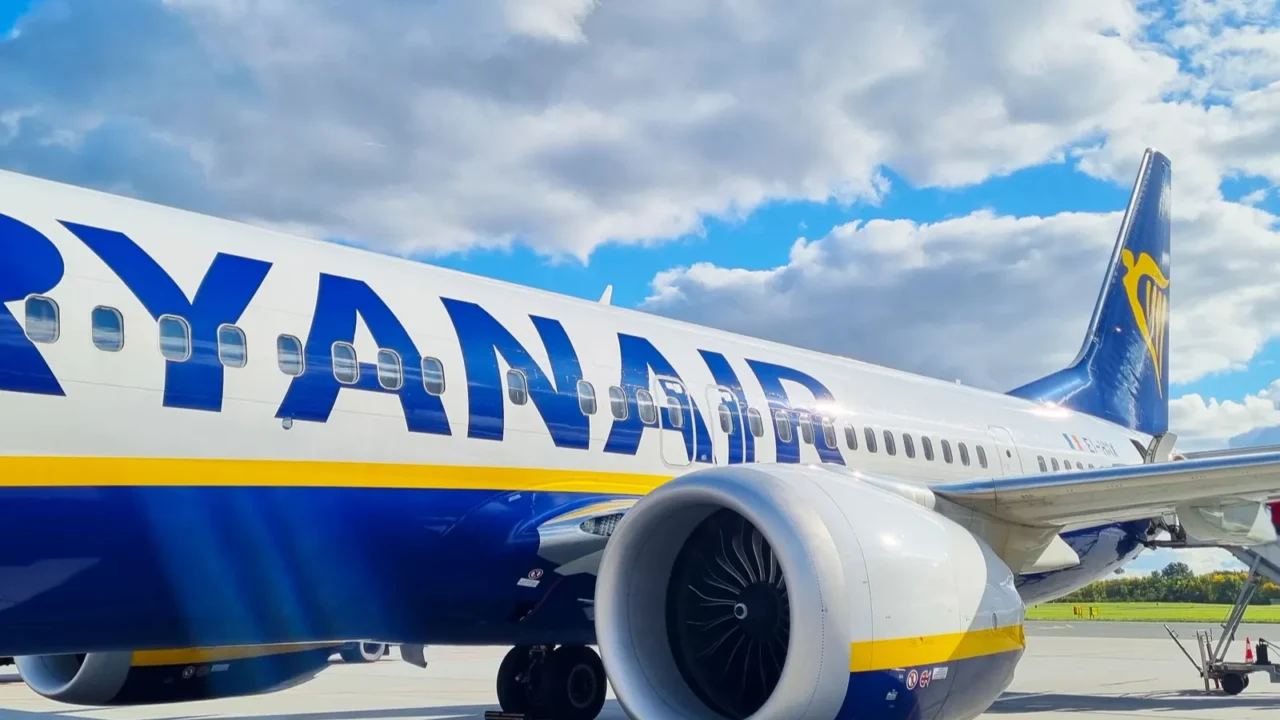
In Europe, major budget airlines like Ryanair and easyJet have reduced flight offerings because of higher aviation taxes and fees at airports. These costs have driven cuts across Germany, Spain, Denmark, the United Kingdom, and Croatia.
For travelers, this means fewer low‑fare flights, especially from regional airports that relied on no‑frills carriers for affordable access. Holidaymakers and city‑break tourists might now find it harder to reach certain destinations without paying more.

Belgium cost pressures
Ryanair has faced challenges in Belgium due to rising passenger taxes and airport charges, leading to capacity reductions at Brussels Charleroi and Brussels Airport. While Ryanair has not confirmed specific numbers for 2026–27, recent cutbacks at Brussels airports reflect broader efforts to reduce operations in response to rising passenger taxes and airport fees.
For travelers, this results in fewer budget options for short‑haul and city‑break flights from both airports. Alternatives may involve higher fares or indirect routes that add time and cost to trips.
Wizz Air’s UK shift
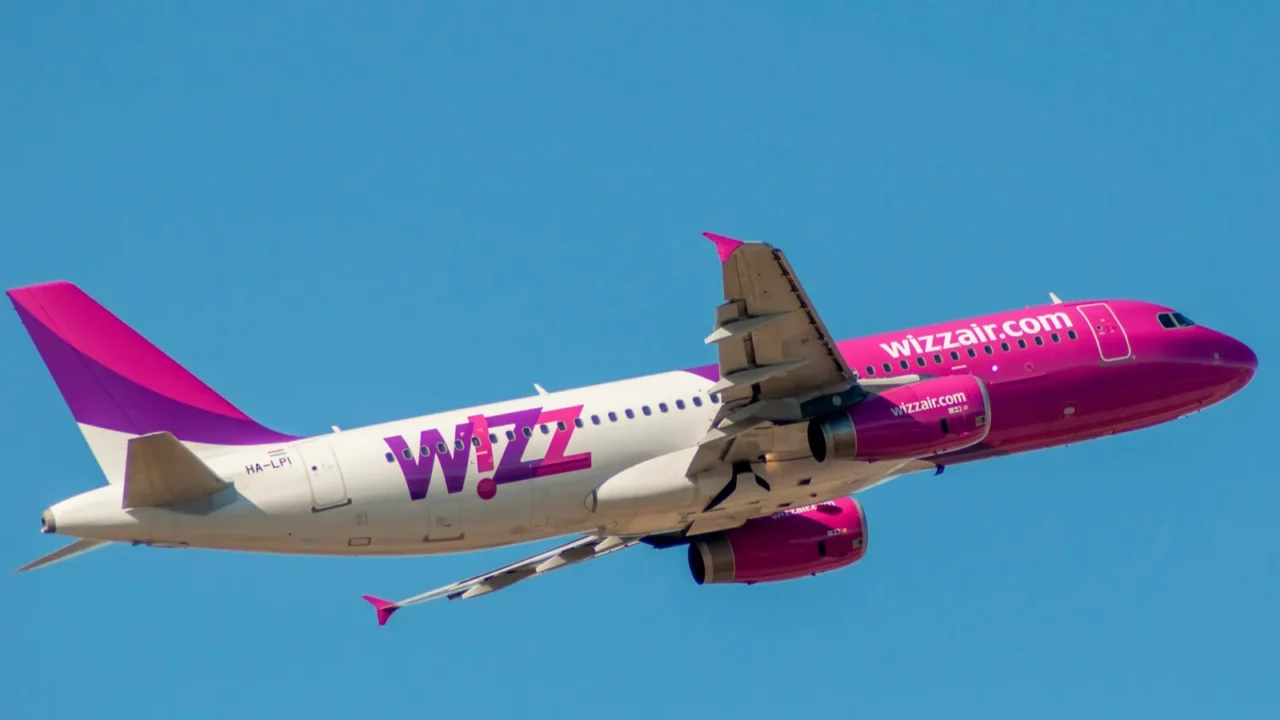
Wizz Air has reduced services from major UK airports like Doncaster and Cardiff, citing high operational costs and changing passenger trends. With fewer daily departures available, tourists and locals alike have to scramble for alternatives or pay more for direct service.
These reductions also ripple into the tourism industry. Hotels, restaurants, and local guides in destinations once served by numerous budget flights may see fewer visitors, especially from casual holiday travelers who were drawn by cheap airfares.
Asia-Pacific route changes
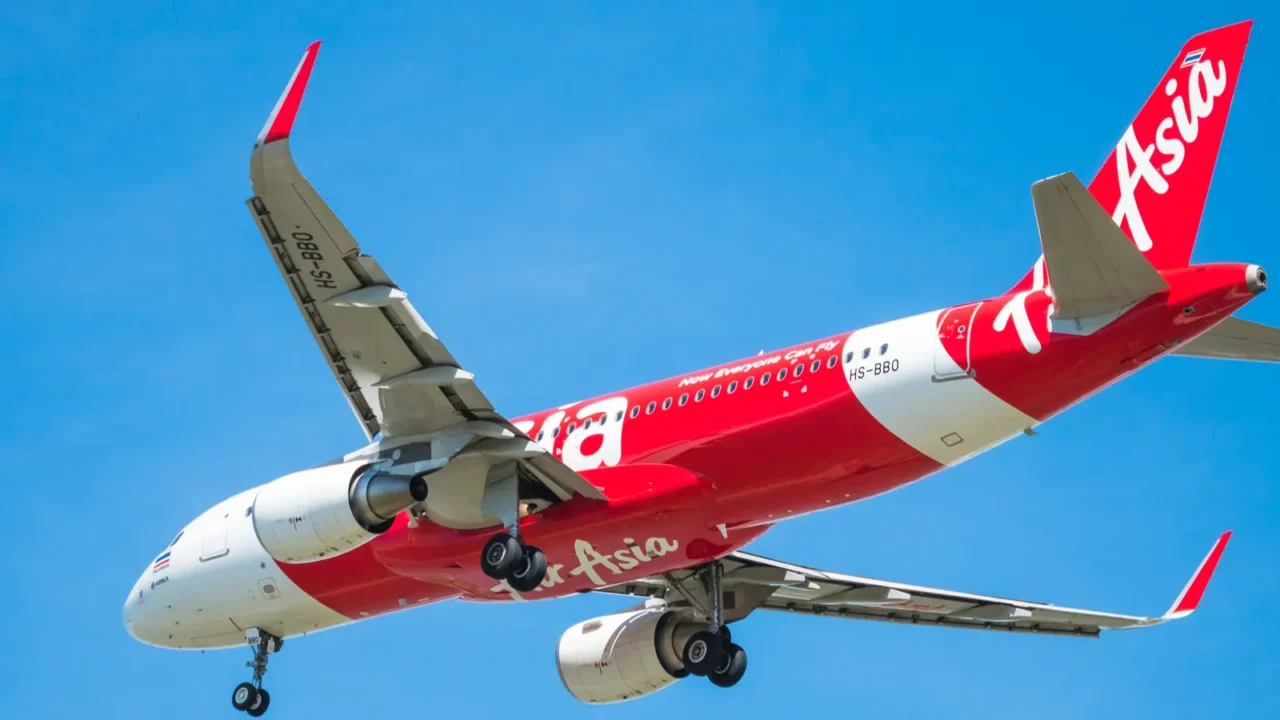
Budget carriers in Asia‑Pacific, including AirAsia affiliates, have suspended or reduced select leisure routes like those connecting Australia to Bali due to operational costs and demand fluctuations. Travelers on such routes have faced disruptions, requiring rebookings or alternatives on short notice.
This reflects a regional pattern where sudden service withdrawals challenge passenger flexibility. Limited protections in some markets can complicate refunds or compensation when flights are canceled unexpectedly.
India’s flight reductions
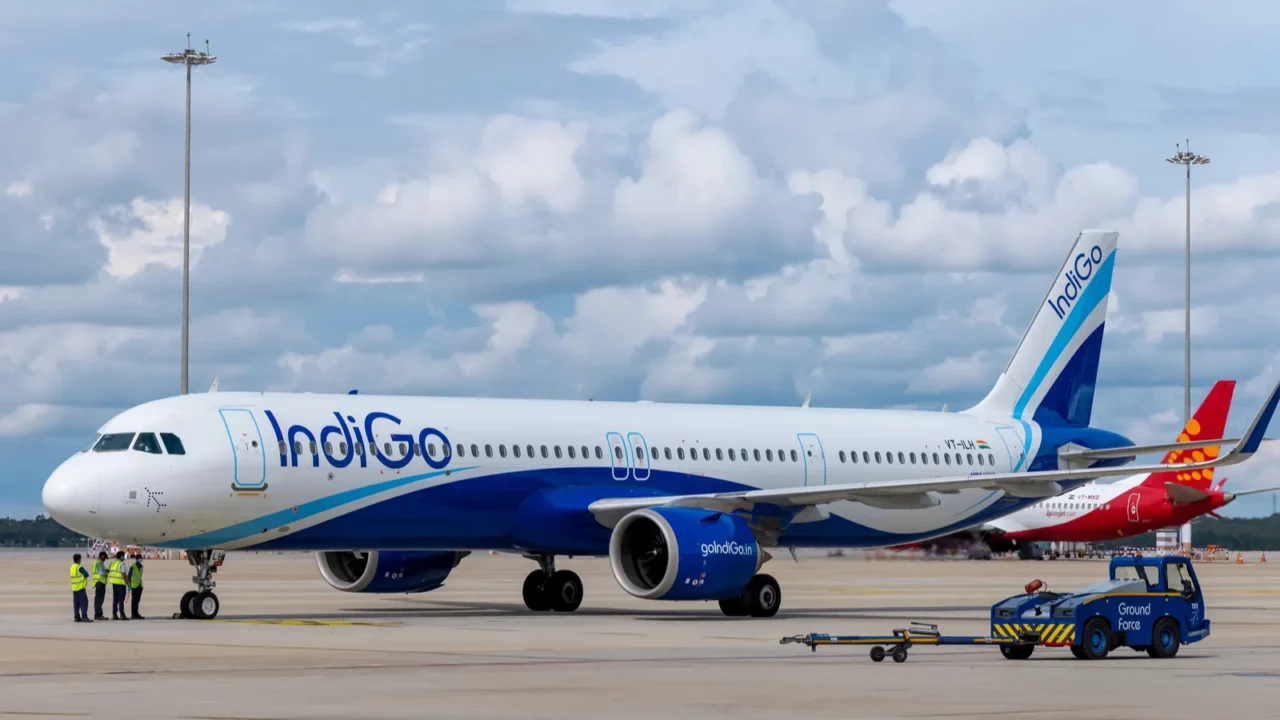
IndiGo has trimmed schedules on select routes due to aircraft shortages, infrastructure limitations, and oversight from India’s Directorate General of Civil Aviation (DGCA), affecting around 5 percent of operations on competitive routes while prioritizing key monopoly links. These adjustments stem from slot limitations and infrastructure issues rather than demand alone.
South Asian travelers now face reduced frequencies, higher sold‑out risks, and elevated peak‑season fares. Spontaneous trips become more challenging as a result of fewer available seats and limited timing options.

What it means for travelers
Route cuts by budget carriers often translate into fewer choices, especially for trips outside major travel corridors. When airlines withdraw services, passengers must look at alternate flights, sometimes on full‑service carriers with steeper prices.
Cheaper travel windows like early‑morning or mid‑week flights may disappear. Peak travel periods could become more crowded and less affordable as airlines consolidate schedules to the most profitable times.

Price pressures rising
As low‑cost carriers scale back, the competition that once kept airfare down is weakening. With fewer airlines flying certain routes, remaining carriers can charge more, especially where demand is steady. This trend can impact travelers’ budgets directly when booking flights.
Even if occasional deals still pop up, the overall cost of travel may climb. Budget flyers may have to pay extra for services once included or accept longer layovers with alternate carriers to stay within budget.

Smaller airports lose service
Many smaller or secondary airports depended on low‑fare flights to bring in visitors. With airlines withdrawing service to less profitable markets, towns and cities risk losing their air links altogether.
For travelers, this means needing to fly into larger hubs and take ground transport to reach final destinations. What was once a direct, affordable journey might now involve multiple connections and higher total costs.

Planning strategies shift
Travelers now need to be savvier and more flexible than ever. Booking well in advance, considering alternate airports, or traveling in shoulder seasons can help secure the best deals.
Loyalty programs and reward miles also become more valuable when direct paths shrink. Dedicated travelers may find that a mix of budget and legacy carriers yields the most affordable overall itineraries.
Hidden costs revealed
The budget model masks many additional fees, such as charges for baggage, seat assignments, and onboard services. When routes are cut, travelers may switch to airlines where many extras are bundled into the ticket price, making cost comparison more complex.
Fewer carriers competing on a route also reduces pressure to keep fees low. The days of ultra‑cheap headline fares with minimal add‑ons could become increasingly rare.
What comes next
Industry analysts expect more shifting alliances and route realignments as airlines adapt to market pressures. Some routes may be restored when costs drop or demand rebounds, while others go away for good.
For adventurous travelers, this means staying informed and flexible. The travel world is always changing, but careful planning and creativity can still unlock affordable journeys to amazing places. Stay ahead by monitoring airlines and their route updates to ensure your next adventure is smooth and budget-friendly.

Final takeaway
Budget airline route cuts are more than industry headlines. They affect how and where people can travel, how much trips cost, and how accessible distant places remain to ordinary travelers.
Understanding these shifts empowers you to make smart choices, protect your travel budget, and still chase unforgettable journeys around the world. Check your airport connections early to avoid surprises and make the most of your trip.
Have you ever wondered how a sudden route cut could reshape your dream getaway and change the way you explore the world?
This slideshow was made with AI assistance and human editing.
Don’t forget to follow us for more exclusive content right here on MSN.
Read More From This Brand:
