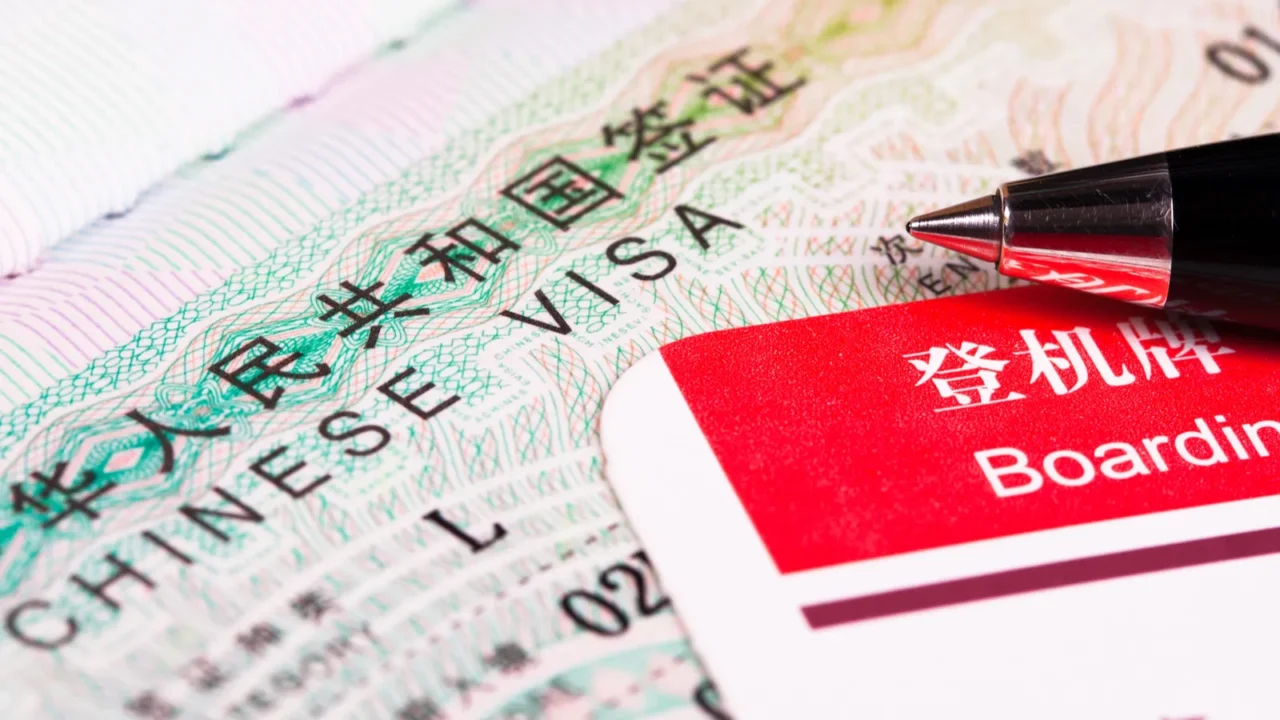
China takes advantage of high H-1B visa fees
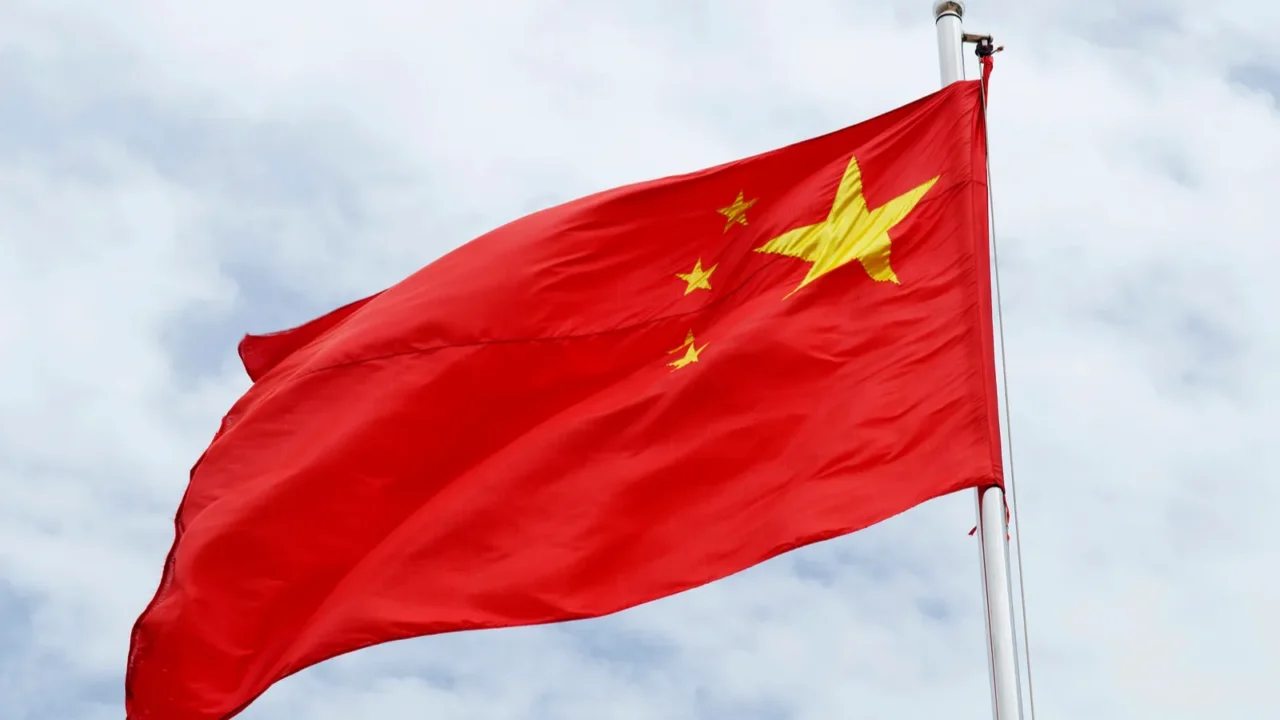
China is making headlines with its new K-visa, designed to attract talented STEM professionals from around the world. It offers a five-year, multiple-entry permit to work, study, or start a business across China, even outside major cities. The initiative is part of a larger push to make China a central hub for global innovation and technology.
This bold move is part of China’s plan to boost innovation in AI, robotics, and semiconductors. It’s a way to tap into global expertise while keeping local jobs safe and growing the tech ecosystem nationwide.
Flexibility beats old visa rules
Unlike traditional visas, the K-visa doesn’t require a job offer or employer sponsorship. Applicants can apply independently if they meet educational and professional qualifications, creating more opportunities for talented individuals around the world.
This opens doors for young researchers, tech entrepreneurs, and STEM graduates who want to explore opportunities without waiting for an employer. It’s designed to simplify the process and speed up access to China’s innovation hubs, encouraging more people to take the leap.

A global talent race heats up
With immigration tightening elsewhere, especially in the U.S., China sees a chance to attract top talent. The K-visa positions China as a welcoming destination for skilled professionals, signaling a strategic global move.
Foreign experts are expected to fill skills gaps in tech fields, helping China reduce brain drain while boosting its competitive edge in the global tech race. Analysts suggest this could also lead to more international collaborations and partnerships.

Young professionals targeted first
The K-visa mainly focuses on young STEM professionals with bachelor’s degrees or higher. It emphasizes innovation, research, and entrepreneurial potential, encouraging bright minds to contribute to China’s tech growth, especially in emerging technologies.
While specific age limits are still unclear, China wants to attract the next generation of innovators who can drive advancements in AI, semiconductors, and cutting-edge technology. These professionals could become the backbone of China’s future tech economy.

No caps, longer stays
Unlike the U.S. H-1B visa, the K visa has no announced yearly cap. It allows longer validity and multiple entries, giving flexibility for research, business, or academic activities, creating more room for innovation.
This could be a game-changer for global tech professionals who want more freedom and time to explore China’s opportunities without being tied to a single employer. Many see it as a chance to expand their careers internationally.
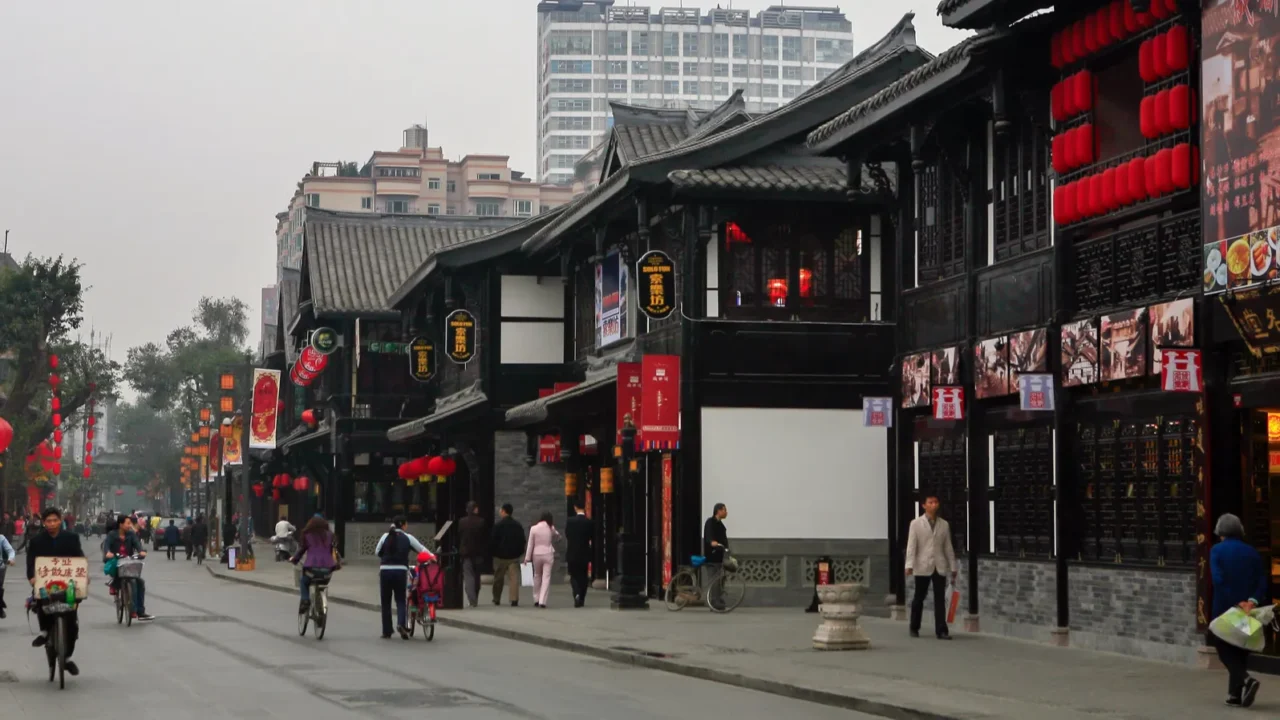
Beijing to smaller cities
The K-visa isn’t limited to Beijing or Shanghai. It encourages professionals to explore provincial tech parks, biotech clusters, and emerging innovation hubs across the country, diversifying the distribution of talent.
This strategy spreads talent across regions, helping smaller cities benefit from global expertise and stimulating local economies beyond the well-known metropolitan centers. It could lead to stronger regional development nationwide.
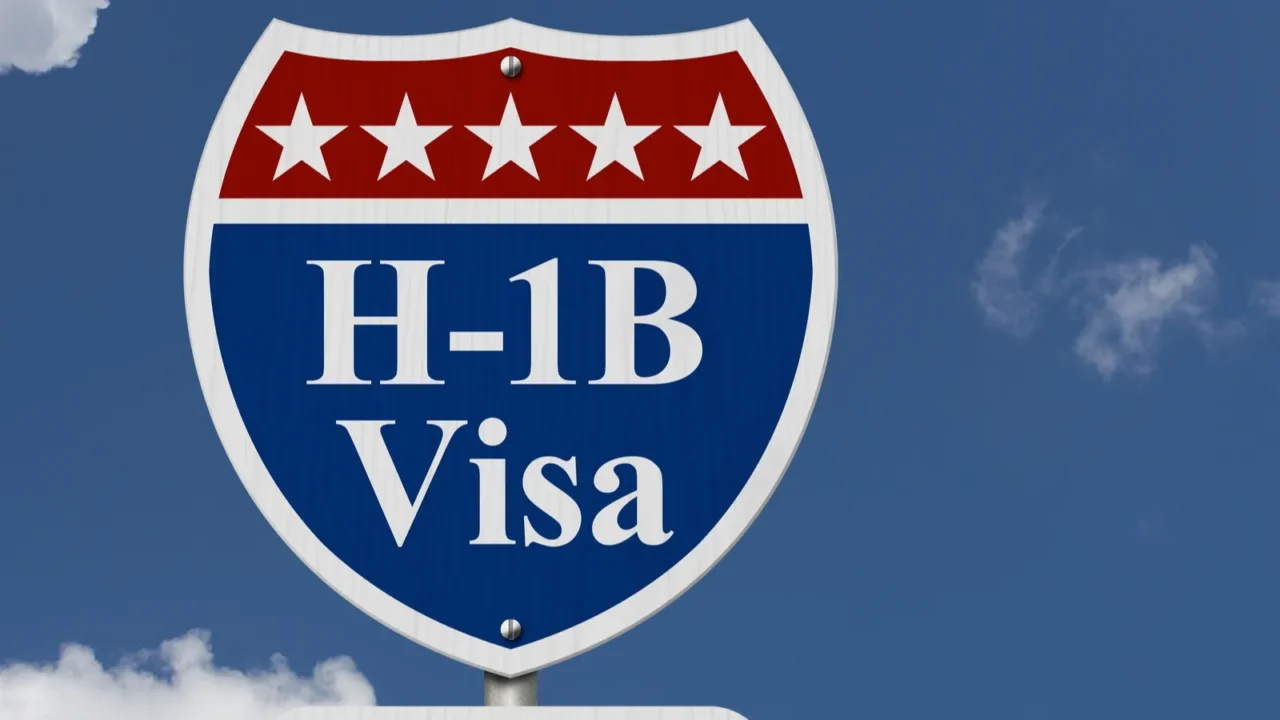
Competing with the U.S.
The K-visa arrives as the U.S. H-1B visa becomes more expensive and restrictive. China hopes its simpler, more flexible approach will attract the world’s top tech minds who are looking for alternatives abroad.
By reducing bureaucracy and removing employer-dependency, China could gain an edge in luring young innovators eager for career growth and global exposure. This could shift the balance in the global competition for STEM talent.

Boosting domestic research and development
Bringing in foreign experts isn’t just about numbers; it strengthens domestic research and development. Global talent is expected to enhance collaboration and share knowledge across China’s tech sectors, fostering long-term growth.
This approach could accelerate breakthroughs in artificial intelligence, robotics, and semiconductor development, giving China a stronger competitive position internationally. It may also encourage more domestic students to pursue STEM careers.

Entrepreneurial freedom encouraged
The K-visa allows recipients to start businesses without needing an employer. This flexibility encourages creative tech startups and innovative projects, promoting entrepreneurship nationwide.
Entrepreneurs can explore opportunities in smaller cities and specialized clusters, building companies that contribute to both local and national economic growth. The environment is designed to support new ventures from inception to expansion.

Filling the skills gap
Even with high graduate unemployment, China faces a shortage in advanced tech skills. The K-visa aims to bring in experts who can fill these gaps efficiently, ensuring that important industries have access to needed talent.
This strategy addresses long-term challenges while making the country more attractive for those who want to work, study, or innovate in science and technology fields. It is expected to strengthen global research collaborations.

Incentives beyond visas
China is also investing heavily in subsidies and funding for AI, robotics, and semiconductors. The K-visa complements these incentives, offering skilled professionals a robust environment to innovate, study, and grow their businesses.
Access to cutting-edge labs, research programs, and business opportunities creates a welcoming ecosystem for those looking to make a global impact. These incentives could make China a preferred destination for ambitious tech talent.

Streamlined application process
The K-visa simplifies the application process, eliminating multiple bureaucratic steps linked to employer sponsorship. This makes it faster and easier for qualified professionals to gain entry, encouraging more applicants to consider China.
It supports global talent who want mobility and the ability to pursue diverse opportunities, such as research, academic projects, or entrepreneurial ventures. This efficiency could set a new benchmark for international talent visas.
As global talent competition heats up, China isn’t the only one making moves, H-1B visa changes also gave Canada an opportunity. will it step up?
Responding to global trends
As countries tighten immigration, China positions itself as a flexible alternative. The K-visa responds to this trend, making the country a magnet for international talent and signaling openness to global collaboration.
It reflects China’s ambition to not only retain domestic expertise but also attract the world’s brightest minds to boost competitiveness and innovation. Analysts view it as a strategic step in global talent diplomacy.
As rising H-1B visa costs threaten to strain businesses across the DMV, the contrast makes China’s K-visa strategy even harder to ignore for global talent.
Can the K-visa beat the barriers in global tech migration? Share your thoughts in the comments.
Read More From This Brand:
- Kyoto hikes tourist tax by 900% starting in 2026. Would you still visit?
- Las Vegas locals get big discounts as tourism declines
- Australia stays strong as a bright spot in U.S. tourism
Don’t forget to follow us for more exclusive content right here on MSN.
This slideshow was made with AI assistance and human editing.
