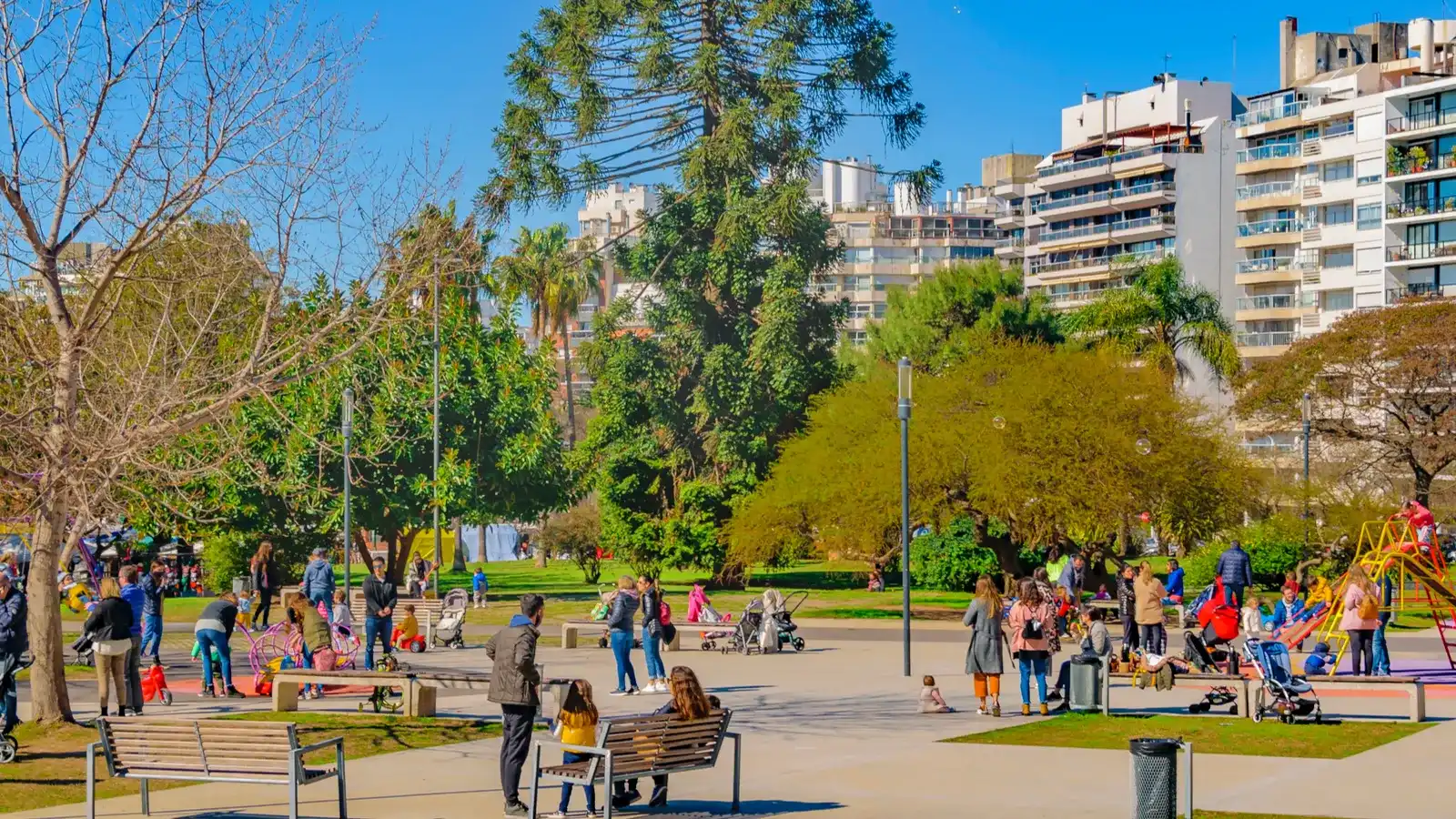

The family struggle is real
Across the world, millions of families are buckling under cities never truly built for them. Rising costs, shrinking spaces, and strained services have turned everyday parenting into a financial marathon with no clear finish line.
From Asia to Europe, global cities rank among the most punishing environments for families today. Overcrowded schools, unaffordable housing, and brutal commutes chip away at quality of life in ways raw numbers cannot capture.
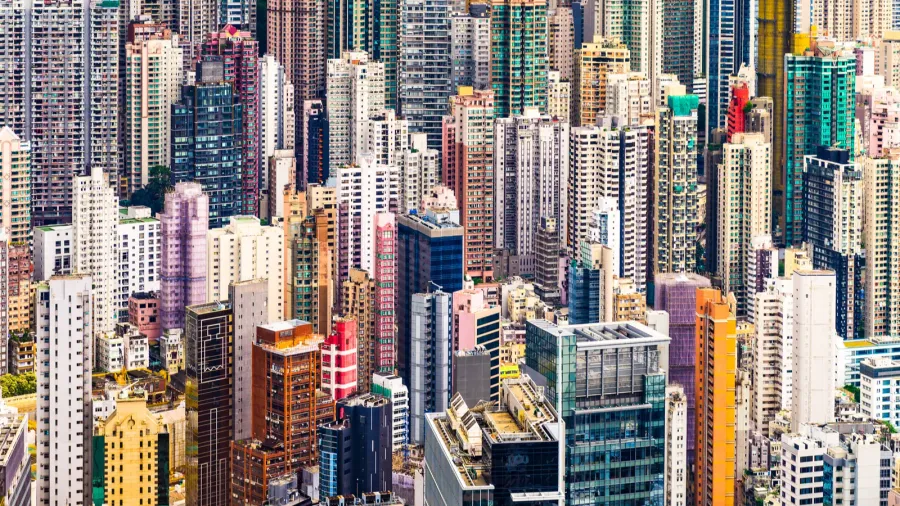
Hong Kong’s sky-high pressure
Hong Kong remains one of the world’s most expensive housing markets, and high rents combined with limited living space put intense pressure on family budgets. Competition for preferred school places can be intense, adding another layer of stress for parents already navigating Hong Kong’s high-cost and high-density environment. Public-housing wait times also remain a major family pressure point in the city.
The breathtaking skyline masks a deeply stressful domestic reality for working households. Many families share flats barely large enough for one adult, let alone children needing space for homework, meals, and rest.
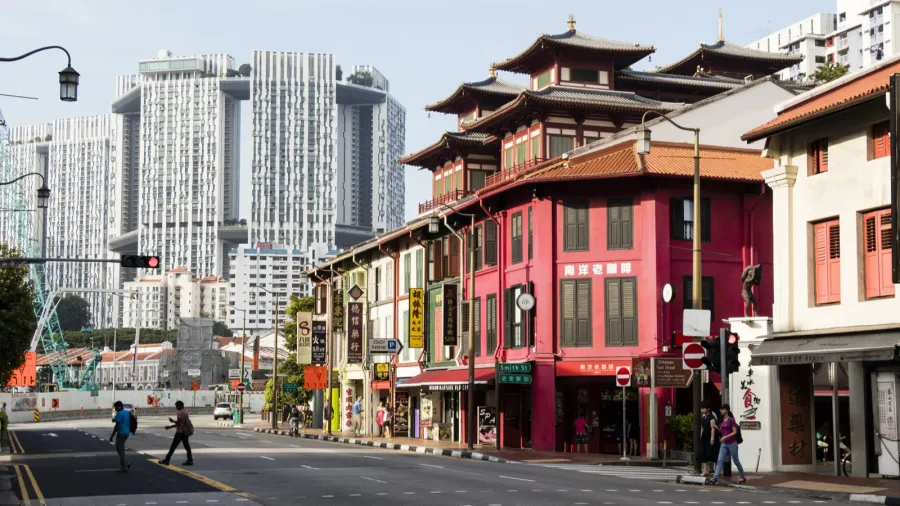
Singapore’s beautiful burden
Singapore dazzles with order and gleaming infrastructure, but families pay an extraordinary price to live inside that perfection. A car alone can exceed $100,000 due to the Certificate of Entitlement system, making transport a luxury many young families cannot afford.
Even with subsidies and fee caps, childcare remains a meaningful expense for many households, especially when combined with housing, transport, and education-related costs. For some families, those pressures can make work and caregiving decisions much harder to balance.
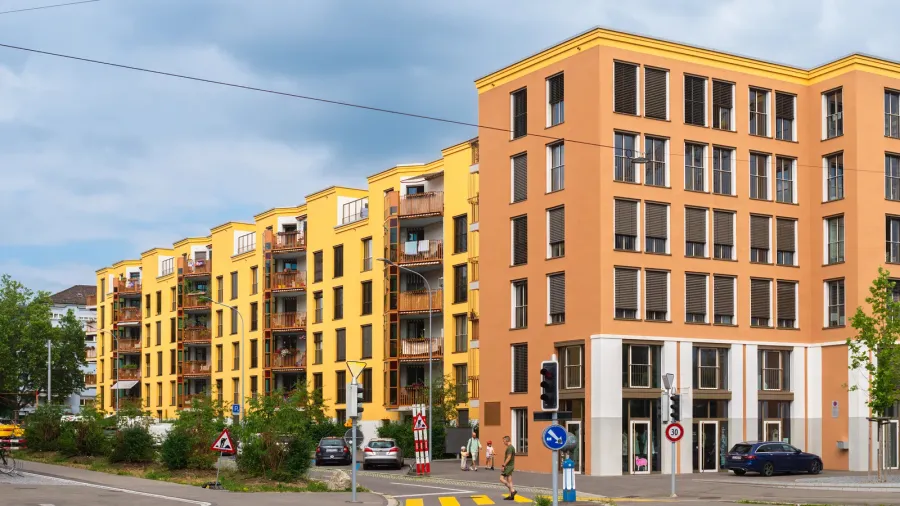
Zurich families pay deeply
Zurich carries a price tag that quietly excludes ordinary families from experiencing its celebrated livability. Grocery bills, rent, health insurance, and everyday services add up quickly in Zurich, making family budgeting unusually demanding even in a city known for high salaries. Dining out and other routine discretionary expenses can feel especially costly for households with children.
Rental prices have surged so aggressively that families relocate to distant commuter towns, adding punishing hours to already exhausting schedules. Parents work longer and longer to maintain a standard of living, and the city’s glossy reputation never stops promising.
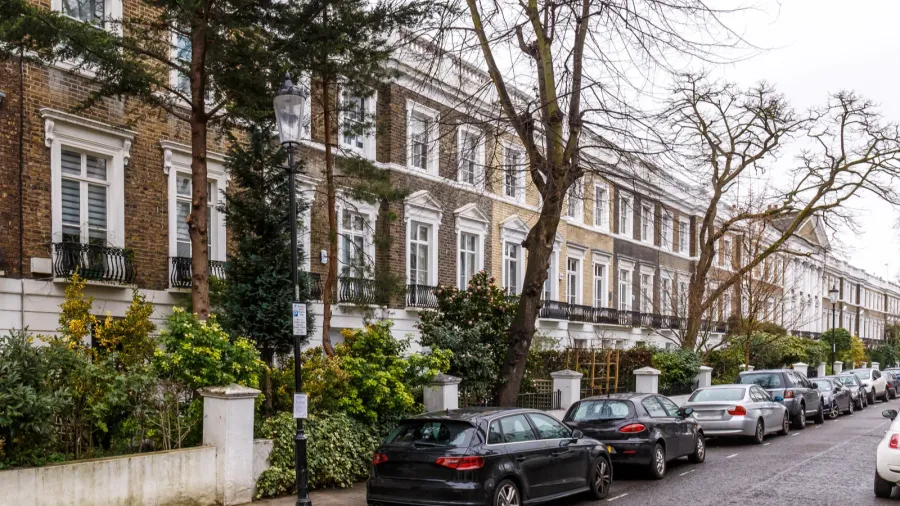
London’s impossible family math
London’s housing crisis is felt daily in packed schoolrooms, overcrowded tube carriages, and kitchens shared between multiple families inside subdivided Victorian homes. Raising a child to age 18 here costs more than anywhere else in the United Kingdom by a staggering margin.
After rent, childcare, and transport consume household income, nothing remains for savings or enrichment. Thousands of families leave London every year, not by choice, but because the arithmetic of staying simply stops adding up.
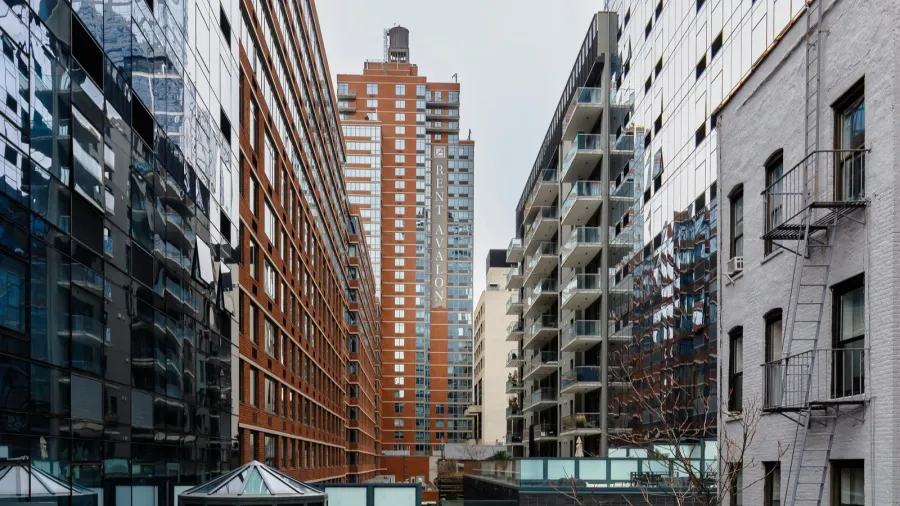
New York’s family exit wave
New York City’s dream collides hard with a suffocating cost of living that forces impossible choices on families with children. Public school quality varies so dramatically by zip code that where a family can afford to rent determines a child’s entire educational future.
FACT: New York City’s population grew by about 87,000 people between 2023 and 2024, marking a rebound after earlier pandemic-era losses.
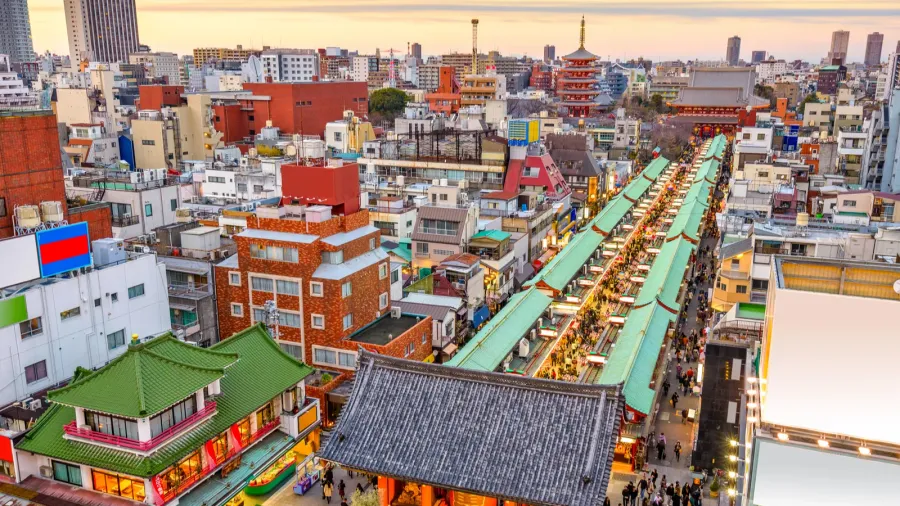
Tokyo squeezes families out
Tokyo functions with remarkable efficiency, yet its family friendliness is being questioned by the very residents needed to sustain its population. Childcare waiting lists grew so notorious that the term “childcare refugees” entered mainstream Japanese public conversation and triggered emergency government intervention.
The average Tokyo apartment offers less floor space than most Western studio flats. Families with children contort daily life around furniture doubling as storage, beds, and play areas inside units never designed for growing households.
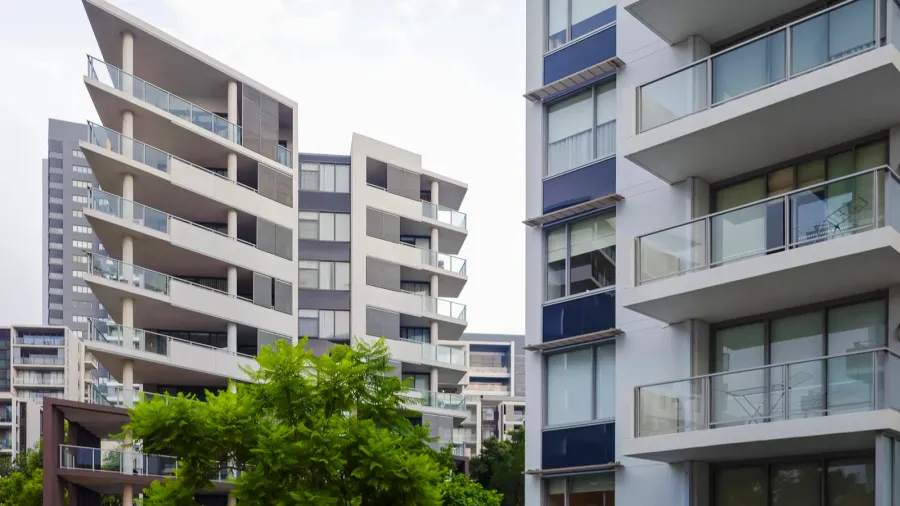
Sydney dreams, family screams
Sydney’s beaches project effortless family living, but a mortgage crisis tells a far harsher story for parents trying to establish roots. The median house price has crossed thresholds, placing homeownership entirely beyond reach for dual-income families working full-time.
FACT: Sydney consistently ranks among the world’s most expensive housing markets, with home prices far exceeding average household incomes.

Paris is not for kids
Paris enchants the world but tilts increasingly toward wealthy singles and tourists rather than households managing strollers and school schedules. Daycare costs rank among France’s highest, while affordable family-sized apartments in central districts have practically vanished from the market entirely.
The Metro offers little accommodation for families traveling with children and strollers through stations designed long before modern family mobility existed. Many parents settle in outer suburbs, trading the city’s famous energy for the basic dignities of space and affordability.
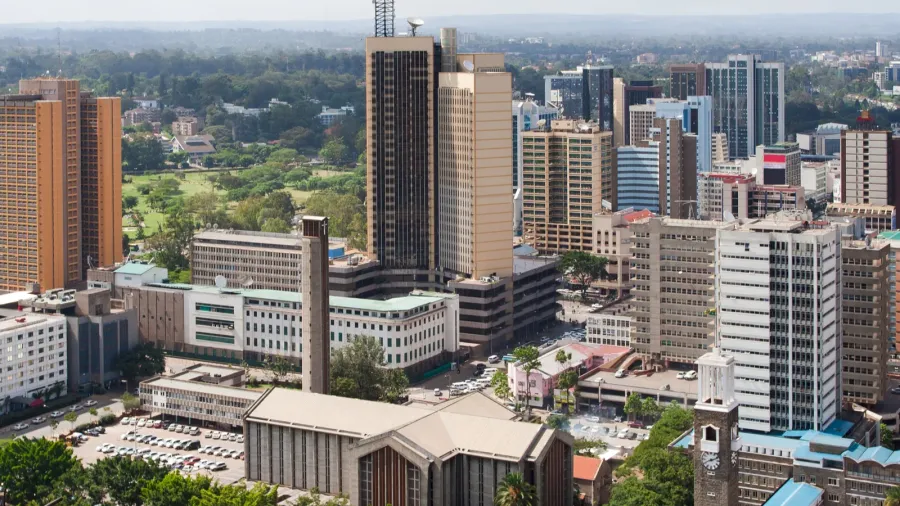
Nairobi’s growing family crisis
Nairobi attracts investment at a remarkable pace, but families outside its gleaming business districts face conditions starkly contrasting that prosperity. Clean water, reliable electricity, and sanitation remain inconsistent across residential areas where working-class families are densely concentrated in informal settlements.
Educational inequality remains a major issue in Nairobi, where better-resourced private options are often out of reach for many households, and public services can be stretched in fast-growing communities. For families already dealing with uneven access to water, sanitation, and reliable utilities, those gaps compound everyday stress. The inequality between Nairobi’s elite neighborhoods and its overwhelmed family communities remains among the most visible anywhere in the developing world.
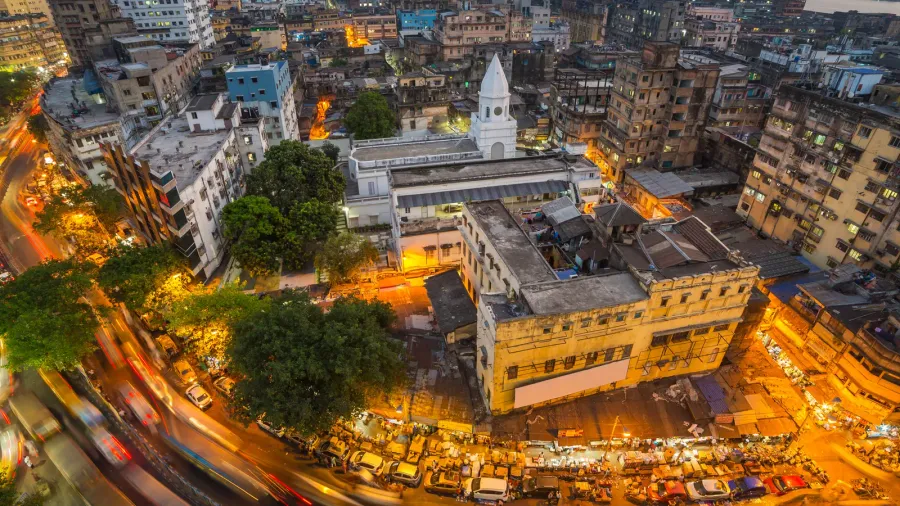
Mumbai’s relentless family grind
Mumbai families sacrifice comfort, space, and time chasing opportunity inside India’s financial capital. A middle-class family of four may share a single room, with children doing homework on the floor while parents cook in a kitchen barely wider than outstretched arms.
Traffic congestion is so severe that school runs consume two to three hours daily, destroying work time and rest. Mumbai’s relentlessness is not a lifestyle choice but a condition imposed by a city outgrowing its infrastructure at a breathtaking pace.
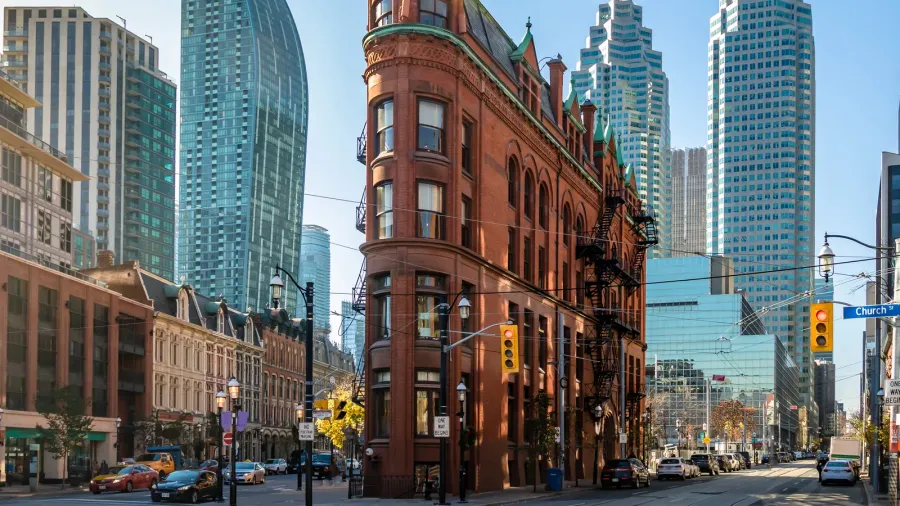
Toronto families feel squeezed
Toronto was once Canada’s great equalizer, where immigrant families built comfortable lives within a generation through hard work alone. That social contract has badly frayed as housing prices tripled over two decades while wages for working families grew at a fraction of that pace, increasingly favoring the ultra-wealthy, and it raises a quiet question of who cities are really being built for today.
Classrooms operate above official capacity across the city as rapid population growth strains school infrastructure. Many families relocate to smaller Ontario cities, conceding Toronto’s opportunities in exchange for the basic breathing room a growing household genuinely needs.
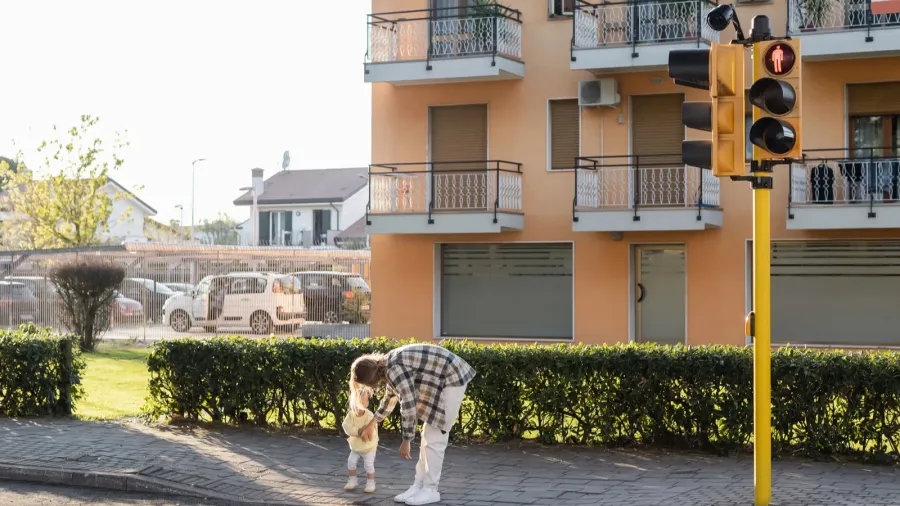
No easy answers for families
Cities driving global economies are simultaneously making family life unsustainable for the very people keeping those economies functioning. The gap between what urban centers promise and what they actually deliver to parents and children grows wider with every passing year, leaving us to wonder what kind of cities we are shaping for the next generation.
Policymakers face mounting pressure to redesign cities around human needs rather than financial metrics alone. Until that shift happens at scale, families worldwide will keep making heartbreaking choices between opportunity and the basic conditions children need to thrive genuinely.
Are global cities becoming places to build a future, or places families are quietly being pushed out of?
Read More From This Brand: