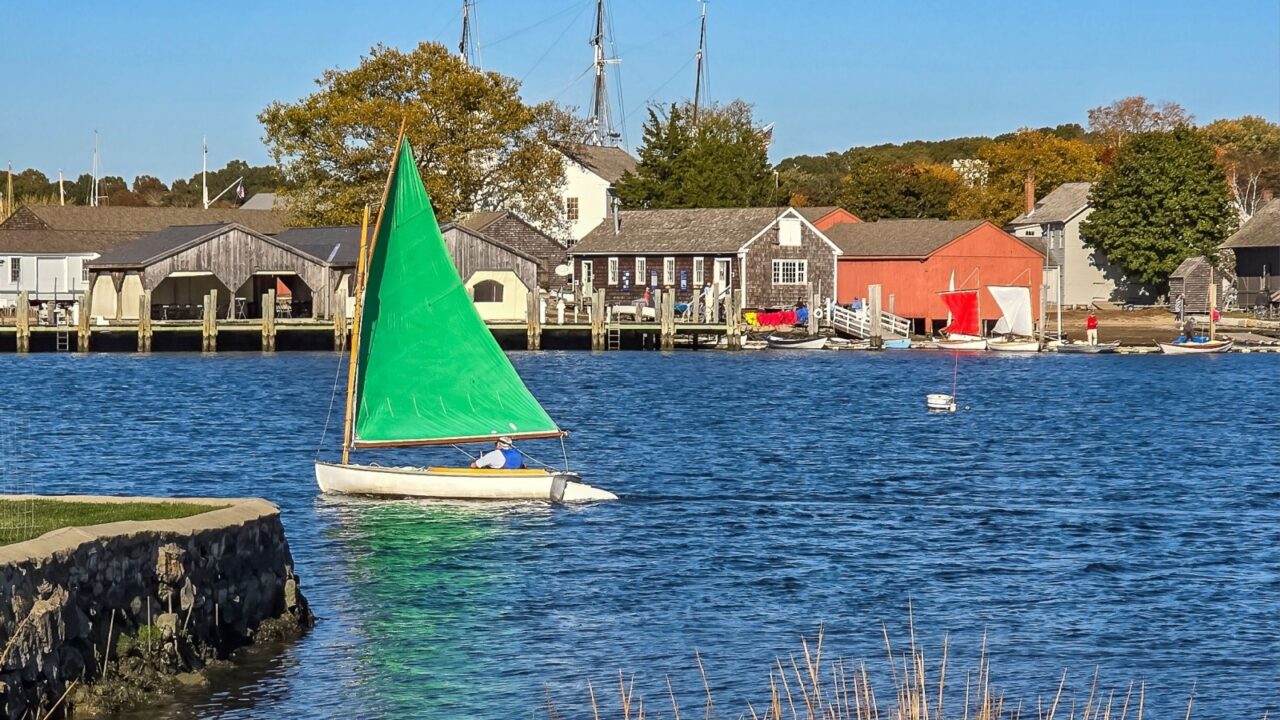
A quieter coastal pull
Connecticut’s coastal villages are drawing travelers who want calm over crowds and noise. Places like Old Saybrook and Stonington feel lived in rather than staged for peak season rushes. Streets stay walkable, shorelines stay open, and daily life moves at an easy pace.
Instead of mega resorts, visitors find marinas, bookstores, and coffee shops near the water. Even in summer, beaches like Harvey’s in Old Saybrook stay manageable and relaxed. That balance makes the coast feel welcoming without feeling overwhelmed.
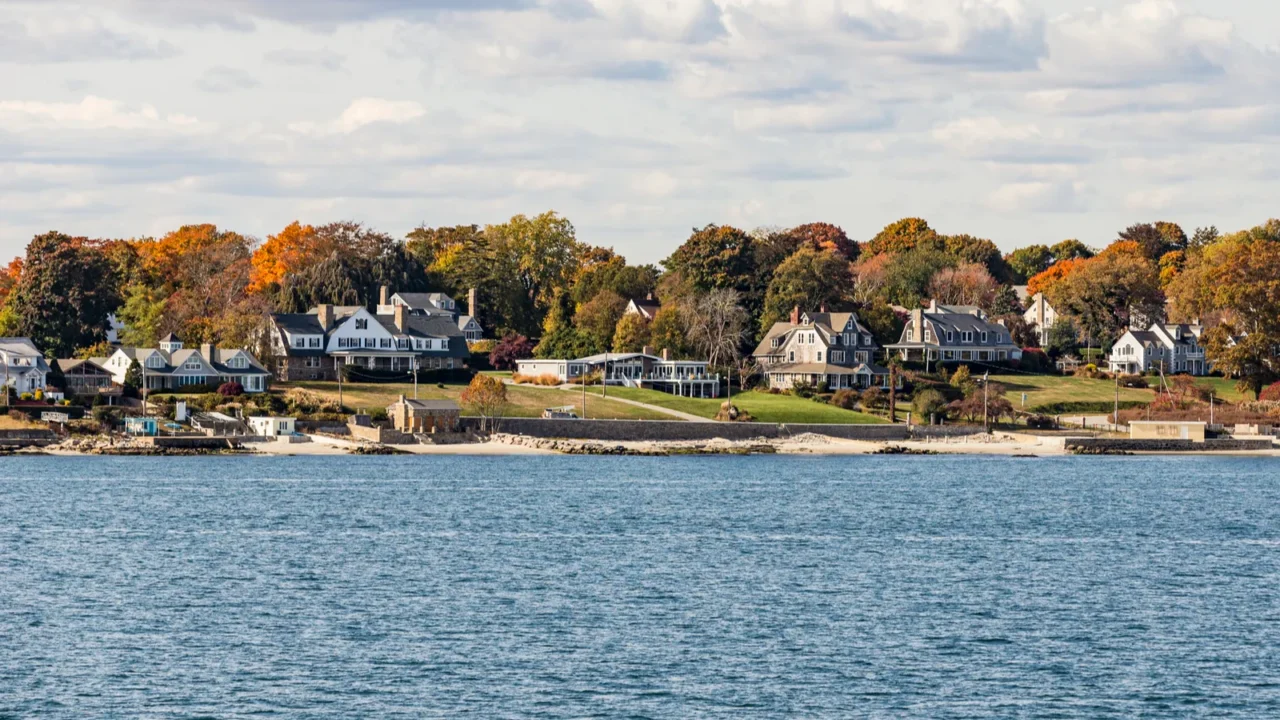
Small towns, real charm
Villages along the Long Island Sound lean into authenticity instead of spectacle. Essex, Guilford, and Niantic still center around main streets, harbors, and local businesses. That everyday rhythm feels refreshing after louder beach hubs.
Historic homes, clapboard inns, and working docks shape the experience naturally. Travelers notice fishermen unloading catches and neighbors greeting each other by name. Those simple scenes create memories that feel grounded and lasting.

Beaches without the chaos
Connecticut’s shoreline offers beaches that feel personal rather than packed. Hammonasset Beach State Park has space to spread out even on busy weekends. Rocky Neck in East Lyme mixes sand, trails, and quiet picnic spots.
Parking stays manageable, and access rarely feels stressful or rushed. Families and solo travelers alike enjoy slower mornings by the water. That calm atmosphere changes how time is spent along the shore.

Easy weekend access
One reason travelers are returning is how easy these villages are to reach. Towns like Madison and Westbrook sit just off major highways and rail lines. That convenience makes short trips feel worthwhile and spontaneous.
New Haven and Old Saybrook stations connect directly to coastal towns. Travelers can arrive without renting cars or navigating resort traffic. Less effort getting there leaves more energy to actually enjoy the stay.
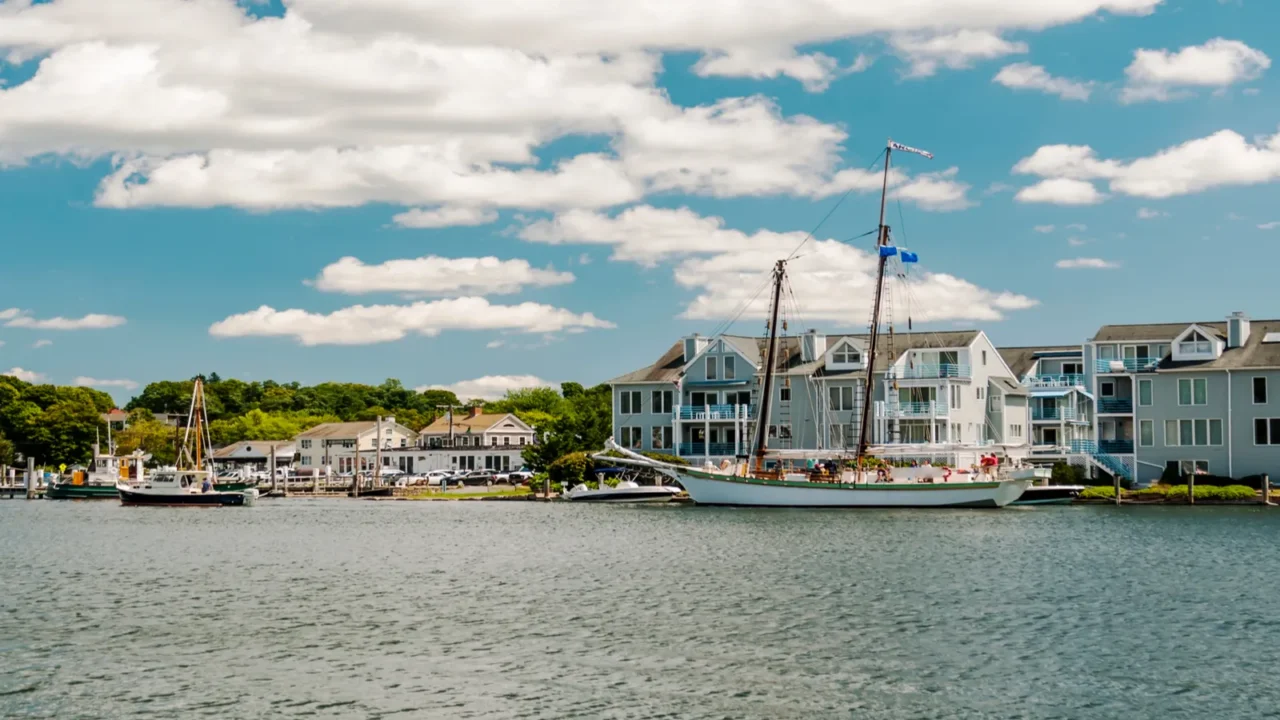
History along the shoreline
Connecticut’s coast carries centuries of maritime and colonial history. Mystic Seaport brings sailing culture and shipbuilding stories to life. Stonington Borough preserves stone streets and waterfront homes from earlier eras.
Instead of museums feeling isolated, history blends into the daily scenery. Old lighthouses, churches, and harbors appear during casual walks. That constant presence gives each village a deeper sense of place.

Food feels local here
Dining in these coastal towns stays rooted in local tradition. Abbott’s Lobster in the Rough and Ford’s Lobster serve seafood straight from nearby waters. Menus reflect seasons rather than tourist trends.
Small bakeries, clam shacks, and cafes anchor morning routines. Travelers eat alongside locals instead of being in separate crowds. That shared atmosphere makes meals feel relaxed and genuinely satisfying.

Slower days by water
Travelers are craving trips that allow space to slow down. Kayaking in Essex or paddleboarding in Mystic River fits that mindset perfectly. Activities feel flexible instead of tightly scheduled.
There’s no pressure to fill every hour with attractions. Sitting near marinas or watching sailboats pass becomes enough. That simplicity reshapes what a coastal getaway can feel like.

Shoulder seasons shine brighter
Unlike major beach hubs, these villages stay appealing beyond peak summer. Early fall brings quiet harbors and warm light along the shoreline. Spring delivers blooming gardens and open coastal paths.
Shops and cafes stay open without overwhelming crowds. Lodging prices soften while experiences remain full. Travelers rediscover how rewarding off-season coastal trips can be.

Walkable village layouts
Many Connecticut coastal towns were built long before car culture. Guilford Green and Madison town center remain easy to explore on foot. That layout encourages wandering instead of rushing.
Visitors move between shops, beaches, and cafes naturally. Streets feel safe and human-scaled throughout the day. Walkability adds comfort that large resort areas often lack.
Nature blends with towns
The coastline here mixes developed villages with preserved landscapes. Salt marshes, tidal rivers, and coastal forests appear minutes from town centers. Places like Barn Island Wildlife Management Area feel untouched.
That closeness lets travelers shift between nature and dining easily. Morning hikes can lead straight into harbor lunches. The blend keeps days feeling balanced and full.

A break from beach excess
Major beach hubs often focus on volume and spectacle, while Connecticut’s coastal villages offer an alternative rooted in scale and calm. That contrast feels increasingly appealing to modern travelers, especially as interest grows in slower coastal experiences, like how coastal hotels are redesigning rooms just for storm watching. The shoreline becomes less about crowds and more about atmosphere.
Instead of towering hotels, there are inns and guesthouses. Nights stay quiet and mornings feel unhurried. The coast becomes a place to reset rather than perform.
Rediscovering coastal balance
Travelers are realizing that memorable trips don’t need massive crowds. Connecticut’s shoreline proves how balance can define a destination. Villages deliver beauty without sacrificing peace.
With easy access, local flavor, and slower rhythms, the coast feels renewed. Each visit supports communities that remain authentic year-round. That rediscovery is reshaping how coastal travel is valued.
If you found this interesting, give us a like and share your thoughts in the comments.
This slideshow was made with AI assistance and human editing.
Don’t forget to follow us for more exclusive content right here on MSN.
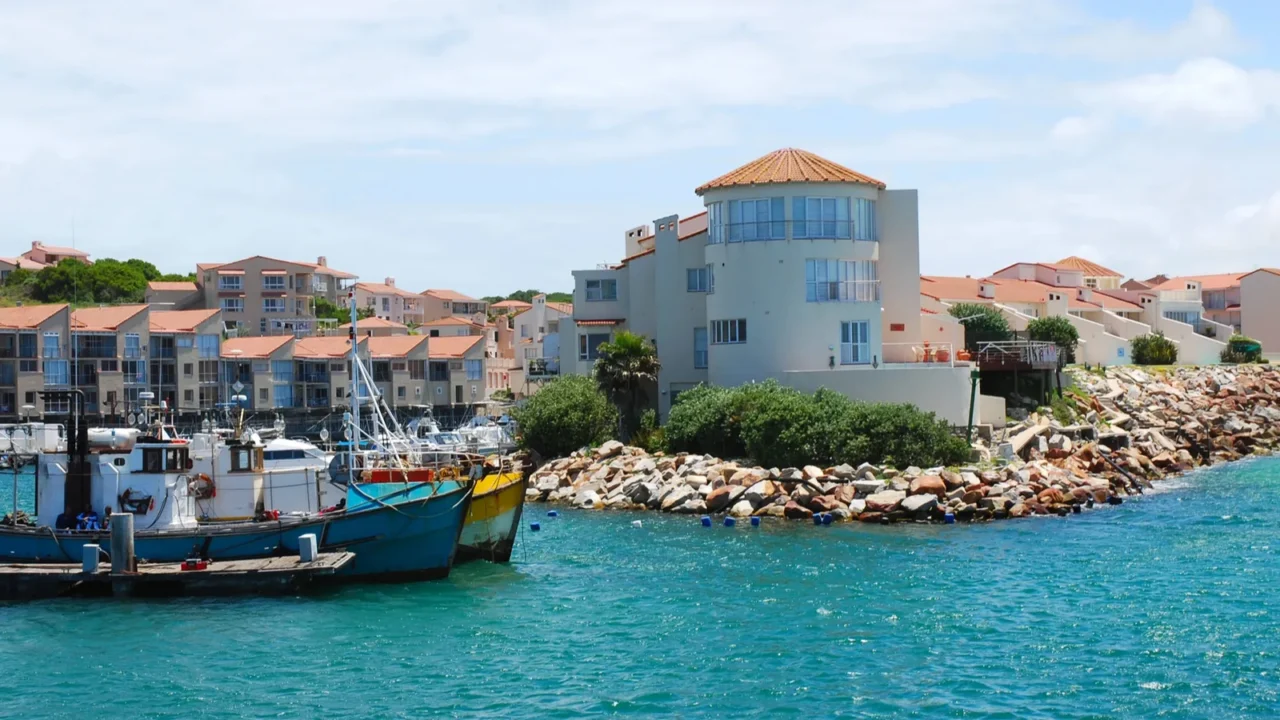
Disclaimer: The images used are for illustrative purposes only and do not depict the actual locations mentioned.
Read More From This Brand:
