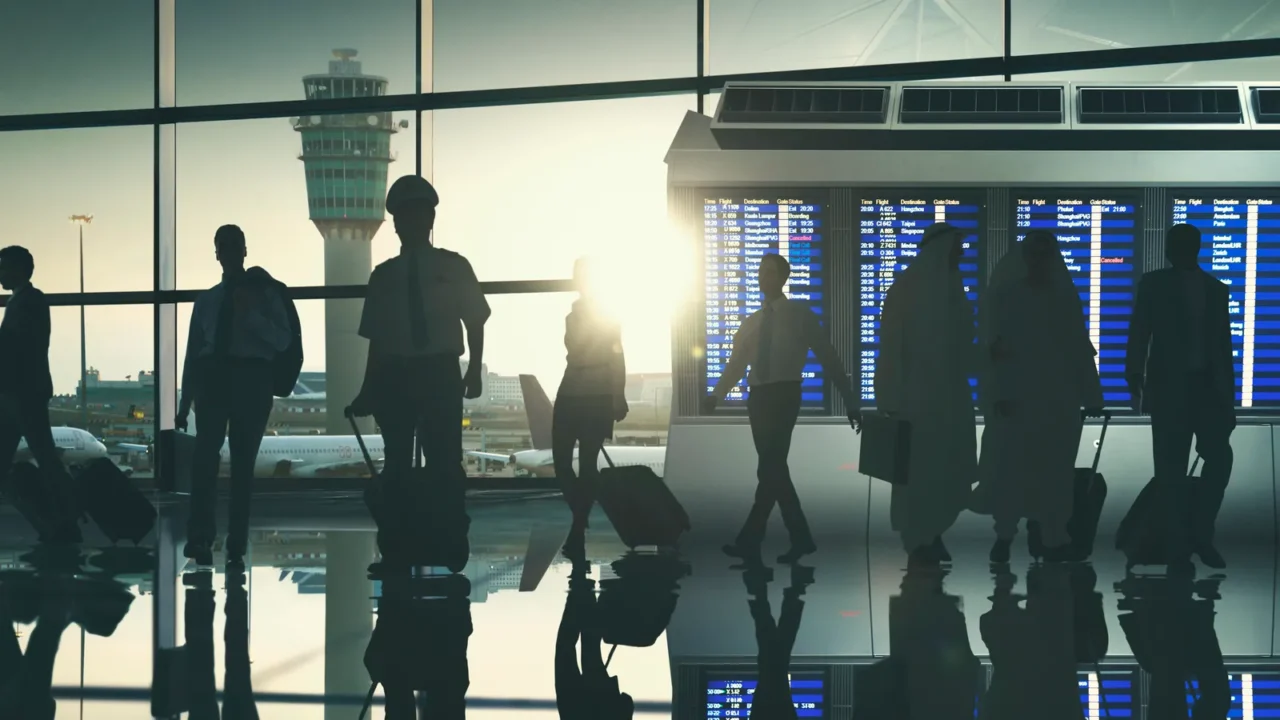
Rising airport cyber threats
Air travel is facing a new wave of digital trouble that is catching many travelers off guard. Cyberattacks are now targeting systems that keep airport operations moving smoothly. The latest incidents show how quickly chaos can unfold when key networks fail.
Holidaymakers are hearing more stories about attacks that cause long delays and crowded terminals. Many visitors are surprised at how fast small outages can turn into major disruptions. Let’s get to it.

Recent attacks explained
Several European airports experienced a major cyber disruption that shut down electronic check-in services. The outage created long lines and forced airports to switch to slower manual processing. Travelers faced delays that stretched far past the usual busy rush.
Reports confirmed that the attack affected systems managed by a well-known aviation technology provider. Airport teams worked through the night to keep flights moving with limited tools. News outlets noted that recovery took longer than airlines expected.
Airports most affected
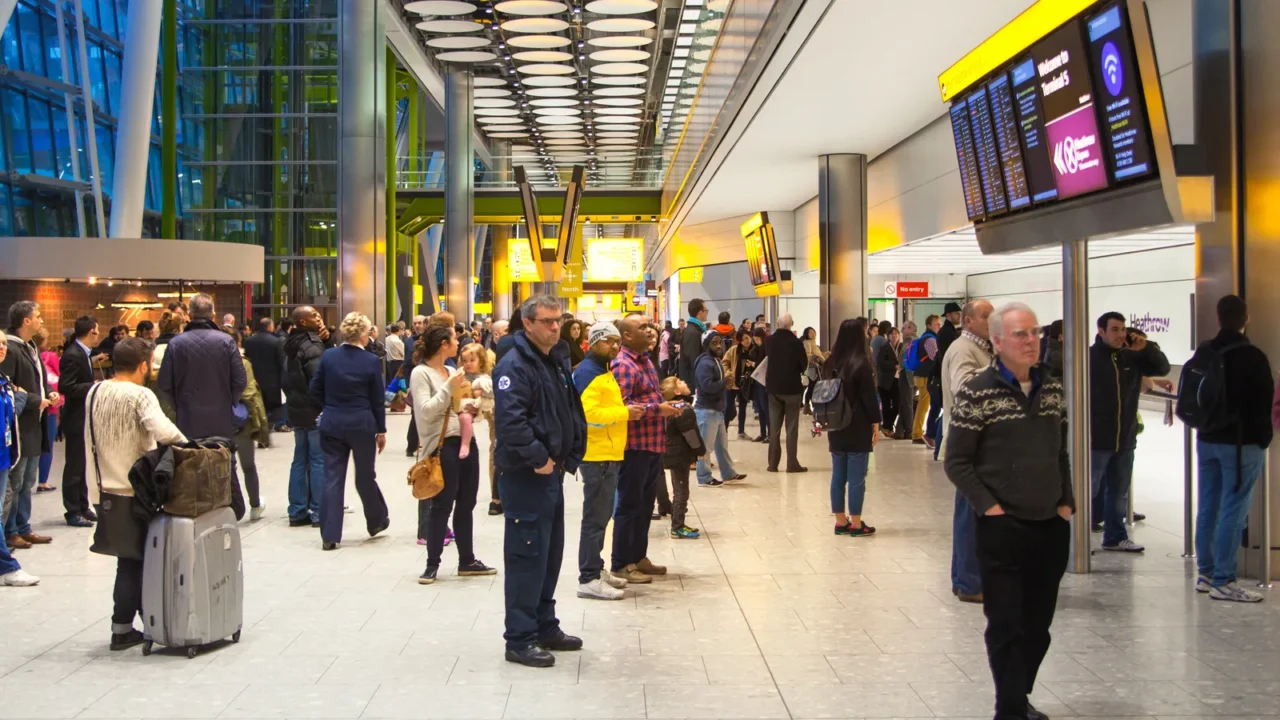
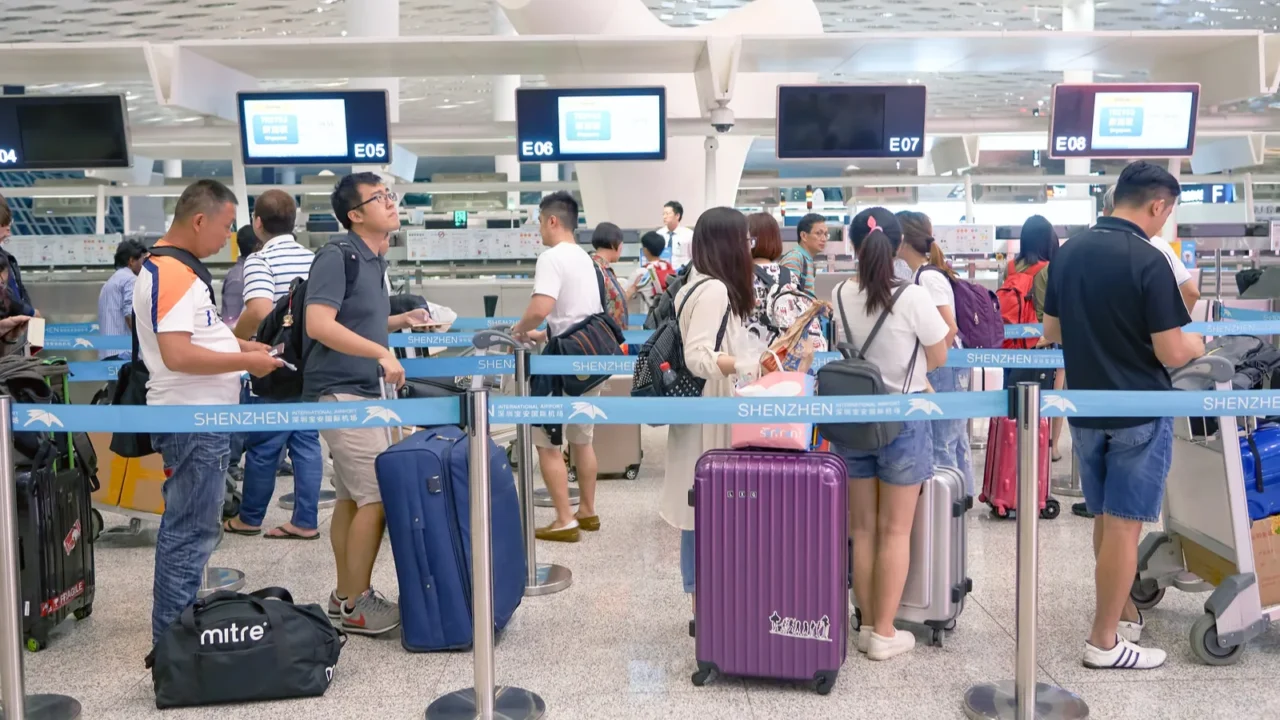
Airports in London Brussels and Berlin were among the hardest hit during the recent attack. Their check-in zones filled quickly as the digital systems remained offline for hours. Travelers described scenes that felt more stressful than normal peak travel days.
Other European hubs reported smaller interruptions that still caused concern for airport authorities. Many terminals saw flight departures pushed back as staff worked through manual steps. The domino effect continued through the regional flight network.

How systems failed
Investigators found that the main impact came from a compromised passenger management platform. This platform controls check-in screens, baggage tagging, and boarding operations. When it went down, the entire flow of airport movement slowed to a crawl.
Technicians had to disable automated kiosks and rely on printed documents to process travelers. Airline staff described the experience as challenging but manageable. Recovery teams restored service only after intense overnight work.
Ransomware to blame
Cybersecurity officials confirmed that the event was caused by ransomware that locked key airport systems. This type of attack blocks access until money is demanded for release. The incident highlighted how vulnerable travel infrastructure can be during peak periods.
Experts explained that aviation networks become easier targets when too many services depend on a single vendor. Once that vendor is attacked, the impact spreads across many airports at once. This creates a perfect opening for large-scale disruption.
Why airports are exposed
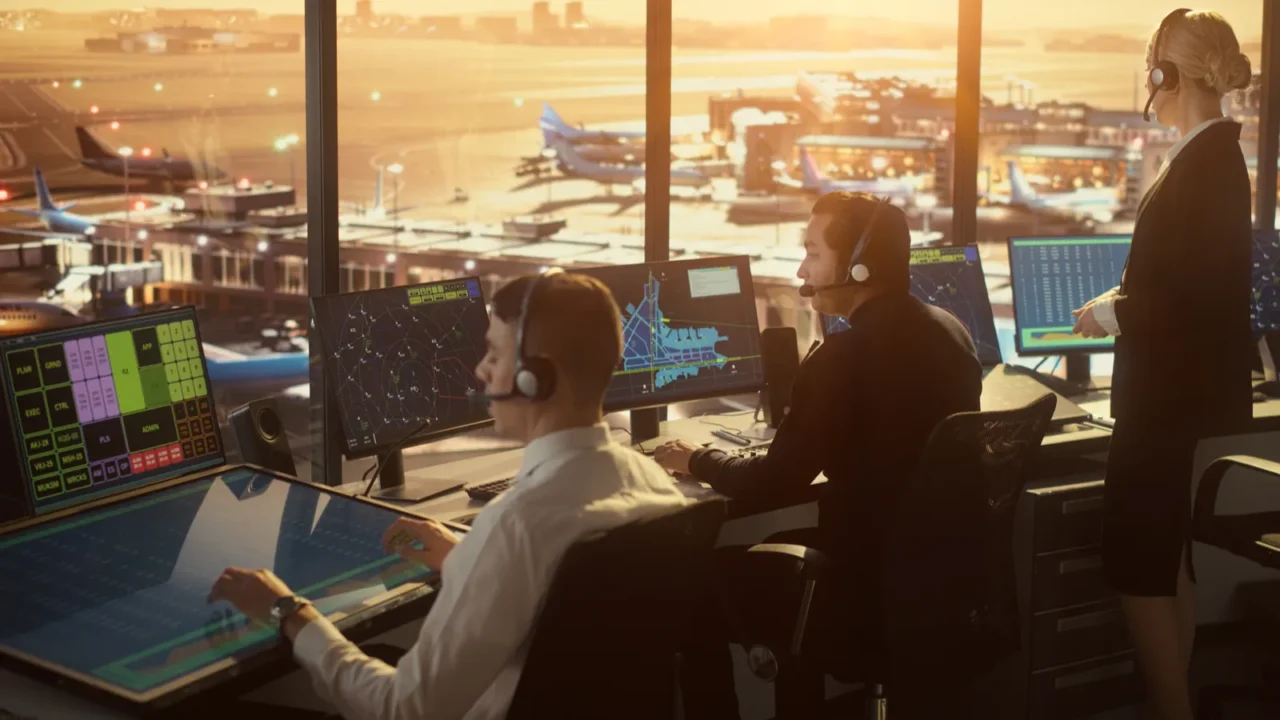
Modern airport operations rely on deeply connected systems that speak to each other constantly. A small weakness in one part can quickly affect many others. Travelers often see the results only when lines build without warning.
Airports depend on outside partners to manage essential software and equipment. These partners may not always share the same level of protection or oversight. That gap creates real risk for busy travel hubs.

Traveler impacts worsen
When systems break down, flights tend to stack up with delays that last many hours. Baggage sorting slows to a stop, which frustrates travelers who need quick transfers. Airport staff must juggle more questions than they can answer.
Security lines can grow longer because identity checks move more slowly. Boarding groups also become harder to manage without working screens. The overall pace of travel feels heavier and more stressful.

Data concerns rising
Cyber experts warned that some attacks may attempt to access traveler information stored in airport databases. This could include names, travel plans, or identification details. Many travelers are unaware that these systems hold sensitive personal data.
Investigators have not confirmed large-scale data theft in recent attacks. Still, the possibility remains concerning for transportation authorities. They are reviewing how long information is stored and who has access to it.

Safer habits matter
Travelers can lower risk by avoiding airport Wi-Fi for sensitive tasks like banking or email. Public networks may lack strong protection and can expose devices to threats. Simple habits can make a big difference during peak travel seasons.
Visitors should consider using mobile data or a personal hotspot instead of public connections. Devices should be updated before leaving home since patches fix known vulnerabilities. Carrying a portable charger can help avoid public outlets with unknown risks.
Smarter device choices
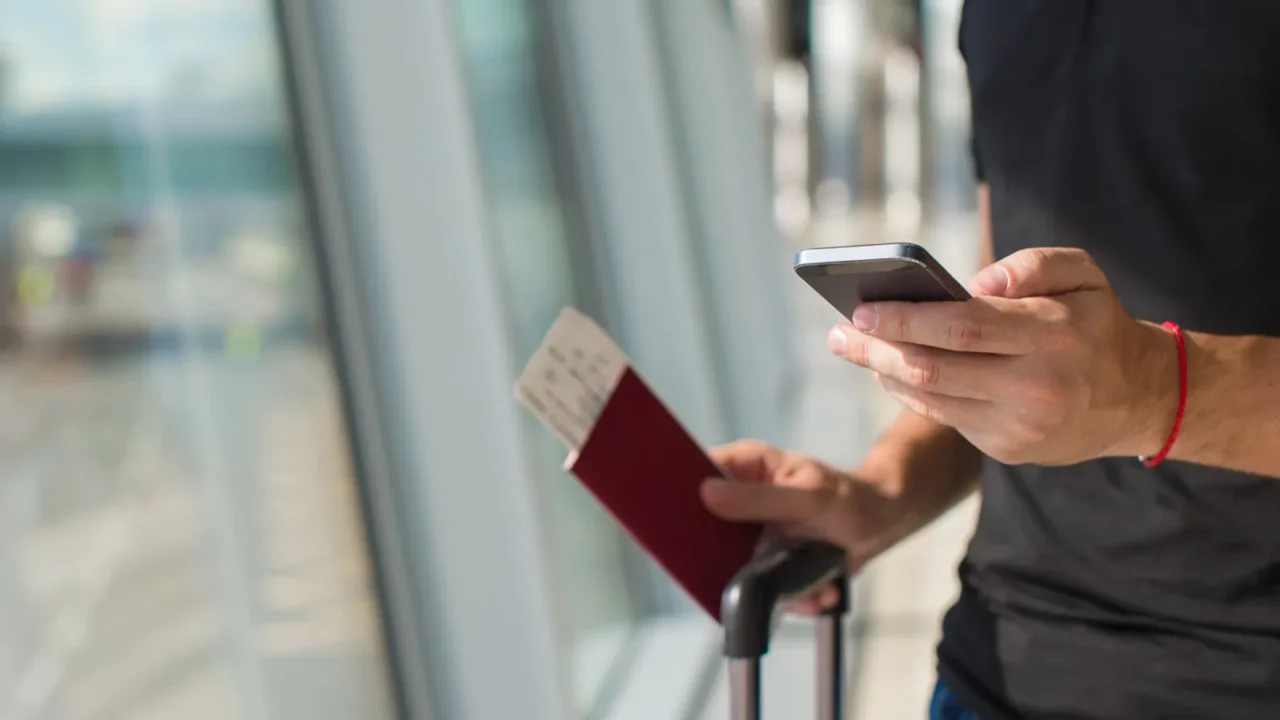
Travelers may want to limit the number of apps that stay signed in during trips. Fewer open apps mean fewer pathways for attackers to exploit. This also helps keep devices running smoothly during long travel days.
It also helps to download boarding passes before arriving at the airport. That reduces the need to connect to networks that may not be secure. Small steps like these can keep personal data safer.

Tips while waiting
When waiting at the gate, travelers can turn off unused wireless settings to prevent automatic connections. Some devices join unfamiliar networks without warning, which invites unnecessary risk. Controlling these settings keeps devices more protected.
Travelers can also store important documents offline in case of a system outage. Airports occasionally experience local network failures, which can make apps unreliable. Offline storage keeps things moving when systems slow down.
Airport response plans
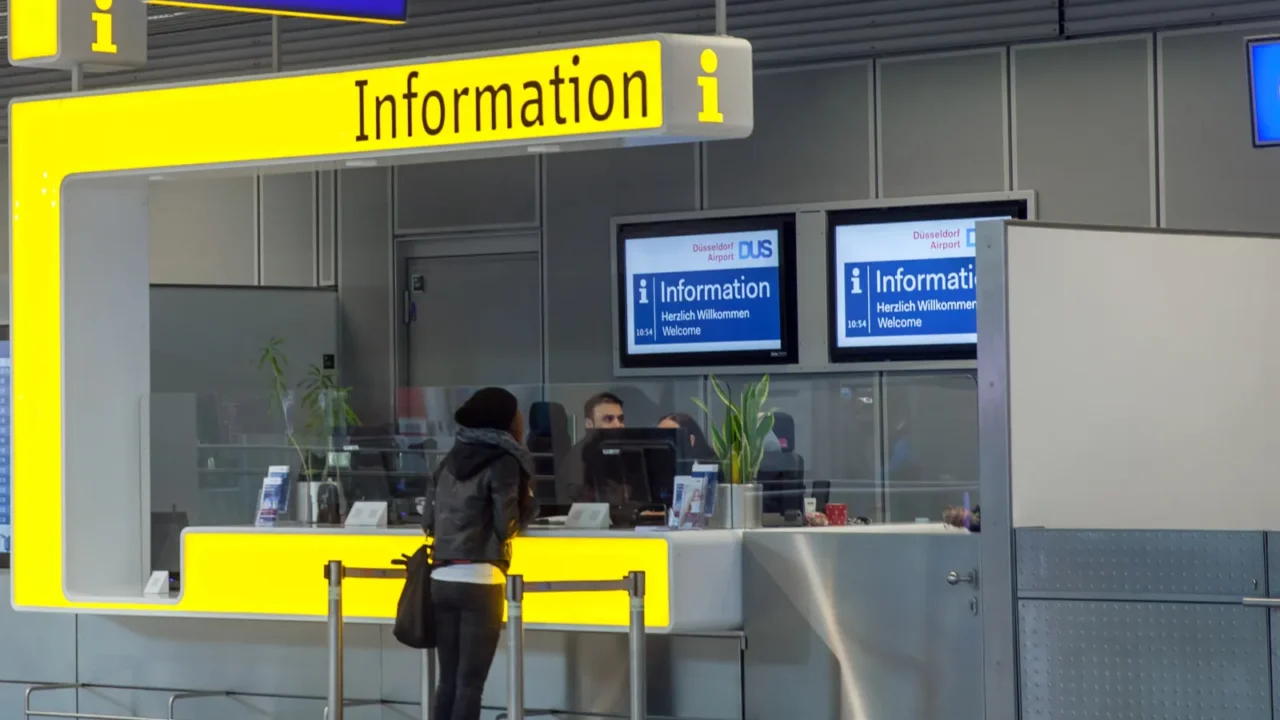
Airports are reviewing and updating their backup procedures to better handle system outages and prevent future disruptions. Some hubs are expanding manual check-in teams to quickly respond during emergencies, ensuring passengers can still board flights.
Others are investing in stronger cybersecurity layers and infrastructure upgrades to reduce vulnerability to external threats and ransomware attacks. TSA is also rolling out faster security screening at major airports.
Staying calm and aware
Travel is still one of the best parts of life, even with new digital risks emerging. With awareness and thoughtful habits, travelers can stay confident in every journey. Staying calm helps encourage smoother movement through crowded terminals.
Modern threats may change how airports operate, but they do not erase the joy of exploring new places. Holidaymakers can protect their plans with simple choices that keep information safe. What destination inspires travelers most right now, and how will everyone stay prepared on the way there?
Read More From This Brand:
- How Euphoria’s filming spots are turning LA suburbs into style hubs
- Experience the magic of Morocco, Jordan, and desert landscapes worldwide
- Remote Canadian lakes where stars seek solitude and reflection
Don’t forget to follow us for more exclusive content right here on MSN.
This slideshow was made with AI assistance and human editing.
