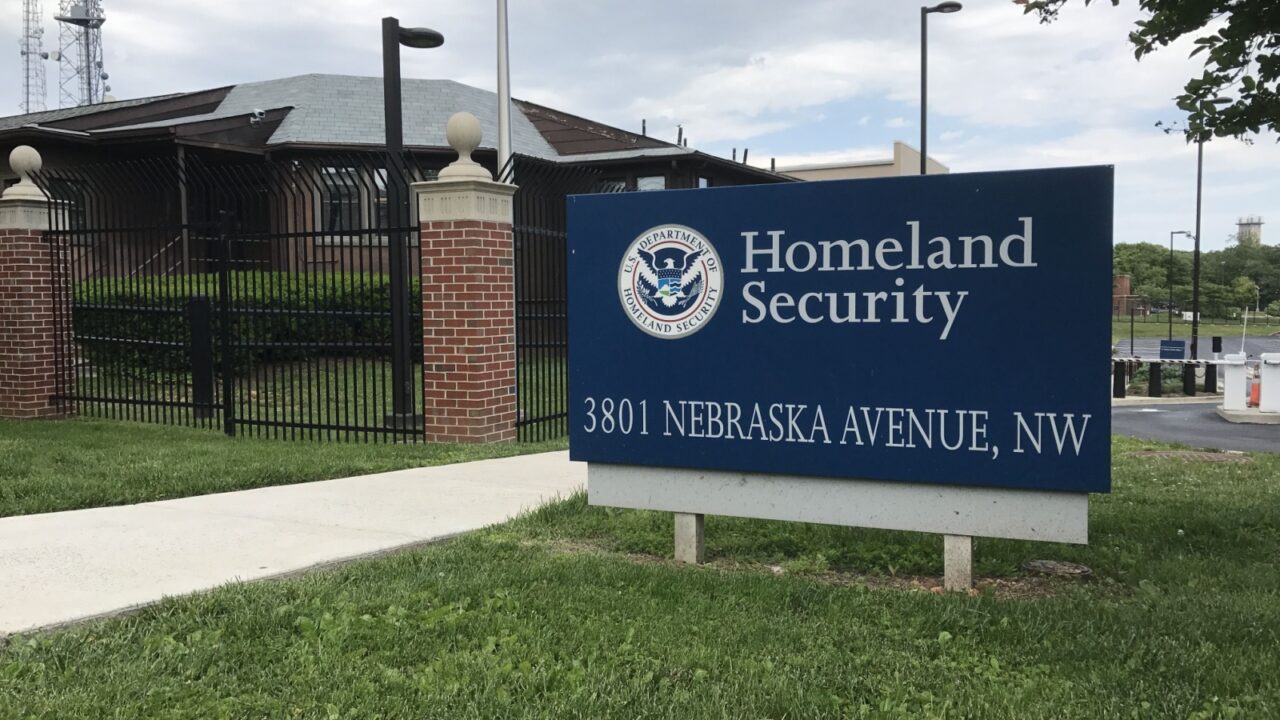
Federal warning draws attention
The Department of Homeland Security continues to emphasize aviation and border security through ongoing transportation-security and border-enforcement measures across major US entry points. United States Department of Homeland Security officials stated that monitoring systems continue to track evolving global travel-related risks.
Department of Homeland Security communication emphasized that US airports and transportation hubs remain under continuous review for potential vulnerabilities. Security agencies are reinforcing existing screening protocols while maintaining passenger movement efficiency. Major travel hubs such as Atlanta and Los Angeles continue operating under heightened procedural awareness.
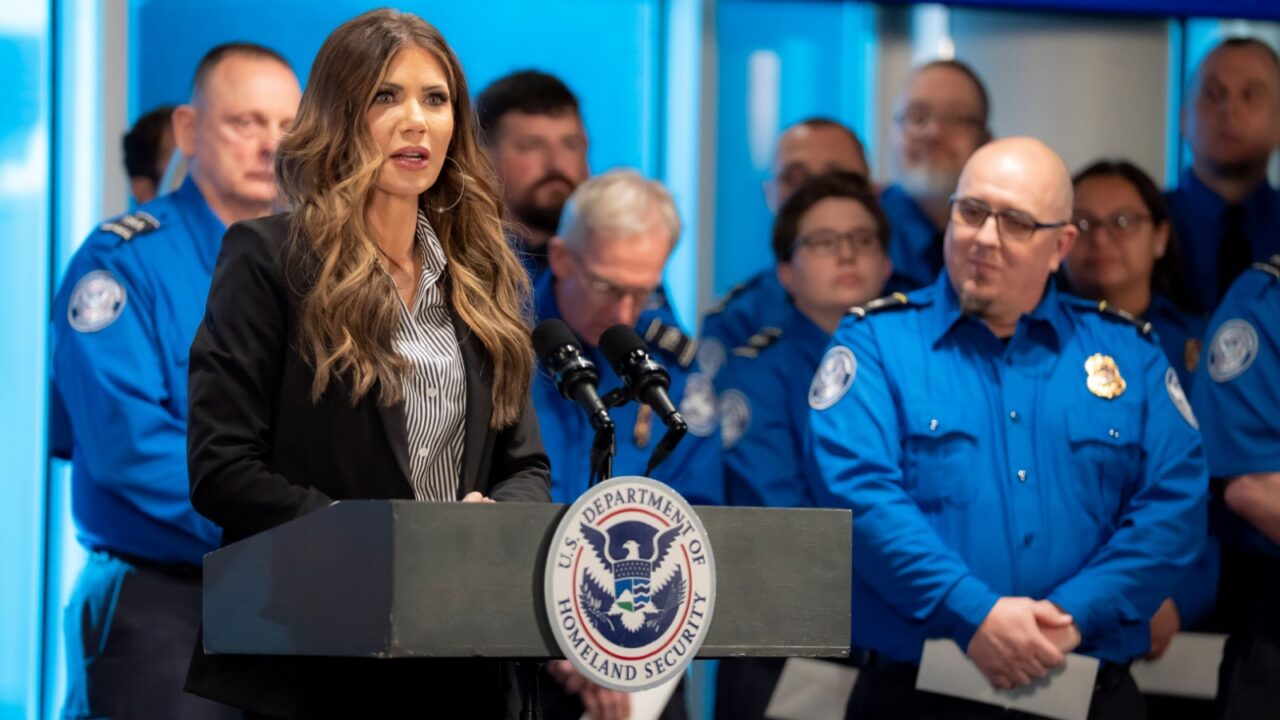
DHS updates travel guidance
The Department of Homeland Security has updated travel security guidance through its official communication channels. DHS has focused on strengthening coordination between aviation authorities and federal screening agencies. The update is part of ongoing efforts to maintain consistency across US travel systems.
The Department of Homeland Security continues to work closely with Transportation Security Administration teams at major airports. TSA officers are maintaining enhanced identity verification and baggage screening procedures. These measures are designed to support steady travel flow at high-volume airports such as Chicago O’Hare International Airport.
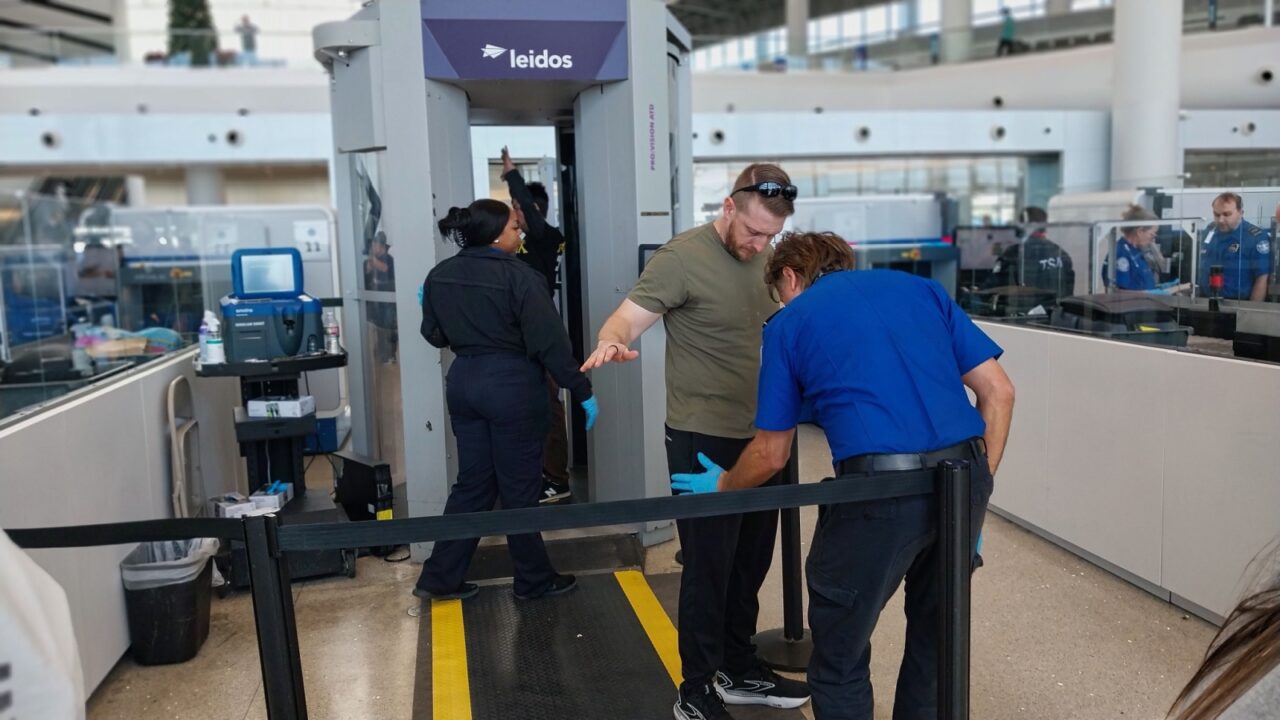
Security focus expands airports
United States Department of Homeland Security security priorities continue to expand across major airport networks in the United States. DHS-supported systems are increasingly integrated into daily airport operations. These systems help monitor passenger movement and support threat detection processes.
The Transportation Security Administration is reinforcing checkpoint consistency across hubs like Dallas-Fort Worth International Airport. Airline partners are coordinating with federal agencies to maintain standardized screening procedures. International arrival terminals are also seeing increased document verification steps.
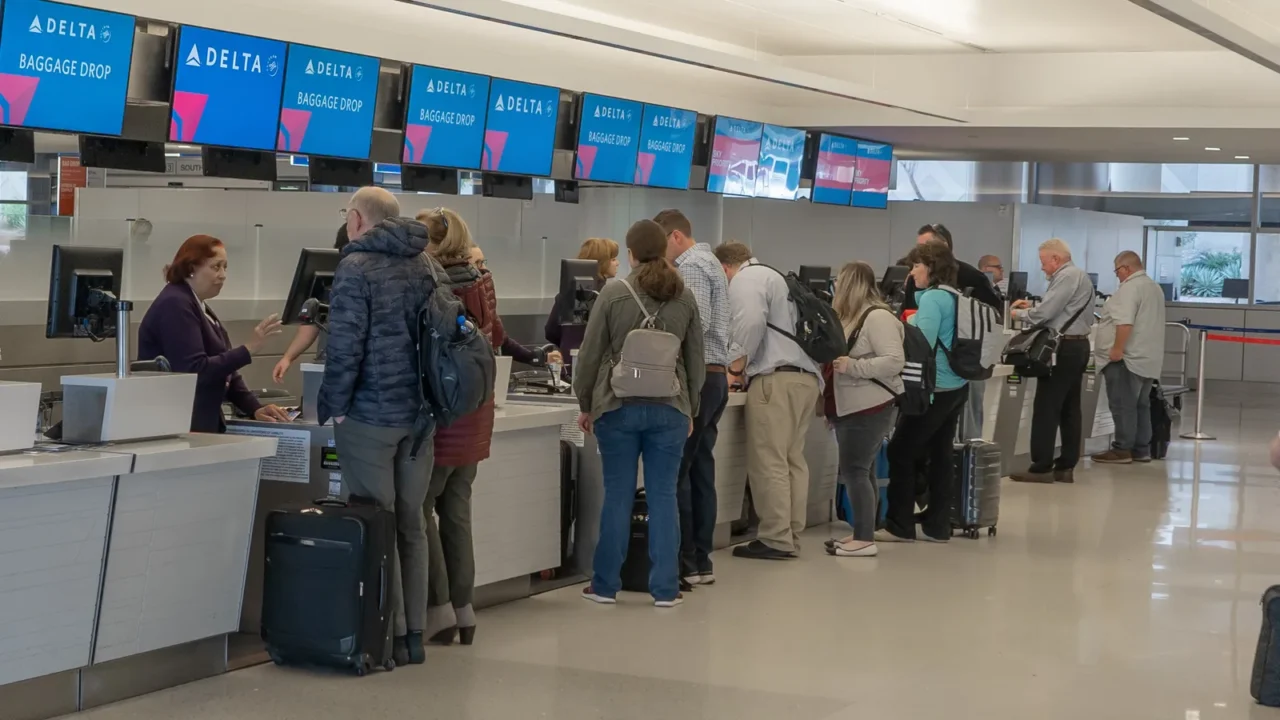
Airline coordination increases safety
Airlines operating in the United States are adjusting procedures following recent guidance from the Department of Homeland Security. Airline security teams are updating internal protocols to align with federal expectations. This includes expanded communication between flight crews and ground security staff.
Major carriers such as Delta Air Lines and American Airlines are working closely with TSA officials. These partnerships help ensure consistent application of screening rules across domestic and international routes. Airports in New York and Miami continue to implement coordinated safety measures.
Global travel coordination rises
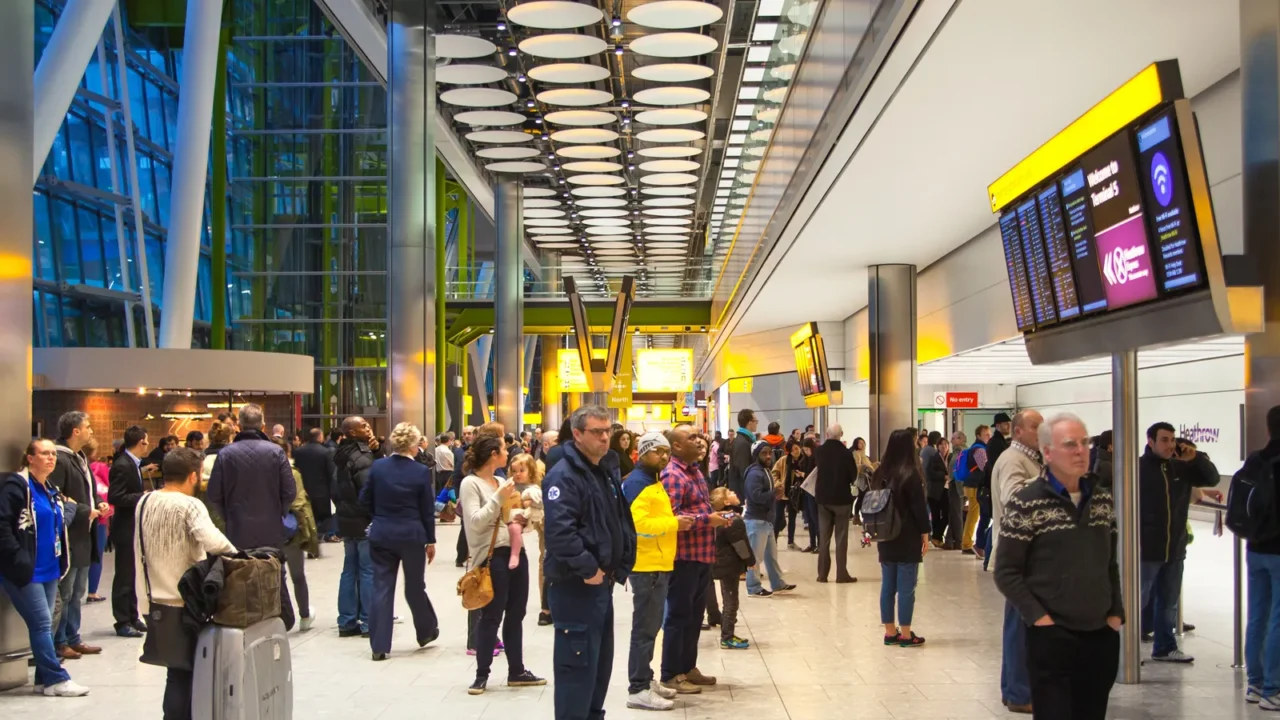
International coordination has increased following updated travel security guidance from the Department of Homeland Security. The United States is working with international aviation partners to strengthen shared safety standards. This includes cooperation with European and Middle Eastern airport authorities.
Airports such as London Heathrow Airport and Dubai International Airport are aligning certain procedures with US recommendations. Airline alliances are also updating cross-border security protocols. These efforts support smoother travel operations across interconnected global routes.
TSA screening volumes grow
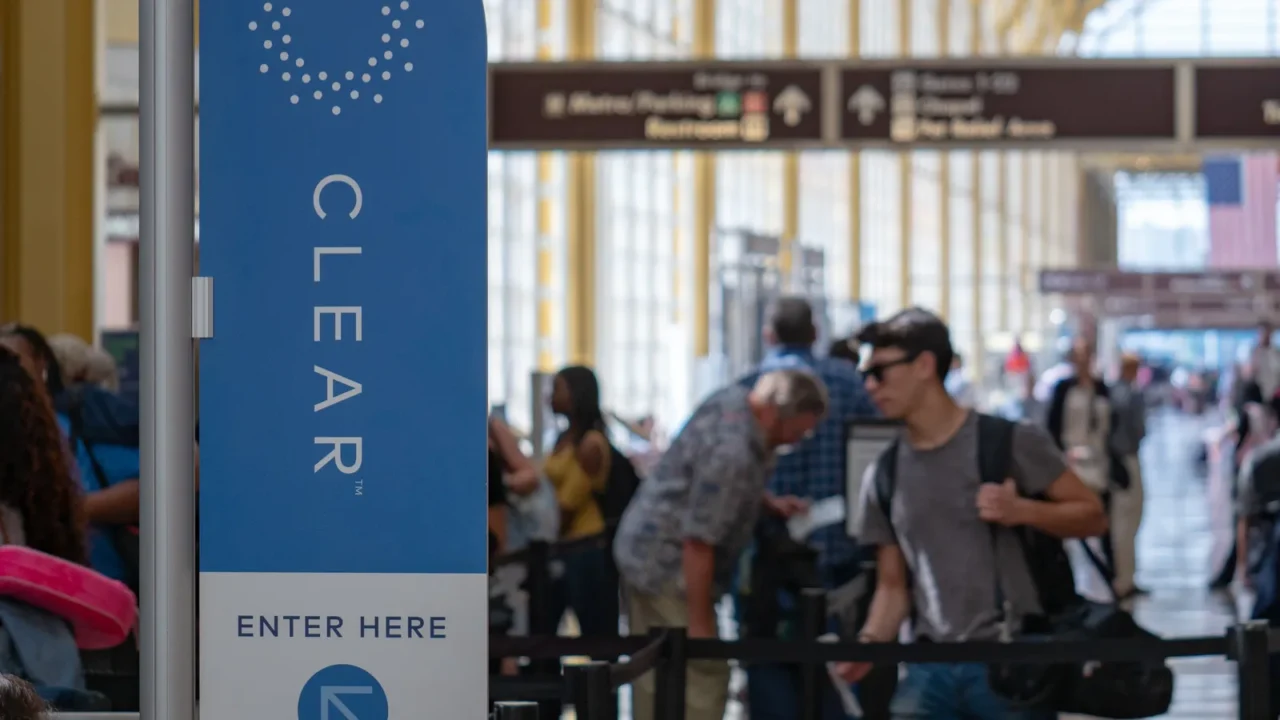
Recent Transportation Security Administration statistics show that more than 850 million passengers passed through US airport checkpoints in a recent full reporting cycle. This reflects sustained recovery in global air travel demand after previous disruptions. TSA data highlights ongoing pressure on airport security infrastructure across the country.
A lesser-known detail from official TSA checkpoint data is that peak travel days frequently exceed 2.7 million daily passenger screenings during high-demand periods. Airports like Atlanta Hartsfield-Jackson International Airport regularly rank among the busiest in the nation. This level of throughput continues shaping staffing and security planning nationwide.
Border systems strengthen checks
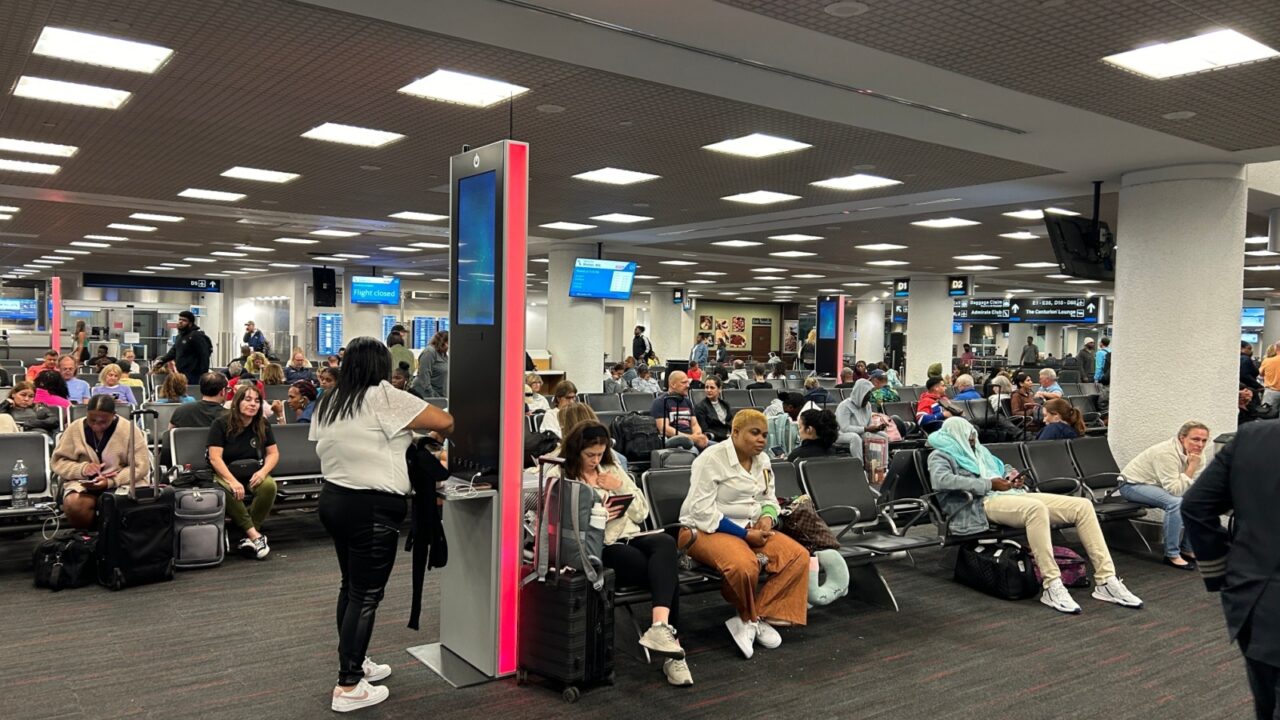
United States Customs and Border Protection continues upgrading entry systems under Department of Homeland Security oversight. These systems focus on improving efficiency while maintaining strict screening standards at international airports. Digital entry processing is becoming more widely adopted.
CBP operations at airports like Miami International Airport and San Francisco International Airport are integrating advanced data matching tools. These tools help verify traveler documentation more efficiently. The goal is to reduce processing delays while maintaining border security integrity.
Opt out remains protected
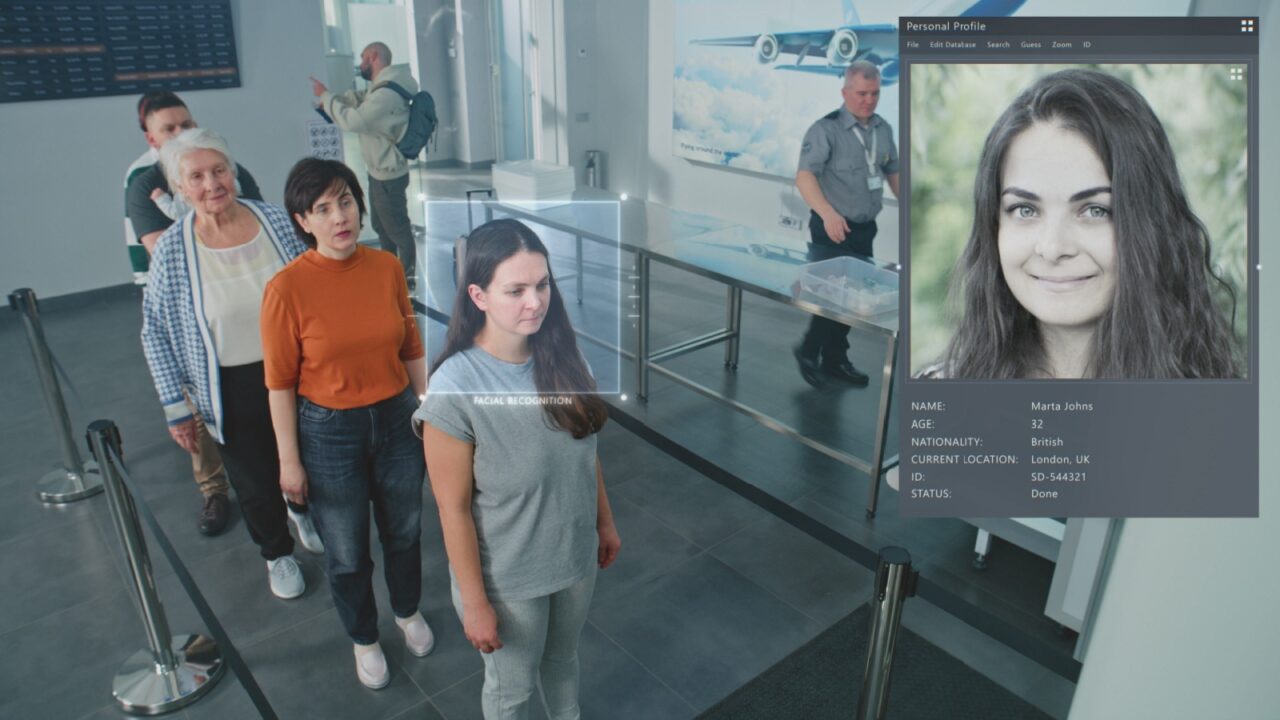
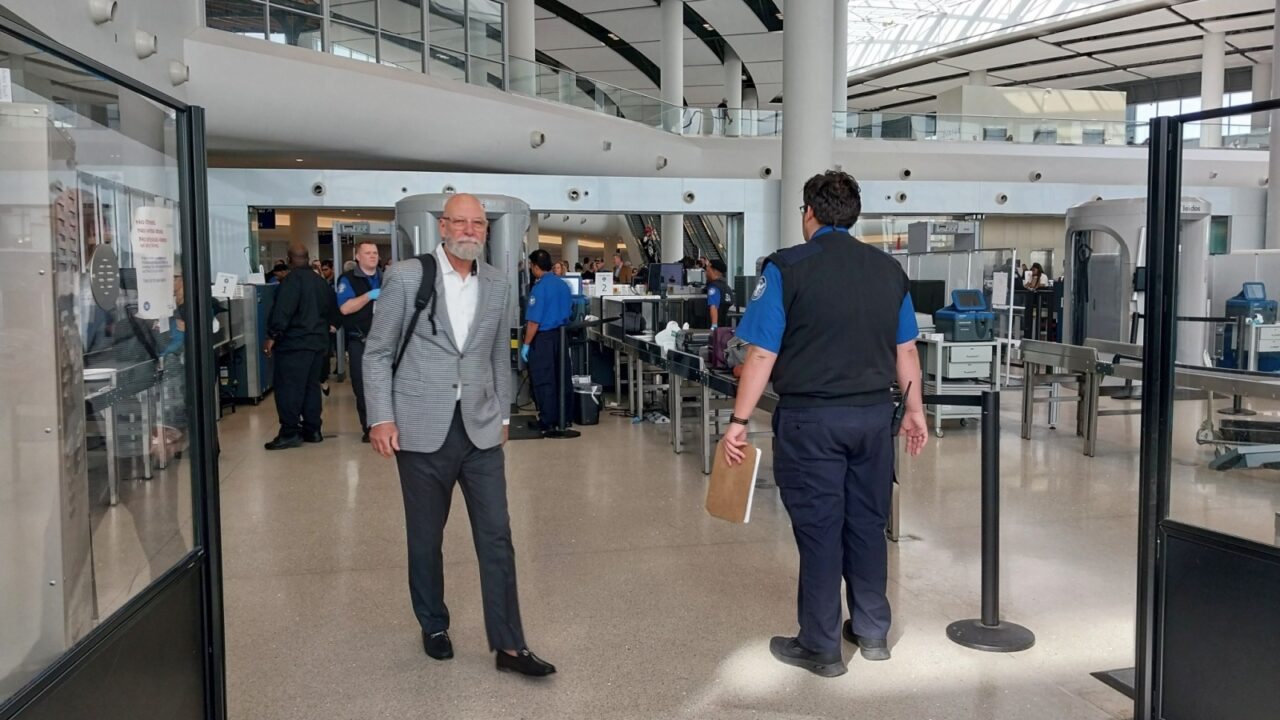
TSA says facial comparison participation is voluntary at participating checkpoints, and travelers who decline may proceed through manual identity verification. The alternative process uses standard document verification by a Transportation Security Officer. At participating TSA checkpoints, officers can use technology-assisted identity verification, while travelers who decline are directed to a manual check.
Fact: Travelers can opt out of facial recognition screening at US airport checkpoints. TSA confirms that participation in facial matching technology is voluntary at participating locations. Travelers are directed to a manual identity check if they decline.
Travel risk monitoring evolves
The Department of Homeland Security maintains continuous monitoring of global travel risks that may affect US aviation security. These assessments are used to guide operational adjustments at airports and border entry points. Risk evaluation frameworks are regularly updated based on global developments.
The US State Department also issues destination-specific travel advisories to inform US travelers about safety risks and recommended precautions abroad. Airlines incorporate these updates into operational decisions for international travel. This coordinated system supports real-time adaptation across the aviation network.
Airport infrastructure upgrades
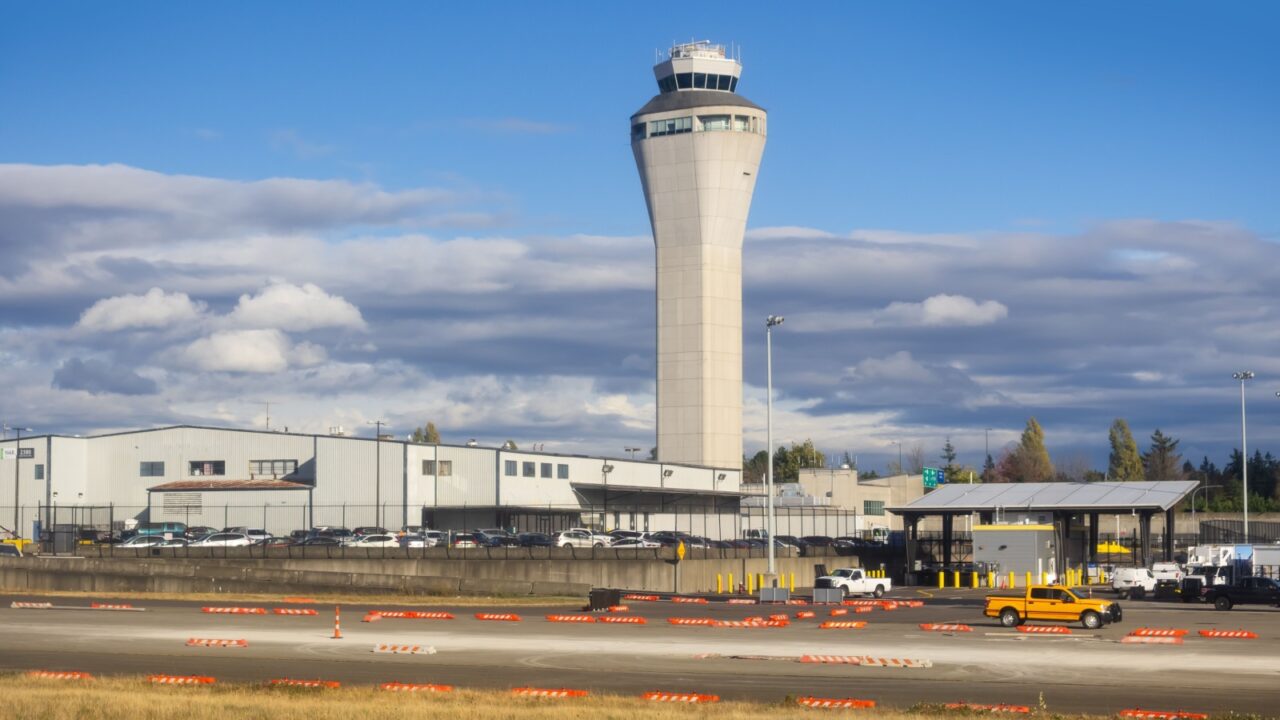
Airports across the United States are investing in infrastructure upgrades aligned with Department of Homeland Security security standards. These upgrades include expanded screening lanes and improved passenger flow systems. The goal is to reduce congestion during peak travel periods.
Airports such as Seattle-Tacoma International Airport are implementing smart lane technology and automated screening systems. These systems support faster processing without reducing security oversight. Federal agencies continue to support modernization funding for aviation infrastructure improvements.
Ongoing vigilance continues
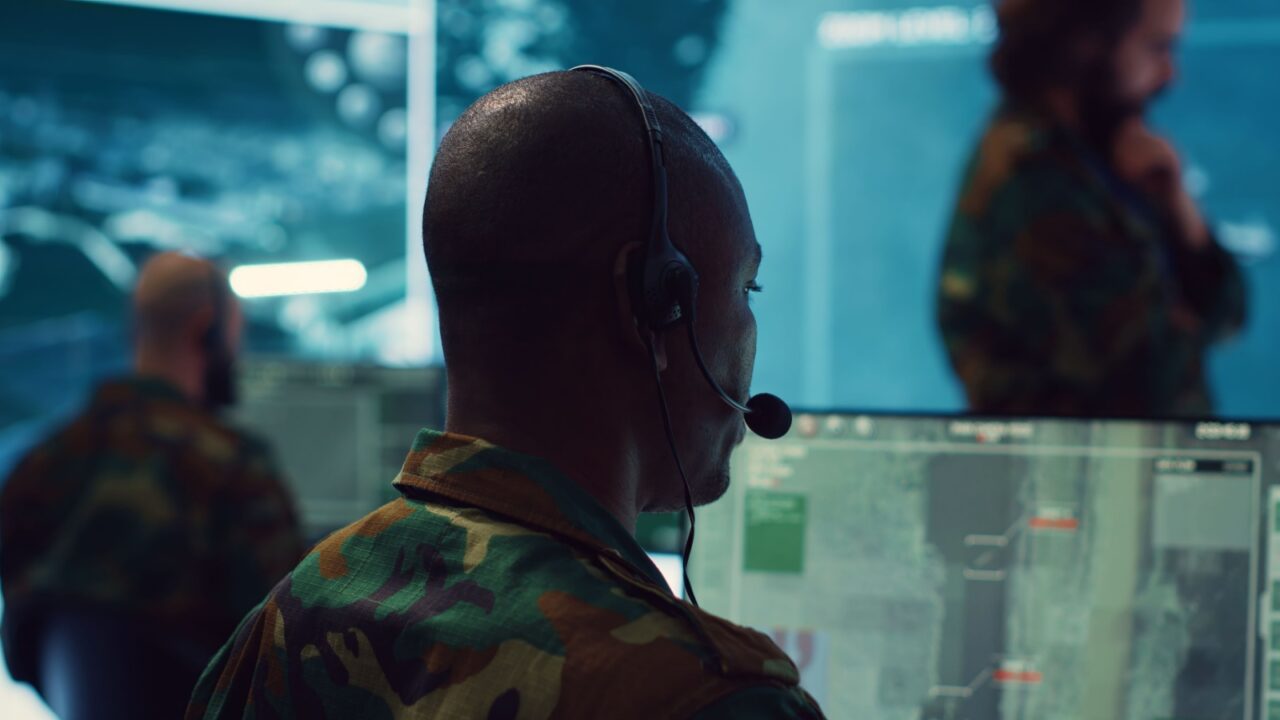
The Department of Homeland Security continues to emphasize ongoing vigilance across all US transportation systems. Security agencies maintain continuous monitoring of aviation networks to identify emerging risks. These systems are designed to support rapid response when needed.
Airports, airlines, and federal agencies continue working together to maintain secure travel conditions. TSA PreCheck perks go mainstream as airport security changes across major US hubs. Passengers are seeing gradual improvements in screening efficiency through updated systems. This coordinated approach supports long-term aviation resilience.
Travel security outlook
The United States Department of Homeland Security continues shaping travel security policy through updated guidance and coordinated aviation oversight. The focus remains on strengthening systems that support both safety and operational efficiency across major travel hubs. These efforts reflect the ongoing modernization of the US aviation infrastructure.
Airports and airlines are expected to continue investing in advanced screening technology and improved passenger flow systems. Federal agencies are prioritizing collaboration with industry partners to enhance long term security resilience.
Which destination feels like the perfect escape for travelers right now? Share thoughts below.
This slideshow was made with AI assistance and human editing.
Don’t forget to follow us for more exclusive content right here on MSN.
Read More From This Brand:
