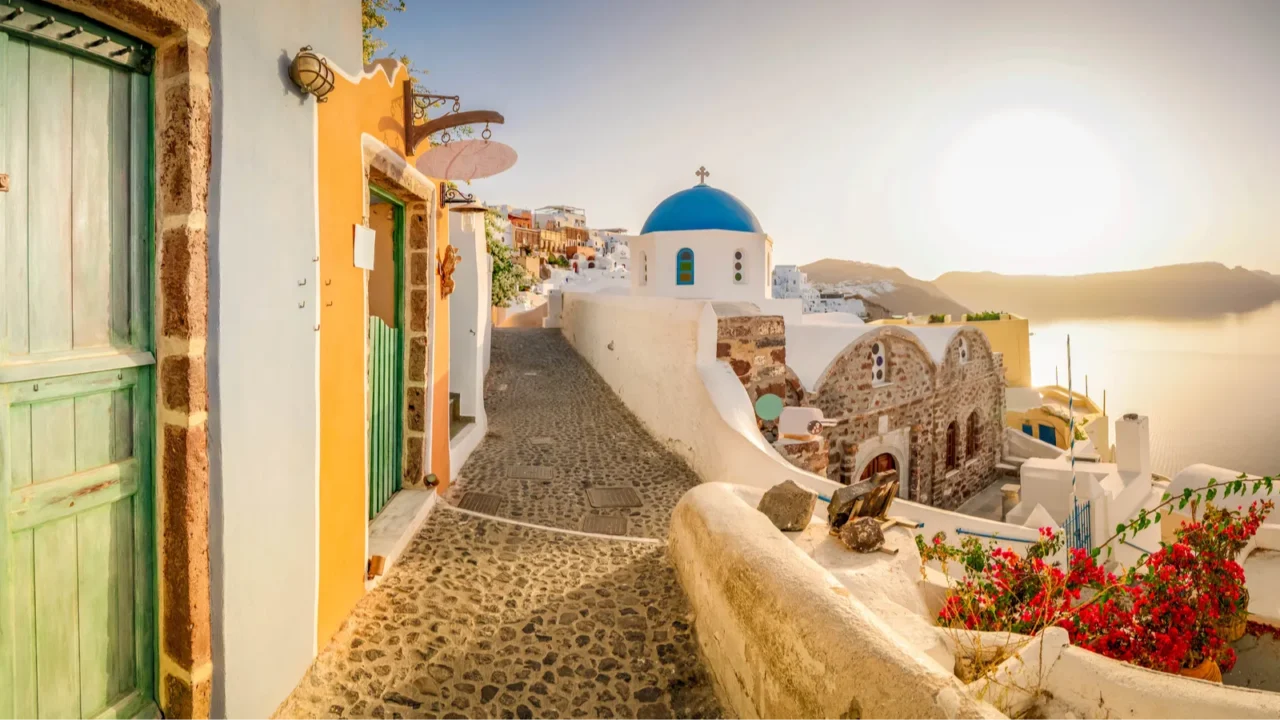
Greece moves to curb cruise crowding
Greece has fully implemented a new cruise passenger disembarkation fee starting January 2026. The policy directly targets extreme crowding on the country’s most visited islands. Officials say the timing reflects record cruise arrivals in recent seasons.
The goal is to better manage tourism pressure while funding local infrastructure. The change matters most for cruise travelers visiting Santorini and Mykonos. Both islands regularly see more visitors than they can comfortably handle.

What the Sustainable Tourism Fee is
The new charge is officially called the Sustainable Tourism Fee. It applies to every cruise passenger who disembarks at a Greek port. The fee is set by national law and applies across the country.
The charge is assessed per port visit, not per cruise itinerary. That distinction can significantly raise costs on routes with multiple Greek stops. Travelers often do not see this detail when booking.
Why Santorini and Mykonos face higher rates
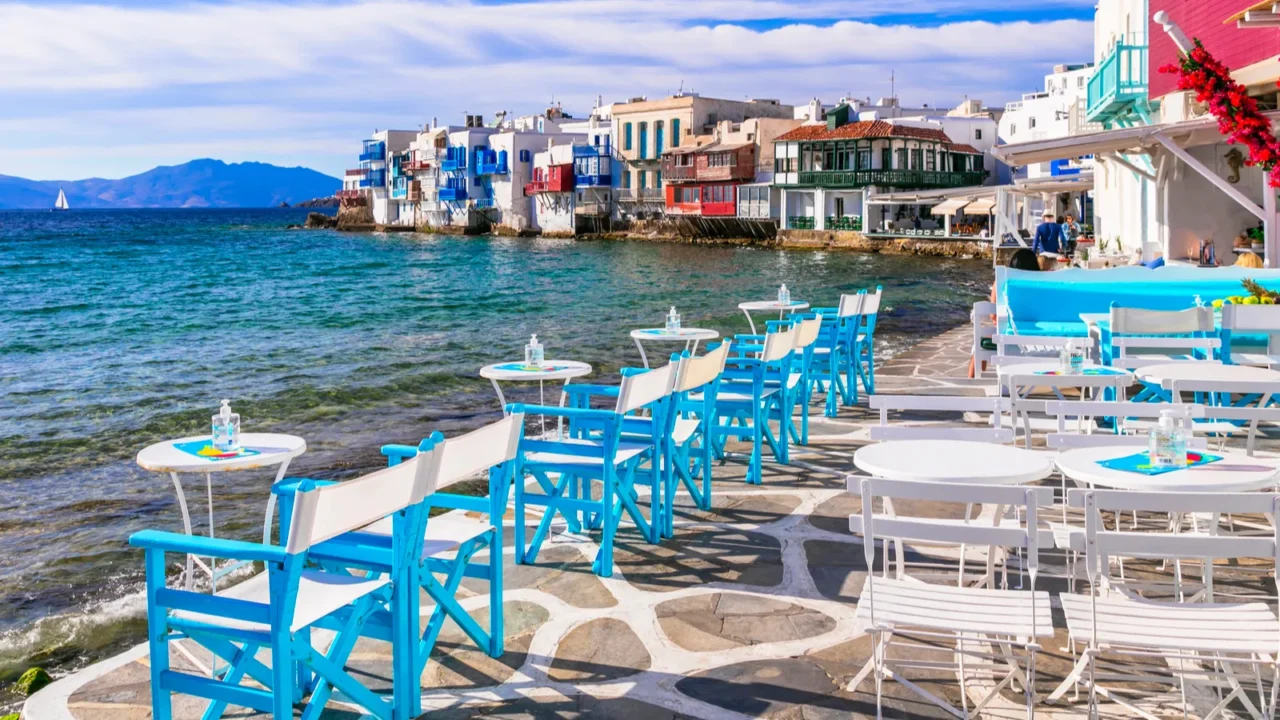
Santorini and Mykonos carry the highest fees due to limited infrastructure and intense visitor demand. Officials say daily arrival volumes regularly exceed sustainable capacity during peak months. Cruise schedules often overlap with ferry and flight arrivals.
Other Greek ports face lower charges to reflect lower strain. The government says this pricing is meant to encourage more balanced tourism flows. Smaller islands are expected to benefit from diverted traffic.

The full seasonal fee breakdown
During high season from June 1 to September 30, Santorini and Mykonos charge €20 per person. Shoulder season rates drop to €12, while low season fees fall to €4. The season is determined by the date of disembarkation.
Other Greek ports charge €5, €3, or €1 depending on the season. These rates apply every time a passenger steps ashore. A single cruise can trigger multiple charges.
How fees add up on a single cruise
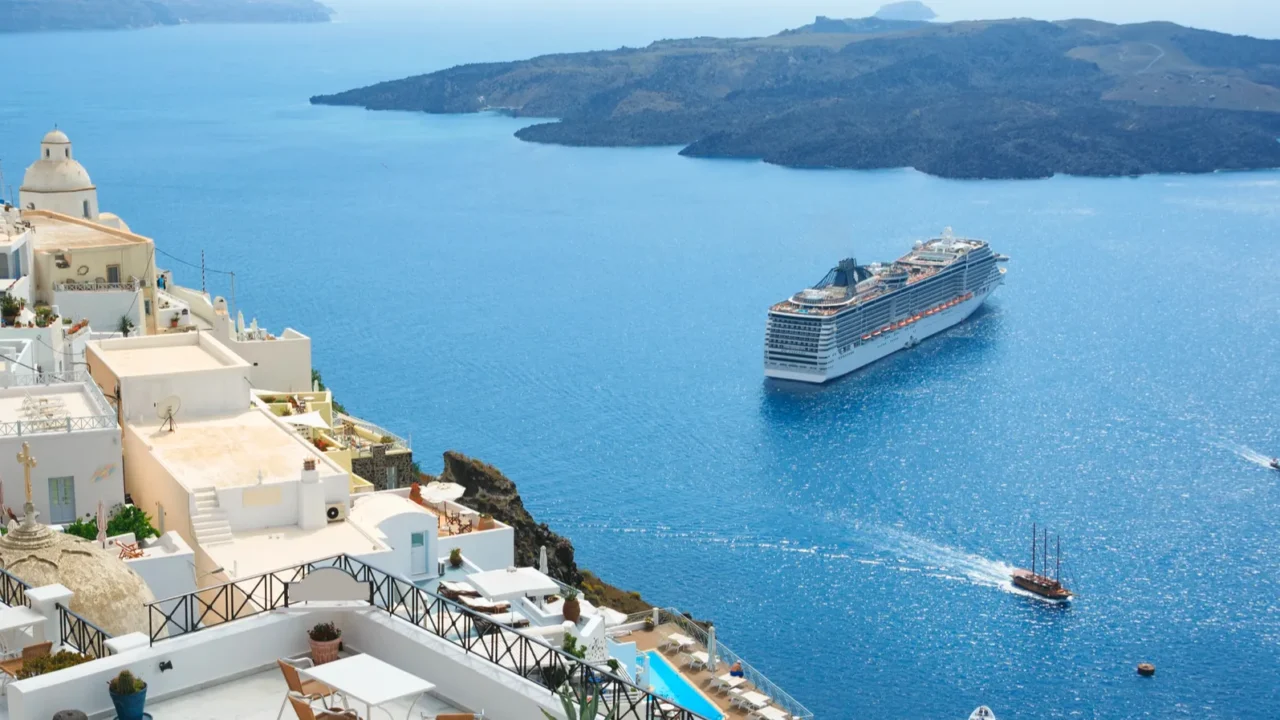
The levy applies at every Greek port stop. A summer itinerary visiting both Santorini and Mykonos adds €40 per passenger in government fees alone. This charge is in addition to port taxes already included in cruise fares.
For families, the total increases quickly. A family of four could see €80 added for one high-season stop. Longer itineraries magnify the impact further.
How cruise lines collect the charge
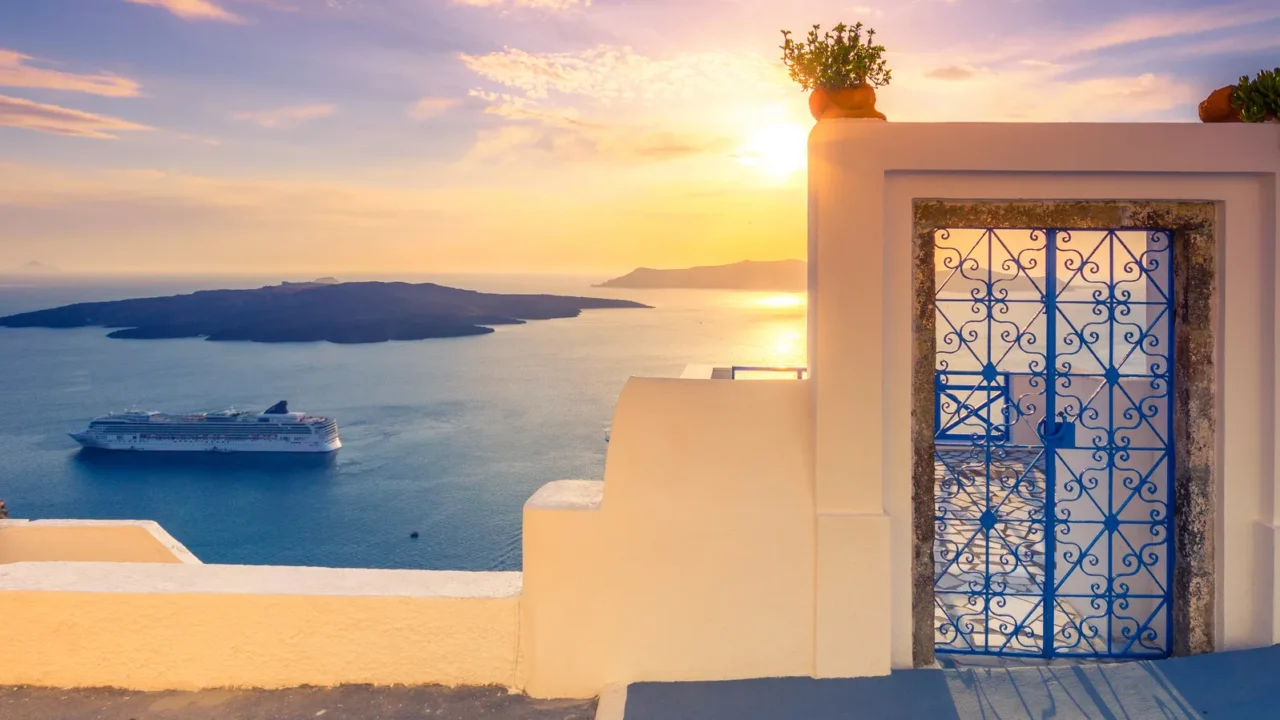
Cruise operators and shipping agents are responsible for collecting the fee. Payments are remitted quarterly to the Greek government through a dedicated digital platform. Passengers do not pay the government directly.
Most major cruise lines add the charge to onboard accounts automatically. The fee usually appears the night after the port visit. Travelers may not see it until after disembarkation.
When passengers are not charged
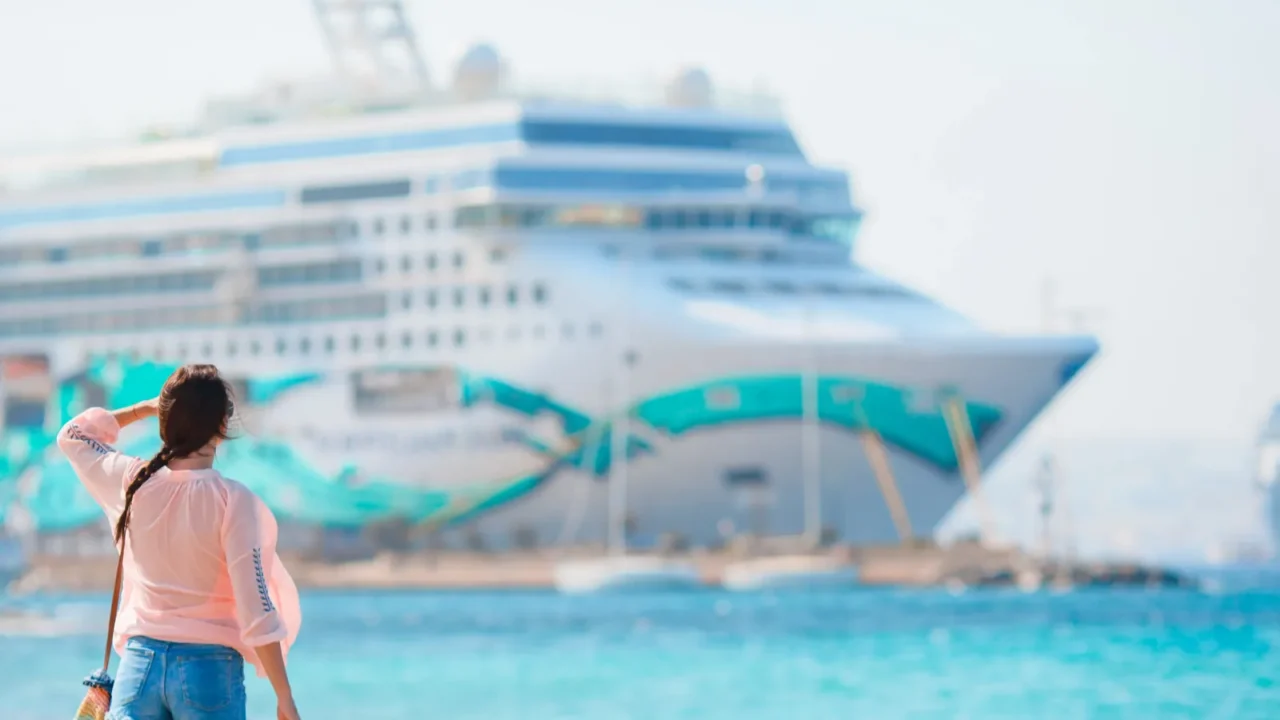
Passengers who remain on board and do not disembark are typically not charged. Cruise lines only apply the fee when a passenger exits the ship. Crew members are also excluded from the charge.
This creates a limited opt-out option. Travelers avoiding crowded ports can skip the fee entirely. Doing so, however, means missing the destination experience.

Where the money is going
Greek officials expect the levy to generate about €50 million per year. Revenue is split among local municipalities, the Ministry of Maritime Affairs, and the Ministry of Tourism. Each entity receives a defined share.
Funds are earmarked for waste management, port upgrades, and visitor flow control. The fee is VAT-exempt to maximize reinvestment. Officials say this ensures money stays local.

What supporters argue the tax fixes
Supporters say cruise tourism places a heavy strain on islands without proportional return. Thousands of passengers can arrive at once with limited spending ashore. Local services bear most of the burden.
Officials argue the fee helps rebalance costs. Revenue is intended to fund infrastructure that residents rely on year-round. Supporters frame it as a sustainability measure.
What critics warn could happen
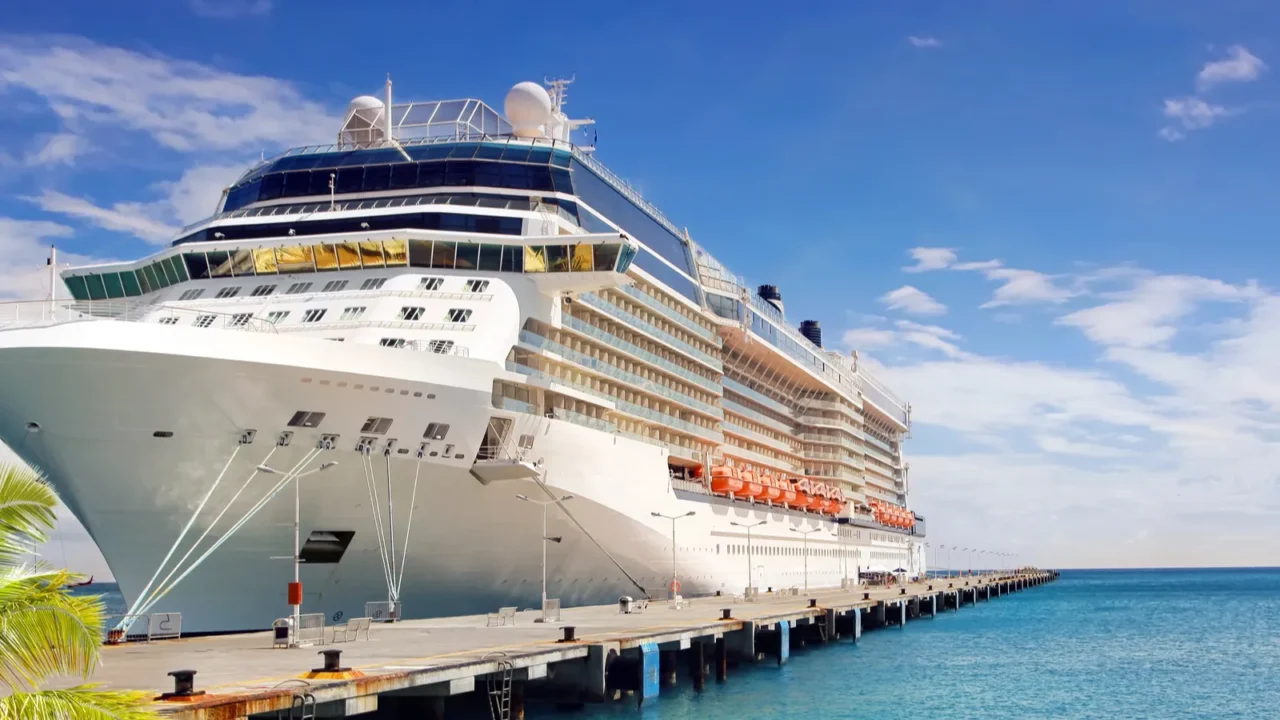
Some cruise operators warn the levy may shift itineraries away from Greece. Ships could favor lower-fee ports like Corfu or non-Greek destinations. Operators say route planning is cost-sensitive.
Industry groups also raise concerns about cumulative charges. Multiple port fees can make cruises feel less predictable in price. Transparency remains a concern for travelers.
How this affects trip planning
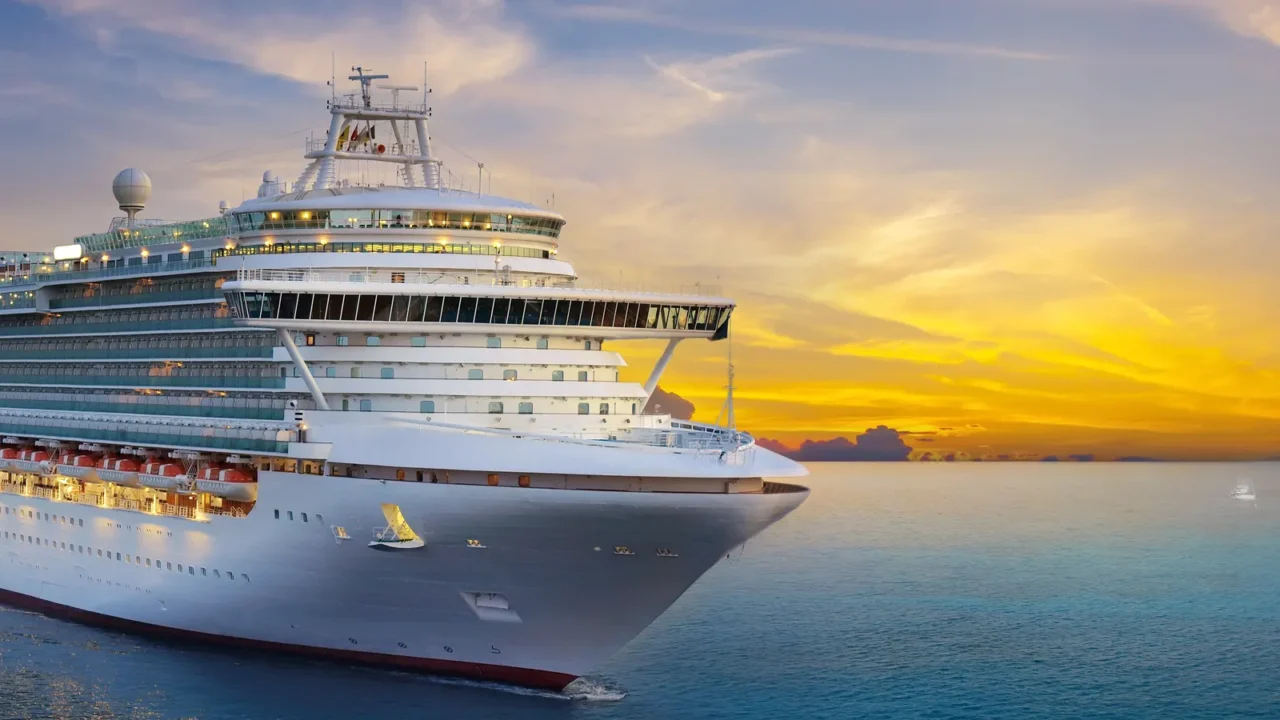
Travelers may see higher onboard charges during Greek island stops. The fee is mandatory once a passenger disembarks. It applies regardless of age or excursion choice. Cruise lines typically pass the charge directly to passengers as a port tax rather than bundling it into fare pricing.
Budget-conscious cruisers may adjust their travel dates. Shoulder and low-season sailings carry much lower fees. Some may choose fewer island stops. Ports like Santorini and Mykonos impose the highest charges during peak months, widening the cost gap between summer and off-season itineraries.
Short-term rentals face tighter controls
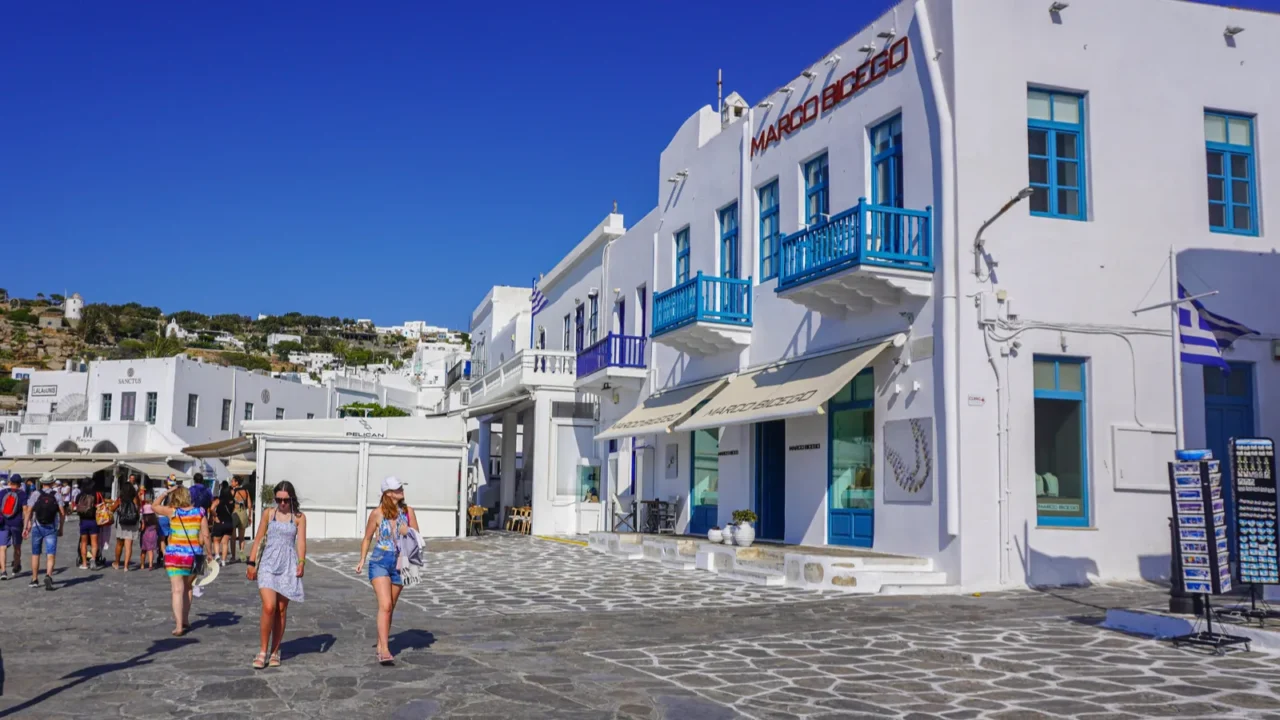
As of late January 2026, Greece has expanded restrictions on short-term rentals to ease housing pressure. The ban on registering new rentals in central Athens districts one through three has been extended through December 31, 2026. Officials say these areas have seen the sharpest impact on long-term housing availability.
Authorities are also reviewing similar bans for high-demand areas such as Thessaloniki, Santorini, Paros, and parts of Crete. Since late 2025, active rentals must meet new safety standards, including insurance and fire equipment. Violations can trigger fines starting at €20,000, with higher penalties for repeat offenses.
Explore next how some countries are tightening Airbnb-style rentals and what it means for visitors.
Infrastructure and destination shifts reshape travel
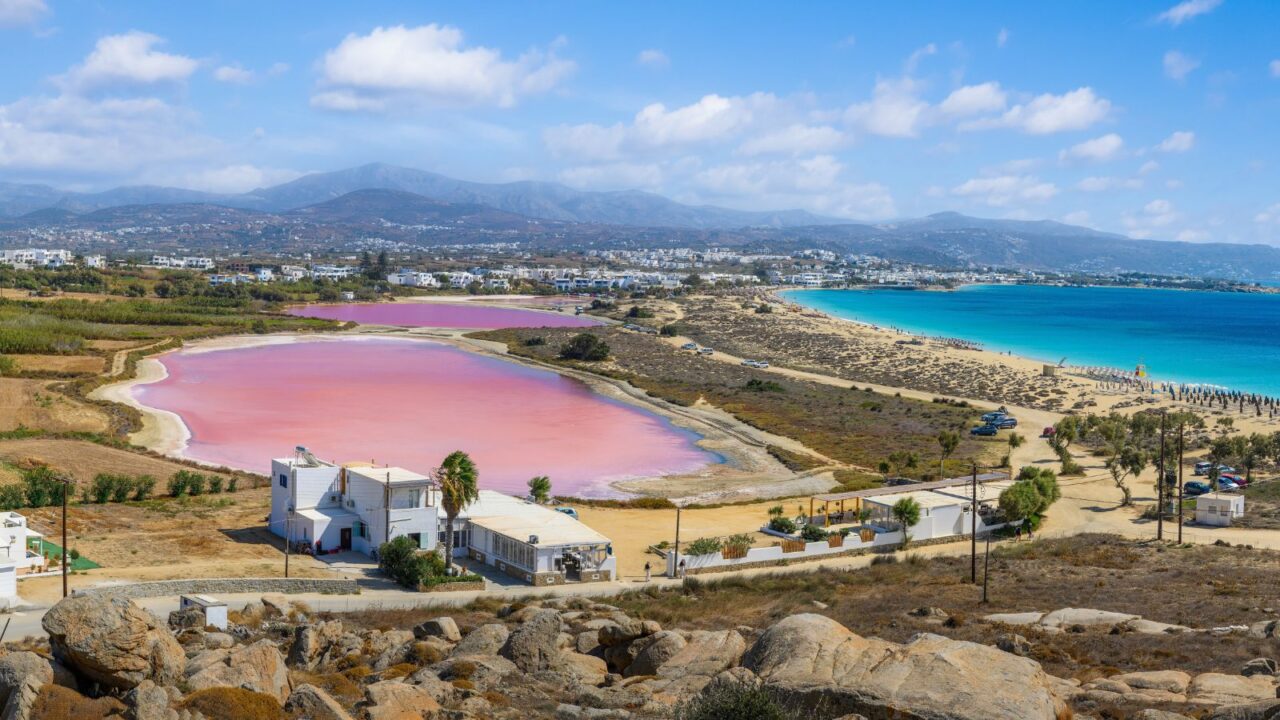
Greece is pairing regulation with major investment to manage record visitor numbers. Naxos has been named the top global destination for 2026 by the World Travel Market, while Rhodes advances a large sustainability program. Officials say these efforts aim to spread tourism beyond overcrowded hotspots.
Several large projects are moving forward, including the Ellinikon redevelopment in Athens and new transport upgrades across Crete. A €420 million rail modernization deal and expanded air routes from Dallas and New Delhi to Athens will improve access. Together, these changes signal a broader shift toward managed growth rather than unlimited expansion.
In other news, Greece was named the most affordable country to retire abroad in 2026. Check out how it attracts the retirees from around the world.
This slideshow was made with AI assistance and human editing.
Don’t forget to follow us for more exclusive content right here on MSN.
Read More From This Brand:
