
Hiking prep is quietly changing
If you hike in Colorado or Montana, you have probably noticed prep is getting more serious. Altitude, winter weather, and long distances leave less room for guesswork. People want clearer signals before problems start. Even experienced hikers are adjusting how they plan trips.
That is where the next wave of wearables comes in. Instead of just counting steps, these devices focus on predicting stress, fatigue, and risk. They help you adjust before your body forces you to stop. The shift is subtle, but it changes how hikers think about safety.

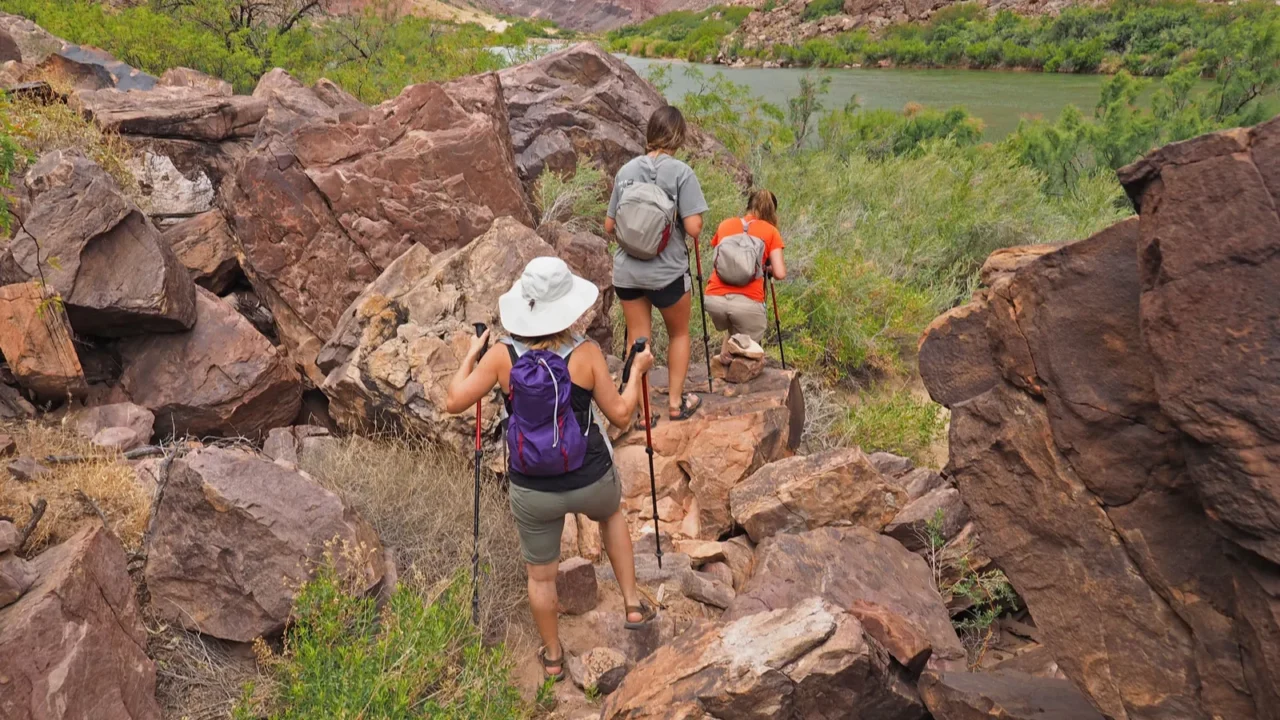
Why altitude still catches hikers off guard
High elevation affects people differently, even experienced hikers. Colorado’s high passes and Montana’s backcountry trails can trigger fatigue faster than expected. Traditional prep often misses early warning signs. Many symptoms appear long before hikers realize what is happening.
New wearables track oxygen trends, heart strain, and recovery patterns. That data helps hikers slow down or rest before altitude sickness sets in. It turns invisible stress into something you can actually see. This allows smarter decisions earlier in the day.
Elevation tracking gets more precise
Older devices tracked elevation loosely and often lagged behind reality. In steep terrain, those delays matter. Knowing how fast you are climbing helps pace energy and hydration. Small errors can add up over hours of hiking.
New sensors measure elevation change continuously. This helps hikers adjust effort on long ascents like Colorado’s 14ers or extended Montana ridgelines. Small changes in pacing can mean finishing strong instead of burning out. Precision matters most on long climbs.
Fatigue prediction replaces guesswork
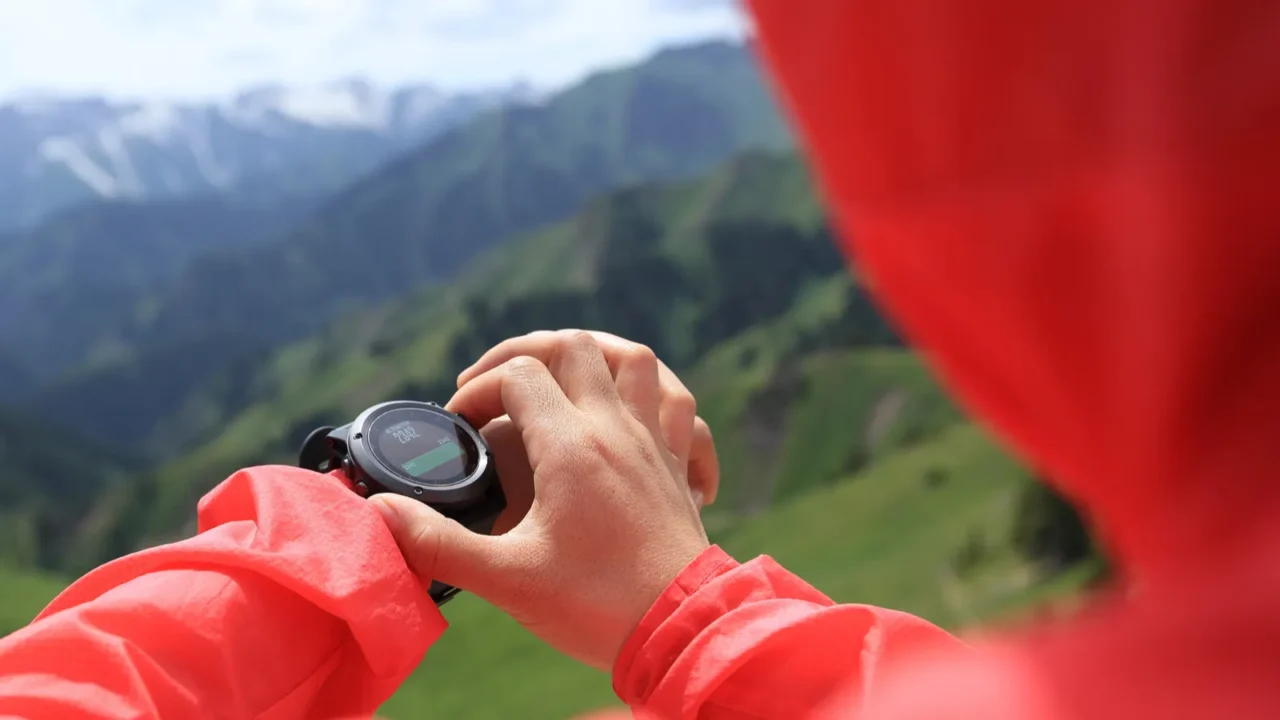
Fatigue used to be judged by feel alone. That works until weather, altitude, or terrain pushes your body faster than expected. Many hikers underestimate how fast fatigue builds. Cold and wind make this even harder to judge.
Next-gen wearables analyze heart rate variability and movement patterns. They alert you when performance is dropping, not just when you feel tired. That warning can prevent poor decisions late in the day. Early alerts help hikers protect energy reserves.

Terrain-aware tech enters the picture
Uneven ground is where most injuries happen. Scree fields, icy trails, and snow-packed slopes demand constant adjustment. Foot fatigue adds up quickly. Balance becomes harder as legs tire.
Some devices now adapt to terrain by analyzing stride and balance. The goal is smoother movement and less joint strain. For long hikes, reducing impact matters as much as speed. These adjustments happen quietly in the background.
Exoskeletons move beyond science fiction
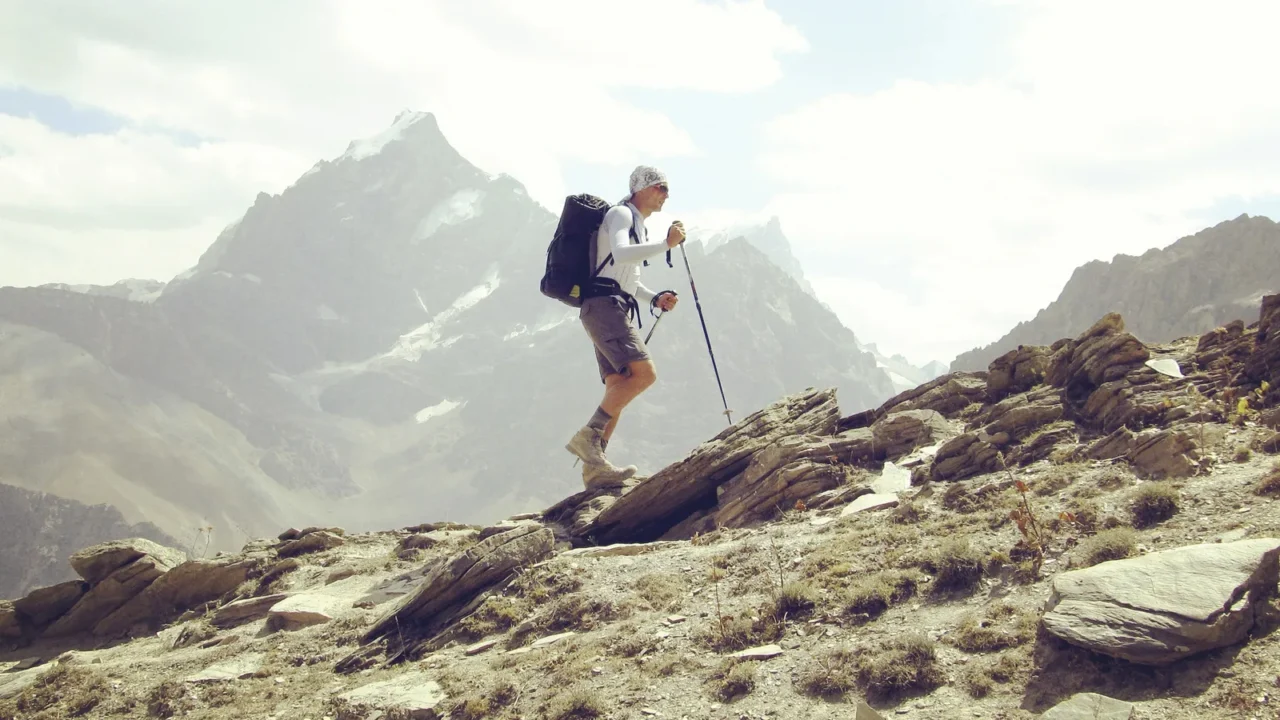
Lightweight outdoor exoskeletons debuted with hikers in mind. Outdoor exoskeletons for hiking, like the Hypershell X series, are wearable robotic suits that use AI and motors to reduce fatigue and increase endurance on trails by assisting leg movements, making them suitable for long distances or tough terrain.
The wearable offers features like intelligent modes, long battery life, and lightweight designs for enhanced mobility, although they represent a significant technological shift from traditional trekking poles.
Smart footwear changes how hikers recover
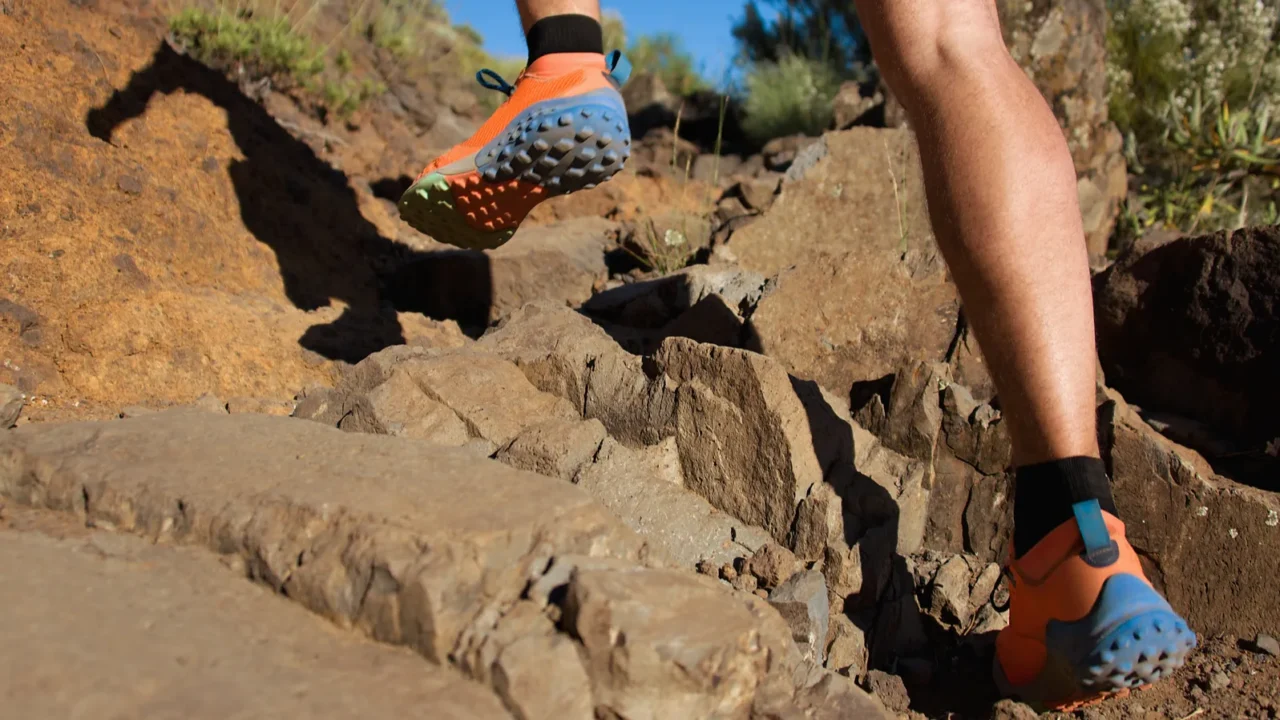
Robotic footwear drew attention for recovery support. These shoes adapt to gait and terrain in real time. That can help reduce soreness over consecutive days. Recovery starts while you are still moving.
For hikers tackling long Montana routes or extended Colorado trails, recovery matters. Less strain today means stronger performance tomorrow. Footwear is becoming part of the recovery plan, not just protection. This changes how people plan multi-day hikes.

Rings and glasses track stress quietly
Not every wearable looks like hiking gear. Smart rings and glasses track stress without demanding attention. They collect data in the background. This appeals to hikers who dislike bulky devices.
This matters in cold or windy conditions where checking a screen is annoying. Passive tracking keeps your focus on the trail while still collecting useful signals. It is tech that stays out of the way. Many hikers forget they are wearing it.

Offline AI matters in remote places
Many mountain trails have no signal at all. That limits how useful cloud-based tools can be. Offline processing changes that. Remote areas benefit the most from this shift.
Edge AI allows wearables to analyze data without internet access. This is especially valuable in Montana’s remote areas. You still get alerts and insights even when phones lose service. Safety does not depend on coverage anymore.
Weather awareness goes beyond forecasts
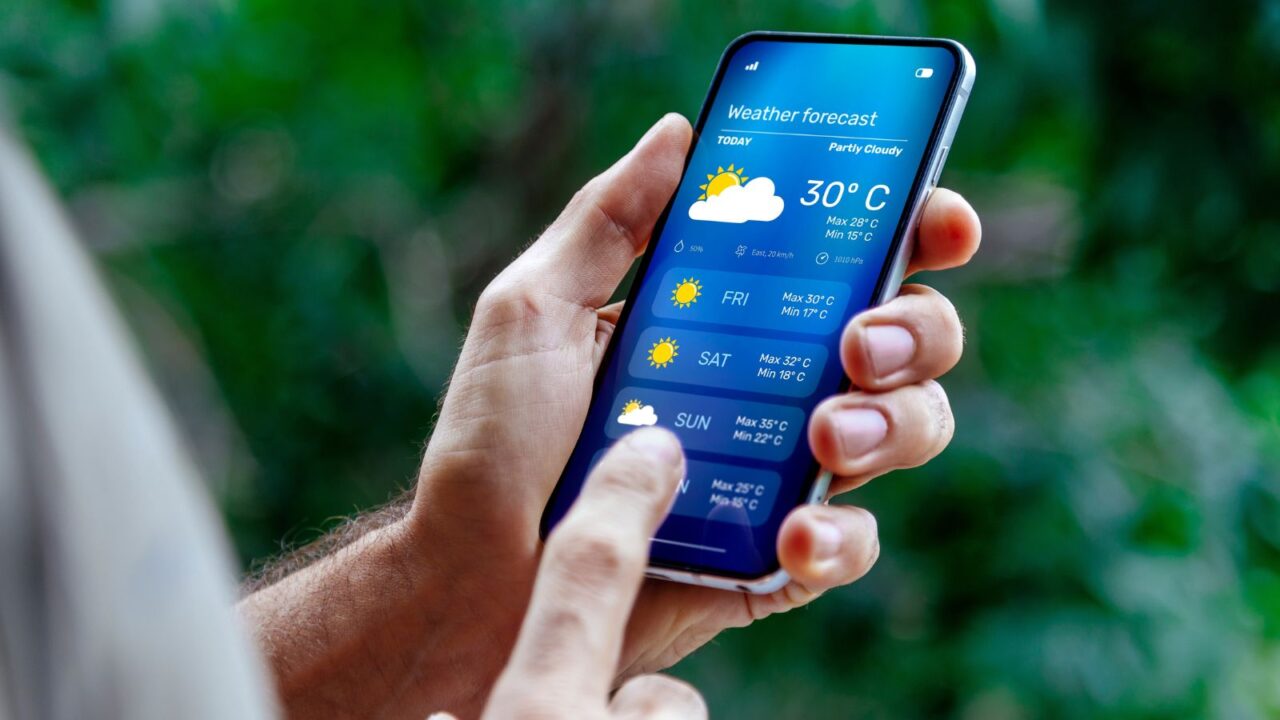
Mountain weather shifts fast. A clear morning can turn dangerous by afternoon. Checking a forecast once is not enough. Conditions change by elevation and exposure.
New devices monitor body response to cold and wind exposure. They help identify when conditions are stressing you faster than planned. This supports smarter decisions about turning back early. It adds a personal layer to weather awareness.
The tech focuses on energy savings, not shortcuts. Many hikers see it as fatigue management.
Safety tech steps up quietly
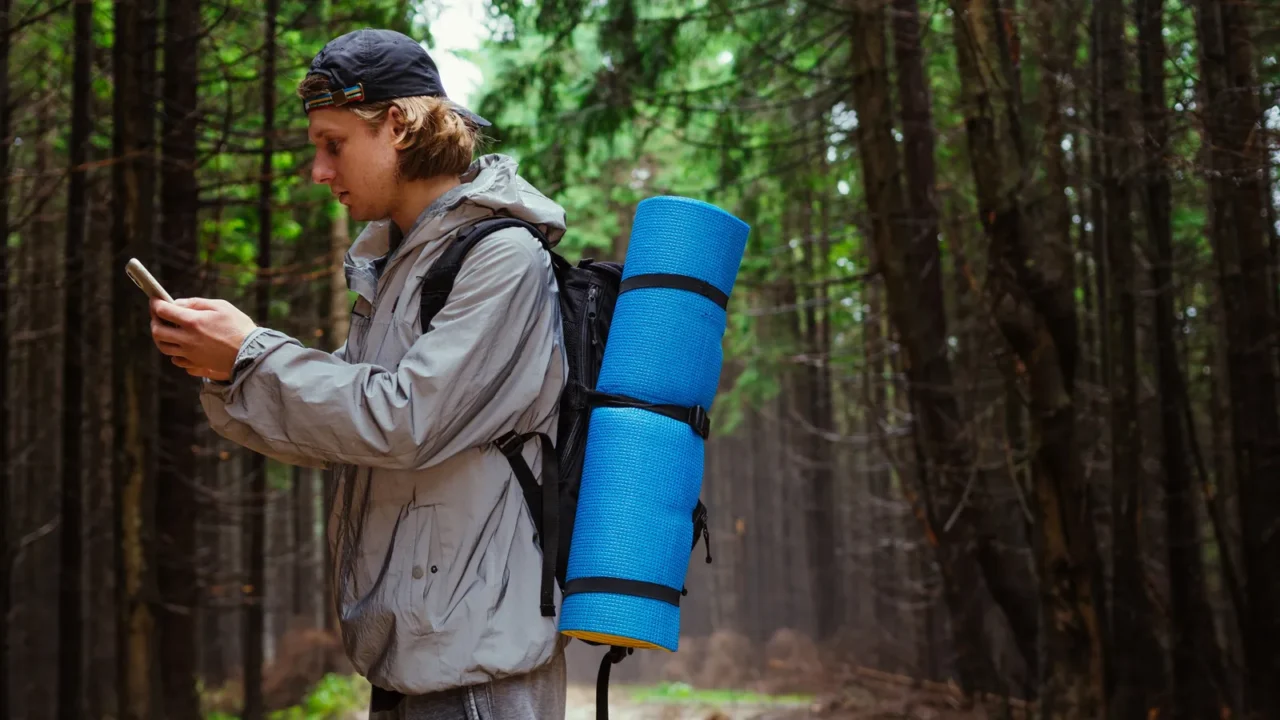
Personal safety remains a major concern in remote areas. New wearables integrate emergency signaling more seamlessly. Some trigger alerts automatically after hard falls. This reduces reliance on manual action.
This matters for solo hikers and winter travel. Quick location sharing can shorten rescue response times. Safety features are becoming standard, not optional. Many hikers see this as peace of mind.

Battery life finally improves
Battery anxiety has limited tech use in the backcountry. Constant charging is not realistic on long trips. That problem is easing. Designers are prioritizing efficiency.
New devices focus on power efficiency and solar-assisted charging. Six or more hours of active outdoor use is becoming normal. That makes wearables more practical for real hikes. Longer battery life supports multi-day planning.
Explore another CES 2026 travel trend no one talks about is ‘edge AI’ that works offline and makes hiking or traveling much smoother.
Hiking prep becomes more personal
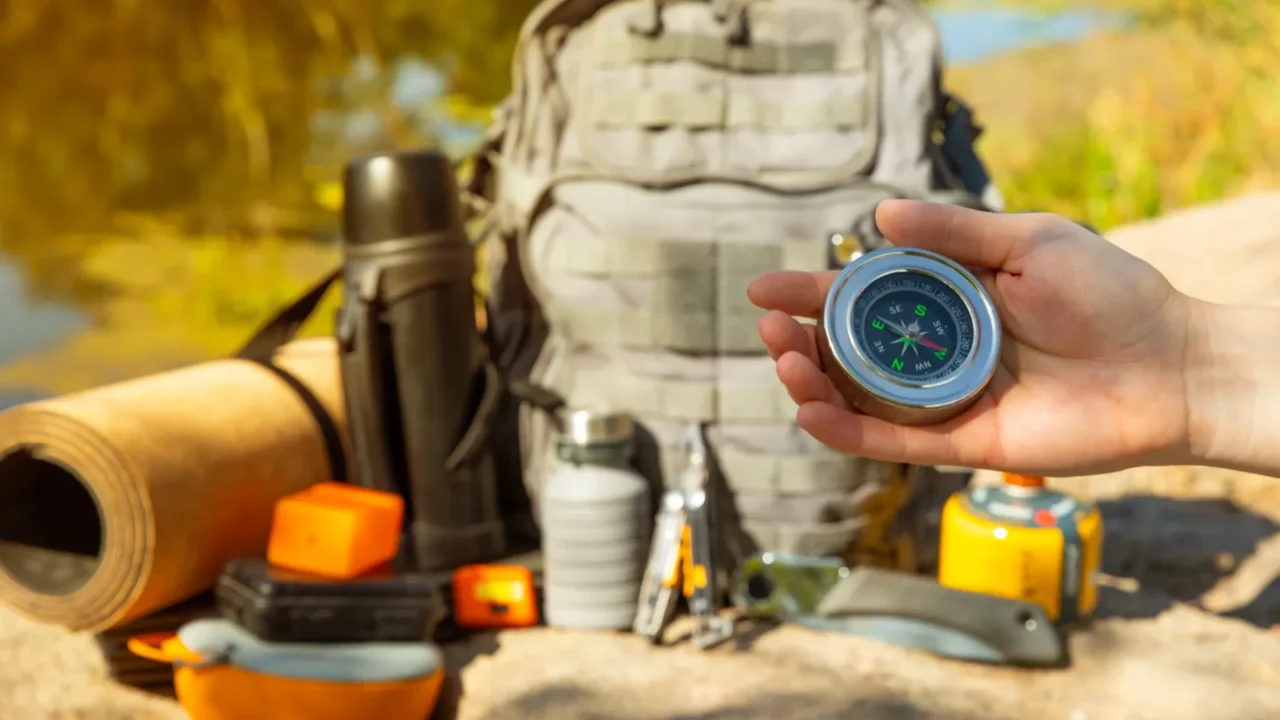
No two hikers respond the same way to altitude or cold. Generic advice only goes so far. Personalized data changes prep routines. Individual patterns become clearer over time.
Wearables build profiles based on how your body responds over time. That helps you plan rest days, mileage, and pacing. It replaces guesswork with patterns you can trust. Personal data leads to smarter planning.
Internet is also raving about this Brazilian lagoon-filled desert where visitors hike barefoot between dunes.
Have you used wearables while hiking, or do you still prefer going tech-free? Share your thoughts in the comments.
This slideshow was made with AI assistance and human editing.
Don’t forget to follow us for more exclusive content right here on MSN.
Read More From This Brand:
