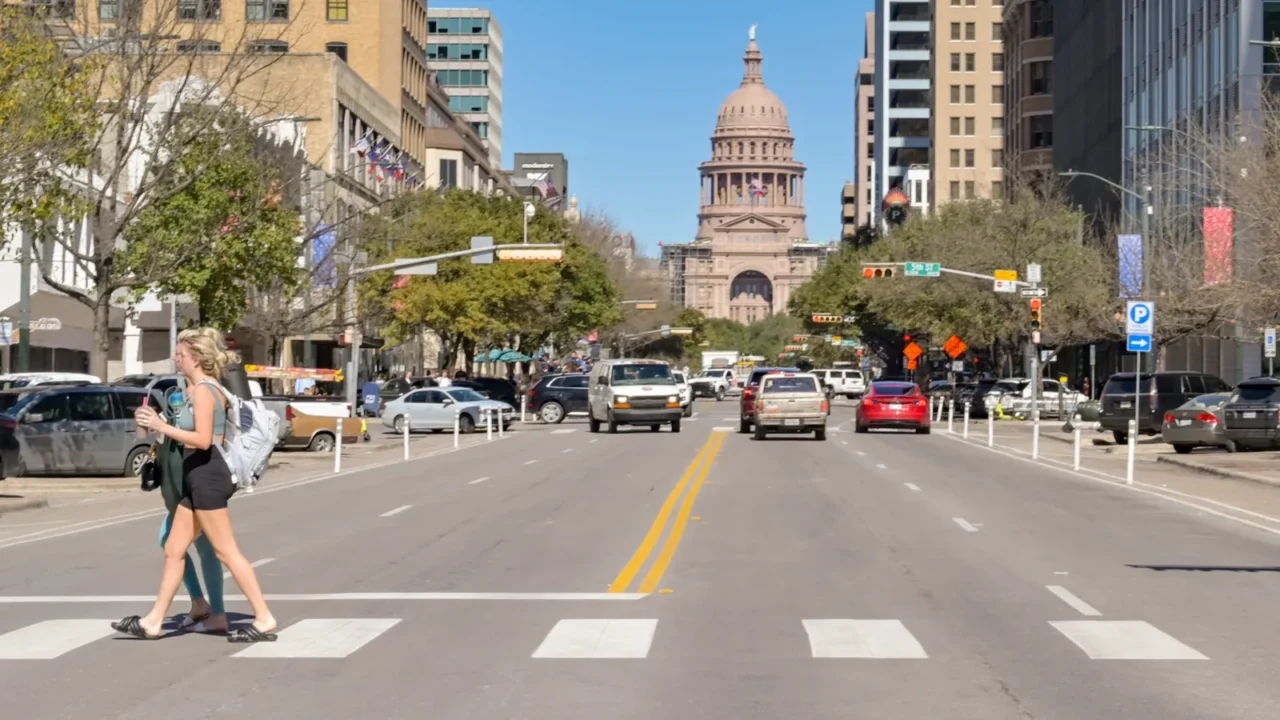
Austin shows how fast a boom can cool
Austin was one of the biggest pandemic winners, but in 2026, it is starting to look like a warning sign for former boomtowns across the South and West. The city that once felt impossible for many young buyers is now firmly tilted toward shoppers, not sellers.
That matters because this is not just an Austin story. Nationally, home sellers outnumbered buyers by 46.3% in February 2026, the biggest gap Redfin has tracked since 2013, showing how quickly leverage has shifted in many markets.
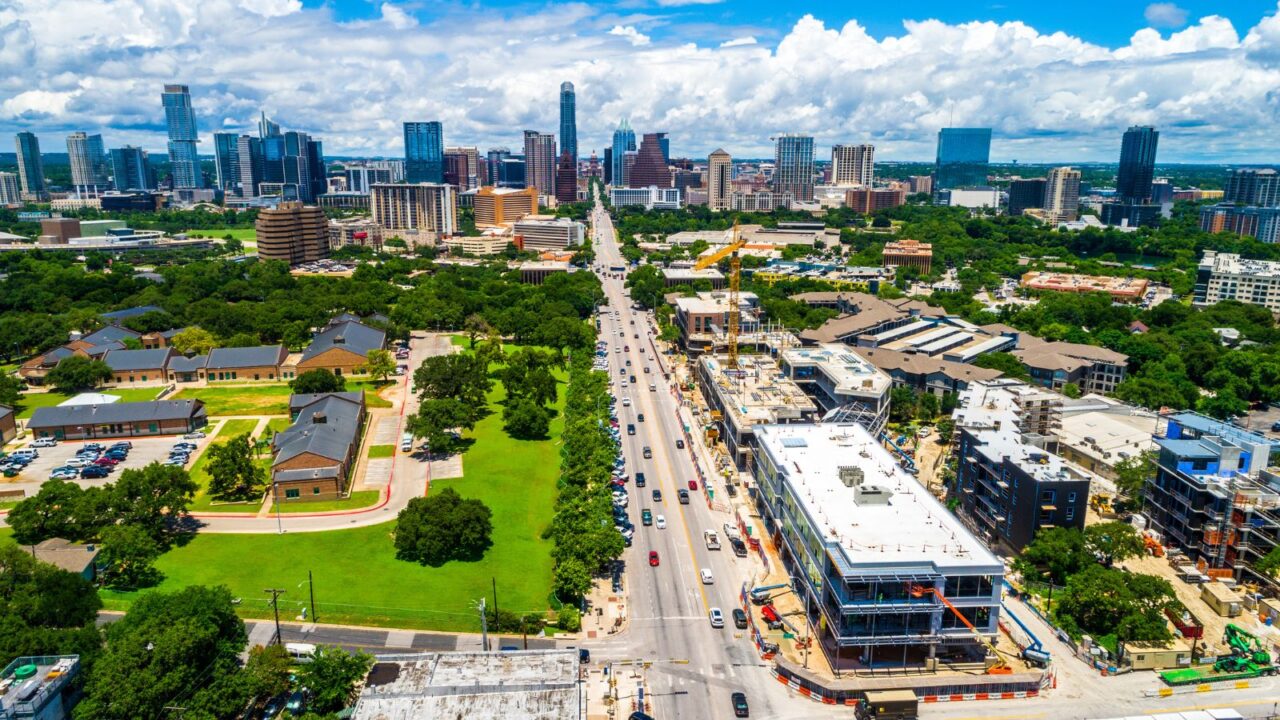
The pandemic surge built this setup
Austin’s rise was huge even before the correction fully set in. Industry housing analyses found that the Austin metro added about 51% more households from 2014 to 2024, far outpacing the national growth rate over the same period. That long expansion reflected sustained job growth, migration, and development pressure that had been building well before the pandemic boom.
Builders responded to that demand with more supply across the metro. Realtor.com also reported that many builders in the region have been pushing entry-level options, with more homes aimed at first-time or move-up buyers and some offerings below $300,000.

Prices are finally moving the other way
The slowdown is showing up clearly in Austin prices. Realtor.com reported that the metro’s median listing price was $455,000 in February 2026, while a separate Austin city snapshot showed a local median listing price of $550,000, down 8.1% year over year.
Price pressure is also visible when size is factored in. In Realtor.com’s January 2026 metro analysis, Austin posted one of the biggest declines in price per square foot among the top 50 markets, at -6.1%.

Sellers now have much less control
Redfin called Austin the country’s strongest buyer’s market in late 2025. In September, the metro had an estimated 130% more home sellers than buyers, giving shoppers more room to negotiate on price, repairs, and concessions.
That shift fits the larger national pattern. Redfin’s newest data shows the buyer-friendly environment has not faded in early 2026, which helps explain why homes are sitting longer and why sellers in many once-hot markets are trimming expectations.
Rent relief is part of the reset too
Austin’s correction is not limited to homes for sale. Realtor.com’s February 2026 rent report said Austin had the deepest rent relief among major markets, with asking rents 18.2% below their pandemic-era peak.
A Pew analysis went further, showing Austin’s median rent fell from $1,546 in December 2021 to $1,296 in January 2026. That drop happened even as the city kept adding residents, which points to supply playing a major role in the cooling.
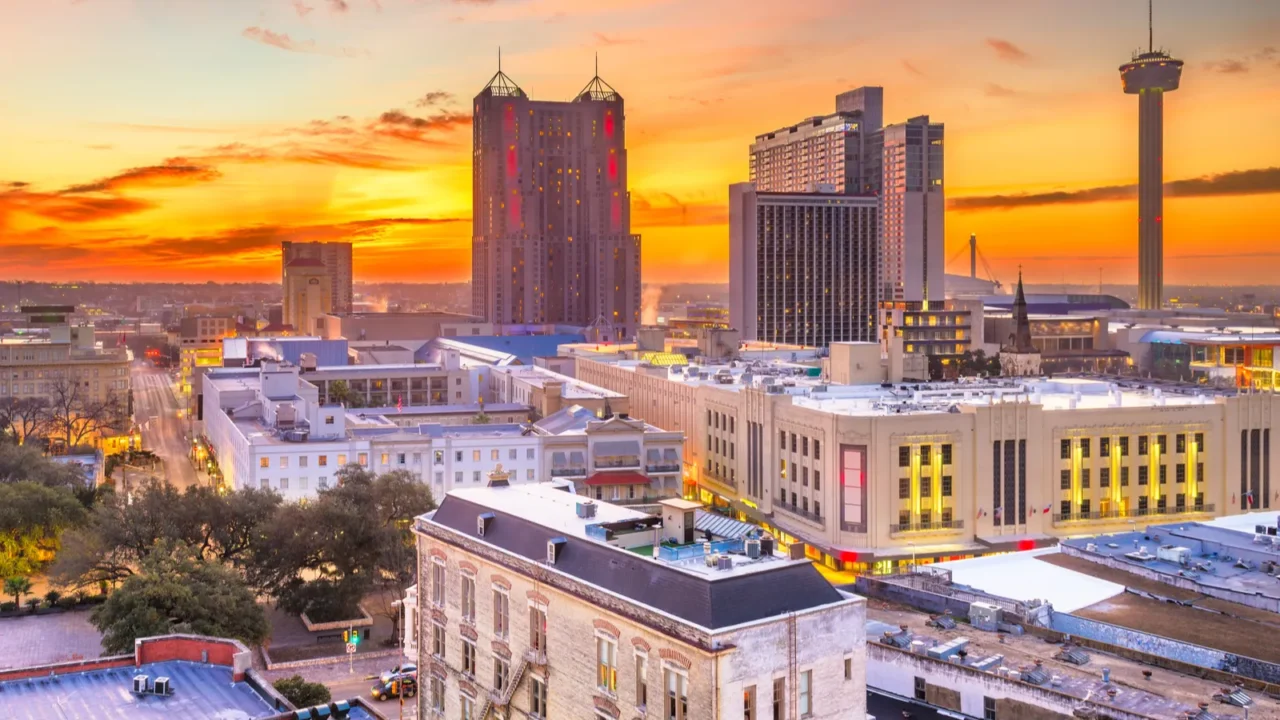
This is bigger than one Texas city
Austin is the cleanest example, but it is part of a broader Sun Belt and Mountain West adjustment. Realtor.com reported that Phoenix-Mesa-Chandler led major metros for price cuts in February 2026, with 28.2% of listings marked down.
Other metros on that list included San Antonio-New Braunfels at 22.6% and Tampa-St. Petersburg-Clearwater at 24.8%. Many of the places correcting hardest are the same ones that drew intense migration and speculative demand during the pandemic years.
Little-known fact: Austin’s rent decline was the deepest among major U.S. markets in Realtor.com’s February 2026 rental report, at 18.2% below peak.

Young buyers still are not having an easy time
A softer market does not mean buying a home suddenly feels easy for most younger Americans. The National Association of Realtors said first-time buyers made up just 21% of home buyers in 2025, and their median age rose to a record 40.
That is why a few more affordable openings in Austin matter, but do not fully solve the national problem. Lower prices help, yet down payments, insurance, and borrowing costs still block many younger households from buying even in cooling metros.
Little-known fact: Pew found that Odessa, Texas; Lincoln, Nebraska; Ithaca, New York; and Bloomington, Indiana were among the metros with the lowest shares of 25- to 34-year-olds living in a parent’s home, at about 3%.

More young adults are still living at home
The broader backdrop is a delayed path to independence for many young adults. Census said that in 2024, 57% of adults ages 18 to 24 lived in a parental home, while 16% of adults ages 25 to 34 did so.
Pew’s metro analysis adds another layer. In 2023, 18% of adults ages 25 to 34 were living in a parent’s home nationwide, and the share varied sharply by region and metro, showing how local housing conditions still shape young adult choices.

A buyer’s market still has limits
Even with more inventory, financing remains a major obstacle. AP reported that the average U.S. 30-year fixed mortgage rate hit 6.38% in the week of March 26, 2026, the highest level in more than six months.
So the new reality is mixed. Buyers may get more negotiating power in Austin and similar metros, but higher monthly payments can erase part of the advantage, especially for people trying to enter the market without family wealth or a large down payment.

Sellers are learning a new lesson
The housing cooldown is also changing seller behavior. Investopedia, citing Redfin data, reported that 45,000 homes were relisted in January 2026 after being pulled from the market in 2025, the highest January total in a decade.
That suggests many sellers are having to reset their strategy instead of naming an aspirational price and waiting. In former boomtowns, the old pandemic playbook no longer works as reliably because buyers have more choice and less urgency.

Austin’s slump is painful for owners
What helps buyers can sting existing homeowners. Team Price’s March 2026 Austin market briefing said the metro’s median sold price in February was $412,250, down 3.6% from a year earlier and about 25% below its May 2022 peak.
That does not mean Austin is collapsing, but it does show how fast paper wealth can shrink after a frenzy. People who bought near the top may face weaker resale values or longer waits if they need to move soon.
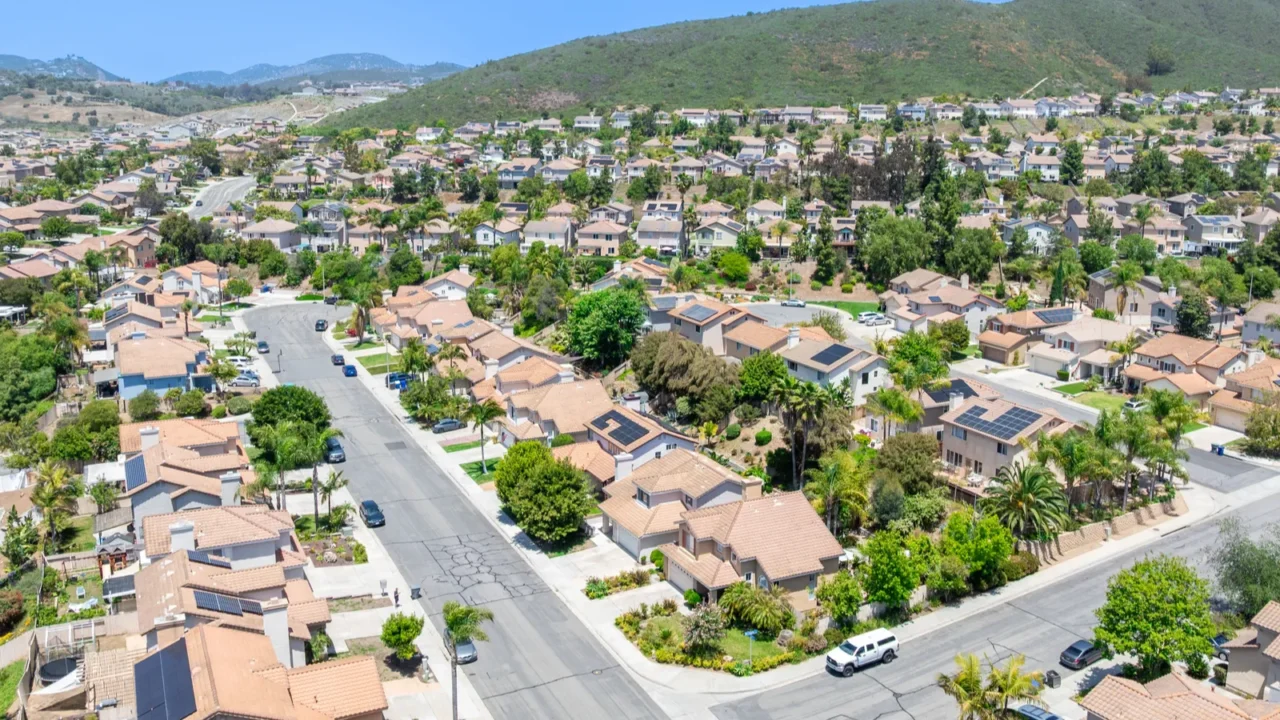
The national market is cooling unevenly
This is still a highly regional story, not a uniform national crash. Realtor.com said the national median list price in February 2026 was $403,450, down 2.1% from a year earlier, while for-sale inventory rose 7.9%.
In other words, the U.S. market is loosening, but some places are loosening much faster than others. Former boomtowns with heavy construction and softer migration flows are feeling the reset more sharply than tighter Northeast markets.
Los Angeles is giving some renters more protection over smaller unpaid balances. Check out what the new eviction limits could mean for tenants and landlords.

What comes next for former boomtowns
Realtor.com’s 2026 forecast expected mortgage rates to average around 6.3%, existing-home sales to rise modestly to 4.13 million, and inventory to keep recovering. That points more toward a slow rebalancing than a dramatic rebound.
For Austin and similar cities, the next phase may be less about a crash and more about normalization. Buyers could keep gaining options, but affordability will improve meaningfully only if prices, rents, and borrowing costs move in a friendlier direction together.
Rising rents are still squeezing budgets across the country. Check out what is keeping U.S. housing affordability under pressure in 2026.
Do you think more former boomtowns are headed for the same kind of reset? Share your thoughts in the comments.
This slideshow was made with AI assistance and human editing.
Don’t forget to follow us for more exclusive content right here on MSN.
Read More From This Brand:
